Bowser Electric
Bowser Electric
Bowser Electric
The electrical infrastructure of New York State and the greater NYC metropolitan area is undergoing one of the most comprehensive technological overhauls in its history. Propelled by the Climate Leadership and Community Protection Act (CLCPA), which mandates 70% renewable electricity by 2030 and a zero-emission power grid by 2040, utility giants like Con Edison and the New York Power Authority (NYPA) are aggressively upgrading subtransmission and distribution networks.
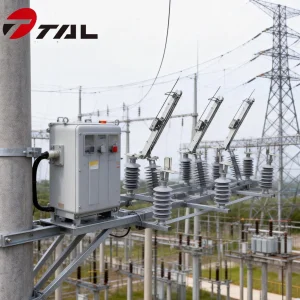
In this high-stakes landscape, isolator switches (disconnectors) play an indispensable role. They ensure electrical safety by isolating specific circuits during routine maintenance, grid reconfiguration, or fault conditions. Unlike standard circuit breakers designed to interrupt heavy fault currents, isolator switches provide a visible, physical break in the circuit, which is an absolute requirement under safety protocols (such as NFPA 70E) for utility linemen and industrial operators.
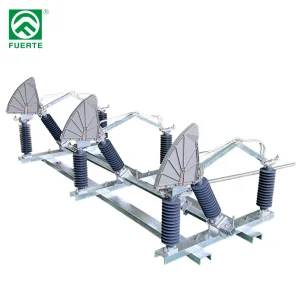
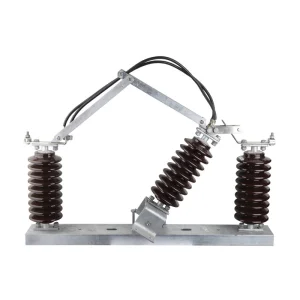
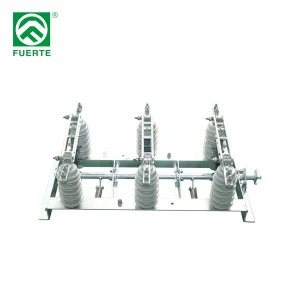
For the dense urban layout of Manhattan, Brooklyn, and Queens, space is at a premium. Substation components must support exceptional power density while ensuring total reliability under harsh conditions—including high relative humidity, coastal salt spray near Long Island, and severe winter temperature swings. Consequently, there is an escalating demand for compact, high-voltage (HV) polymer-insulated and porcelain-insulated disconnect switches that conform strictly to IEEE/ANSI standards, alongside UL-listed low-voltage (LV) switches for commercial building management systems (BMS).
New York's grid architecture is unique in its duality: it combines the ultra-dense underground distribution system of New York City with the vast overhead transmission lines spanning upstate New York. This complex environment demands diverse engineering requirements for disconnect switch installations:
Countries Served
Global Partners
Patents Registered
Extended Warranty
For procurement managers, sourcing isolator switches for large-scale New York municipal, industrial, or commercial projects represents a significant logistical challenge. The key factors influencing these purchase decisions include:
Lead Time Mitigation: Modern grid projects cannot afford delays. Procurement managers require manufacturers who maintain robust supply chains for key raw materials—such as electrolytic copper, silver plating, and specialized electrical porcelain or polymer formulation. Factory-direct models with advanced production scheduling allow for predictable, shortened lead times compared to standard domestic distribution networks.
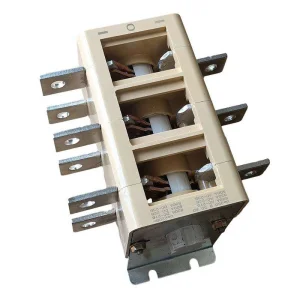
Customization and Custom Engineering: Off-the-shelf isolators often fall short of meeting the spatial and functional requirements of existing retrofitted substations. OEM/ODM expertise is crucial. Whether it requires specialized mounting brackets, custom terminal connector blocks, manual gang-operated linkages, or motor-drive mechanisms compatible with modern SCADA automation, custom-engineered solutions are highly valued.
Compliance & Traceability: Every component entering a New York construction site or utility substation must have complete, auditable material and testing reports. Compliance with standards like ISO 9001, combined with localized third-party certifications (UL, CE, TUV, CSA), ensures that the products pass municipal and building department inspections without delay.
The reliability of an isolator switch under continuous thermal and environmental stress depends on its materials and electrical design. Below is a comparative breakdown of contemporary manufacturing standards:
| Technical Parameter | Porcelain Insulator Disconnects | Polymer Insulator Disconnects |
|---|---|---|
| Material Composition | High-strength electrical alumina porcelain | Silicone rubber housing with fiberglass core |
| Pollution & Salt Resistance | Moderate (requires periodic cleaning in coastal areas) | Excellent (hydrophobic properties prevent leakage currents) |
| Mechanical Strength | High cantilever strength, brittle under impact | High tensile and impact strength, lightweight for easy handling |
| Life Expectancy | 40+ Years (highly stable chemically) | 25-30 Years (susceptible to UV degradation over long periods) |
Arc Quenching and Contact Reliability: Because disconnect switches are designed to operate under zero-load conditions, isolating circuit lines requires absolute structural stability to prevent dangerous arcing. Our isolators incorporate double-sided self-wiping copper contact blades plated with thick silver layers. This minimizes contact resistance, mitigates local heating, and prevents corrosion in high-humidity or polluted coastal environments.
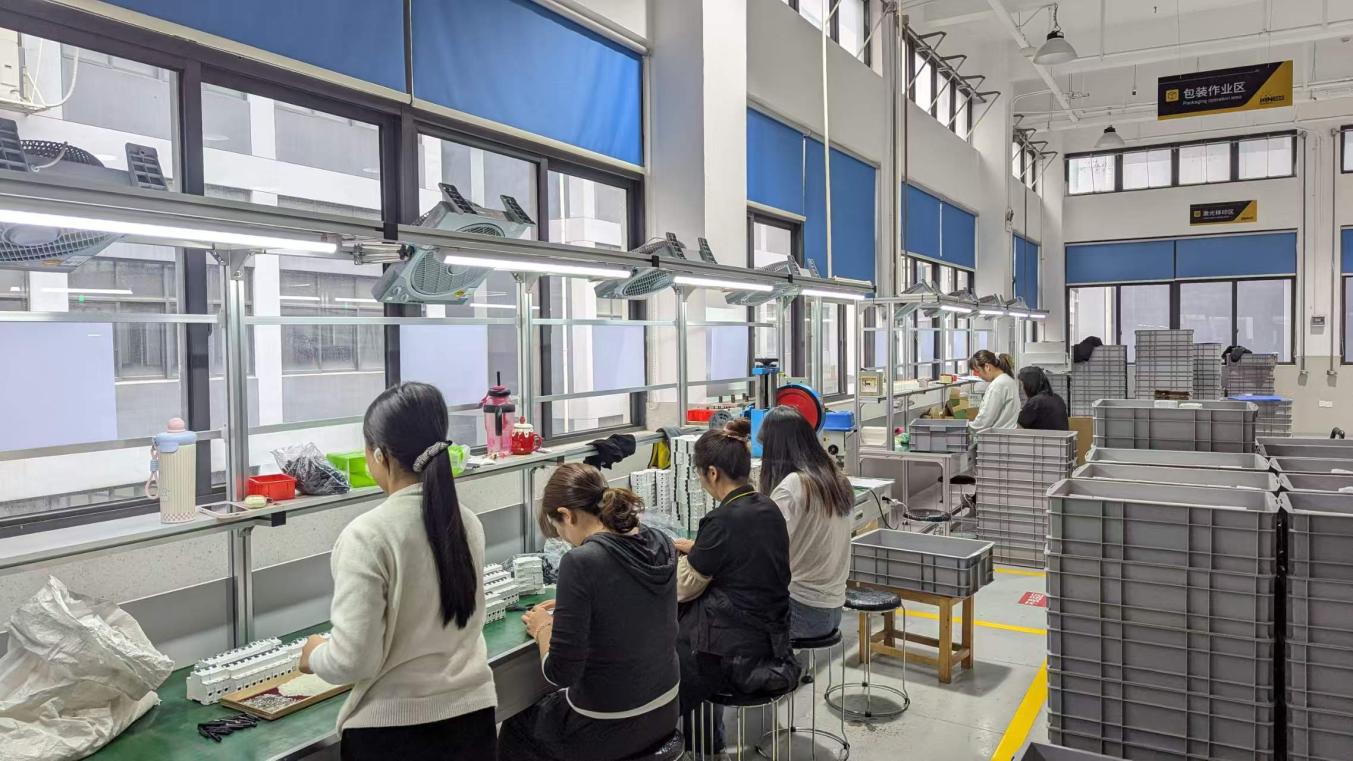
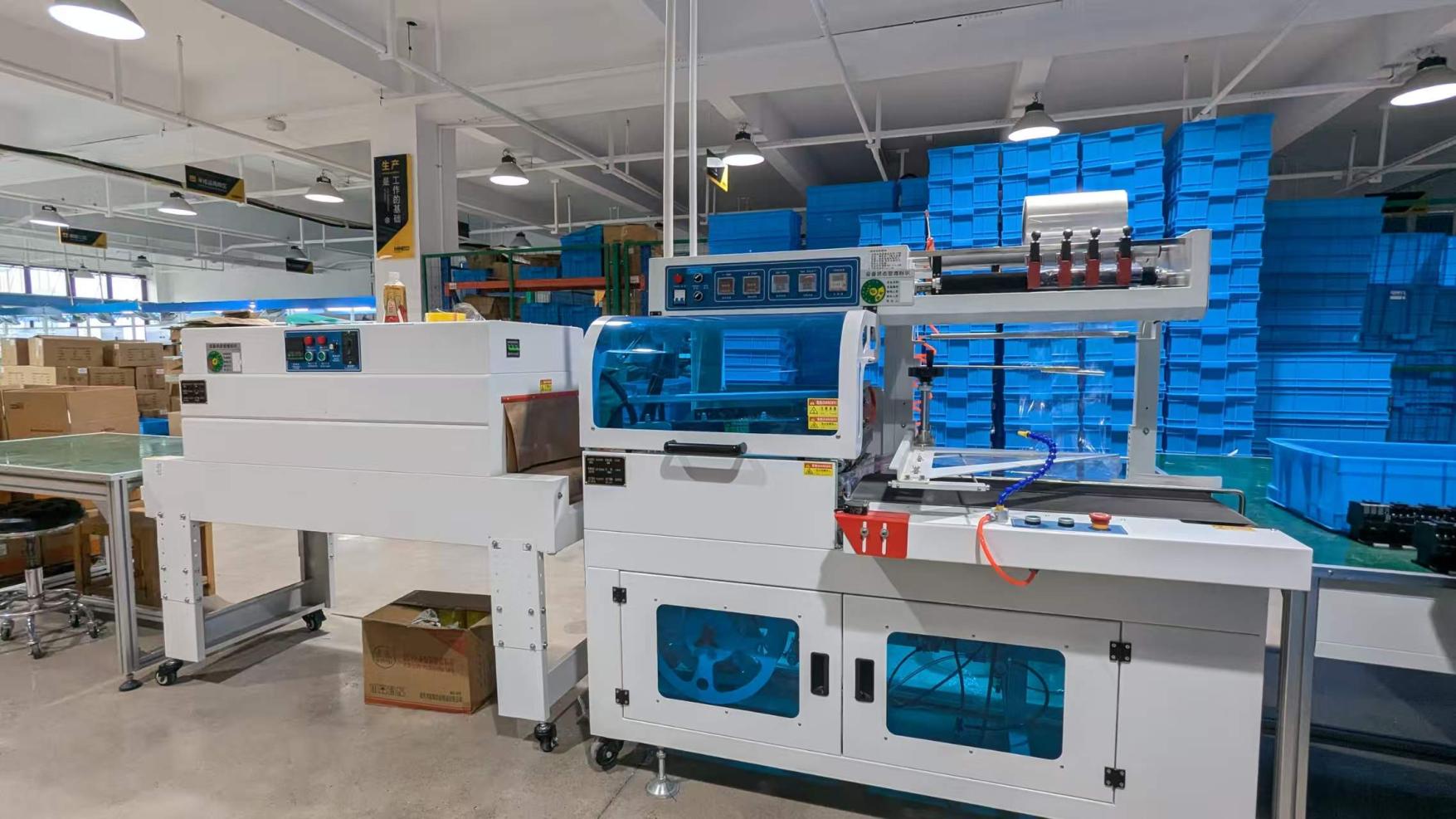
A global leader in the electrical manufacturing industry, renowned for innovation, reliability, and an unwavering commitment to excellence. As a specialized manufacturer and exporter, we focus on providing high-quality modular electric terminal devices, industrial switchgear, and customized solutions to clients worldwide.
Our dedicated 35+ member R&D team is focused on advancing electrical technology and delivering smart, efficient, and reliable solutions. Holding over 25 international patents, we continuously explore new innovations in circuit breaker design, energy management systems, and safety devices. Our research-driven approach ensures that our products consistently meet the highest global standards, keeping our clients ahead in an ever-evolving industry.
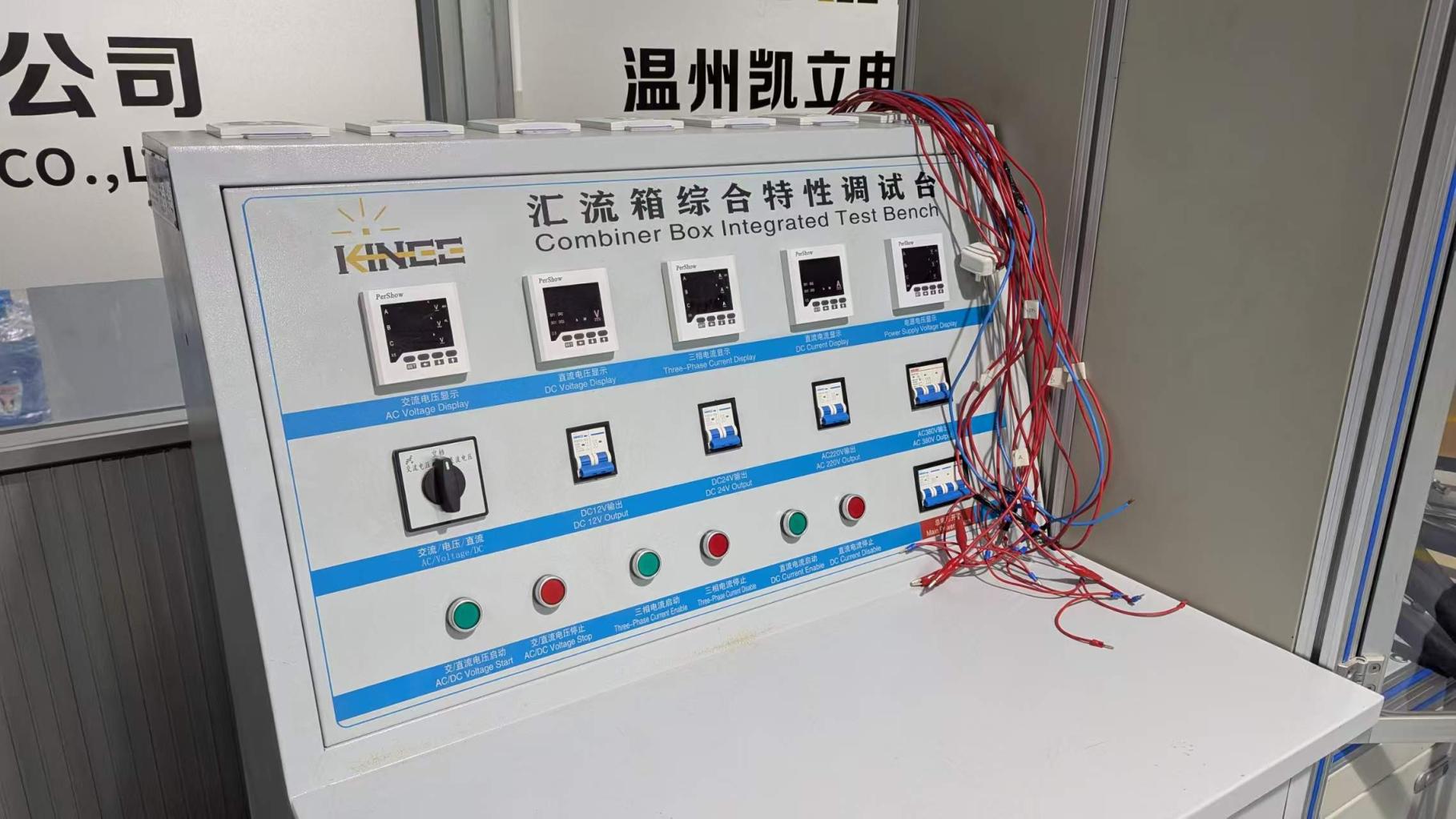
Quality and safety are the cornerstones of our operations. With a 99.9% defect-free rate, every product undergoes rigorous testing, from material inspection to final production. Our facilities are certified under ISO 9001, CE, TUV, and other international safety standards, ensuring compliance and reliability in every market we serve.
With an extensive catalog including 1,200+ products, we excel in OEM and ODM projects, having successfully completed over 150 customized solutions in collaboration with renowned international companies. Bowser Electric provides 24/7 technical assistance and backs our products with a 5-year warranty, reflecting our confidence in quality and our commitment to long-term client success.
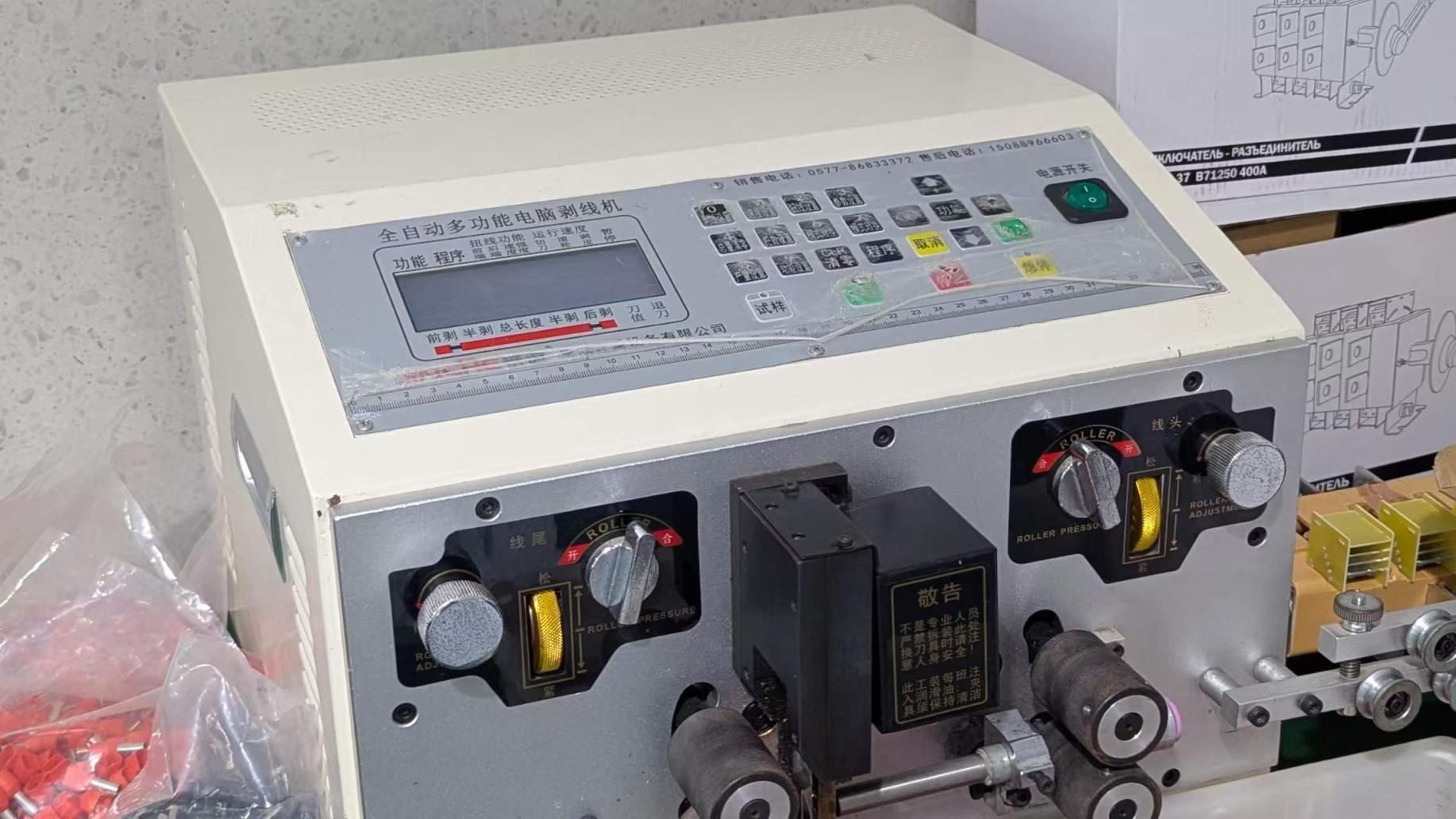
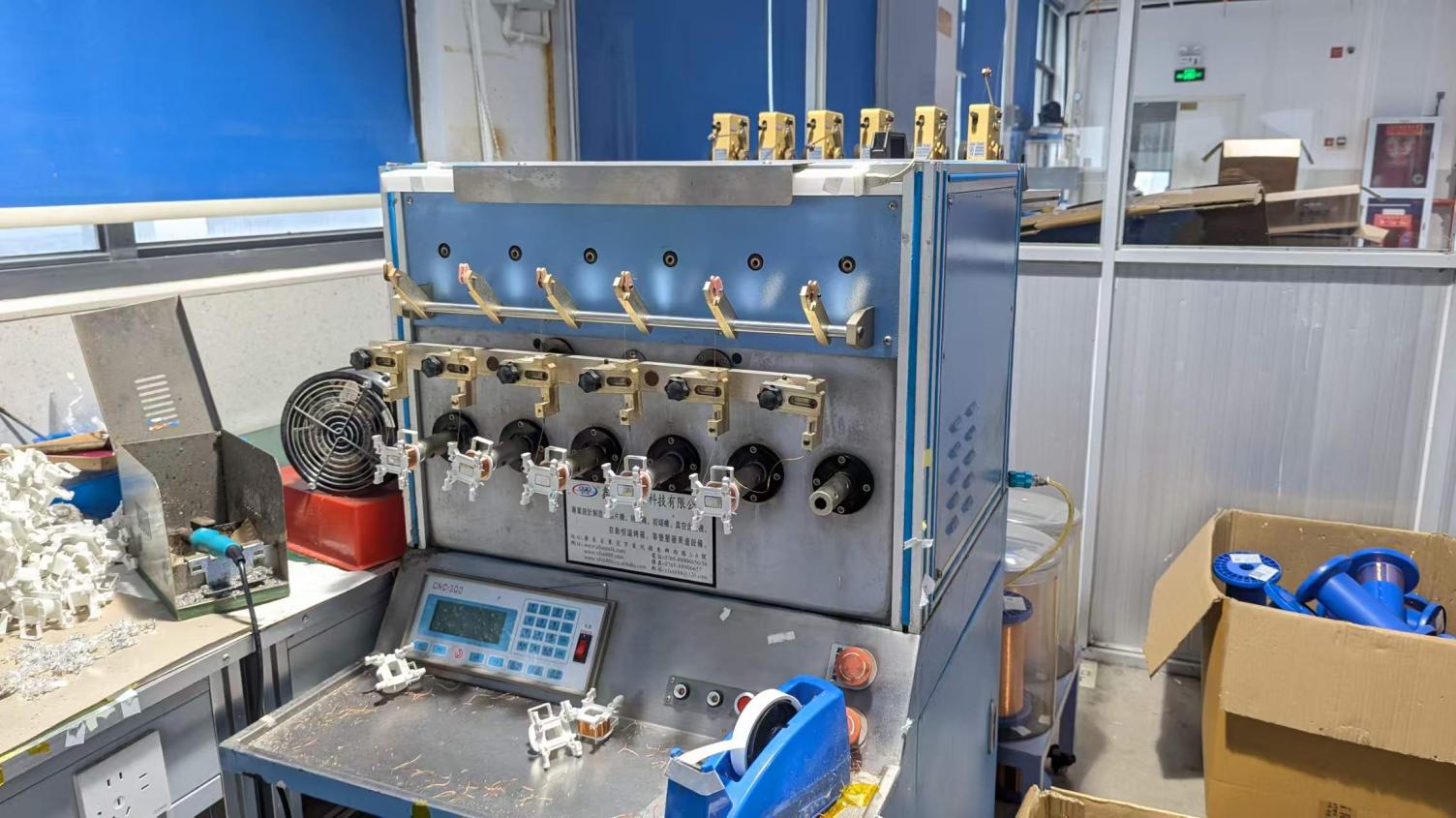
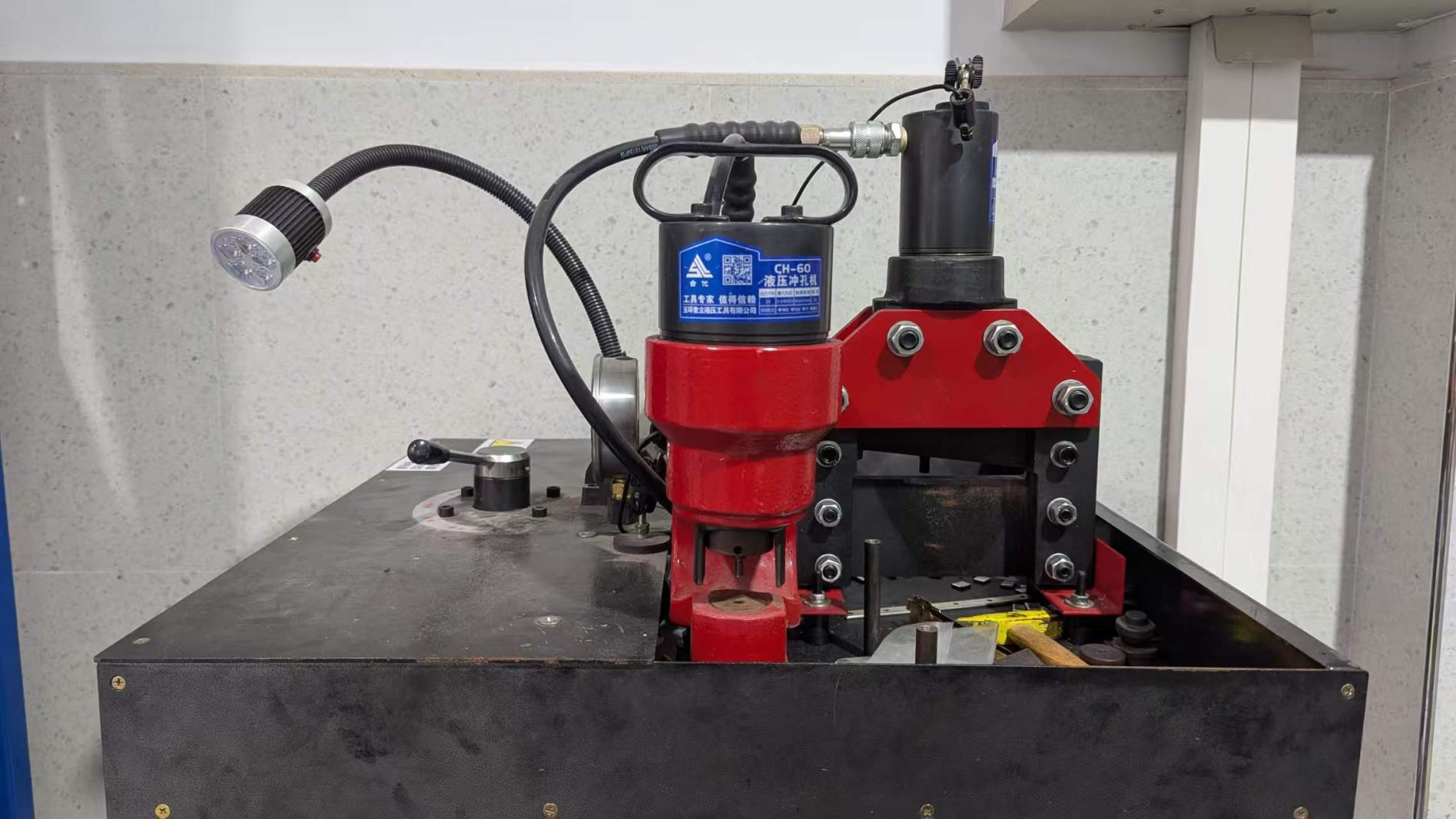
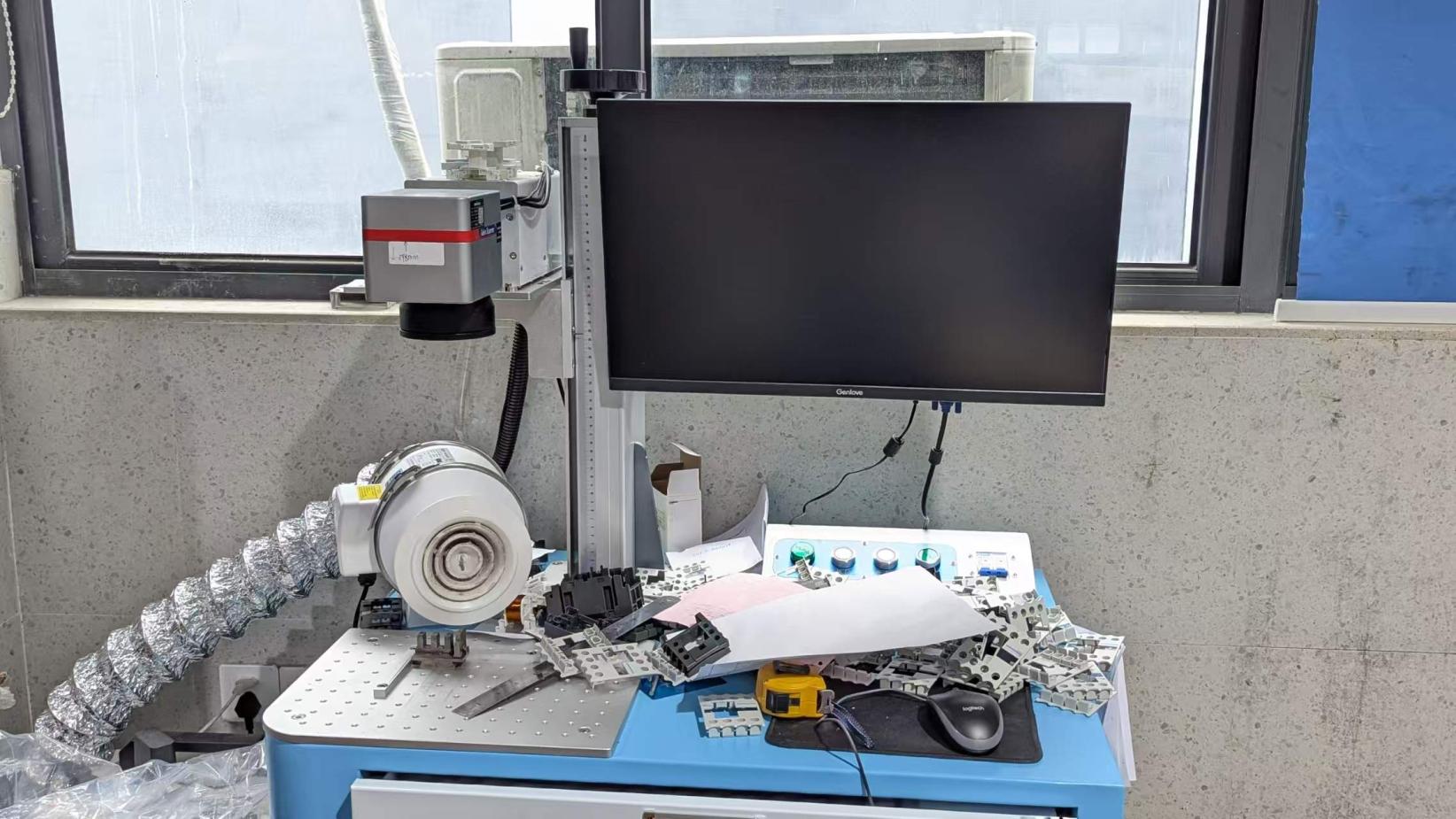
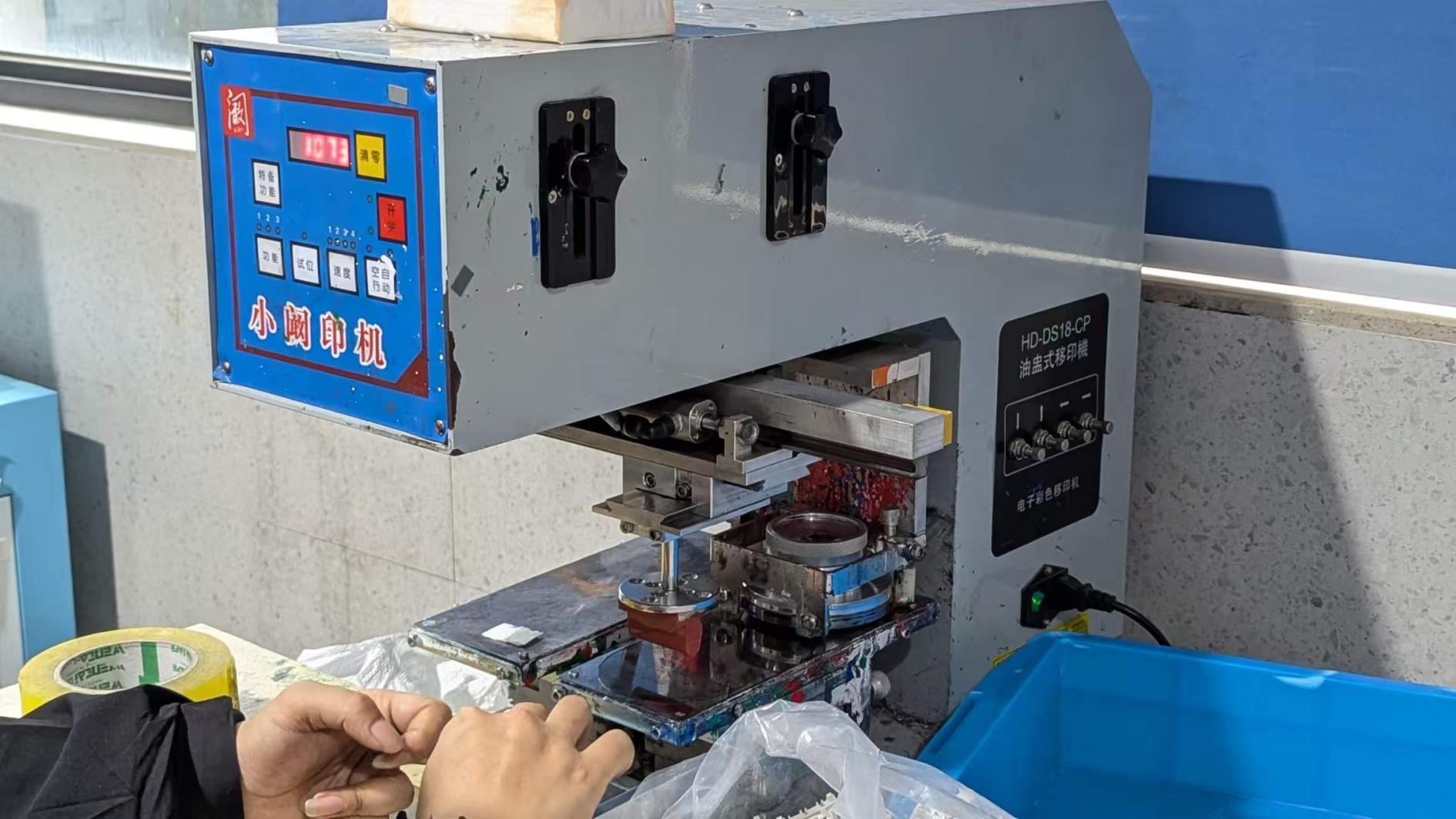
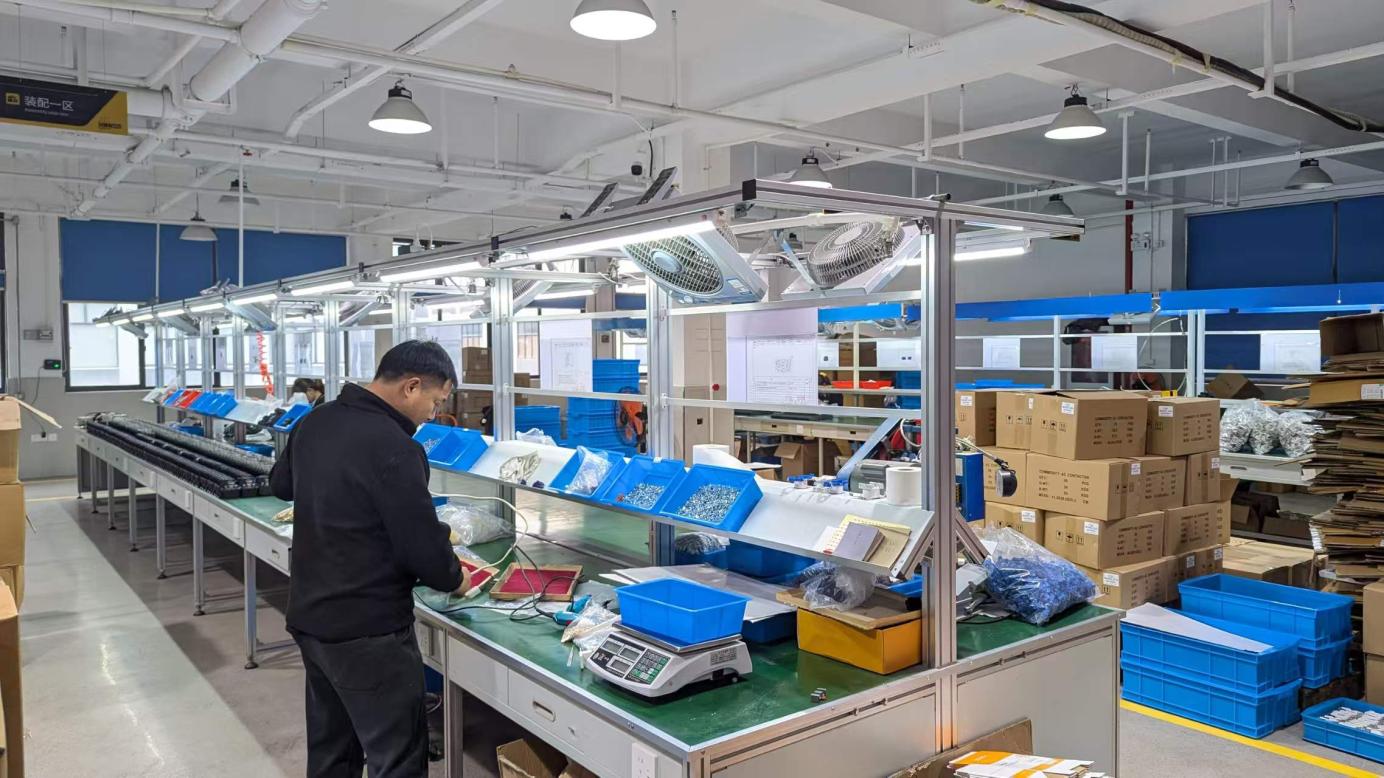
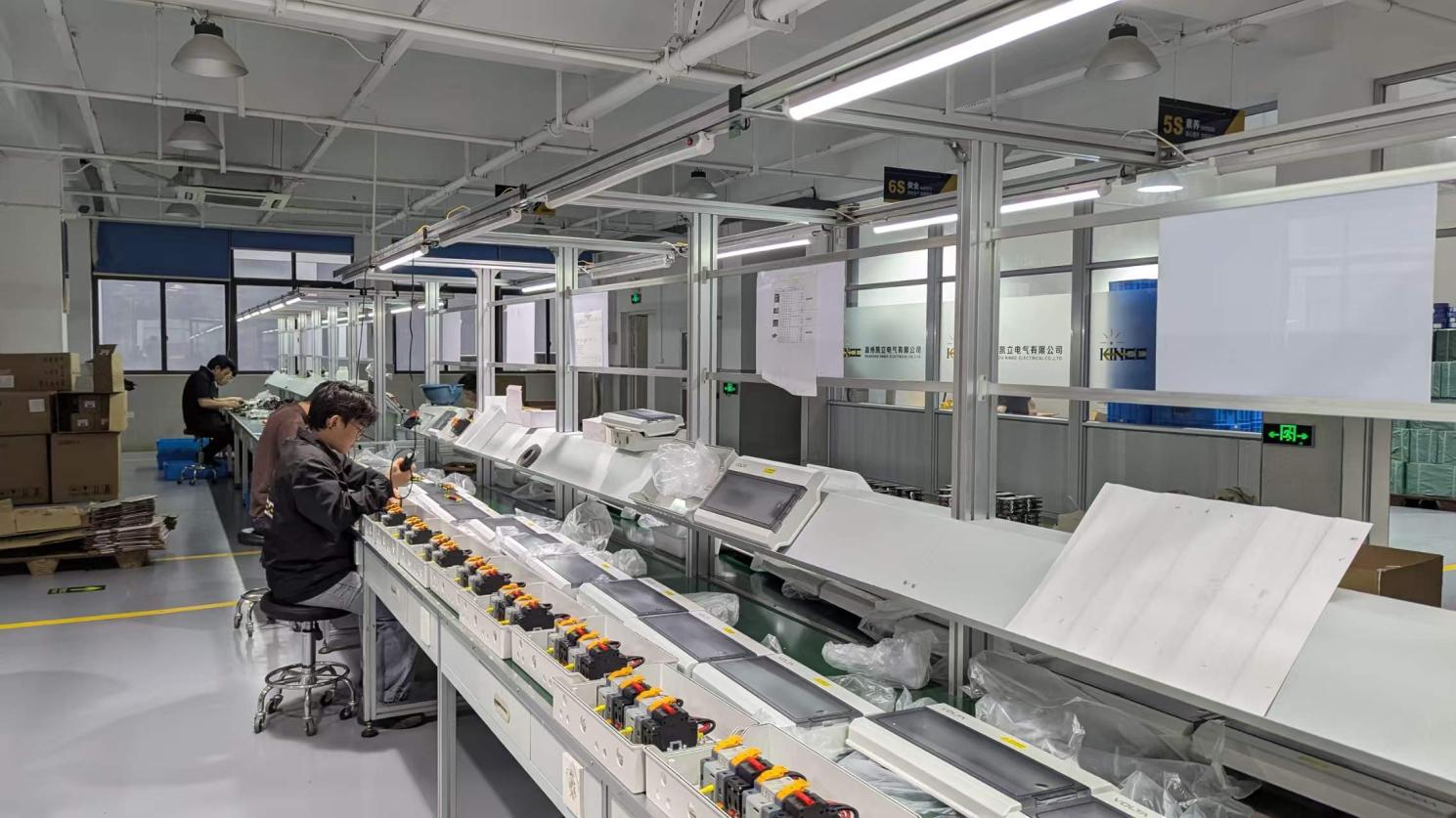
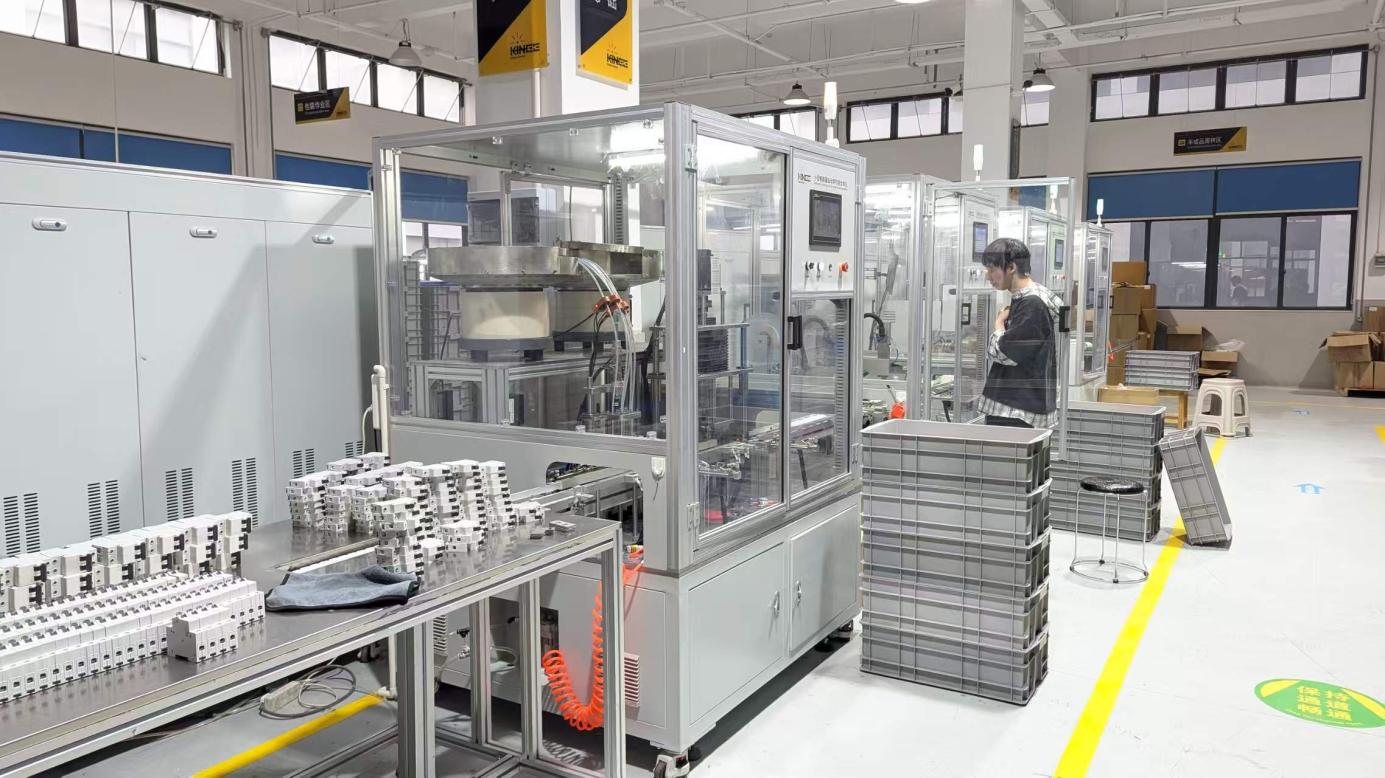
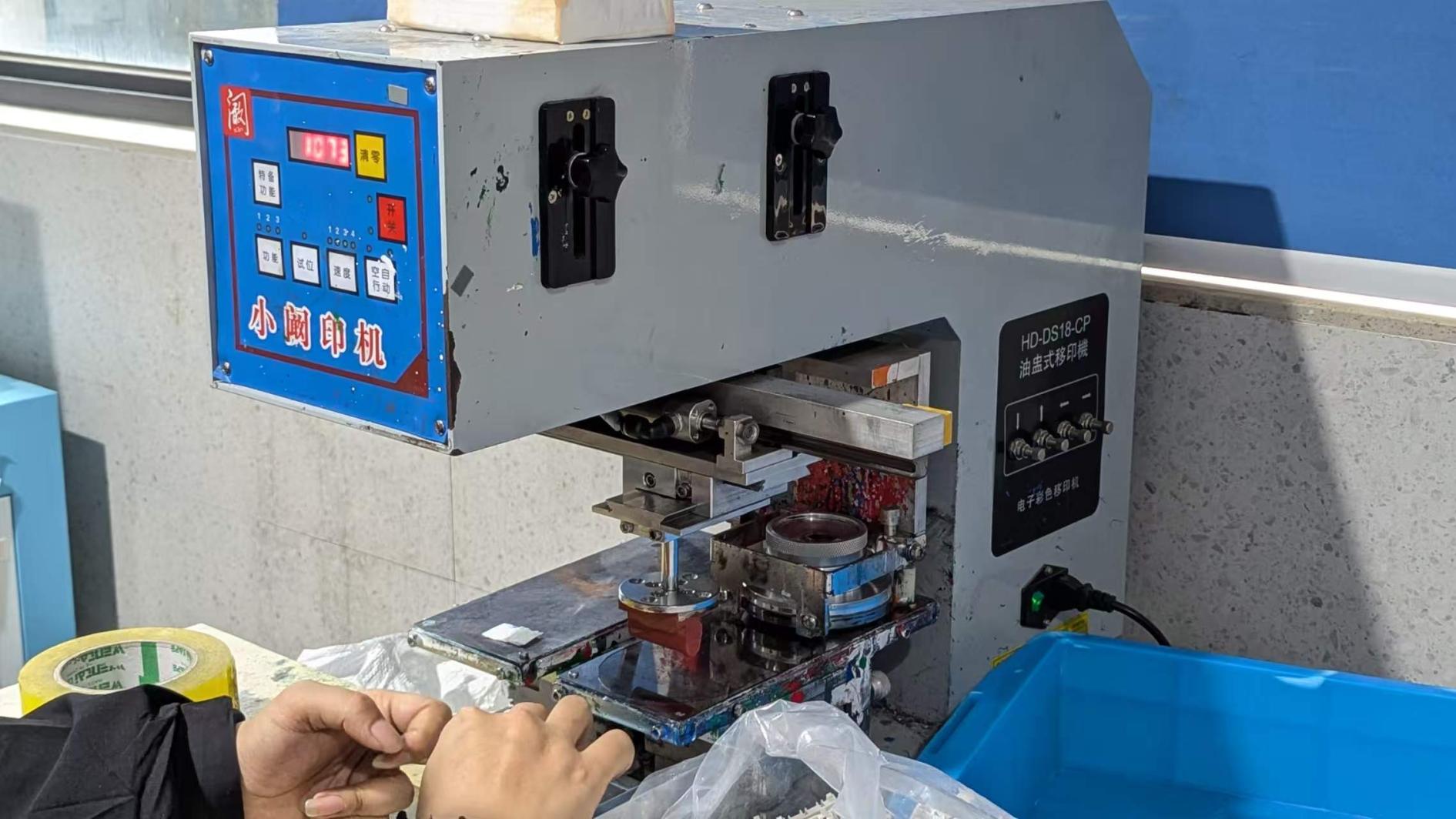
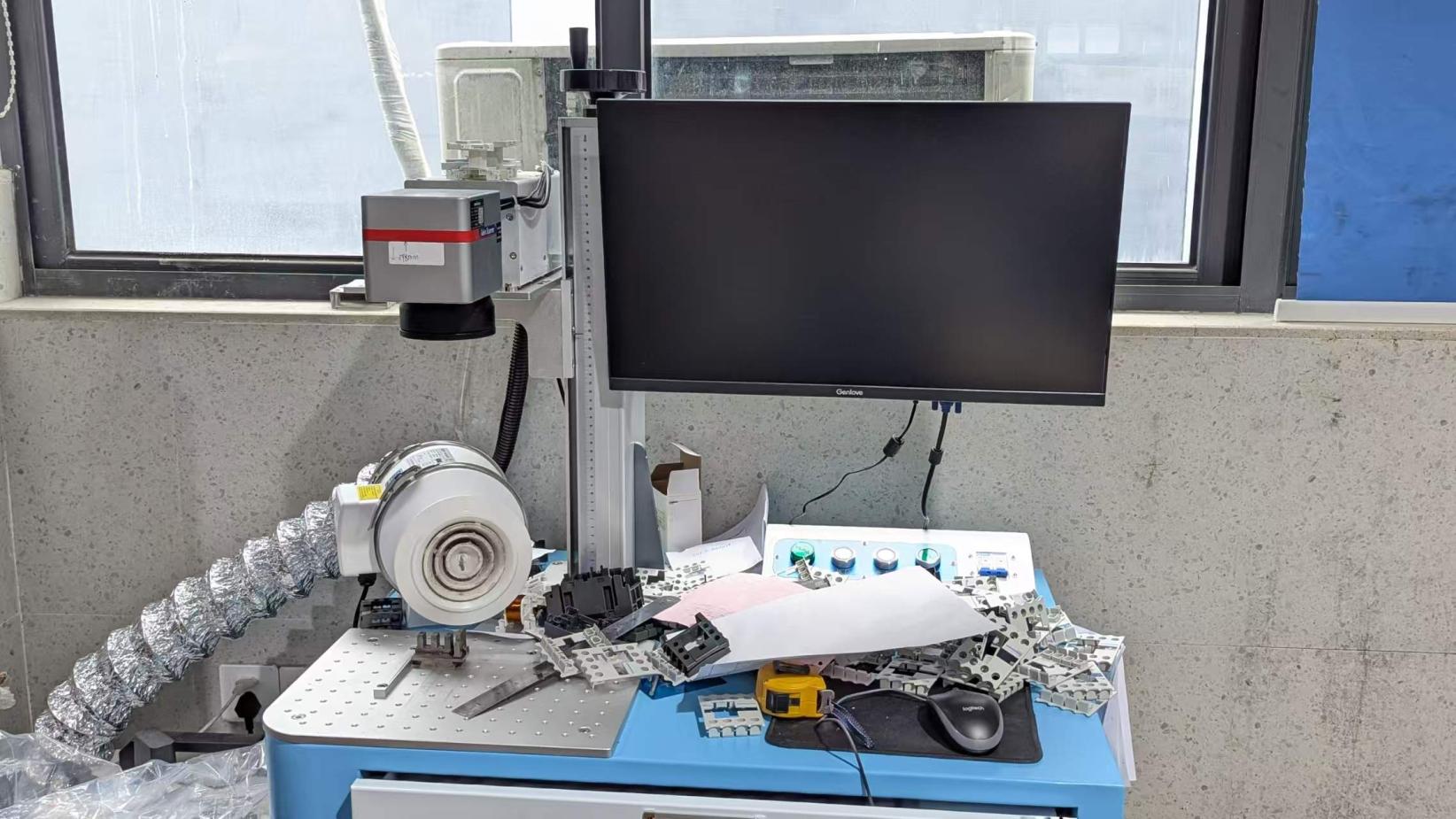
Installing electrical components within New York requires strict adherence to localized electrical codes and national testing frameworks. Our product range is specifically engineered to meet these rigorous standards, ensuring smooth project approval and long-term operating safety.
National Electrical Code (NEC): For solar photovoltaic and battery storage installations, isolators must comply with NEC Article 690 (Part III), which dictates clear marking, accessible physical positioning, and proper voltage ratings. Our DC disconnects are rated up to 1200V, providing a robust solution for utility-scale solar projects in New York State.
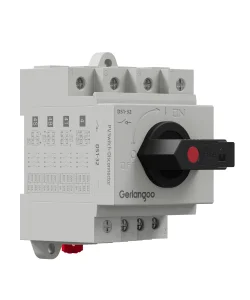
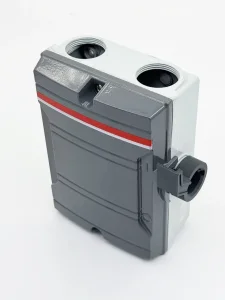
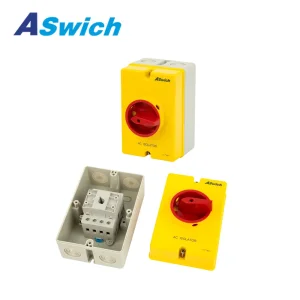
Underwriters Laboratories (UL) Standards: Commercial installations in NYC require components that conform to UL 98 (Enclosed and Dead-Front Switches) or UL 508 (Industrial Control Equipment). Our industrial isolator switches are built to exceed these requirements, featuring high short-circuit withstand ratings and heavy-duty enclosures rated for NEMA 3R, 4, or 4X (equivalent to IP66).
NYC DOB (Department of Buildings) Amendments: The NYC electrical code features specific local amendments regarding switch placement, emergency shutoffs, and signage. We work closely with New York EPC contractors to supply products that feature padlockable handles in the "OFF" position, ensuring complete lockout/tagout (LOTO) compliance during substation maintenance.