Bowser Electric
Bowser Electric
Bowser Electric
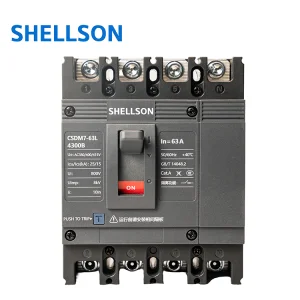
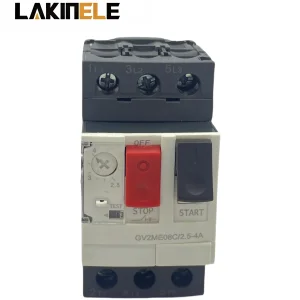
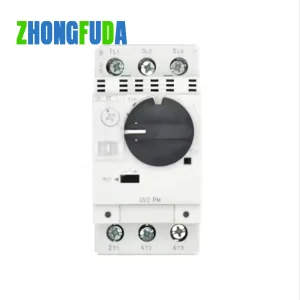
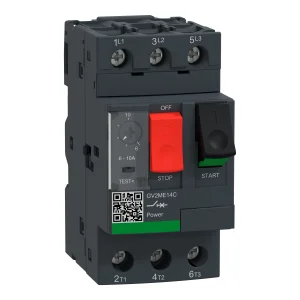
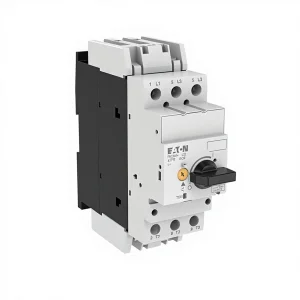
Explore our highly certified motor protection switches, moulded case circuit breakers, and custom electrical distribution solutions.
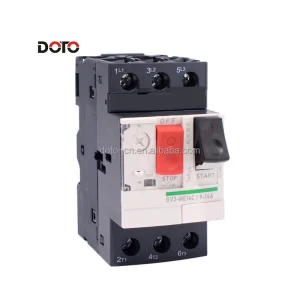
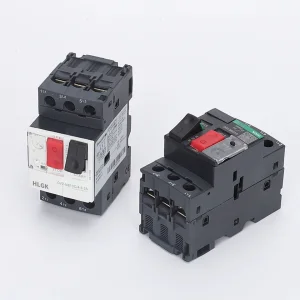
Empowering the Future of Global Electrical Infrastructure and Switchgear Distribution
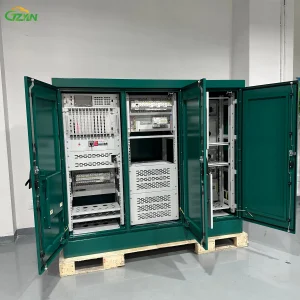
As a leading developer in Wenzhou, China’s electrical industrial cluster, Wenzhou Bowser Electric Co., Ltd. supplies high-performance modular electric terminal devices, industrial motor circuit breakers, and complex power distribution panels. We provide robust overcurrent, short-circuit, and phase-failure protection to prevent motor burnout, lowering operational downtime in critical sectors.
Through our dedicated R&D laboratory, we engineer specialized products that handle extreme ambient conditions, fluctuating current loads, and unstable voltages. This commitment ensures our customers receive certified components that perform reliably in demanding environments.
Our core designs feature proprietary improvements in arc-chute geometry, electromagnetic trip mechanisms, and high-performance contact alloys.
We configure trippoint curves, custom housing geometries, laser markings, and control box integration for global industrial partners.
Technical guidance on how motor protection circuit breakers (MPCBs) safeguard inductive loads against electrical faults.
Electric motors draw high currents during startup (inrush current), often reaching 6 to 10 times the full-load current (FLC). Standard circuit breakers cannot distinguish between this normal initial inrush and a short-circuit fault, which often leads to nuisance tripping. Motor Protection Circuit Breakers (MPCBs) resolve this issue by integrating unique thermal and magnetic trip characteristics.
Additionally, MPCBs protect against phase loss or phase unbalance, which are common causes of industrial motor failure. Under a phase-loss condition, a three-phase motor continues to run but draws higher current through the remaining phases, leading to rapid overheating. Modern MPCBs feature differential bimetallic strip trip mechanisms that detect this imbalance and disconnect the circuit before the stator windings suffer permanent insulation damage.
According to IEC 60947-4-1, coordination levels define how a motor starter circuit responds to short-circuits:
| Parameter / Specification | GV2-ME Series (Standard) | GV2-PM Series (Thermal-Magnetic) | PKZM4 Series (High-Capacity) | DC MCCB Series (Energy Storage) |
|---|---|---|---|---|
| Rated Operational Voltage (Ue) | AC 230V / 400V / 690V | AC 400V / 690V | AC 400V / 690V | DC 500V / 1000V / 1500V |
| Rated Current Range (In) | 0.1A to 32A (Adjustable) | 0.1A to 32A (Adjustable) | 16A to 63A (Adjustable) | 16A to 250A (Fixed / Adjustable) |
| Breaking Capacity (Icu) at 400V | Up to 100kA (Current-limiting) | Up to 100kA | Up to 150kA | Up to 50kA (at rated DC voltage) |
| Trip Class (IEC 60947-4-1) | Class 10 (Trips within 10s at 7.2x In) | Class 10 | Class 10 / Class 20 | N/A (Magnetic trip only for DC backup) |
| Phase Failure Protection | Yes (Differential tripping) | Yes | Yes | No (Direct Current balance) |
| Mechanical / Electrical Endurance | 100,000 / 100,000 operations | 100,000 / 100,000 operations | 50,000 / 50,000 operations | 20,000 / 10,000 operations |
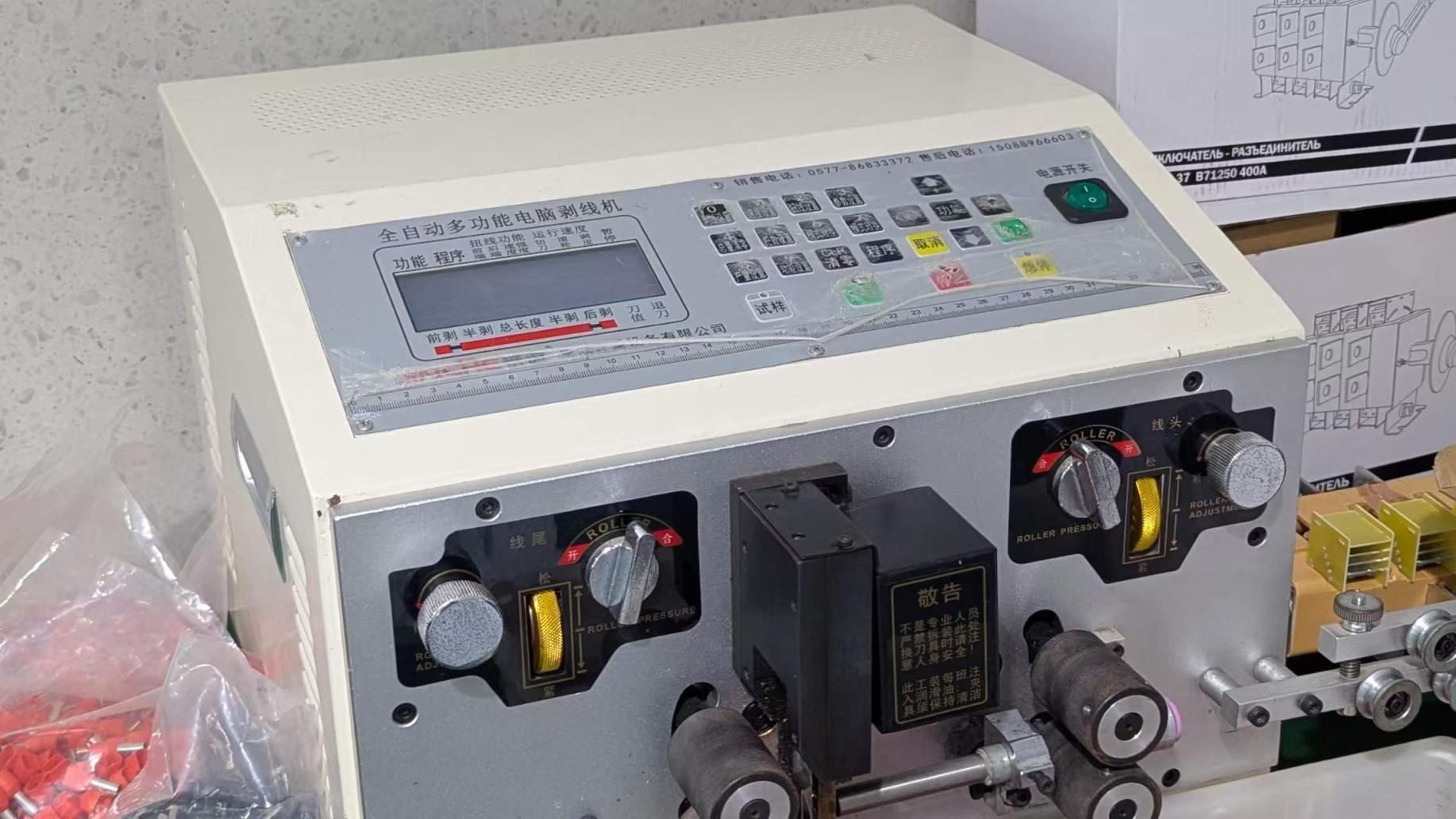
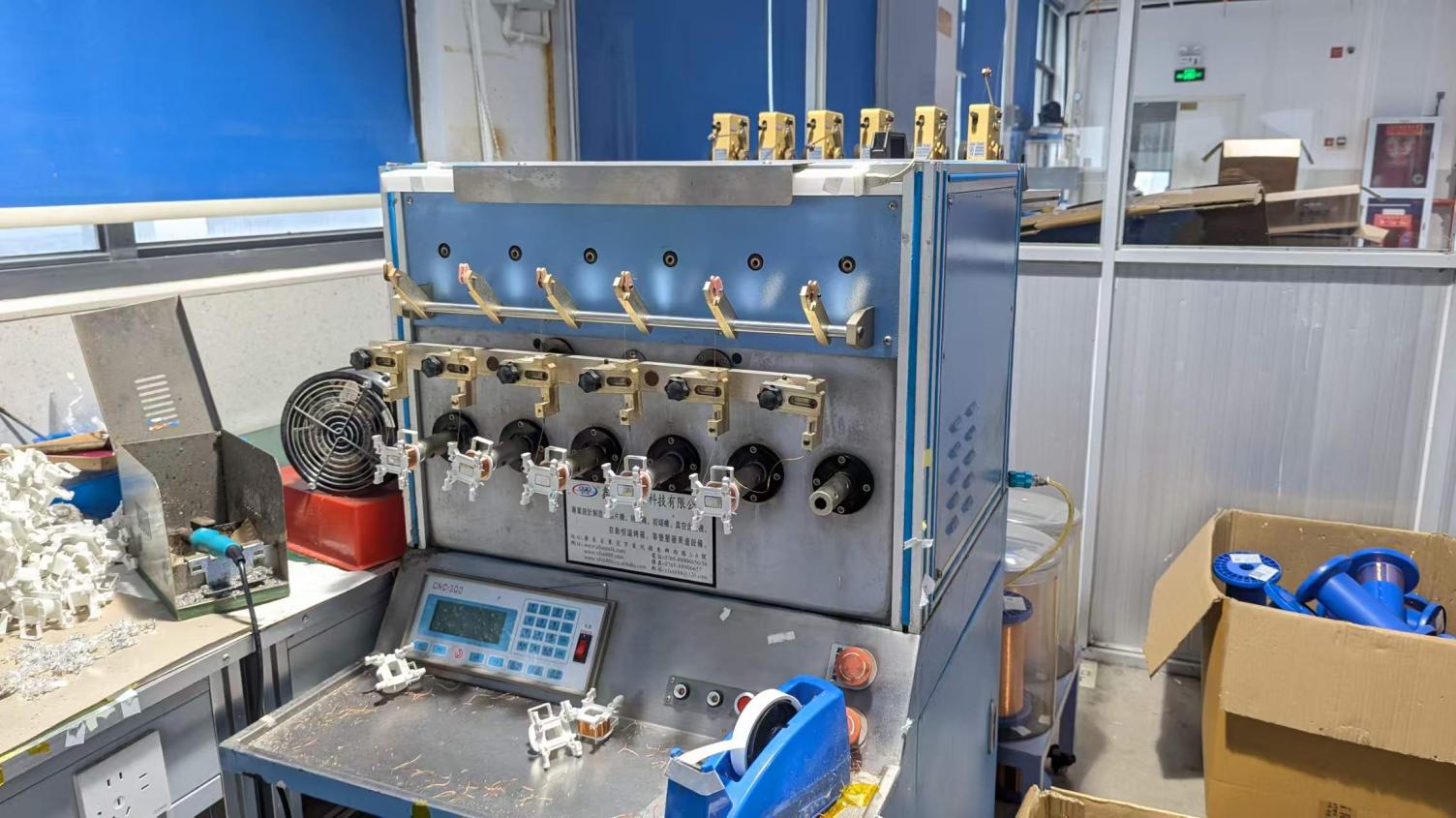
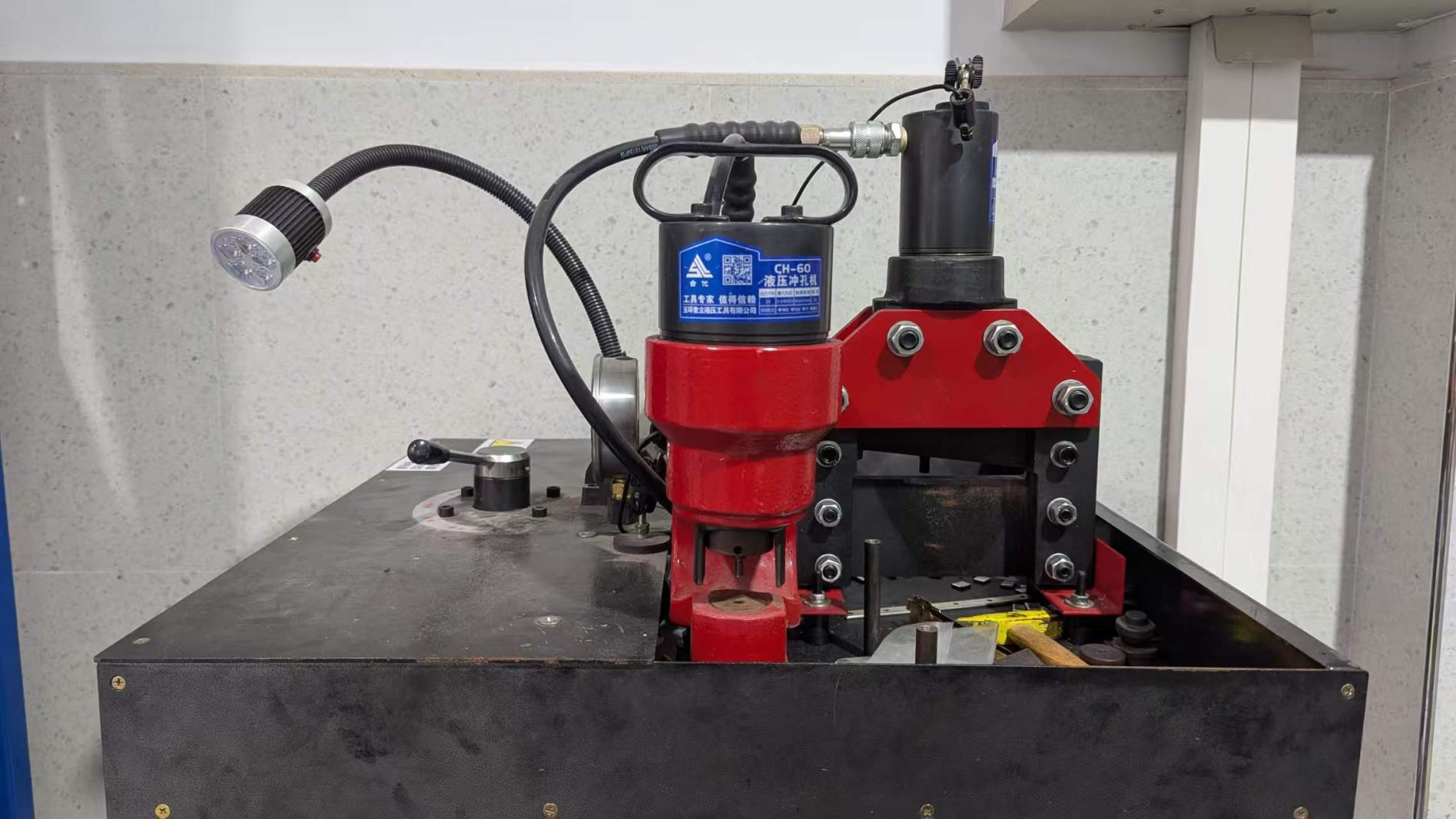
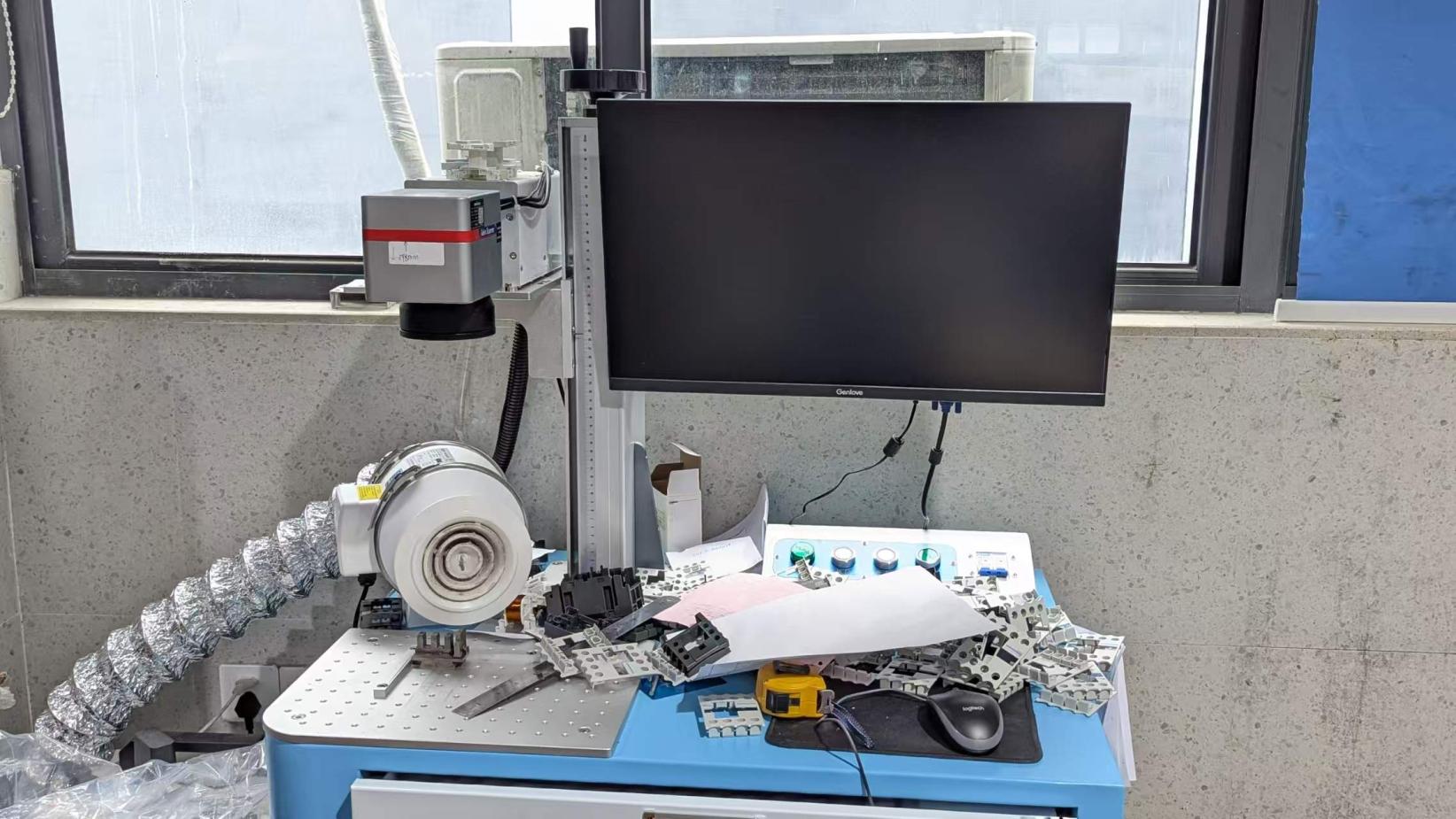
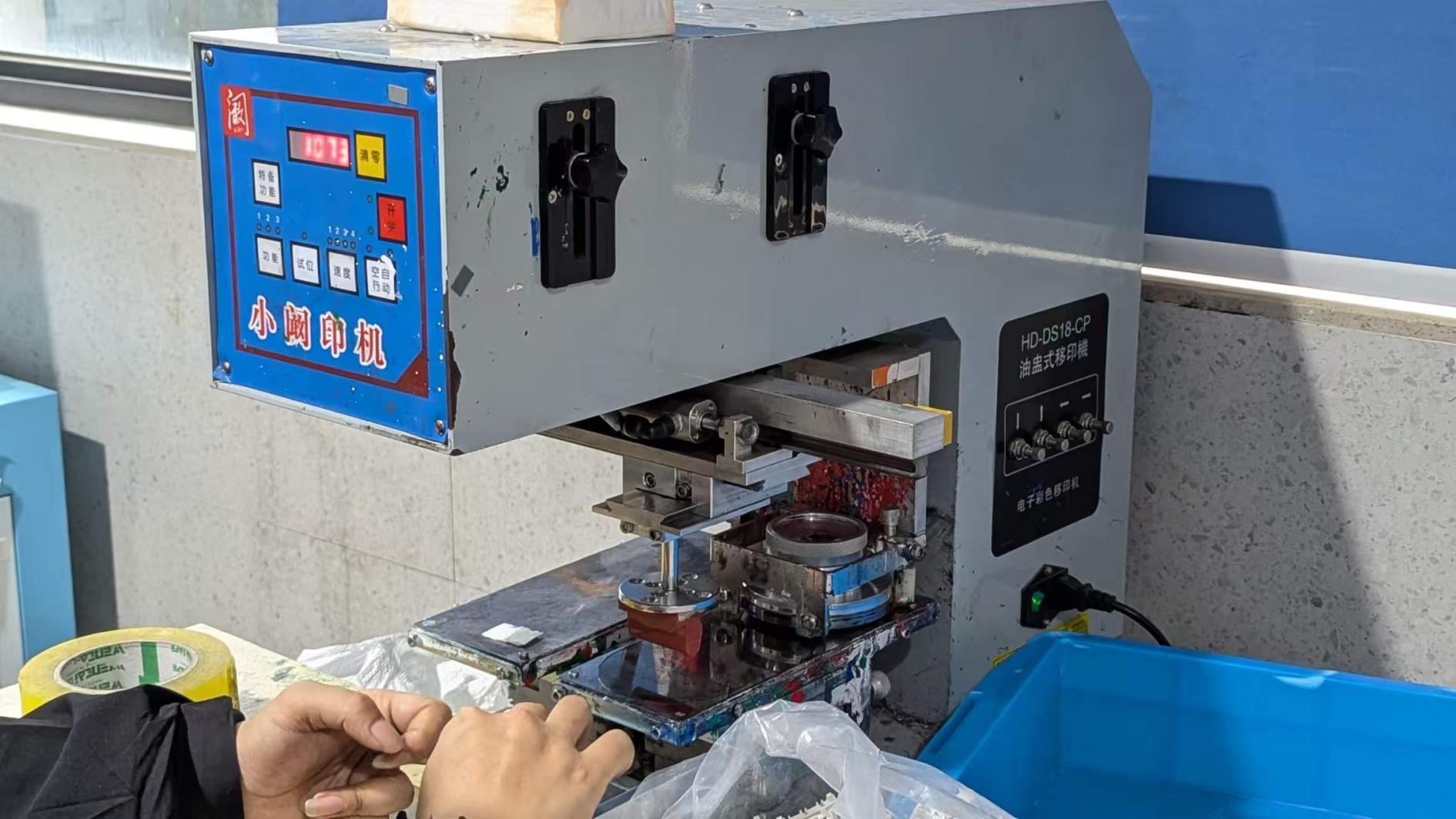
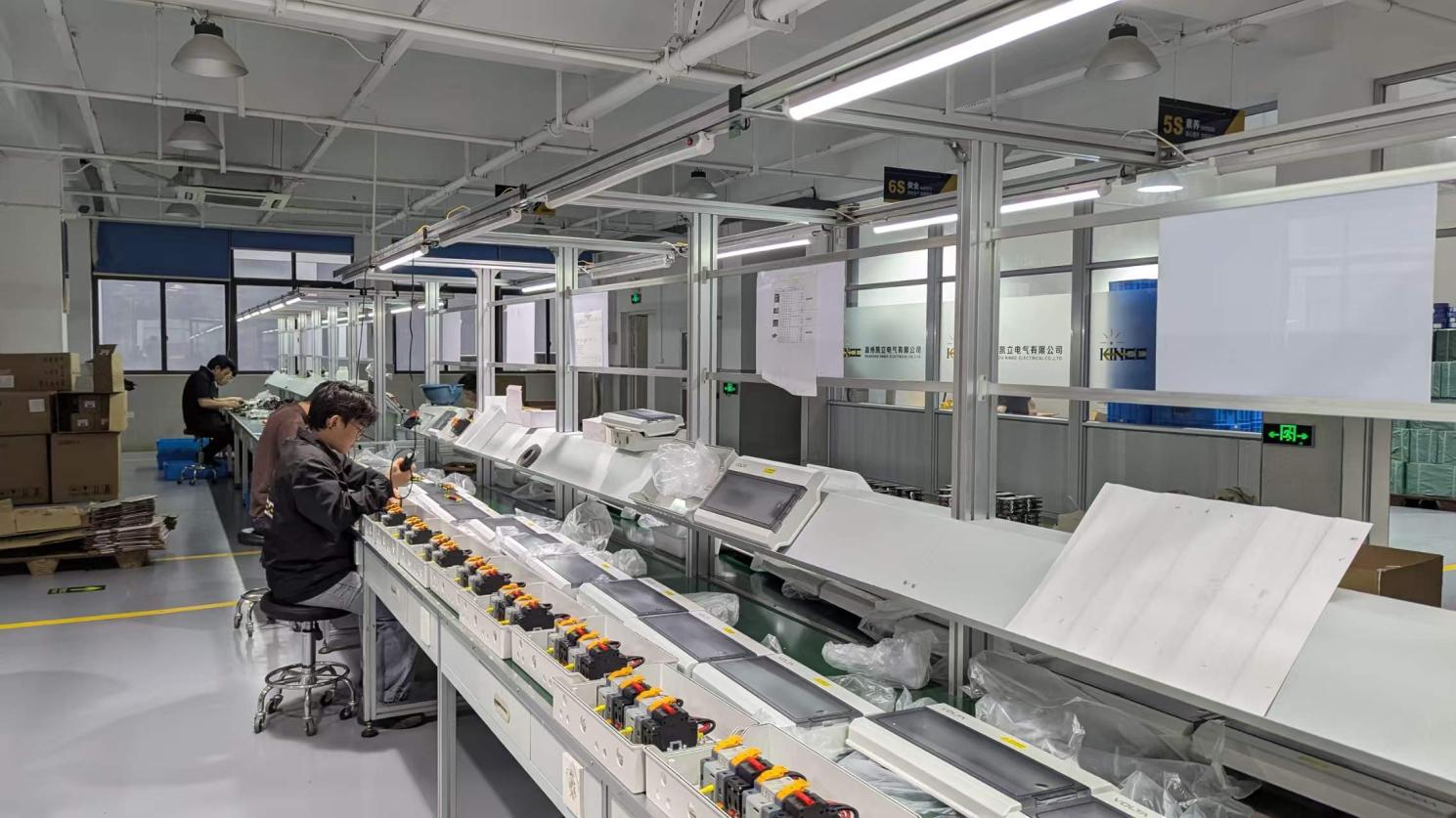
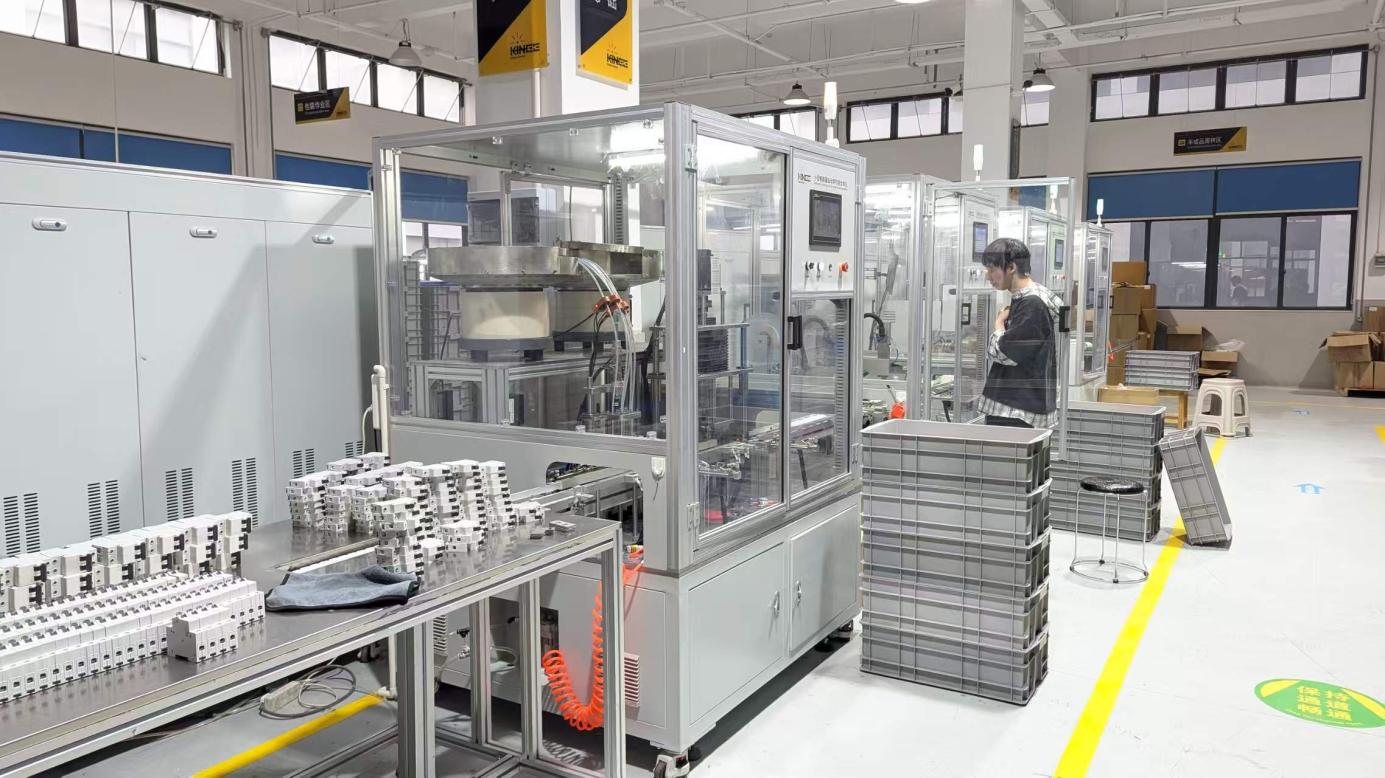
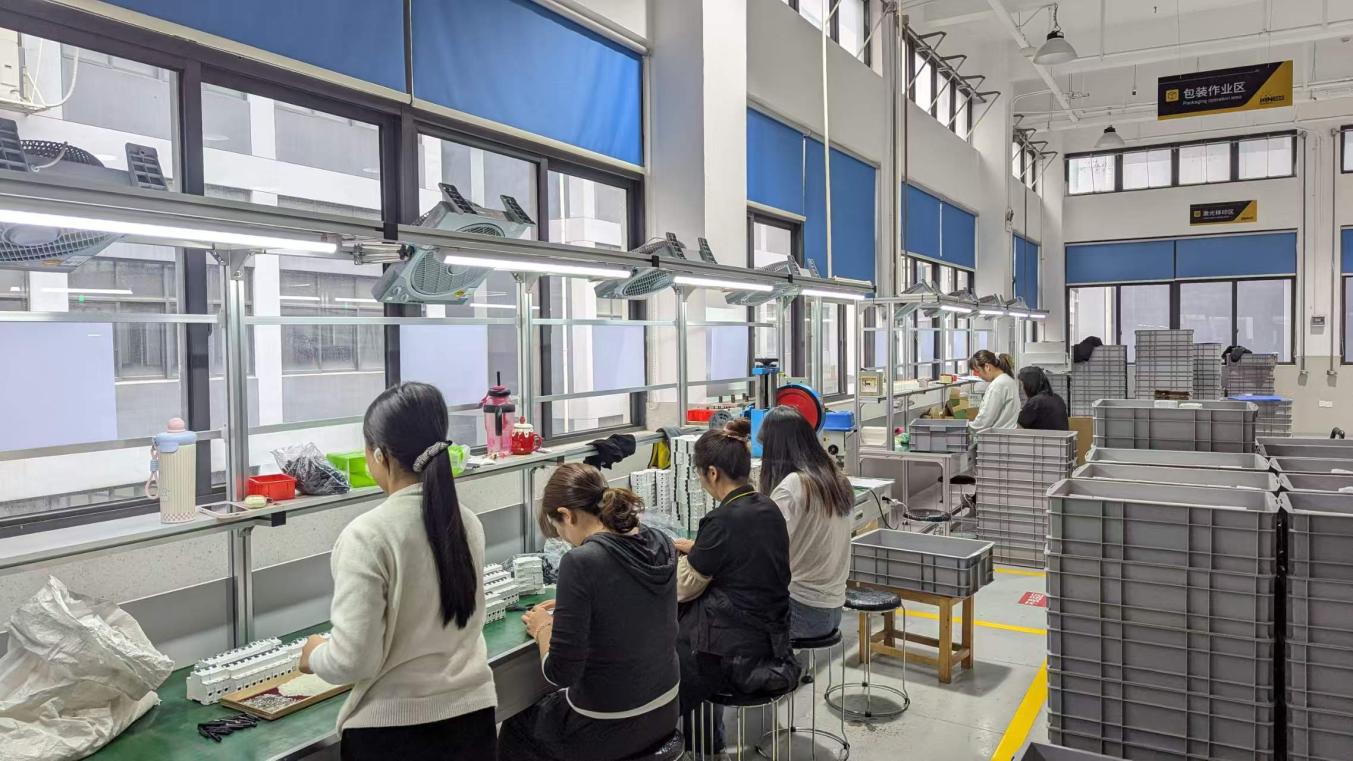
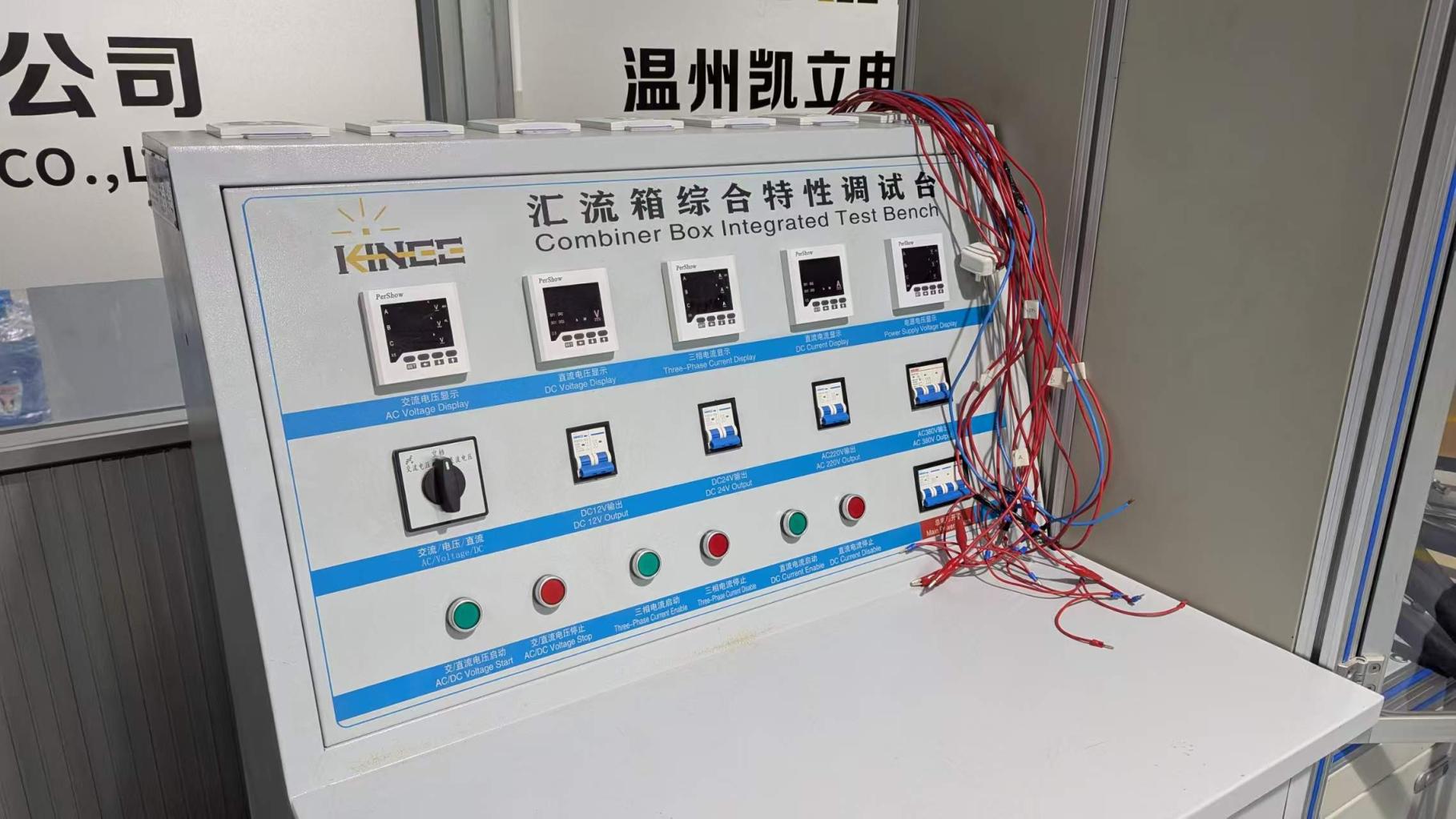
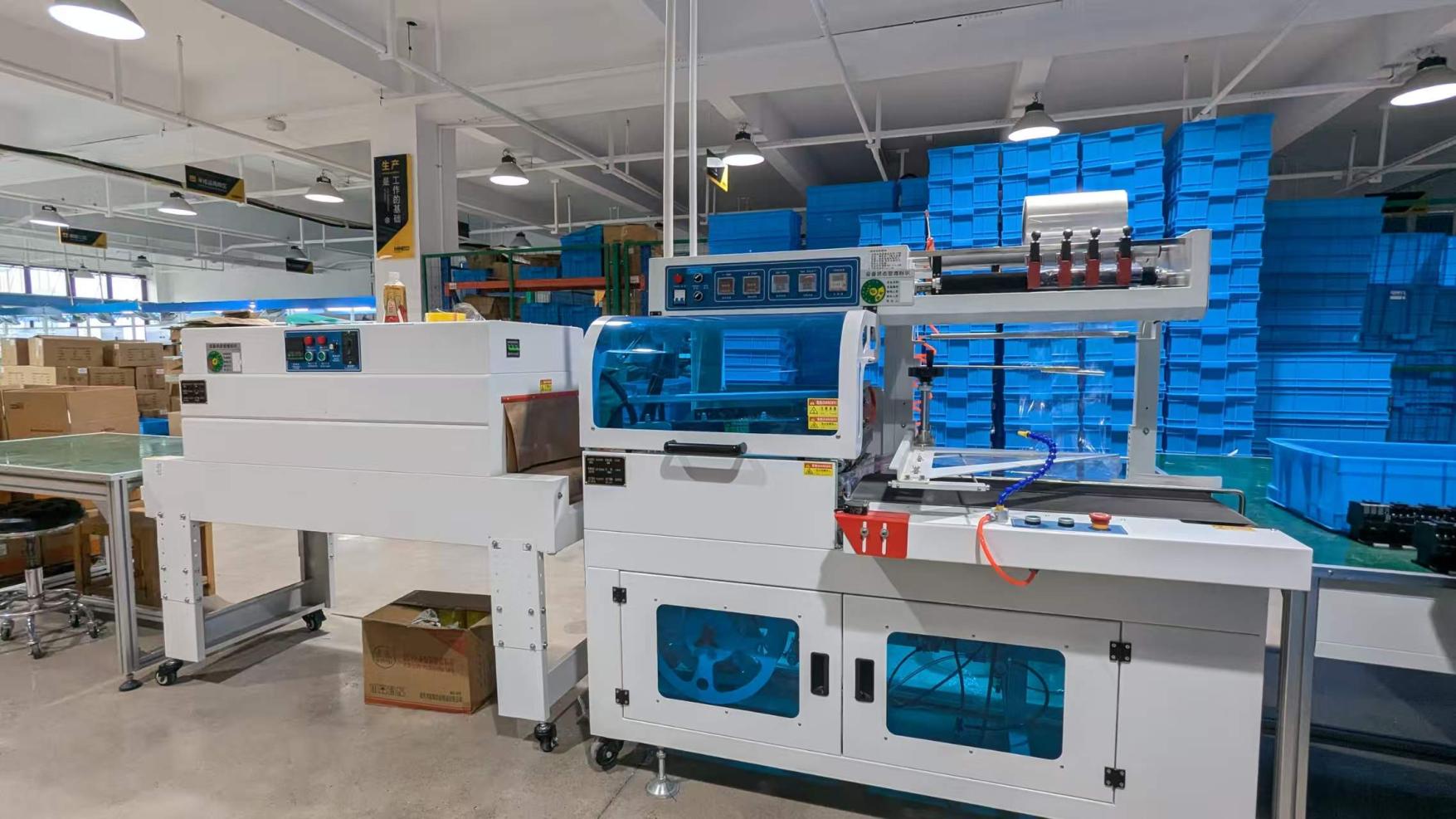
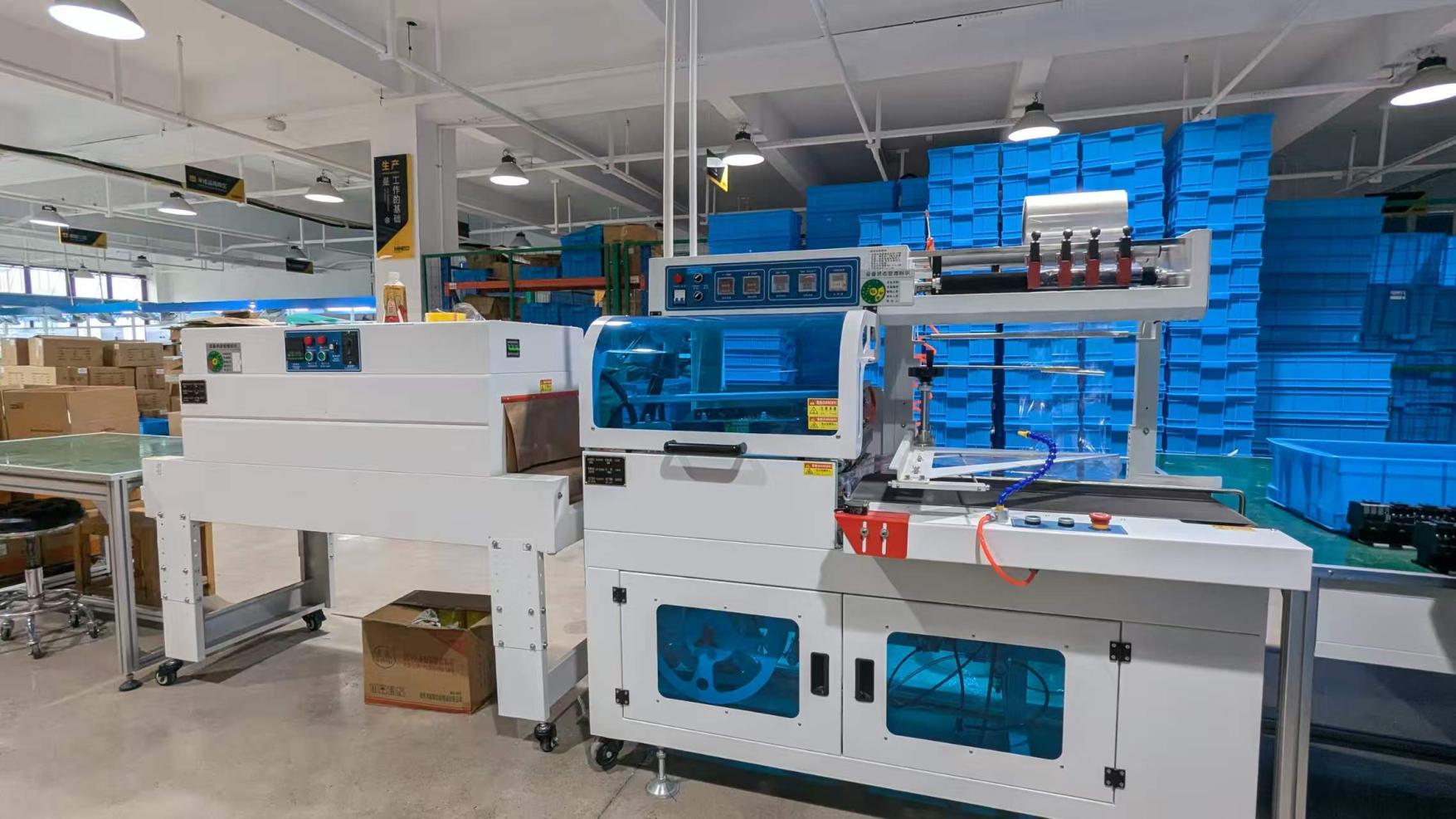
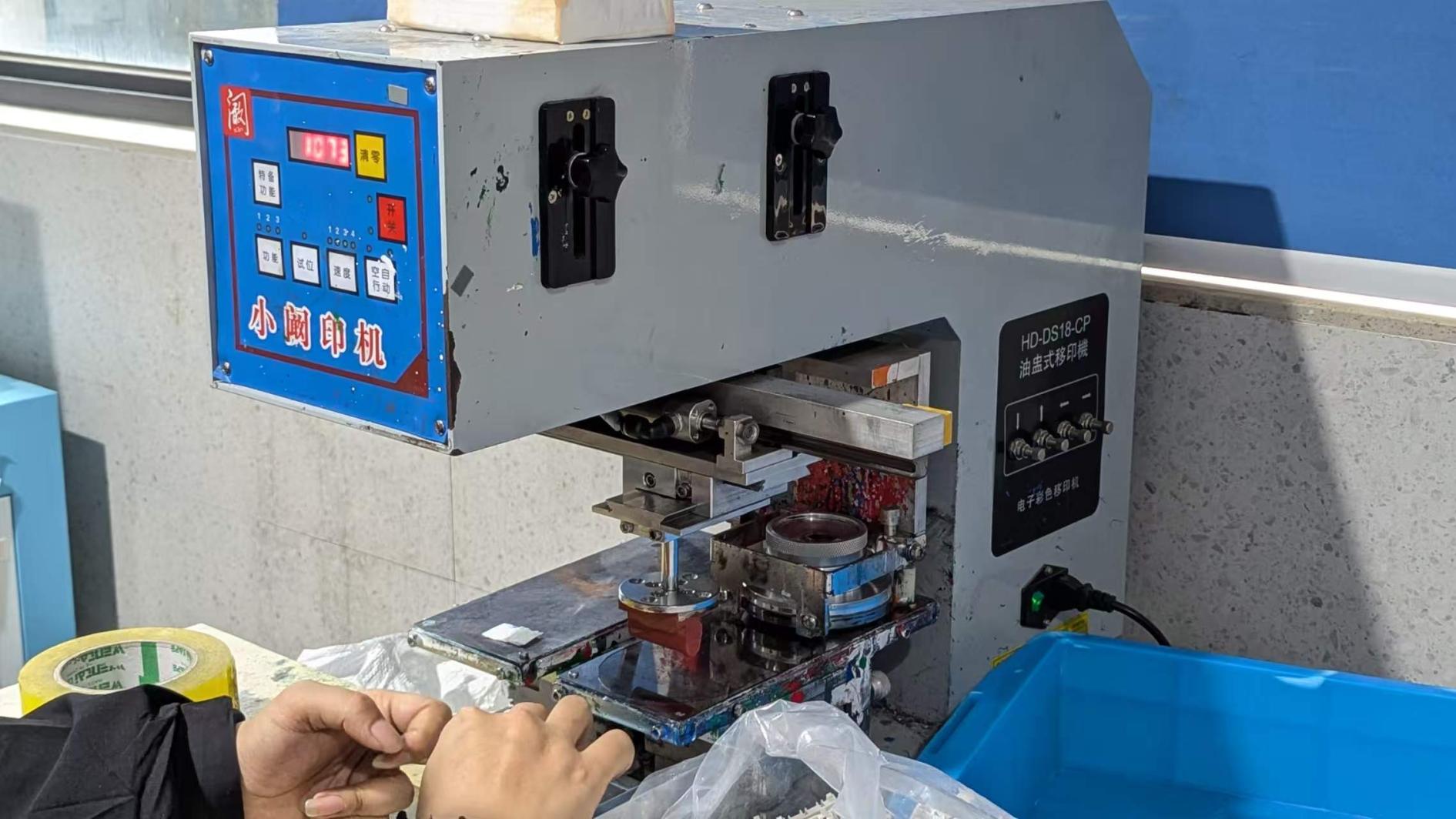
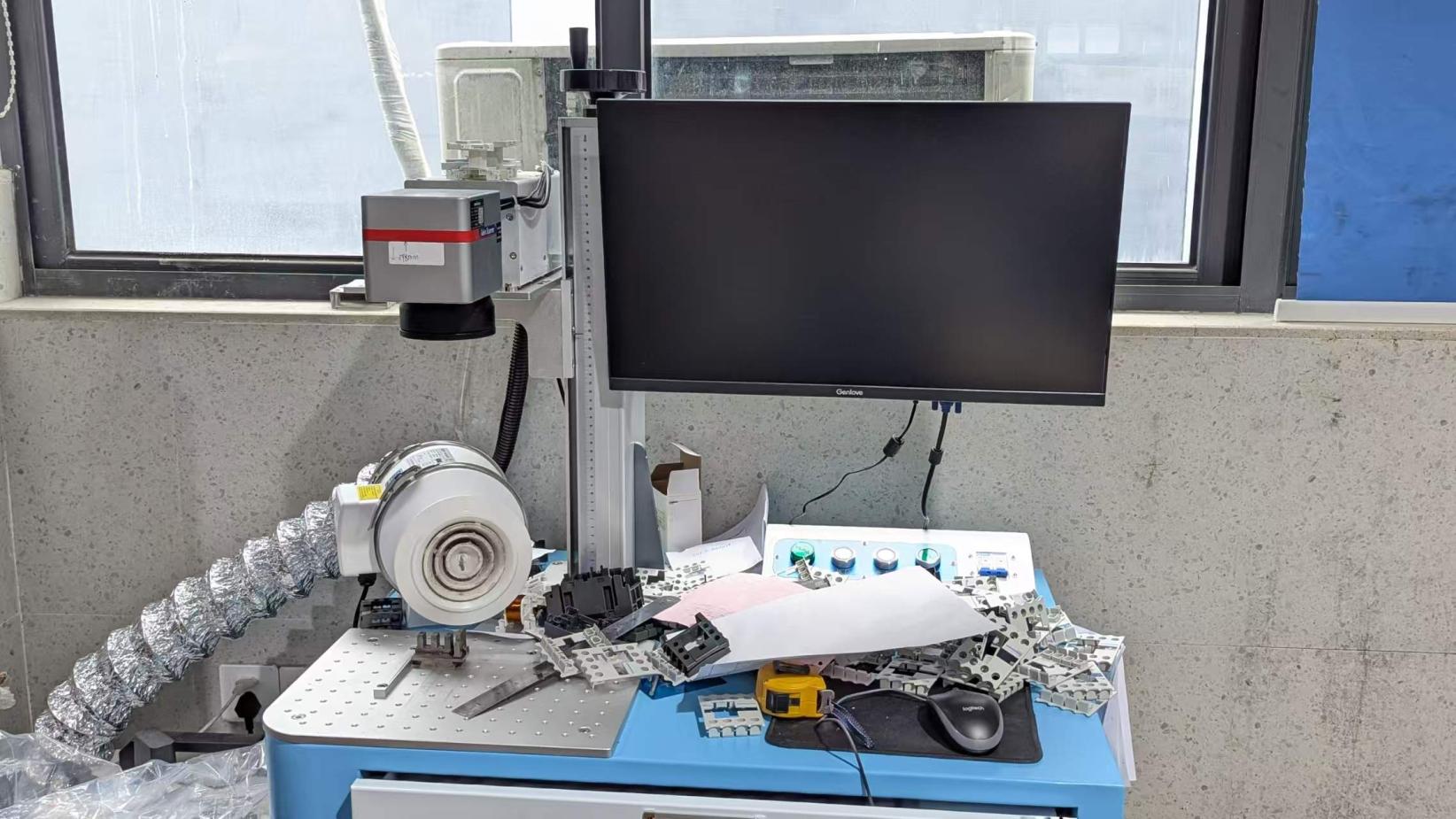
A closer look at Bowser Electric's automated production facility, showcasing our manufacturing process from raw copper winding to final automated testing.
Our facility leverages the raw material supply chain of the Wenzhou electrical cluster. By sourcing high-purity silver-alloy contact tips, precision thermal bimetals, and flame-retardant polymers locally, we maintain material standards while remaining cost-effective.
We run a vertically integrated factory. This means wire stripping, coil winding, hydraulic metal punching, housing molding, laser calibration, and packaging are all performed in-house. Controlling these processes internally ensures component quality and allows us to offer shorter lead times for custom bulk orders.
Our quality control program operates under ISO 9001. Each circuit breaker batch undergoes automated testing to calibrate the bimetal deflection time under overload conditions. Additionally, high-current injection systems verify the short-circuit trip threshold of the magnetic coil.
After testing, every unit undergoes high-voltage insulation tests to prevent phase-to-phase and phase-to-ground leakage, ensuring compliance with CE and RoHS standards before shipping.

How we design and test motor circuit breakers to meet varying international electrical codes and operate in challenging environments.
We maintain CE certification for the European Union, UKCA for Great Britain, EAC for Eastern Europe, and UL-compliance parameters for North American industrial control networks (specifically aligning with UL 508 and UL 489 protocols).
Industrial machinery often operates in extreme conditions, from -25°C cold storage to +60°C engine rooms. We run thermal compensation testing and specify de-rating coefficients for high-altitude installations (over 2000m) where thinner air reduces dielectric cooling capacity.
For high-humidity tropical climates and marine applications, we utilize customized tin-plated primary copper paths and stainless steel return springs. This prevents galvanic corrosion and salt-mist oxidation, maintaining long-term electrical conductivity.
How the shift toward smart factories and decarbonization is driving changes in motor protection technology.
In modern industrial facilities, unscheduled maintenance can be costly. The industry is moving toward smart motor protection systems that communicate current, load profiles, voltage dips, and contact wear in real time. Our product designs integrate auxiliary contact blocks and alarm signals that interface directly with PLC networks and remote SCADA monitoring systems via Modbus or Ethernet protocols.
This connectivity allows plant engineers to predict motor failure based on micro-fluctuations in phase balance and trip history, transforming traditional circuit protection into proactive maintenance data.
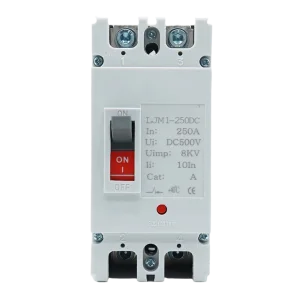
The transition to battery storage, solar energy systems, and high-power DC fast-charging networks has driven the demand for specialized DC Moulded Case Circuit Breakers (DC MCCB). Unlike AC networks, DC circuits do not have a natural zero-crossing point, which makes drawing and extinguishing an electrical arc much harder.
Our DC MCCB range features deep arc-chute designs and high-strength permanent magnets that pull the electrical arc into the cooling plates. This design provides reliable fault isolation in high-voltage DC battery systems up to 1500V, protecting energy storage assets.
Answers to common technical questions about selecting, importing, and integrating motor circuit breakers.
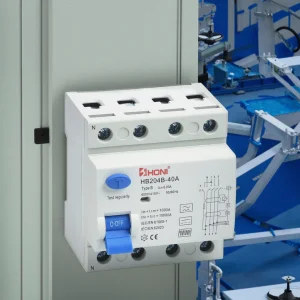
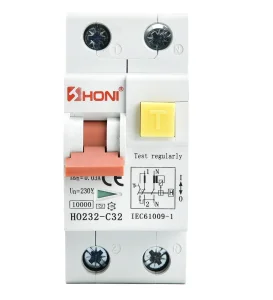
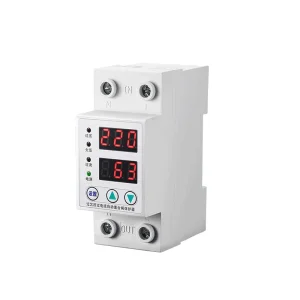
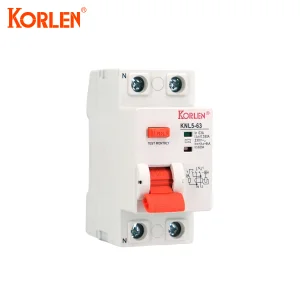
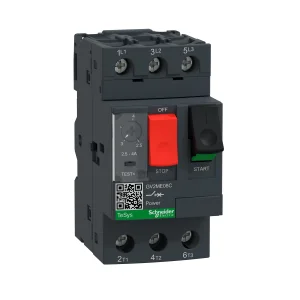
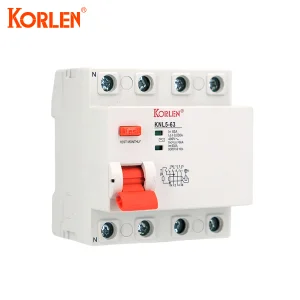
Browse our selection of marine circuit breakers, residential protection devices, residual current devices, and high-accuracy automation switches.
Get in touch with Wenzhou Bowser Electric Co., Ltd. for project quotes, custom configurations, or to request product samples.