Bowser Electric
Bowser Electric
Bowser Electric
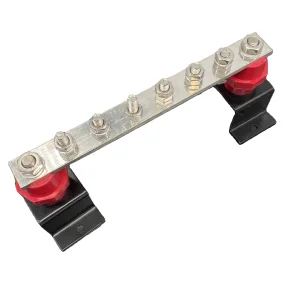
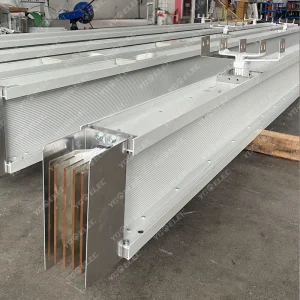
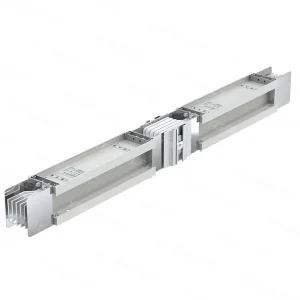
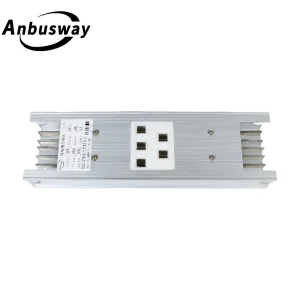
Welcome to Wenzhou Bowser Electric Co., Ltd., an internationally recognized vanguard in the electrical engineering field. As a specialized busbar chamber manufacturer & exporter, we engineer high-performance modular electric terminal devices, industrial power distribution components, and specialized low-voltage assemblies designed to meet the rigorous demands of modern infrastructure. We operate on a foundation of safety, technological innovation, and deep engineering integrity.
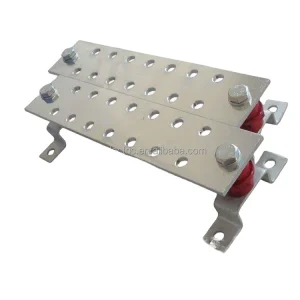
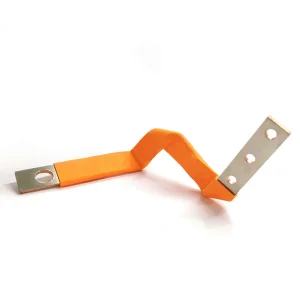
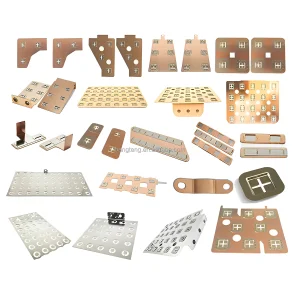
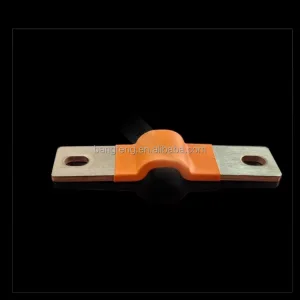
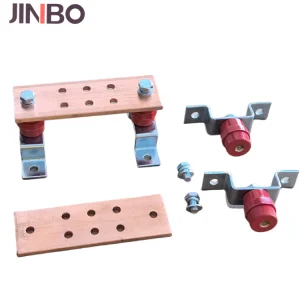
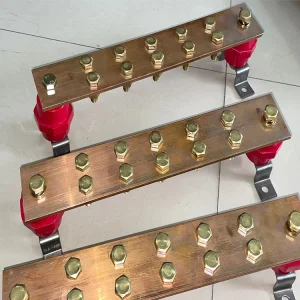
Through our advanced manufacturing facilities, we deliver high-reliability electrical solutions to utilities, EPC contractors, switchboard builders, and industrial system integrators worldwide. Whether supplying standard electrical busways or custom-designed, heavy-duty copper busbars for battery banks and electrical enclosures, Bowser Electric represents quality without compromise.
35+ senior engineers driving proprietary technological growth.
ISO 9001, CE, and international laboratory type-test credentials.
Active installations and trade footprints across 120+ nations.
24/7 dedicated engineering support & 5-year standard warranty.
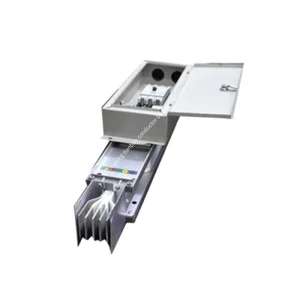
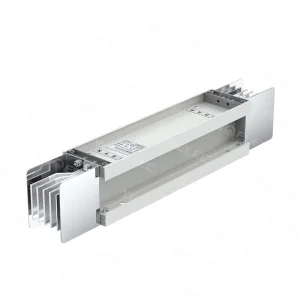
A busbar chamber serves as the central hub of a power distribution network. Its primary function is to branch off electrical currents from a main incoming supply to multiple outgoing circuits. Unlike traditional cable distribution methods, which suffer from spatial limitations, thermal buildup, and complex maintenance protocols, a pre-engineered busbar chamber optimizes the routing of high-current feeds within low-voltage (LV) switchgear assemblies, panel boards, and control systems.
From an electrical engineering standpoint, designing a robust busbar chamber requires close attention to copper or aluminum conductor dimensions, housing material selections, short-circuit withstand levels, and heat dissipation dynamics. When large currents pass through a conductor, resistance causes power loss (expressed as I²R), which is released as thermal energy. If a busbar chamber lacks sufficient ventilation or proper phase separation, this heat buildup can degrade insulation materials, cause conductor fatigue, and lead to system failures.
We source T2 electrolytic copper with an electrical conductivity rating exceeding 99.9% IACS. This minimizes internal resistance, reduces voltage drop across long runs, and limits unnecessary thermal energy losses inside closed housings.
Utilizing high-grade epoxy coatings, heat-shrinkable PVC/polyolefin sleeves, and track-resistant glass-reinforced polyester (GRP) insulators ensures robust dielectric separation, protecting against phase-to-phase and phase-to-earth electrical faults.
Our structures are engineered to withstand electromagnetic forces generated during high-current short-circuit events (Icw), keeping busbars firmly anchored and structurally intact under stress.
Choosing between copper and aluminum for a busbar chamber involves evaluating several trade-offs: cost, weight, conductivity, thermal expansion, and corrosion resistance. Copper remains the gold standard for high ampacity in space-constrained installations, whereas aluminum offers a lightweight, cost-effective alternative for long trunking runs where space is less restricted.
| Property | T2 Electrolytic Copper (Cu-ETP) | Electrical Grade Aluminum (6000 Series) | Engineering Impact |
|---|---|---|---|
| Electrical Conductivity | 100% IACS (58 MS/m) | 61% IACS (35 MS/m) | Aluminum requires a ~60% larger cross-section to match copper's current carrying capacity. |
| Thermal Expansion Coeff. | 16.5 x 10⁶ / K | 23.0 x 10⁶ / K | Aluminum expands more under heat, requiring specialized flexible joint connections. |
| Tensile Strength | 200–250 MPa | 80–120 MPa | Copper provides superior mechanical resistance to electromagnetic forces during short circuits. |
| Corrosion Resistance | High (forms protective tarnish) | Moderate (requires plating to avoid oxidation) | Aluminum connections require tin or nickel plating to prevent high-resistance oxide layer formation. |
| Total Assembly Weight | Heavy (Density: 8.9 g/cm³) | Light (Density: 2.7 g/cm³) | Aluminum reduces total cabinet weight, simplifying structural support and installation. |
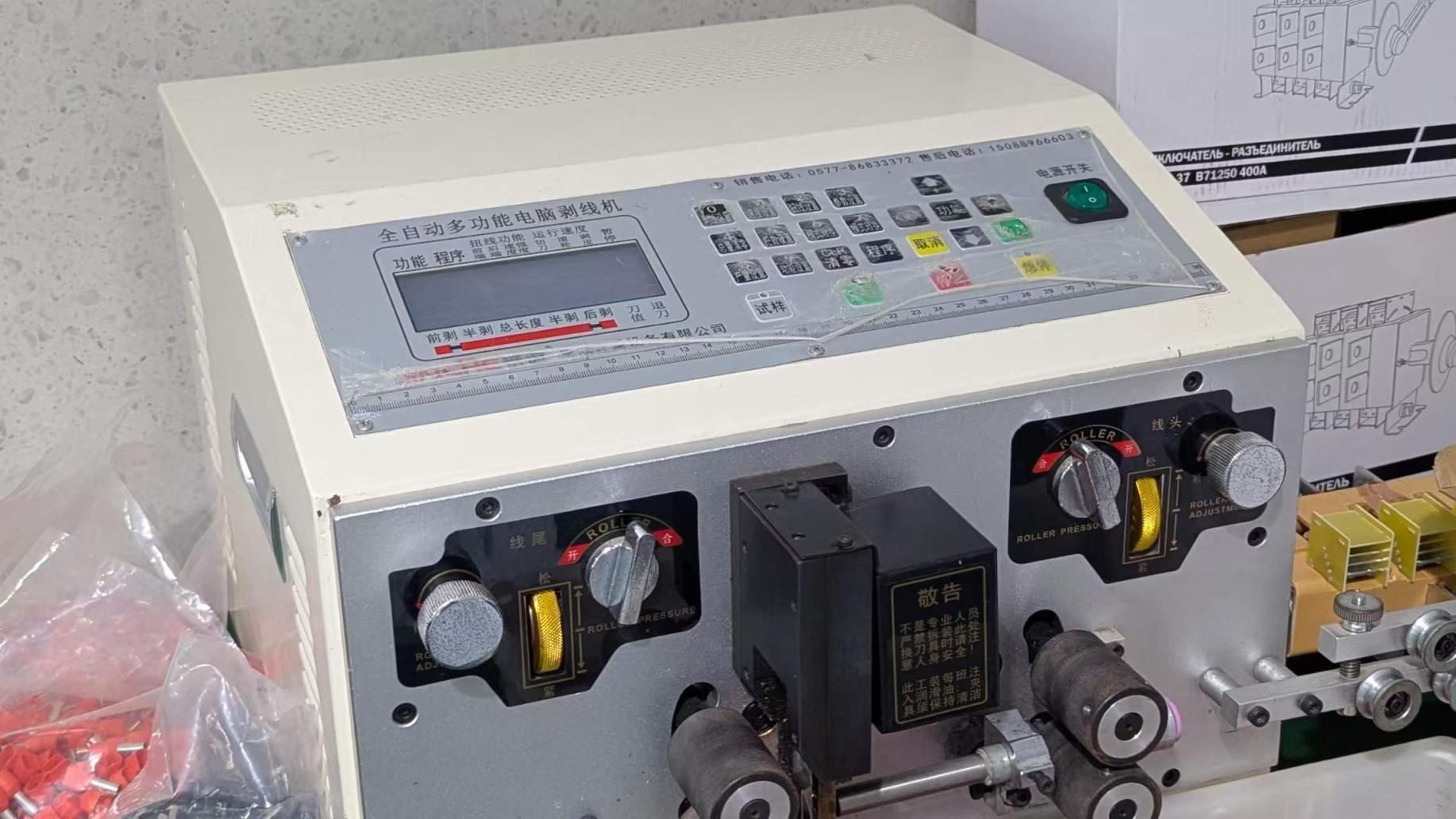
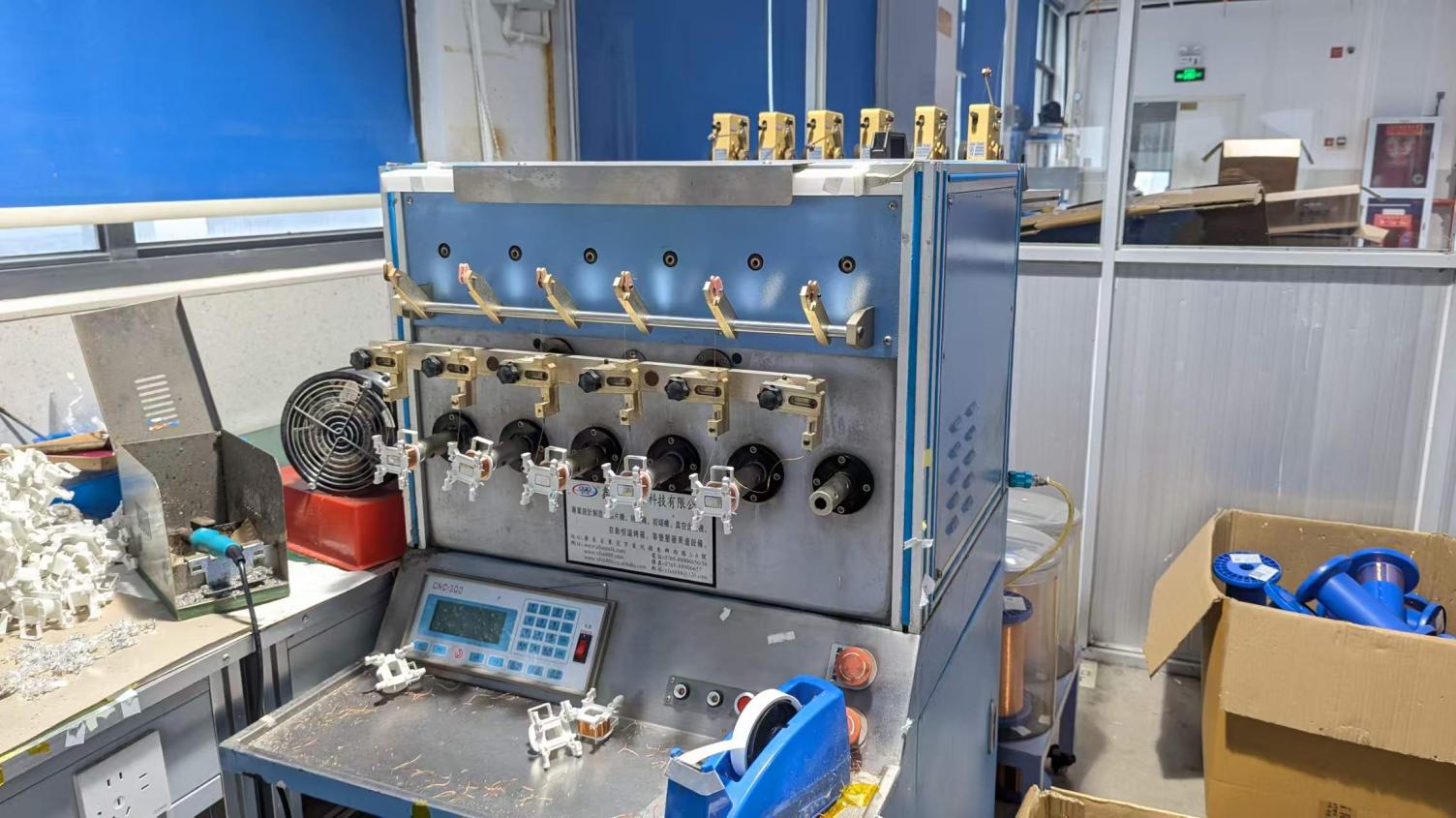
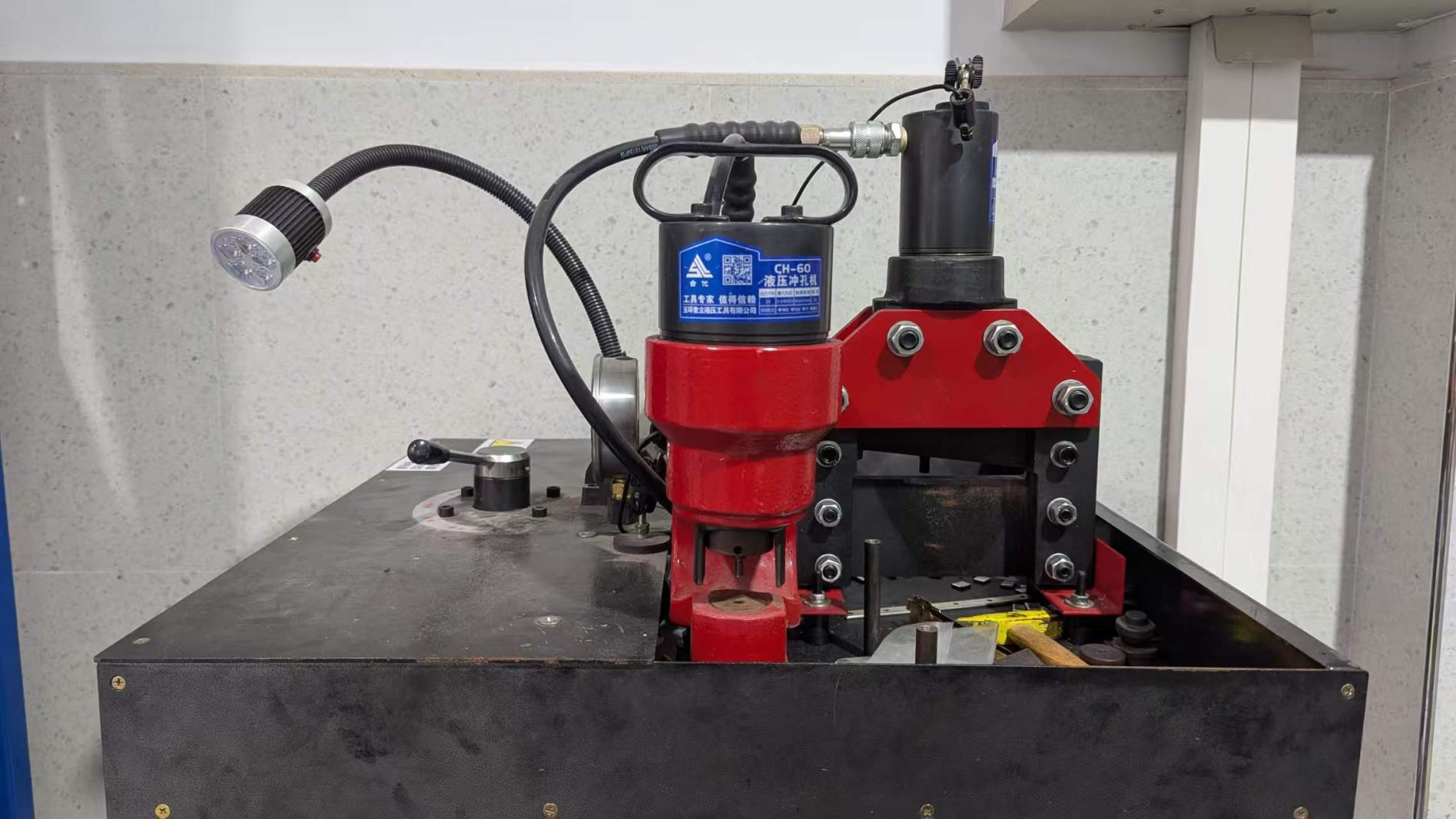
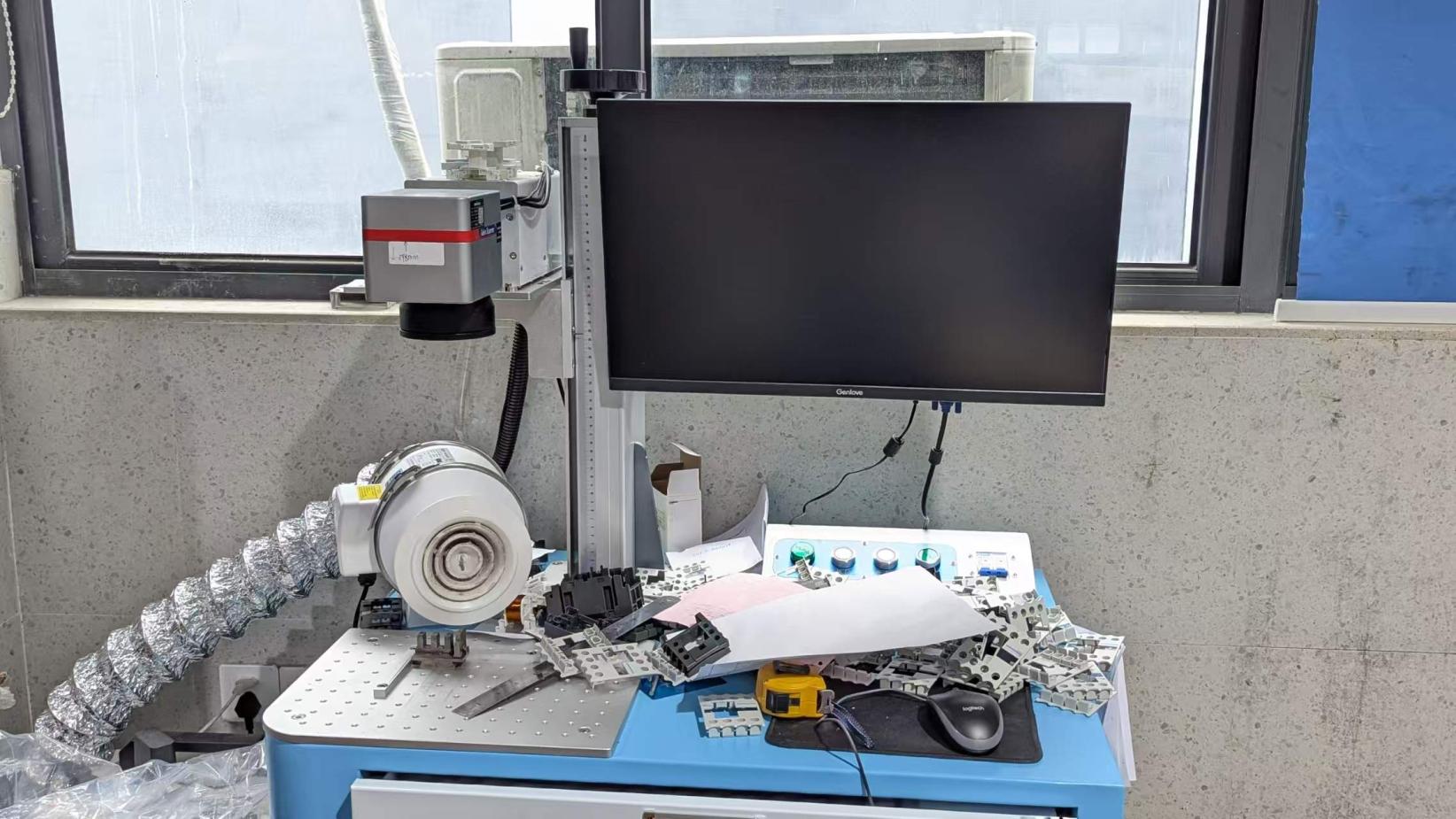
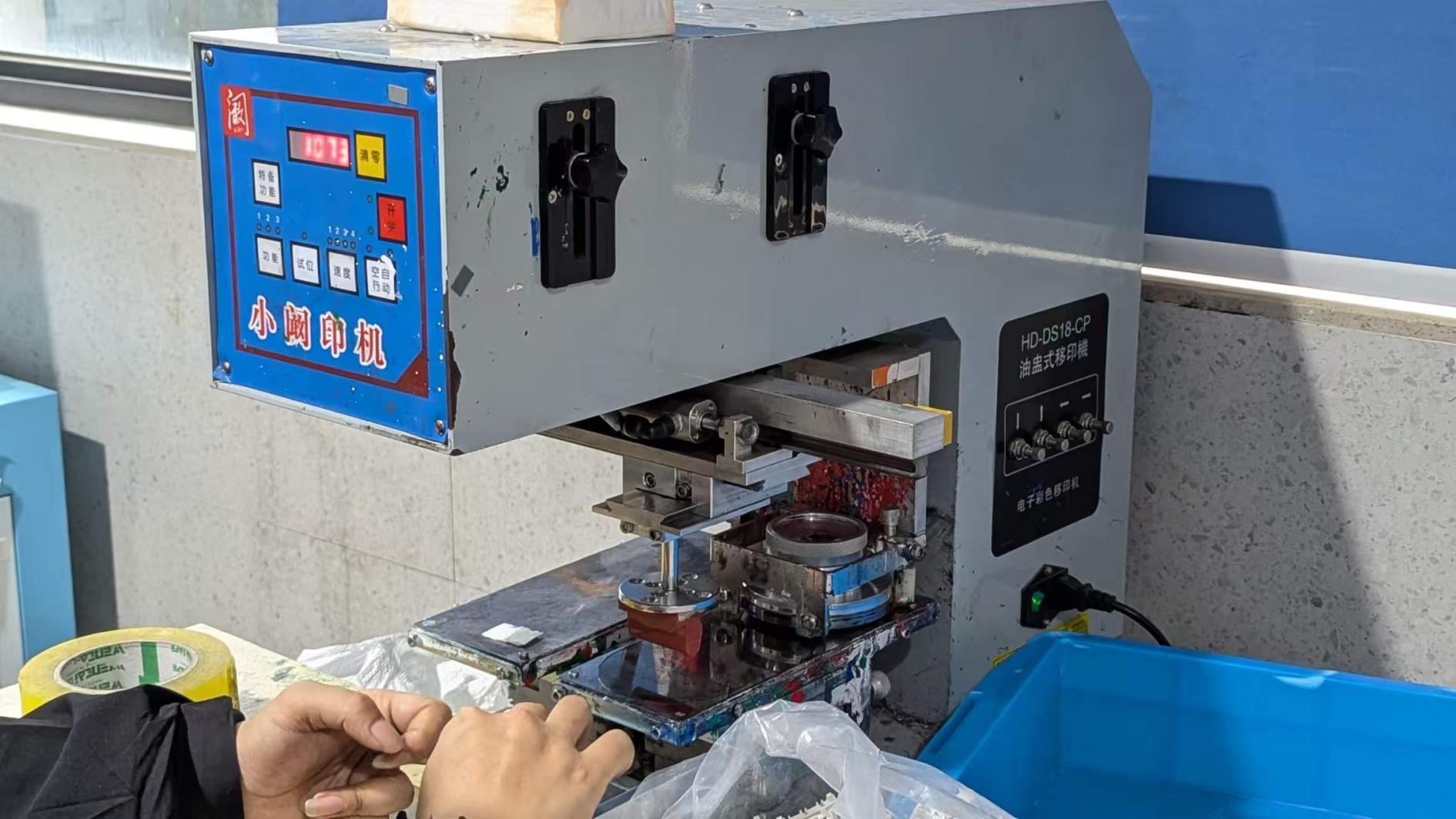
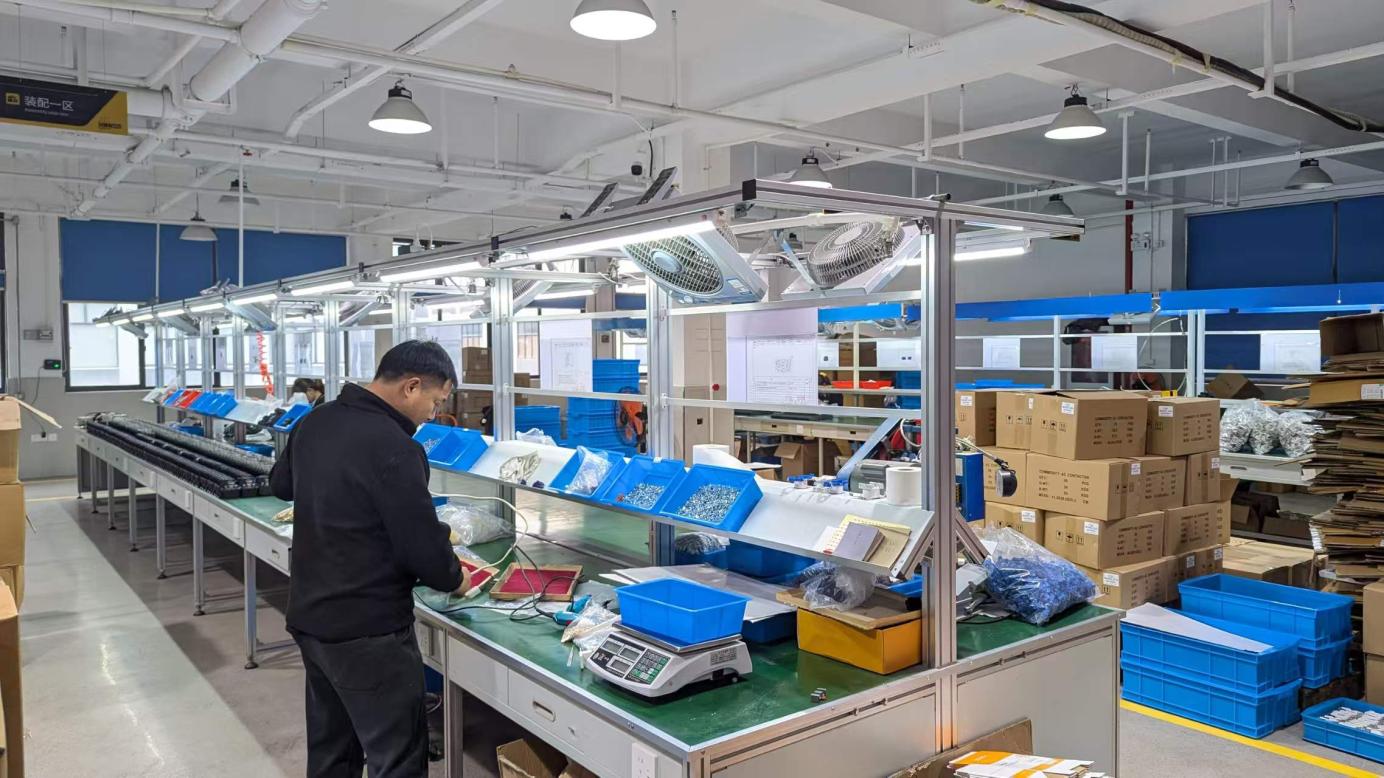
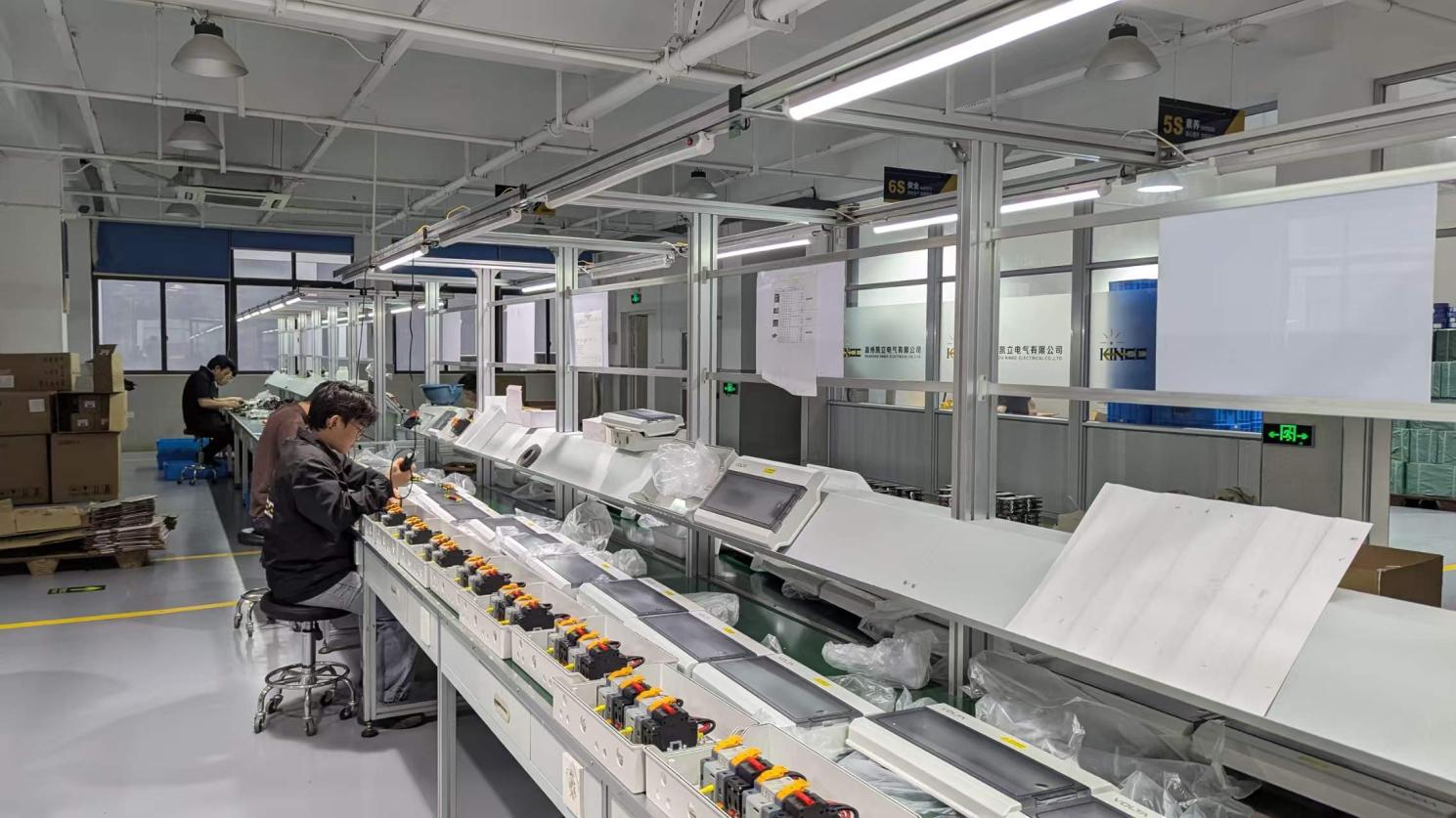
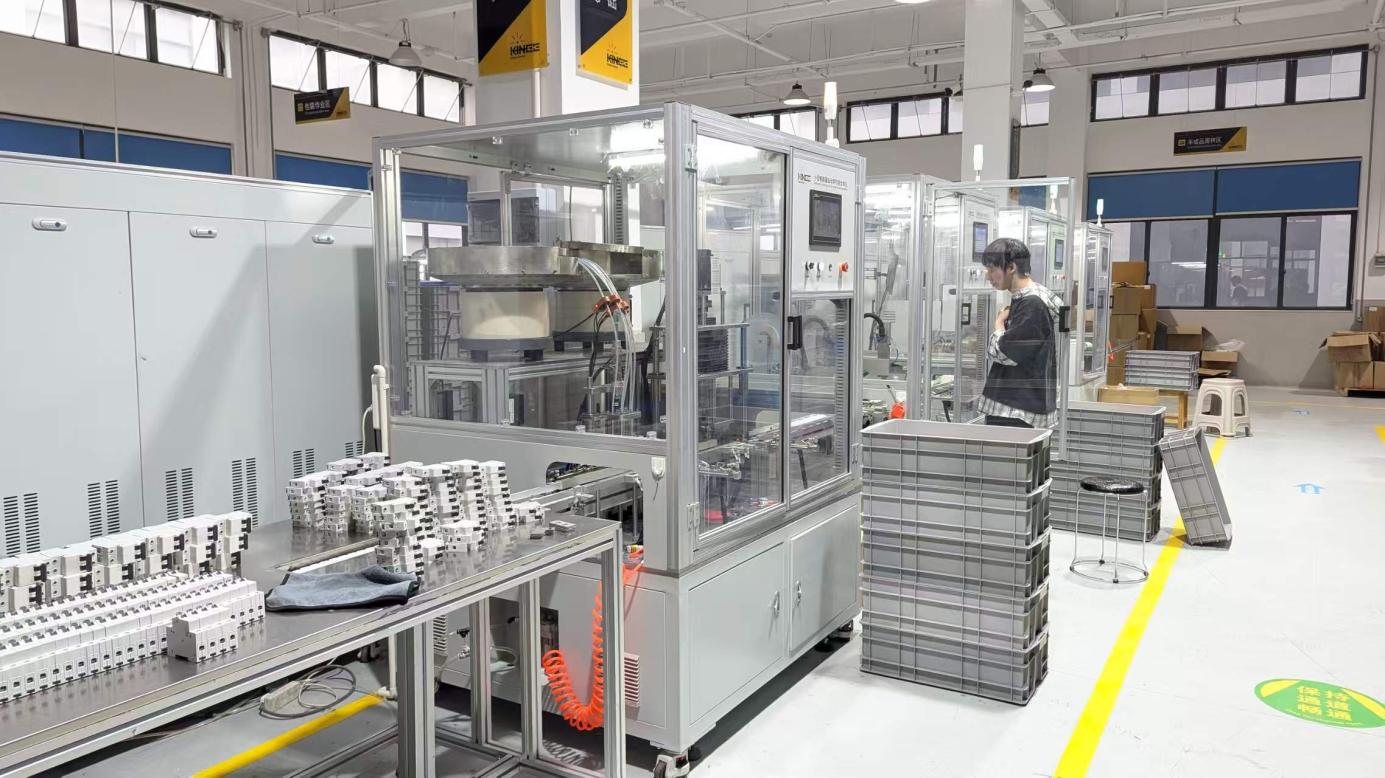
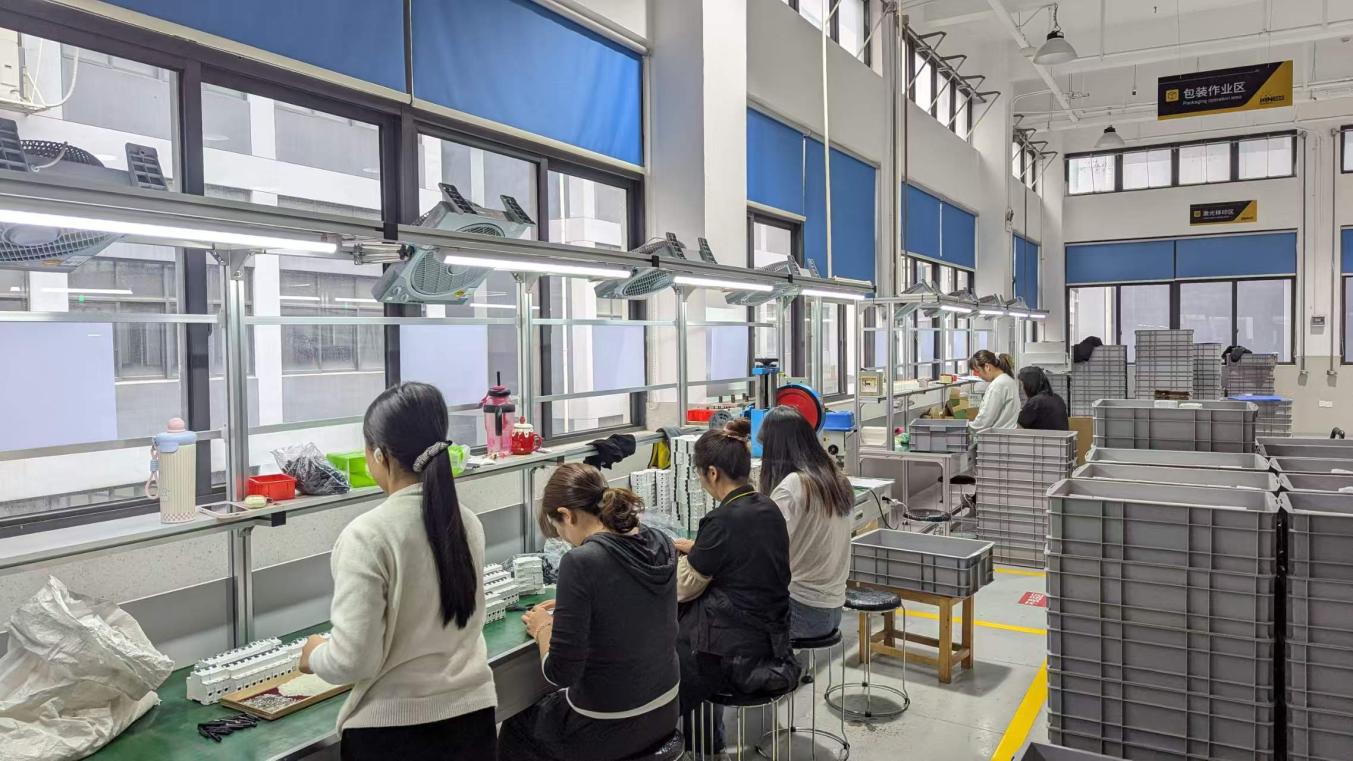
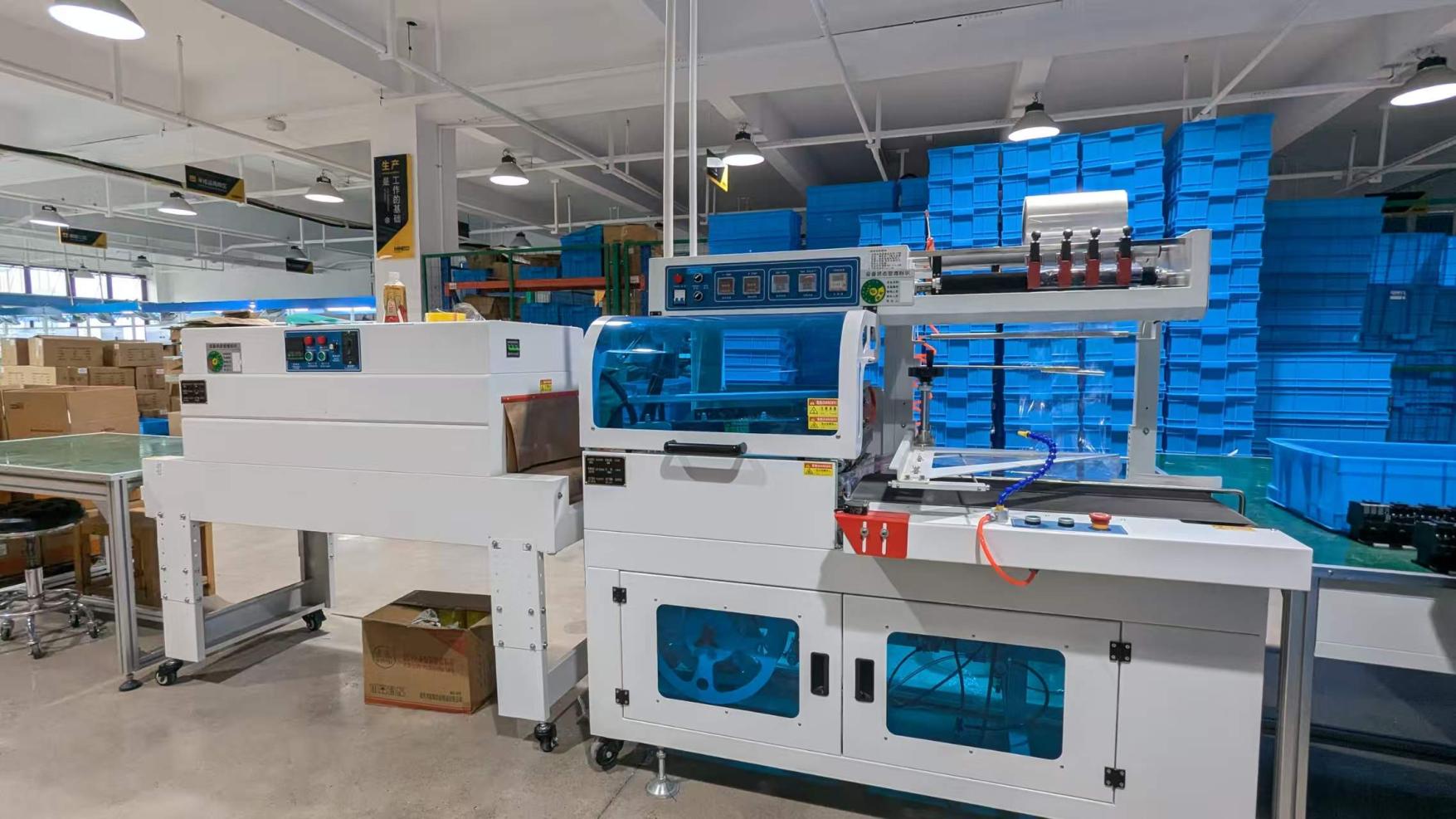
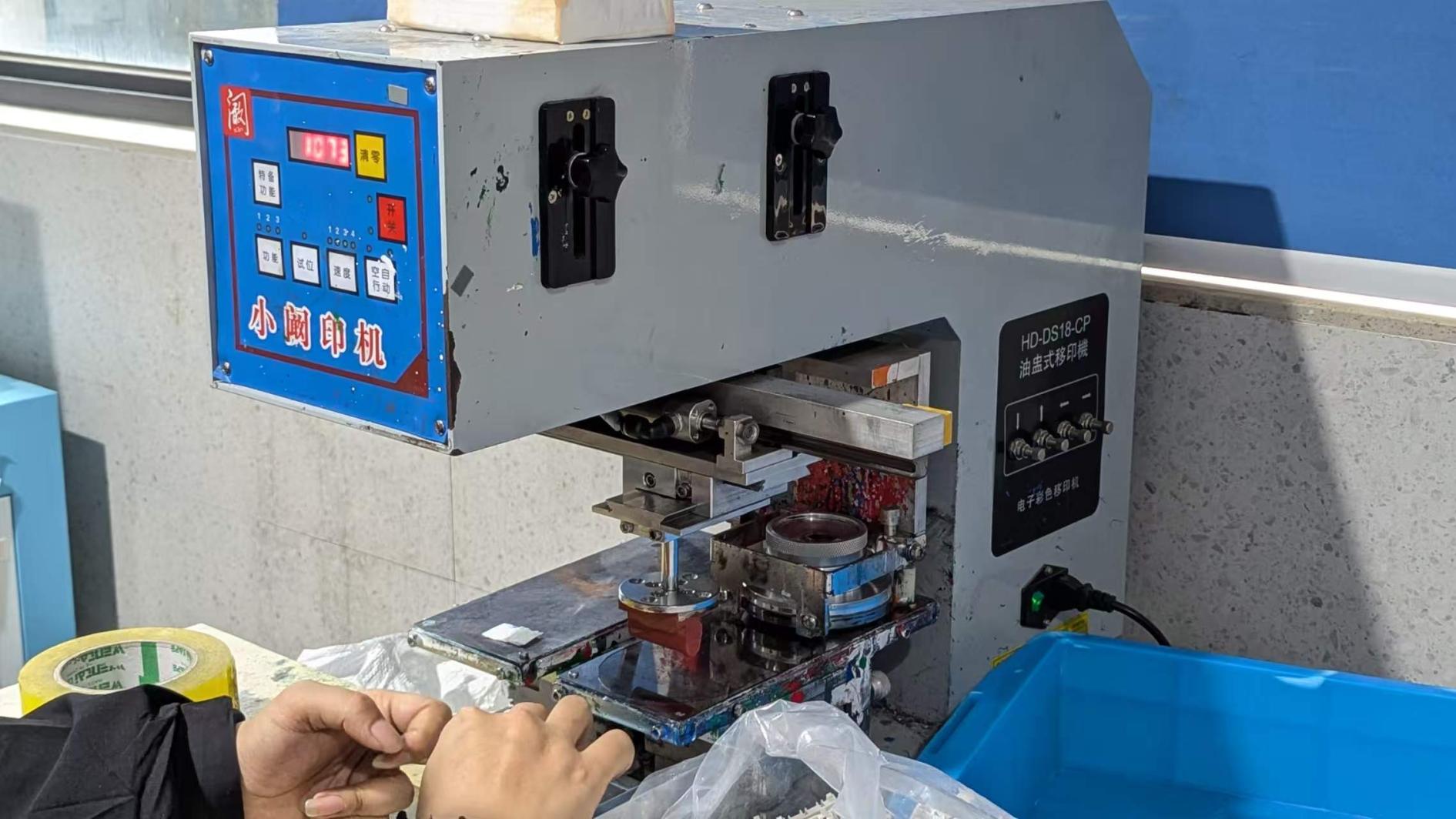
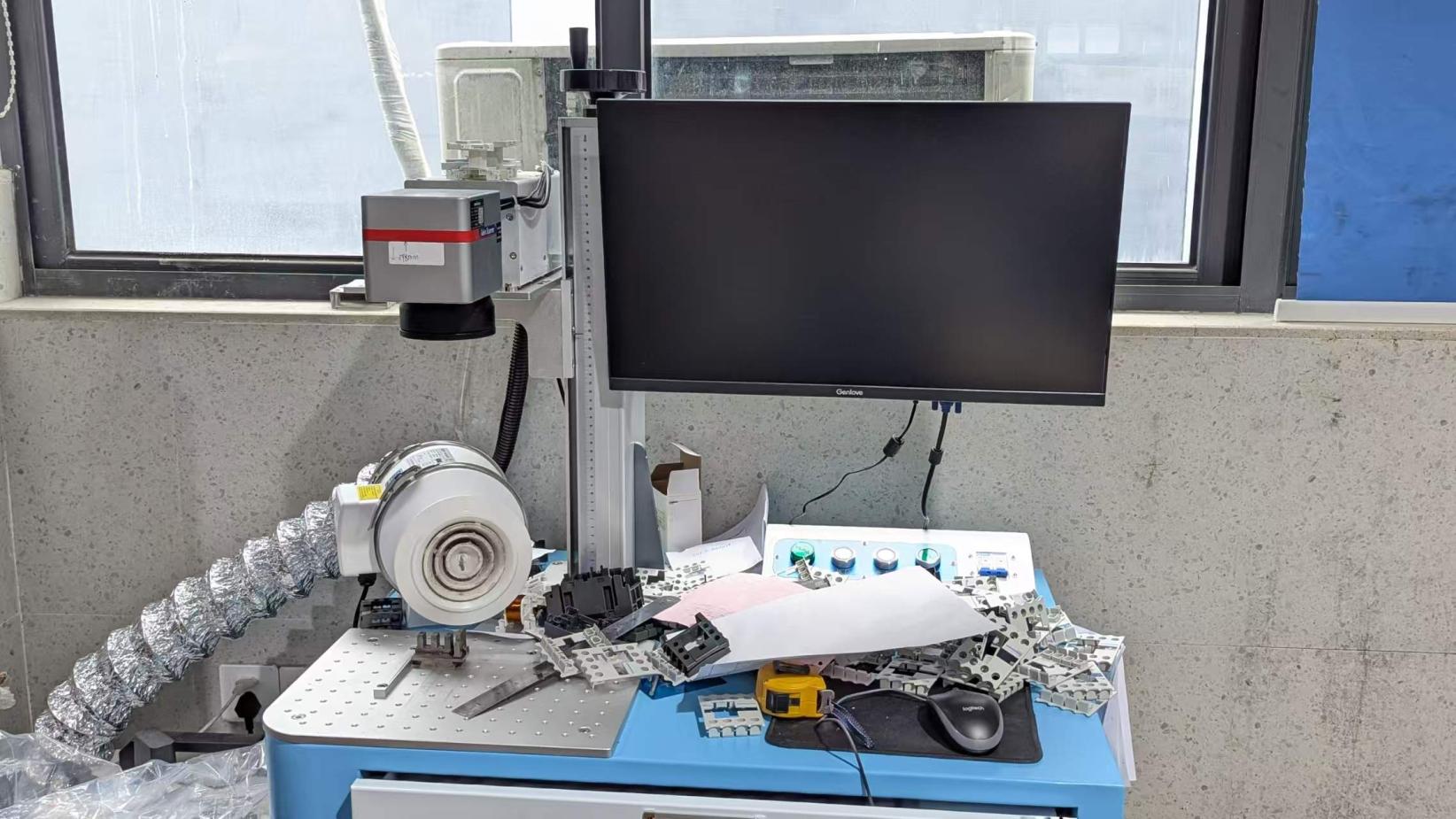
Wenzhou, China, is a globally recognized hub for electrical manufacturing. Producing busbar chambers in this region allows us to draw on an established local ecosystem of specialized raw material suppliers, high-precision surface treatment facilities, and advanced testing laboratories. This integrated supply chain reduces material handling times and logistical delays, enabling us to offer high-quality products at competitive prices.
Our manufacturing model is designed to meet the needs of international buyers through:
Enterprise-level buyers, switchgear OEMs, and utility contractors require more than just raw components. They need reliable partners who can deliver consistent quality, ensure regulatory compliance, and provide long-term supply chain security.
Bowser Electric addresses these needs through rigorous quality control, providing full material traceability certificates, third-party type-test reports, and customizable configurations that integrate smoothly into existing electrical networks.
Modern data centers require highly reliable, high-density power delivery. Our sandwich busbar trunking systems deliver low-impedance power to server cabinets, minimizing voltage drop and optimizing thermal performance to help reduce overall Power Usage Effectiveness (PUE).
Utility-scale wind and solar installations generate fluctuating, high-current outputs. Bowser Electric's custom busbars connect solar inverter racks and wind turbine control assemblies, offering the necessary environmental protection and mechanical strength to withstand outdoor conditions.
EV fast-charging hubs require dedicated high-ampacity feeders to power multiple superchargers simultaneously. Our customizable copper busbar chambers distribute power efficiently from the main step-down transformer to individual chargers in a compact footprint.
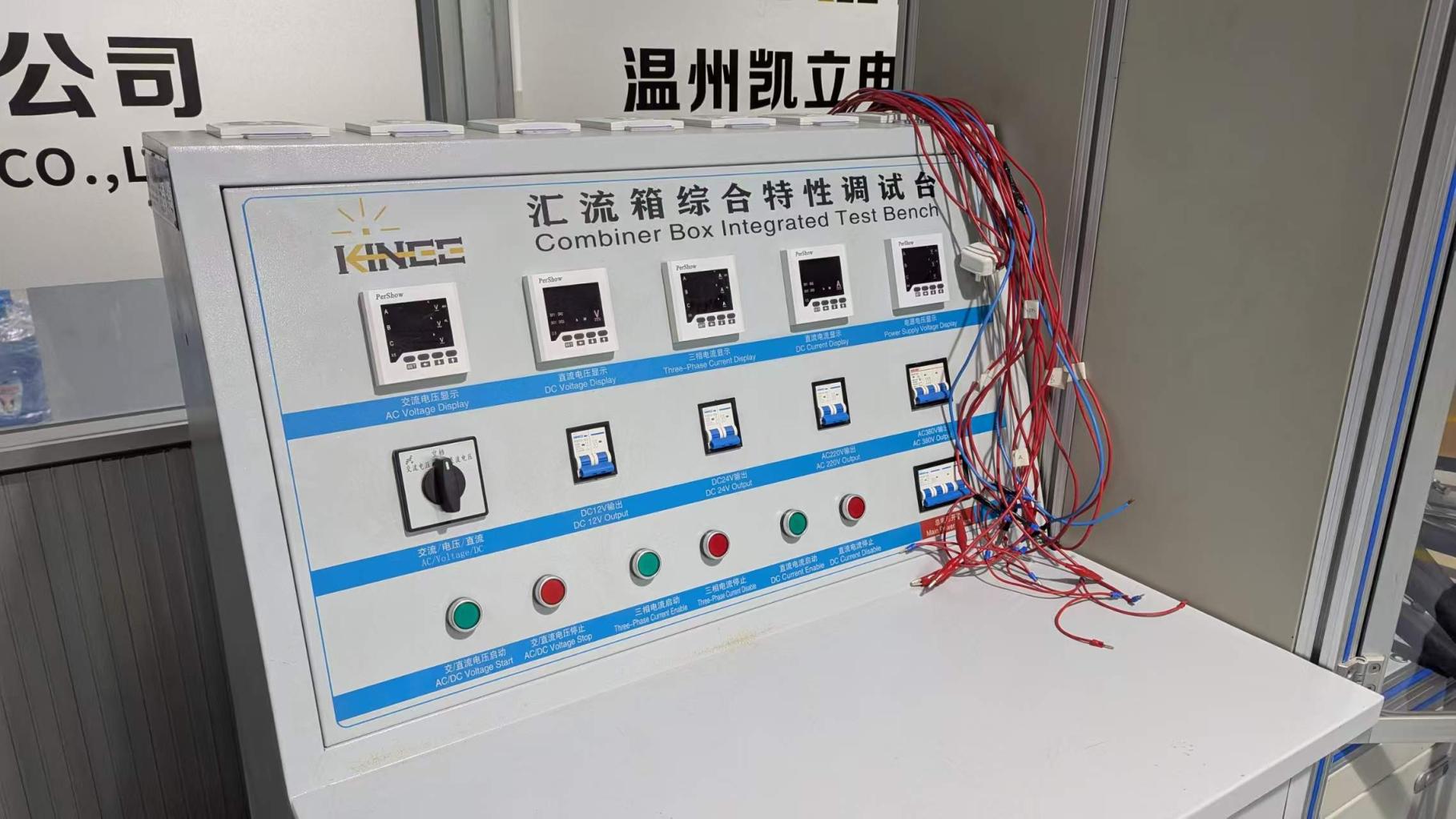
In high-voltage and low-voltage electrical distribution, design safety is critical. Operating a busbar chamber without appropriate certifications can result in equipment damage, project delays, or liability issues. Bowser Electric ensures that all our modular switchgear and busbar systems conform to international performance and safety standards.
Key standards our products comply with include: