Bowser Electric
Bowser Electric
Bowser Electric
Explore our engineering-grade surge protective devices certified under international IEC and CE standards, optimized for grid, industrial, and solar installations.
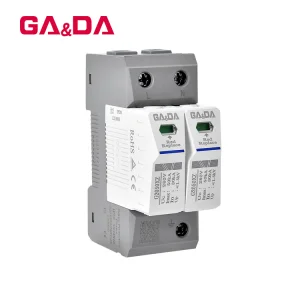
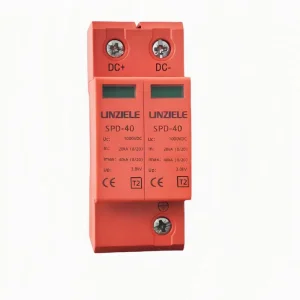
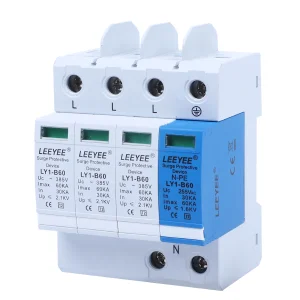
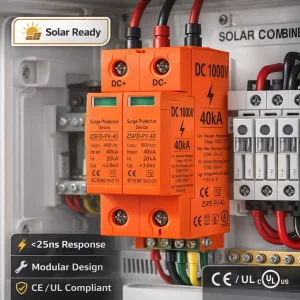
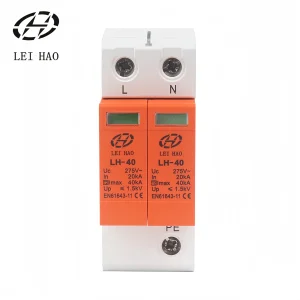
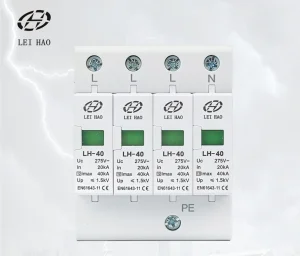
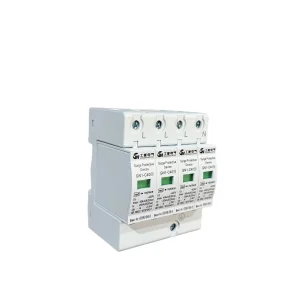
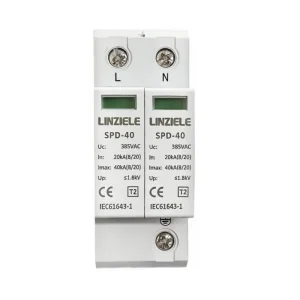
In the contemporary era of digitalization, smart industrial systems, and high-frequency power grids, protection against transient overvoltages is no longer an optional redundancy but a system-level necessity. Wenzhou Bowser Electric Co., Ltd. stands as a premier global authority, manufacturer, and supplier specialized in modular electrical terminal devices, industrial lightning arresters, and intelligent overvoltage protection equipment.
Through robust research, technological innovation, and adherence to zero-defect standards, our enterprise provides critical infrastructure protection in over 120 countries. Serving more than 1,500 satisfied global clients, we support utilities, solar field developers, commercial contractors, and system integrators with precision-tailored OEM and ODM services.
The global demand for Surge Protective Devices (SPDs) is experiencing rapid growth, driven by the structural transition toward renewable energy, the mass integration of Internet of Things (IoT) sensors, and the rapid deployment of electric vehicle (EV) charging grids. Modern microprocessor-controlled systems operate on low voltages with extremely narrow tolerance limits, rendering them vulnerable to transient surges caused by inductive load switching or direct atmospheric lightning strikes.
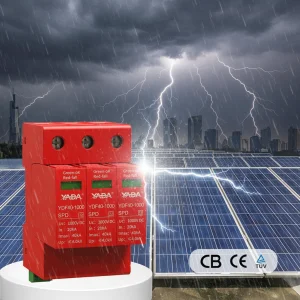
Photovoltaic installations present highly specialized requirements for voltage protection. Unlike conventional AC circuits, DC solar arrays operate at persistent high voltages (up to 1000V or 1500V DC) and feature highly sensitive inverter modules. Because inverters contain sensitive semiconductor components, custom-designed DC Surge Protective Devices must be applied at both the string level and the central inverter interface to prevent catastrophic breakdown, minimizing system downtime and maintaining steady energy production.
As smart meters, microgrids, and EV fast-charging stations expand across suburban and rural landscapes, they are exposed to harsh external environments. Electrical utilities and charging operators implement coordinated Class I and Class II surge protectors at distribution centers to prevent power quality disruptions and safeguard vehicles under charge from grid-side transients.
Surge protection engineering requires a cascaded approach, separating protection zones to absorb and dissipate energy step-by-step. Selecting the correct class of protection is critical to ensuring the longevity of downstream electronics.
Designed to withstand direct lightning impulses characterized by a 10/350 μs current wave. Installed at the primary building entrance or main low-voltage switchboard to prevent catastrophic failure of the facility's power infrastructure.
Optimized to protect sub-circuits against transient overvoltages resulting from indirect lightning strikes or utility switching surges. Tested using the 8/20 μs wave impulse. Ideal for machine rooms, lighting panels, and commercial distribution boards.
Positioned close to critical end devices (such as PLCs, computers, and specialized medical instrumentation). These devices have a low discharge capacity but clamp residual overvoltages to extremely low levels, providing precise safety margins.
Power surge mitigation relies on applying specific solutions to unique operating environments. At Bowser Electric, we specialize in customizing SPDs to fit these distinct parameters:
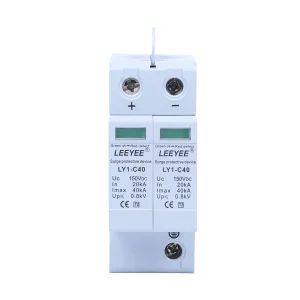
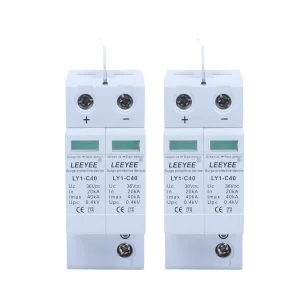
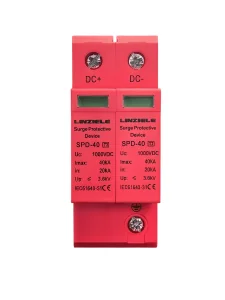
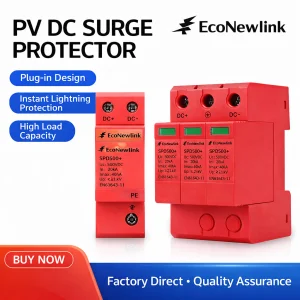
DC arrays require surge protection rated up to 1000V/1500V DC. Operating conditions require high-quality Metal Oxide Varistors (MOVs) and Gas Discharge Tubes (GDTs) configured to prevent leakage current, ensuring long-term system efficiency.
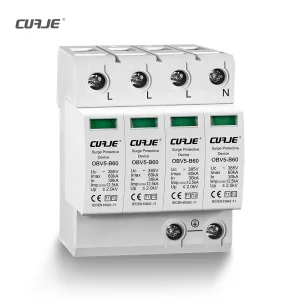
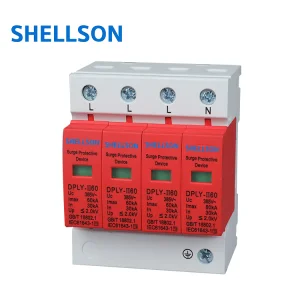
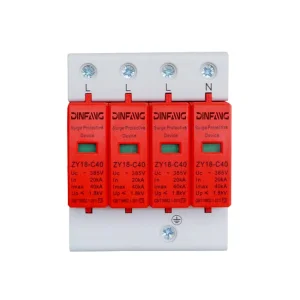
Industrial lines with high-power motors and variable frequency drives (VFDs) generate frequent inductive switching surges. Multi-pole Type 2 AC SPDs are used on control cabinets to prevent system anomalies and protect control equipment.
LED installations are vulnerable to lightning-induced surges. Compact 20kA Type 2 surge protectors installed inside poles help prevent premature LED driver failure, lowering municipal maintenance and replacement costs.
Continuous innovation drives the R&D department at Bowser Electric. Our engineering roadmap focuses on three main pillars of device technology:
MOVs degrade over time due to repeated small surges. Our patented dual thermal release disconnector isolates degraded MOVs immediately when overheating occurs, preventing thermal runaway and electrical fires.
Next-generation SPDs integrate auxiliary contacts and micro-transmitters that track leakage current, surge frequency, and device wear. This data is transmitted to centralized SCADA systems for predictive maintenance scheduling.
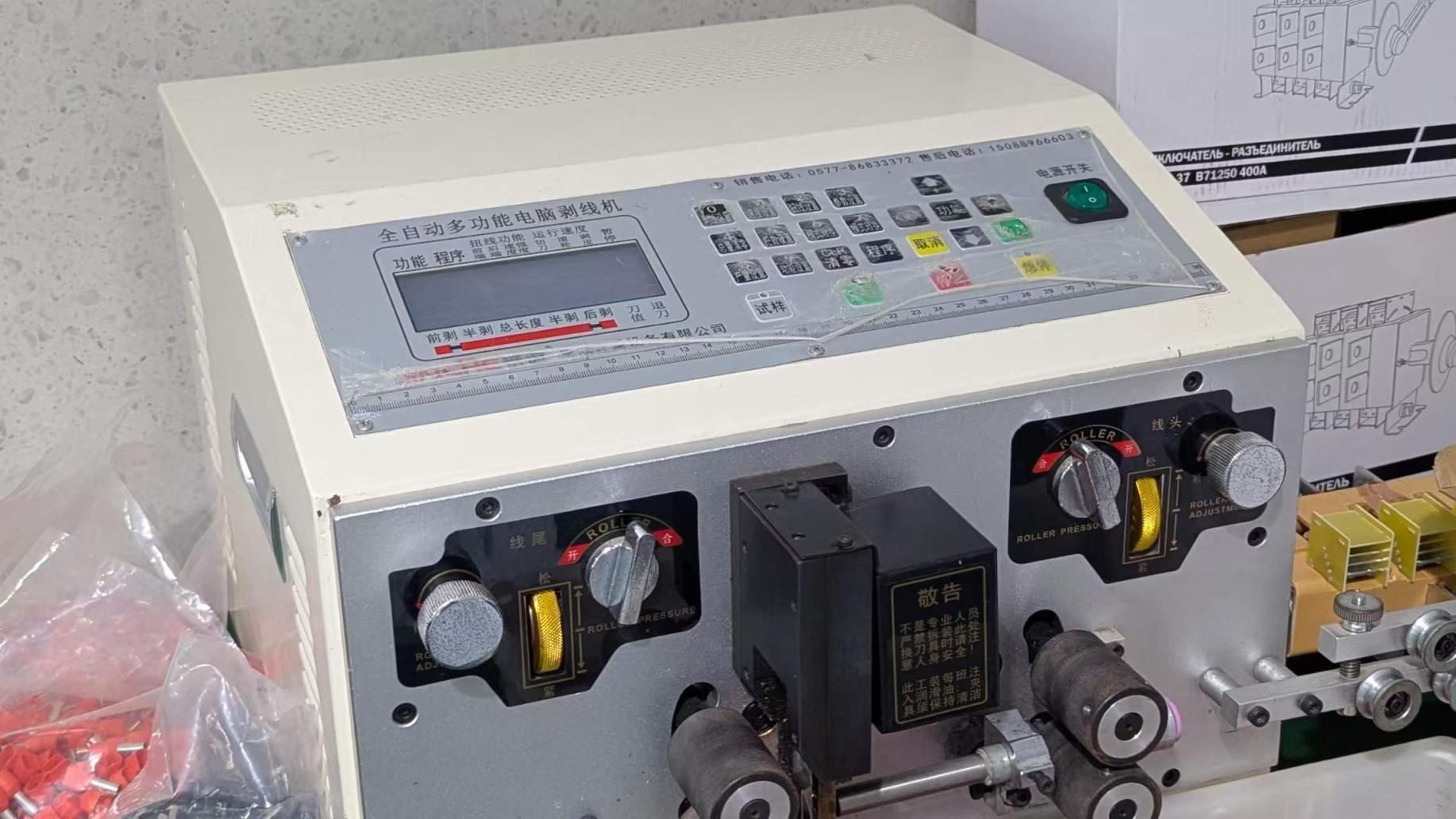
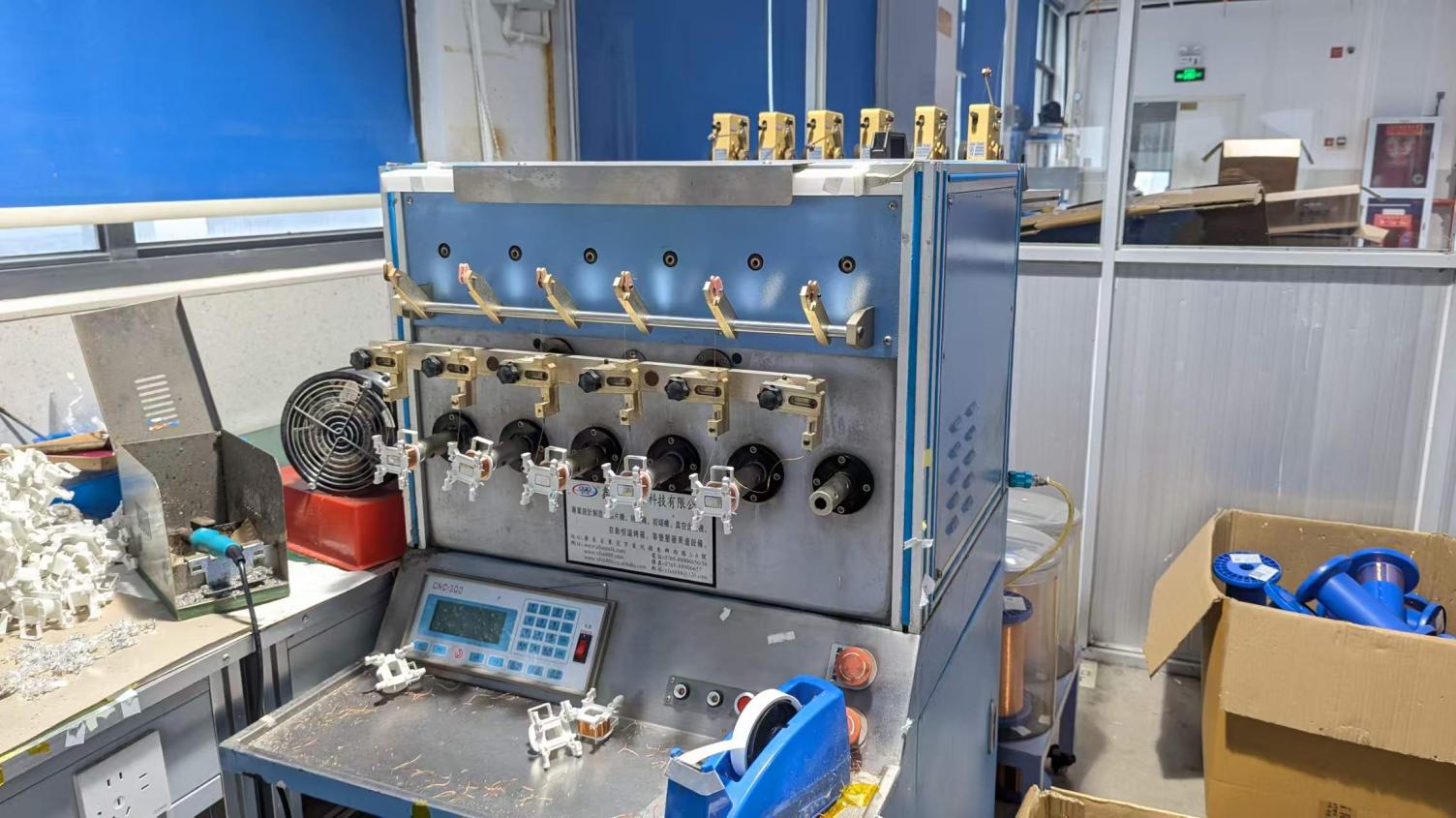
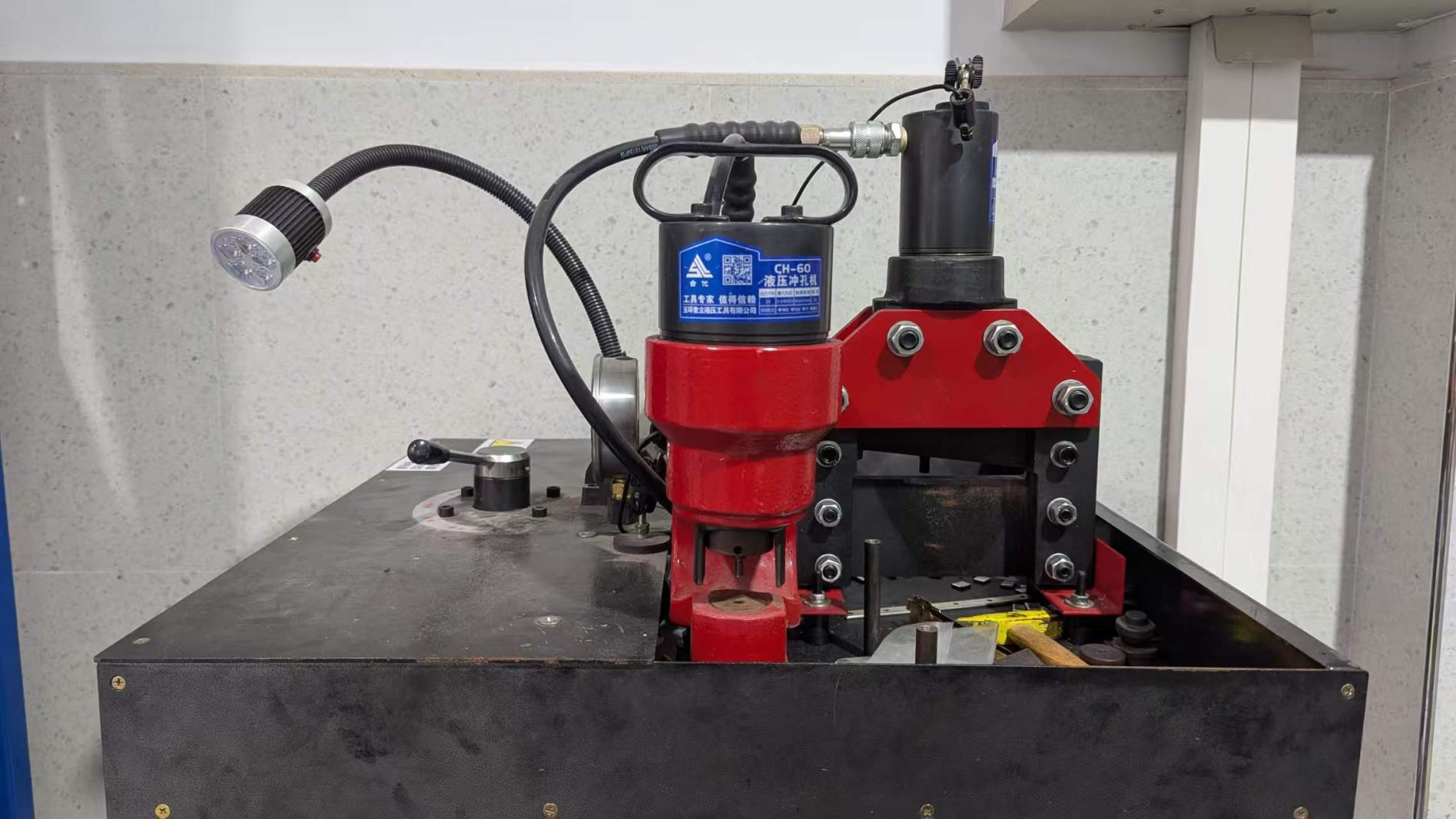
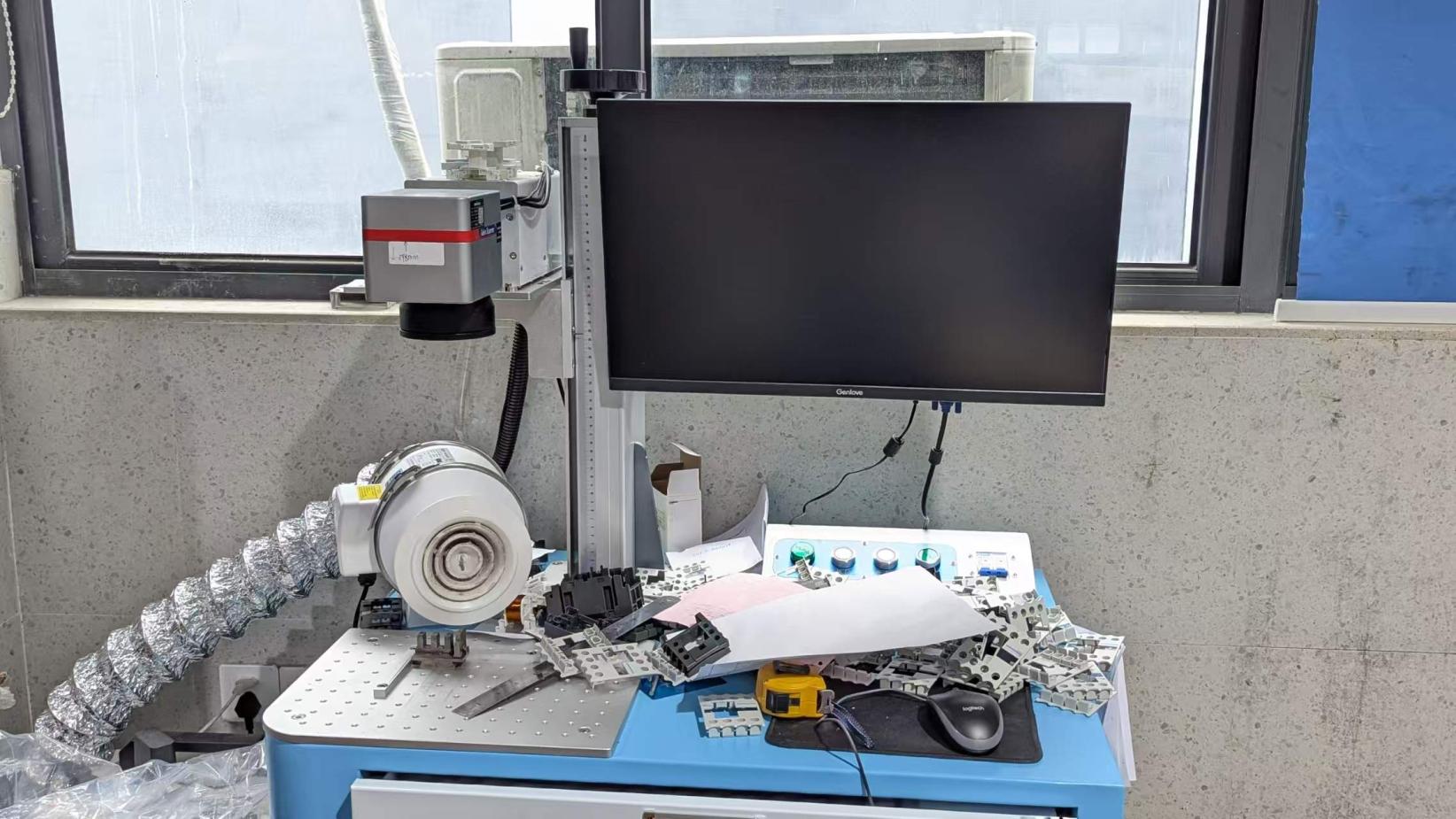
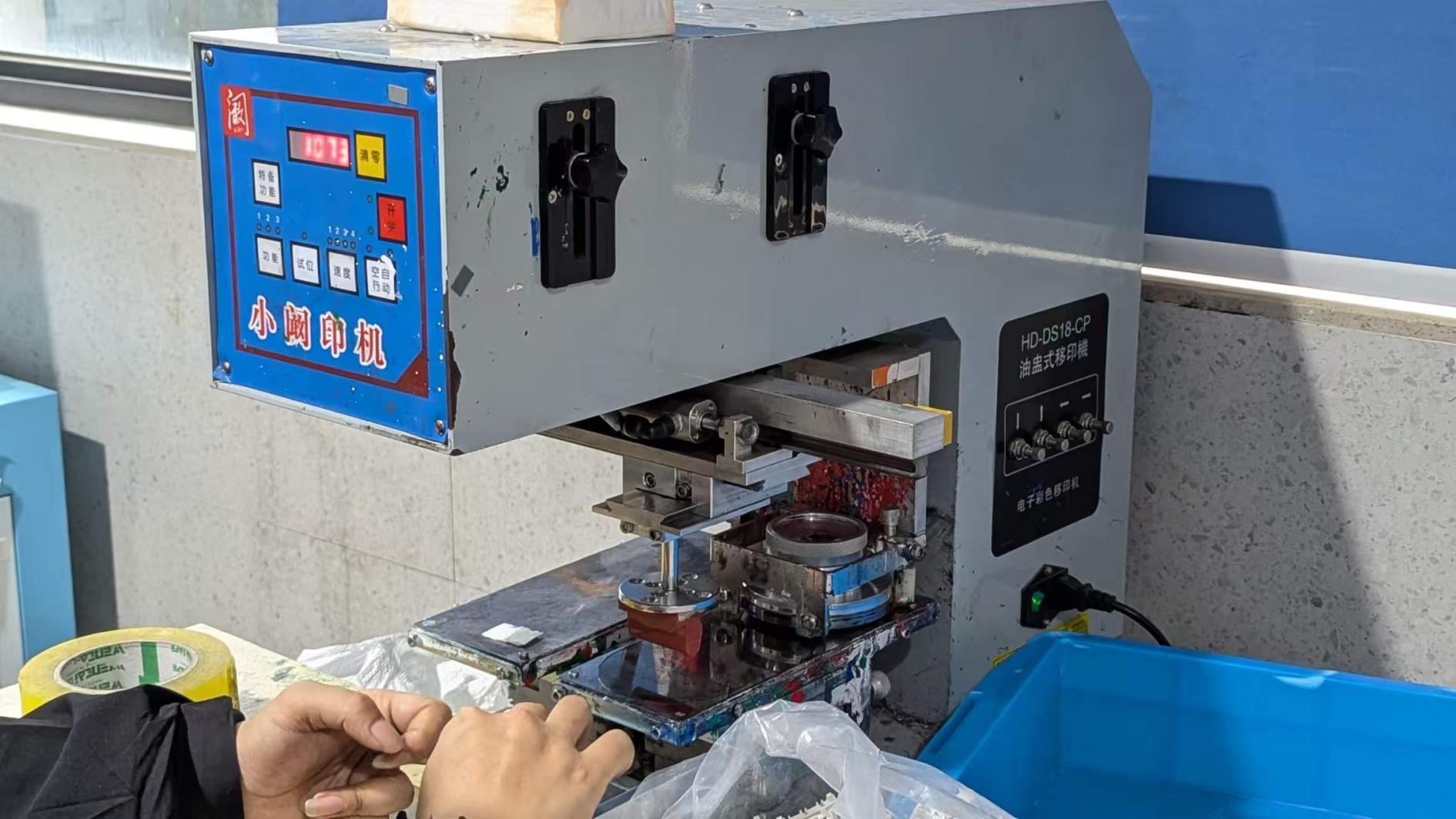
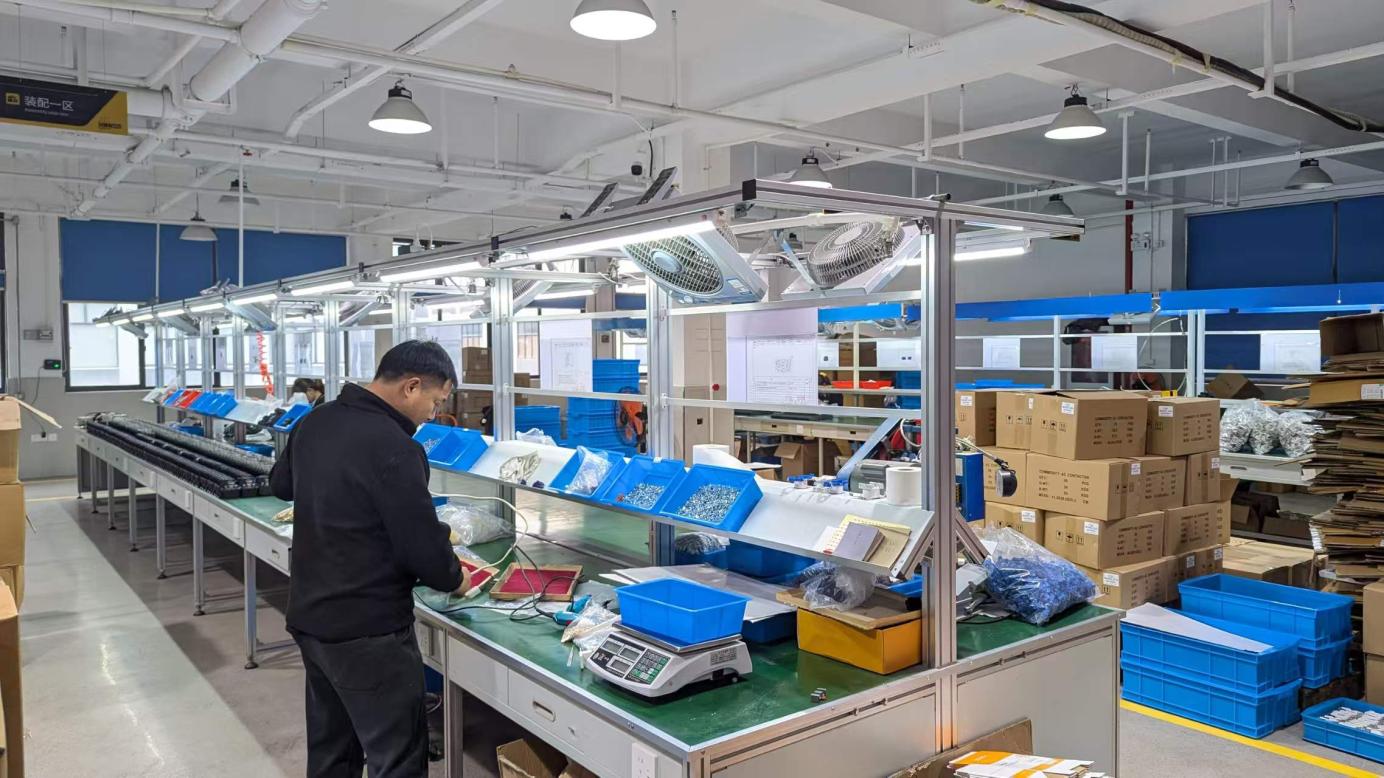
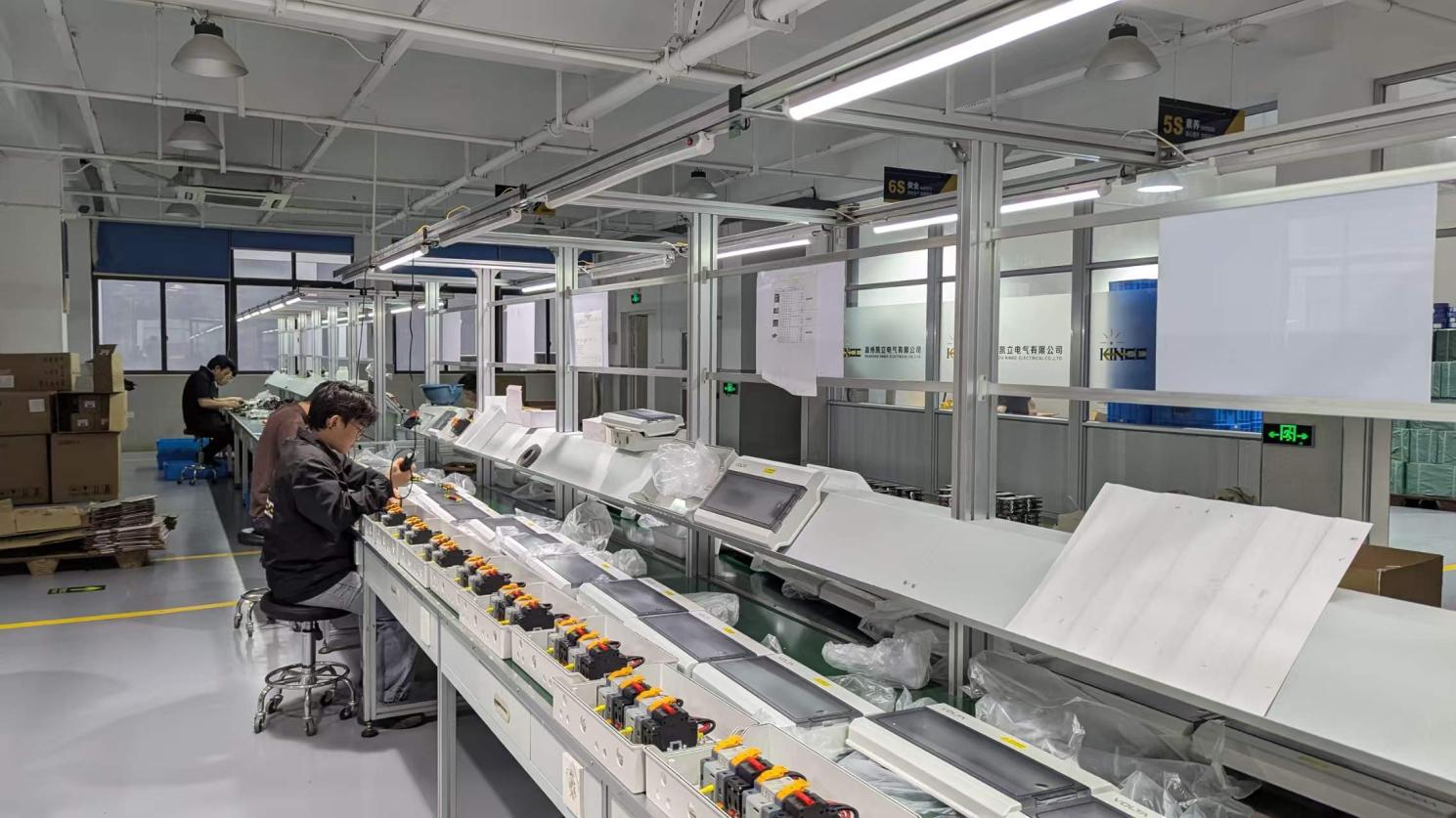
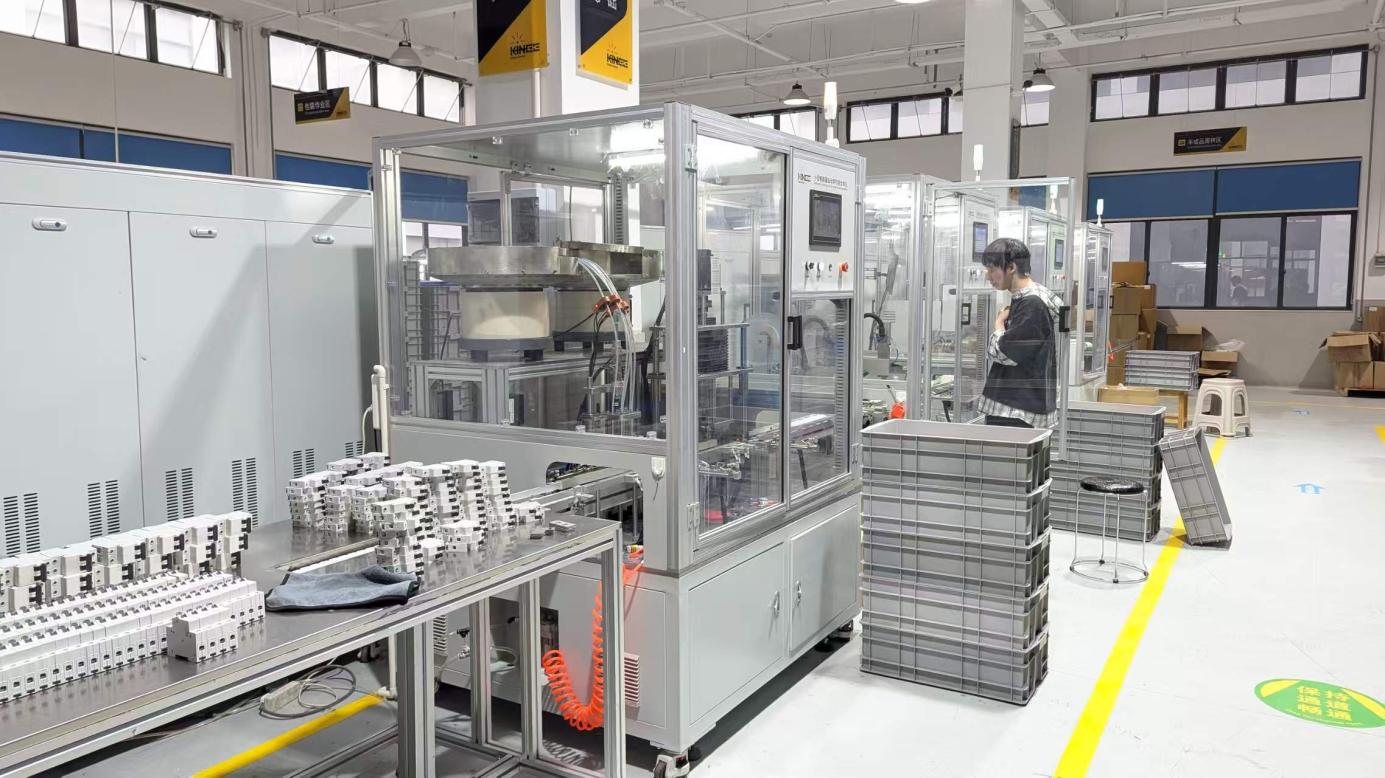
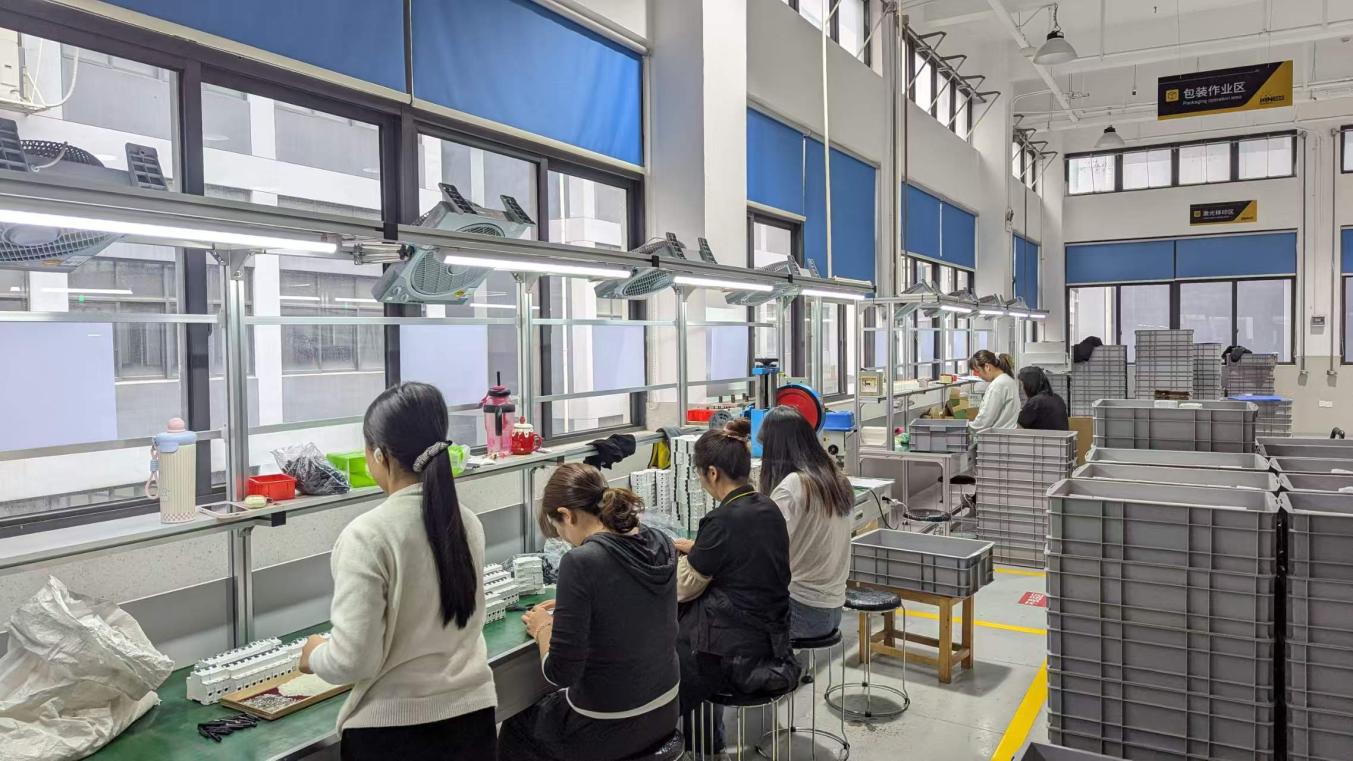
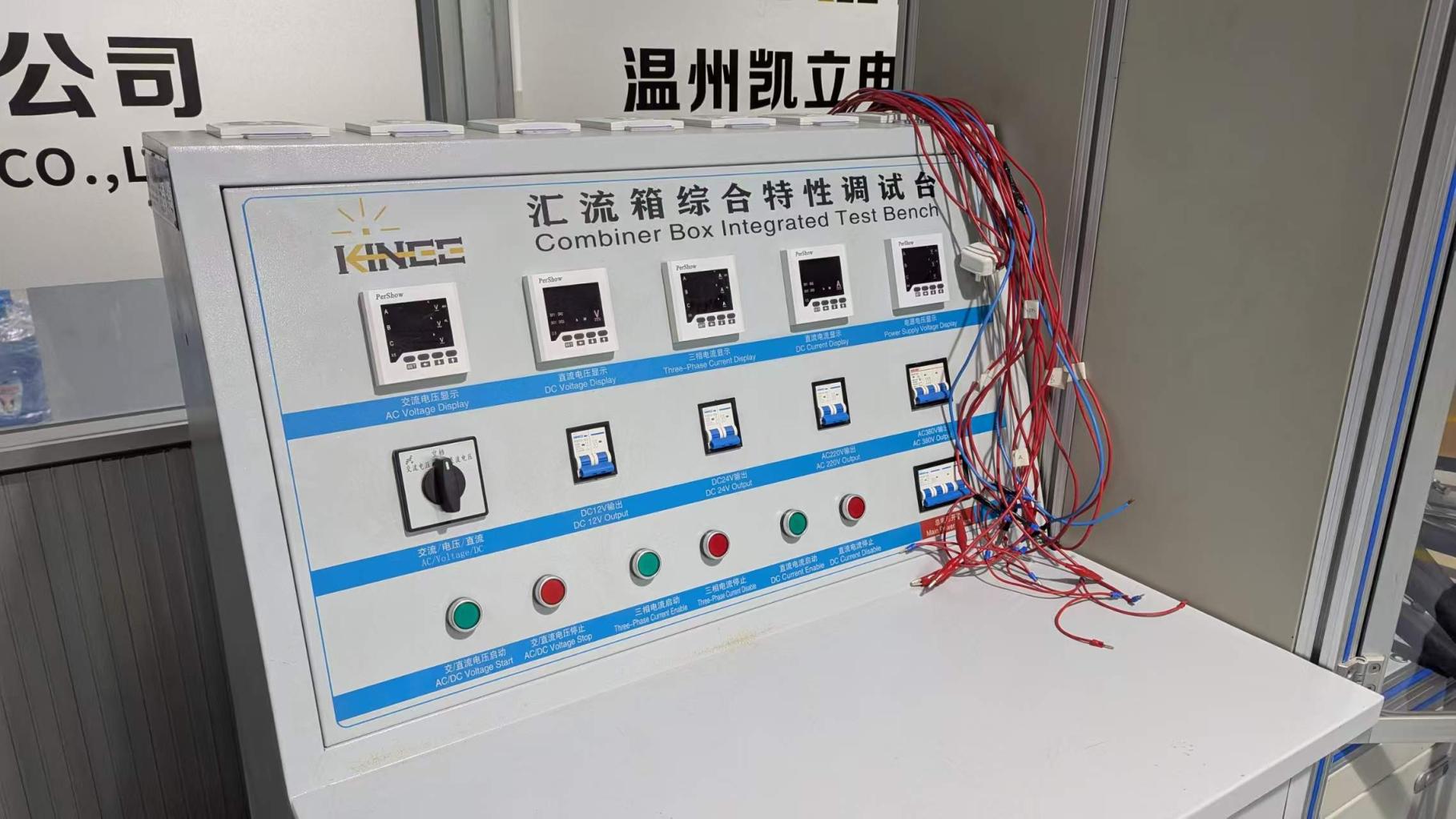
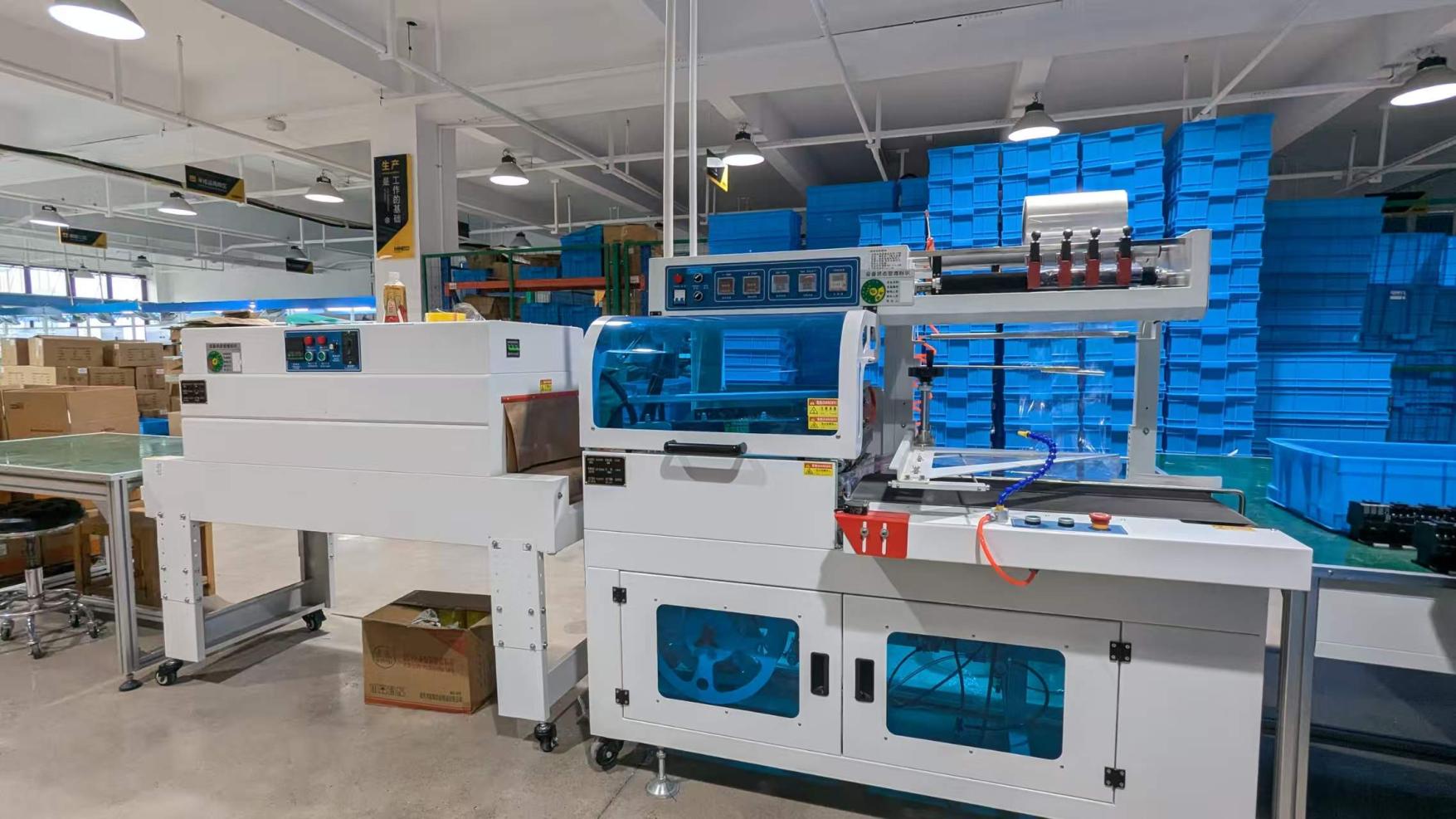
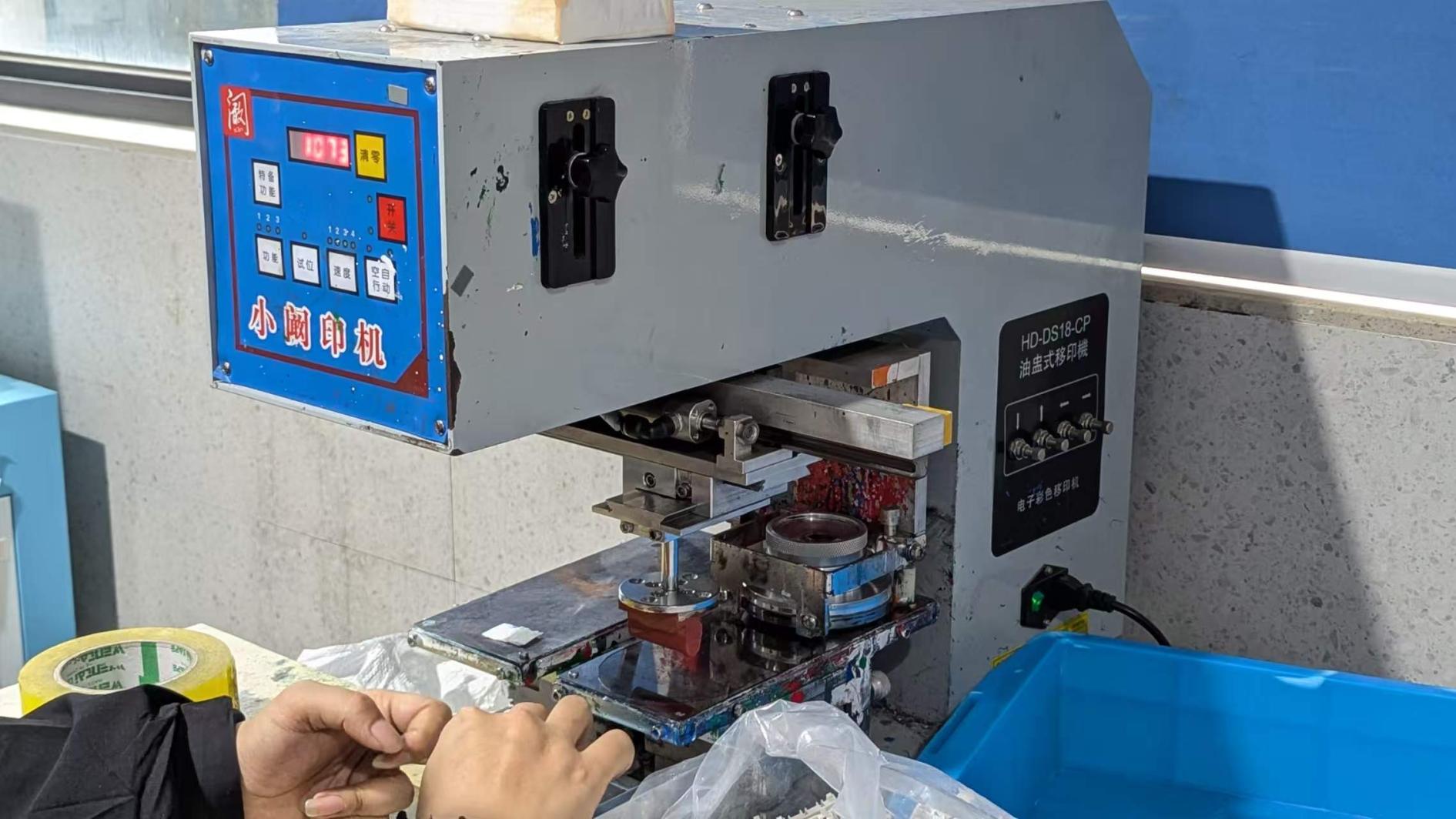
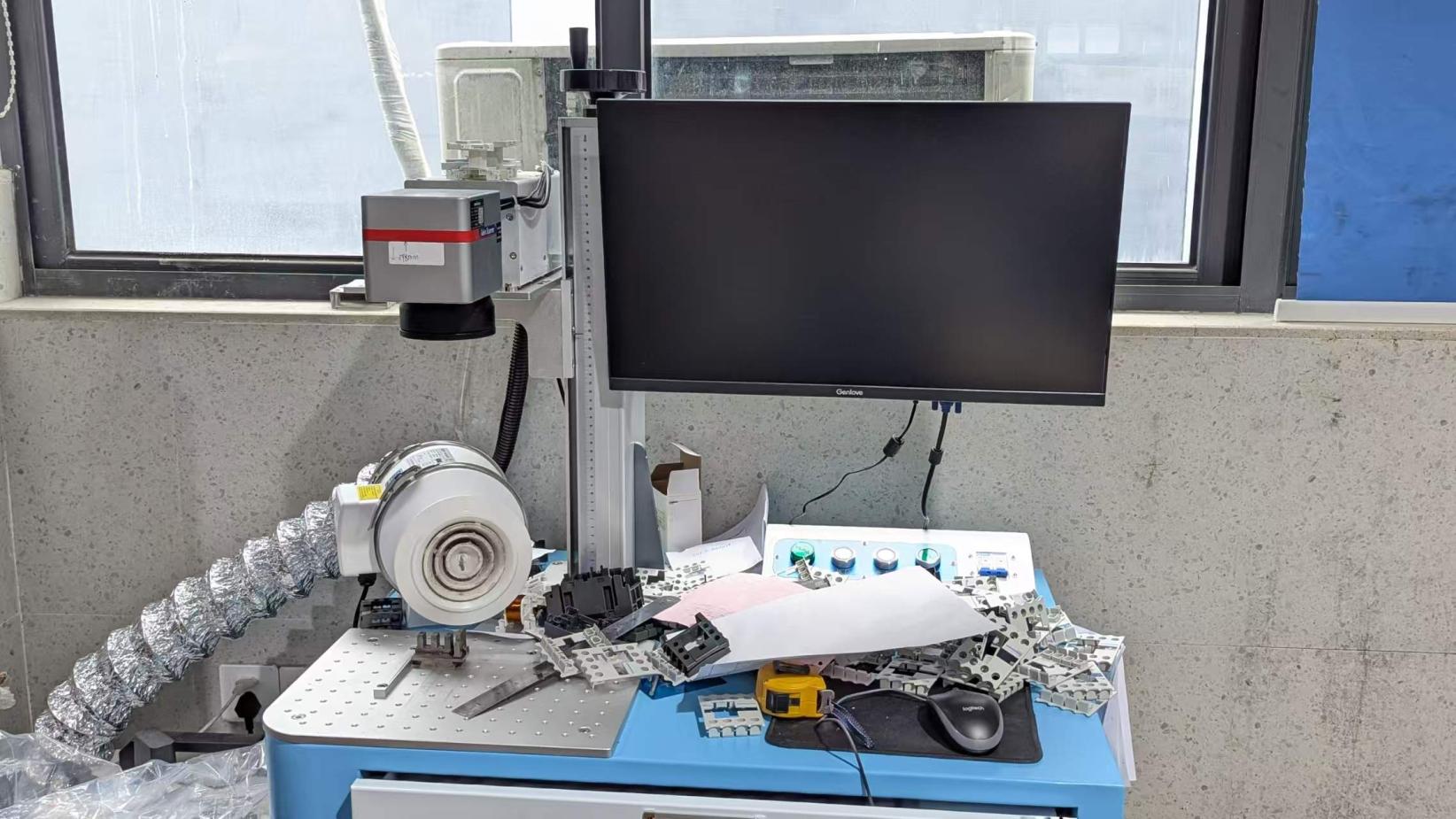
To maintain our 99.9% defect-free quality benchmark, Wenzhou Bowser Electric Co., Ltd. operates a vertically integrated production line equipped with automated assembly machinery and rigorous electrical testing laboratories.
Effective lightning protection requires coordinated engineering. An single SPD at the service entrance cannot protect all downstream equipment, as voltage surges propagate through cabling and can double due to resonance.
A coordinated system places a Type 1 SPD at the main service panel to handle high-energy direct lightning impulses. Downstream, Type 2 SPDs are installed at sub-panels to clamp residual voltages, followed by Type 3 SPDs located near critical equipment to limit transient voltages to levels safe for the components.
AC SPDs are designed to protect circuits where the voltage crosses zero dynamically, which helps extinguish internal electric arcs. DC SPDs, especially those rated for 1000V/1500V in solar systems, must be engineered to extinguish arcs without a zero-crossing point, utilizing specialized internal disconnector mechanisms to prevent short circuits and thermal events.
The Nominal Discharge Current (In) is the peak value of current (using an 8/20 μs waveform) that the SPD can discharge repeatedly without failing. Choosing a higher In rating (e.g., 40kA vs 20kA) provides a higher margin of safety, allowing the device to handle a greater number of surges before degradation occurs.
The Voltage Protection Level (Up) represents the maximum voltage across the SPD terminals during impulse operation. If the Up rating of the SPD exceeds the impulse withstand voltage of the protected equipment, the transient energy can bypass the protector and damage the downstream components.
For remote or unmanned installations, we recommend using SPDs with integrated auxiliary dry contacts. These contacts send remote telemetry signals to a central control room if a module degrades or fails, allowing technicians to schedule proactive maintenance before the next lightning event.
With our 35-member R&D team and a library of 25+ international patents, we specialize in customizing SPDs to meet specific voltage levels, housing configurations, custom label markings, and local grid compliance standards for global brands.
For Europe, SPDs must hold CE marking and comply with the EN 61643 series standards. For the North American market, UL 1449 certification is the primary standard. Our product ranges are designed and certified to meet these requirements.
Explore our industrial range of Type 1+2 lightning protection assemblies, low-voltage control protectors, and PV-specific DC surge diverters.