Bowser Electric
Bowser Electric
Bowser Electric
Engineered Electrical Disconnectors & Solar PV Isolators for South Korea's High-Tech Industrial Grids and Smart Utility Architectures.
Send Inquiry NowDeploying high-reliability disconnector units engineered for rapid substation integration, robust environmental protection, and severe load-break conditions across Gyeonggi-do and Seoul Metropolitan sites.
The Seoul Metropolitan Area, hosting nearly half of South Korea’s population alongside crucial global tech operations, demands a level of power grid reliability that is virtually unparalleled. Under the current South Korean energy initiatives, including the 9th Basic Plan for Electricity Supply and Demand, the metropolitan power landscape is rapidly transitioning. Traditional bulk generation systems are making way for localized urban microgrids, high-capacity underground substation networks, and distributed energy resource (DER) infrastructures.
This high-density grid framework necessitates the use of premium-tier electrical components. In a city where a single brief voltage dip can disrupt semiconductor fabs or financial centers in districts like Gangnam and Yeouido, isolator switches play a vital role. They serve as safety-critical physical isolation devices, isolating equipment during maintenance and safeguarding operators against backfeeding or unexpected transients. Crucially, Seoul’s high atmospheric humidity during the monsoon season and dense urban environments require disconnectors with high tracking resistance, zero-leakage pathways, and superior thermal performance under sustained load conditions.
To maintain grid resilience in smart cities, modern isolator switches are moving beyond basic manual levers. The current technical roadmap highlights several key innovations:
As solar arrays push nominal voltages to 1200V and 1500V DC, switches must extinguish severe DC arcs quickly. Modern designs use double-break contact systems with specialized magnetic blowouts and arc chutes to suppress thermal energy, preventing phase-to-ground or pole-to-pole faults.
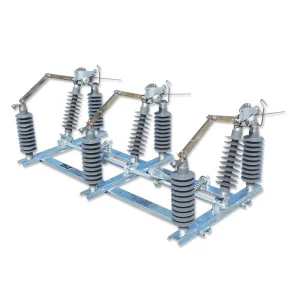
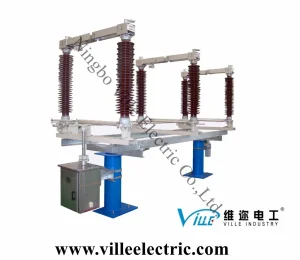
While traditional porcelain isolators excel in mechanical stiffness and durability under high-voltage outdoor configurations, polymer-based composite insulators are gaining ground. High-grade polymer compositions resist impact damage, show superior hydrophobicity in damp climates, and weigh up to 70% less, facilitating safe installation on utility poles and rooftop substations.
Advanced industrial isolators are now being configured with auxiliary micro-switches and thermal sensor arrays. This allows real-time remote verification of the isolation state and monitors contact temperature fluctuations to prevent thermal runaway before switch failure occurs.
Industrial users in the Seoul Capital Area demand standardized solutions tailored to specific commercial applications:
South Korea’s expanding solar PV installations, coupled with massive battery ESS plants, require highly reliable isolation interfaces. A typical 1500V DC solar isolator protects the inverter stage by isolating individual string combiner boxes during emergency shutdowns or scheduled system cleaning, ensuring technicians can work safely.
Seoul is aggressively deploying high-power EV superchargers. To prevent catastrophic grid backfeed or thermal faults within charging kiosks, specialized DC disconnectors are integrated directly into the power distribution cabinets to safeguard the rectifier circuits.
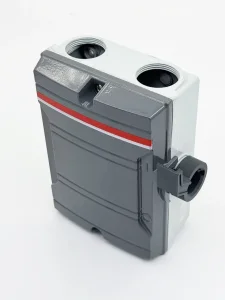
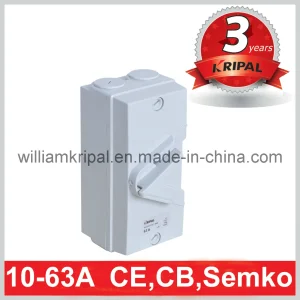
In semiconductor manufacturing, HVAC and cleanroom air circulation systems must run continuously. IP66/IP65 waterproof and dustproof AC isolating switches provide local, lockable motor disconnects near heavy industrial fans, safeguarding maintenance crews without shutting down entire production zones.
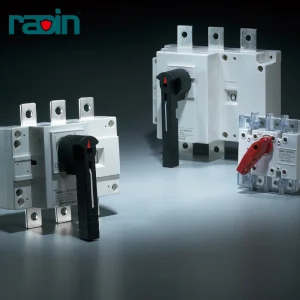
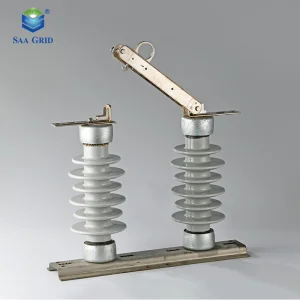
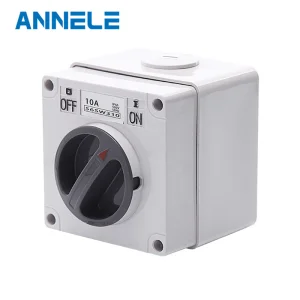
Exporting switchgear to Seoul requires strict compliance with South Korean industrial safety regulations. The country is moving dynamically from standard legacy rules to the unified Korea Electrical Safety Code (KESC), which aligns closely with IEC global frameworks.
Electrical items deployed in industrial power distribution panels must meet KS standard benchmarks. This includes KS C 8300 or related regulations for switch disconnectors. High-voltage outdoor switches must also align with KEPCO's purchase specifications, which require rigorous type-testing.
Having components pre-tested or certified by recognized bodies like KERI (Korea Electrotechnical Research Institute) or TUV under IEC 60947-3 standards accelerates the integration process. This certification path simplifies the authorization steps required by local safety inspectors during commissioning.
As a leading international manufacturer, Wenzhou Bowser Electric Co., Ltd. plays a vital role in providing high-reliability switchgear products. With a strong emphasis on technology, safety, and customer satisfaction, Bowser Electric is a trusted partner for clients worldwide.
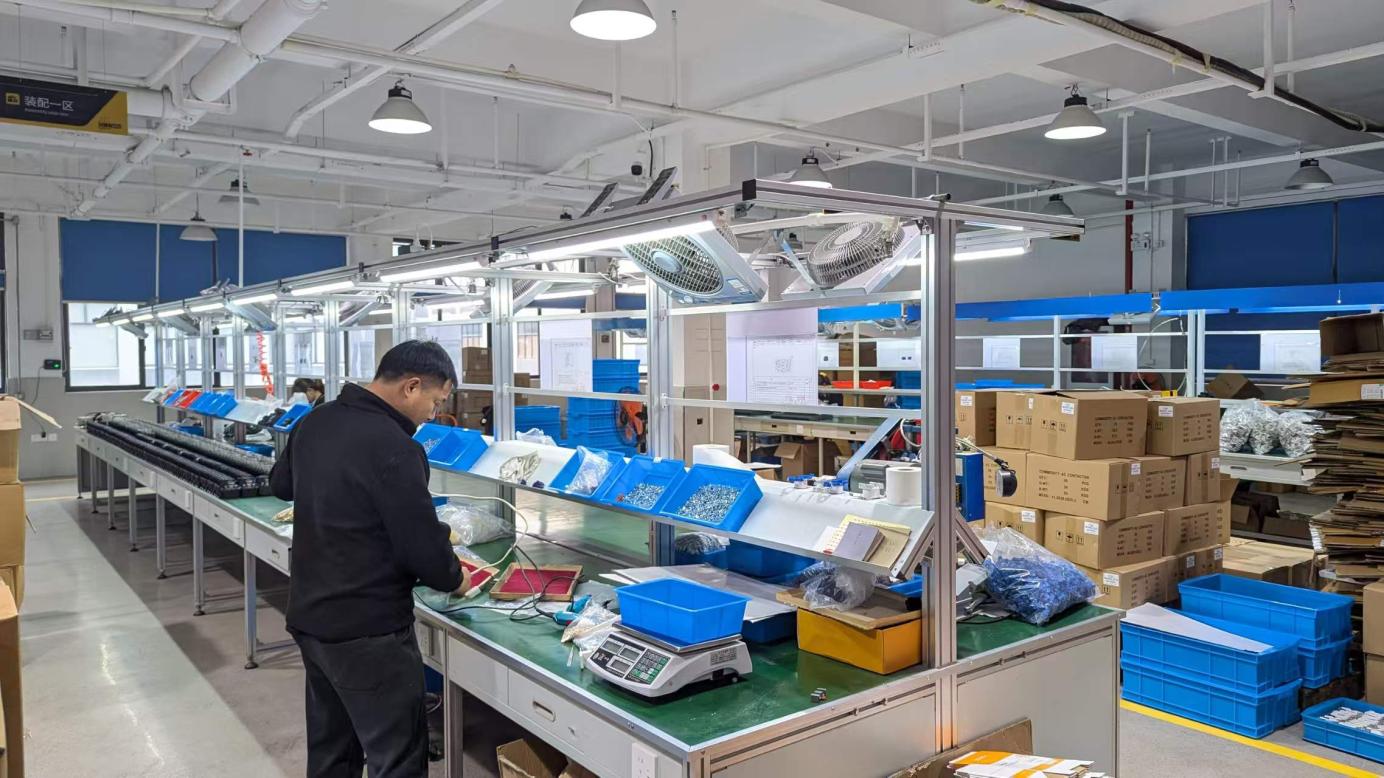
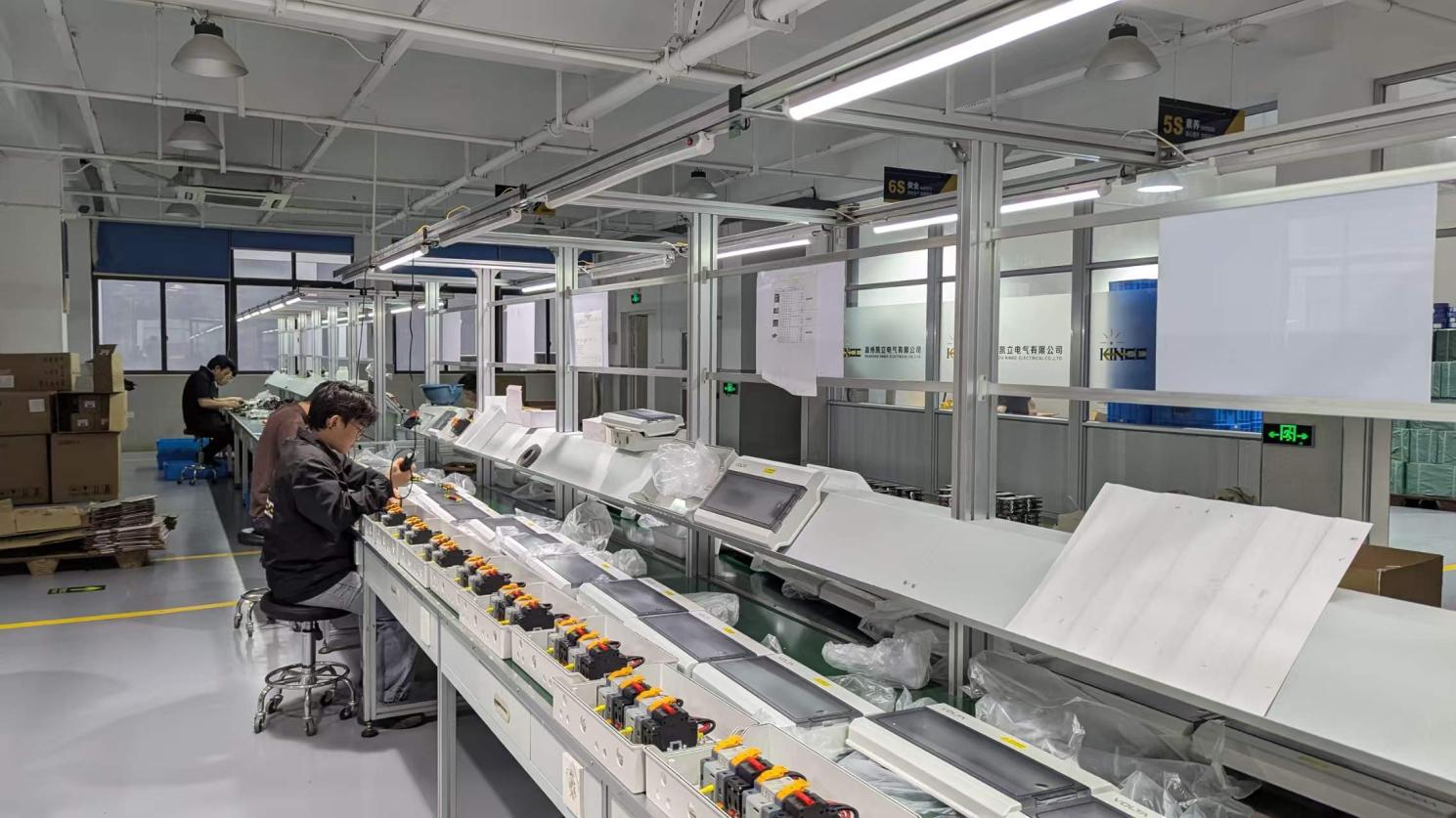
At Bowser Electric, our dedicated R&D team works continuously to advance electrical technology and deliver smart, efficient, and reliable solutions. Our ISO 9001 and CE certified facilities maintain rigorous testing protocols from material inspection to final product assembly. We back our products with a 5-year warranty, reflecting our confidence in their quality and performance.
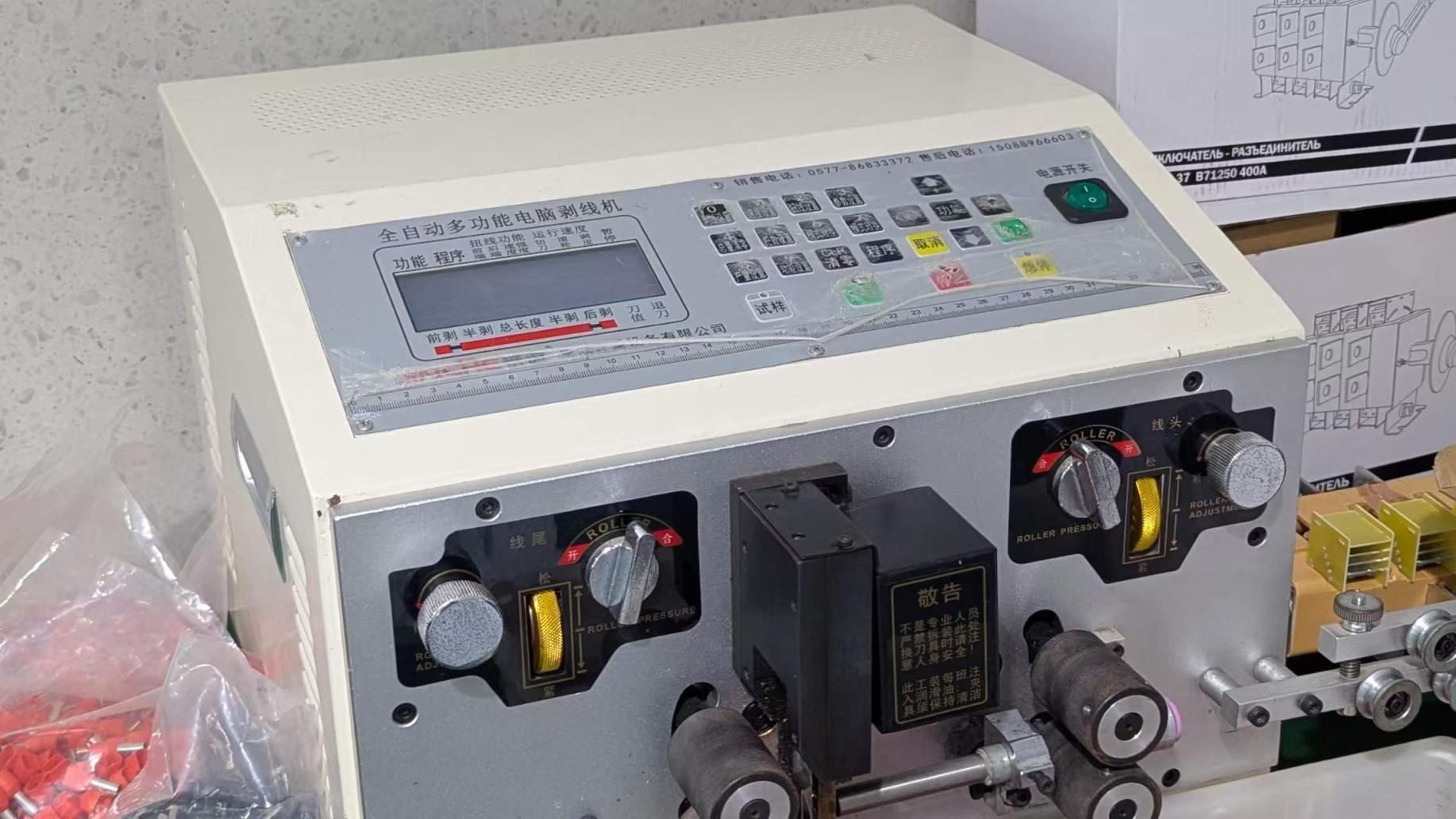
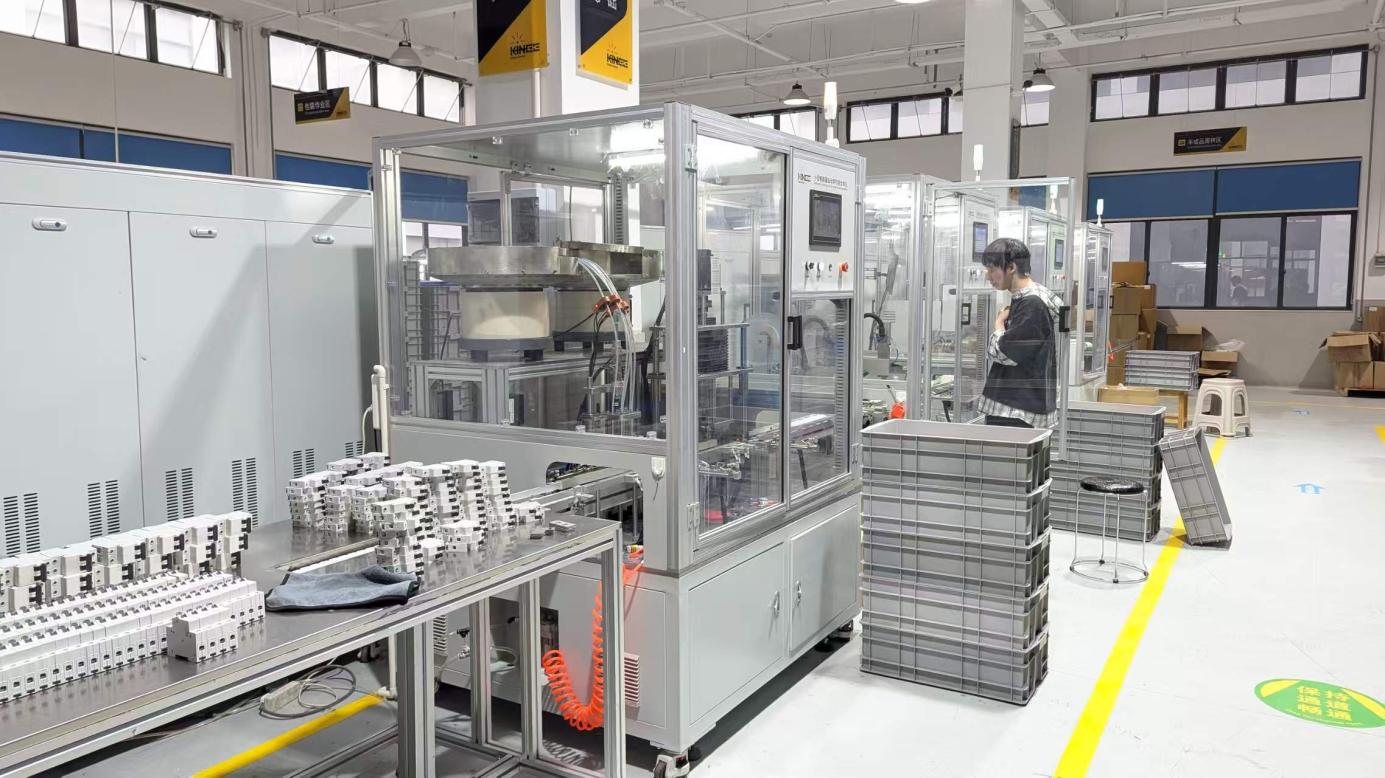
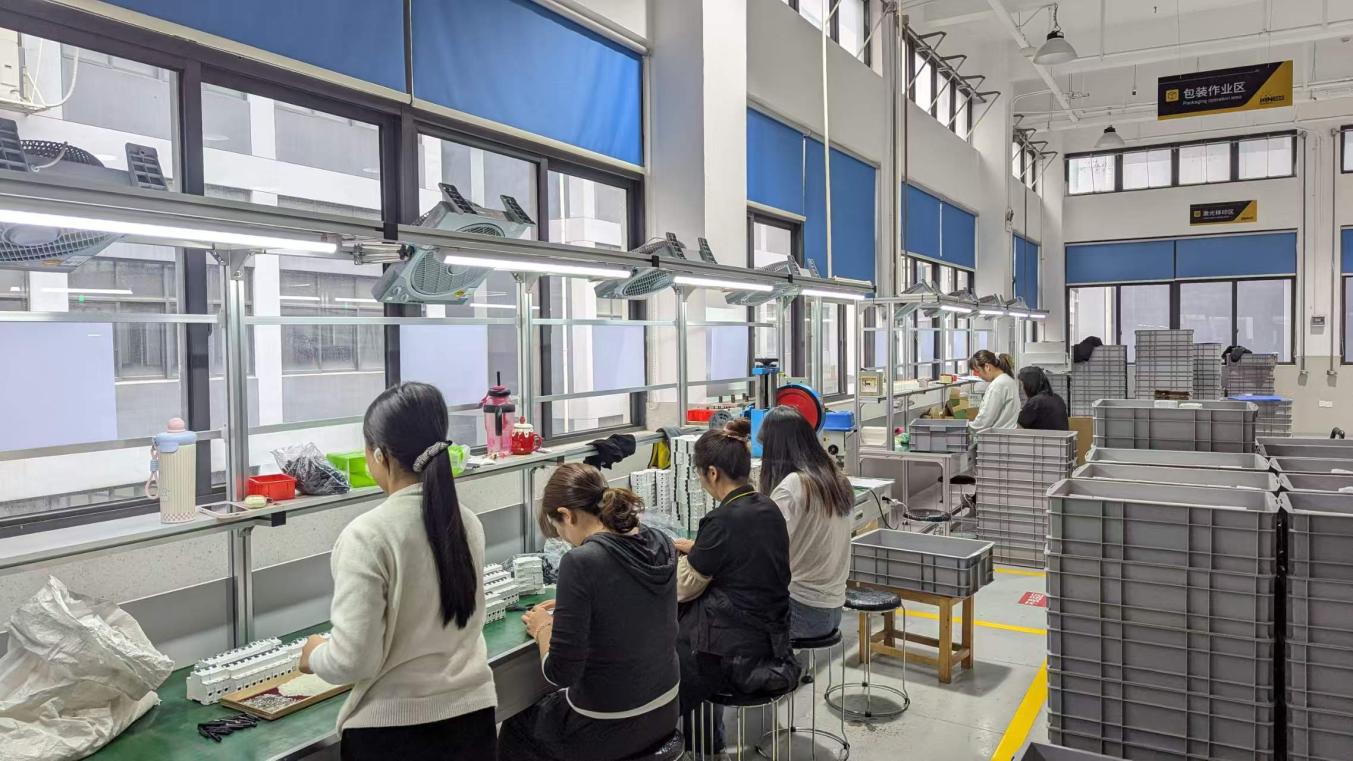
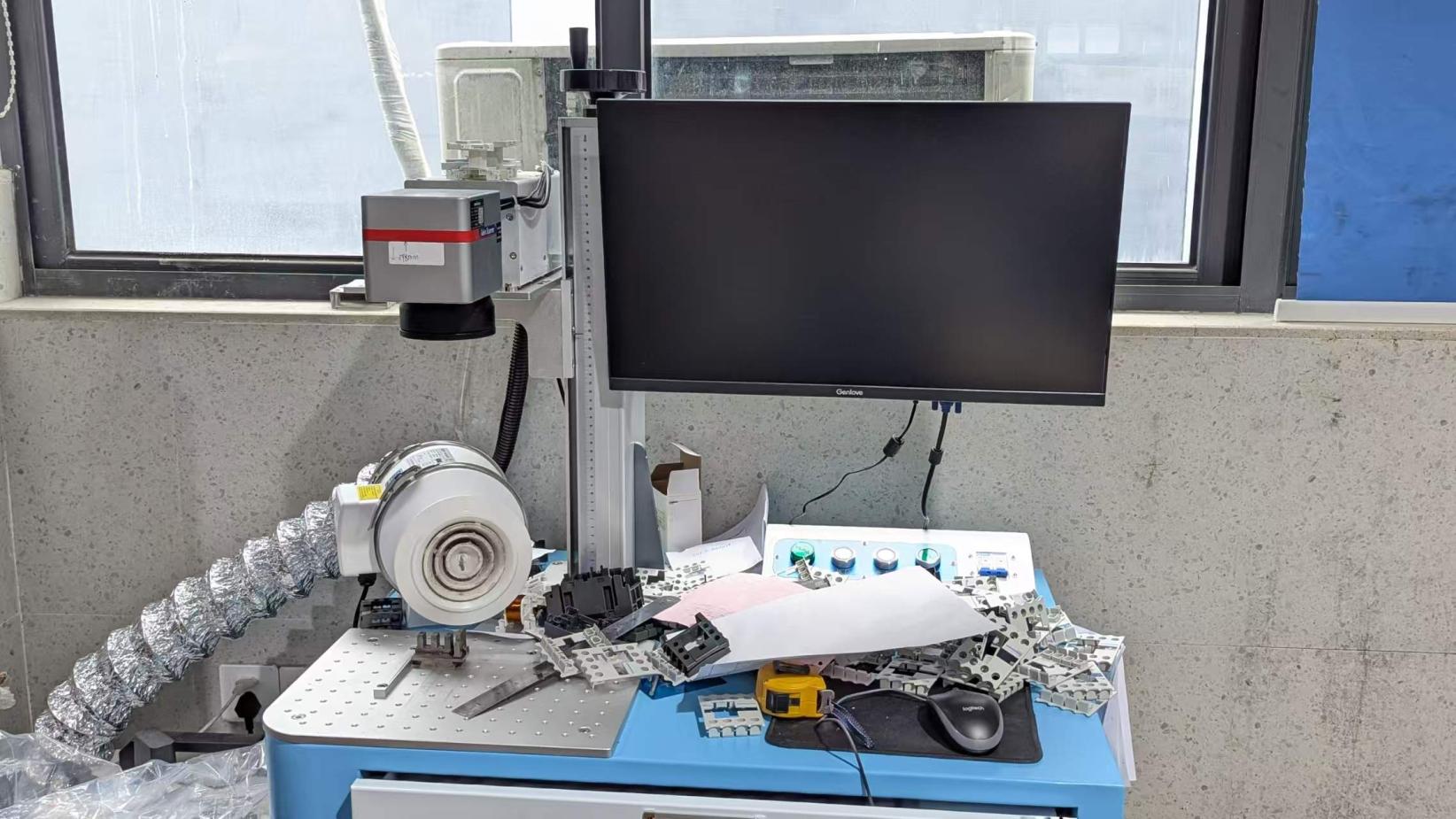
Our Factory 4.0 manufacturing processes use automated testing, high-precision hydraulic stamping, laser marking, and advanced packaging lines. This ensures every isolator switch performs reliably under high electrical and mechanical stress.
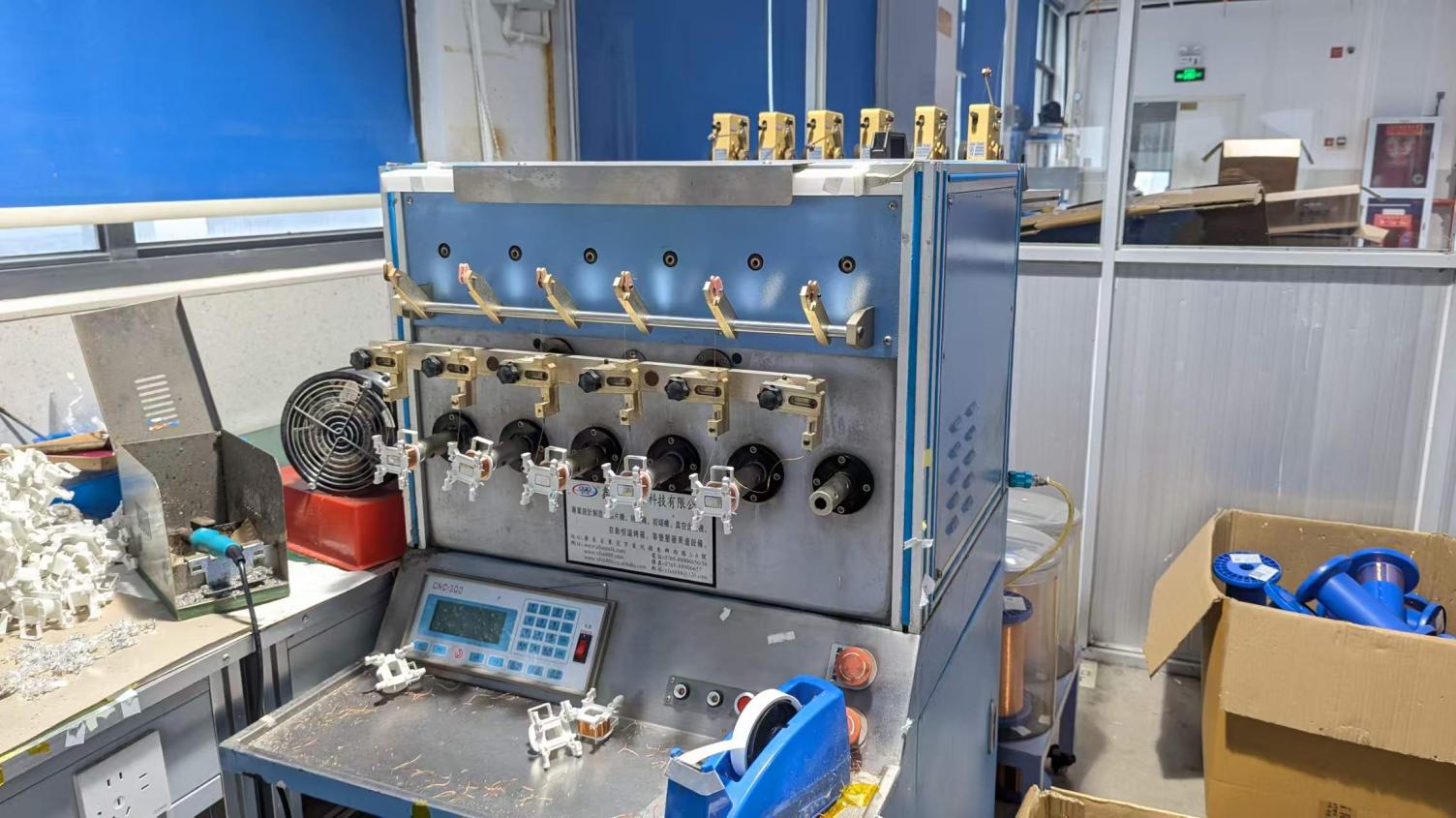
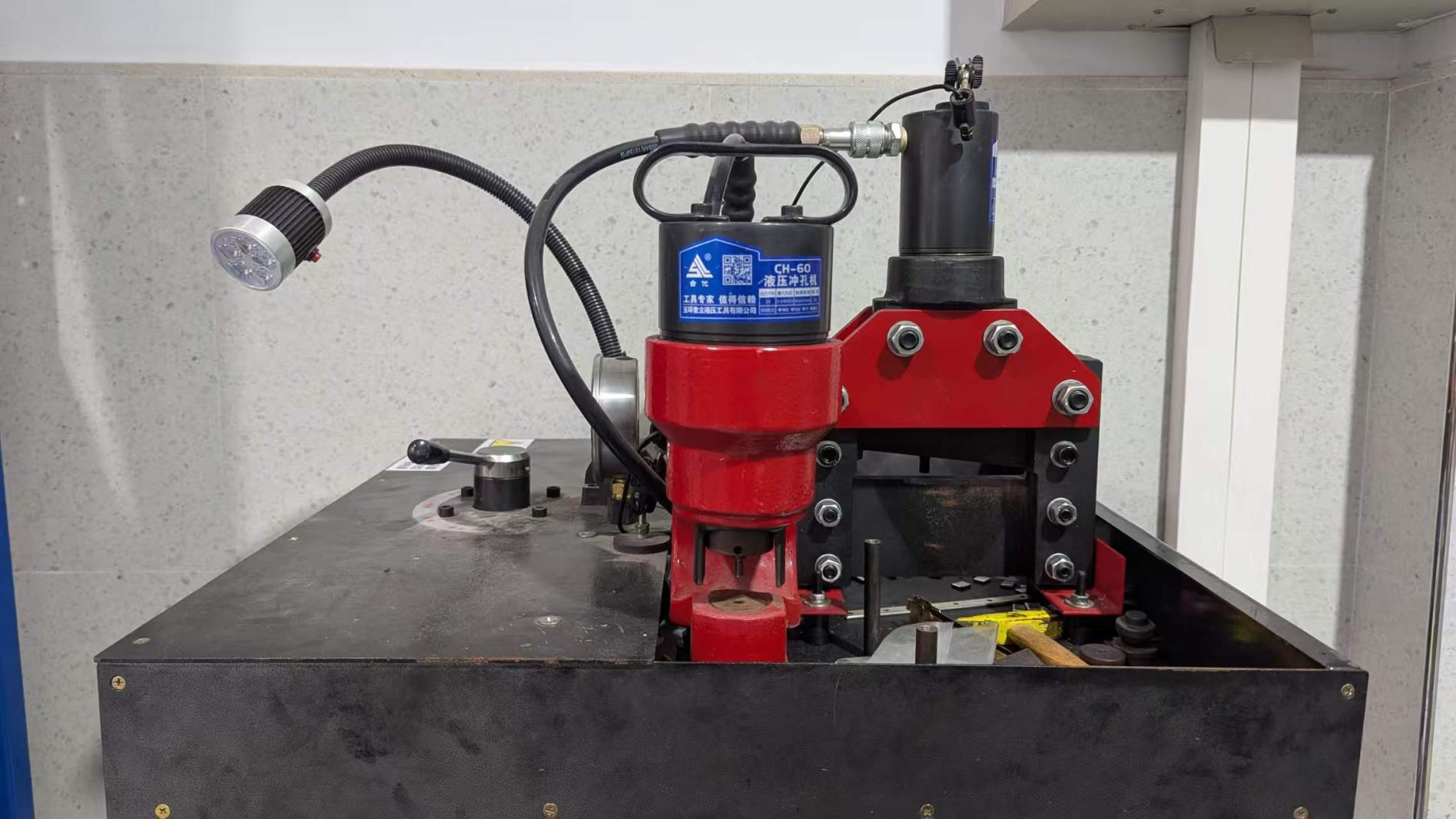
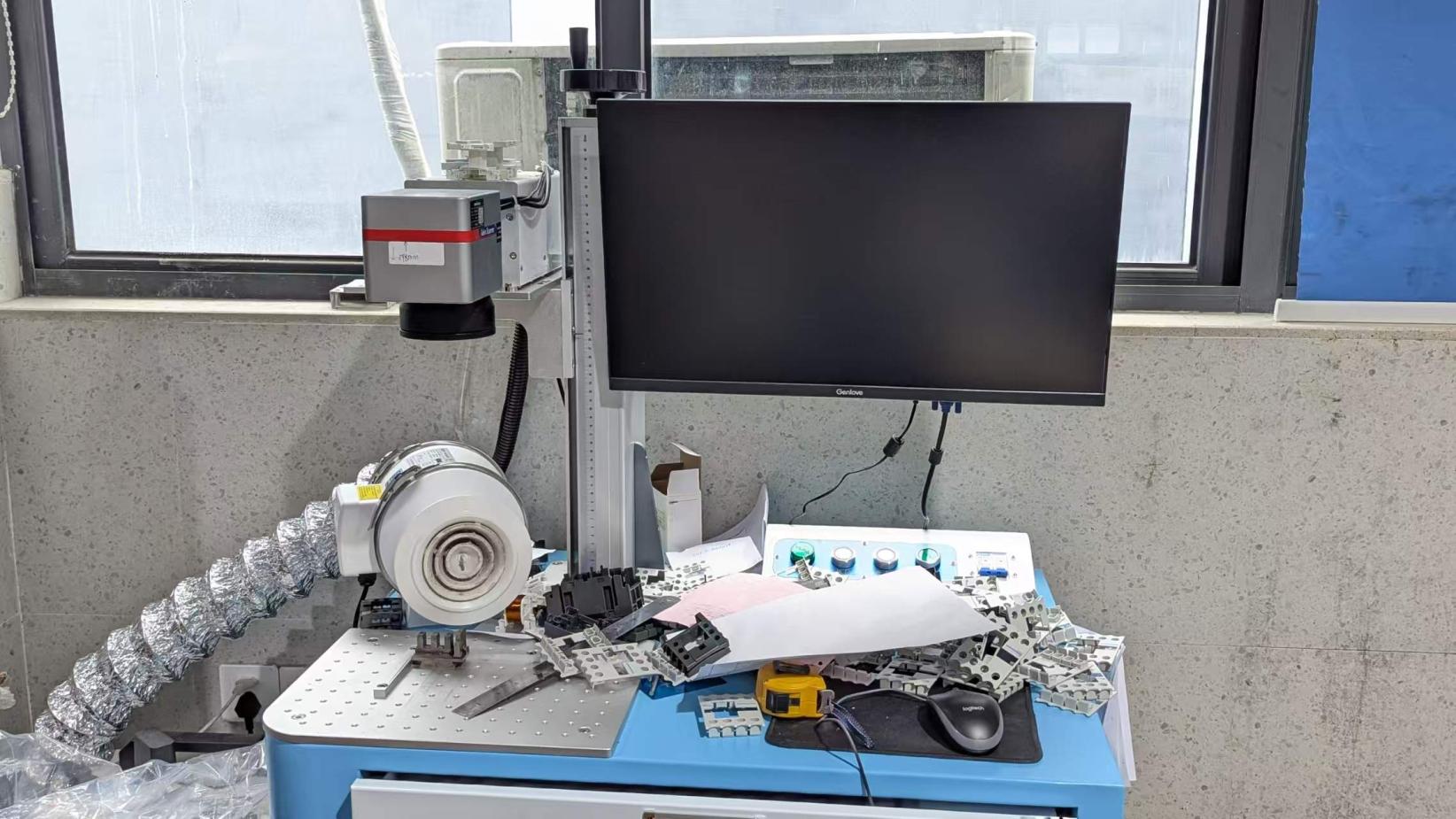
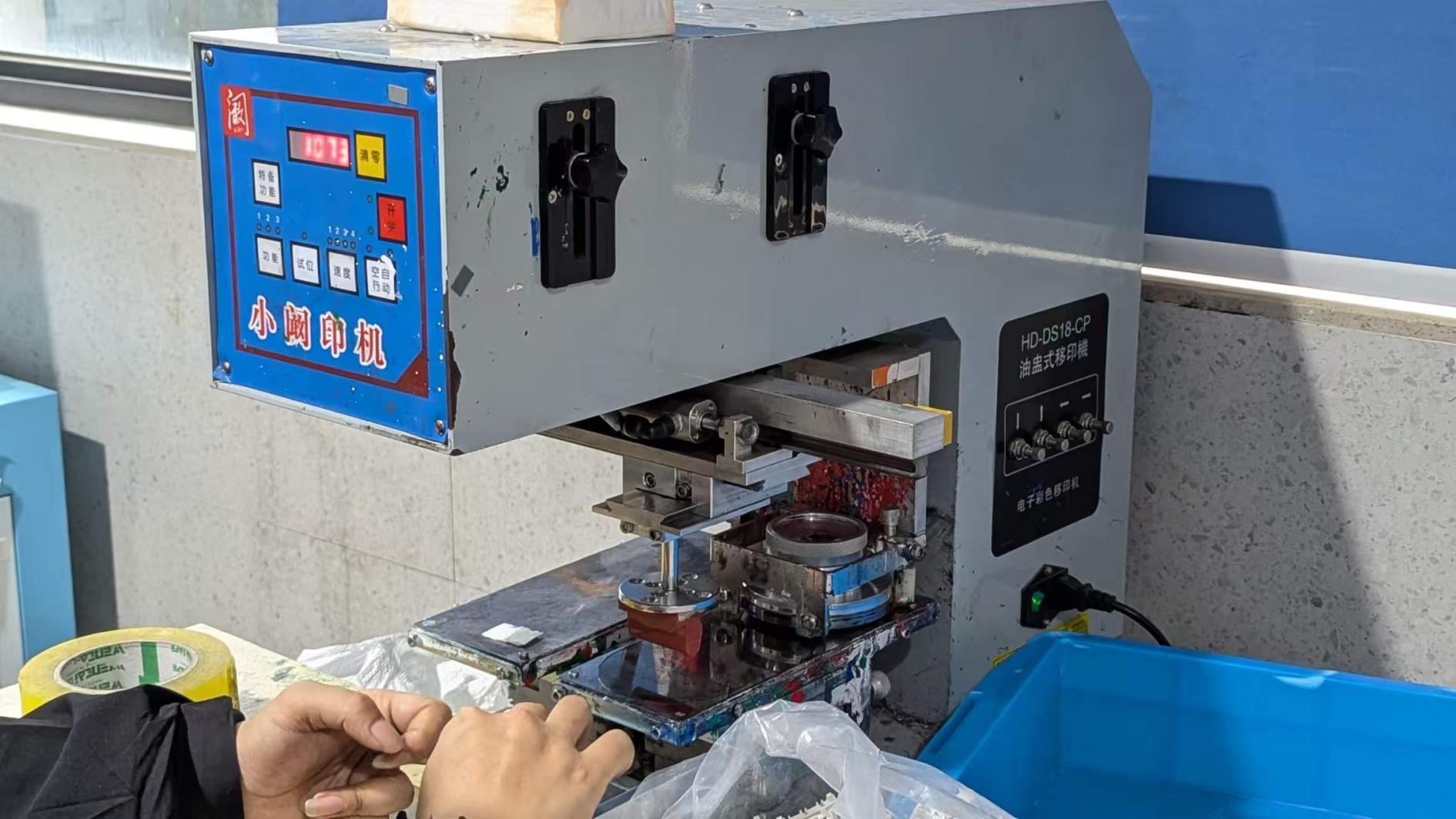
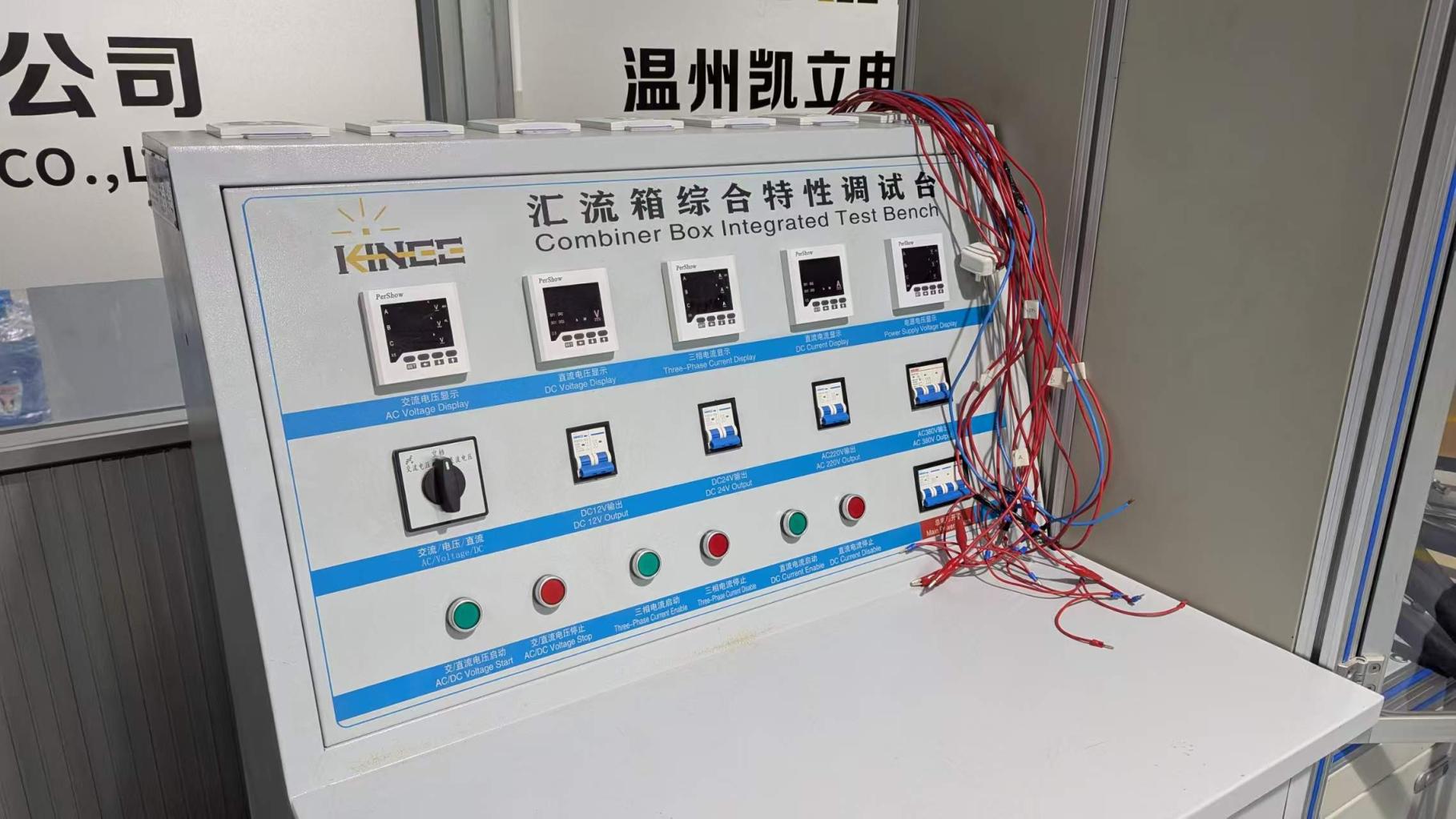
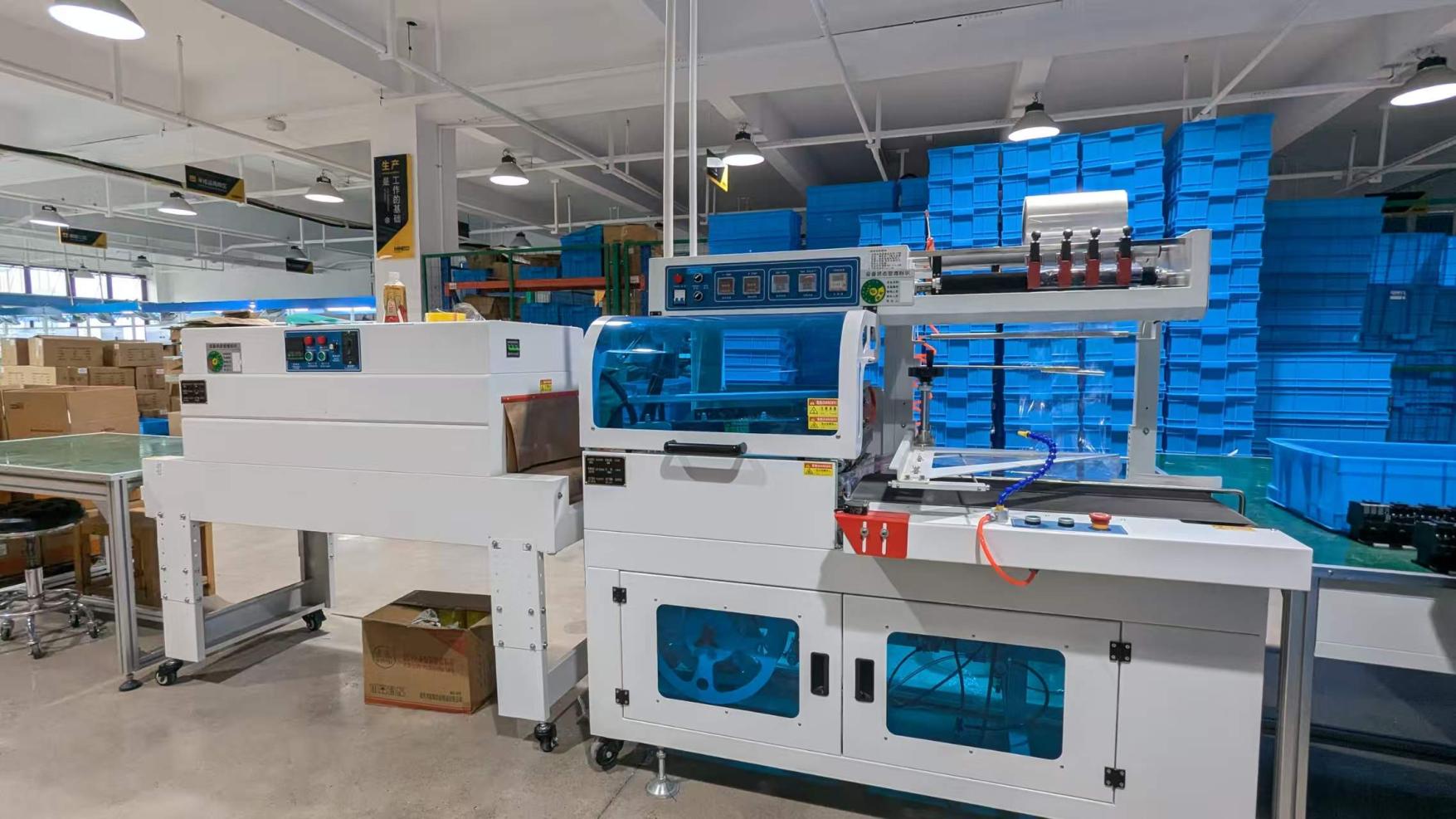
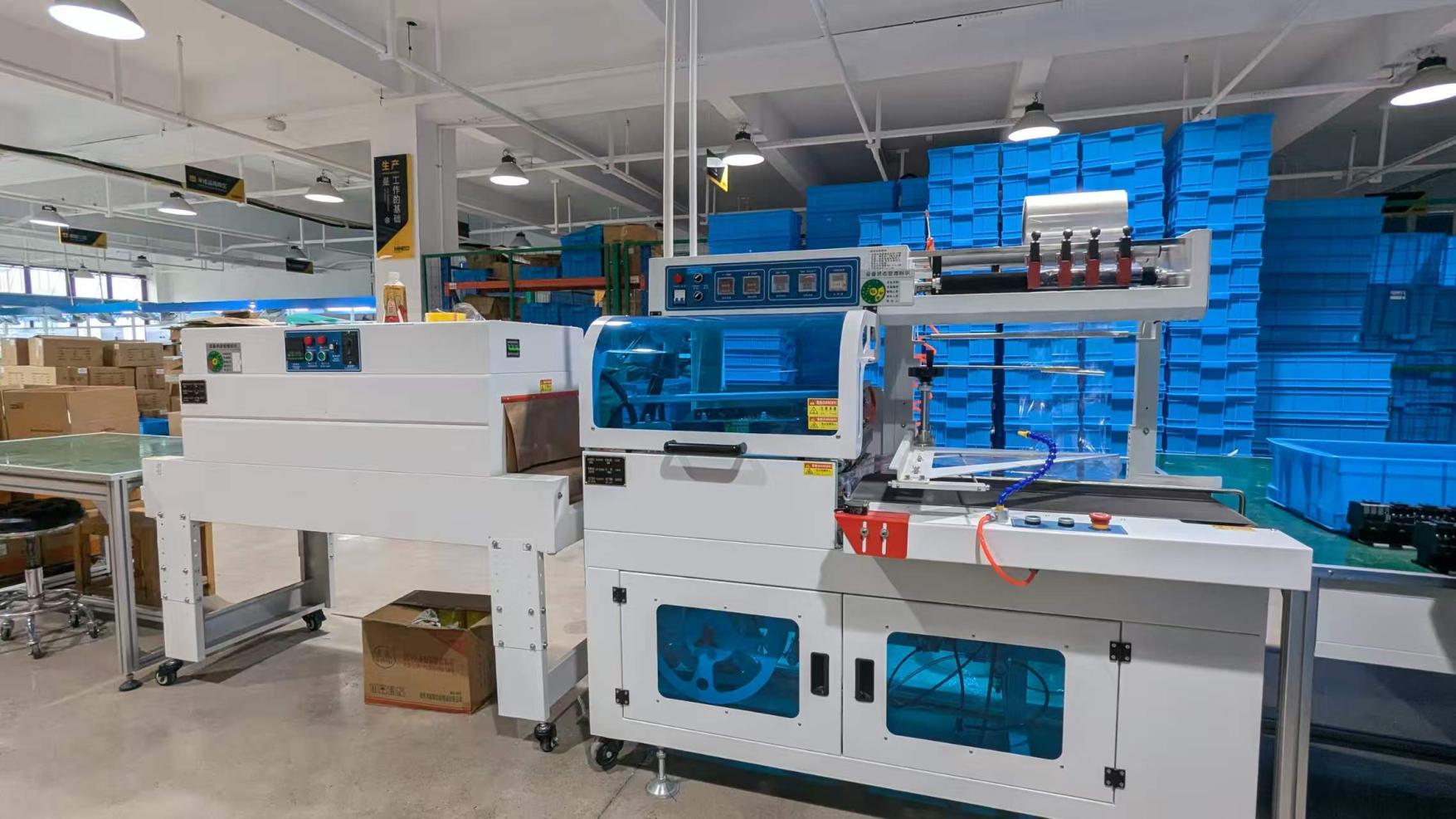
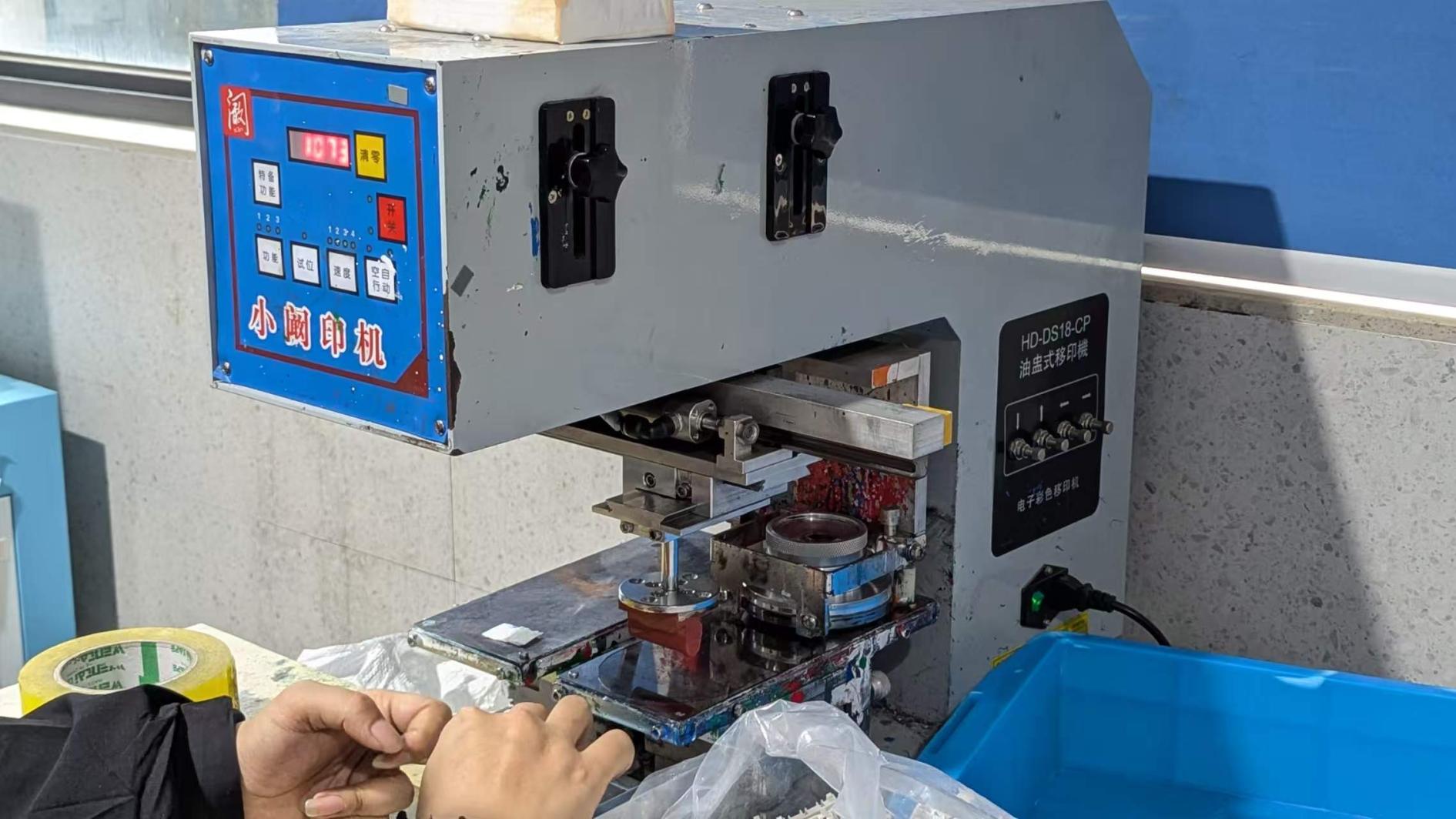
When sourcing isolator switches, procurement managers and engineering firms must look beyond unit costs. To ensure long-term reliability in utility-scale systems, the following technical parameters should be verified:
| Key Sourcing Metric | Standard Requirement | Engineering Implications |
|---|---|---|
| Rated Operational Voltage ($U_e$) | Up to 1500V DC / 1000V AC | Ensures insulation levels match solar arrays or industrial grid layouts without risk of dielectric breakdown. |
| IP Rating (Ingress Protection) | IP65 / IP66 / IP69K | Protects interior contact points against heavy dust, persistent monsoons, and high-pressure washdowns. |
| Utilization Category | DC-PV2 or AC-23A | Indicates the switch is rated for highly inductive loads and rapid duty cycles under full-load operation. |
| Short-Time Withstand Current ($I_{cw}$) | As specified (e.g., up to 12.6kA) | Determines the switch's ability to withstand short-circuit forces without welding or mechanical failure. |
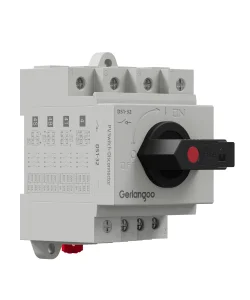
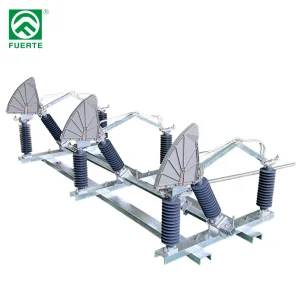
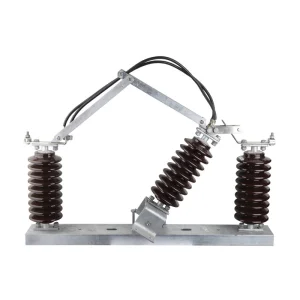
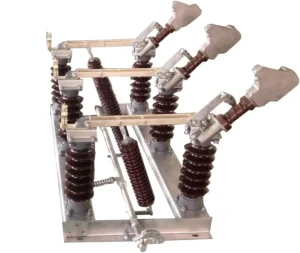
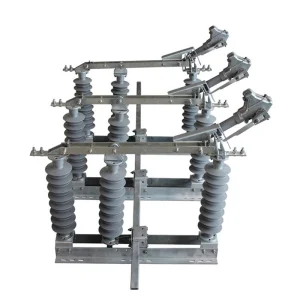
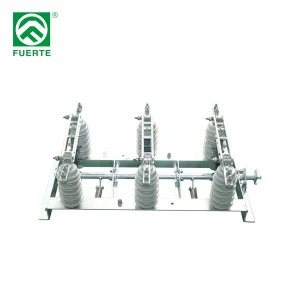
Browse our complete selection of isolating solutions, featuring robust porcelain bodies, high-voltage polymer units, and compact waterproof switches designed to perform reliably under challenging grid conditions.
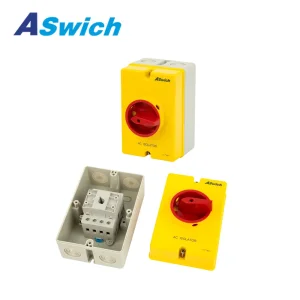
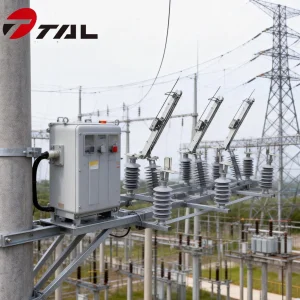
DC circuits do not have a natural zero-crossing point like AC circuits. When switching under load, the resulting electrical arc is highly persistent and can cause contact degradation or fire hazards. Our DC-specific isolator switches use magnetic arc-extinction chambers to extinguish high-voltage arcs quickly, ensuring safety in commercial solar and energy storage systems.
Seoul experiences hot, humid summers with heavy monsoons, followed by cold, dry winters. An IP66 or IP65 enclosure protects internal copper contacts from moisture ingress and dust build-up. This protection level helps prevent oxidation and tracking paths that can lead to phase-to-ground faults in outdoor environments.
Imported electrical equipment must meet the Korea Electrical Safety Code (KESC). For low-voltage switchgear, holding IEC 60947-3 certification from an accredited testing laboratory simplifies the local compliance verification process. High-voltage grid installations typically require type-test clearance or compliance with specific KEPCO standards.
With an active R&D team of over 35 engineers, we provide tailored OEM and ODM solutions. We can adapt mounting profiles, enclosure dimensions, terminal configurations, and rating values (e.g., custom ampacities or specialized auxiliary contacts) to match the space and connection requirements of your distribution panels.
Get in touch with our engineering team for detailed drawings, pricing, compliance documents, and test certificates tailored to your specific application.
Send Inquiry Now