Bowser Electric Bowser Electric

Custom OEM Snubber Circuit Manufacturers & Supplier

High-reliability transient voltage suppression, custom RC/RCD networks, and global industrial electromagnetic protection systems engineered for power electronics.

Industrial Control & Circuit Protection Portfolio

Explore our foundational range of circuit protection components, distribution cabinets, and advanced transient voltage control systems designed for safety and efficiency.
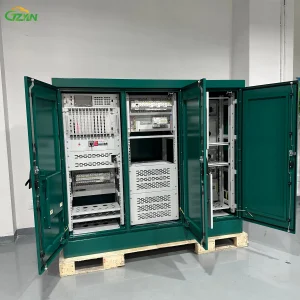
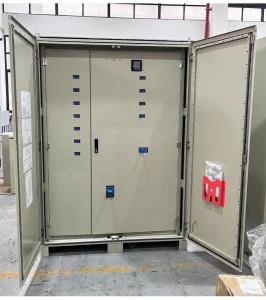
HLD Steel Traffic Light Control Cabinet
HLD Steel Traffic Light Control Cabinets Power Distribution Electrical Panel Box with Circuit Breaker for Motor
View Details
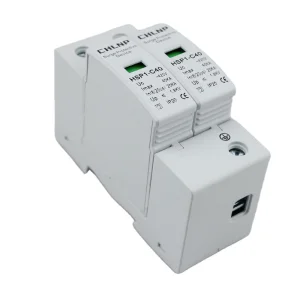
220v Appliance Surge Protector AC SPD 40KA
220v Appliance Surge Protector AC SPD 40KA SPD Lightning Surge Protection 8/20 T2 Class 4P 20KA 40KA 60KA 80KA 100KA Arrester
View Details
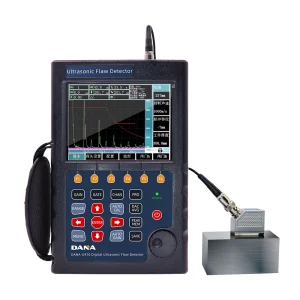
DANA U910 OEM NDT For Equipment
DANA U910 OEM NDT For Equipment Industrial Ultrasonic Portable Flaw Detector With 0~10000mm Testing Range 0.5~20MHz Frequency
View Details
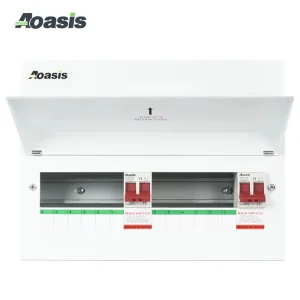
Aoasis Aox1-18m/H Msd Distribution Box
Aoasis Aox1-18m/H Msd Distribution Box Manufacturers Function Consumer Unit Power
View Details
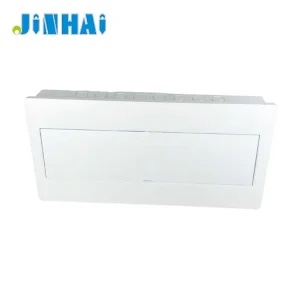
Power Distribution Box 24 Way
Power Distribution Box 24 Way ABS/PC Metal With Busbar JINHAI 3C Certified Indoor Flush Mount Wholesale
View Details
High Quality Low Voltage Switchgear LV Cabinet
High Quality Low Voltage Switchgear LV Cabinet LV Panel DB Board MDB SDB MCC Motor Control Center Industrial Power Distribution
View Details
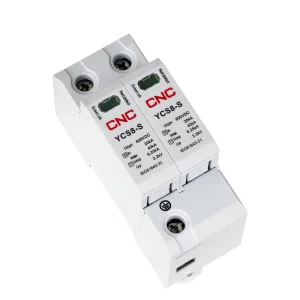
500V SPD 1P 2P 3P 4P Dc Surge Protective Device
500V SPD 1P 2P 3P 4P Dc Surge Protective Device/surge Protector/spd
View Details
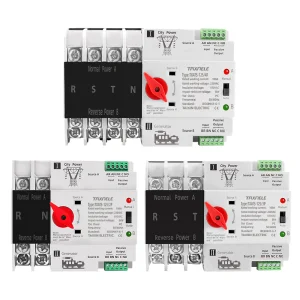
Din Rail Dual Power Automatic Transfer Switch
Din Rail Dual Power Automatic Transfer Switch Selector Switches 2P 3P 4P ATS Uninterrupted Power Generator 63A 100A 125A PC Type
View Details

Whitepaper: Industrial Snubber Circuit Systems & Strategic OEM Sourcing

An in-depth guide to modern transient mitigation, switching losses control, and electromagnetic compatibility (EMC) alignment in next-generation power systems.

1. Executive Summary & The Crucial Role of Snubber Circuits in Modern Infrastructure

In the rapidly changing world of power electronics, managing switching transients is a major challenge for hardware reliability and efficiency. Snubber circuits—specialized combinations of resistors, capacitors, and diodes (RC, RCD, or active architectures)—are essential components designed to suppress voltage spikes ($dv/dt$) and current surges ($di/dt$) generated during high-frequency switching. As industrial demands move toward compact, high-efficiency equipment, transient surges pose a threat to expensive silicon and wide-bandgap (SiC, GaN) switch modules.

Unchecked leakage inductance in transformer windings and system interconnects can generate massive voltage spikes when switches turn off. These spikes can lead to immediate avalanche breakdowns in IGBTs or MOSFETs. Furthermore, the high-frequency ringing caused by parasitic capacitance can degrade performance and emit heavy electromagnetic interference (EMI), affecting sensitive control networks nearby. Industrial applications require custom-designed snubber circuits configured to absorb transient energy, clamp voltage spikes, and prevent high-frequency oscillations.

Strategic Insight for Procurement Teams: Off-the-shelf snubber components often fall short when dealing with high-performance converter designs. Standard capacitors and resistors can fail to handle complex parasitic parameters. A custom OEM partner is essential to design and construct circuit protection solutions tailored to your system's exact electrical, thermal, and spatial constraints.

2. In-Depth Technical Overview: Topologies and Design Criteria

Snubber networks fall into two main categories: passive and active. Passive designs are popular across the industry for their long-term reliability and cost-effectiveness. The selection of a specific configuration depends on the switching frequency, thermal budget, and target efficiency.

Snubber Class Primary Application Advantages Design Complexity
RC Snubber (Passive) Thyristor, Triac, and MOSFET drain-source damping. Low-to-medium power switches. Simple configuration, excellent damping of high-frequency ringing, cost-effective. Low. Requires precise calculation of resistance to match line impedance.
RCD Snubber (Passive) Flyback, Forward, and Push-Pull converters. High-power switching applications. Unidirectional operation, fast voltage clamping, handles high energy spikes. Medium. Requires matching diode recovery times and managing resistor dissipation.
Active Snubbers High-end resonant converters, automotive traction inverters, and high-frequency GaN circuits. Energy regeneration back to DC rails, minimal thermal losses, optimal efficiency. High. Demands auxiliary switch controllers, gating synchronization, and complex layout.

To design a highly reliable snubber circuit, engineers must carefully evaluate the characteristics of its components under high stress:

  • Resistor Non-Inductance: Standard wire-wound resistors have parasitic inductance that can render the snubber ineffective at high frequencies. Solid-composition or metal-oxide film resistors are required for fast pulse response.
  • Capacitor Dielectric Integrity: Capacitors must handle rapid dv/dt transients without dielectric breakdown. Metallized polypropylene film and high-voltage ceramic capacitors (NPO/COG) are preferred for their low Equivalent Series Resistance (ESR) and high stability.
  • Ultra-Fast Recovery Diodes: In RCD configurations, the diode must switch on instantly to catch the voltage peak, and recover quickly to prevent back-conduction. Silicon Carbide (SiC) Schottky diodes are increasingly used for zero reverse-recovery charge.

Wenzhou Bowser Electric Co., Ltd.

Empowering the Future of Global Electrical & Transient Suppression Solutions

Welcome to Wenzhou Bowser Electric Co., Ltd., an industry-leading manufacturer and exporter specializing in modular electric terminal devices, industrial power distribution equipment, and high-performance circuit protection solutions. We deliver smart, safe, and efficient electrical components built to survive the harshest industrial environments.

Bowser Electric combines innovative engineering with strict quality control. Our products meet demanding global standards, helping client operations run smoothly across residential, commercial, and industrial markets worldwide.

35+
R&D Engineers
25+
Global Patents
99.9%
Defect-Free Rate
120+
Countries Served
1,500+
Happy Customers
1,200+
Catalog Items
150+
OEM/ODM Projects
5-Year
Full Warranty

Advanced Production Line & Quality Assurance

A look inside our state-of-the-art facilities, illustrating our dedication to precision and structural integrity at every step of manufacturing.
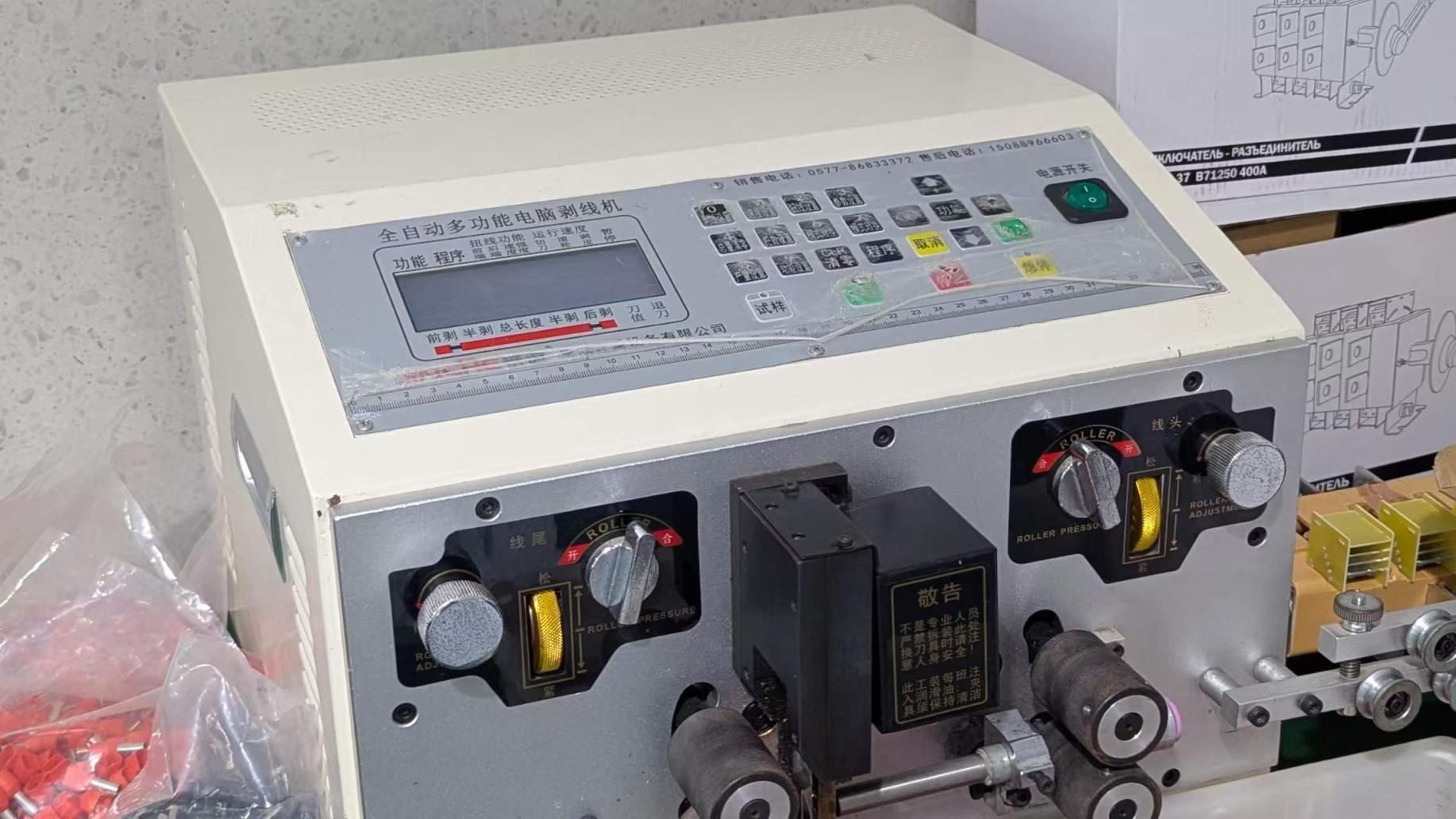
Wire Stripping
Wire Stripping
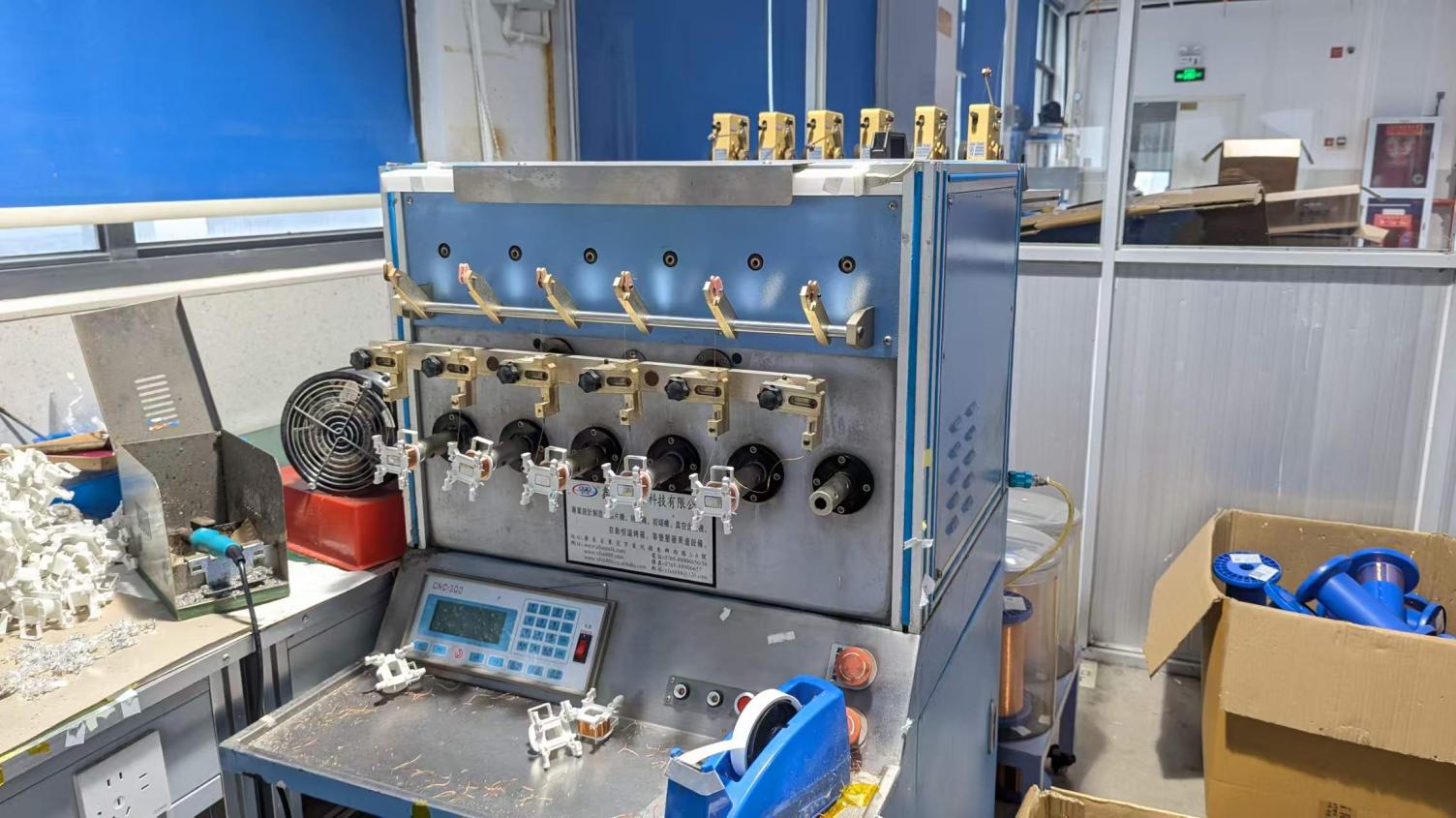
Winding
Winding
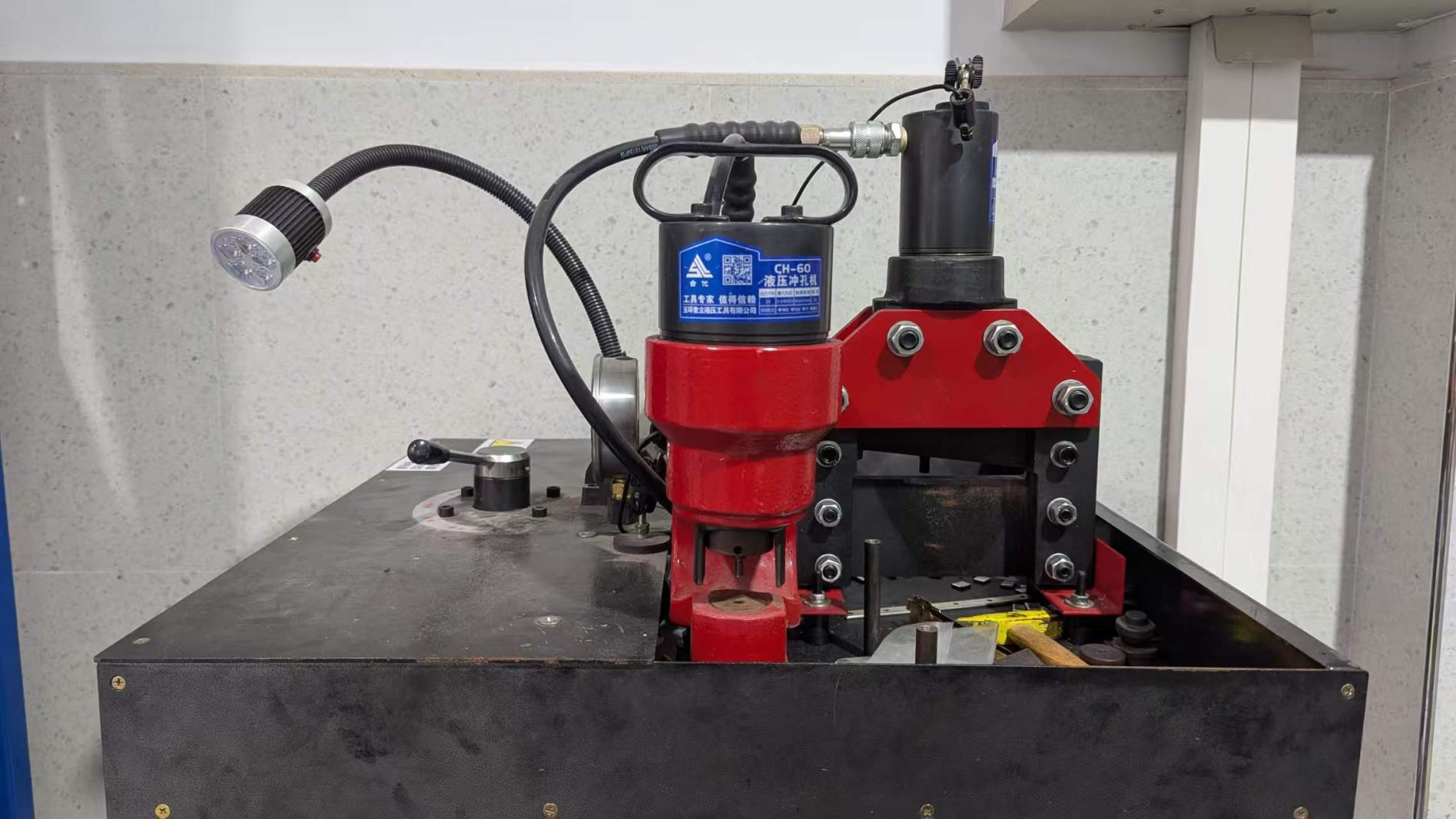
Hydraulic Punching
Hydraulic Punching
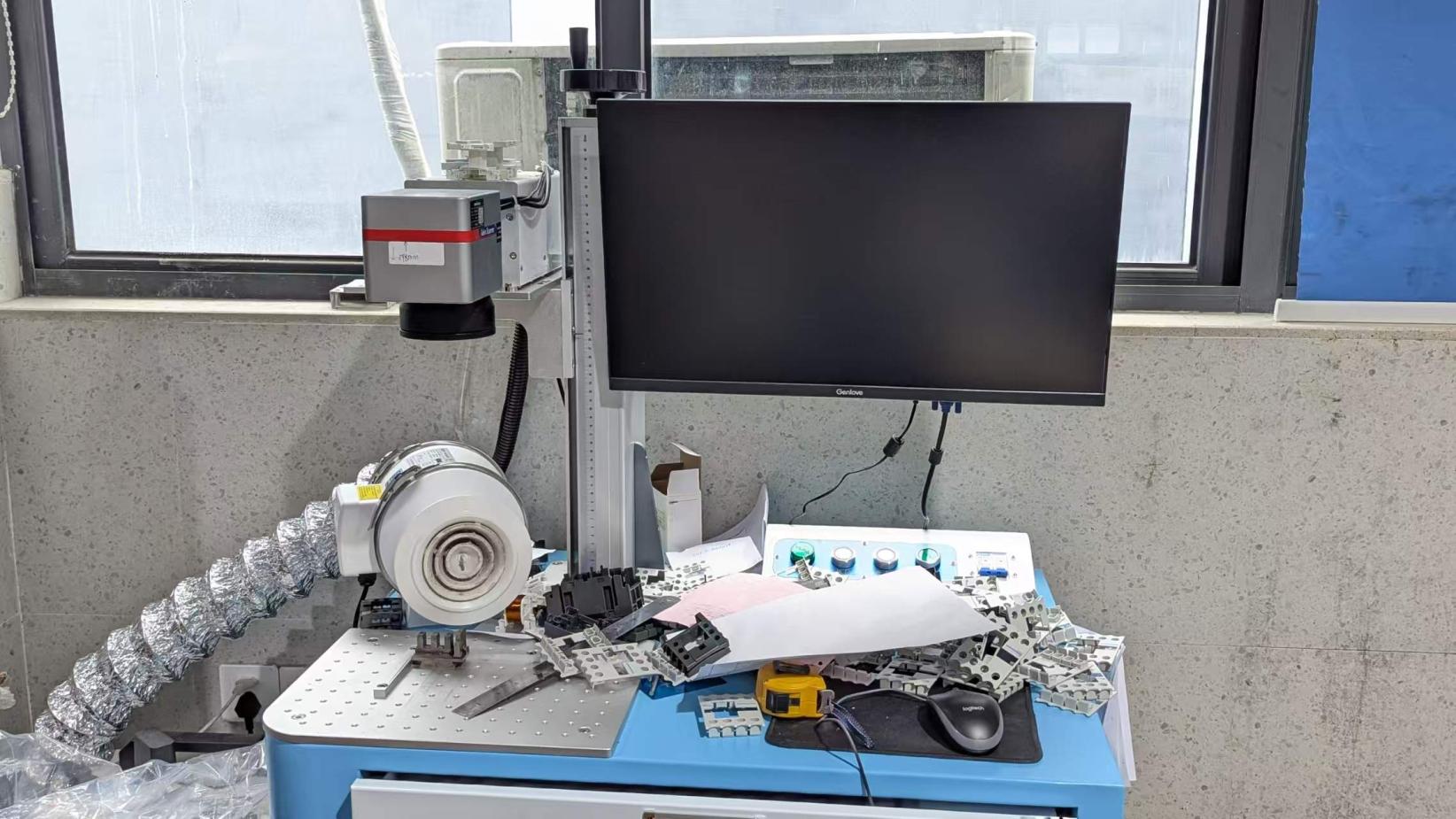
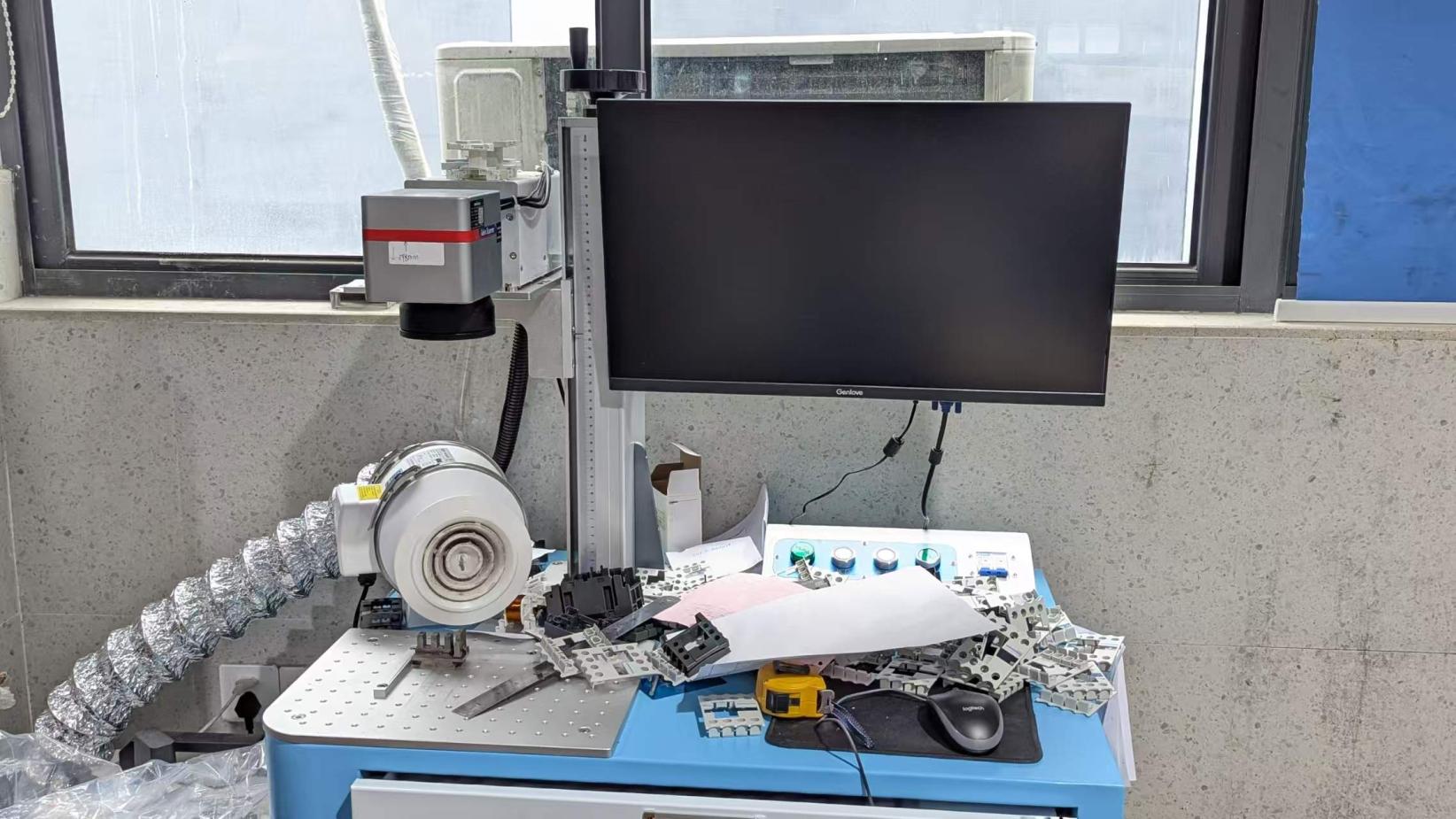
Laser Marking
Laser Marking
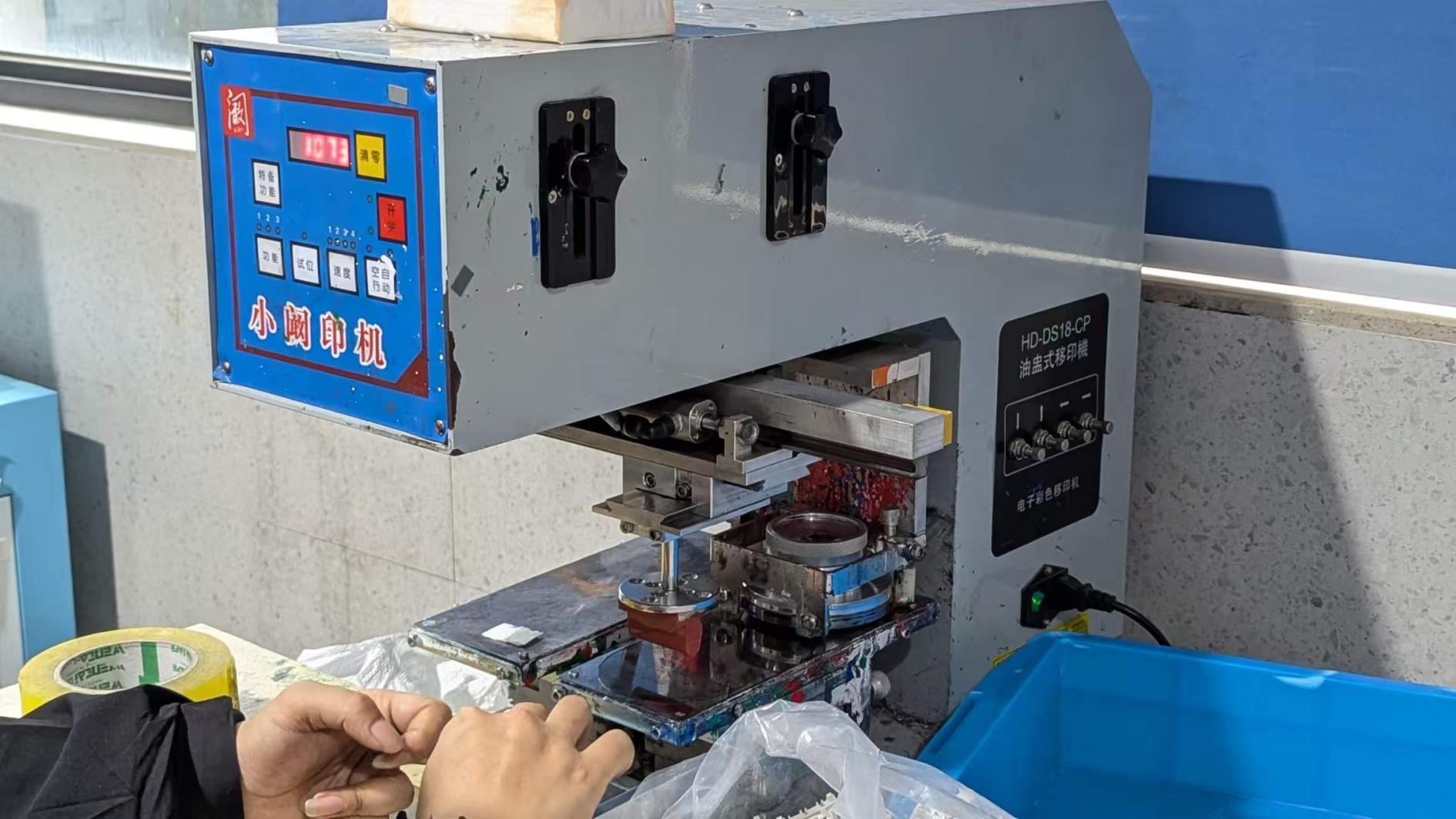
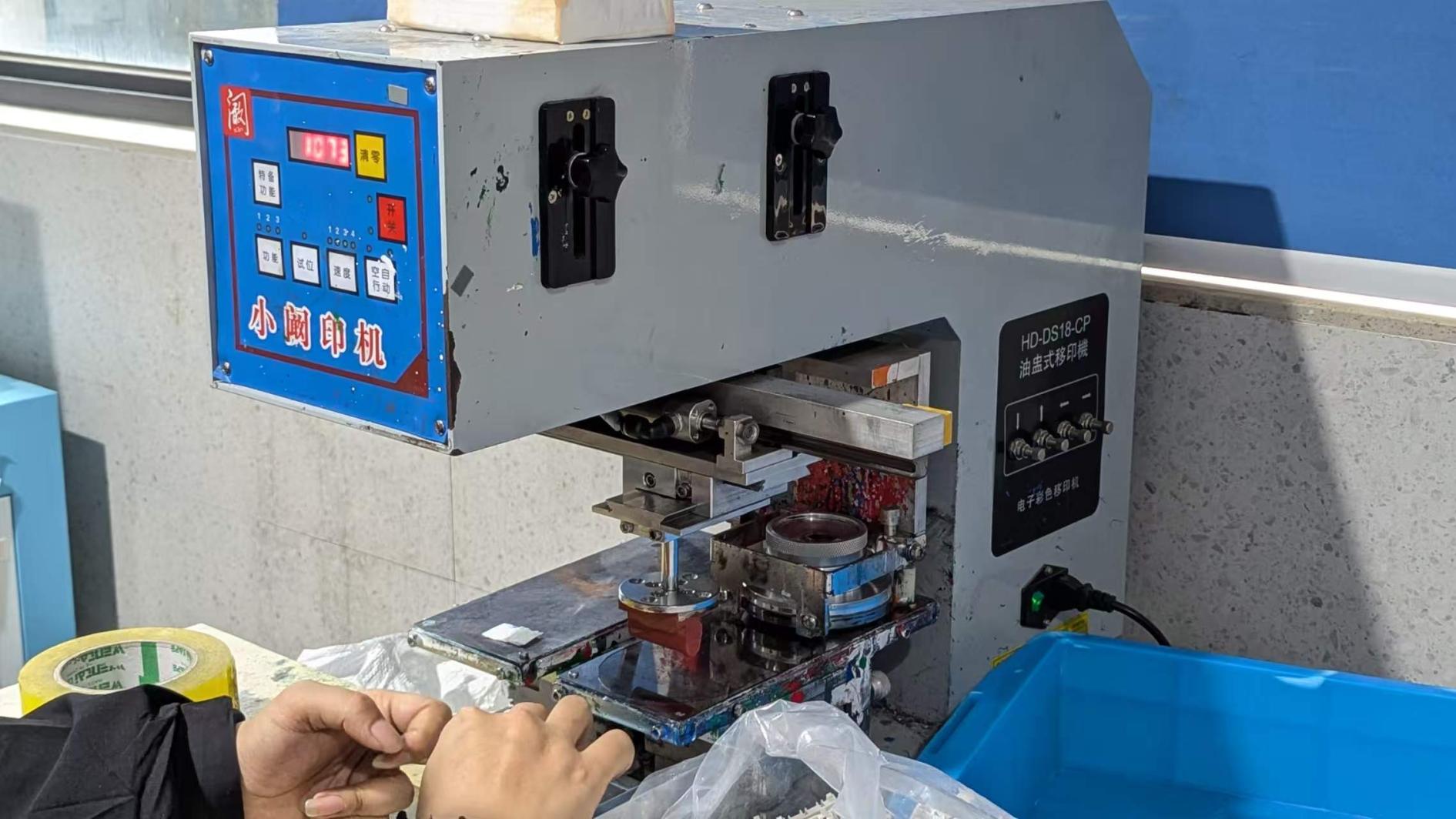
Pad Printing
Pad Printing
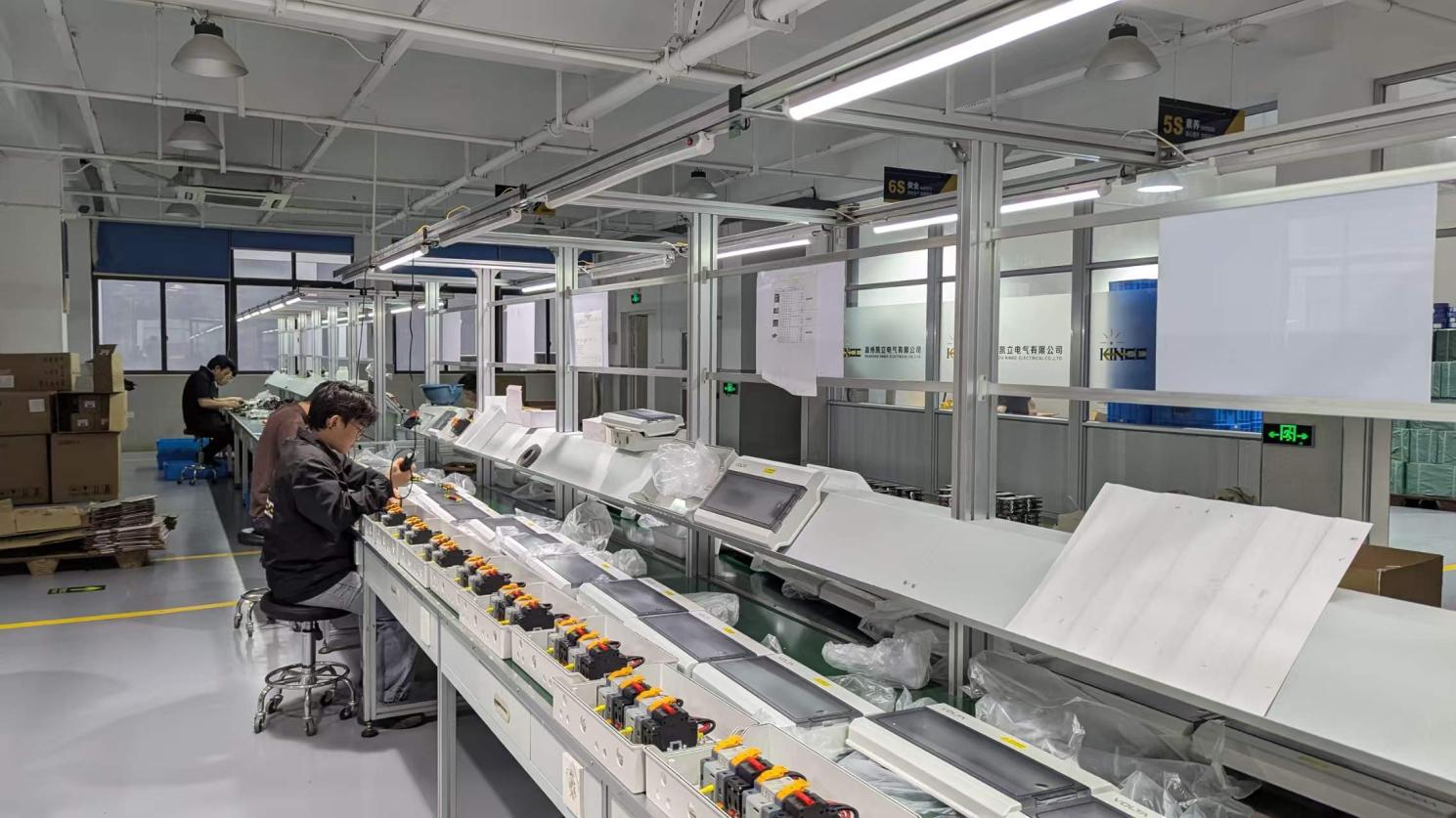
Circuit Breaker Assembling
Solar Components And MCCB Assembling
Solar Components & MCCB Assembly
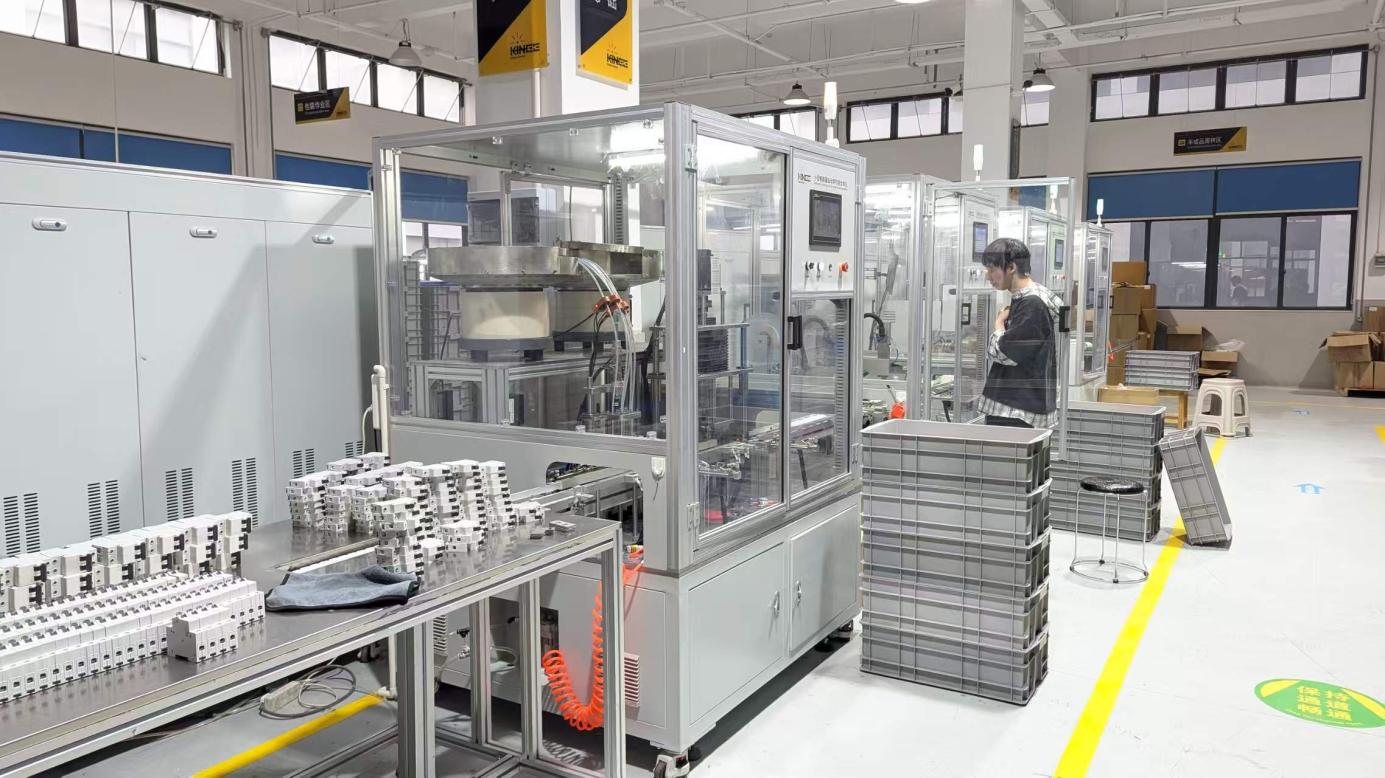
Automated Riveting and Pad Printing
Automated Riveting & Printing
Riverting
Riverting Process
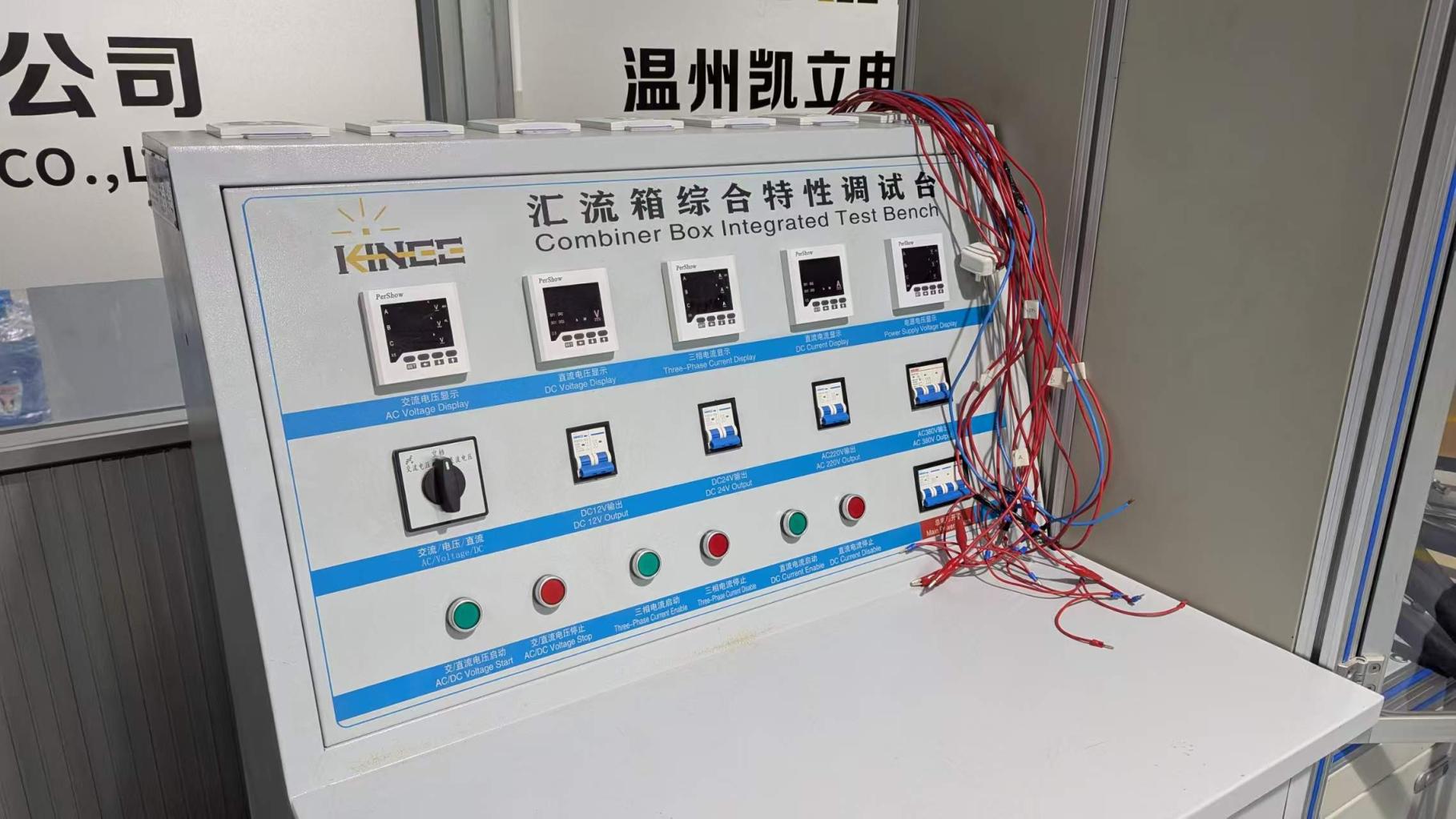
Testing
Advanced Electrical Testing
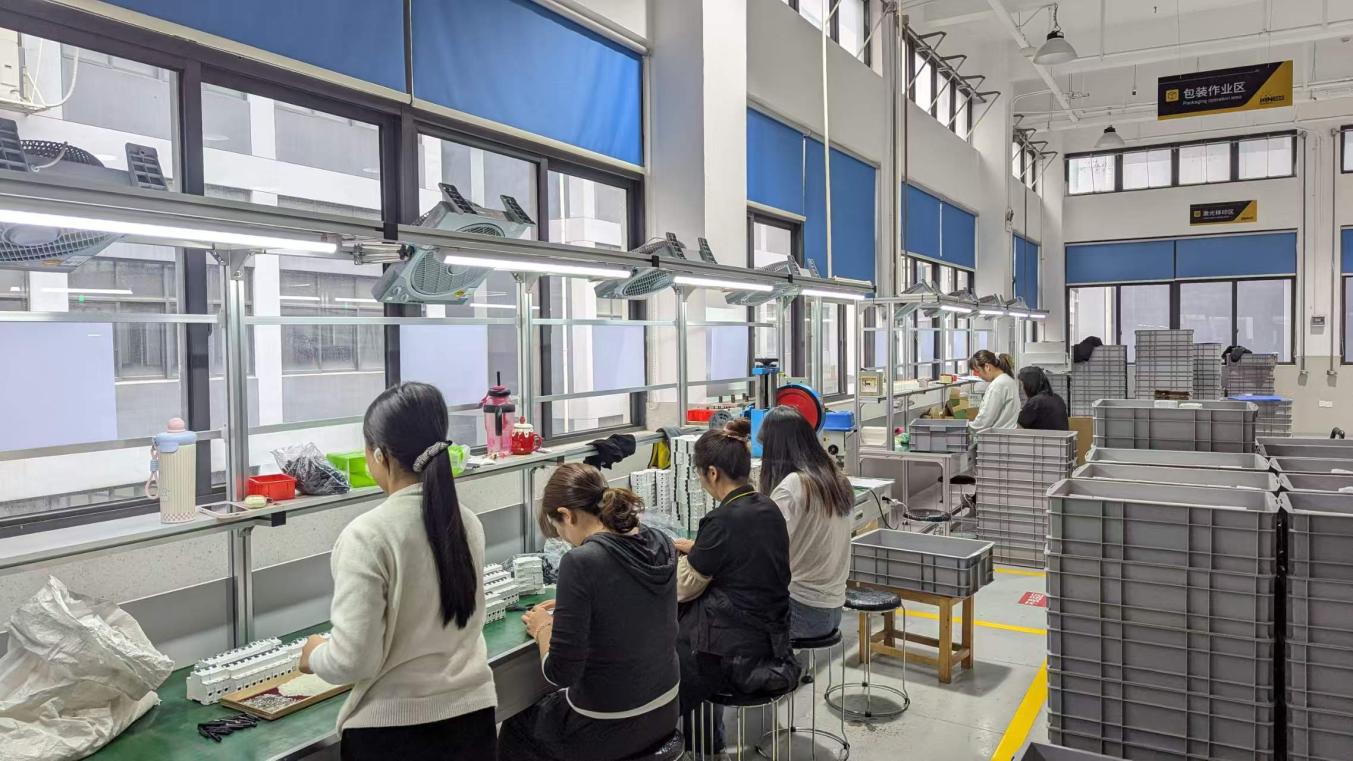
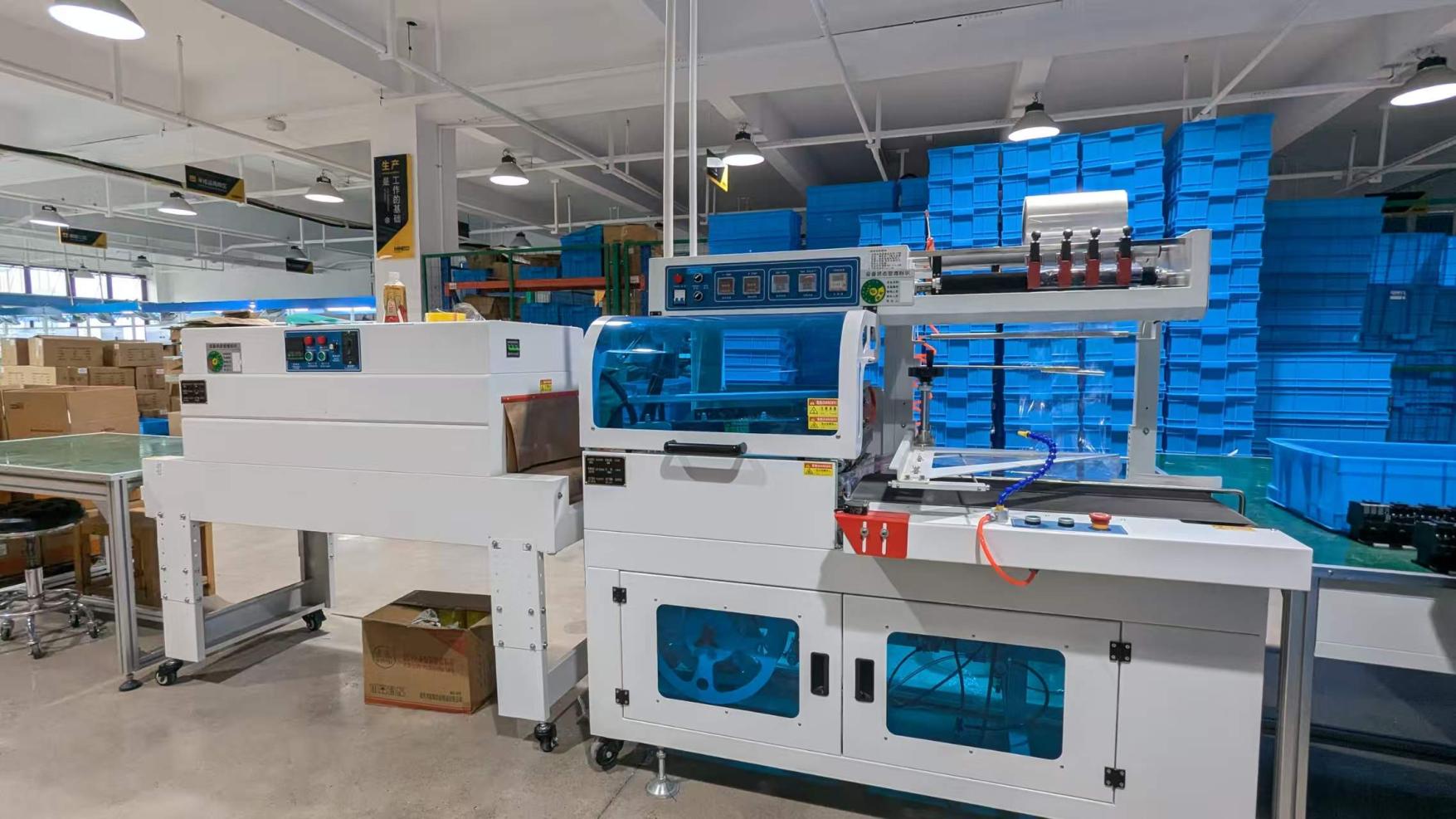
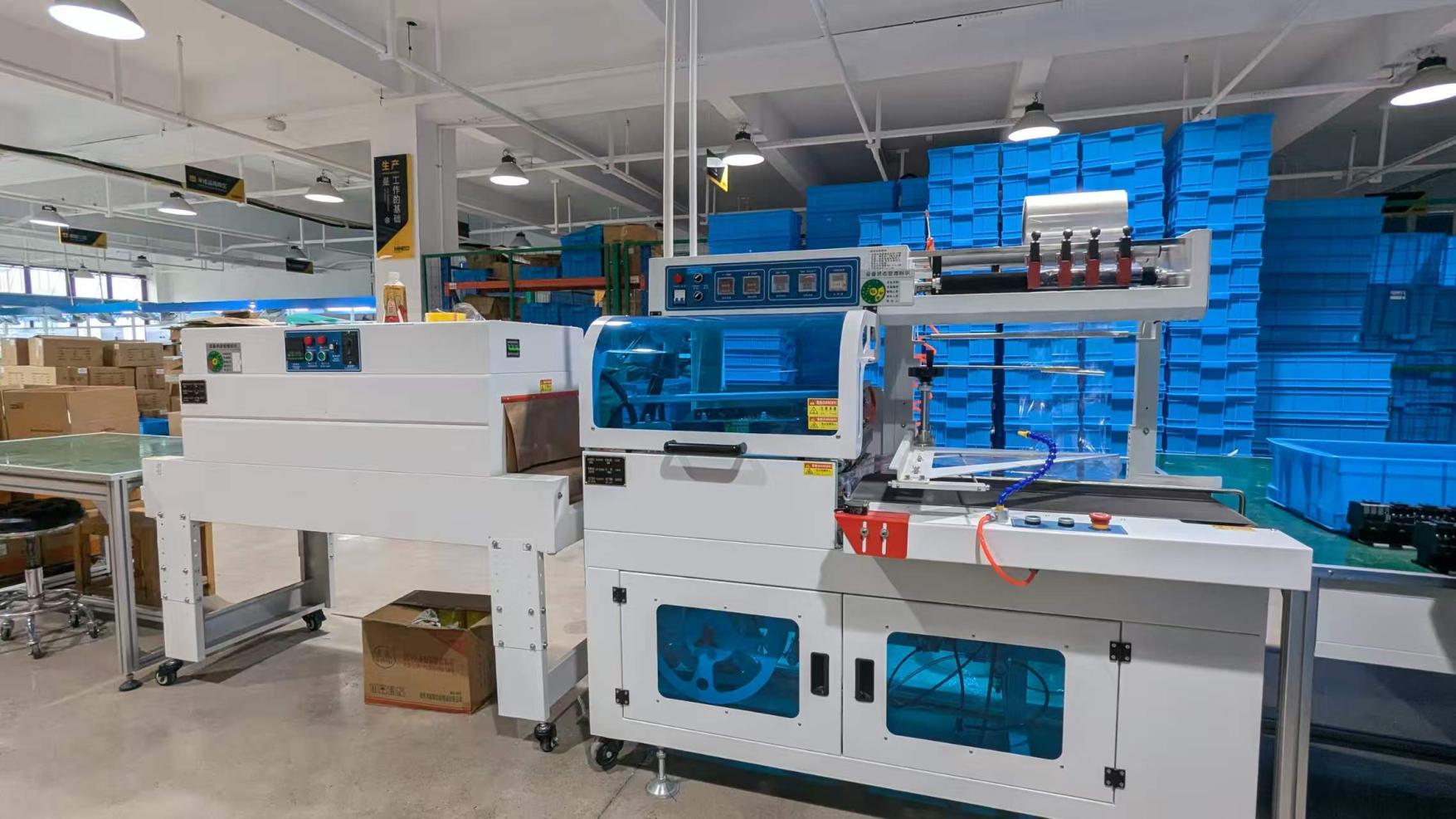
Packaging
Packaging Department
Vacuum Packaging Machine
Vacuum Packaging Systems
Pad Printing Machines
Pad Printing Equipment
Laser Marking Machines
Laser Marking Systems

3. Industrial Trends, Wide Bandgap (WBG) Integration, and the Thermal Challenge

The power electronics sector is experiencing a major transition toward Wide Bandgap semiconductors, such as Silicon Carbide (SiC) and Gallium Nitride (GaN). These materials operate at significantly higher switching speeds and temperatures than traditional silicon, helping to decrease device size and increase overall energy efficiency. However, the faster switching speeds ($dv/dt$ rates exceeding 50 V/ns) can increase transient spikes, placing higher stress on isolation barriers and winding insulation.

This transition has shifted the role of the snubber circuit. Modern snubbers must offer low loop inductance while withstanding higher peak temperatures. To meet these needs, manufacturers are using co-packaged, low-inductance RCD designs featuring planar layouts to minimize trace parasitics. Choosing the right capacitor dielectric is critical; polypropylene capacitors perform well up to 105°C, but higher-temperature industrial environments demand specialized ceramic technologies or high-grade polyphenylene sulfide (PPS) films.

4. Global OEM Sourcing Strategies: Compliance, Quality, and Customization

Selecting an OEM supplier for industrial-grade protection systems requires thorough engineering verification. A supplier must demonstrate experience in handling high-stress applications, backed by strong manufacturing practices. Important verification steps for procurement teams include:

Design Verification Testing (DVT):

The supplier must conduct rigorous testing, including highly accelerated life testing (HALT) and temperature cycling under high load, to confirm the snubber can withstand years of operational thermal cycles.

Trace Inductance Control:

Look for PCB layouts designed with wide copper tracks and overlapping planes to minimize loop area, helping to reduce stray inductance and lower peak transient voltage spikes.

Regulatory Compliance:

Custom designs must comply with international standards such as UL 508, CE, IEC 60947, and RoHS directives, helping to ensure safety and simplify global system integration.

Industrial Application Scenarios & Macro Solutions

Analyzing how customized snubber circuits and transient suppression devices protect equipment in diverse global industries.

Solar PV & Energy Storage

Solar inverters and Battery Energy Storage Systems (BESS) operate at DC voltages up to 1500V. High-power switching generates significant spikes across the main bus. Custom RCD snubbers and DC SPDs protect key bridge converters from transient damage.

Industrial Motor Drives

Variable Frequency Drives (VFDs) experience significant voltage reflections along motor cables, which can degrade winding insulation. Custom RC filters at the drive output lower the dv/dt rate, shielding motor windings from premature aging.

Smart Power Grids

Switching high-current circuits in power distribution grids can cause heavy arcing on relay contacts. Custom snubber circuits absorb arcing energy, extending the operational life of switchgear and automatic transfer switches (ATS).

Technical Q&A / Frequently Asked Questions

Addressing engineering and procurement questions about snubber design, manufacturing standards, and system protection.

Why are non-inductive resistors essential in high-frequency snubber design?
Standard resistors, such as wire-wound components, have self-inductance that opposes rapid changes in current. In a snubber circuit designed to damp high-frequency transients (often between 10 MHz and 100 MHz), this inductance creates a high impedance barrier. As a result, transient energy bypasses the damping network, which can lead to high voltage spikes across the switch. Non-inductive thick-film or carbon-composition resistors are required to ensure the snubber responds instantly.
How does an RCD snubber differ from an RC snubber?
An RC snubber continuously damps high-frequency ringing in both directions, but it dissipates energy during both turn-on and turn-off cycles, which can lead to higher thermal losses. An RCD snubber uses a diode in parallel with the resistor, allowing the capacitor to charge quickly during switch turn-off and discharge more slowly through the resistor during turn-on. This layout is ideal for flyback and forward converters, as it focuses clamping action on the turn-off spike while limiting dissipation losses.
What parameters does Bowser Electric require to configure a custom snubber?
To design a customized snubber circuit, our R&D team requires several key specifications: target operating DC bus voltage, peak switching current, maximum switching frequency, measured stray/leakage inductance of the system layout, maximum allowable overshoot voltage ($V_{ds}$ or $V_{ce}$ limit), and the spatial dimensions available inside the cabinet or PCB housing.
How do Snubber Circuits align with EMC (Electromagnetic Compatibility) regulations?
High-frequency ringing caused by switching devices is a common source of radiated and conducted EMI. By damping these oscillations at the source, snubber circuits reduce high-frequency electrical noise, helping systems comply with strict EMC standards like FCC Part 15 and CISPR 22 without requiring large, heavy line filters.

Power Quality & High-Current Distribution Systems

Complete your design with our high-power switchgear, protective breakers, dynamic power compensation units, and busway systems.
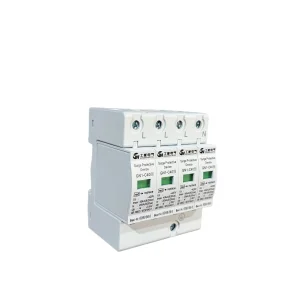
GN1-C40 Type 2 Surge Protective Device
GN1-C40 40kA Type 2 Surge Protective Device SPD AC Lightning Arrester For Low Voltage Power Distribution
View Details
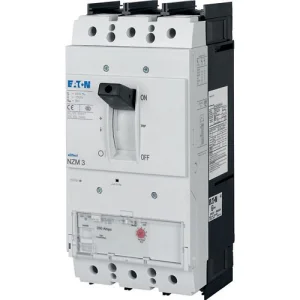
Eaton NZM Series Circuit Breaker
EATON NZM Series Molded Case Circuit Breaker. Circuit-breaker, 3p, 600A,NZMN3-AE600-NA,UL489 Certification
View Details
DAZHAO APF Power Factor Correction
Professional Supplier DAZHAO APF Compact Power Factor Correction SVG Reactive Power Harmonic Hybrid Compensation Distribution
View Details
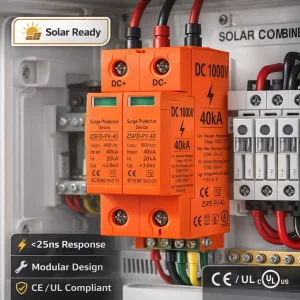
1000V DC SPD Solar PV Surge Protective Device
1000V DC SPD 2 Pole Solar PV Surge Protective Device 40kA DIN Rail Mount For Photovoltaic System Lightning Protection
View Details
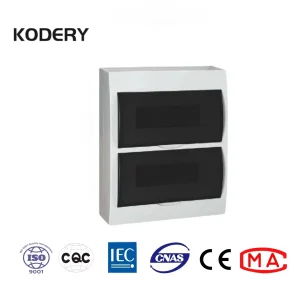
Surface Mounting Distribution Box Consumer Units
View Details
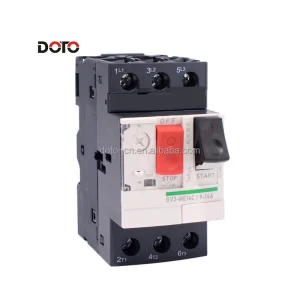
Motor Start Protection Switch GV2ME
GV2ME14C 08C 10C 16C 22C 32C Motor Start Protection Switch Transfer Switch Sch Neider Motor Circuit Breaker
View Details
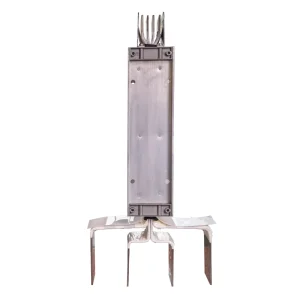
Busbar Trunking System IP65/IP54
Busbar Trunking System IP65/IP54 Low Voltage Compact Aluminum and Copper Busbar
View Details
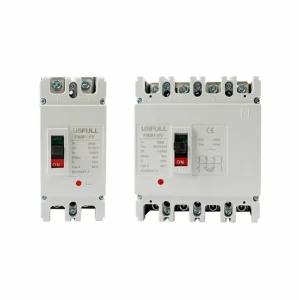
USFULL DC MCCB Molded Case Circuit Breaker
USFULL DC MCCB Molded Case Circuit Breaker 125A 200A 250A 2P 4P 500V 1000V For Solar Photovoltaic System
View Details