Technical Specifications
| Specification |
LW26-20 |
LW26-25 |
LW26-32 |
| Rated insulation voltage Ui |
690V |
690V |
690V |
| Rated thermal current Ith |
20A |
25A |
32A |
| Model |
LW26-63 |
LW26-125 |
LW26-160 |
| Rated insulation voltage Ui |
690V |
690V |
690V |
| Rated thermal current Ith |
63A |
125A |
160A |
Product Overview
Frequently Asked Questions
What is the primary function of the LW26 series cam switch?
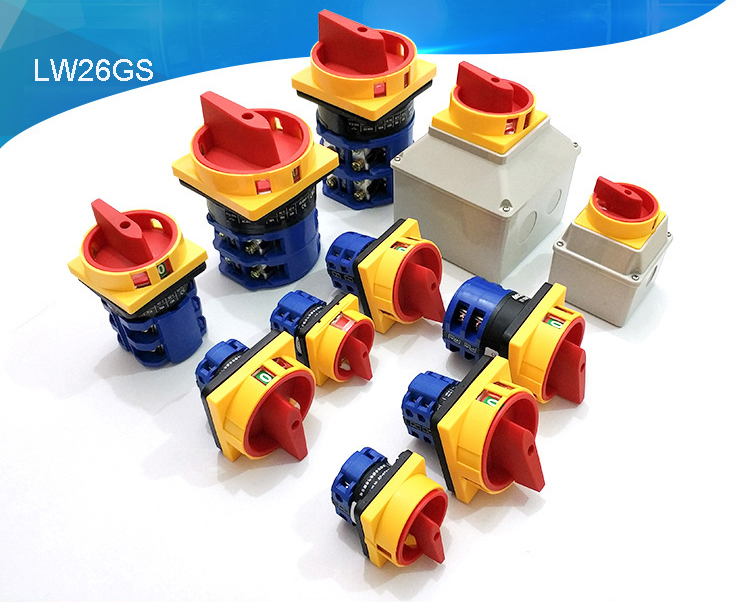
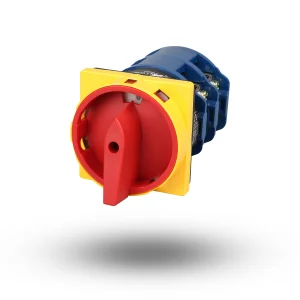
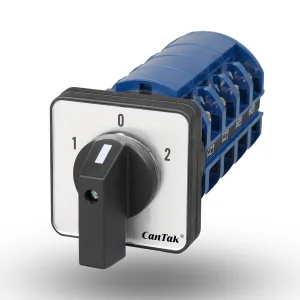
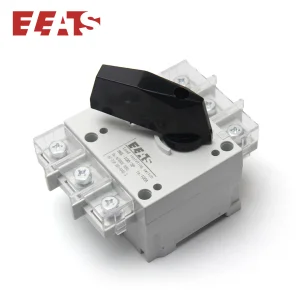
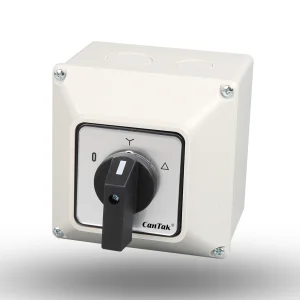
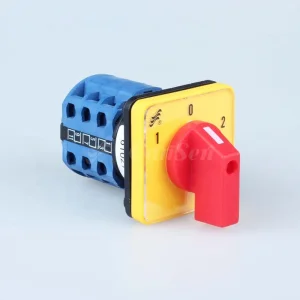
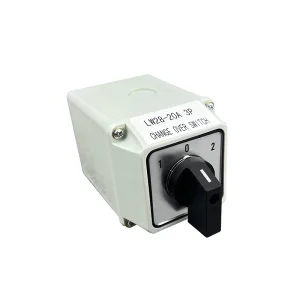
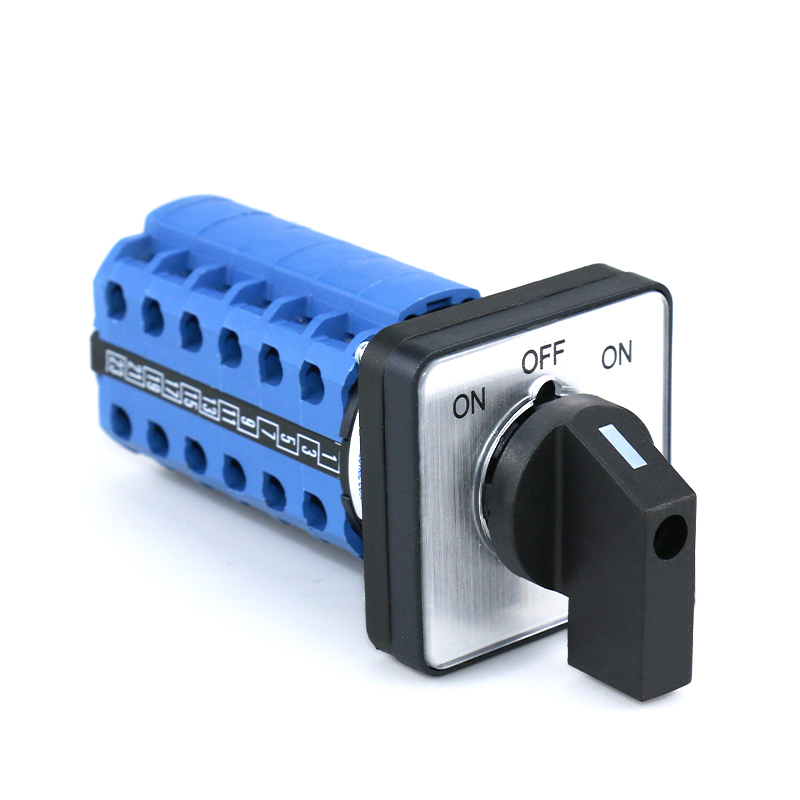
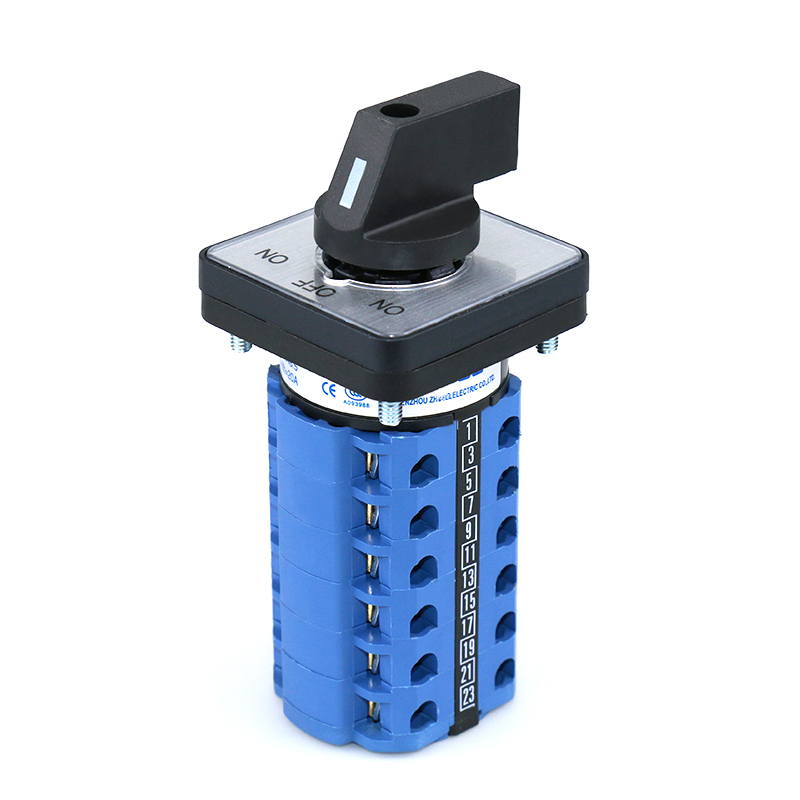
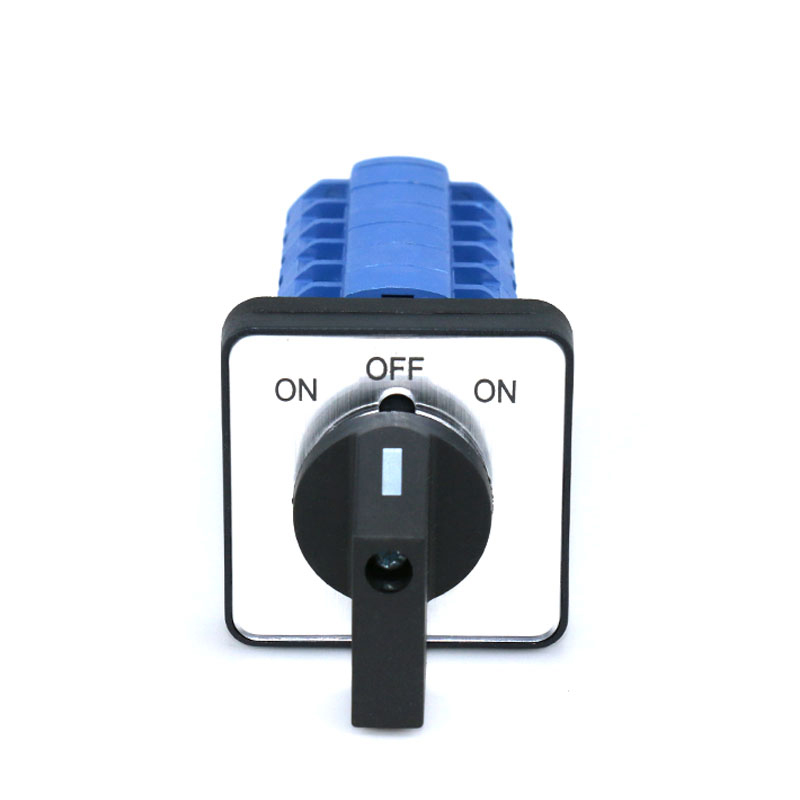
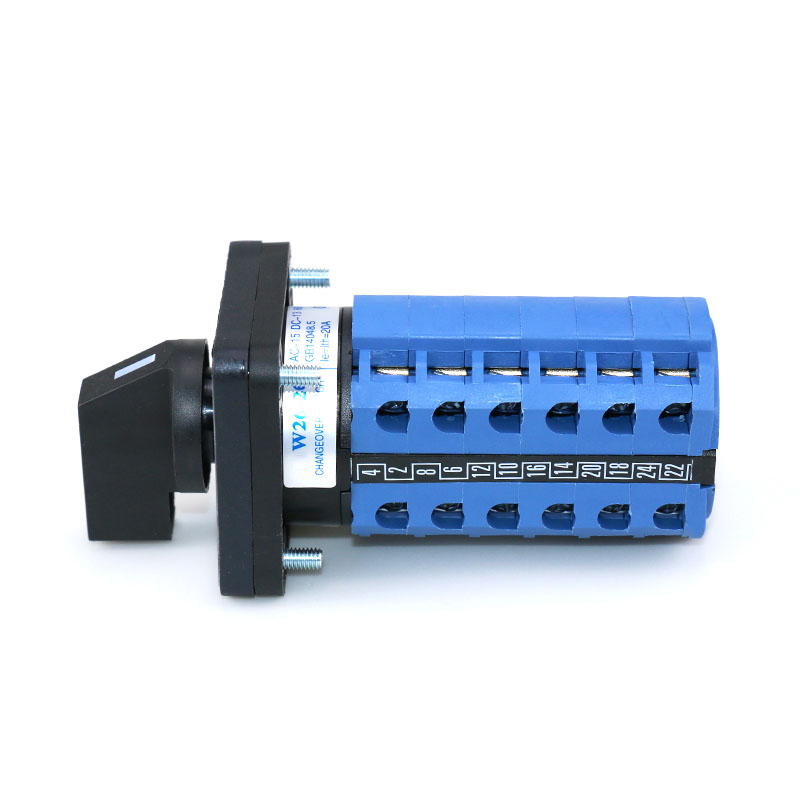
The LW26 series is designed as a universal transfer switch, primarily used for manual control of motor start/stop, speed regulation, and circuit switching in low-voltage electrical systems.
Can these switches be used for high-voltage applications?
No, these are strictly for low-voltage use. They feature a rated insulation voltage (Ui) of 690V and are not suitable for high-voltage power distribution.
What is the difference between AC-21A and AC-3 utilization categories?
AC-21A is typically used for switching resistive loads, while AC-3 is specifically rated for the direct-on-line starting of squirrel-cage induction motors, which involves higher inrush currents.
How do I select the correct model for my electrical circuit?
Selection should be based on your circuit's rated thermal current (Ith). For instance, choose LW26-20 for 20A requirements, or upgrade to LW26-63 or higher for larger amperage needs.
Are LW26 series switches compatible with DC circuits?
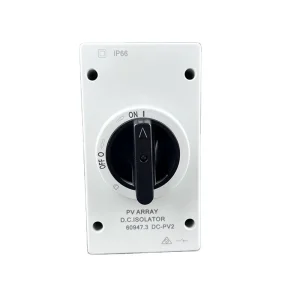
Yes, certain models in the LW26 series are compatible with DC circuit applications, specifically categorized under DC-13 ratings for control circuit operations.
Do these switches require maintenance?
As mechanical switching devices, they are robust, but regular inspection of terminal connections for tightness and checking for debris accumulation is recommended to ensure long-term reliability.
 Bowser Electric