Bowser Electric
Bowser Electric
Bowser Electric
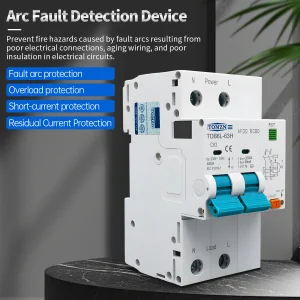
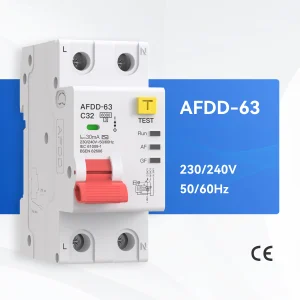
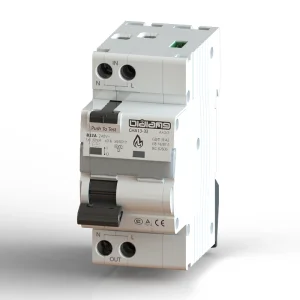
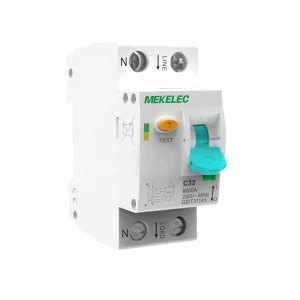
In the European Union, particularly within the highly industrialized and urbanized state of Belgium, electrical fire prevention technologies have evolved rapidly over the past decade. Grounded in the updated Belgian General Regulations on Electrical Installations (RGIE/AREI), there is a strategic shift towards mandates that actively mitigate micro-arcing. While traditional protective systems like Miniature Circuit Breakers (MCB) and Residual Current Devices (RCD/RCCB) provide fundamental defense mechanisms against overcurrents and earth leakage, they possess a critical technical limitation: they are inherently blind to low-magnitude, high-frequency physical phenomena known as electrical arc faults.
"According to Belgian fire safety metrics, approximately 30% of structural fires are attributed directly to failures in the electrical infrastructure. A majority of these failures originate as micro-arcs within aging wiring or loose structural connections where current densities spike without crossing standard trip thresholds."
Electrical arcing occurs when a gaseous column is ionized by intense current density, creating a highly thermal plasma channel that exceeds 6000°C. In low-voltage distribution networks (typically 230V in Belgian single-phase lines), these are classified into three types:
The Belgian electrical installation landscape is strictly governed by the RGIE (Règlement Général sur les Installations Électriques), specifically updated under Book 1 regarding low-voltage and extra-low-voltage systems. In alignment with European harmonized standards (specifically HD 60364-4-42), Belgium strongly recommends the installation of Arc Fault Detection Devices (AFDDs) conforming to product standard IEC 62606.
The installation of AFDDs is highly targeted at high-risk applications:
| Protective Tech Class | Standard MCB | RCD / RCCB / RCBO | AFDD (Arc Fault Detection Device) |
|---|---|---|---|
| Primary Protection Vector | Overcurrent & Short Circuit | Earth Leakage / Residual Currents | Series & Parallel Arc Faults |
| Fault Signature Detected | High current levels (A) | Vector sum current imbalance (mA) | High-frequency current/voltage analysis |
| Fire Prevention Scope | Low (only for extreme currents) | Medium (only for earth-fault path fires) | High (active early-stage detection) |
| Belgian RGIE Standard | Mandatory globally | Mandatory globally (30mA / 300mA) | Highly recommended / Mandatory in high-risk zones |
R&D Engineers
Global Patents Held
Defect-Free Quality Rate
Exporting Countries Served
Our AFDDs use high-speed Digital Signal Processors (DSP) paired with complex Fourier algorithms to isolate harmless motor startup arcs from dangerous systemic line arcs.
Engineered precisely to match the rigorous requirements of Belgian RGIE inspections, ensuring seamless project acceptance by certification authorities like SGS or CEBEC.
Built with halogen-free flame-retardant polyamide housing, keeping in absolute line with European circular economy models and strict environmental guidelines.
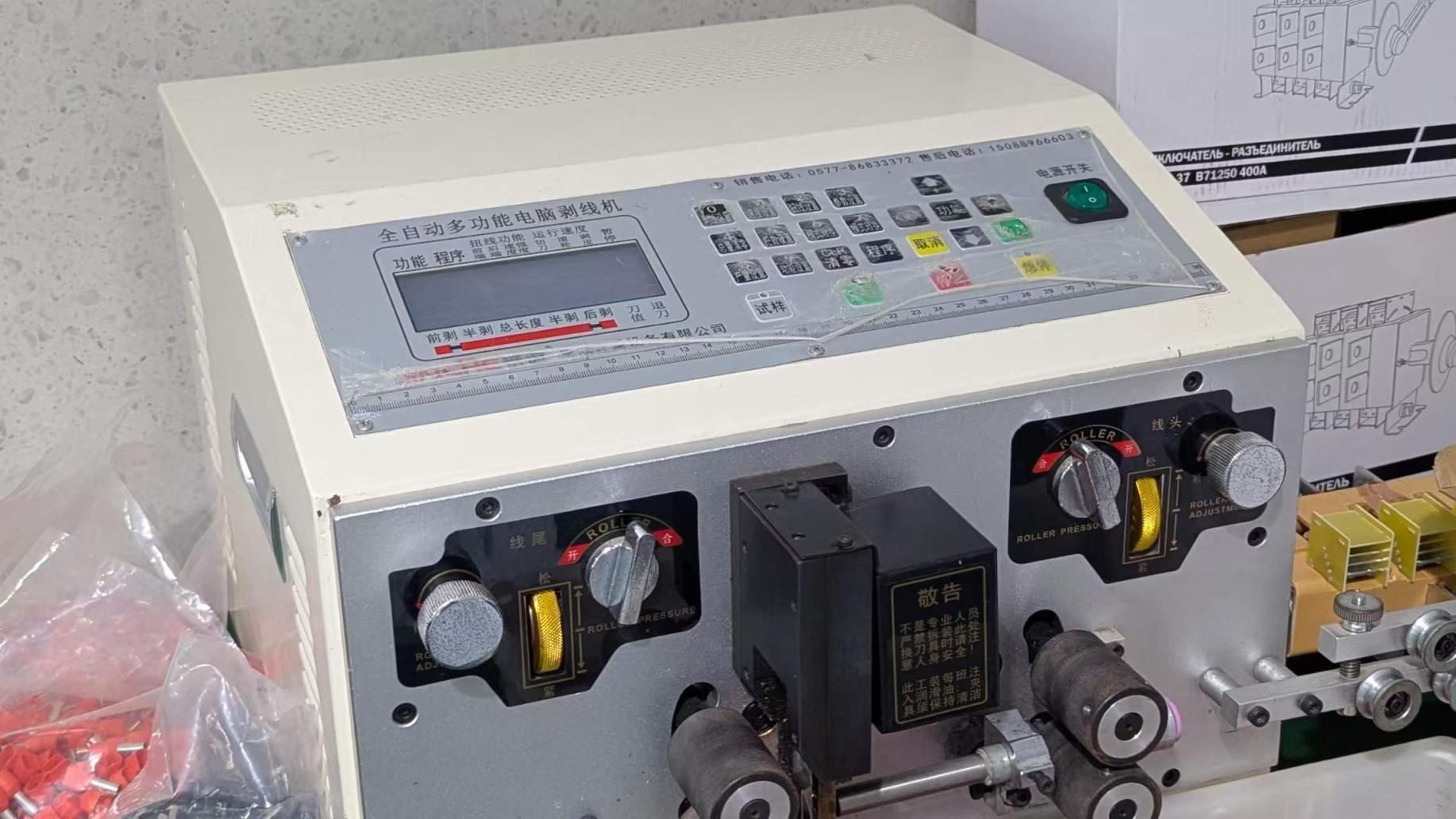
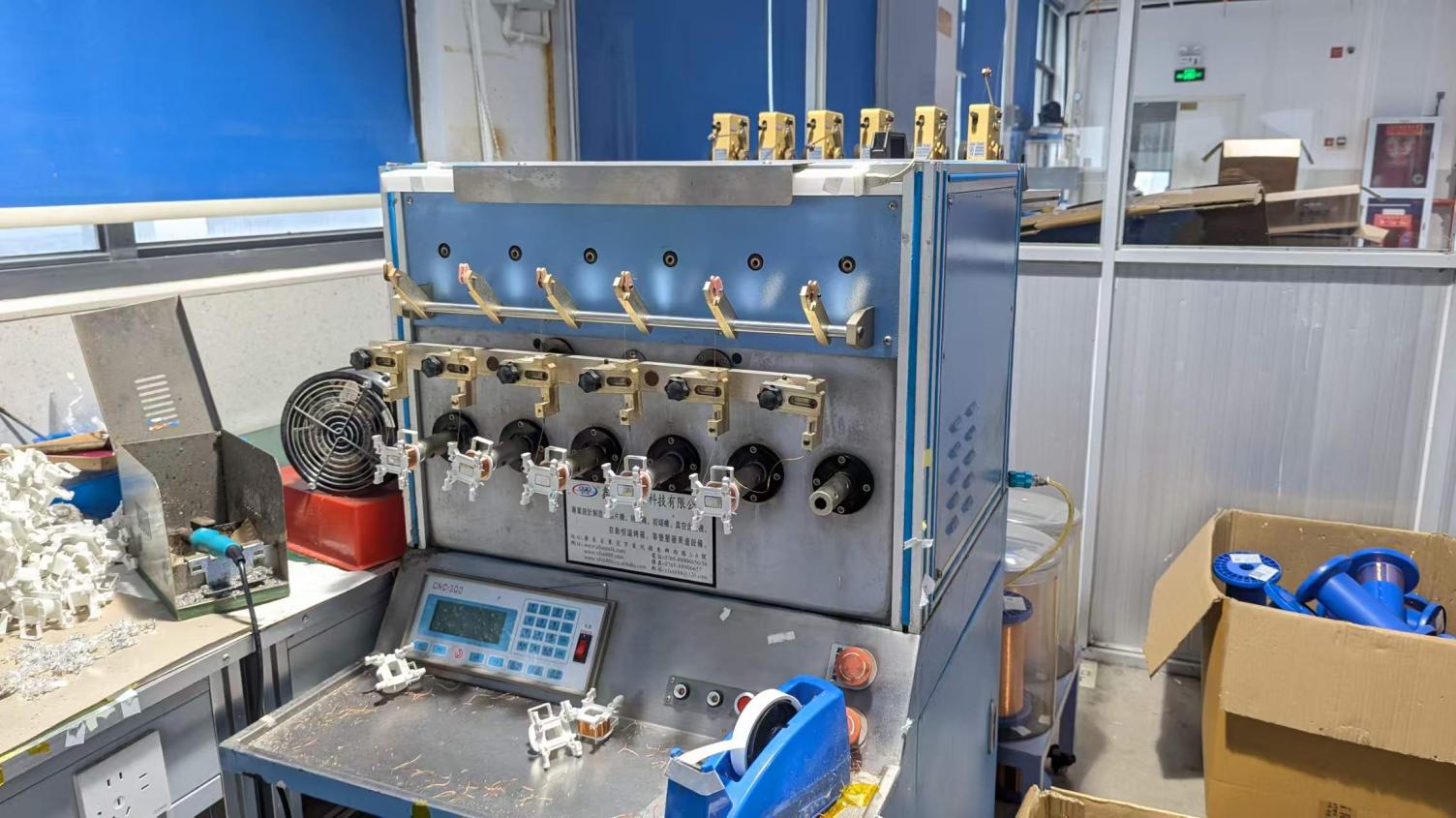
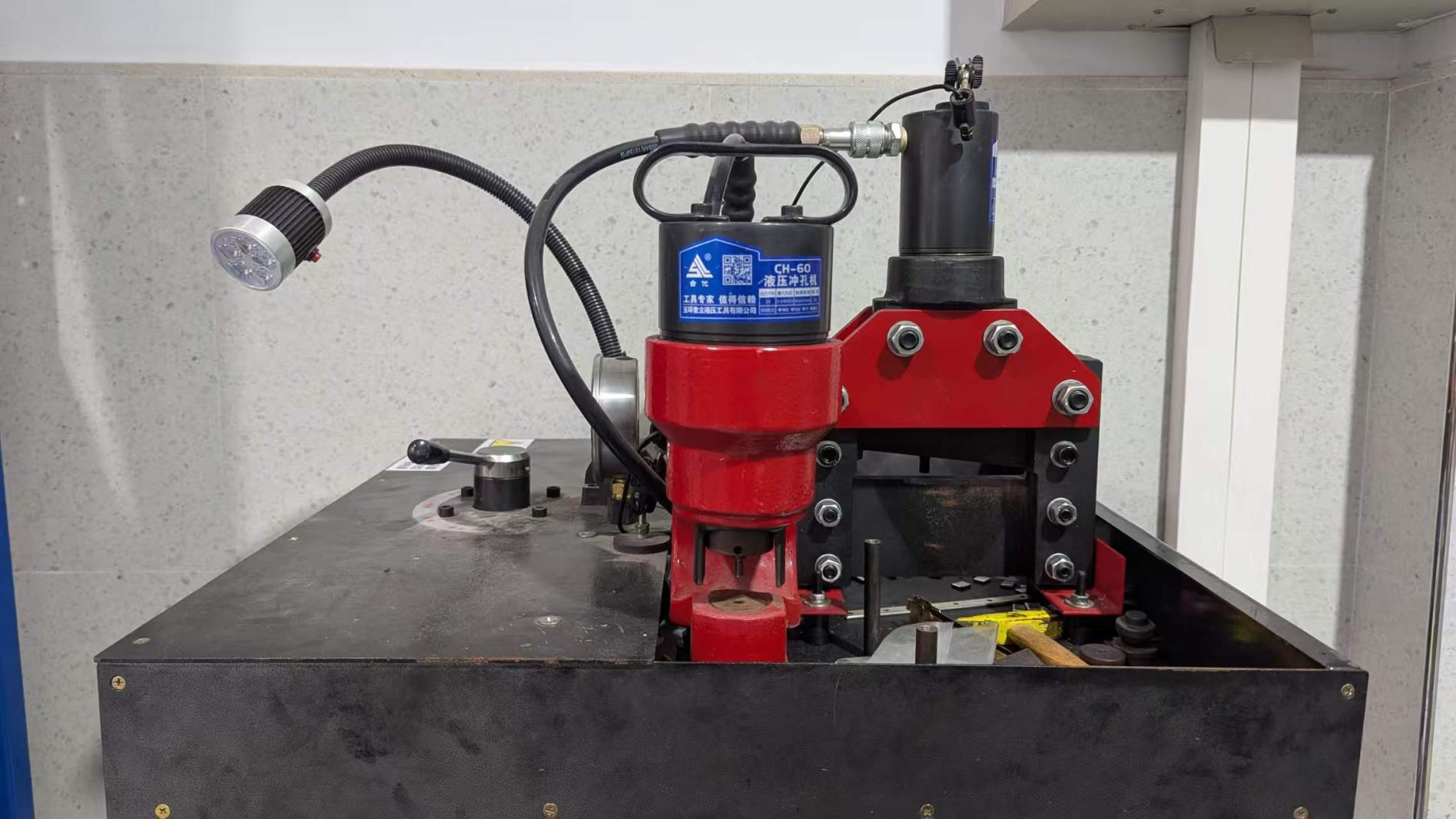
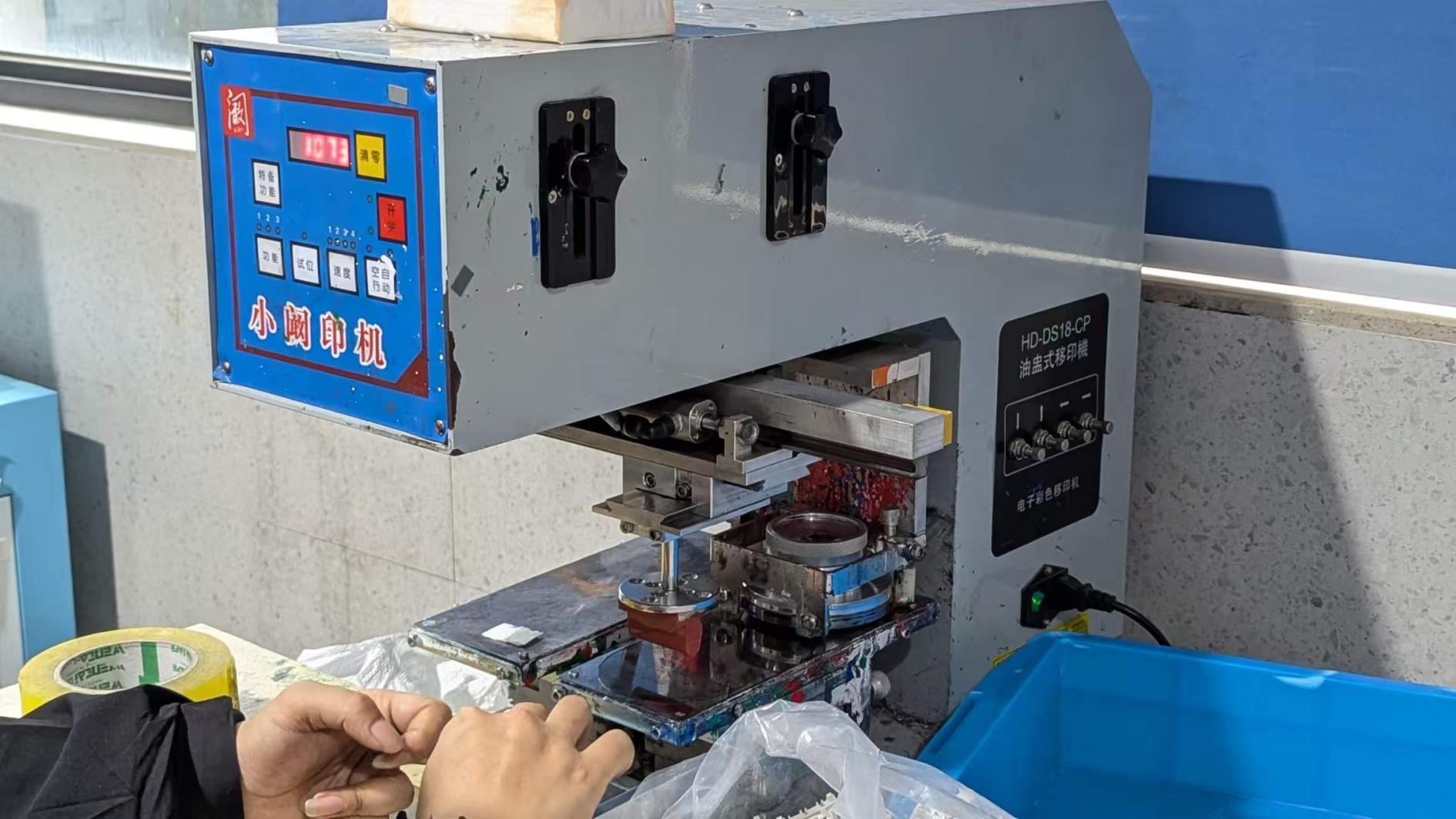
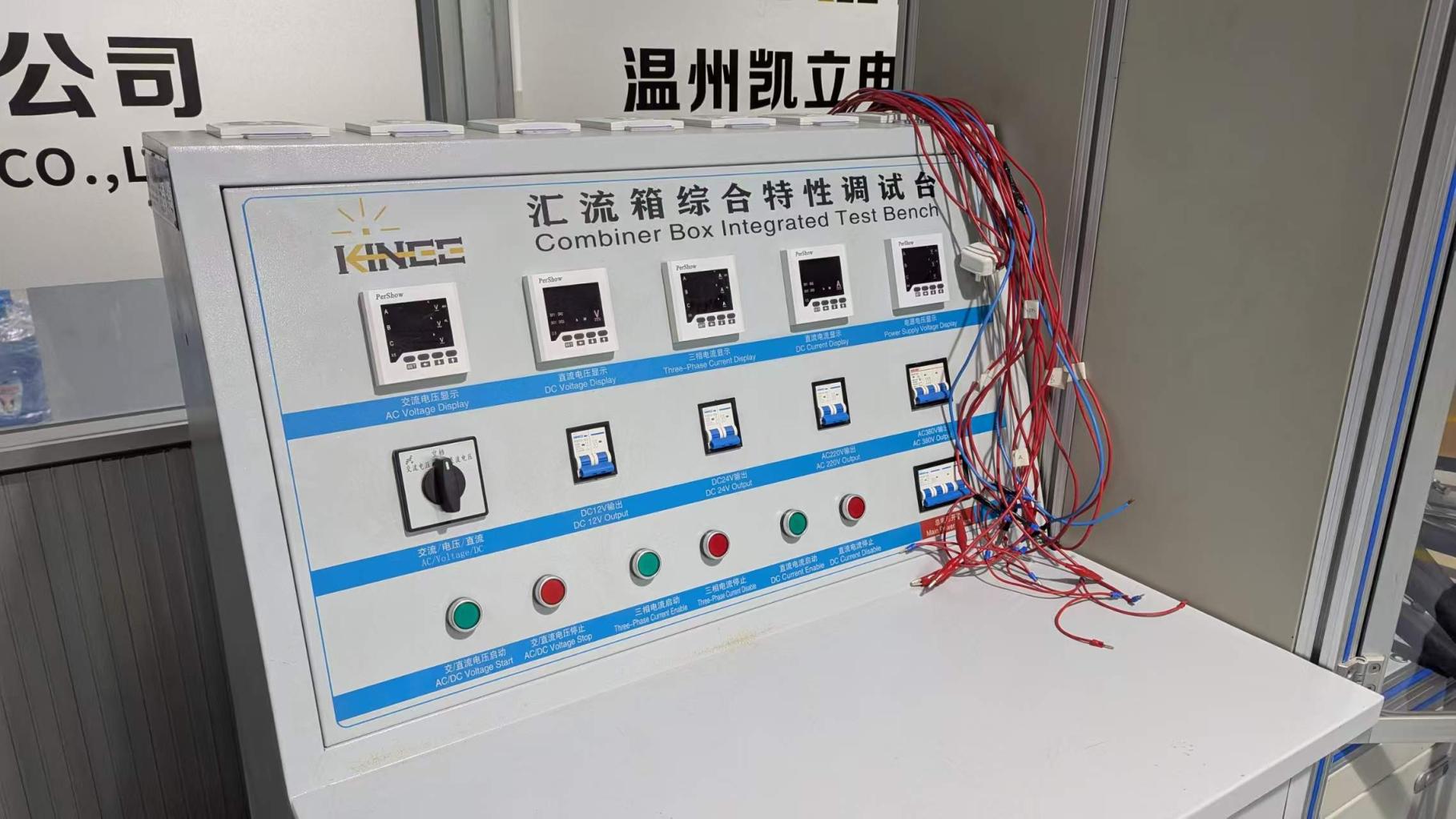
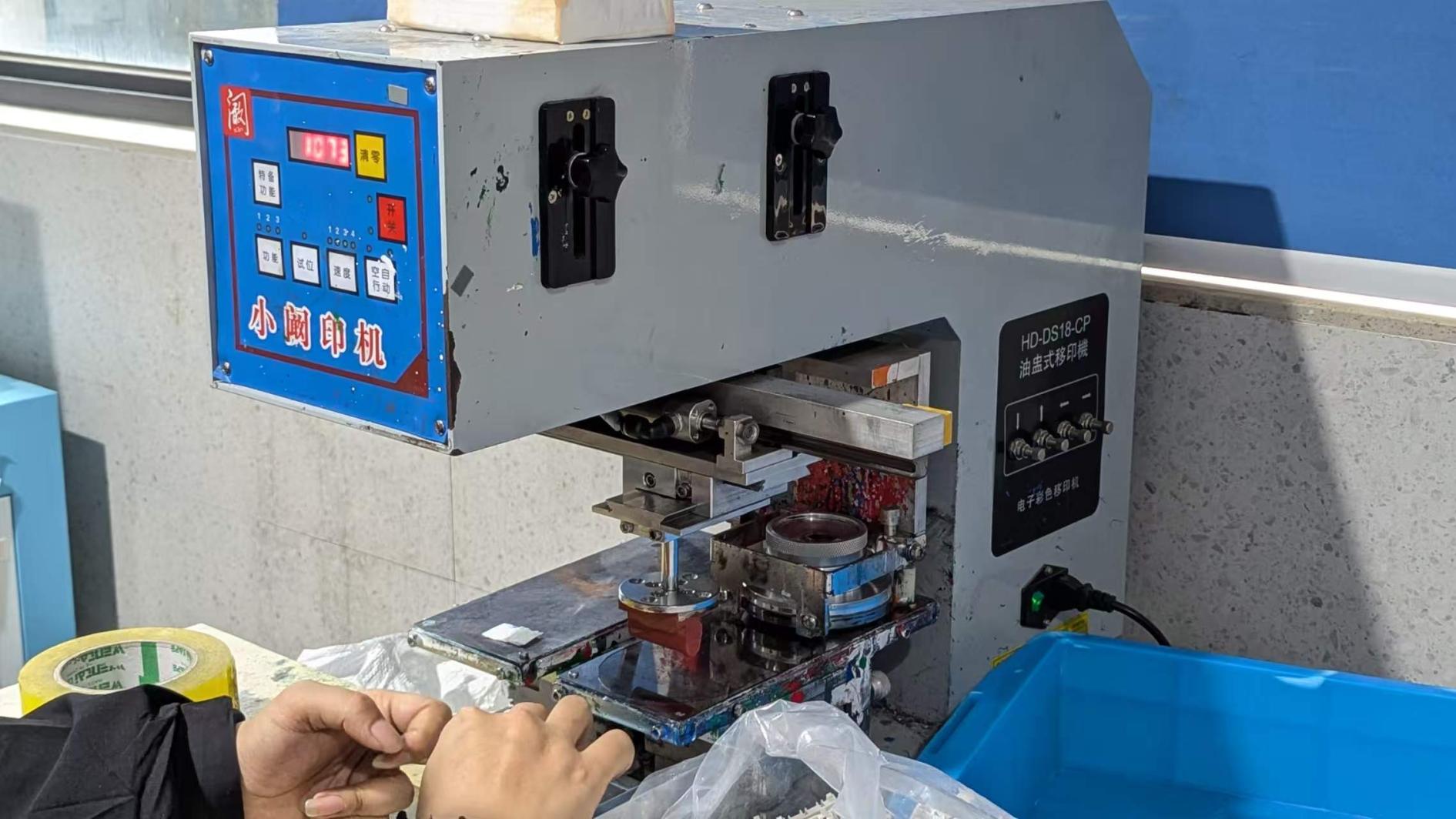
Wenzhou Bowser Electric Co., Ltd. serves as a pivotal OEM/ODM partner for European industrial importers. Operating from Wenzhou, China's premiere electrical manufacturing hub, our facilities achieve significant manufacturing efficiencies. Through fully integrated production lines—ranging from high-speed precision copper winding to automated robotic riveting—we eliminate standard production errors while keeping production costs significantly lower than domestic European manufacturers.
For Belgian distributors, this means accessing top-tier technological solutions that easily pass the strict CE, UKCA, and CB audits. This allows distributors to offer competitive commercial pricing for high-volume residential developments and municipal projects throughout Brussels, Antwerp, and Wallonia.








Belgium's distribution grid features regional variations, such as IT, TT, and TN-S earthing configurations. Sourcing components that operate reliably across different earthing structures is critical. For instance, in areas like Walloon Brabant, three-phase networks without a neutral conductor (e.g., 3x230V) require 2-pole AFDDs that can detect differential voltage levels and function correctly across line-to-line loads.
Cities like Antwerp and Ghent contain protected architectural structures with timber frames. Retrofitting AFDDs into existing consumer units prevents electrical ignition in older, dry timber structures where standard circuit breakers might not trip.
With Brussels being a central hub for European Union institutions, data infrastructure density is high. Installing smart, communicable AFDDs allows building managers to monitor line diagnostics via Modbus or Ethernet protocols, preventing power disruptions and downtime.
In social housing and multi-tenant apartments, human error (such as damaged appliance cords or overloaded power strips) is a common cause of electrical fires. Deploying compact, combined AFDD/RCBO units saves space in sub-distribution boards while providing comprehensive protection.
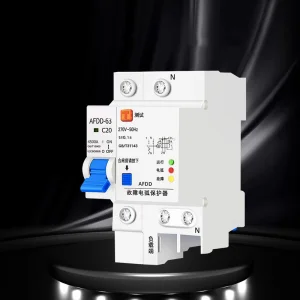
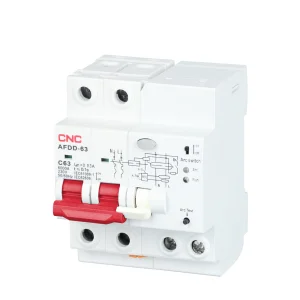
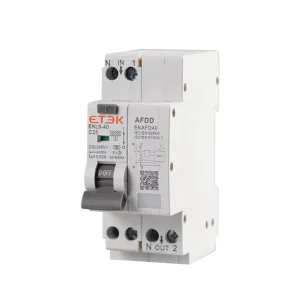
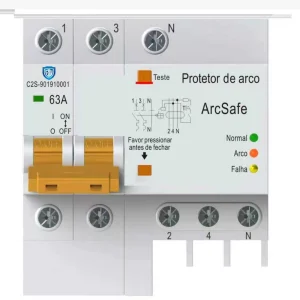
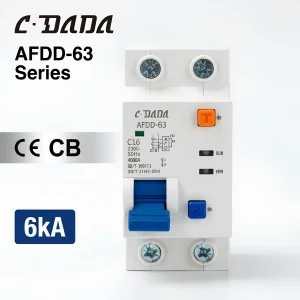
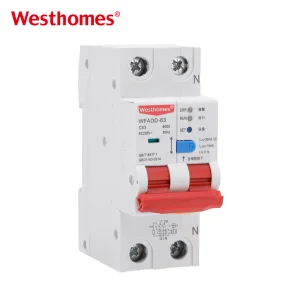
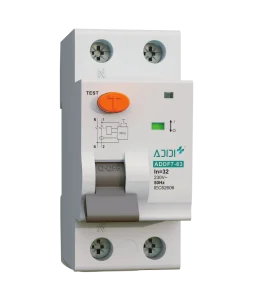


An RCBO integrates overload, short-circuit, and residual leakage protection. A series arc fault occurs in line with the load, meaning the load current itself limits the arc current. As long as this current is below the magnetic tripping threshold of the MCB element and there is no leakage path to earth, the RCBO cannot detect the current fault signature. An AFDD uses digital analysis of the current waveform to detect the high-frequency disturbances characteristic of arcing.
Yes, the Belgian RGIE regulations heavily recommend and, in certain public sector, school, and historic-preservation tender designs, mandate AFDD installations. This aligns with European harmonized standards (HD 60364-4-42) to mitigate the risk of electrical fires in locations with sleeping accommodations or wooden structures.
Our AFDD units are equipped with advanced DSP processors running high-resolution frequency domain analysis. Our algorithms distinguish between normal operational arcs (such as those from brushed vacuum cleaners, drills, and switch contacts) and true fault arcs, minimizing nuisance tripping in residential and commercial applications.
We manufacture AFDD configurations ranging from 6A to 63A. Standard DIN-rail models are available in compact 2-pole widths (typically 36mm or 2 modules), making it easier to integrate them into standard electrical distribution boards.
All Bowser Electric low-voltage protective devices are certified under ISO 9001 and carry CE, CB, and UKCA marks, ensuring full compliance with European safety standards (EN/IEC 62606).