Bowser Electric
Bowser Electric
Bowser Electric
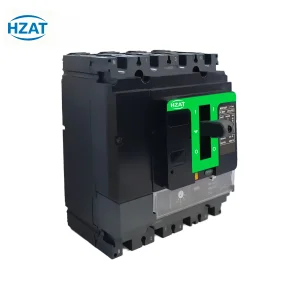
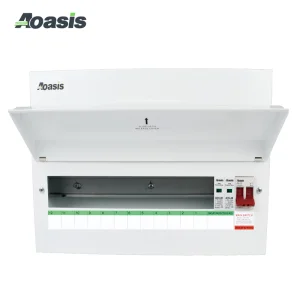
High-performance protective and power switching components engineered for integration in state-of-the-art consumer units.
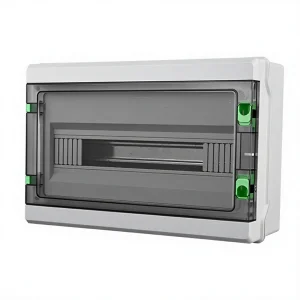
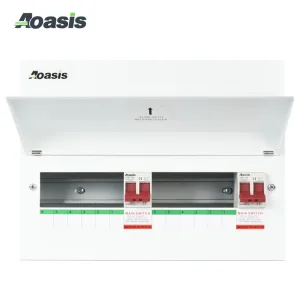
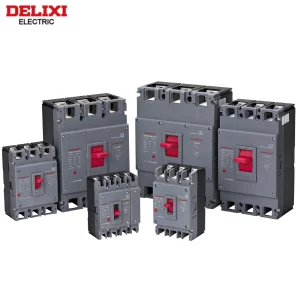
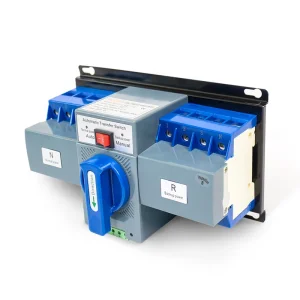
As modern grids undergo an unprecedented transformation towards digitalization and distributed energy resources, the humble distribution board—commonly known as the consumer unit—has evolved from a basic protection box into a high-tech safety gateway.
At Wenzhou Bowser Electric Co., Ltd., we sit at the intersection of robust mechanical craftsmanship and smart electrical engineering. As a premium manufacturer and exporter of modular electrical protection components, residential distribution assemblies, and industrial circuit protection solutions, we leverage over 35 R&D specialists and 25 international patents to deliver customized OEM/ODM services. We support customers across 120+ countries with products that meet rigorous electrical specifications, providing the crucial link between electrical generation and end-use protection.
The operational landscape for consumer units varies vastly by geographical region, environmental exposure, and local utility regulations. A top-tier manufacturer must comprehend these specific structural requirements rather than applying a one-size-fits-all methodology.
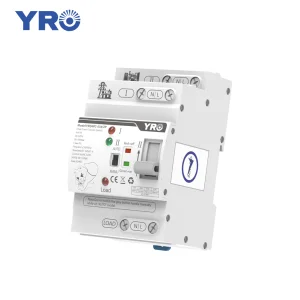
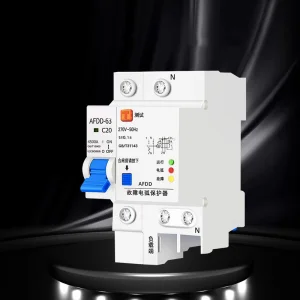
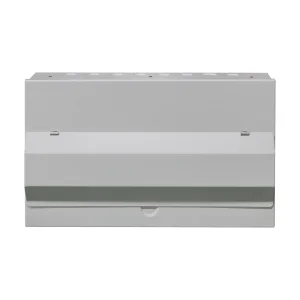
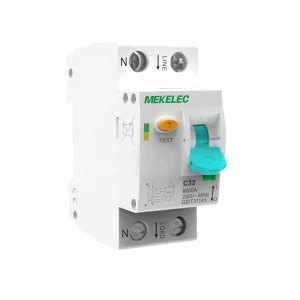
Following the introduction of the 18th Edition of the IET Wiring Regulations (BS 7671), the UK market transitioned permanently to non-combustible metal consumer units. Modern configurations demand Dual RCD or High Integrity layouts utilizing miniature circuit breakers (MCBs), residual current breakers with overload protection (RCBOs), and increasingly, mandatory Arc Fault Detection Devices (AFDDs) alongside integrated Type 2 Surge Protection Devices (SPDs).
EU installations prioritize DIN-rail systems designed for modular utility meters and multi-tier breaker alignment. Depending on local earthing schemes (TN-S, TN-C-S, or TT), multi-pole RCDs (Type A or Type B for solar and EV charging installations) are paired with central isolator switches. Protection from environmental ingress in damp cellars or utility corridors necessitates IP40 up to IP65 ratings.
The Wiring Rules in Australia require strict isolation principles. All final sub-circuits in residential properties must be protected by RCBOs (both active and neutral switched). Outdoor switchboards are extremely common, requiring high UV resistance and IP-rated thermoplastic or coated stainless steel enclosures capable of withstanding extreme thermal cycles and coastal salinity.
Wenzhou stands as the global epicentre of low-voltage electrical component manufacturing. By positioning our primary manufacturing facilities at Wenzhou Bowser Electric Co., Ltd., we command access to a highly integrated, localized supply chain cluster. This physical proximity to pure raw copper mills, precision metallurgical stamping factories, and specialized silver alloy refiners drastically compresses our lead times and mitigates the logistics risks that cripple non-clustered global suppliers.
Our Quality Infrastructure is optimized for a zero-defect mandate. Every consumer unit assembly and component undergoes critical path quality checks. From the thickness testing of the cold-rolled steel enclosures to the millisecond tripping analysis of our MCBs and RCBOs, our testing protocols are calibrated to international ISO 9001 and CE requirements, ensuring long-term field stability and absolute user safety.
Step inside Bowser Electric’s state-of-the-art manufacturing floors. We operate a highly automated, vertically integrated production process to guarantee precision at scale.
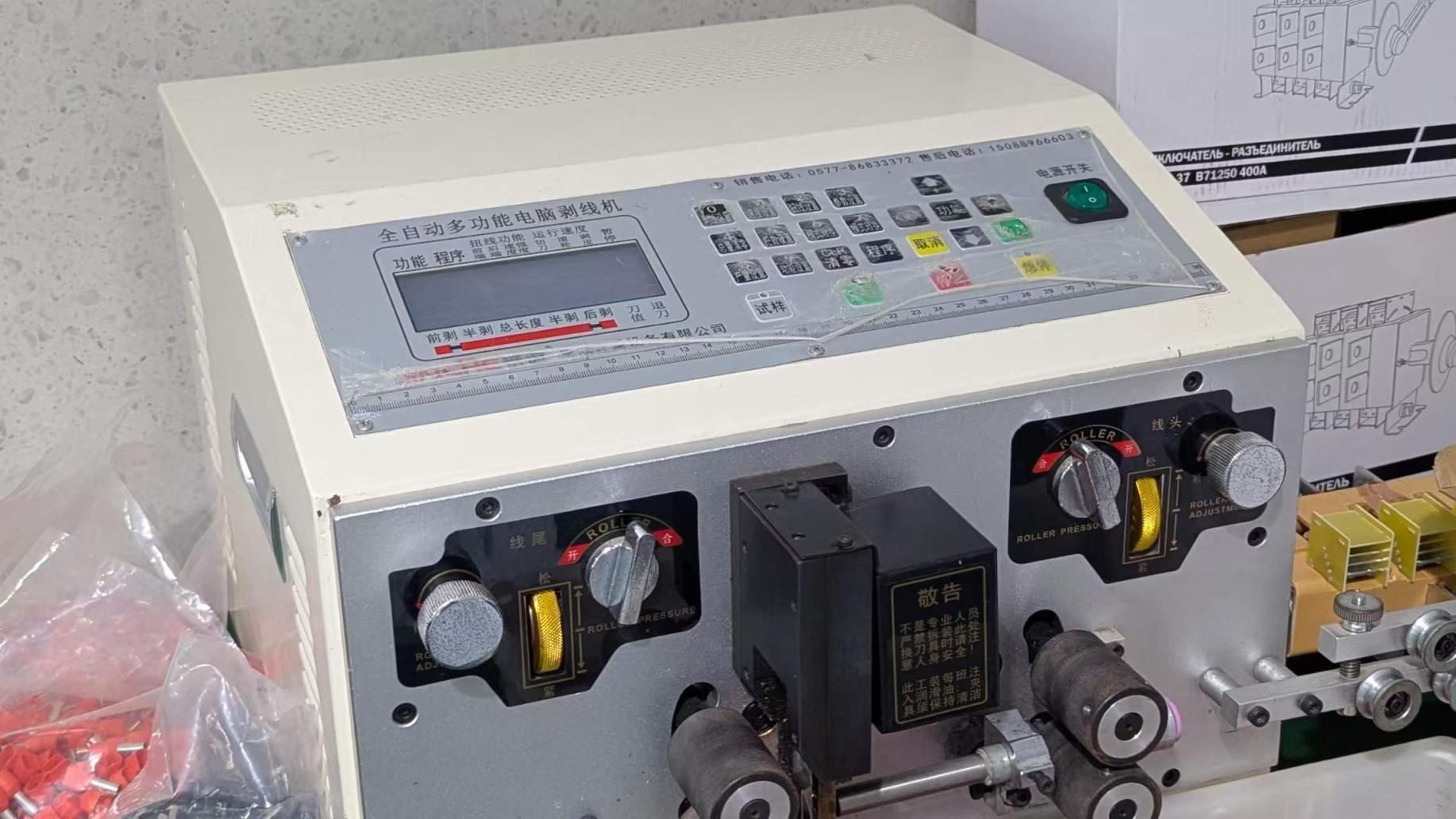
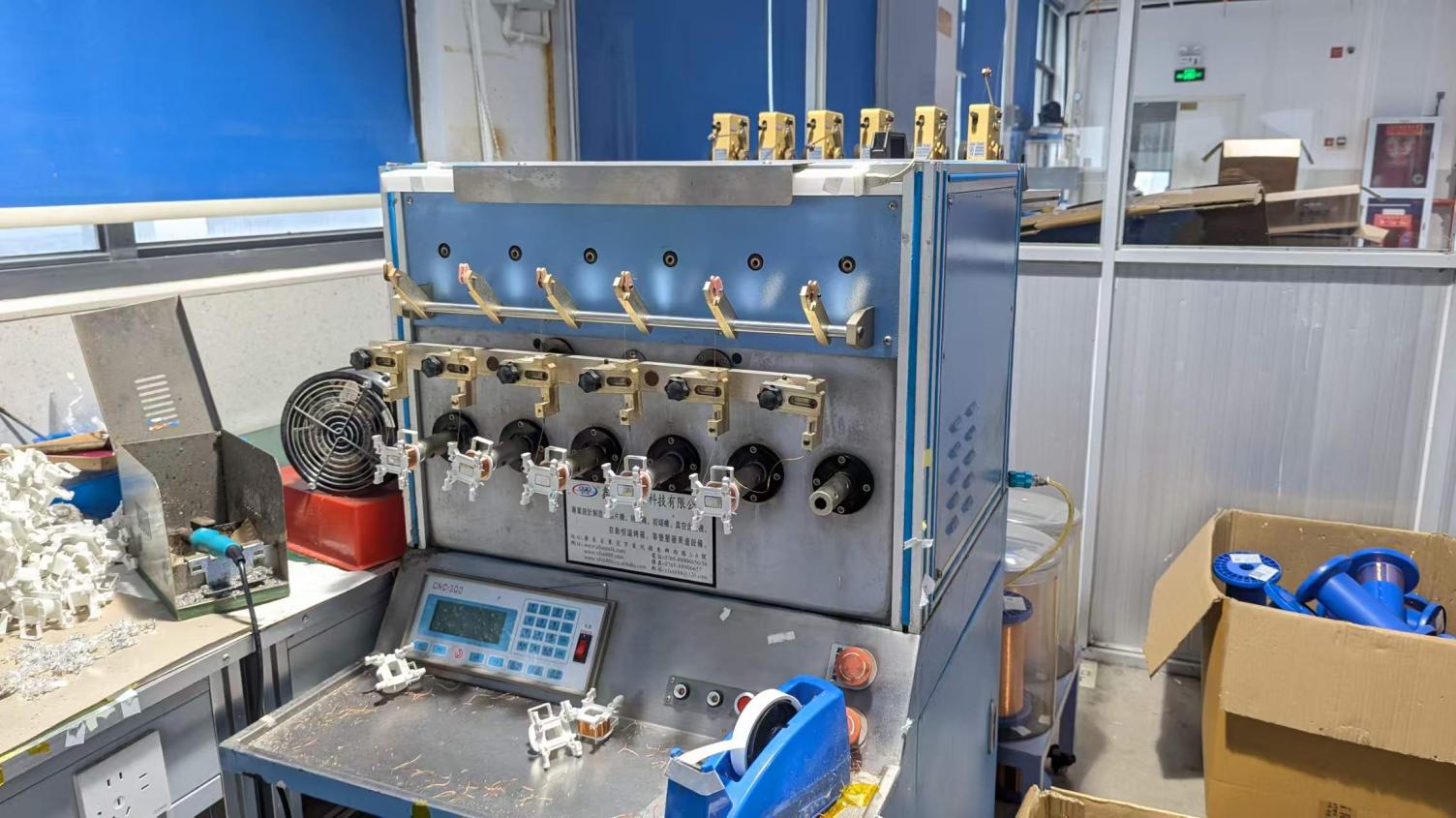
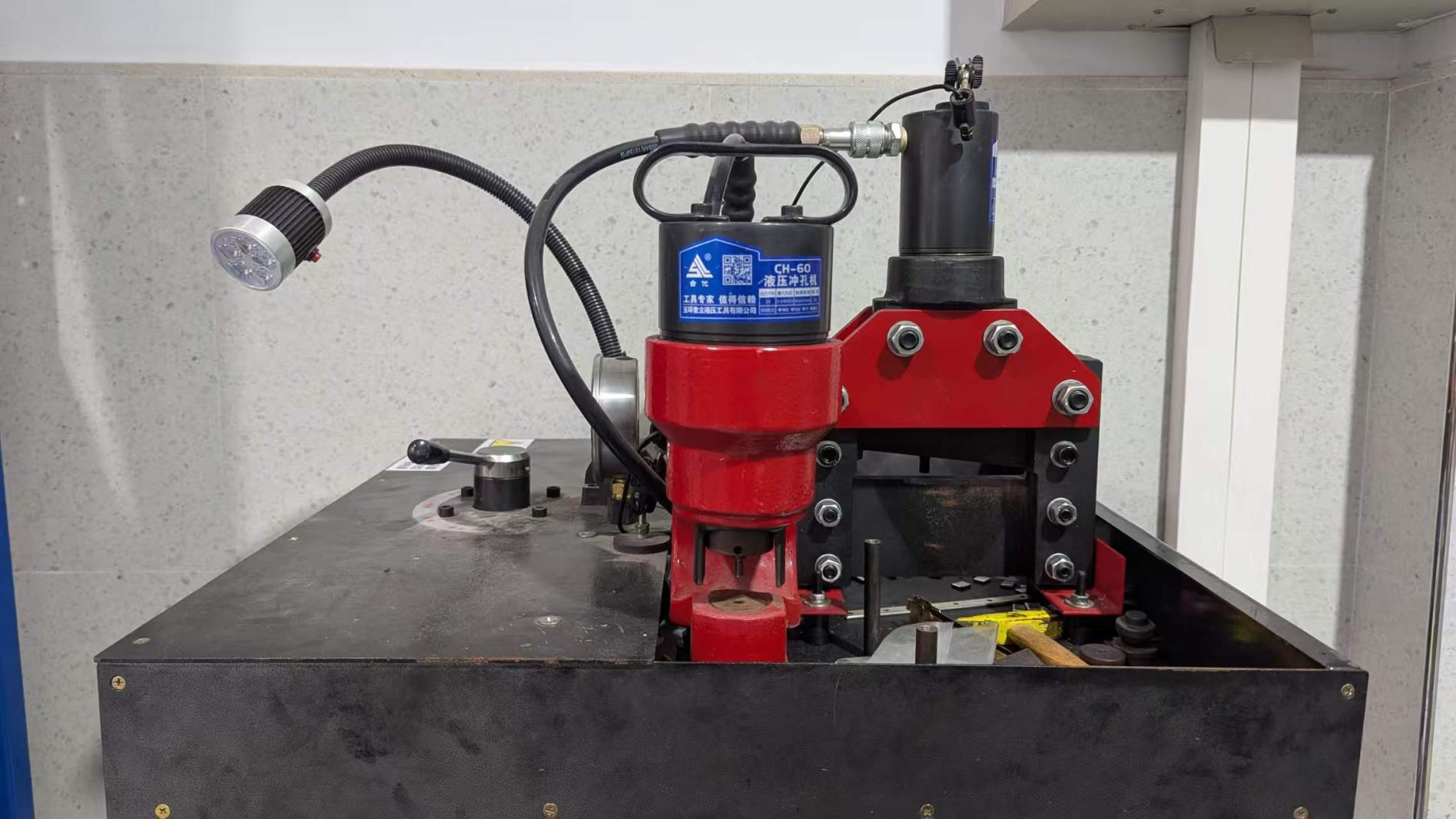
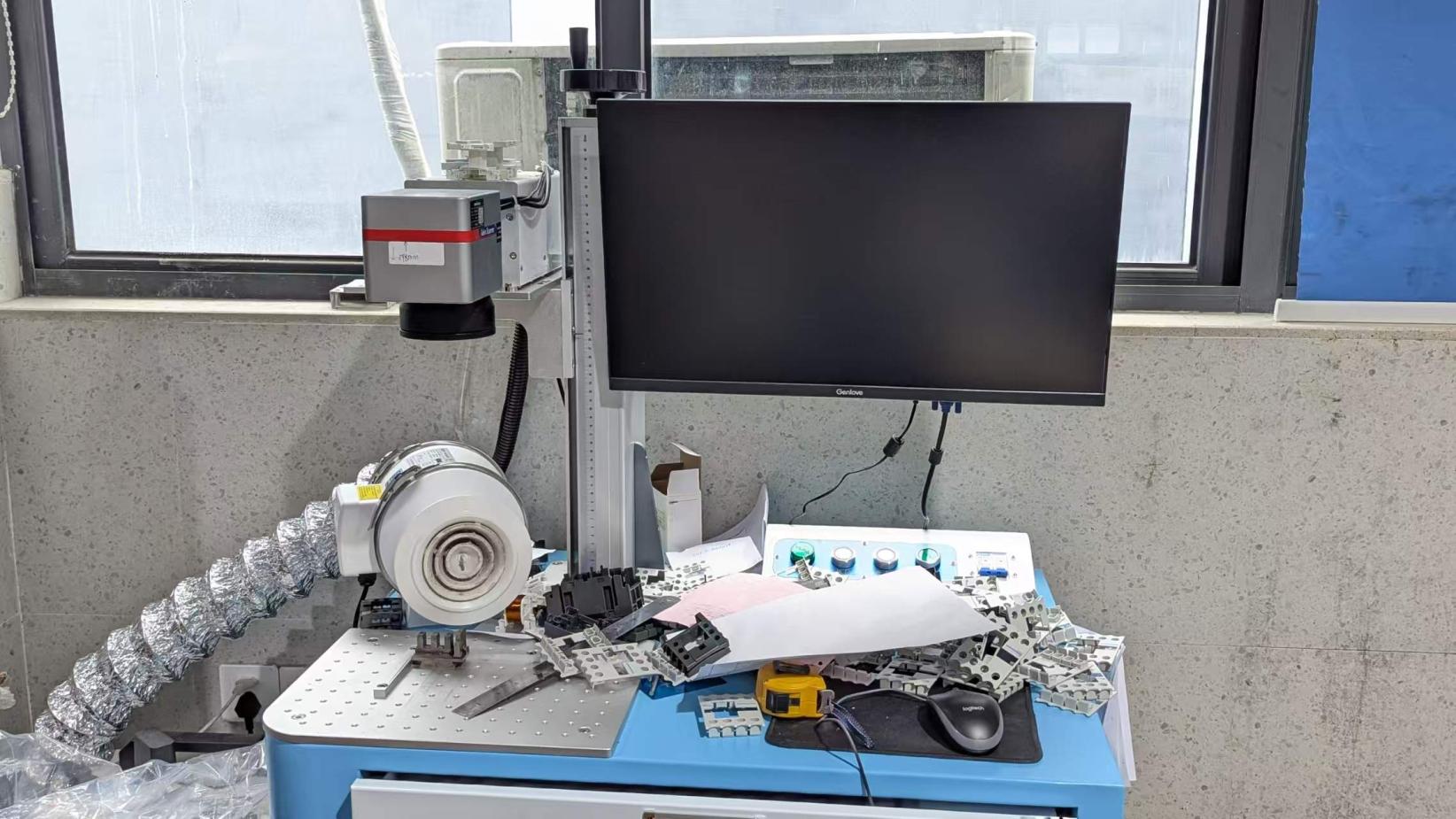
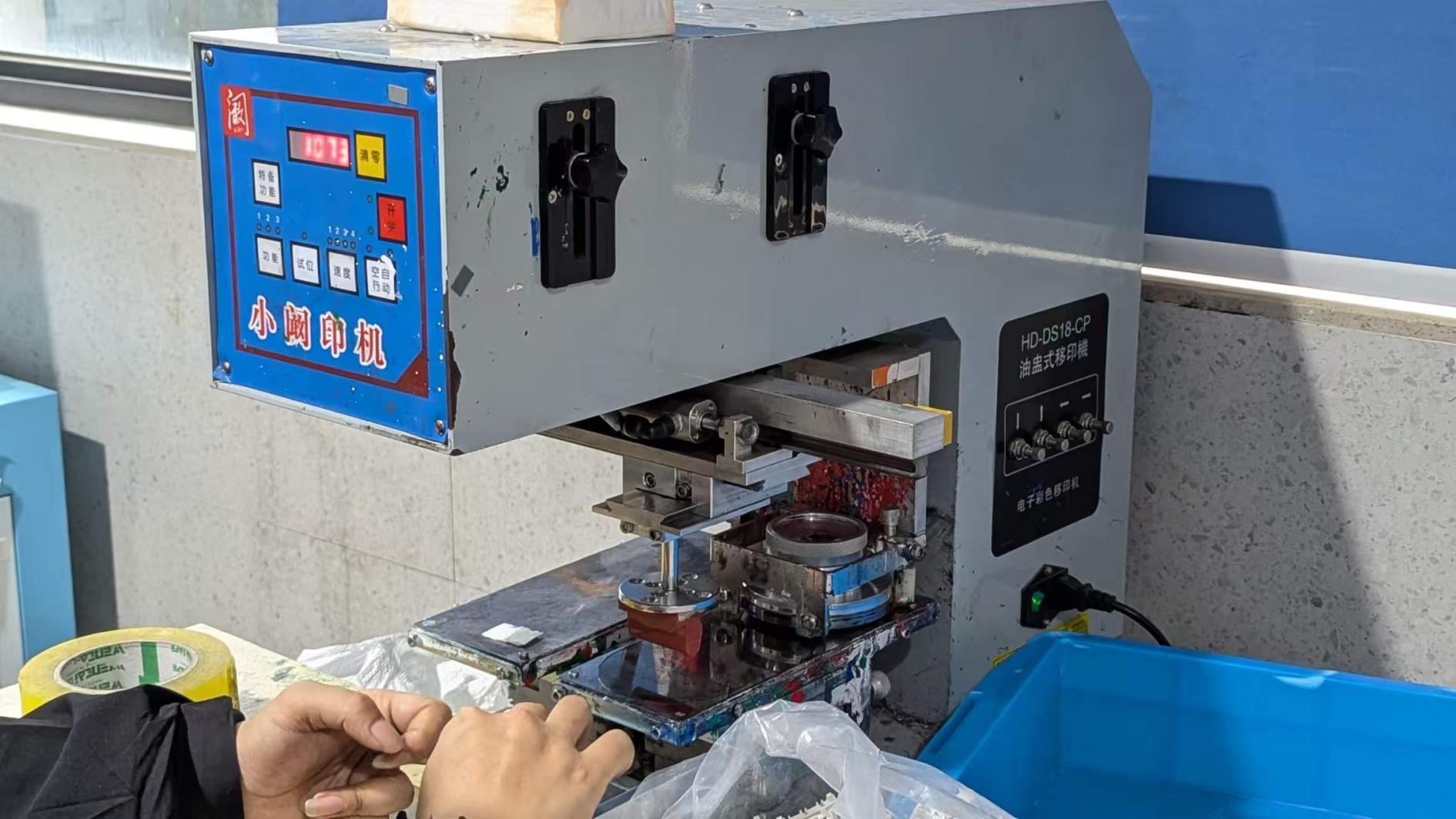
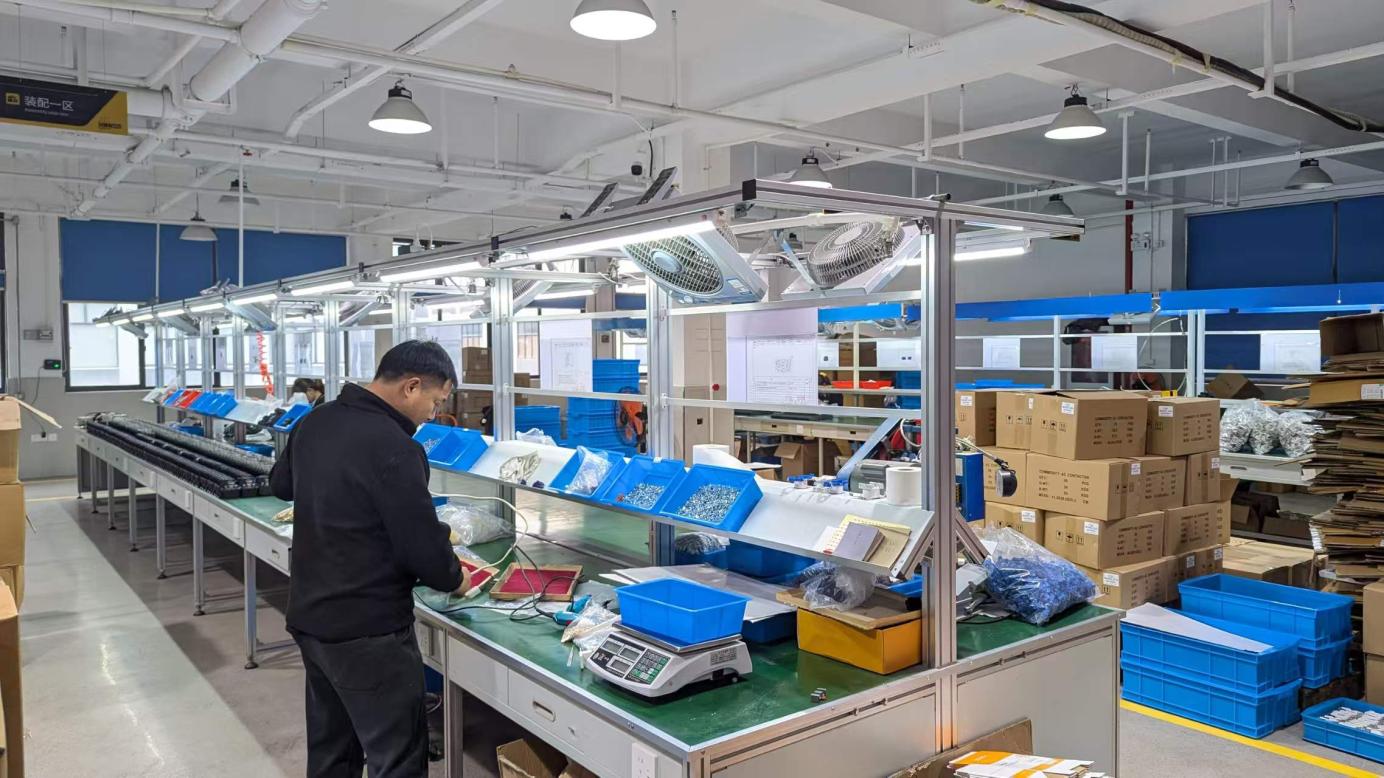
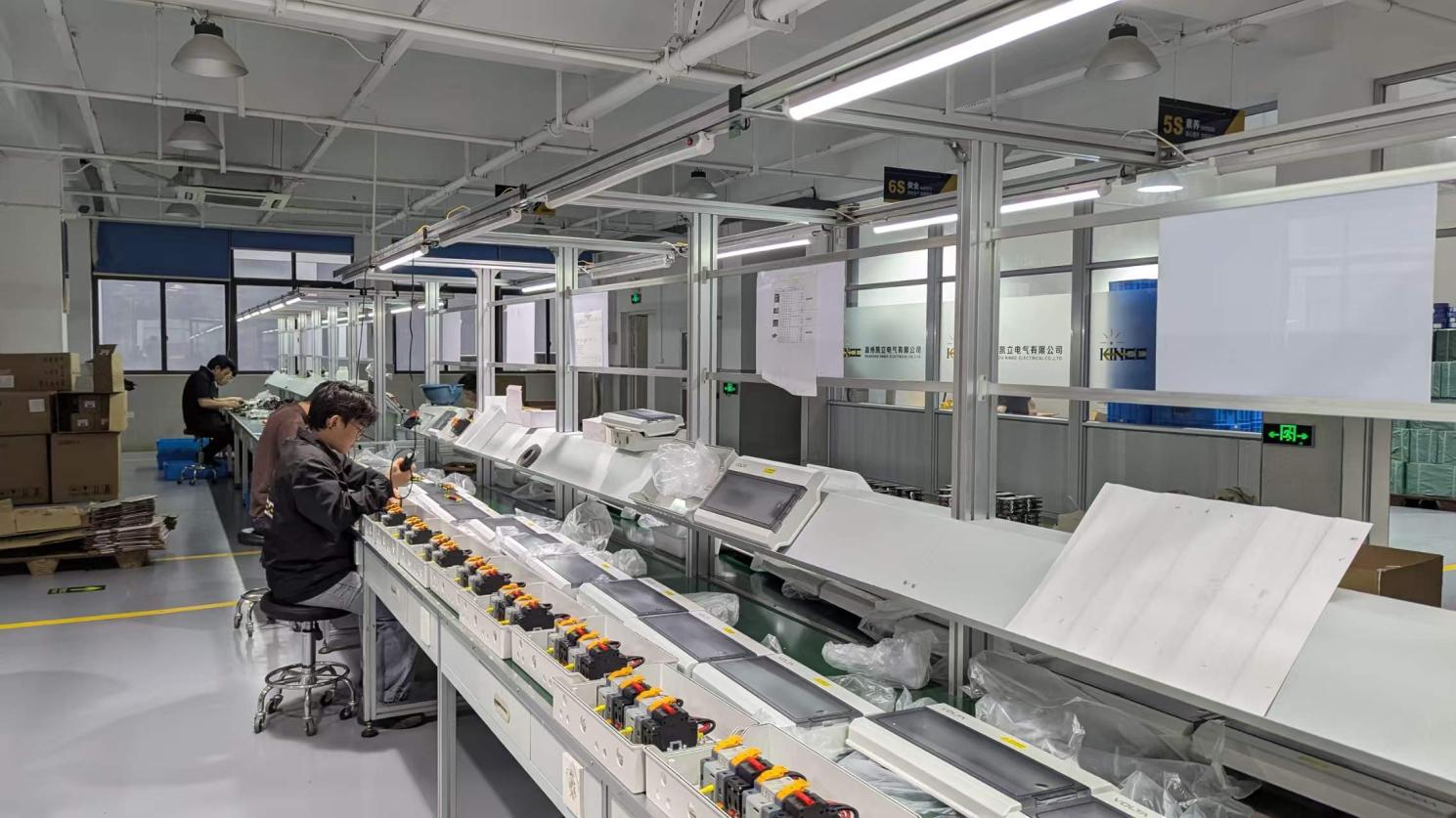
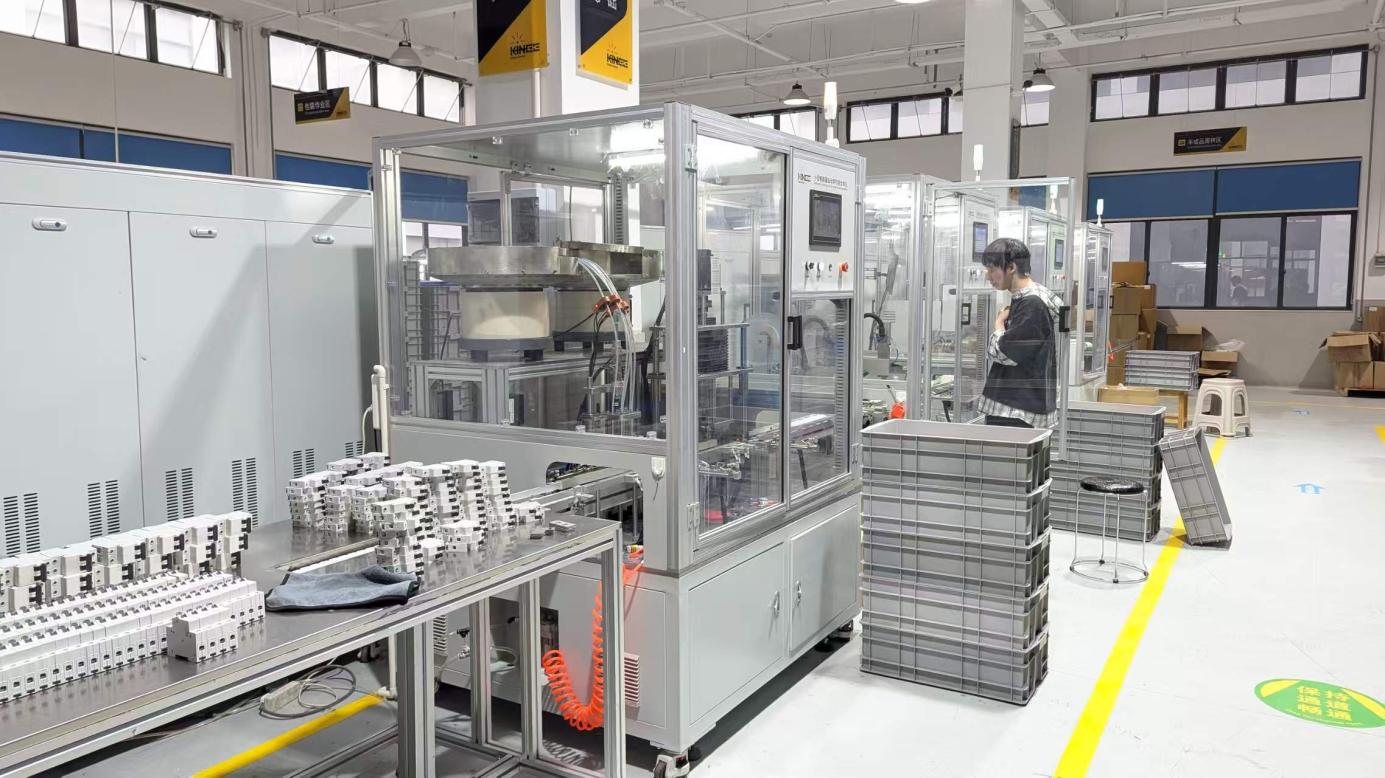
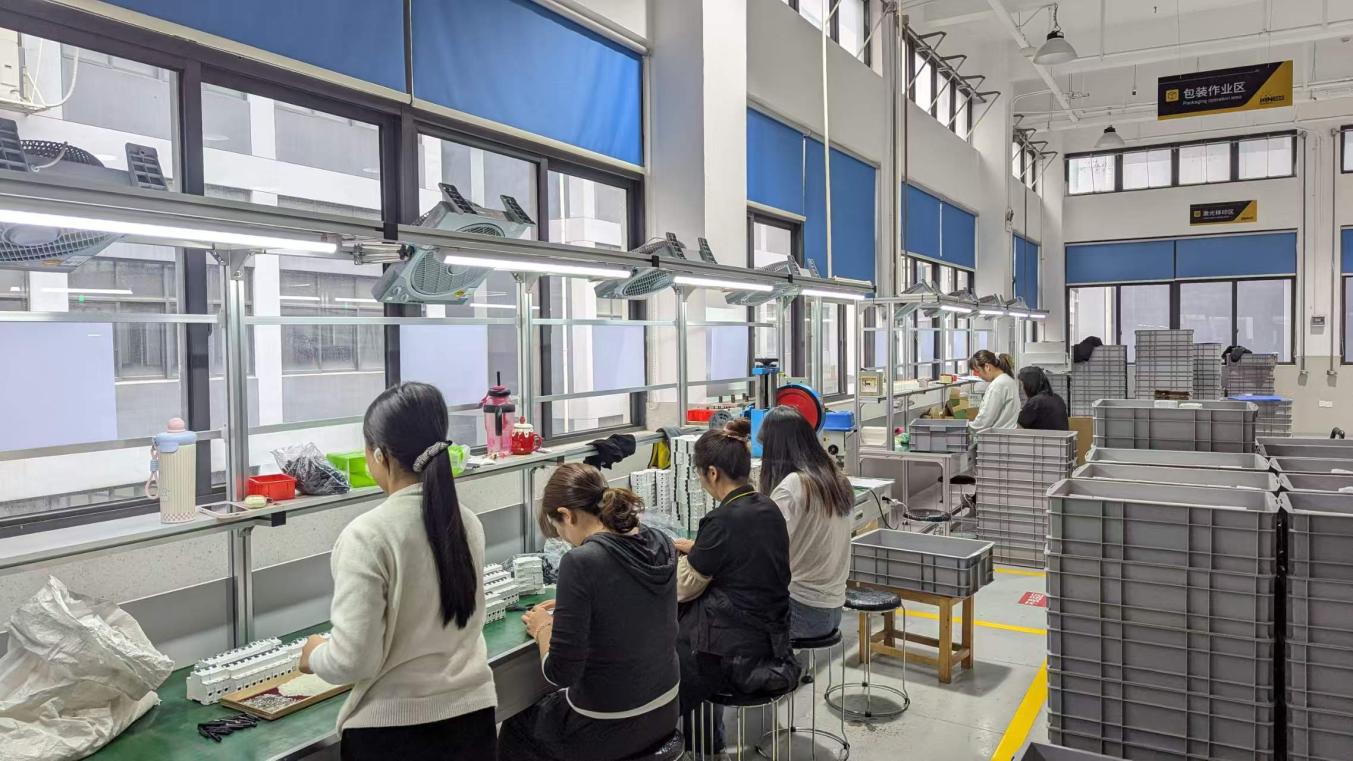
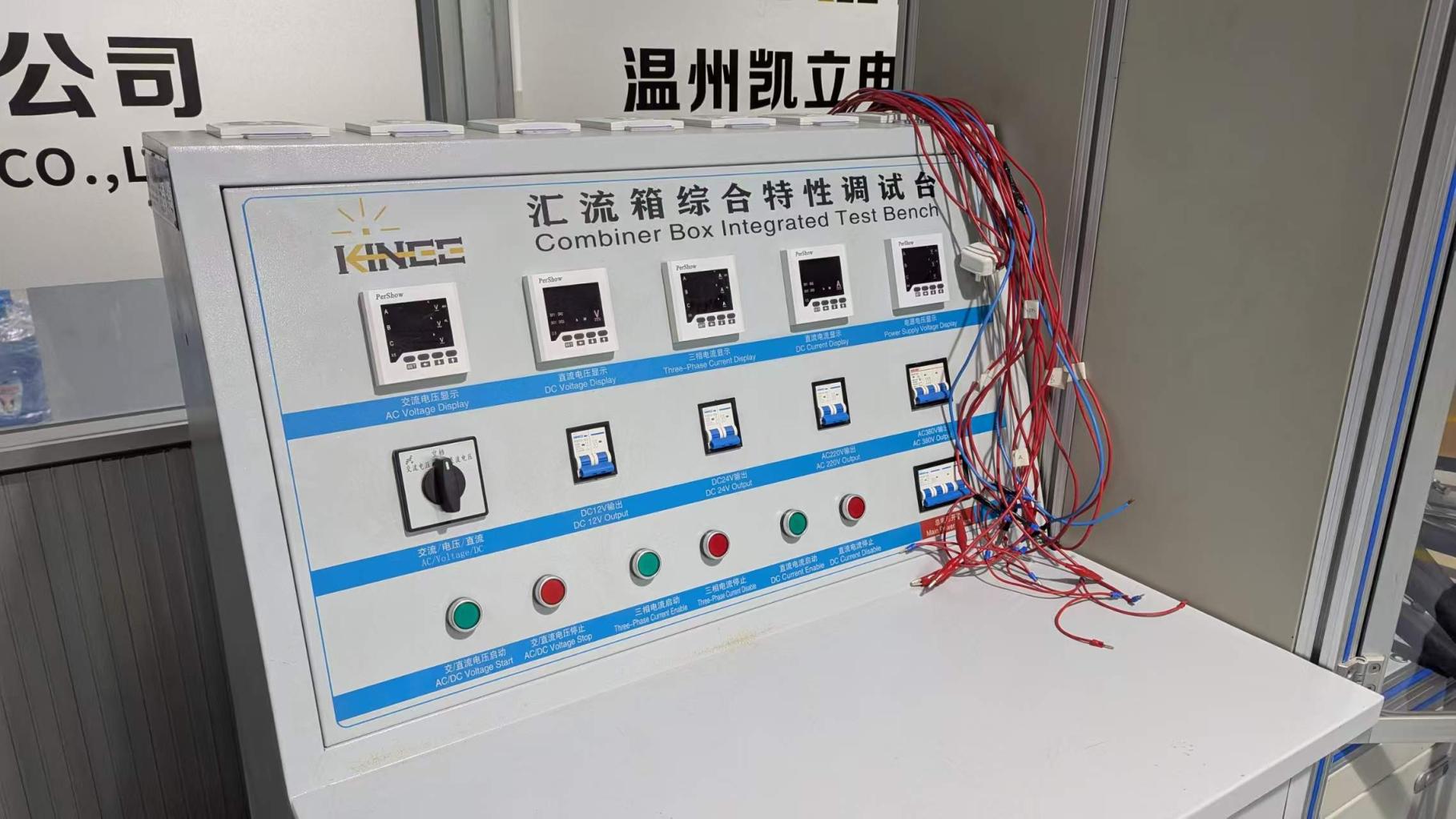
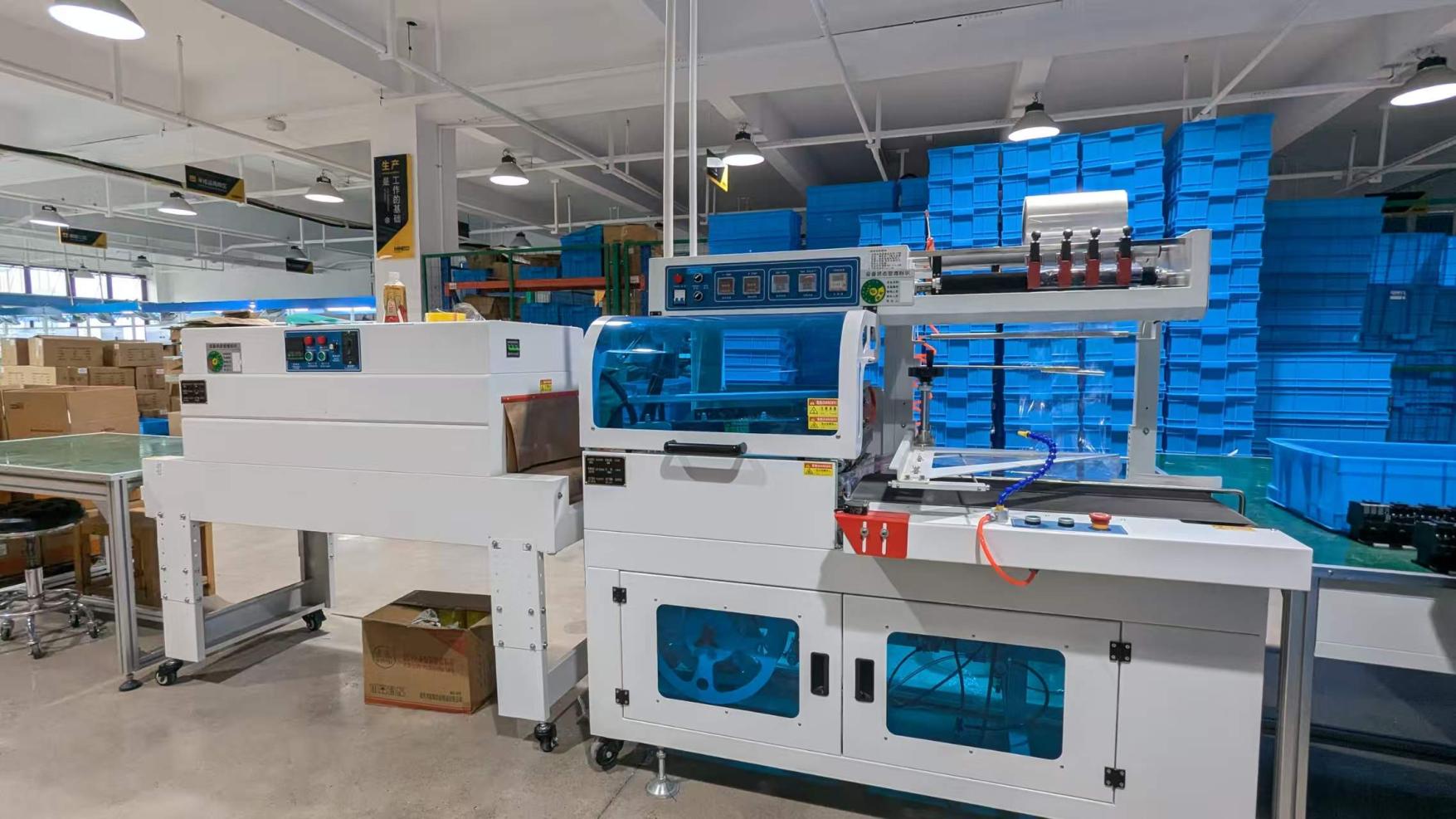
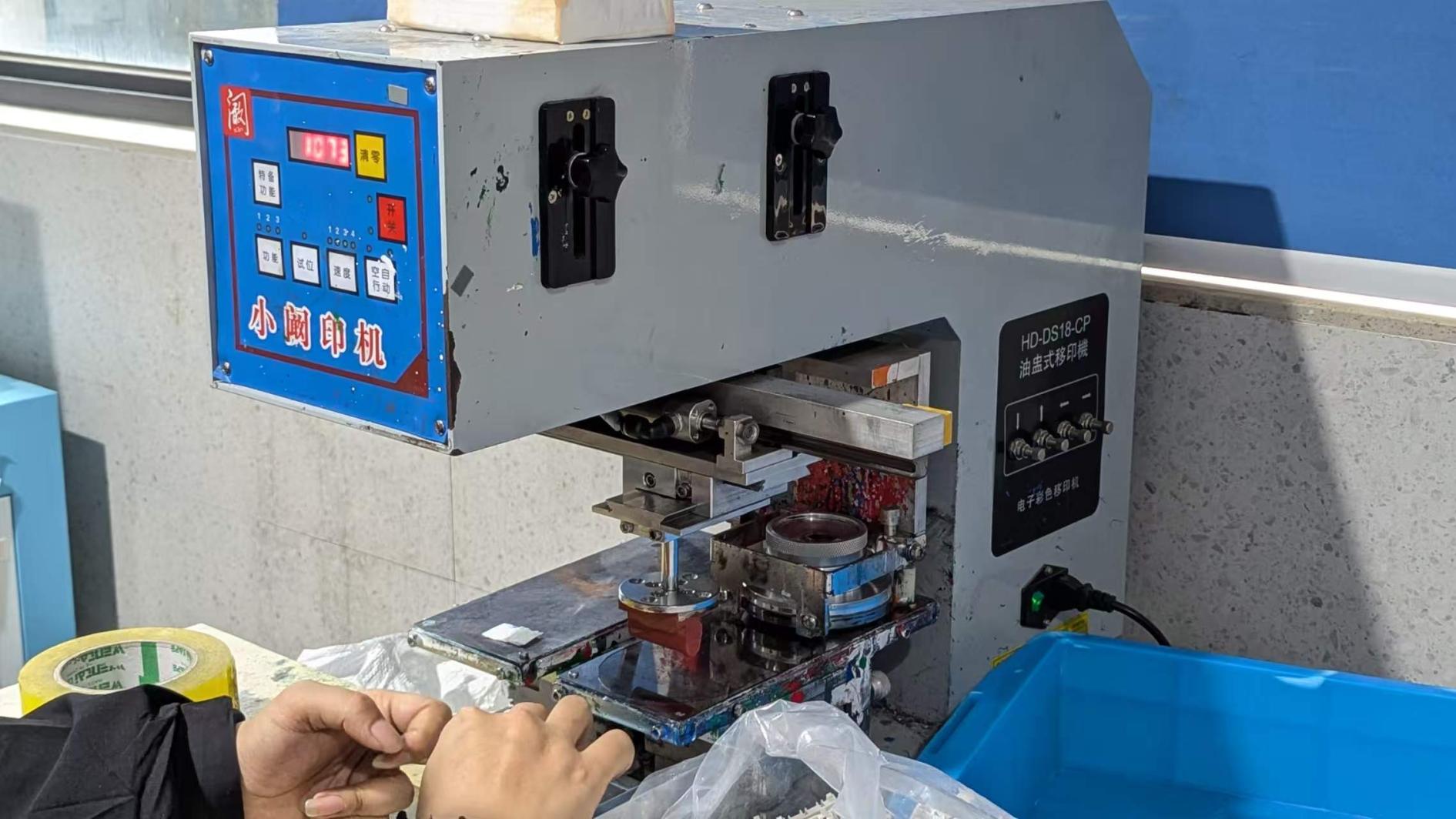
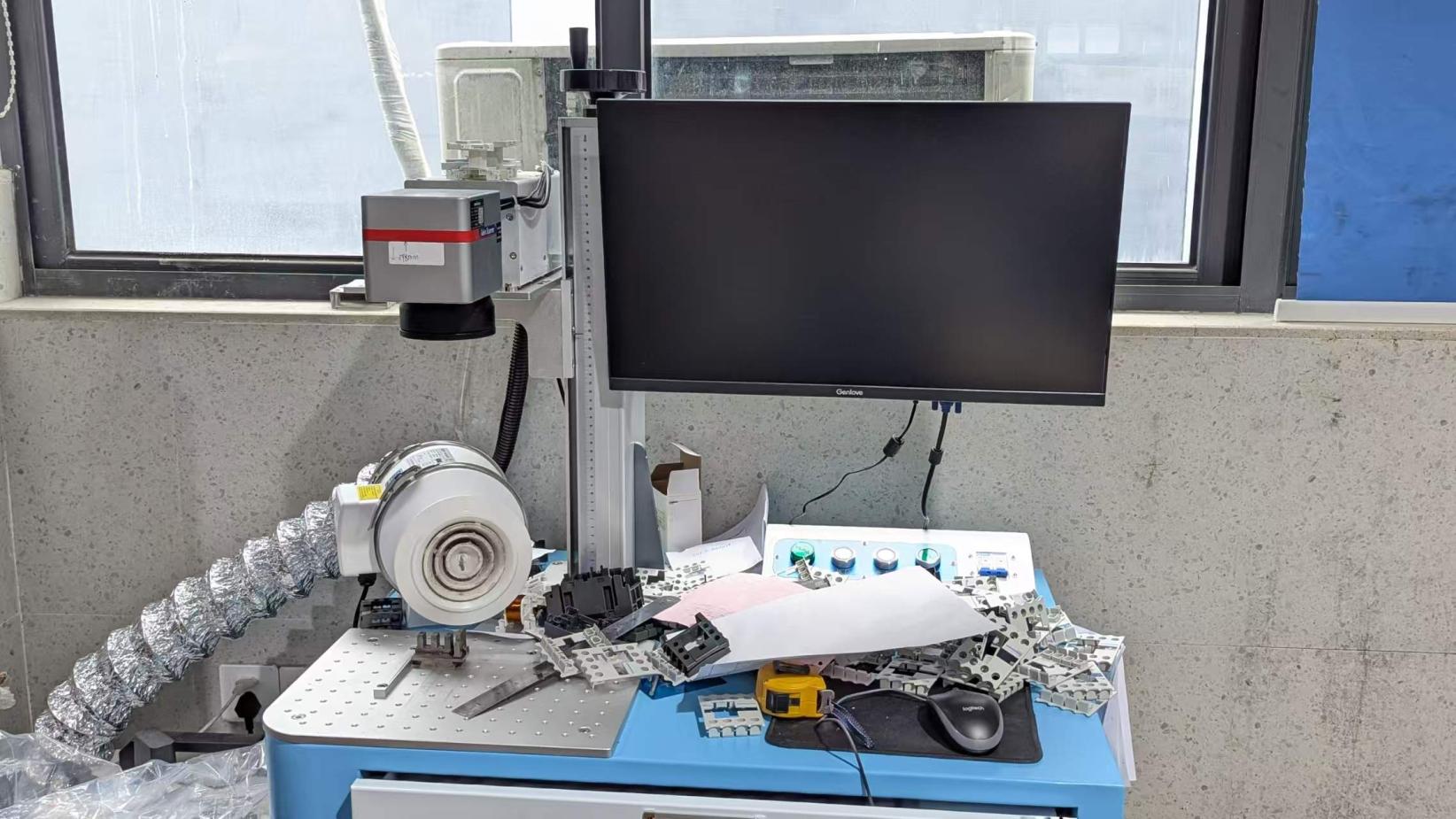
As micro-generation through solar PV installations and local high-load demand from Electric Vehicle (EV) chargers become standard in modern residential properties, consumer units must transition from passive boxes to intelligent, active grid participants.
The Wenzhou Bowser R&D team has charted a rigorous technical roadmap focused on integrating Smart IoT components into standard DIN configurations. This includes:
In low-voltage engineering, compliance is not an optional marketing badge; it is the boundary between safe operations and catastrophic failure. Wenzhou Bowser Electric Co., Ltd. ensures all consumer unit assemblies are fully aligned with major testing frameworks.
We boast full conformance certifications under CE, IEC 61439-3 (standards specifically governing low-voltage switchgear and distribution boards intended for ordinary persons), and RoHS directives. Backed by our extensive international distributor network, we extend a 5-year structural and operational warranty on our premium consumer unit enclosures and pre-fitted modular assemblies. Our support technicians are available 24/7 to provide local compliance support and customized wiring diagrams for electrical design engineers around the globe.
Our engineers answer the most frequent inquiries from project specification developers, consultants, and contractors.
The transition to metal enclosures (typically zintec steel or powder-coated steel) was driven by safety research into residential fires. Loose electrical connections at the main terminal isolator can create high-resistance paths, producing intense localized heat. Metal enclosures prevent containment breaches, containing any internal arc fire within the box and restricting oxygen access, preventing structural building fires.
A Dual RCD board splits the circuits across two residual current devices, meaning if a fault occurs on one bank, all associated circuits lose power. A High Integrity consumer unit features two RCDs but leaves additional independent ways. These independent ways are populated with individual RCBOs, isolating critical circuits (such as refrigerators, smoke alarms, or EV chargers) so that a fault elsewhere does not cause a critical system failure.
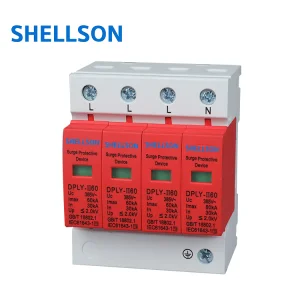
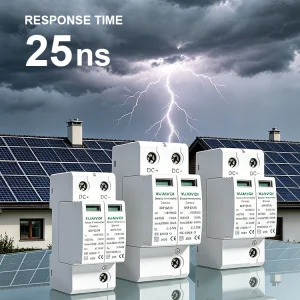
Under international standards (such as IEC 60364), SPDs are required when the consequences of an overvoltage affect human life, public services, commercial activity, or where a large number of sensitive electronic devices are connected. In modern homes filled with smart appliances, computers, and home automation, integrating a Type 2 SPD at the main busbar connection is considered standard best practice to prevent high-voltage spike damage.
While regulation varies, AFDDs are increasingly compulsory for high-risk residential units, including Houses in Multiple Occupation (HMOs), student accommodations, and care homes in jurisdictions complying with BS 7671 or European HD 60364-4-42. They detect micro-arcing across damaged cable cores that standard MCBs or RCDs are physically unable to detect.
For outdoor settings subjected to driving rain, dust, and temperature variations, a minimum of IP65 rating is required. The enclosures must also feature specialized seals, UV stabilization to prevent plastic embrittlement, and drain holes/breather valves to prevent internal condensation build-up.
Advanced switches, isolators, and arc detection equipment to expand and secure modern distribution systems.