Bowser Electric
Bowser Electric
Bowser Electric
Explore our premium range of circuit breakers, distribution systems, and surge protective devices engineered to global standards.
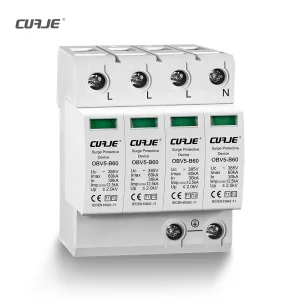
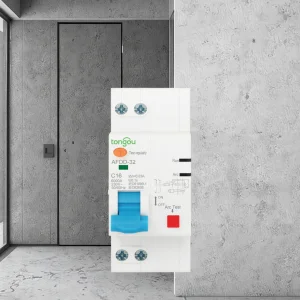
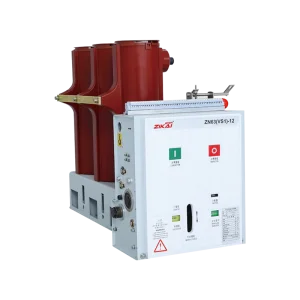
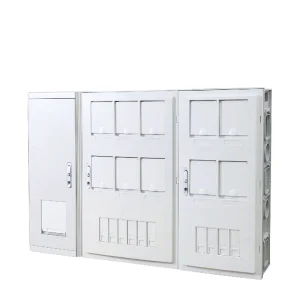
Wenzhou Bowser Electric Co., Ltd. stands at the forefront of the global low-voltage and medium-voltage electrical manufacturing sector. As a specialized developer, manufacturer, and high-volume exporter, our operational focus centers on modular electric terminal devices, industrial lightning and surge protective devices, and intelligent grid solutions. We combine advanced research with stringent quality criteria to construct robust equipment trusted across industrial networks.
Through our dedicated engineering approach, Bowser Electric has cultivated active supply relationships in residential, commercial, and industrial markets worldwide. By providing custom OEM and ODM solutions, we resolve structural protection challenges for diverse environmental and system requirements.
"Engineering safety is not merely about standard compliance; it is about anticipating system fluctuations under extreme transient overvoltage environments."
Through rigorous investment in technology and compliance pathways, we ensure stable performance in over 120 countries.
An in-depth look at transient overvoltage challenges, renewable grid integrations, and structural safety mandates across continents.
In modern industrial systems, lightning and transient overvoltage events present persistent risks to capital assets, automation systems, and critical operations. The growth of industrial automation, combined with the scaling of smart-grid infrastructure, demands reliable Surge Protective Devices (SPDs). Transient surges, arising from external atmospheric discharges or internal inductive switching events, can rapidly degrade silicon components, disrupt data communications, and cause catastrophic downtime.
According to industrial risk assessments, over 30% of unplanned electrical failures are directly linked to transient overvoltages. As industrial facilities transition to intelligent manufacturing systems under the Industry 4.0 framework, the sensitivity of control systems to voltage spikes has increased exponentially. Consequently, surge mitigation is no longer an optional safety measure but a core component of system design and reliability protocols.
The global shift toward renewable energy and electrified transport is reshaping surge protection engineering:
Designed to discharge high-energy lightning currents characterized by a 10/350 μs waveform. Positioned at main service entrance panels to manage direct atmospheric discharges.
Designed to limit transient overvoltages induced by lightning currents or internal switching events characterized by an 8/20 μs waveform. Installed at sub-distribution boards.
Exploring the engineering pathways of Metal Oxide Varistors (MOV), Gas Discharge Tubes (GDT), and safety coordination.
The development of surge protection systems is shifting toward integrated diagnostic capabilities, higher thermal stability, and coordinated multi-stage topologies. As a top exporter, Wenzhou Bowser Electric aligns its development roadmap with international IEC and UL standards.
Modern SPDs utilize high-capacity Metal Oxide Varistors (MOVs) paired with Gas Discharge Tubes (GDTs) to deliver rapid clamping speeds and low leakage currents. When selecting protection components, system designers focus on key electrical characteristics:
Through our dedicated 35+ member R&D team, Bowser Electric tests products against strict quality baselines. Holding international certificates such as CE and operating under ISO 9001 quality management systems, our manufacturing facility achieves a 99.9% defect-free rate. Each manufacturing step, from raw component inspection to high-voltage impulse testing, is tracked to ensure compliance with IEC 61643-11 (for low-voltage power systems) and EN 50539-11 (for photovoltaic installations).
Custom-tailored protection schemes for major global industries, ensuring zero interruption and equipment longevity.
Complete low-voltage power distribution protection using coordinated MCCBs and Class I+II SPDs. Ideal for office buildings, manufacturing plants, and heavy-duty industrial complexes requiring continuous uptime.
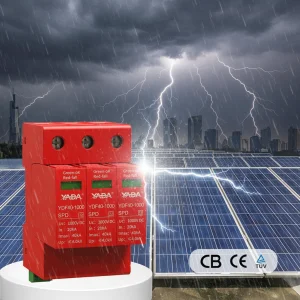
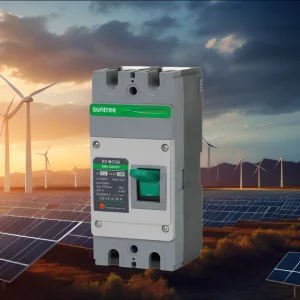
Tailored DC protection systems designed to handle up to 1200V DC. Using specialized solar SPDs and DC MCCBs, these systems defend inverter networks, combiner boxes, and DC strings from atmospheric lightning strikes.
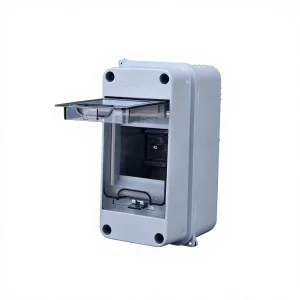
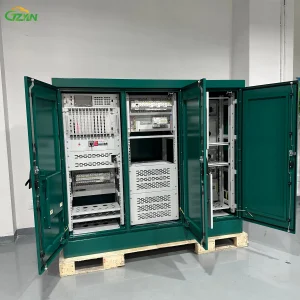
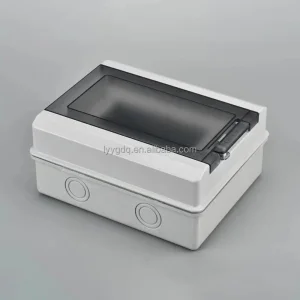
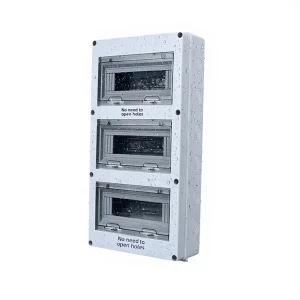
IP65 waterproof outdoor distribution solutions fitted with integrated surge protection and miniature circuit breakers. Designed for charging stations and public transport charging facilities.
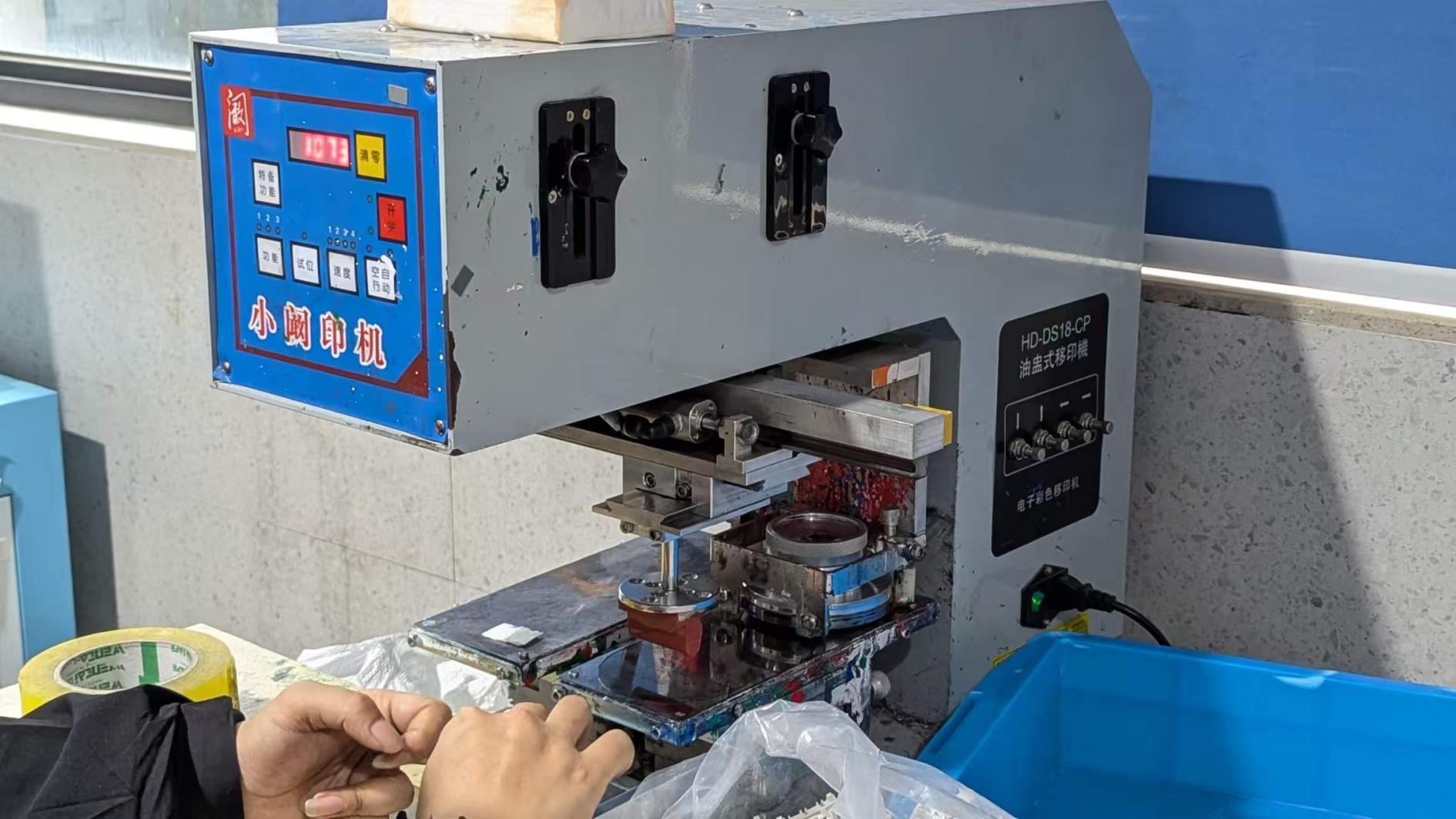
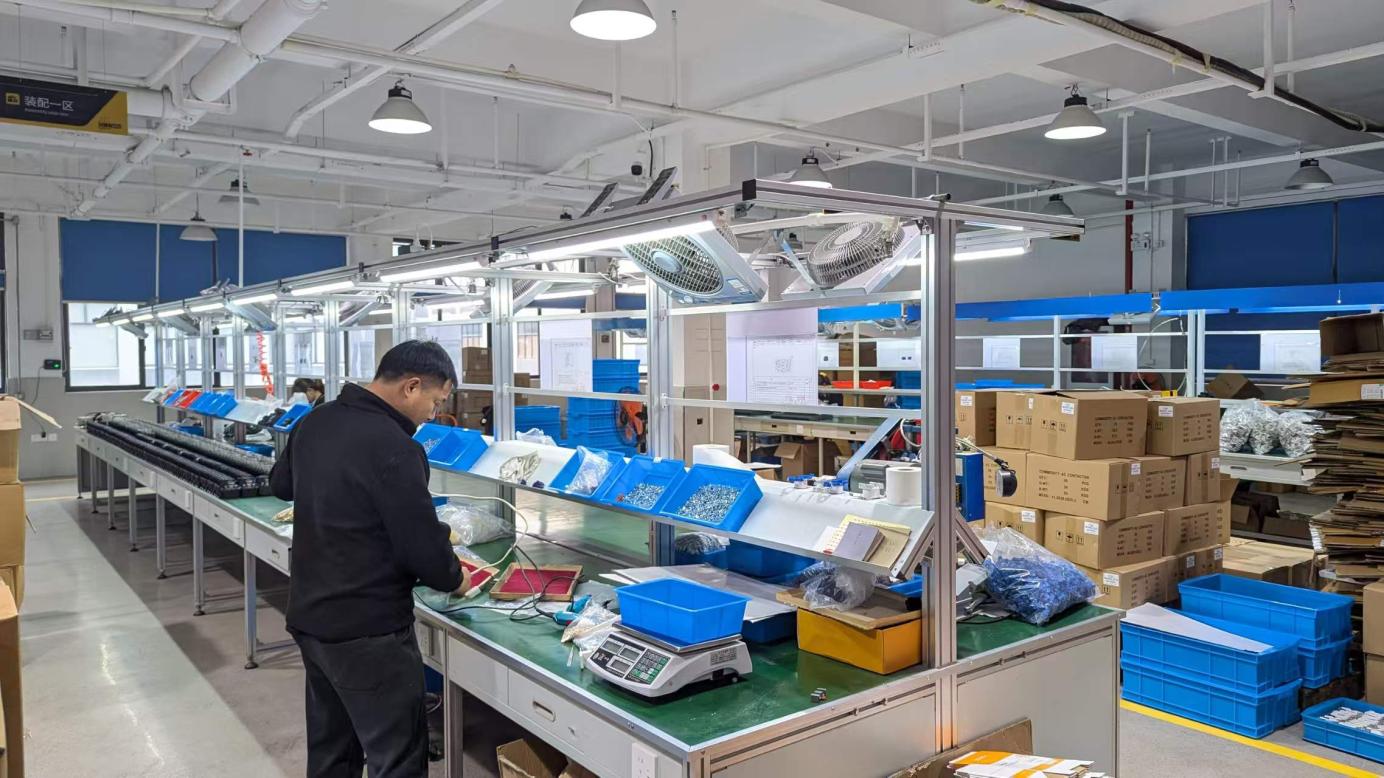
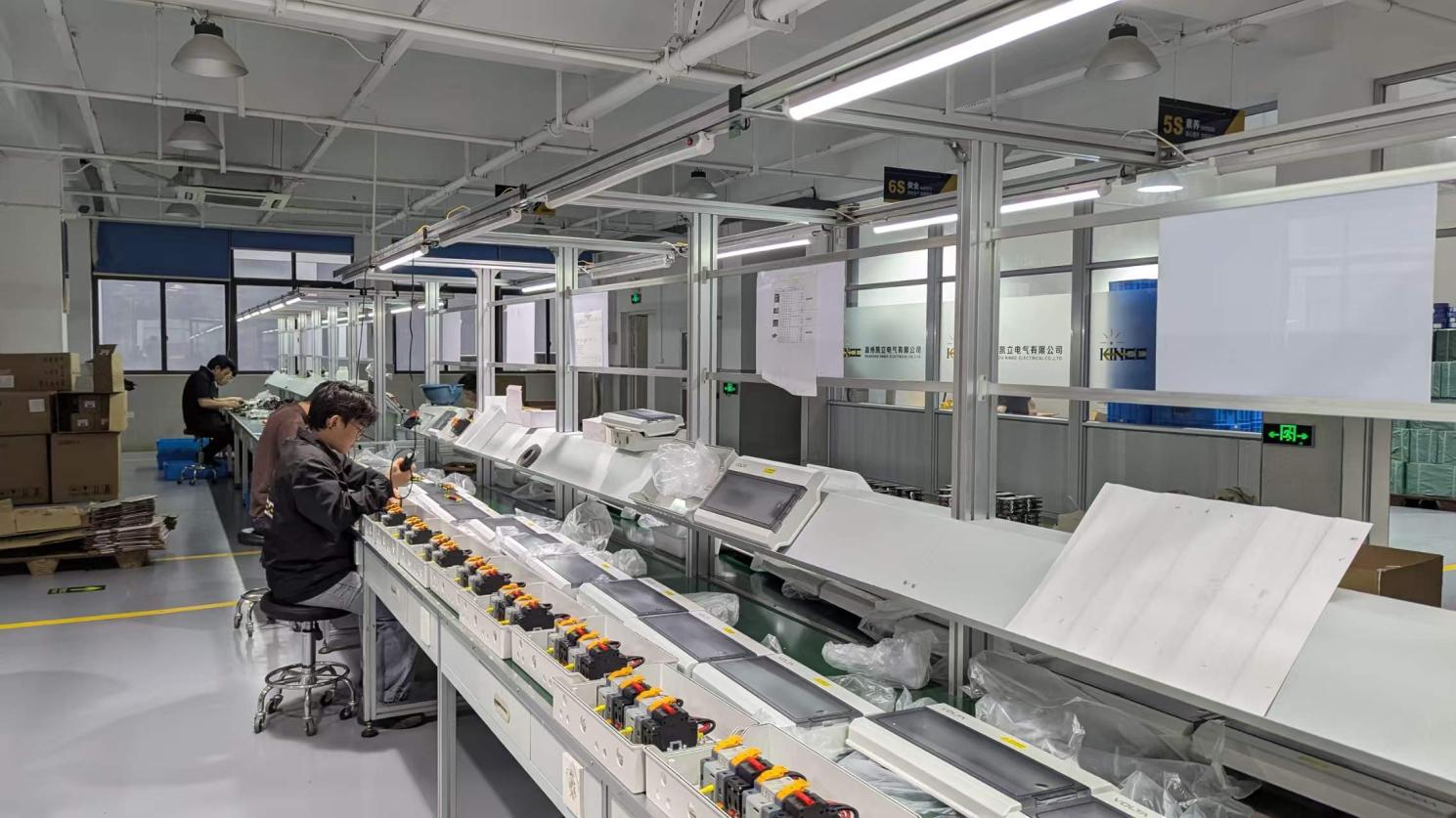
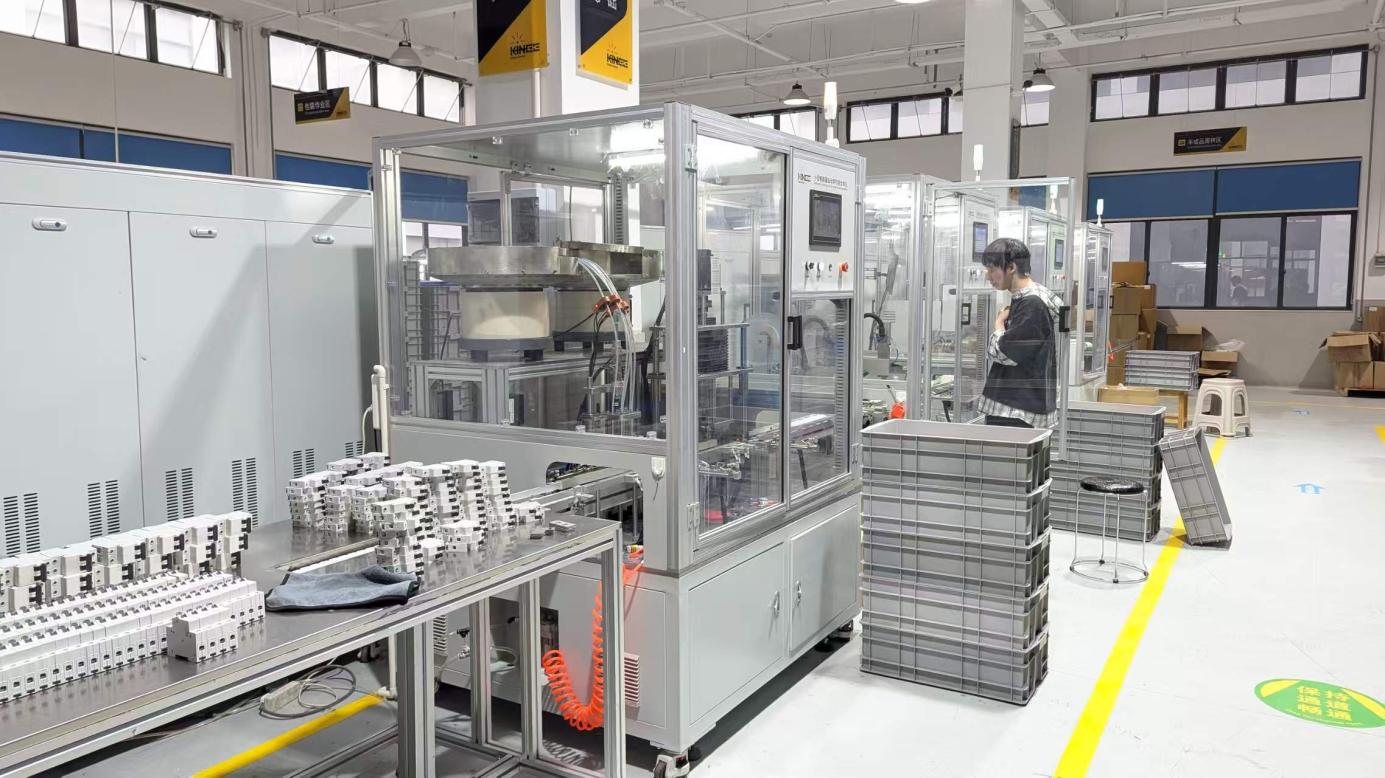
A transparent view of Bowser Electric's ISO 9001 certified production lines, showing our end-to-end quality control and manufacturing processes.
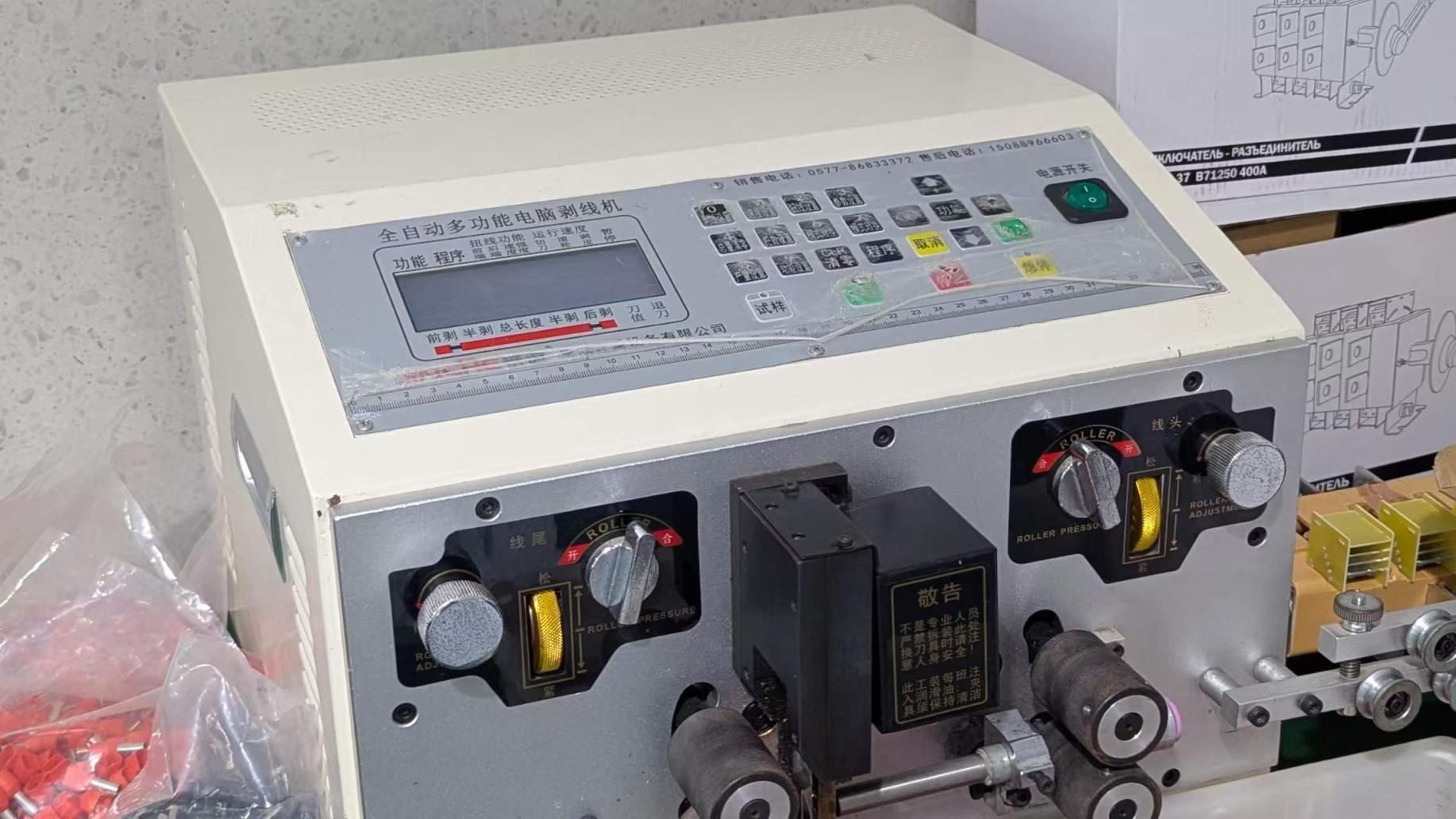
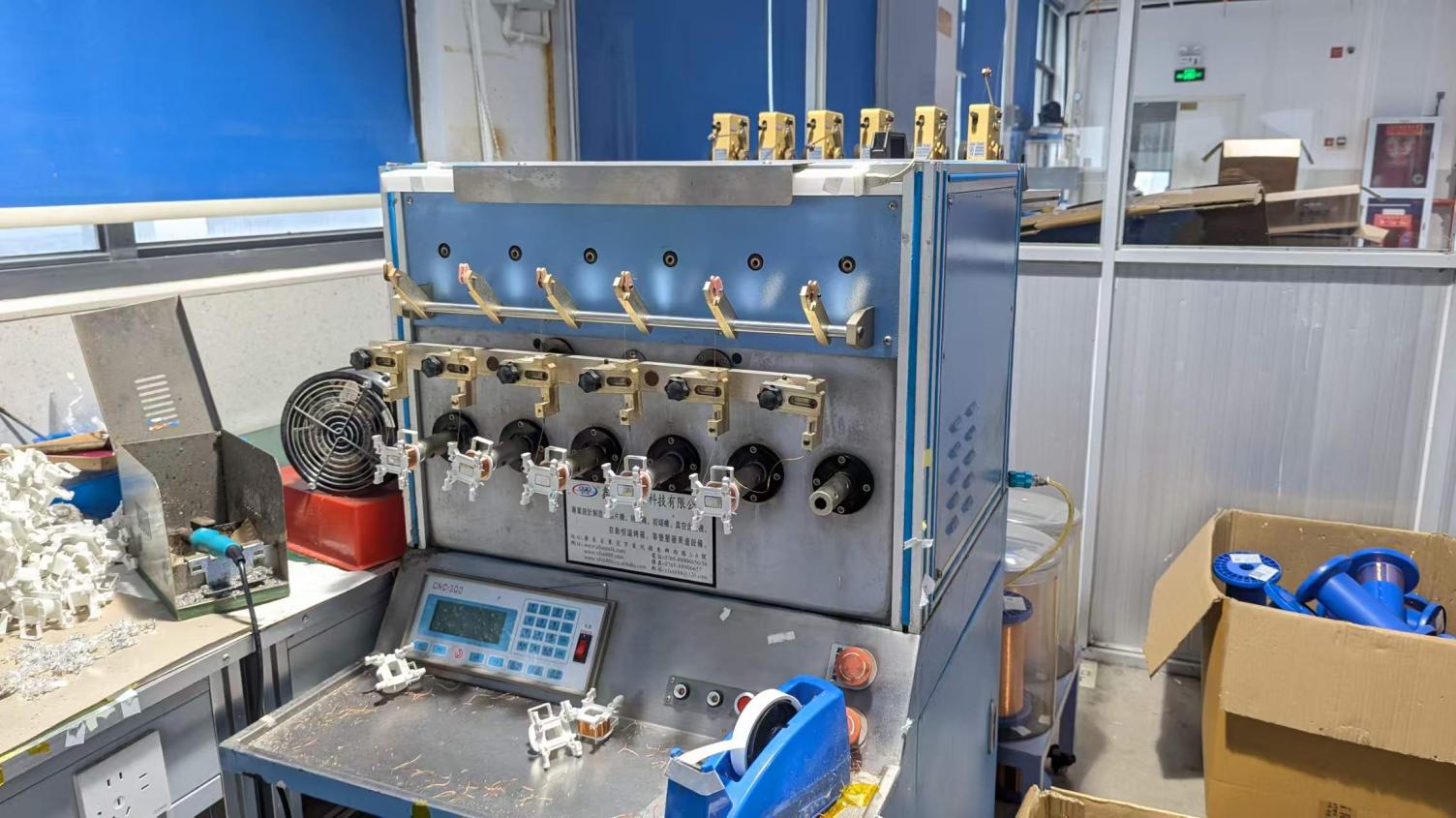
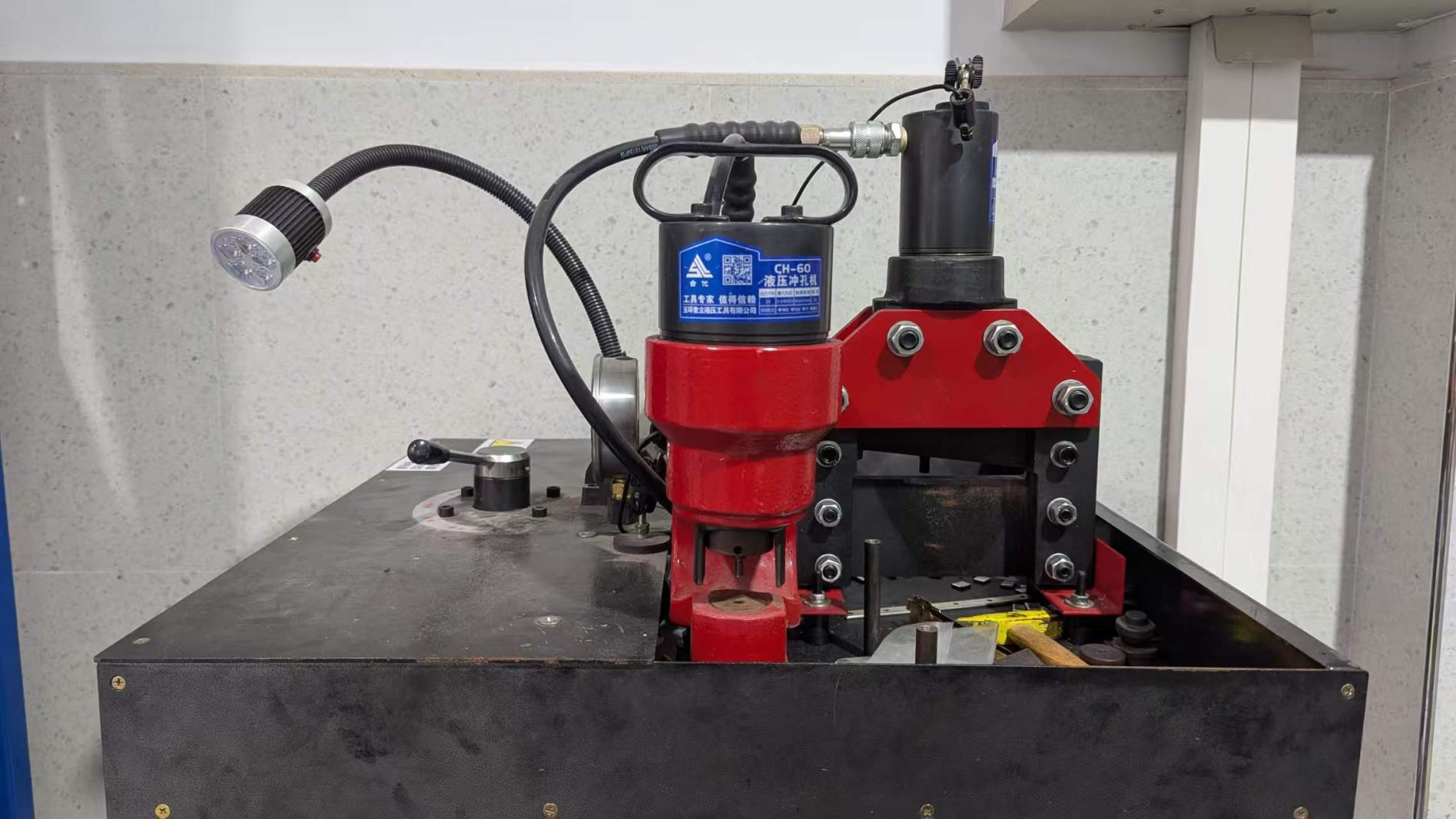
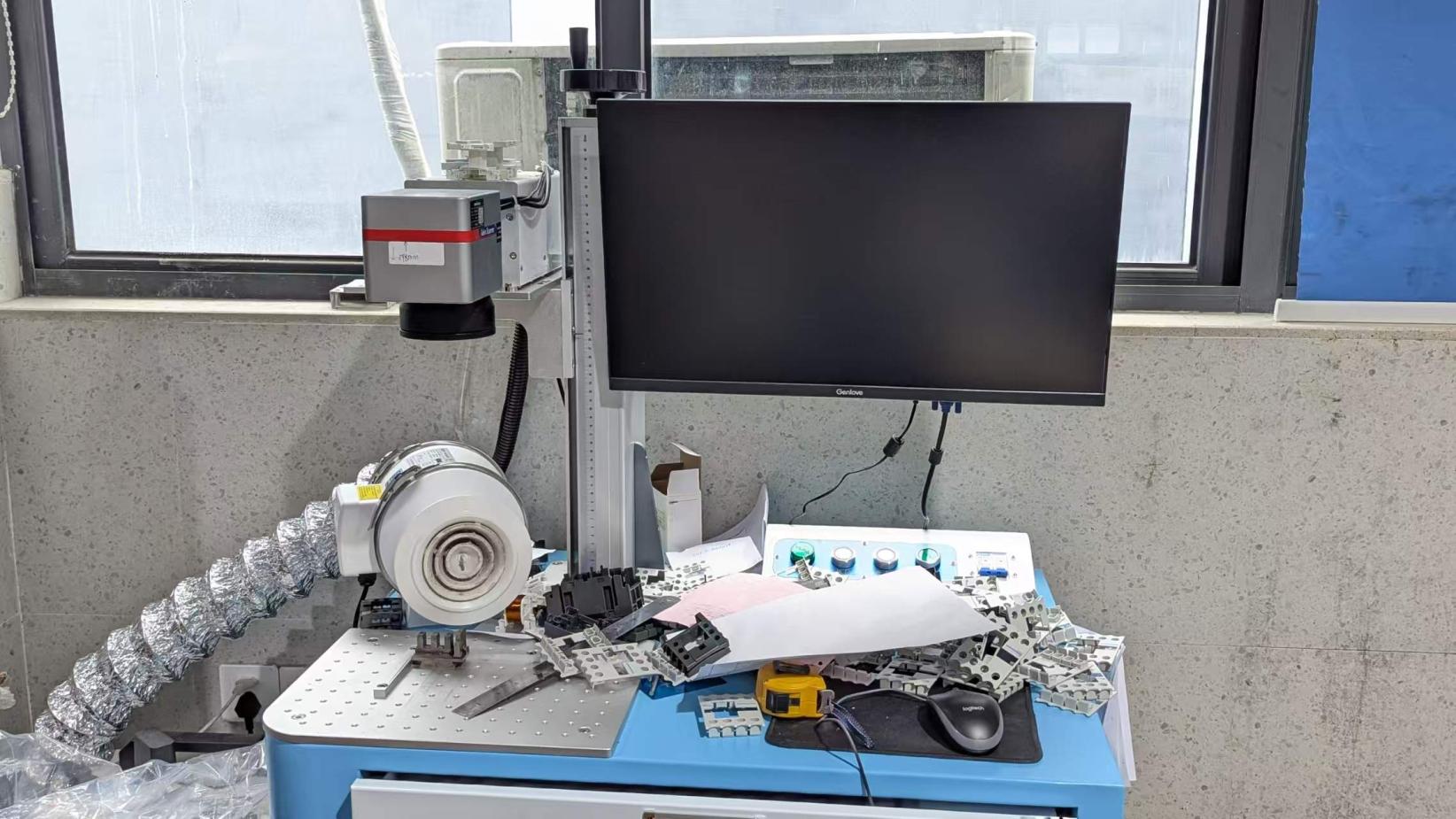
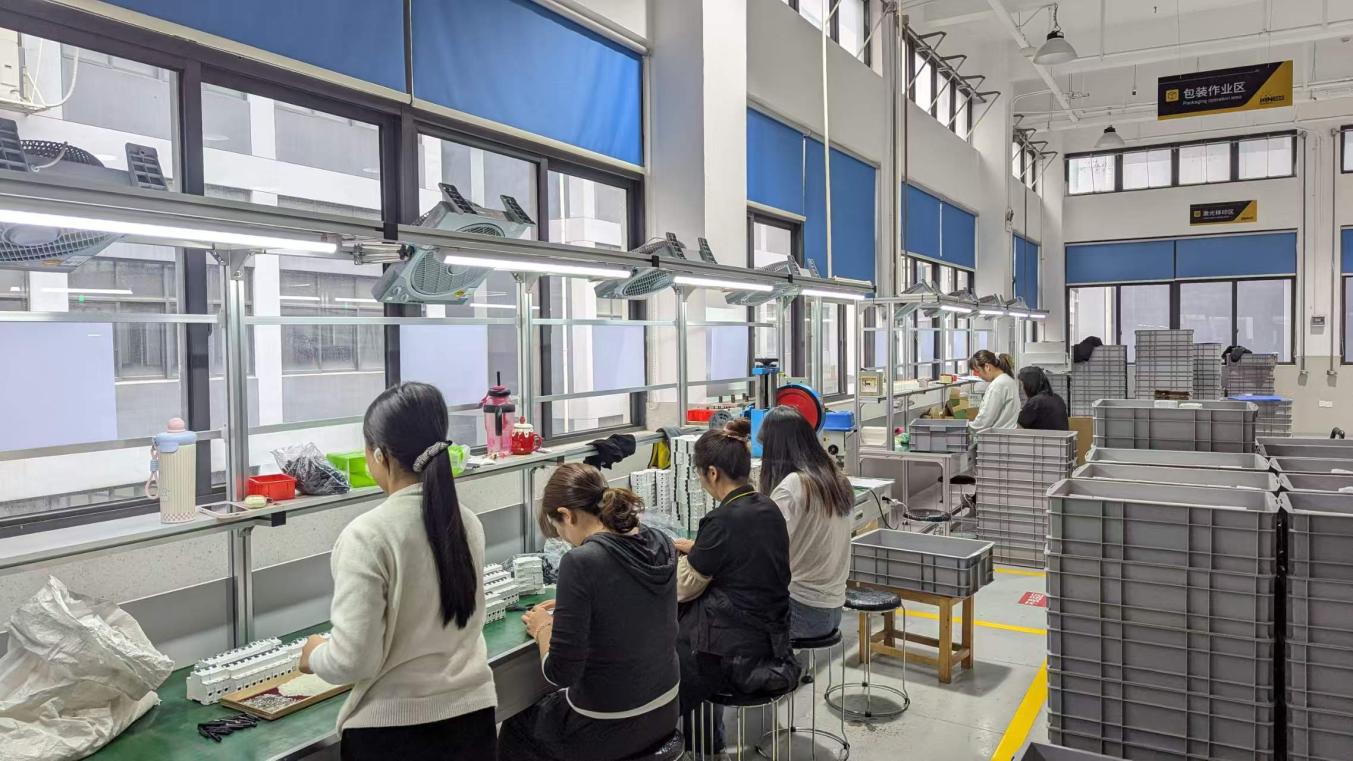
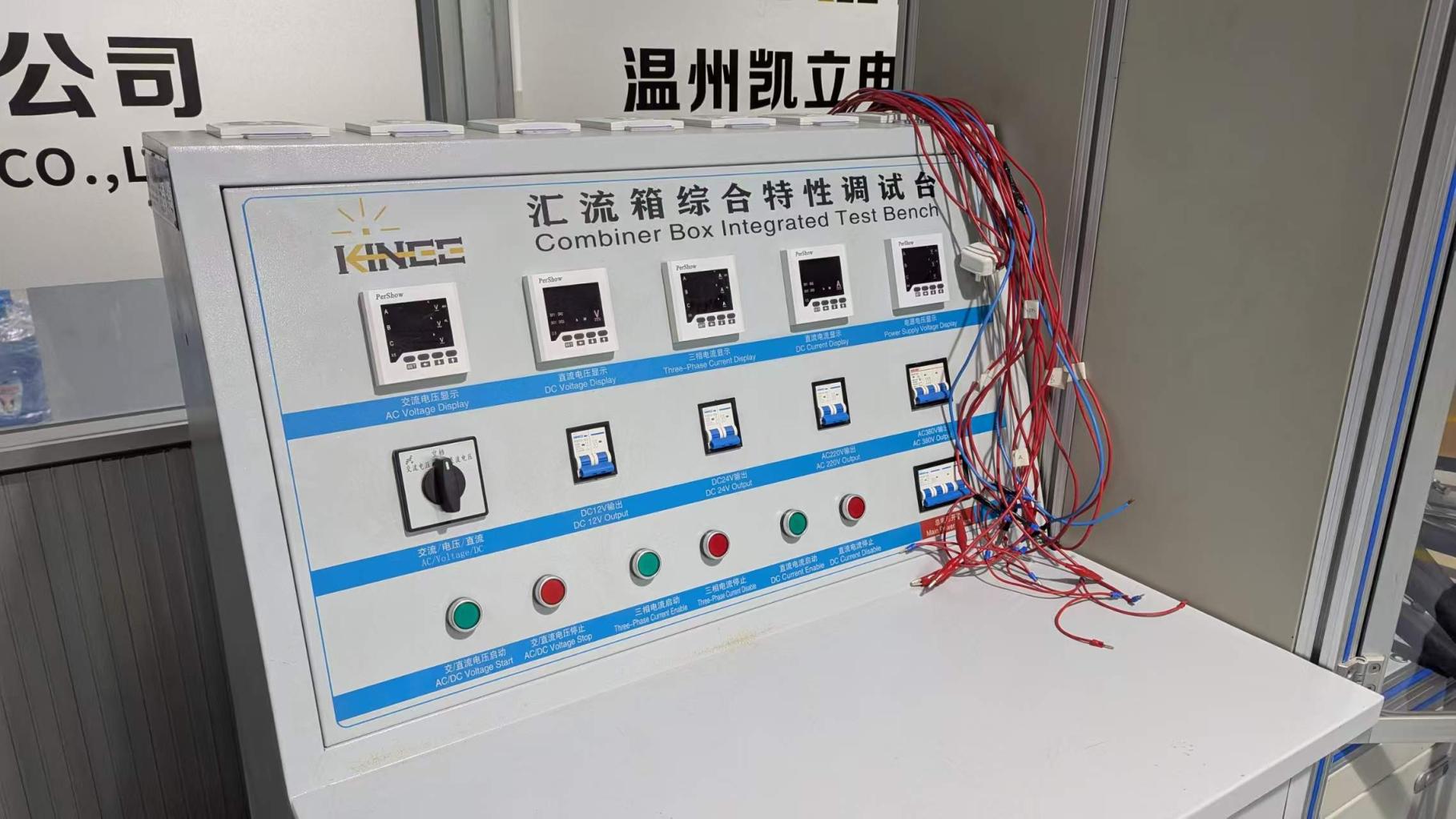
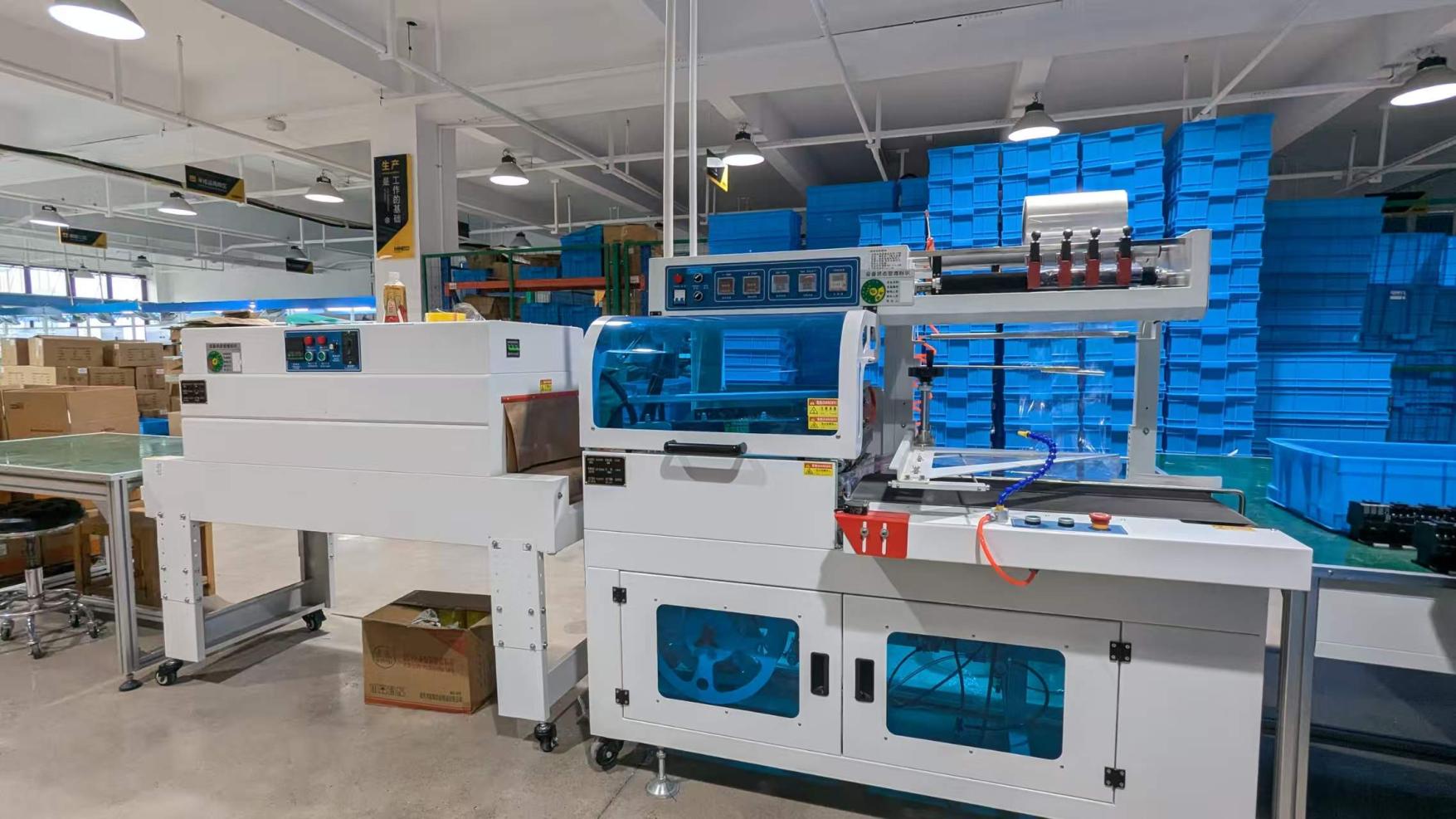
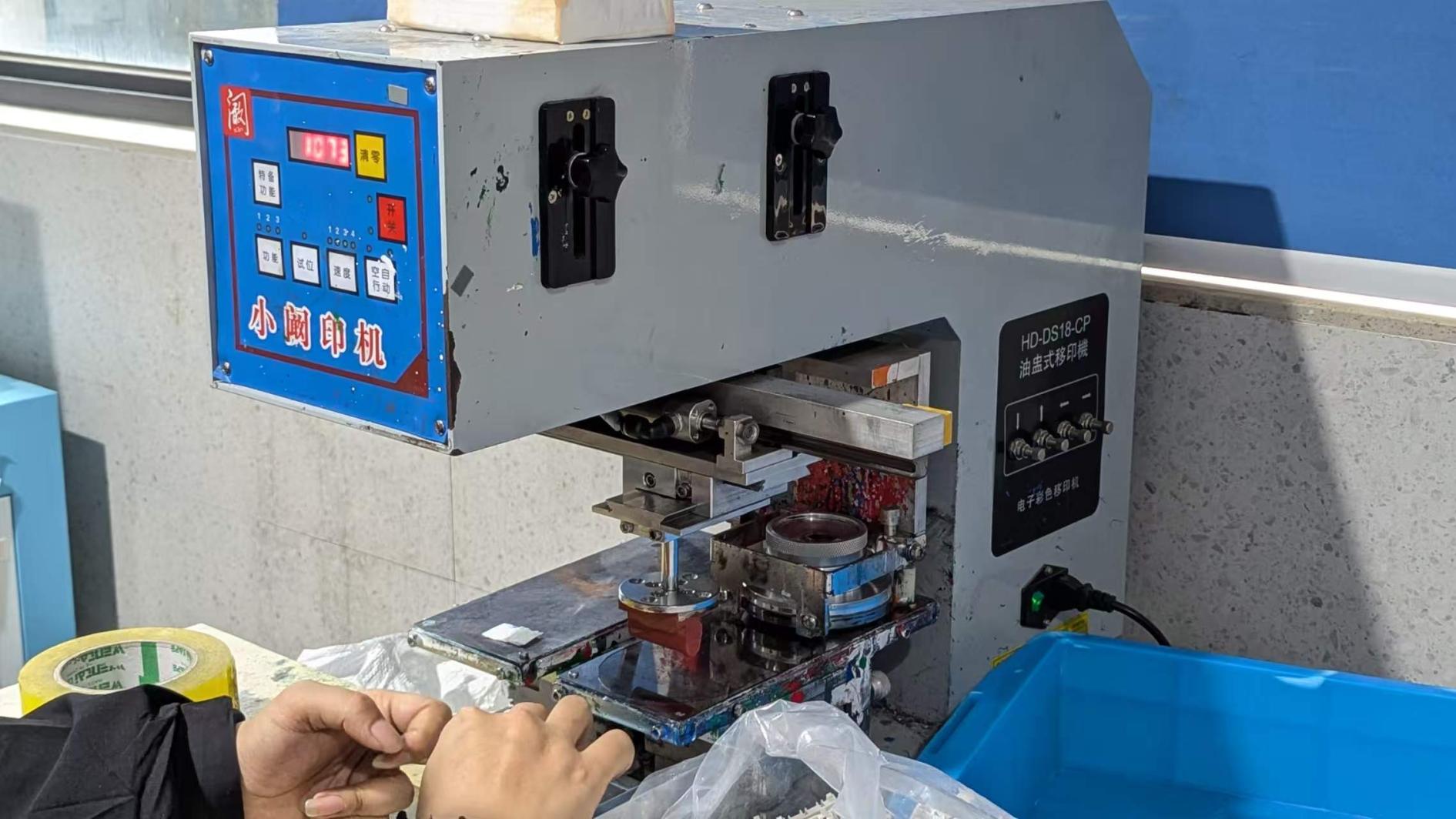
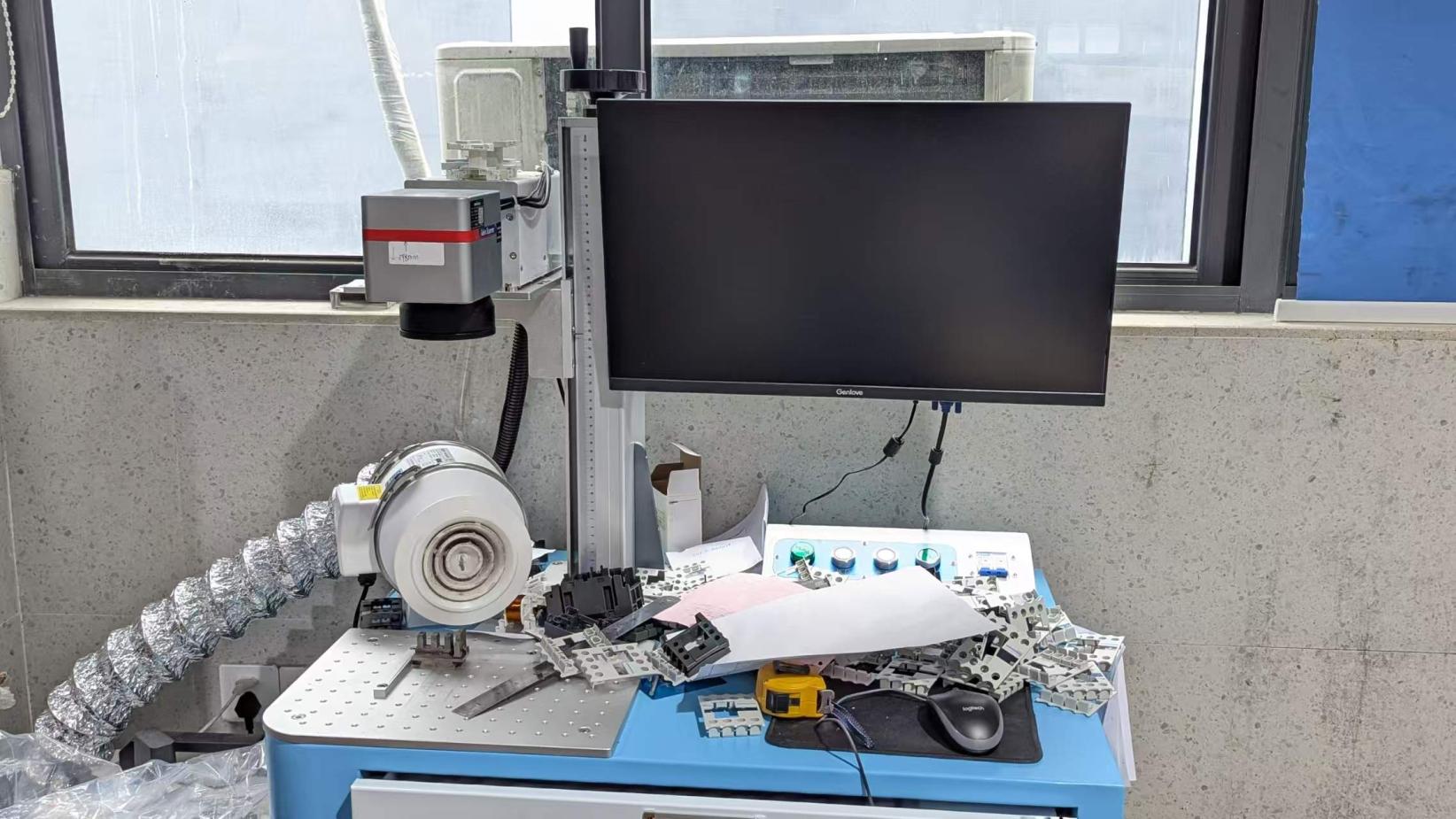
Critical engineering questions answered by Wenzhou Bowser Electric's senior technical advisory board.
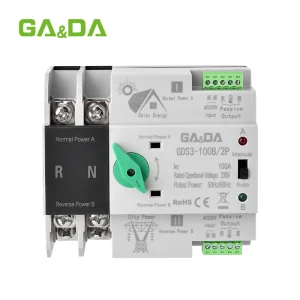
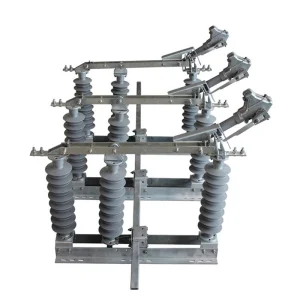
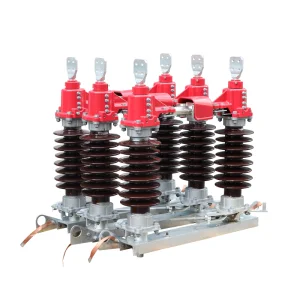
Complete your electrical safety designs with our field-tested isolator switches, solar protective devices, and outdoor enclosures.
Partner with China's leading SPD manufacturer for stable, high-performance OEM & ODM solutions. Reach out to our engineering support team for detailed specifications and project quotations.
Contact Us Today to discover how Wenzhou Bowser Electric Co., Ltd. can power your world with safe, reliable, and innovative electrical solutions.
Contact Engineering Support