Bowser Electric
Bowser Electric
Bowser Electric
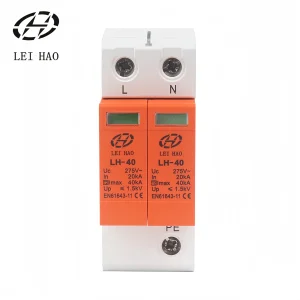
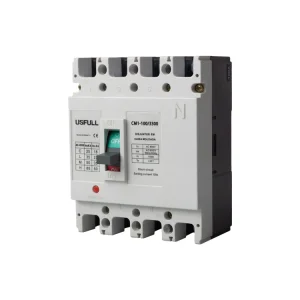
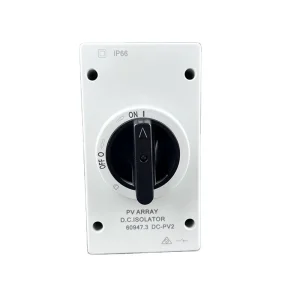
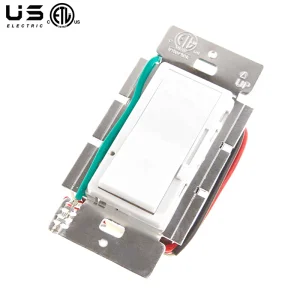
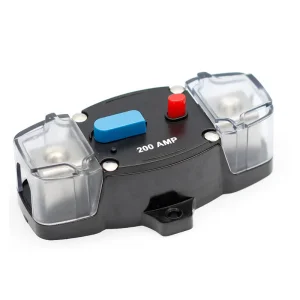
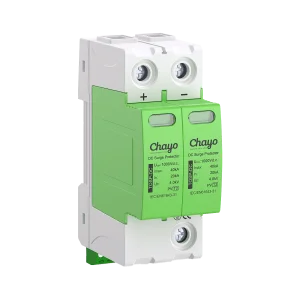
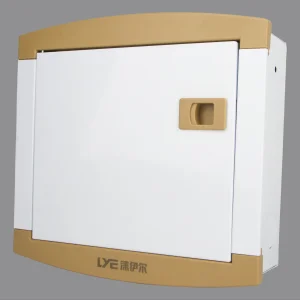
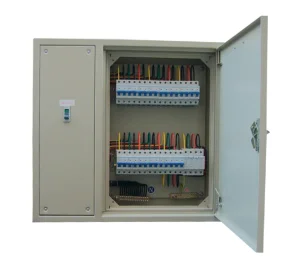
Welcome to Wenzhou Bowser Electric Co., Ltd., a leading force in the electrical industry renowned for innovation, reliability, and an unwavering commitment to excellence. As a specialized manufacturer and exporter, we focus on providing high-quality modular electric terminal devices, household electrical solutions, and industrial electrical components. With a strong emphasis on technology, safety, and customer satisfaction, Bowser Electric has established itself as a trusted partner for clients around the world.
Our company operates at the intersection of traditional electrical reliability and modern smart grid advancements. By leveraging sophisticated design methodologies and robust production infrastructure, we provide the global supply chain with unmatched scalability and reliability.
In modern power distribution networks and heavy industrial systems, three-phase AC contactors are critical control elements. These electromagnetic switching devices safely connect and disconnect high-power electric motors, heating banks, lighting systems, and capacitor grids. Global demand has surged, driven by rapid industrialization, grid modernization, and the explosive growth of renewable energy technologies.
Procurement engineers and EPC (Engineering, Procurement, and Construction) contractors look beyond simple unit costs. Their focus is on operational longevity, electrical wear endurance (AC-3/AC-4 switching cycles), thermal efficiency, and overall reliability under harsh conditions. A high-performance three-phase contactor acts as a safeguard against electrical faults, minimizing downtime and protecting investments in heavy rotating equipment.
Current macroeconomic dynamics require robust sourcing models. Large enterprises rely on a combination of tier-1 manufacturers and agile OEM/ODM exporters to balance supply chain risks. Factories that combine vertical integration (in-house winding, punching, and assembly) with rigorous quality controls are highly valued. This setup ensures consistent lead times and compliance with changing global trade frameworks.
Three-phase contactors are not stand-alone components; they are core parts of integrated motor control centers (MCCs), distribution switchboards, and smart control panels. As industrial ecosystems adopt digital operations, contactors must seamlessly integrate with protection units, variables speed drives (VSDs), and programmable logic controllers (PLCs).
1. Renewable Energy Systems: Standard AC contactors are adapted for solar PV inverters and wind turbine control networks. In these setups, they manage isolation duties, handling dynamic grid feedback and voltage swings.
2. Heavy Machinery and Infrastructure: From mining conveyors to high-capacity HVAC chillers, contactors provide reliable starting and braking control. Under AC-3 and AC-4 switching duties, they manage locked-rotor currents up to six to eight times the rated operational current.
3. Smart Factory Automation: Contactors work alongside programmable logic control systems. They provide dry-contact feedback from auxiliary switches, giving central SCADA systems real-time status updates on load states.
The low-voltage electrical apparatus industry is moving towards digitalization, miniaturization, and green materials. Traditional electromechanical contactors are evolving to keep pace with changing grid demands.
Modern three-phase contactors increasingly feature electronic coil controllers. These hybrid systems accept both AC and DC control voltages over wide ranges (e.g., 100V-250V AC/DC). This reduces power consumption in the sealed state, eliminates coil hum, and prevents contacts from welding during brief line voltage sags.
Predictive maintenance is essential in smart factories. Future technical roadmaps place current sensors, temperature nodes, and wear indicators inside the contactor housing. By measuring contact resistance and temperature rises, these smart contactors alert plant operators to potential failure risks before critical failures happen.
In line with RoHS and REACH regulations, manufacturers are moving away from hazardous materials. Contact alloys are transitioning from cadmium-containing formulations to silver-tin-oxide (AgSnO2) matrixes. This choice offers high arc-erosion resistance while remaining environmentally safe.
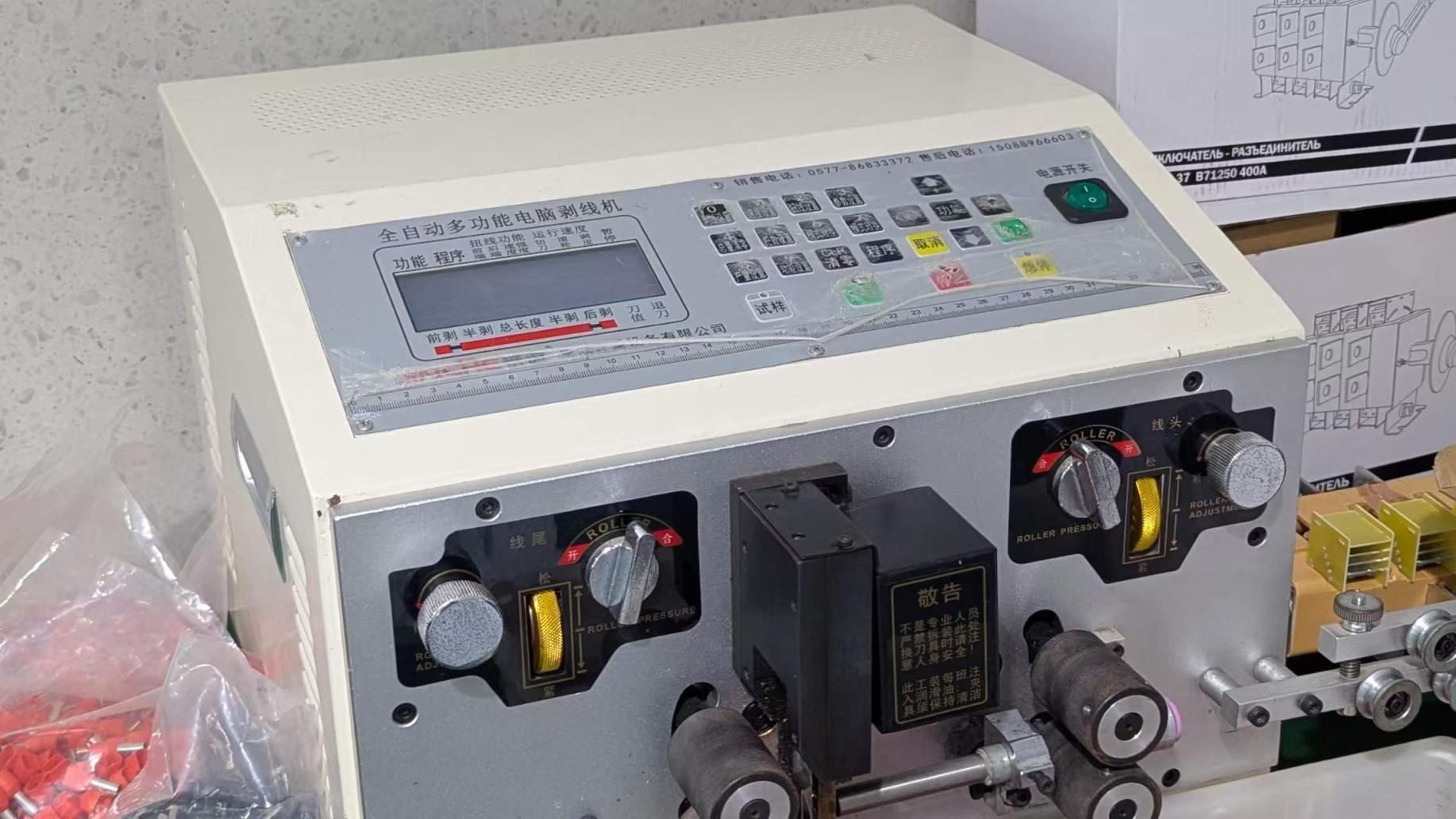
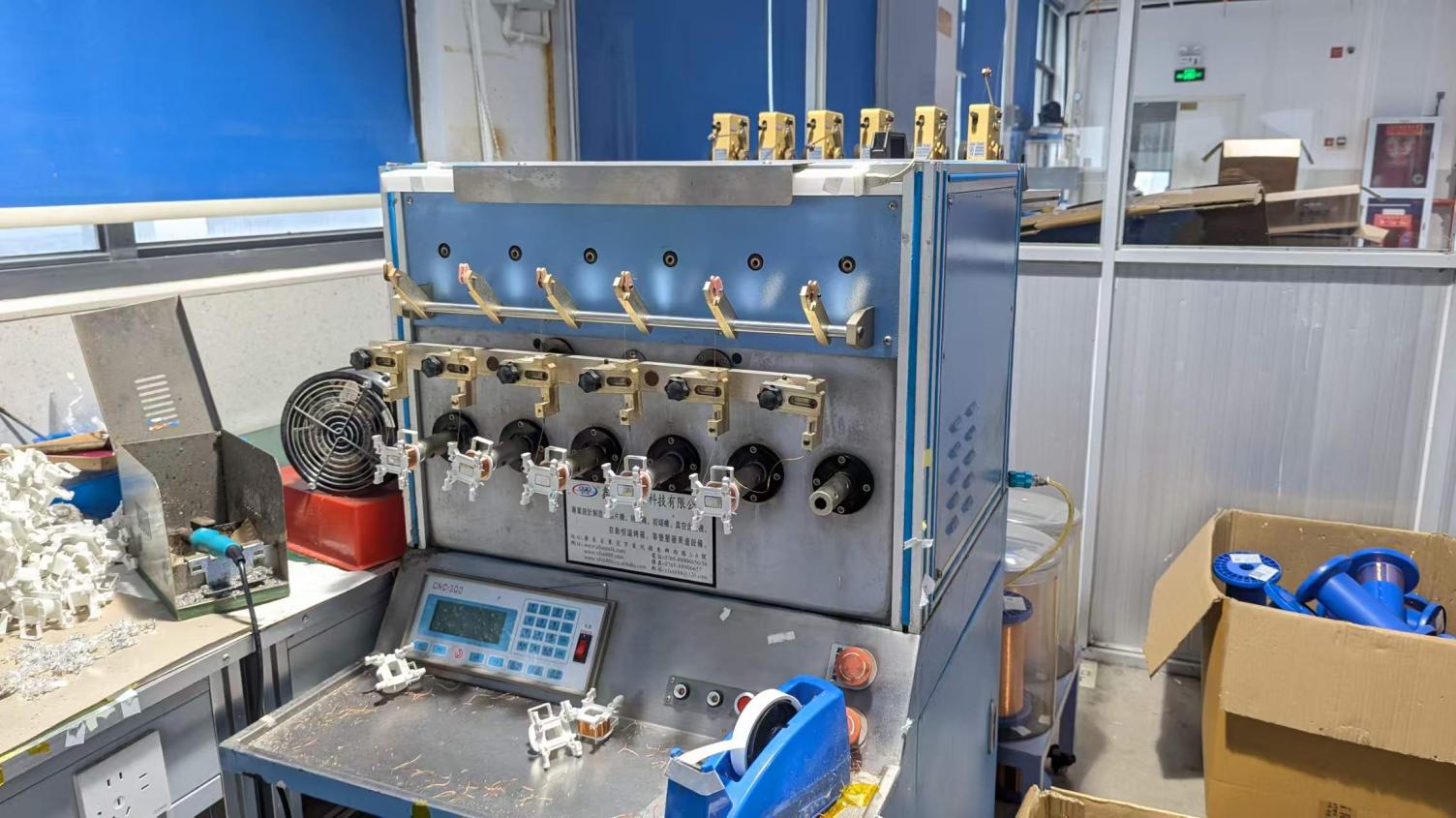
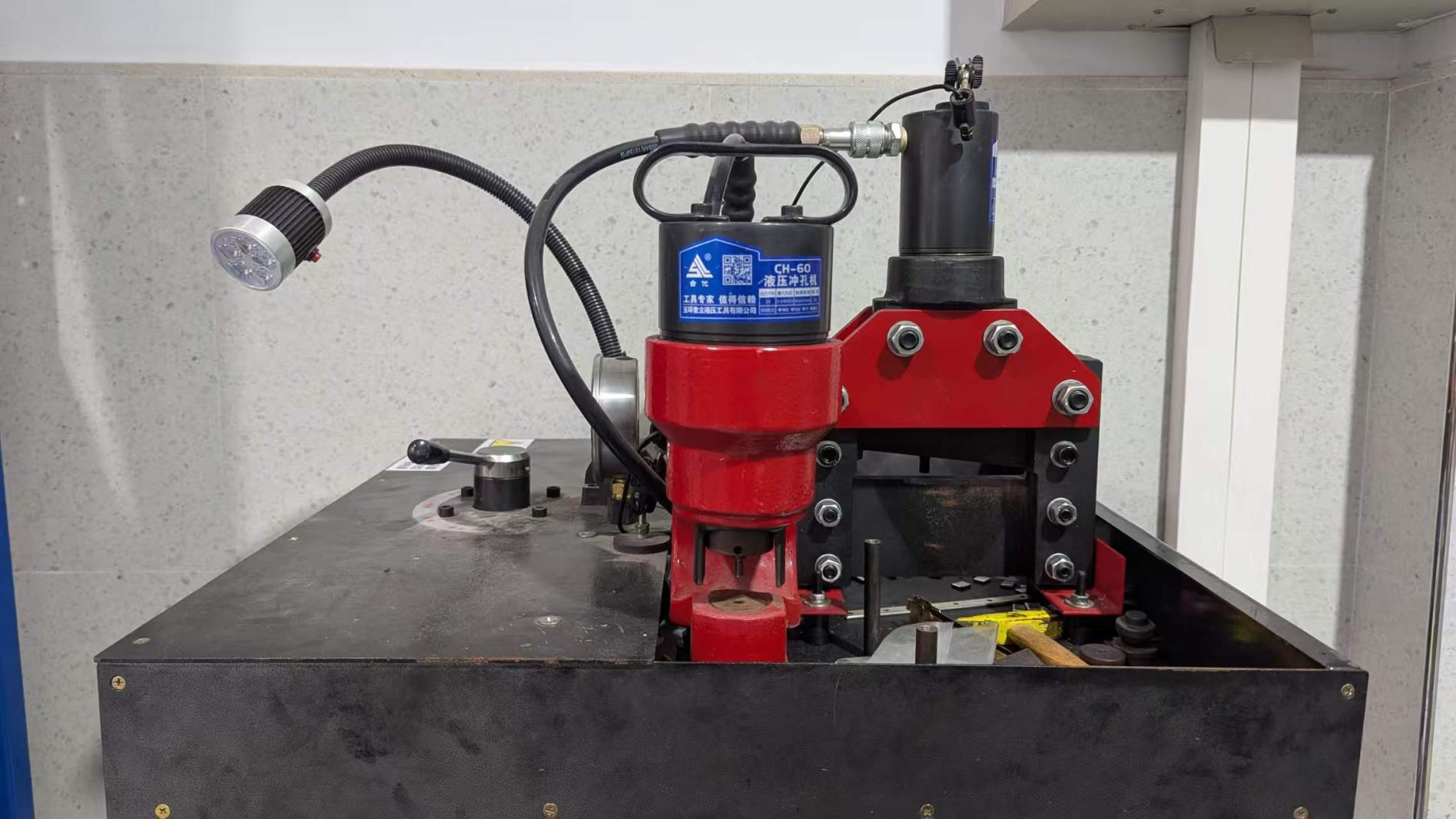
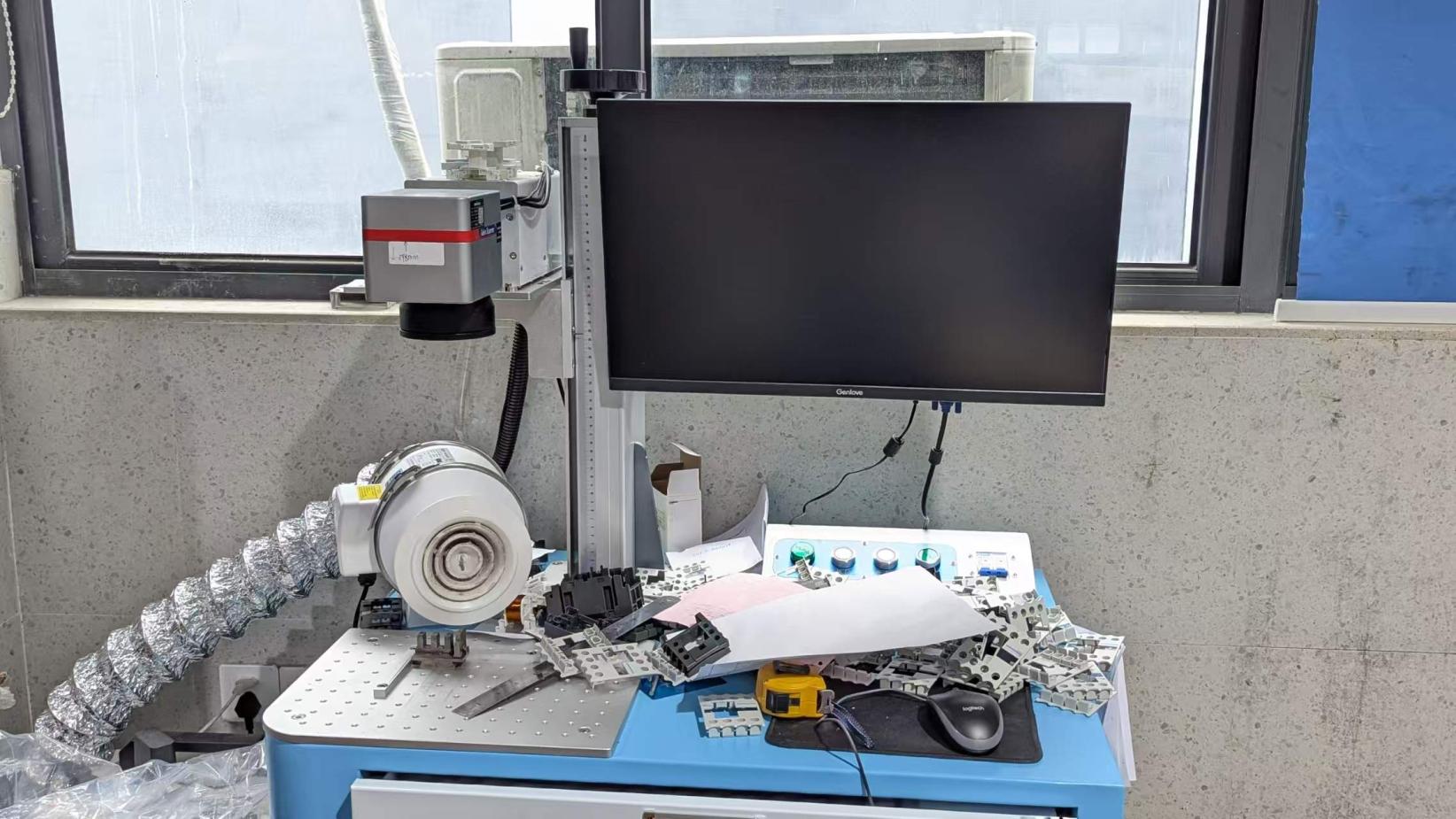
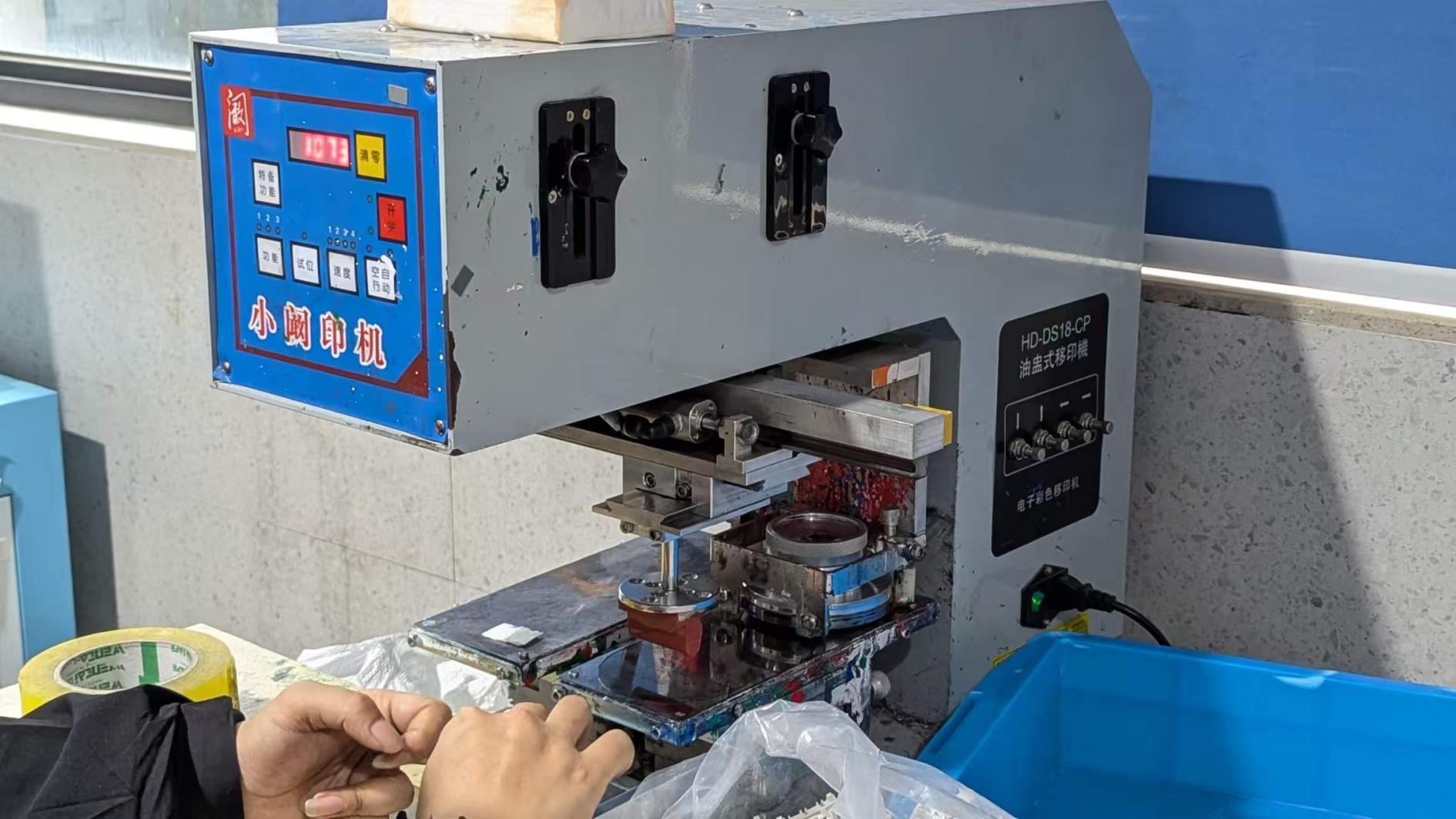
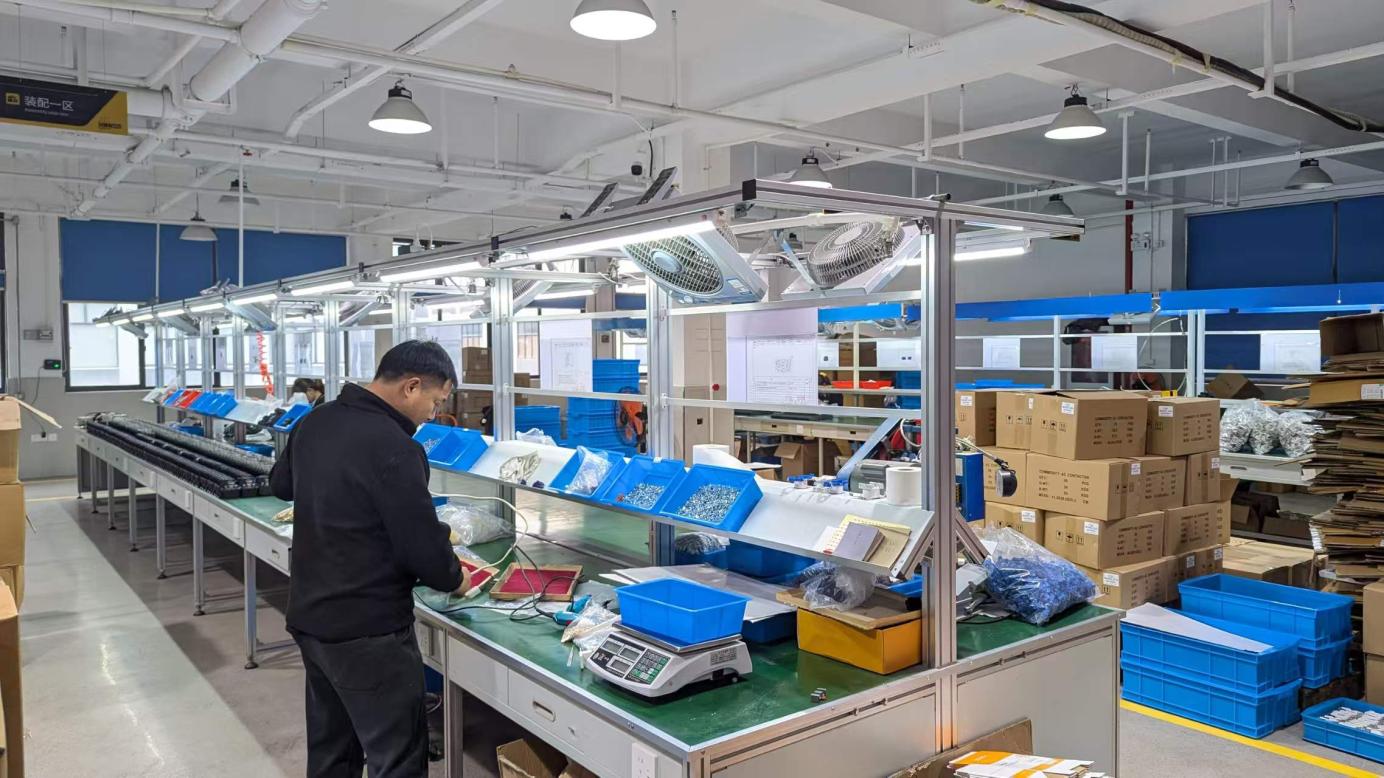
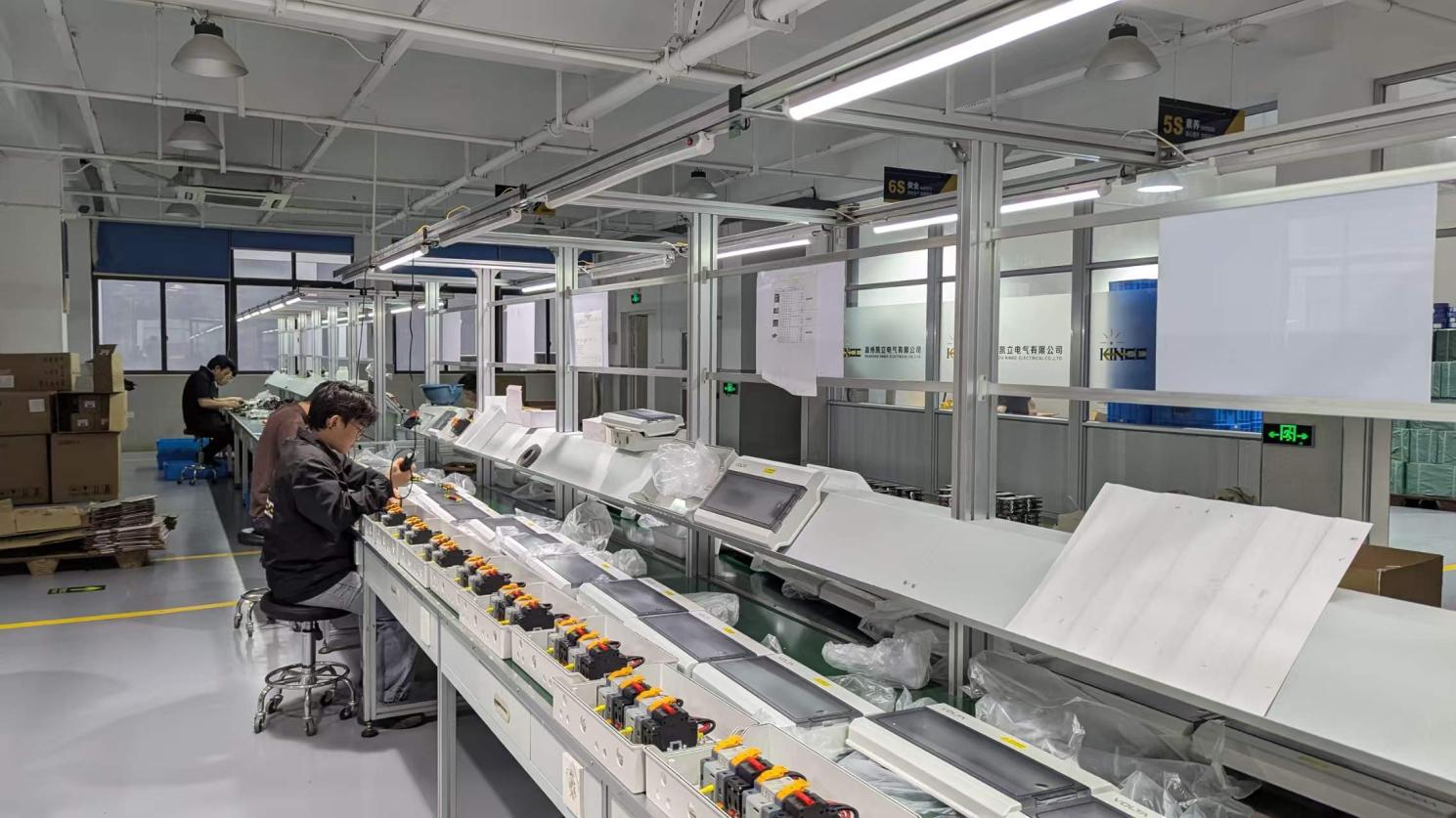
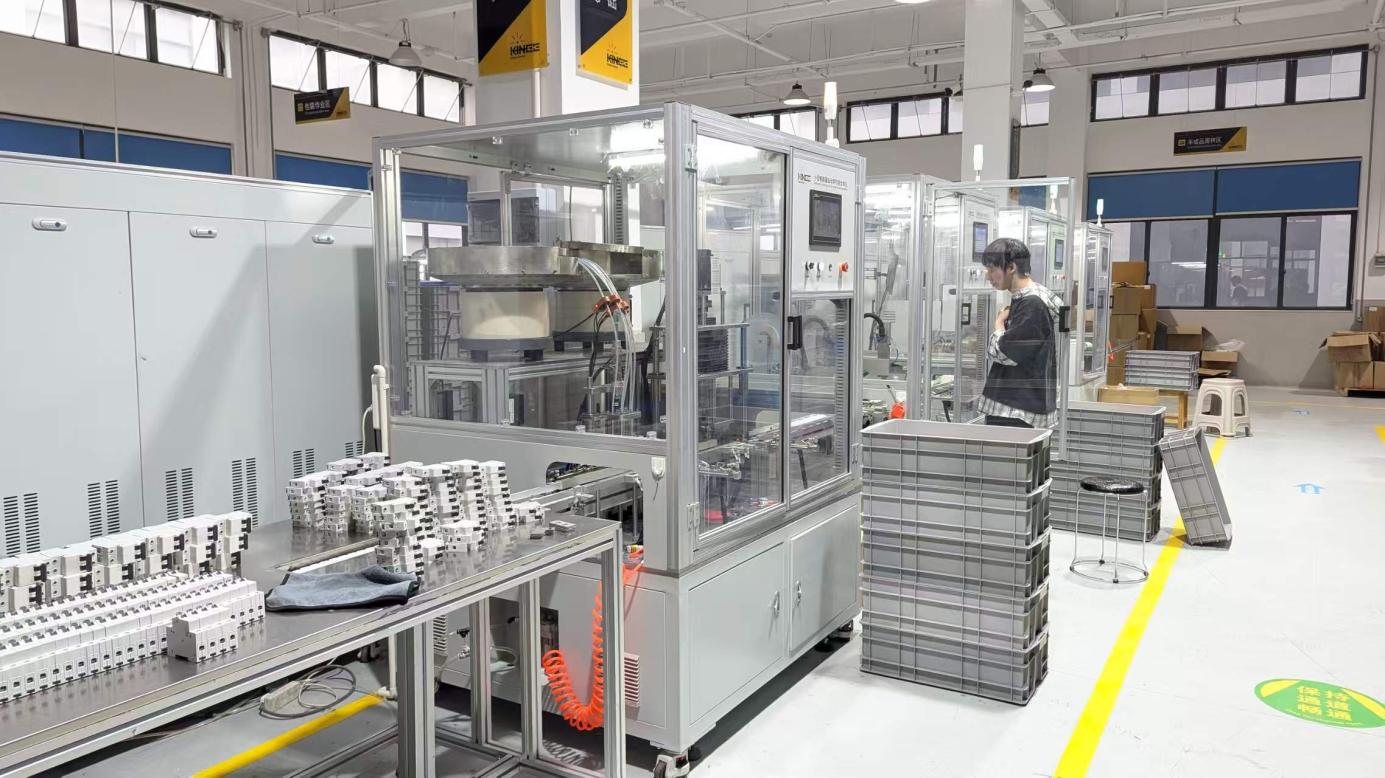
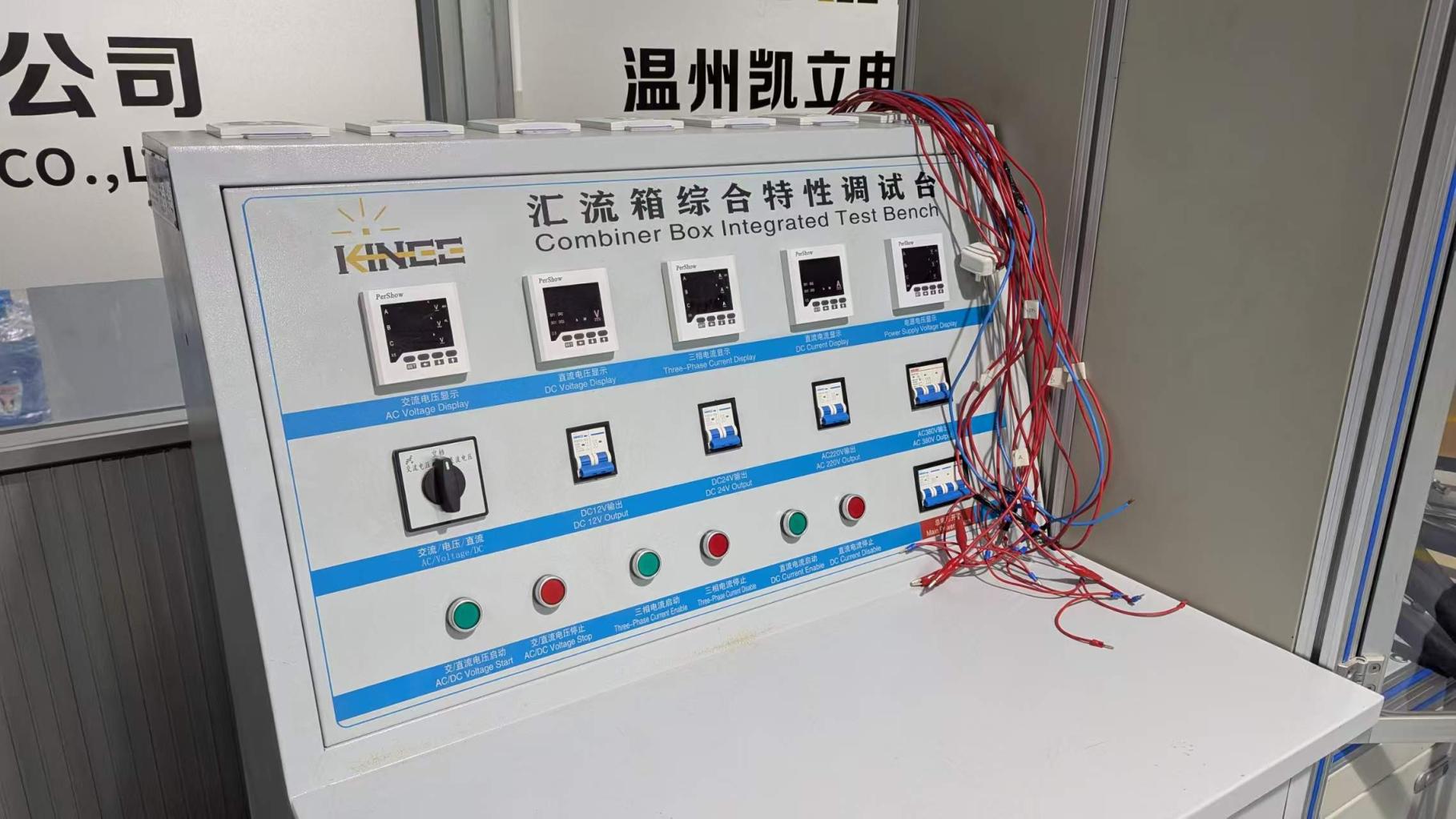
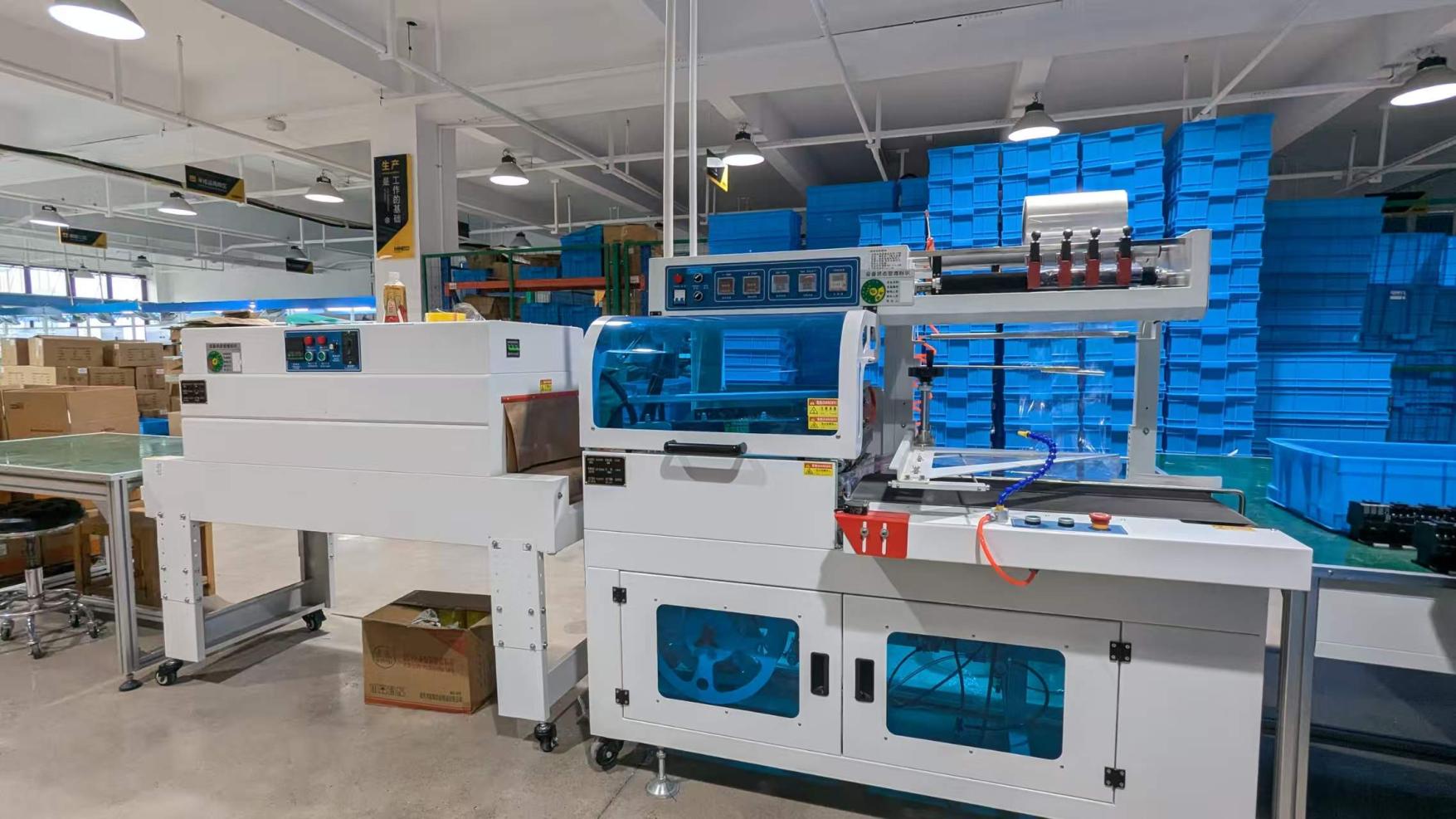
Wenzhou Bowser Electric Co., Ltd. operates a vertically integrated production line. This integration ensures strict quality control and enables fast customization (OEM/ODM). By managing every stage in-house—from wire stripping to testing—we deliver consistent reliability for all client requirements.
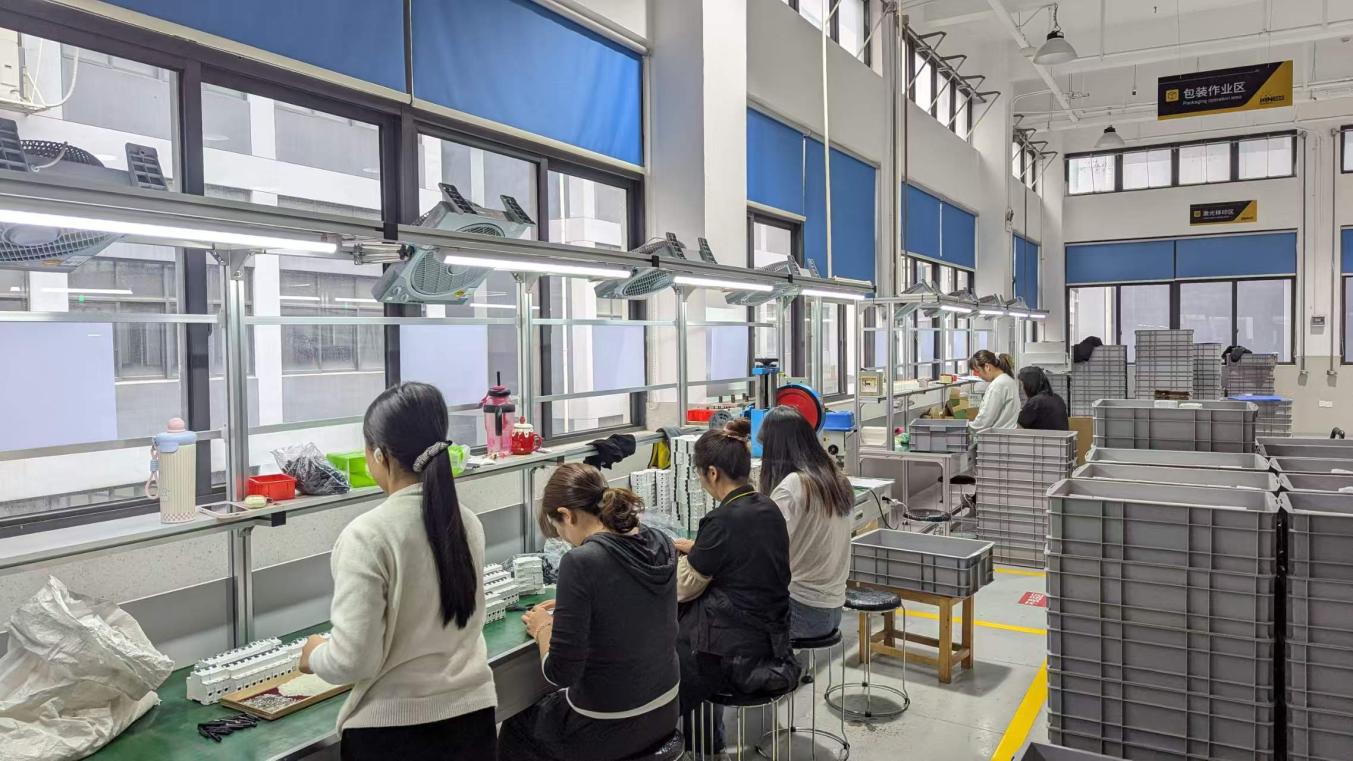
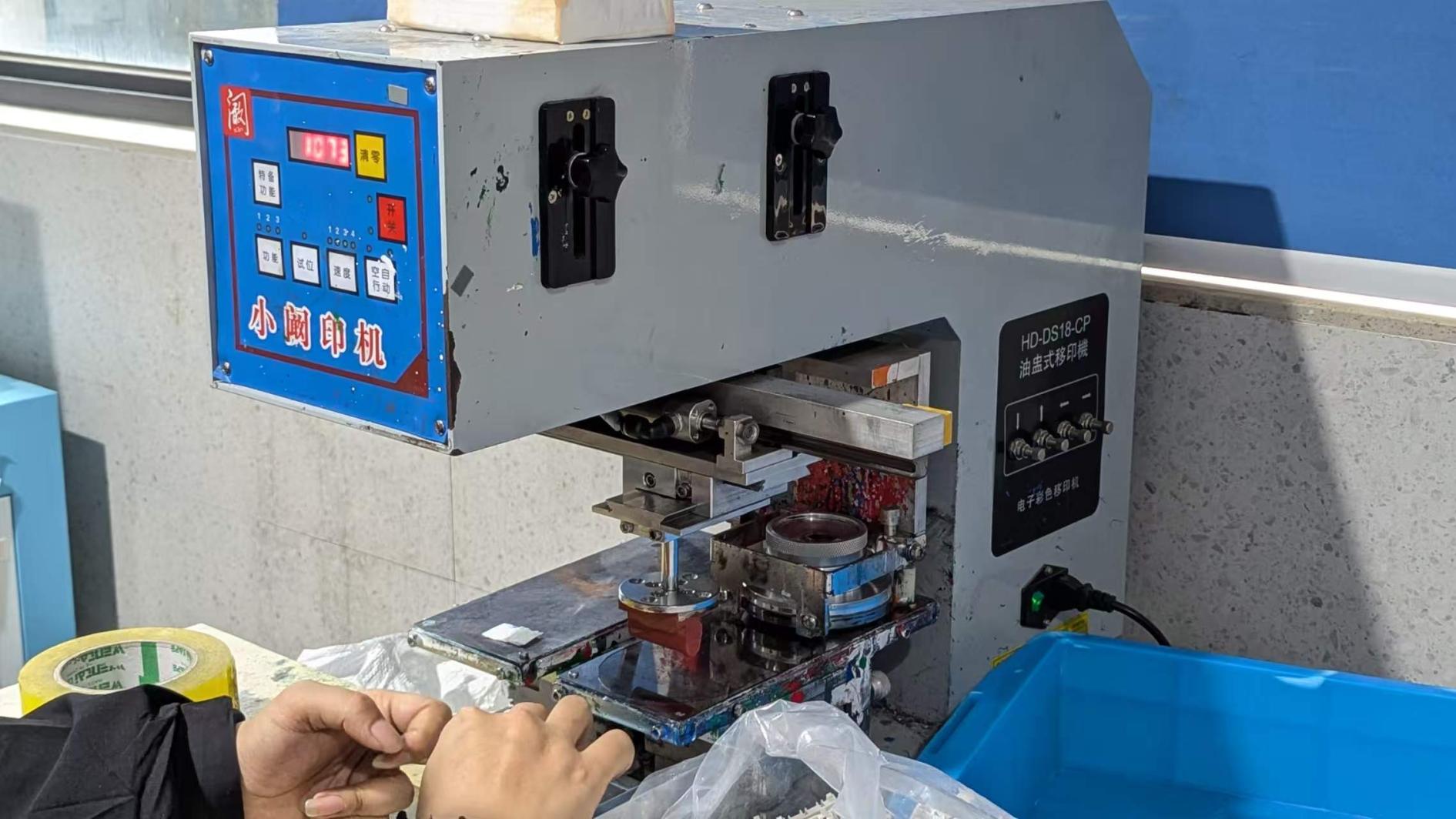
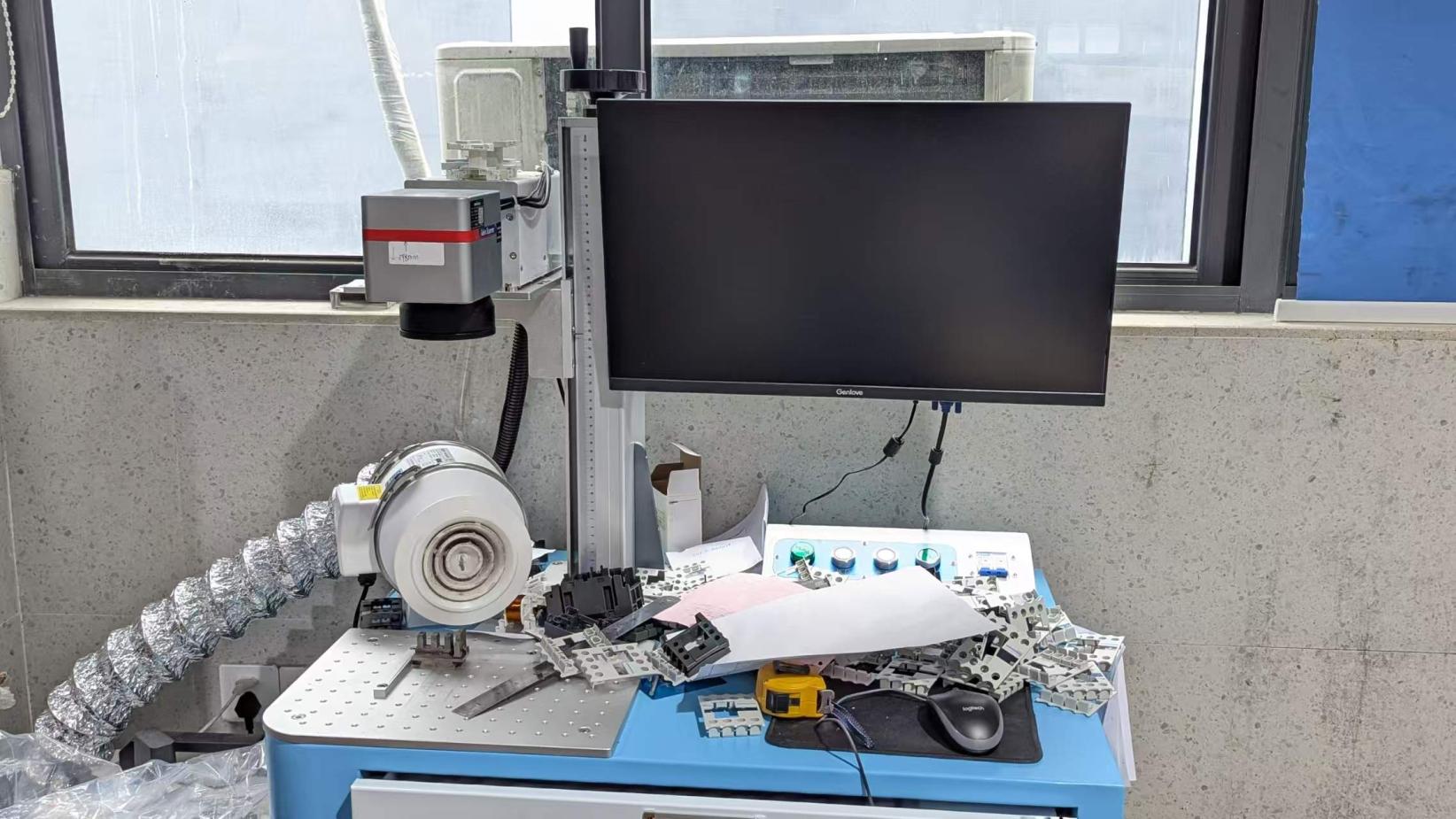
At Wenzhou Bowser Electric, our 35+ member R&D team is dedicated to advancing electrical technology and delivering smart, efficient, and reliable solutions. Holding over 25 international patents, we continuously explore new innovations in circuit breaker design, energy management systems, and safety devices. Our research-driven approach ensures that our products consistently meet the highest global standards, keeping our clients ahead in an ever-evolving industry.
Quality and safety are the cornerstones of our operations. With a 99.9% defect-free rate, every product undergoes rigorous testing, from material inspection to final production. Our facilities are certified under ISO 9001, CE, and other international safety standards, ensuring compliance and reliability in every market we serve.
When evaluating global exporters of three-phase contactors and low-voltage accessories, procurement directors should use a structured criteria model. An exporter's capabilities can be evaluated using five key metrics:
Manufacturers that perform stamping, injection molding, coil winding, and silver-contact welding in-house maintain superior control over lead times and quality. Subcontracting key components increases supply chain risk and can lead to variations in batch quality.
Industrial applications often require customized ratings, special auxiliary contact configurations, or non-standard coil operating voltages. A top-tier partner should offer dedicated design engineering support and validate custom solutions using high-power simulation laboratories.
The exporter must provide authentic test certificates (such as KEMA, TÜV, CE, or UL) to verify compliance with EN/IEC 60947-4-1 standards. These tests confirm the contactor's breaking capacity under short-circuit conditions.
The design life of a contactor depends on its contacts. Premium manufacturers use high-percentage silver-nickel (AgNi) or silver-tin-oxide (AgSnO2) contacts. Lower-tier manufacturers may use thinner coatings, which can lead to early contact welding or increased electrical resistance.
Environmental compliance is increasingly important in global tenders. Industrial customers favor manufacturers that use energy-efficient infrastructure and design products for easy disassembly and recycling at the end of their lifecycle.