Bowser Electric
Bowser Electric
Bowser Electric
Select industrial components designed for safety, precision load control, and low-voltage distribution management.
Decoding how the shift to smart infrastructure and DIN-rail architecture shapes the demand for high-reliability modular contactors.
In the rapidly changing landscape of low-voltage electrical distribution, modular contactors have evolved from simple electromotive switching devices into critical components of automated building networks, industrial control panels, and renewable energy integration frameworks. Designed specifically for DIN-rail mounting, these compact switching systems control resistive, inductive, and capacitive loads across modern electrical grids.
As global power grids become increasingly decentralized and building systems implement smart energy management, the role of modular contactors has expanded. Original Equipment Manufacturers (OEMs), engineering consultants, and strategic procurement officers must now evaluate factories not just on base manufacturing costs, but on technical parameters like AC-7a and AC-7b duty cycle life expectancy, electromagnetic hum suppression, internal thermal dynamics, and compliance with strict standards. This whitepaper analyzes the top global manufacturers, identifies core sourcing priorities, and explains how to evaluate exporters for long-term project stability.
How industry leaders evaluate the capacity, compliance, and technological depth of global modular contactor factories.
Top factories use high-grade materials like silver alloy contacts (AgNi or AgSnO2) for superior conductivity and resistance to contact welding under high inrush currents, as well as V0-rated flame retardant plastics.
Export capacity relies on holding recognized certifications, including CE (LVD/EMC), UL, VDE, KEMA, UKCA, and CCC, to ensure seamless integration into international projects.
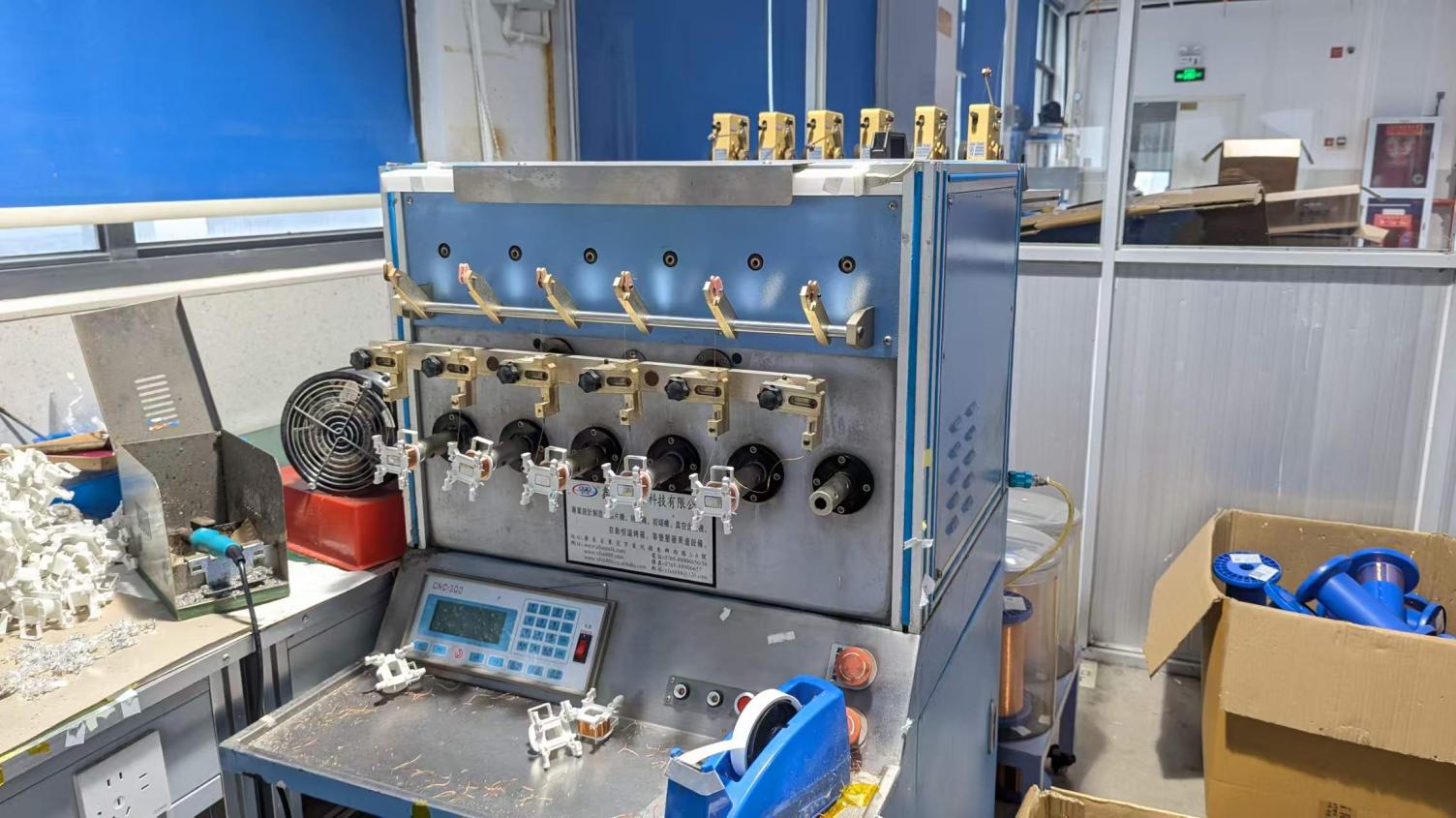
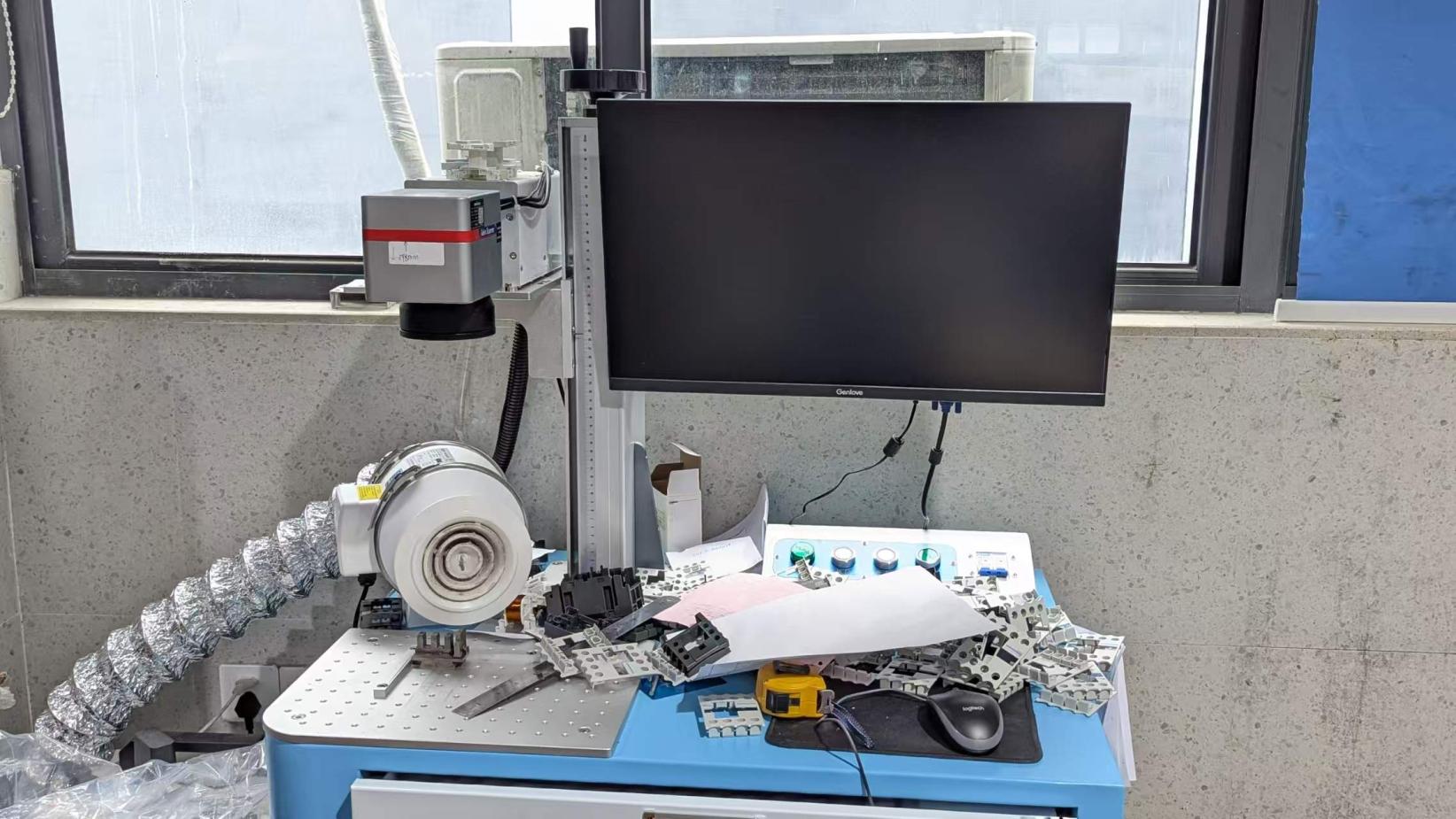
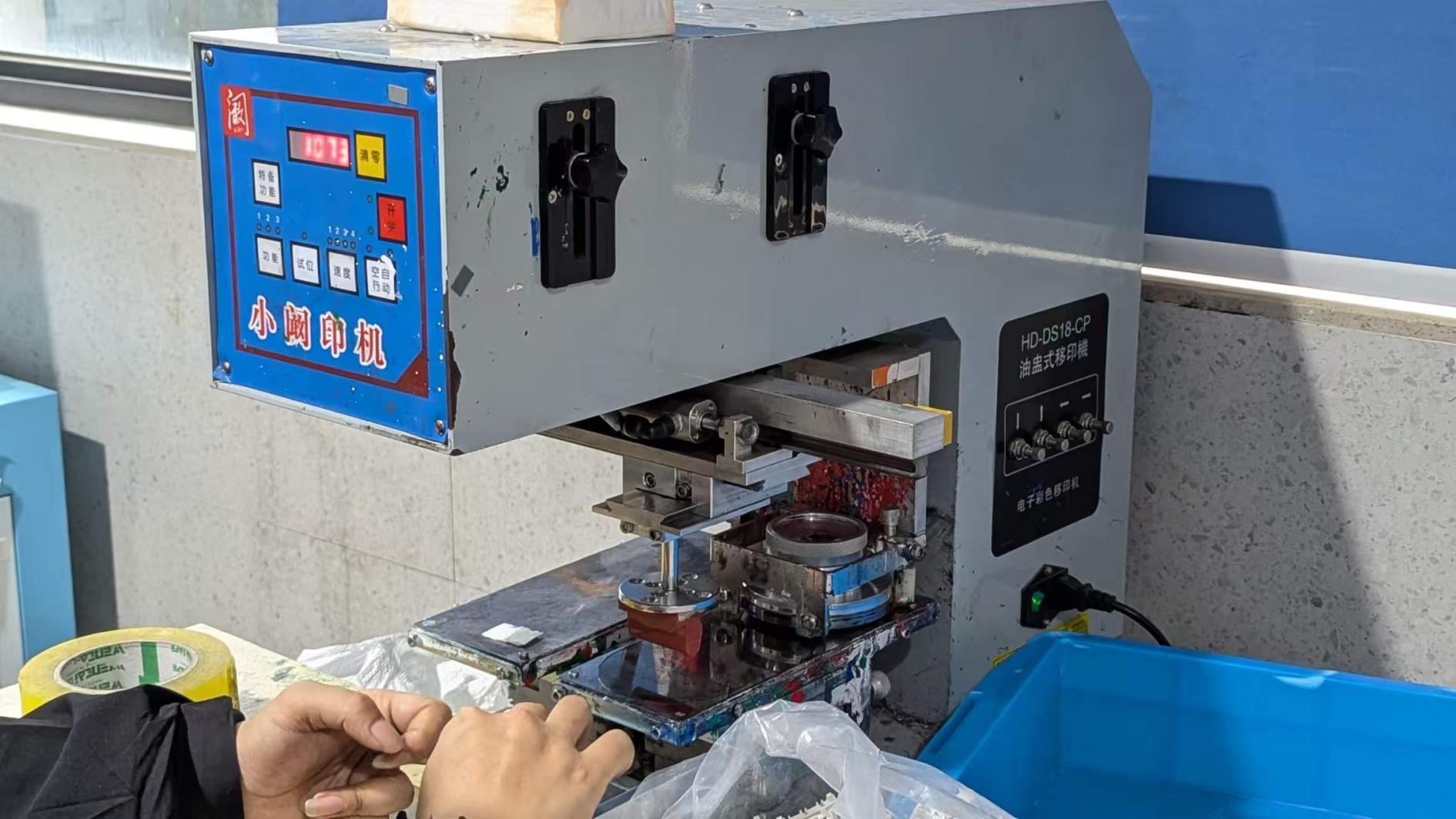
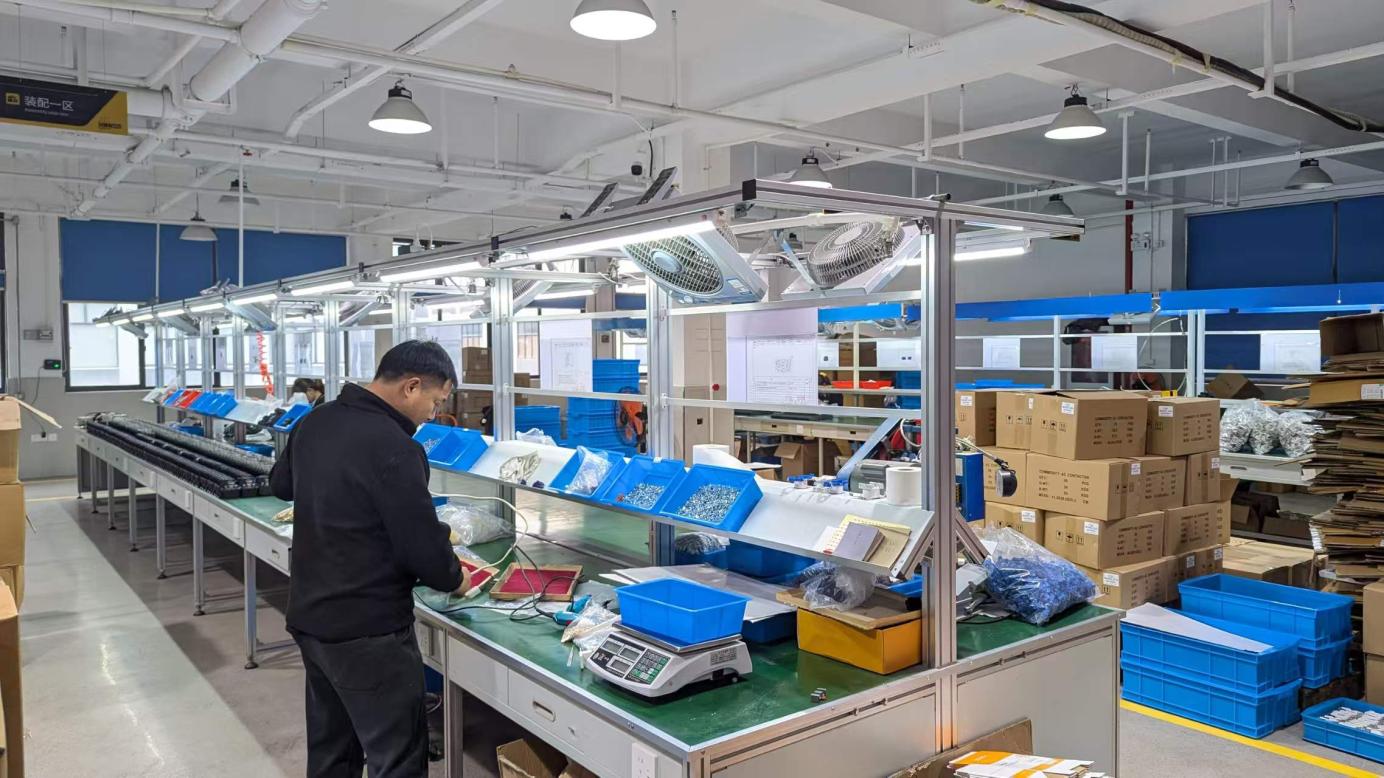
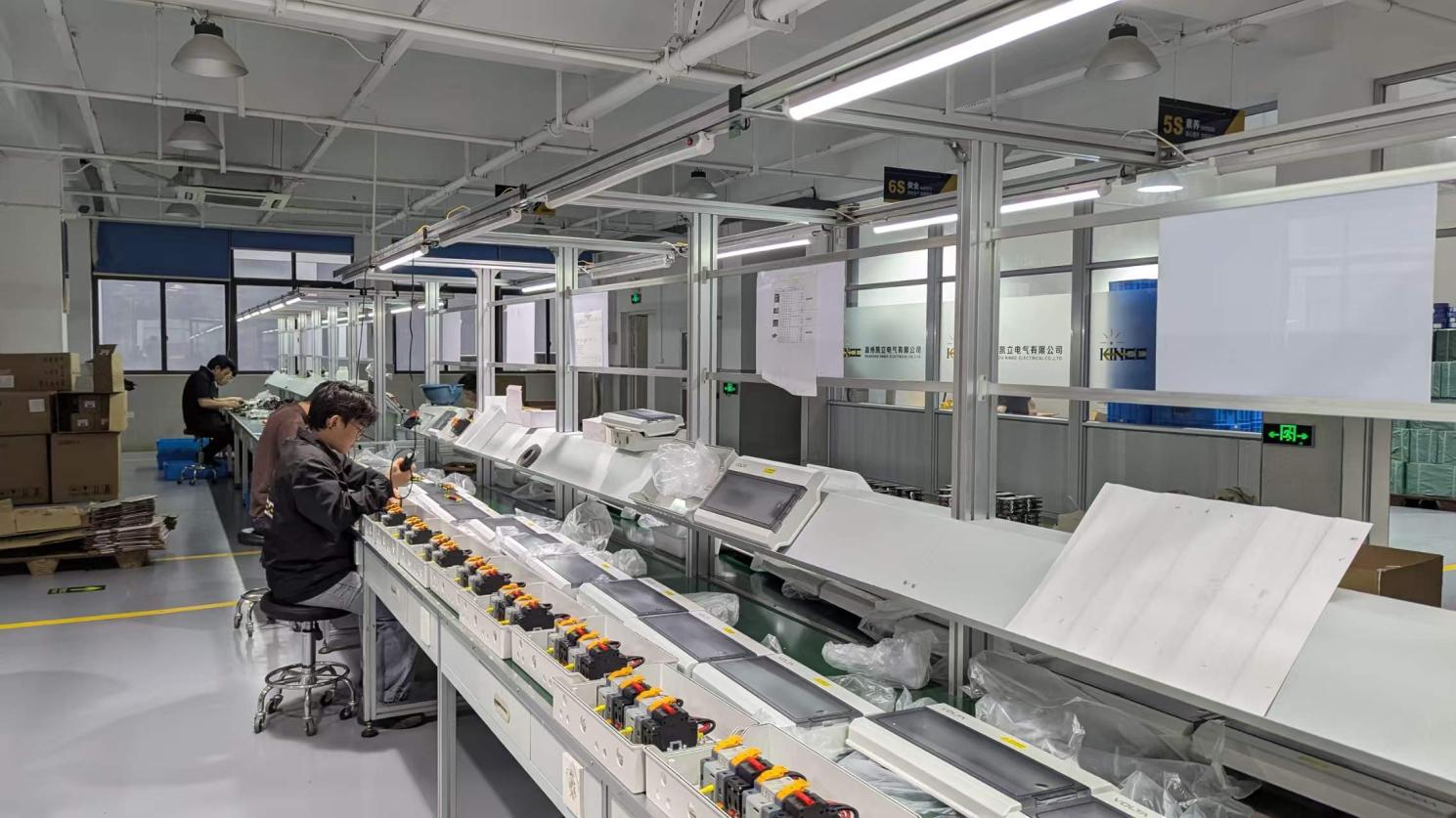
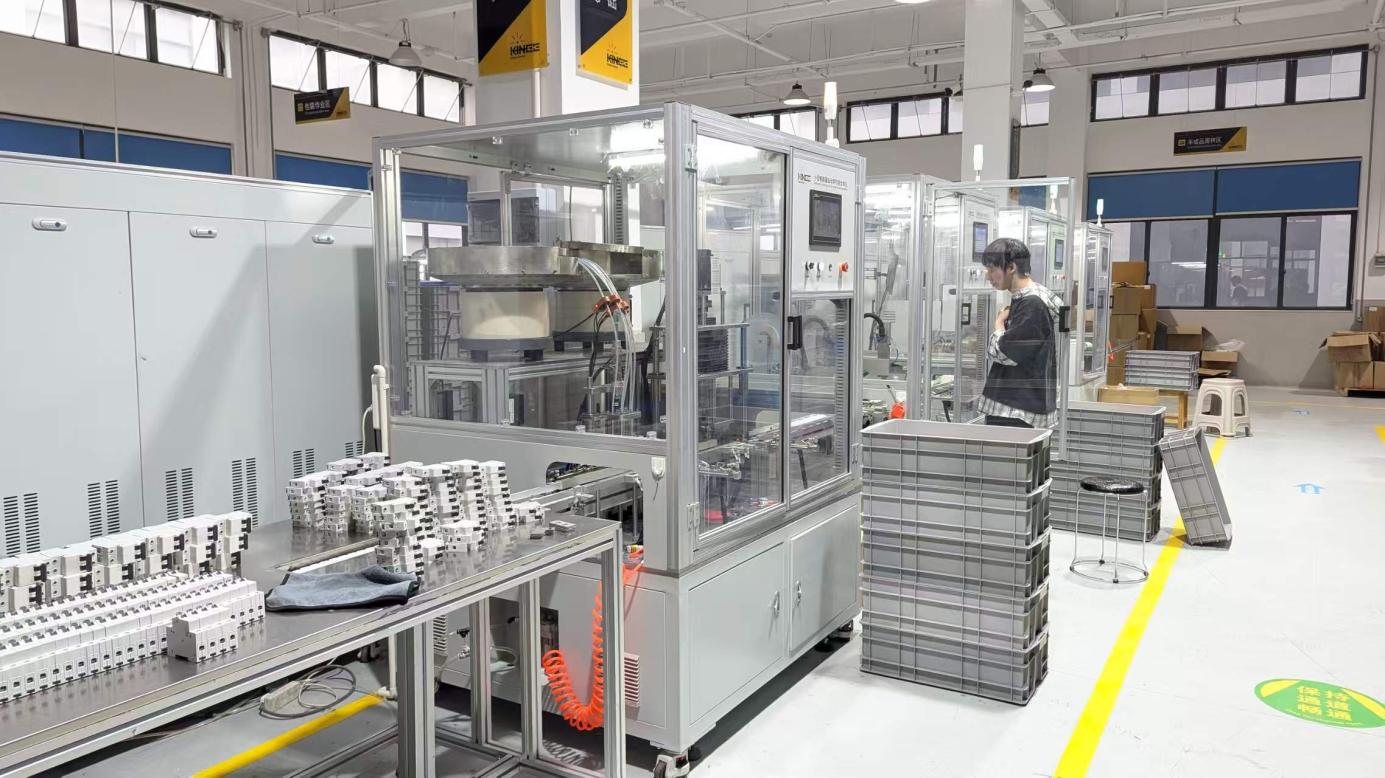
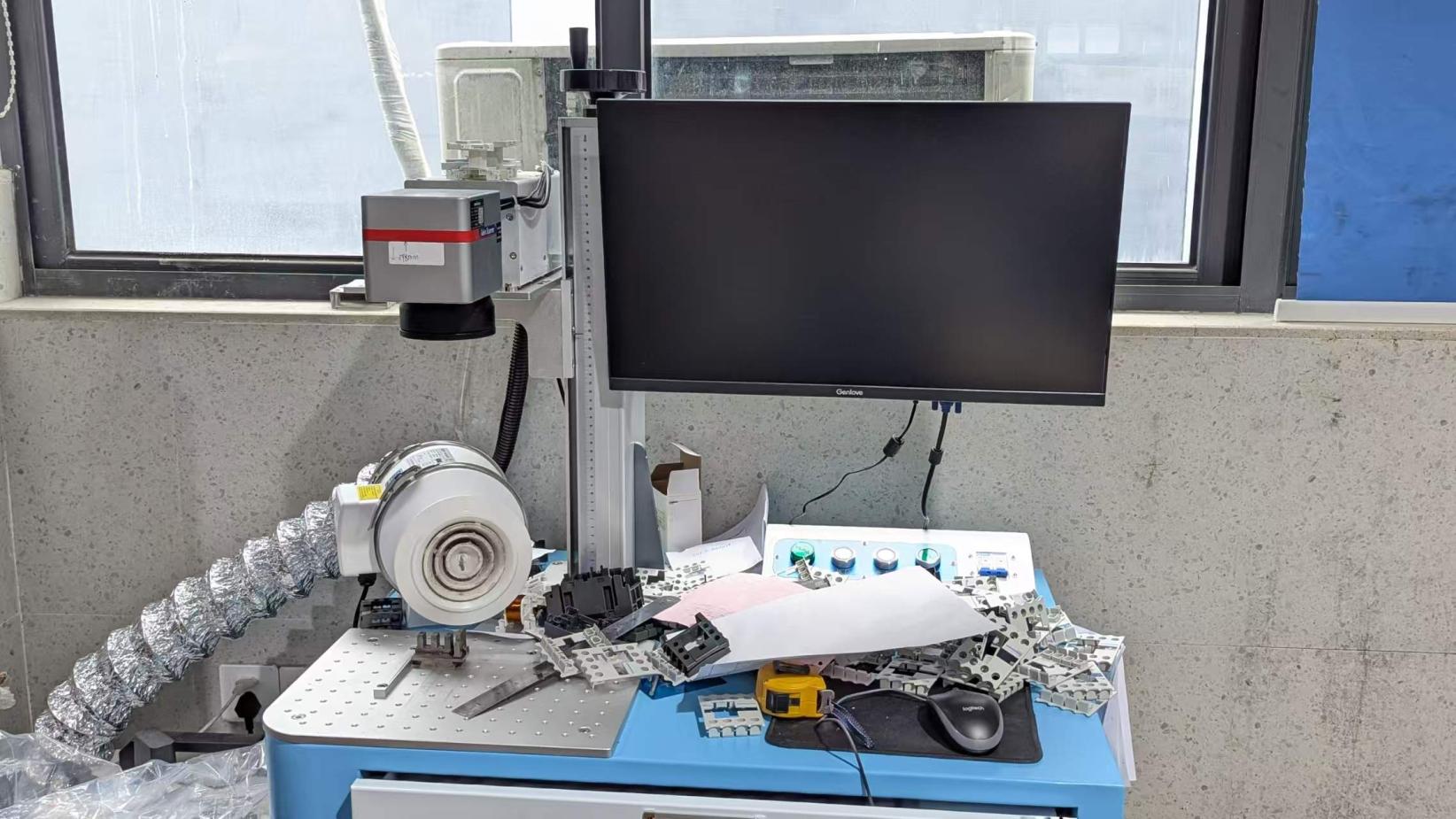
Leading factories use automated assembly lines, precision riveting, and automated laser marking to reduce human error and maintain tight tolerance levels.
Industrial projects often require custom coil voltages (e.g., 12V DC, 24V AC/DC, 400V AC), auxiliary contact configurations (NO/NC mix), and customized branding options.
Qualified factories demonstrate compliance by testing their contactors up to 100,000 electrical operations at full load and 1,000,000 mechanical operations.
Direct sourcing of raw materials, local manufacturing clusters, and in-house molding operations allow top exporters to keep costs competitive and lead times stable.
Empowering the Future of Electrical Solutions with Proven Quality and Industrial Innovation
As a major manufacturer and exporter in China's electrical manufacturing hub, Wenzhou Bowser Electric Co., Ltd. stands out for its high-quality modular electric terminal devices, household electrical solutions, and industrial control components. With a strong focus on technology, safety, and customer satisfaction, Bowser Electric is a reliable global partner for modular distribution components.
At Wenzhou Bowser Electric, our R&D team continuously updates and refines our product line of over 1,200 items. These designs focus on energy management, system safety, and compact dimensions. The factory operates under ISO 9001 and CE frameworks to maintain a 99.9% defect-free rate, ensuring reliability from incoming material inspection to final functional verification.
Bowser Electric specializes in OEM and ODM services, having completed more than 150 customized projects for international partners. Backed by a 5-year product warranty and 24/7 technical support, Bowser Electric continues to develop efficient, sustainable solutions for the global low-voltage electrical industry.
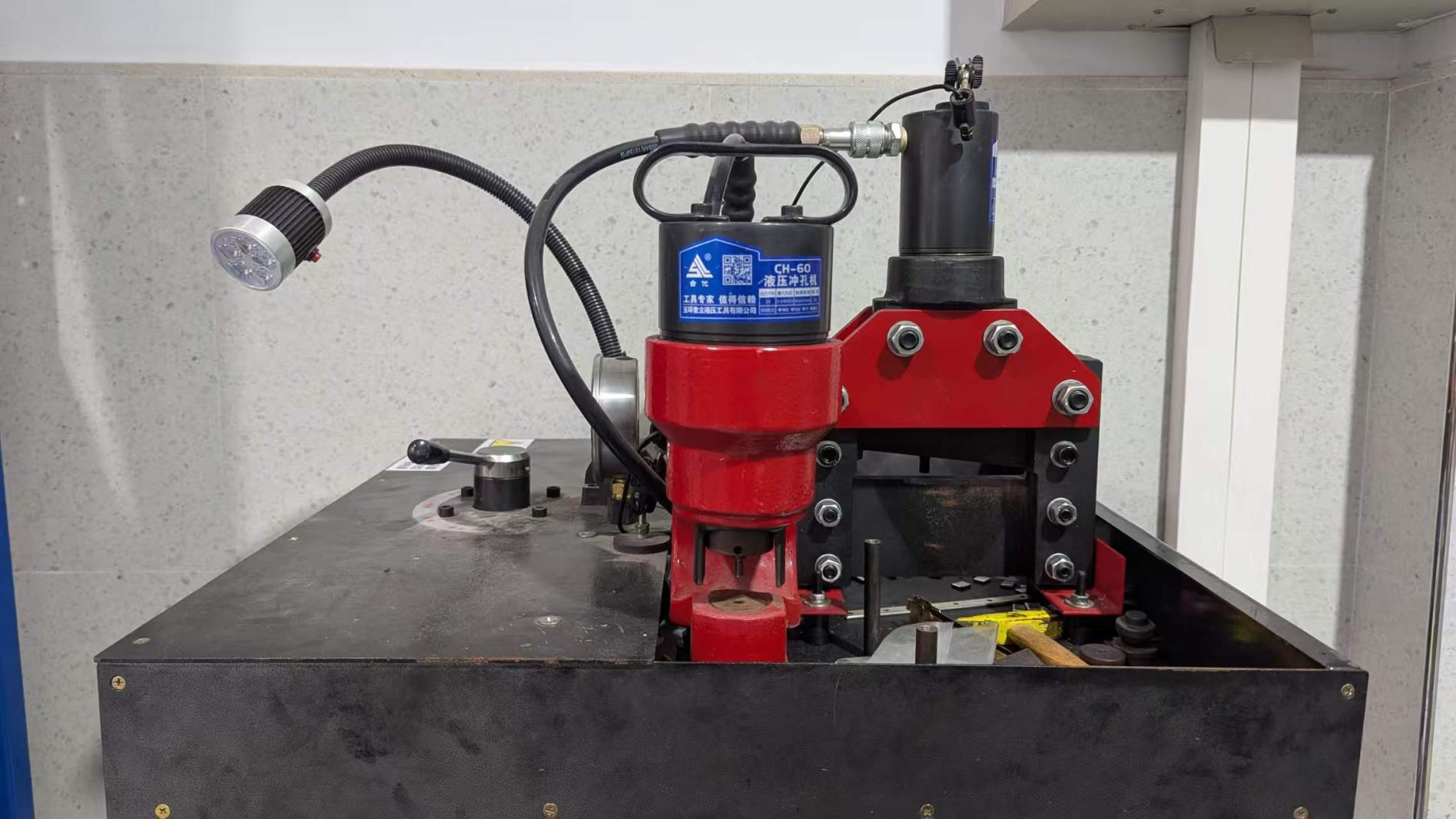
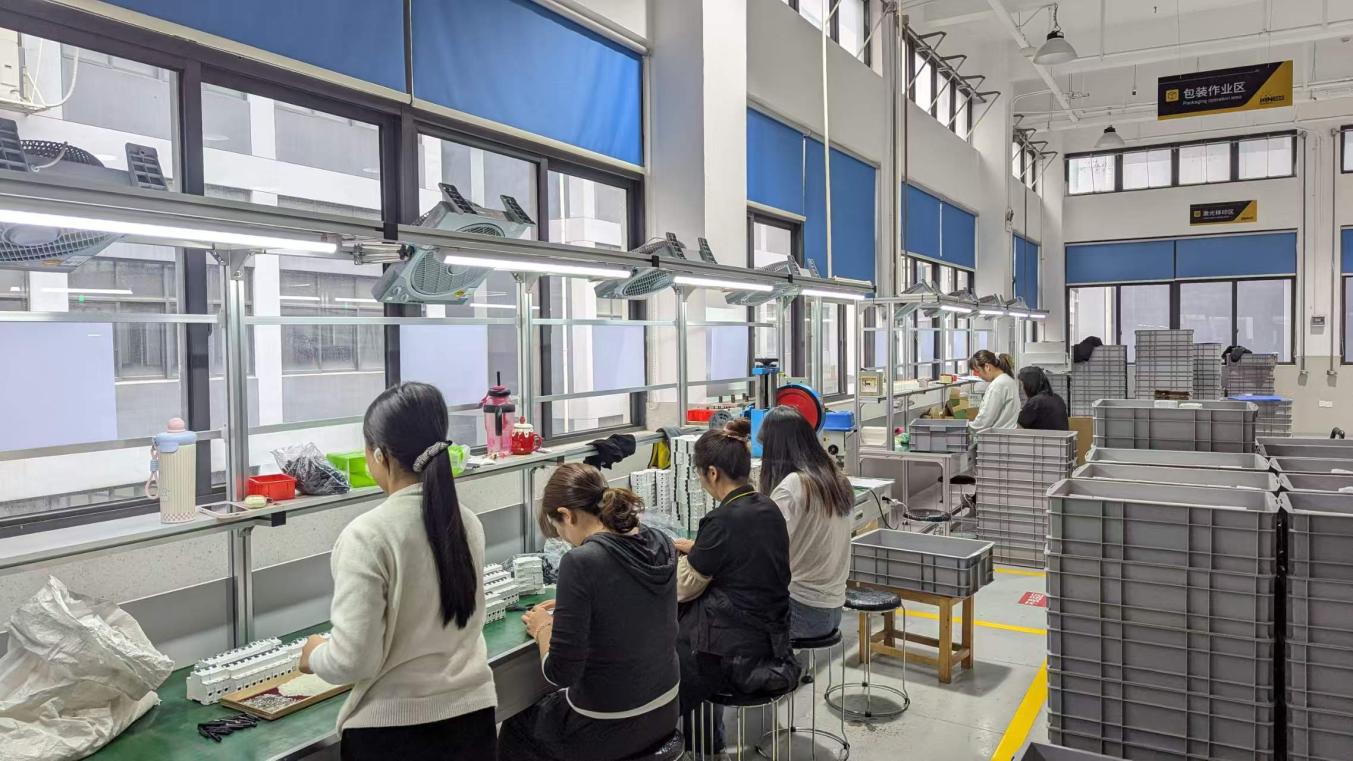
A step-by-step look at Wenzhou Bowser Electric's modern manufacturing lines, quality checkpoints, and advanced assembly equipment.
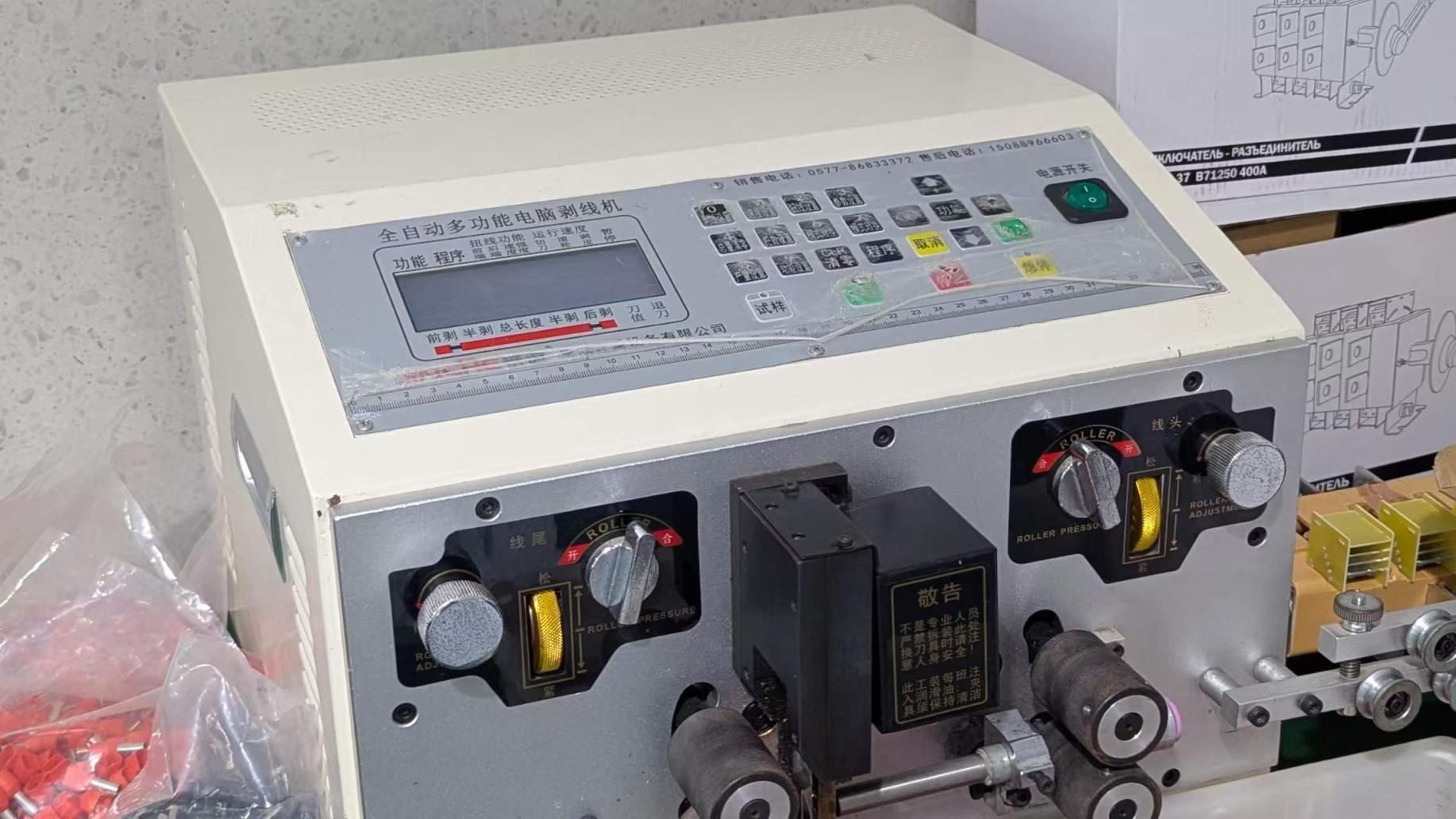
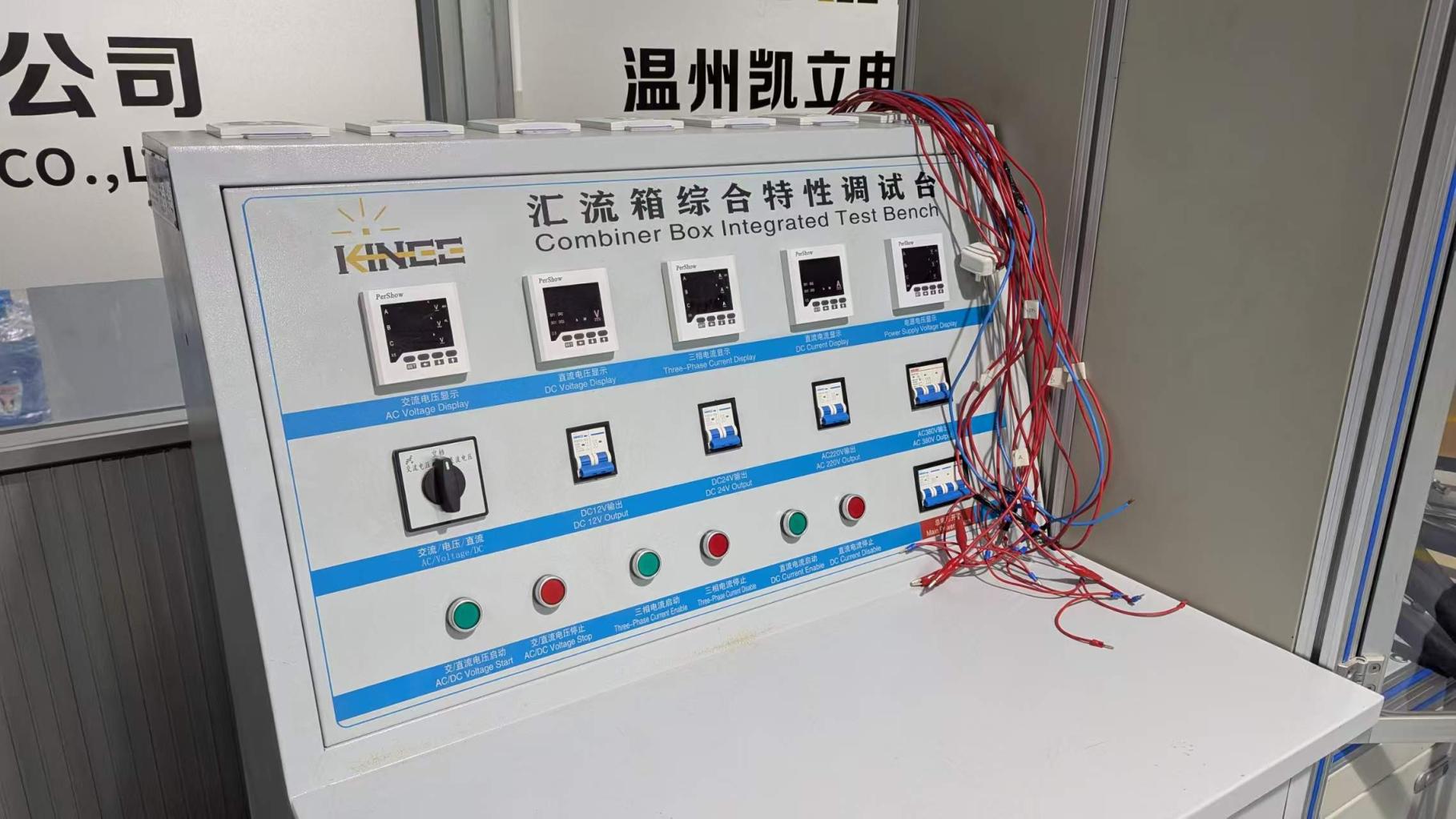
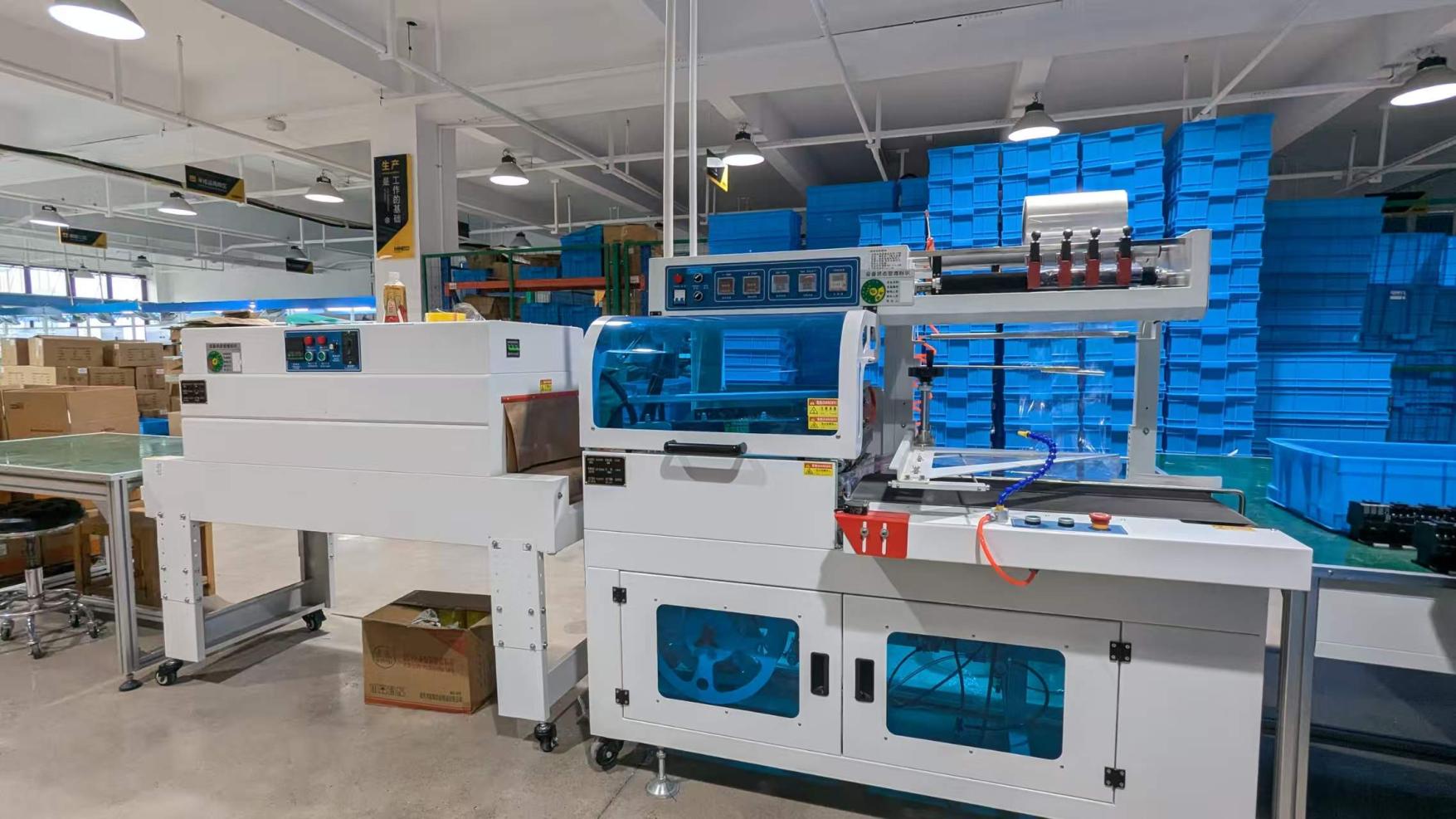
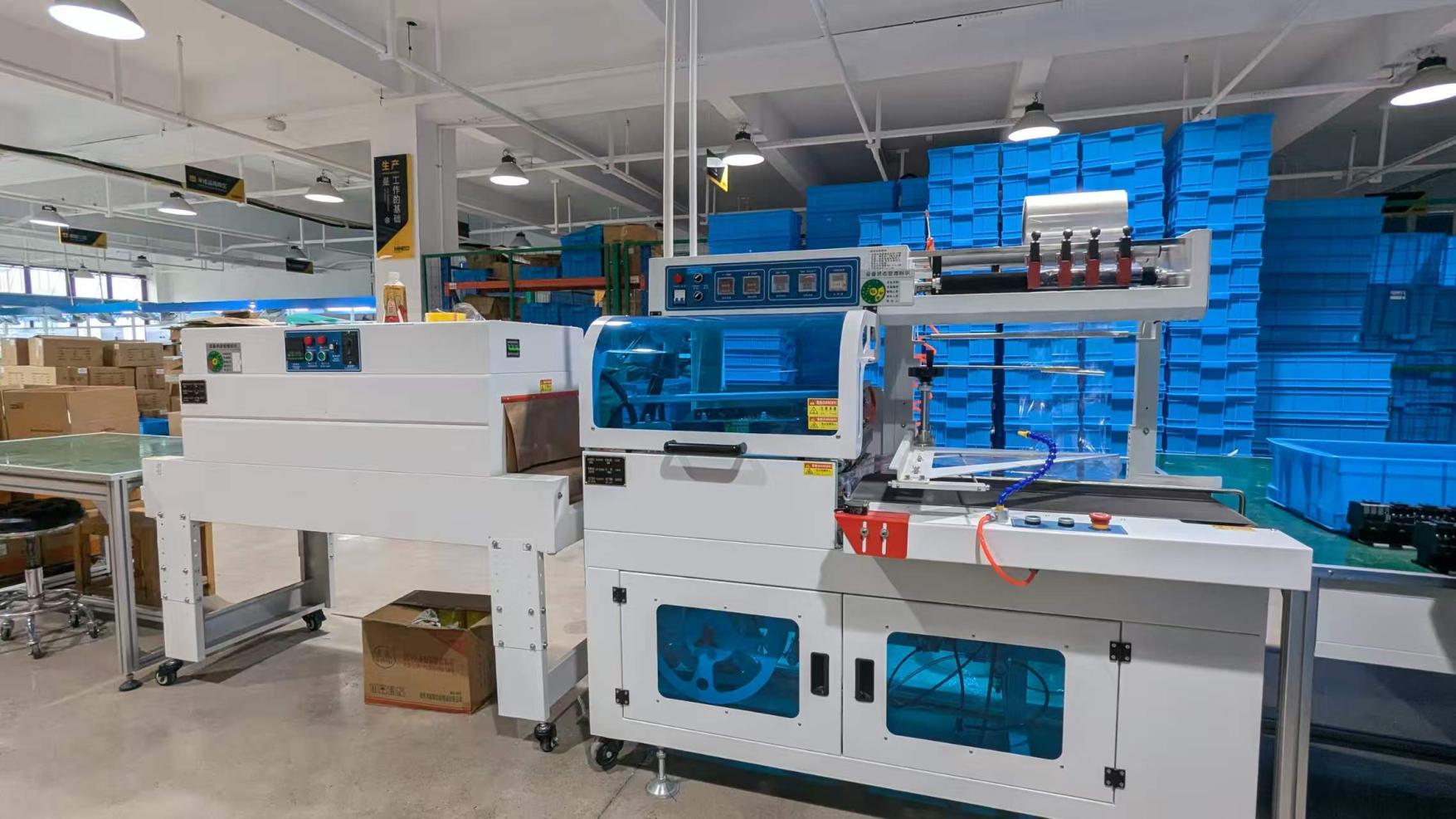
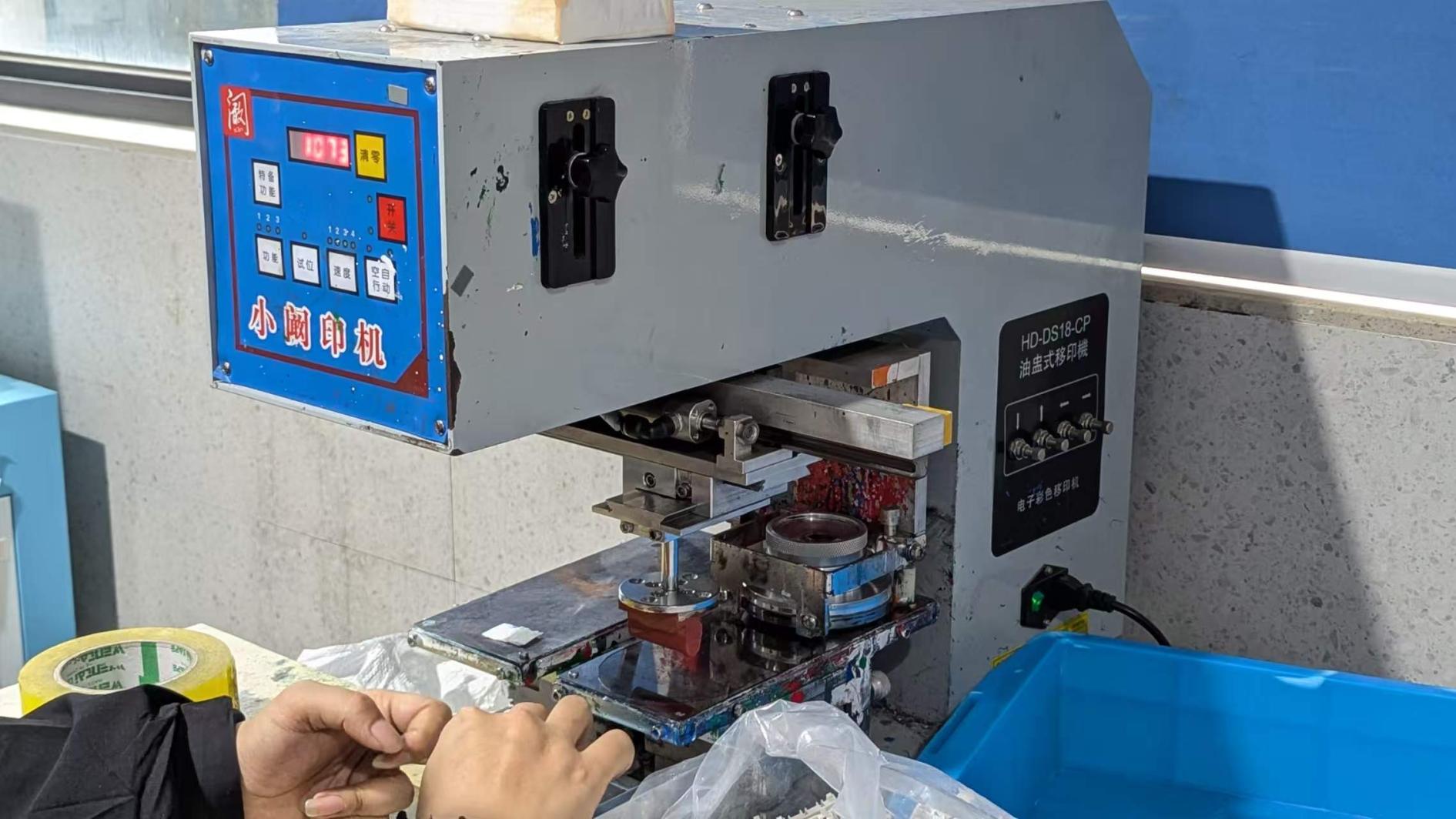
Why manufacturing hubs like Wenzhou dominate global export markets for low-voltage switchgear components.
The global dominance of Chinese electrical manufacturers is built on specialized raw material networks, integrated production systems, and efficient logistics. In Wenzhou, particularly in regions like Liushi (widely recognized as China's "Capital of Electrical Appliances"), the entire supply chain is closely integrated. Within a small geographic area, factories source copper alloys, flame-retardant plastics, specialized electromagnetic wire, bimetals, and high-precision tooling directly.
This close proximity reduces logistics lead times and helps keep costs stable. It also supports rapid prototyping. When an international client requires a custom-molded enclosure or a specific terminal design, our engineers can create prototypes and adjust molds in days, compared to weeks in other regions. Additionally, these manufacturing clusters maintain strict quality compliance. High-volume production allows factories to invest in automated testing equipment, automated optical inspection (AOI) systems, and real-time lifecycle testers, ensuring compliance with IEC and UL standards.
Core considerations for procurement managers, engineering firms, and distribution partners.
Contactor selection must match specific application duties. IEC 61095 governs household and similar applications, while IEC 60947-4-1 covers industrial motor starting. Procurement teams must match utilization categories (AC-7a for inductive home appliances, AC-7b for domestic motors, or AC-1/AC-3 for industrial equivalents).
International installations require strict adherence to environmental and fire-safety standards. Products must use UL94 V-0 flame-retardant engineering plastics and comply with RoHS and REACH regulations, protecting installations against toxic emissions and fire hazards.
Global logistics demand reliable partners. Exporters must offer strong, seaworthy packaging, detailed product marking, complete customs documentation, and flexible production capacity to handle sudden increases in demand.
Predicting the technological shifts of modular control devices over the next decade.
The modular contactor market is shifting toward smarter, quieter, and more energy-efficient components. A key driver of this trend is the demand for Hum-Free AC/DC Universal Coil Systems. Traditional AC coil contactors can hum due to alternating magnetic fields, which can be noisy in residential buildings, hotels, and offices. Modern contactors use integrated rectifier circuits, allowing them to operate on both AC and DC supplies. This configuration eliminates hum, reduces holding current, and minimizes power consumption in control cabinets.
Another major development is the integration of **IoT Connectivity and Smart Diagnostics**. Future smart contactors will feature built-in micro-sensors and communication modules (such as Modbus RTU, IO-Link, or wireless protocols). These features will transmit real-time operational data, including contact temperature, switching cycles, coil status, and current load, back to central energy management systems. This data helps operators identify potential issues early, reducing downtime and moving maintenance from a scheduled task to a predictive process.
Lastly, the growth of renewable energy systems (like solar PV arrays and battery energy storage) has increased the demand for high-voltage DC contactors. As systems operate at higher voltages, contactors must be designed to break high-voltage DC arcs safely, requiring specialized contact materials, arc chutes, and magnetic blowout technologies.
Where modular control devices are implemented within modern electrical distribution layouts.
Used alongside central control units to manage large lighting circuits in commercial buildings, hotels, and public spaces, reducing standby energy use.
Enables safe remote switching of inductive motor loads in heating, ventilation, and air conditioning systems based on thermostat signals.
Acts as an essential safety switch in Electric Vehicle Supply Equipment (EVSE), disconnecting power to the vehicle connector when charging is complete or if a fault is detected.
Answering technical, quality, and procurement questions for modular contactor systems.
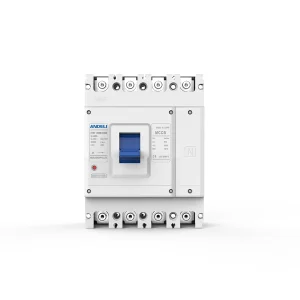
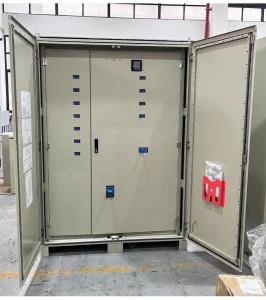
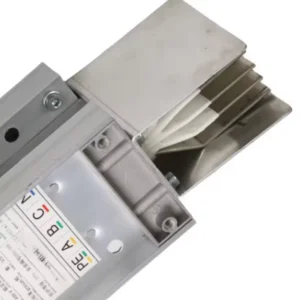
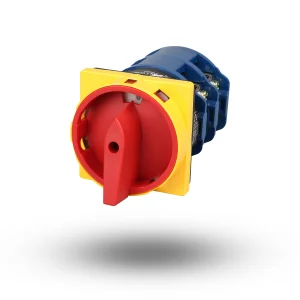
Explore our expanded range of industrial circuit breakers, selector switches, and power distribution systems.