Bowser Electric
Bowser Electric
Bowser Electric
The global transition toward decentralized power grids, smart manufacturing facilities, and strict carbon accounting has profoundly reshaped the role of traditional low-voltage electrical components. What once functioned simply as passive protection devices—such as circuit breakers, isolating switches, and distribution boards—has evolved into the foundation of advanced circuit monitoring and power telemetry ecosystems.
Historically, protective equipment only intervened during catastrophic faults. Today’s industrial and commercial facilities require micro-level power quality analytics, real-time insulation resistance tracking, and early detection of high-impedance arc faults to prevent fires. Modern circuit monitoring integration combines precision hardware (current transformers, shunt mechanisms, and edge processors) with communication protocols to stream real-time voltage, current, power factor, and thermal signatures to local controllers or cloud systems. Selecting the correct suppliers from key manufacturing hubs is vital to secure quality component pipelines, shorten R&D cycles, and meet strict compliance metrics across different regions.
Modern energy managers, industrial engineering firms, and global distributors look for specific technical and commercial capabilities when evaluating manufacturing partners.
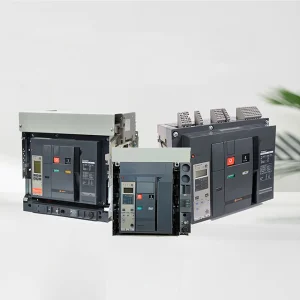
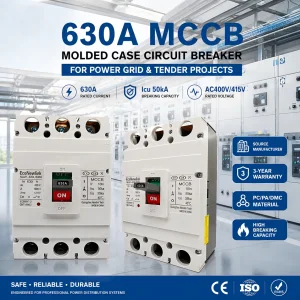
Suppliers must design MCCBs and ACBs to withstand high ultimate short-circuit breaking capacities (Icu) up to 50kA or 85kA at 400/690V, ensuring safety during fault transients.
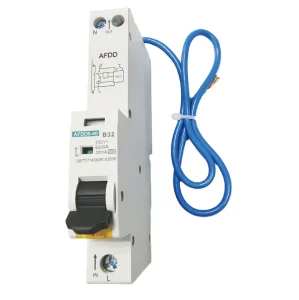
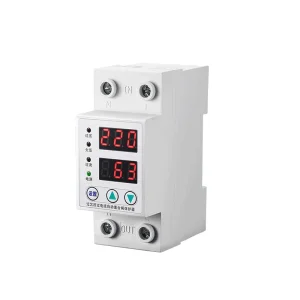
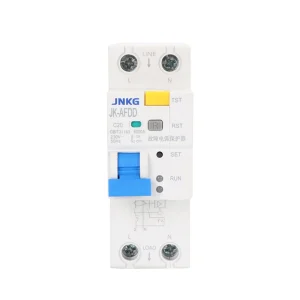
Incorporating advanced Arc Fault Detection Devices (AFDD) and smart voltage/current relays equipped with DSPs (Digital Signal Processors) to filter noise from real fault signals.
Uncompromising compliance with IEC, EN, BS, CE, and UL standards. Traceable materials and environmentally sustainable manufacturing practices like GRS (Global Recycled Standard) are now required.
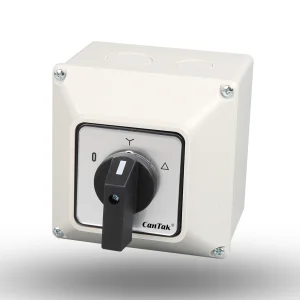
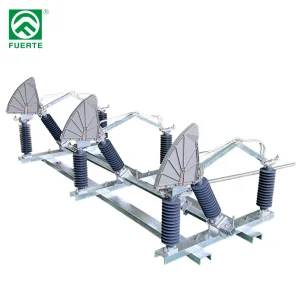
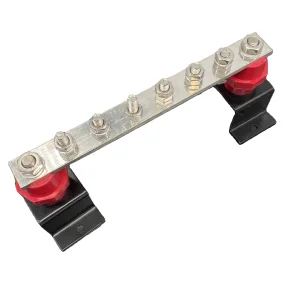
Among the top Chinese electrical manufacturing hubs, Wenzhou Bowser Electric Co., Ltd. stands out as a leading developer of modular electric terminal devices, industrial switchgear, and customized distribution components. Bowser Electric blends high-volume production with customizable engineering to deliver top-tier low-voltage systems worldwide.
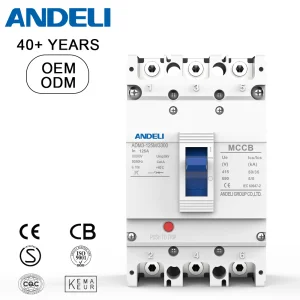
Rather than acting as a simple component assembler, Bowser Electric integrates comprehensive manufacturing capabilities with an active R&D department. This structure allows the company to develop high-performance components like the GRS Certified MCCB and smart Arc Fault Circuit Interrupters (AFDD), meeting the complex regulatory demands of the European and North American markets.
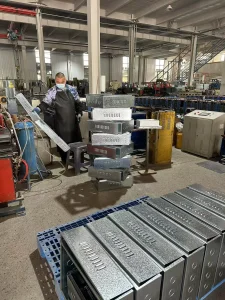
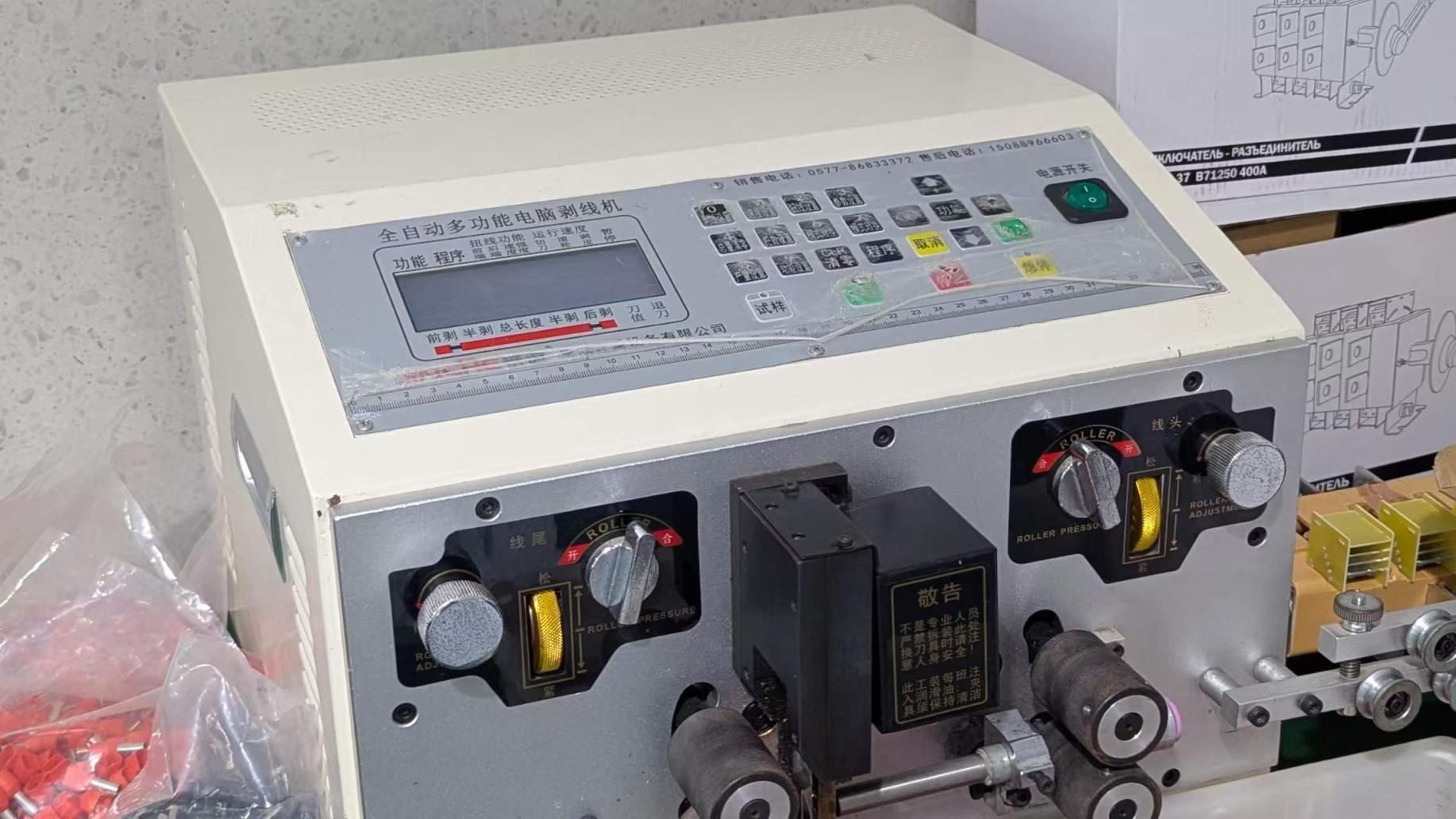
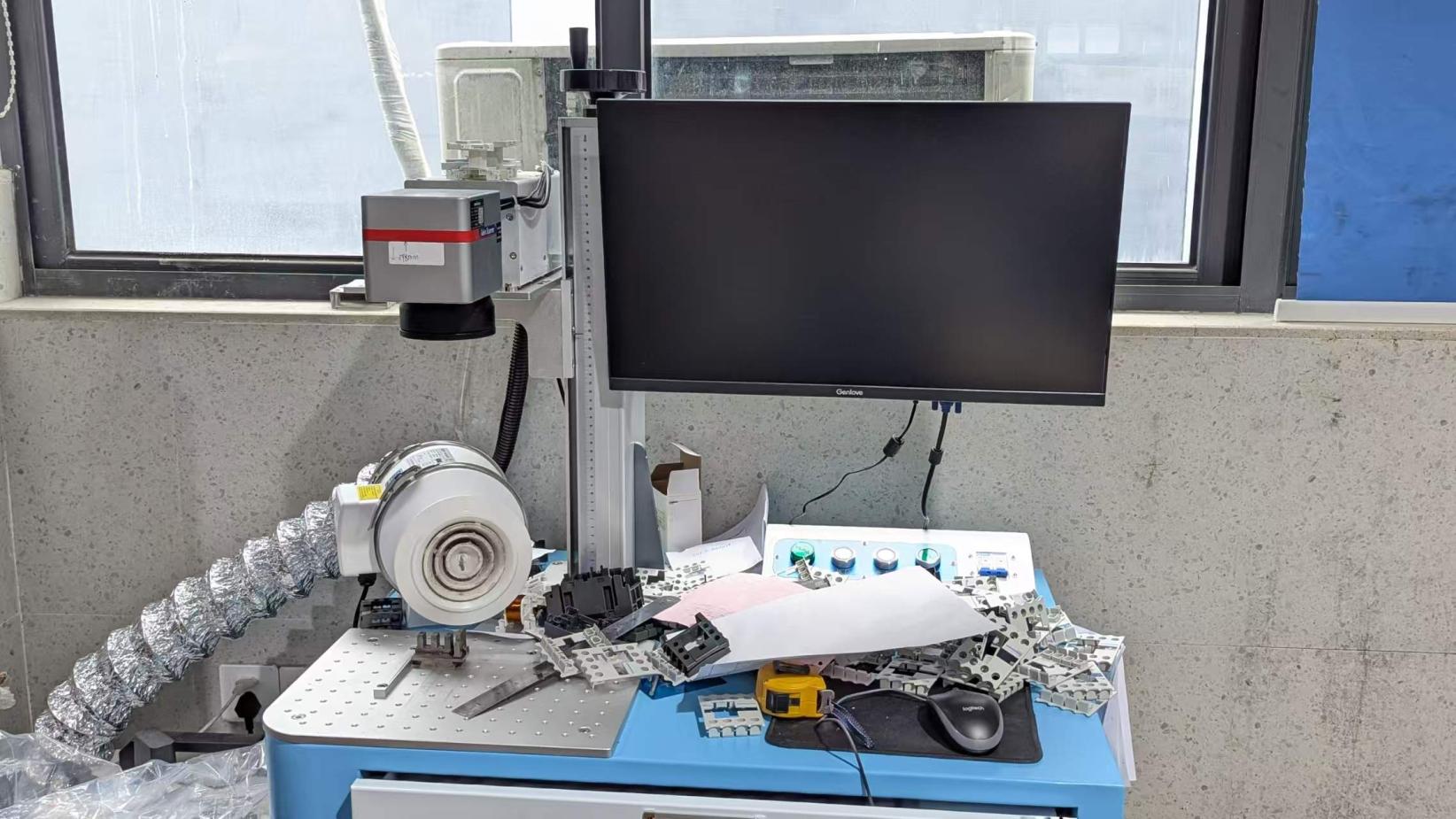
Our production process is built on precision, automation, and strict quality control. Below is a step-by-step look at our manufacturing workflow:
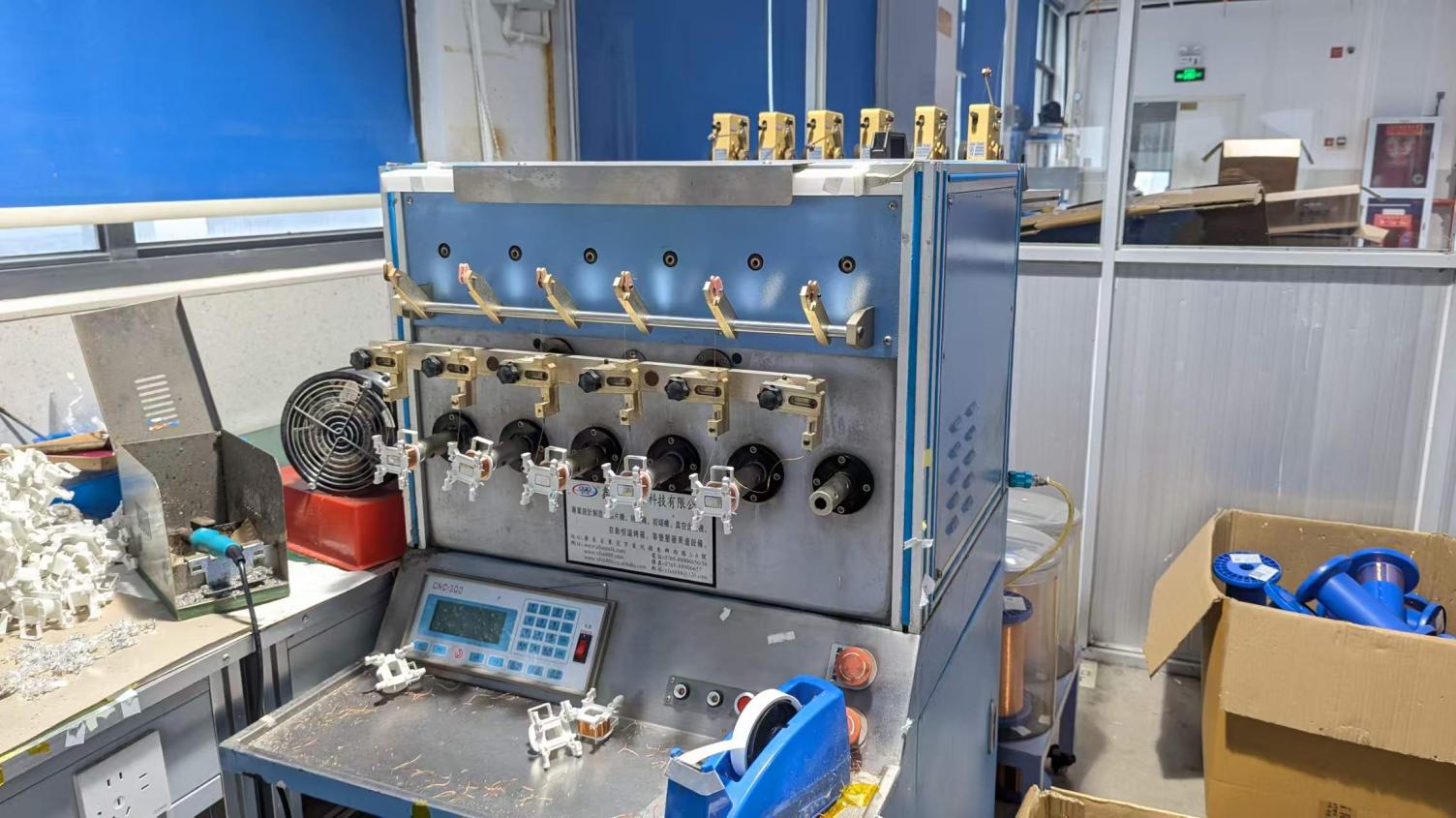
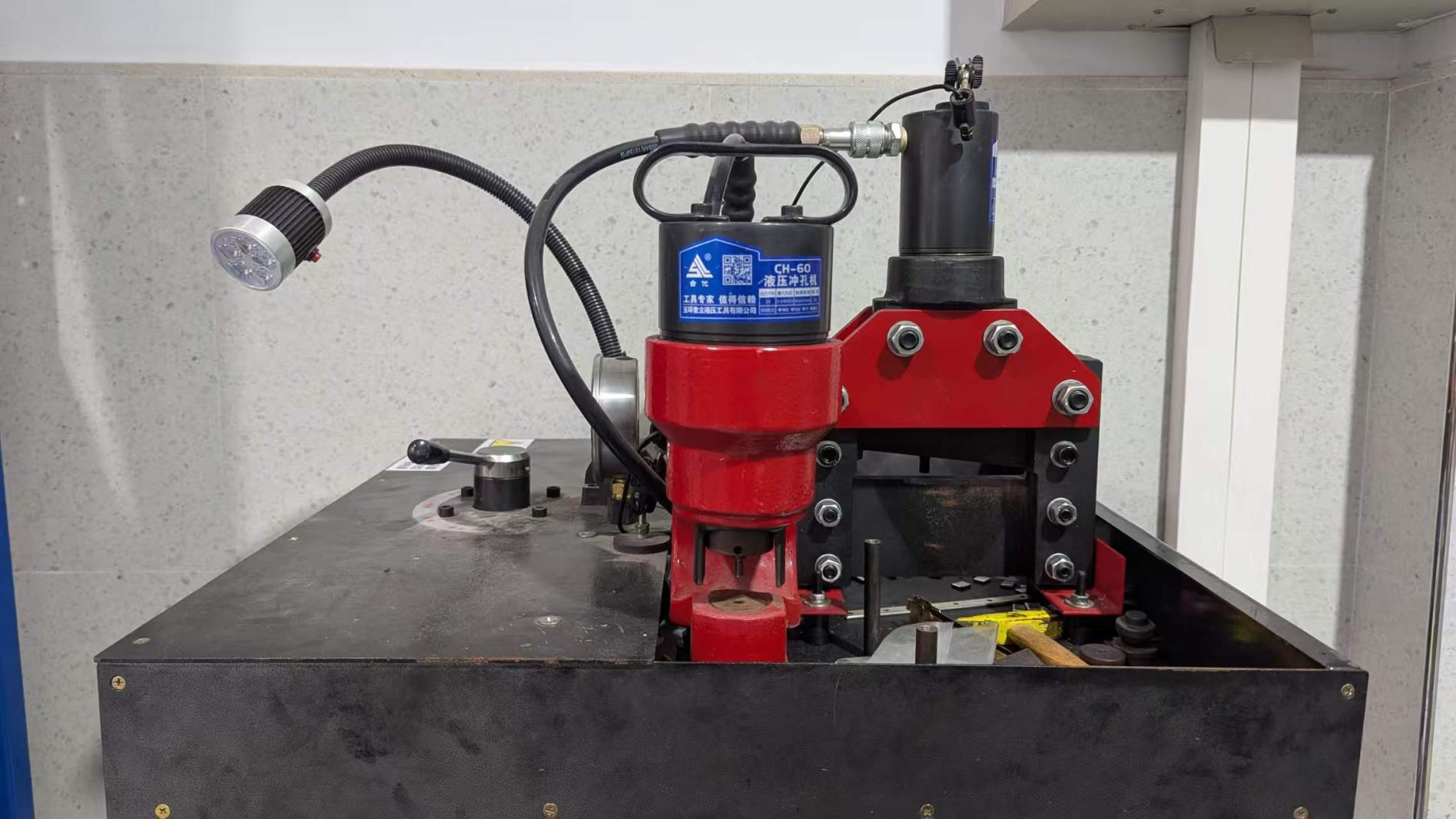
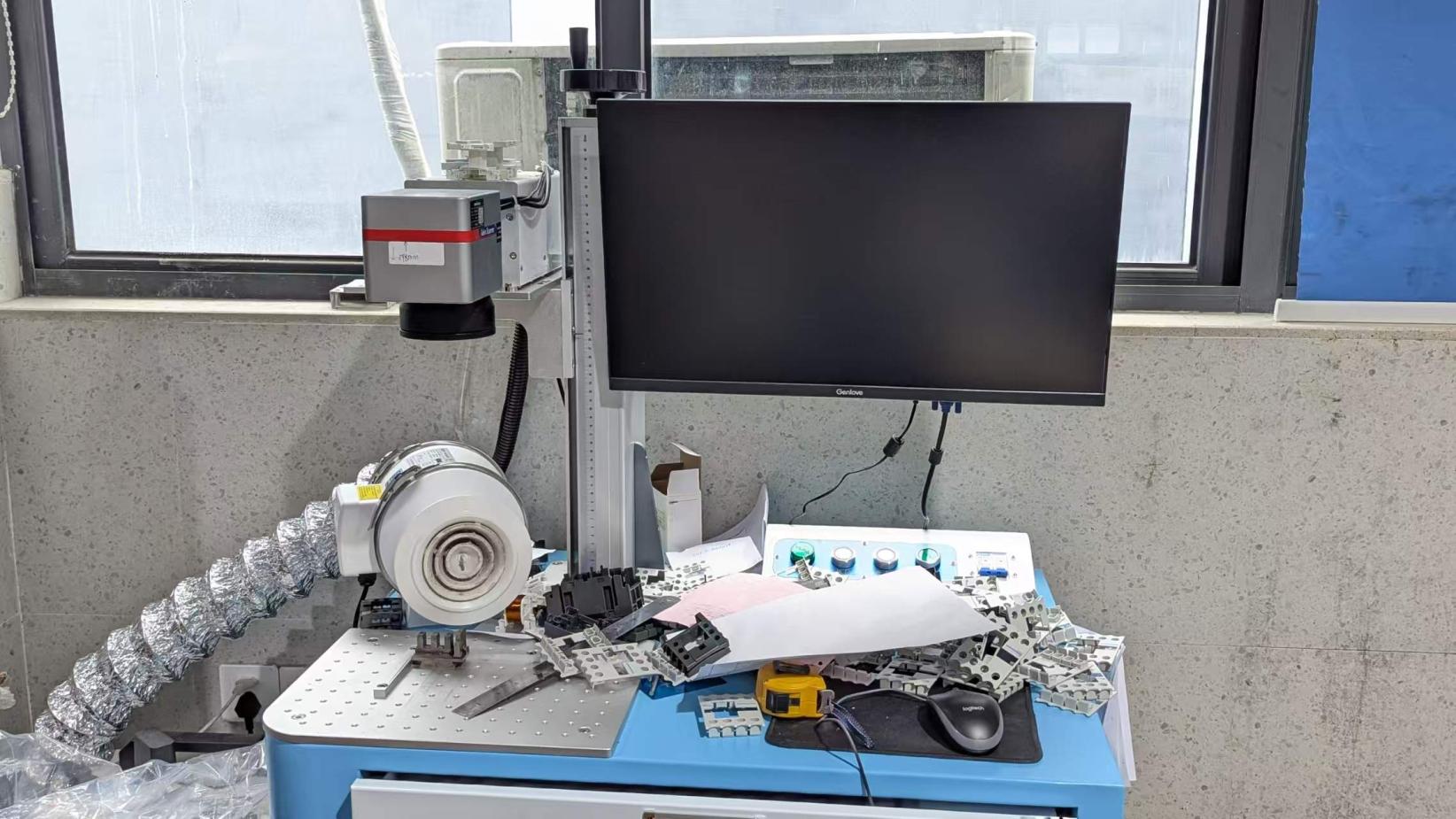
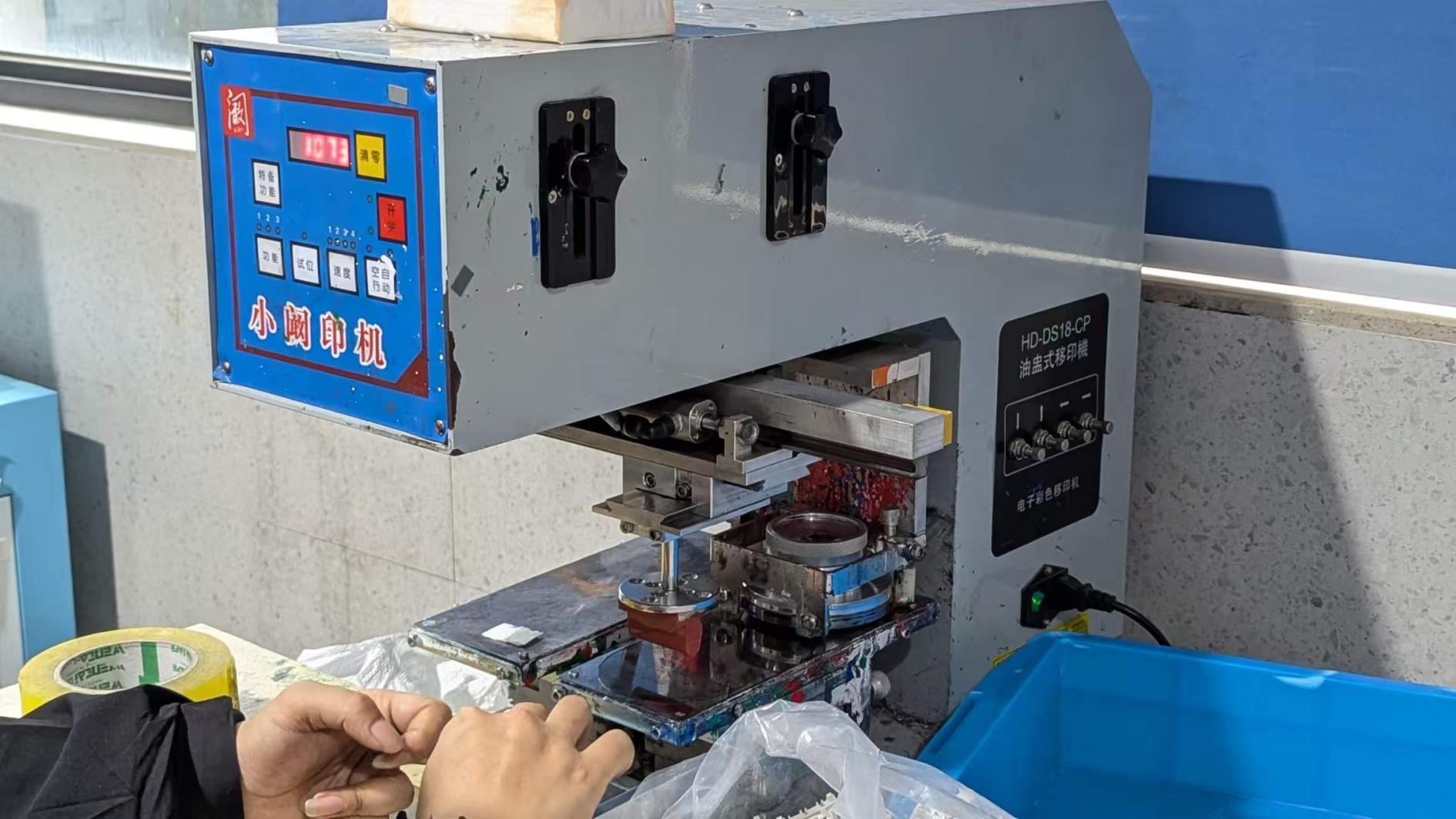
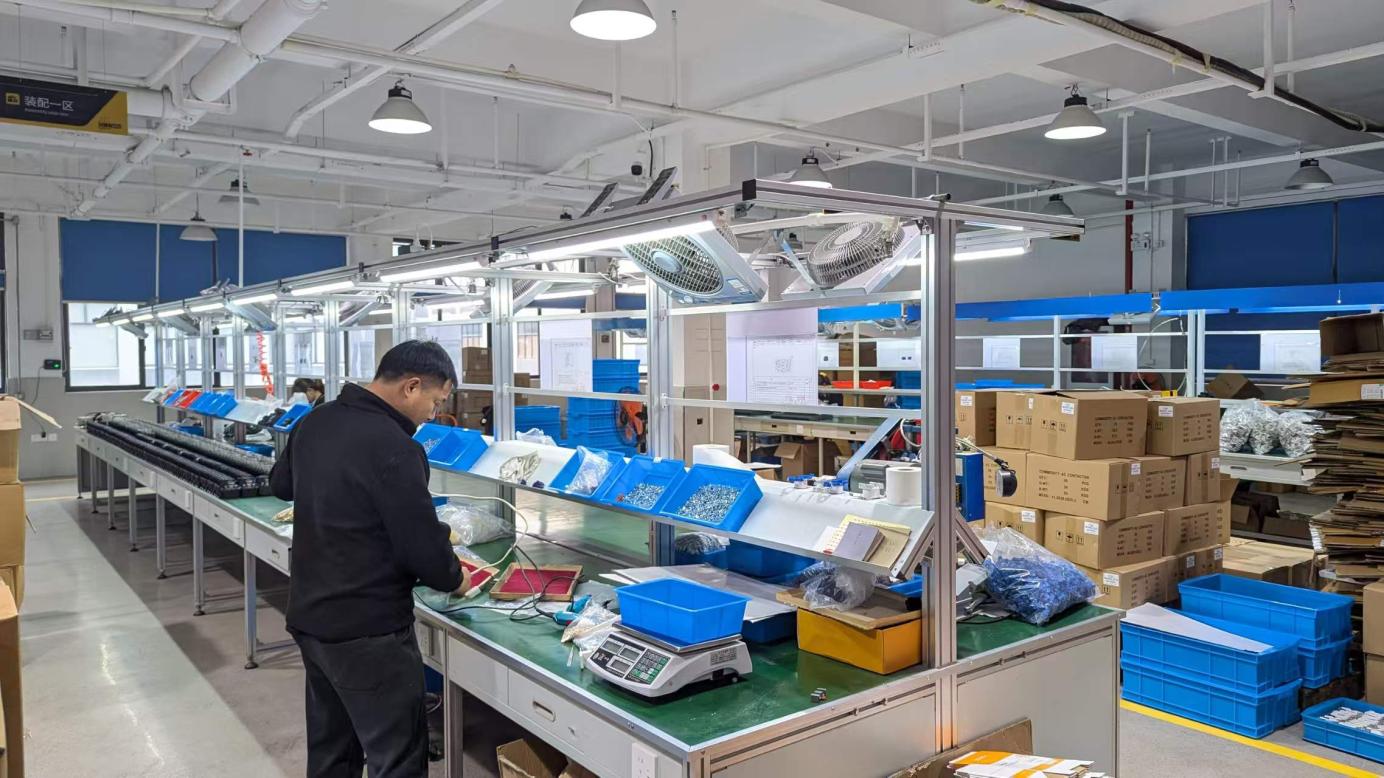
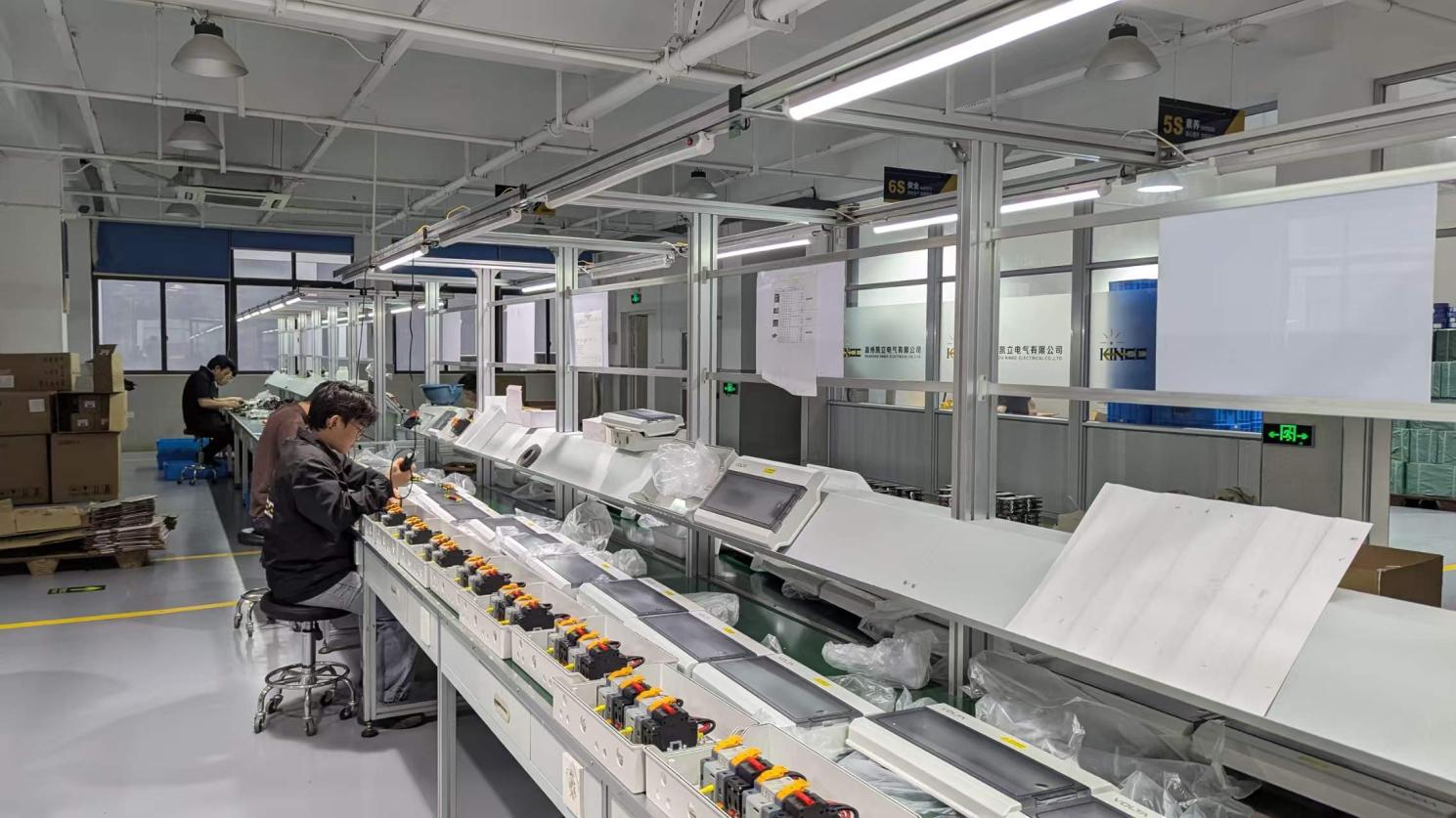
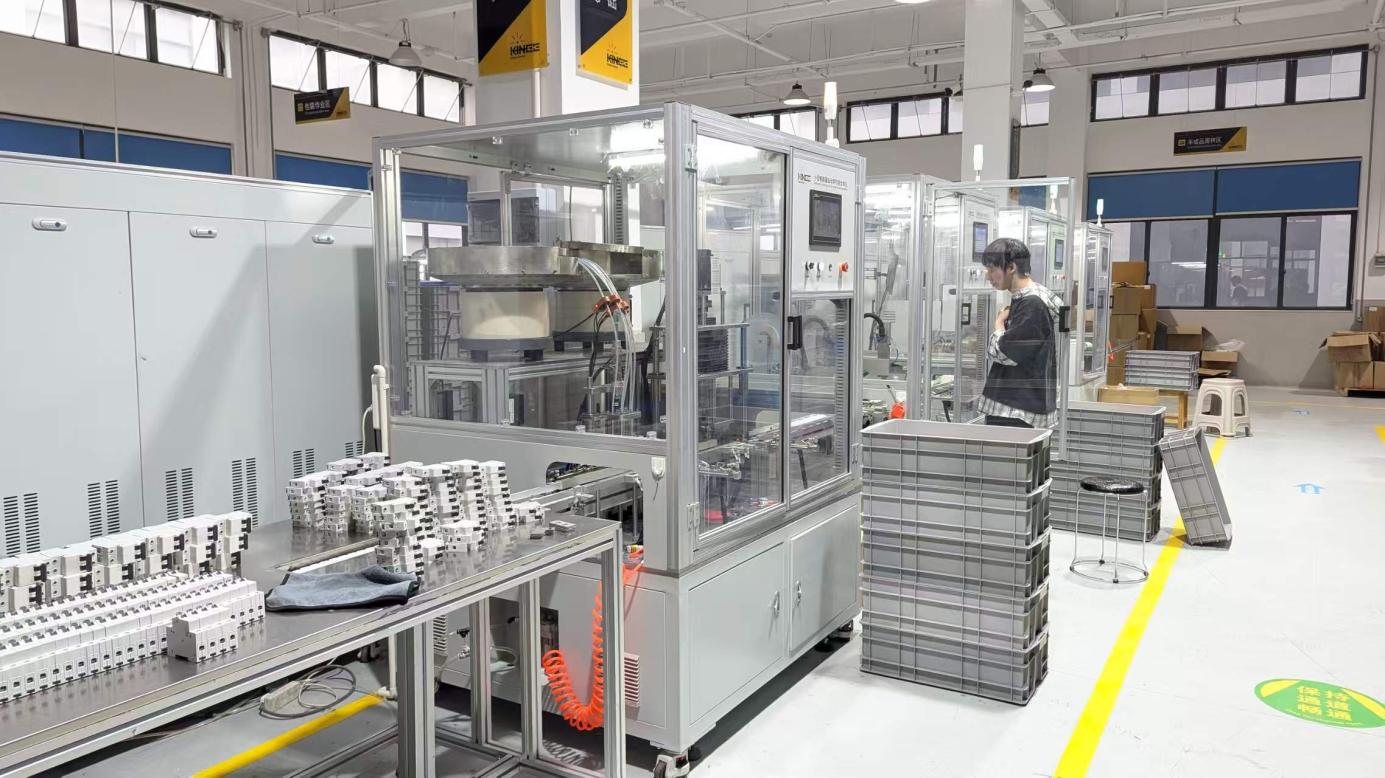
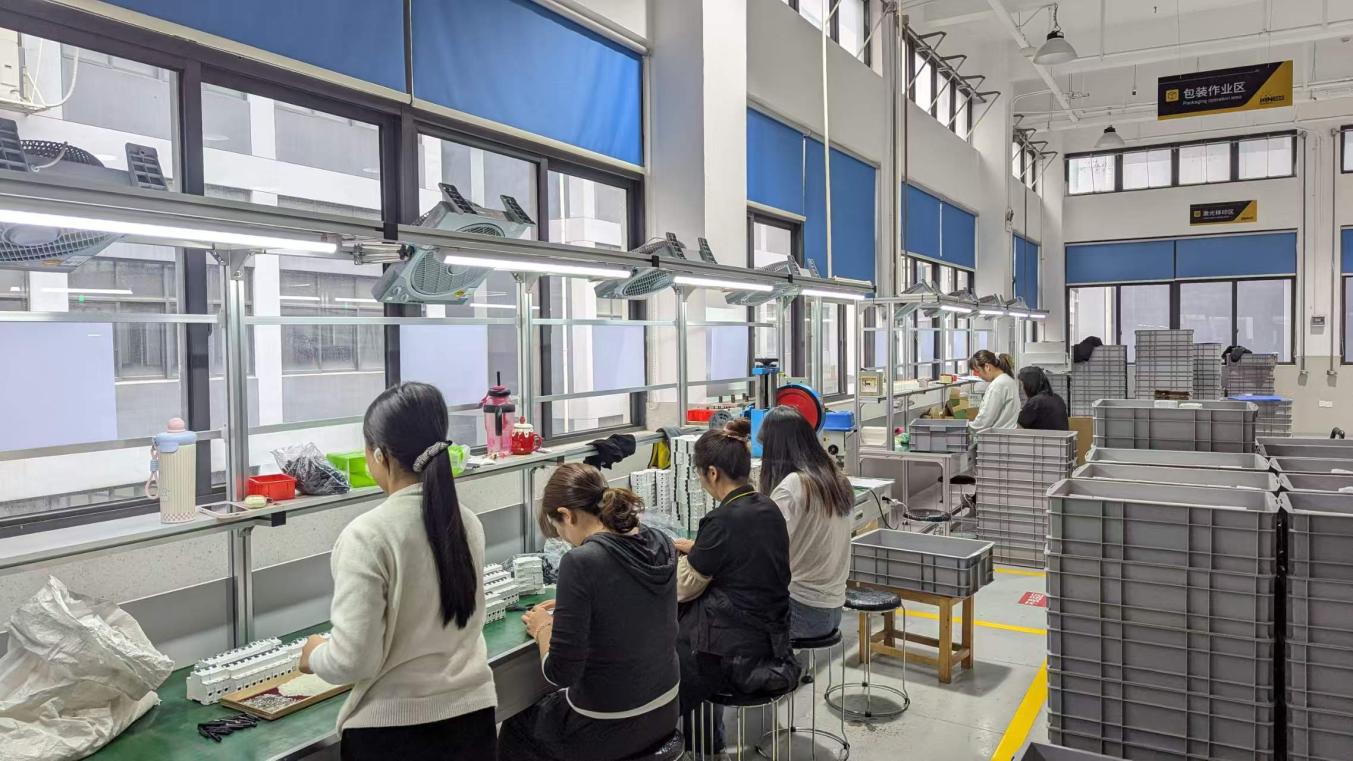
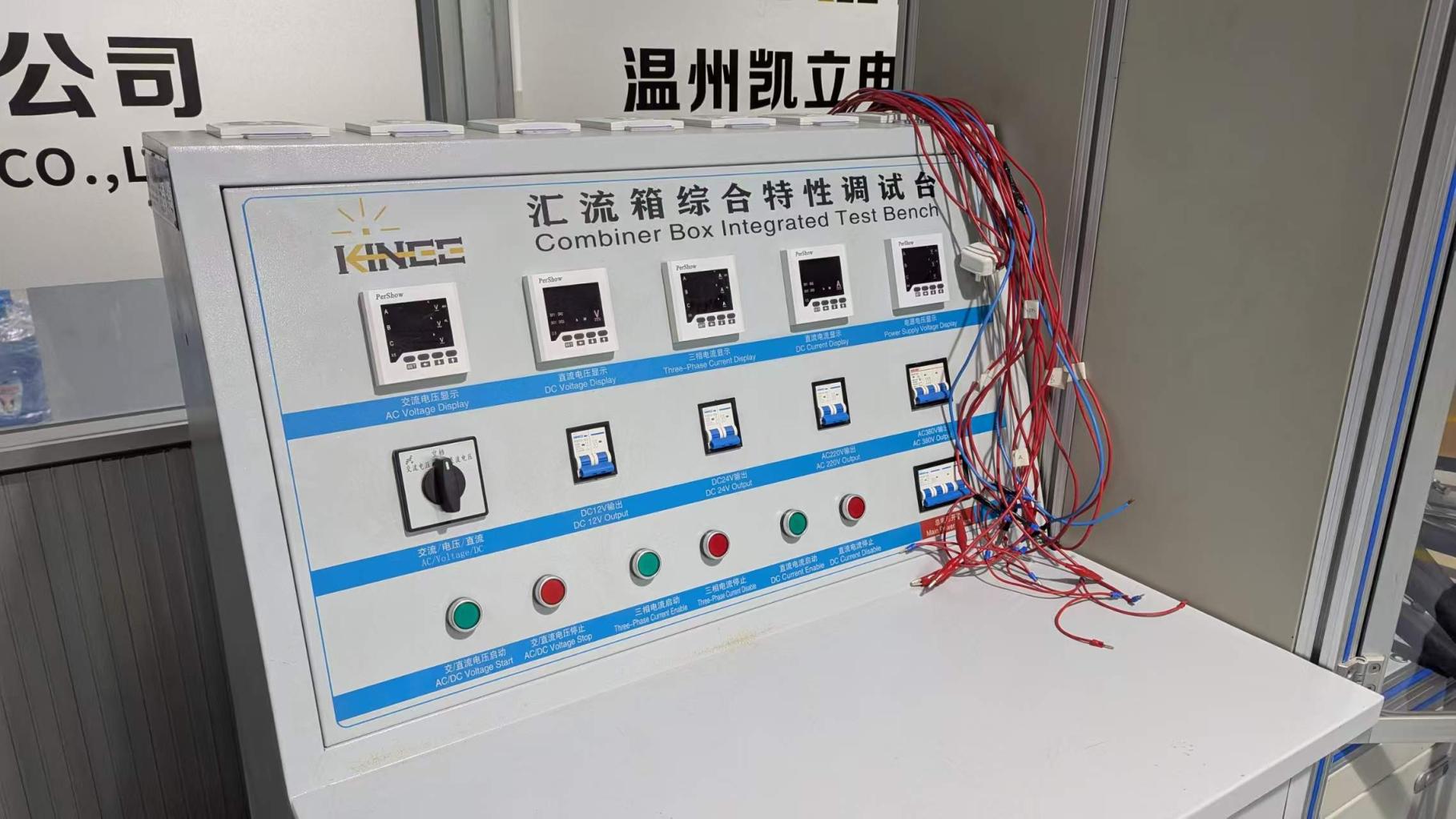
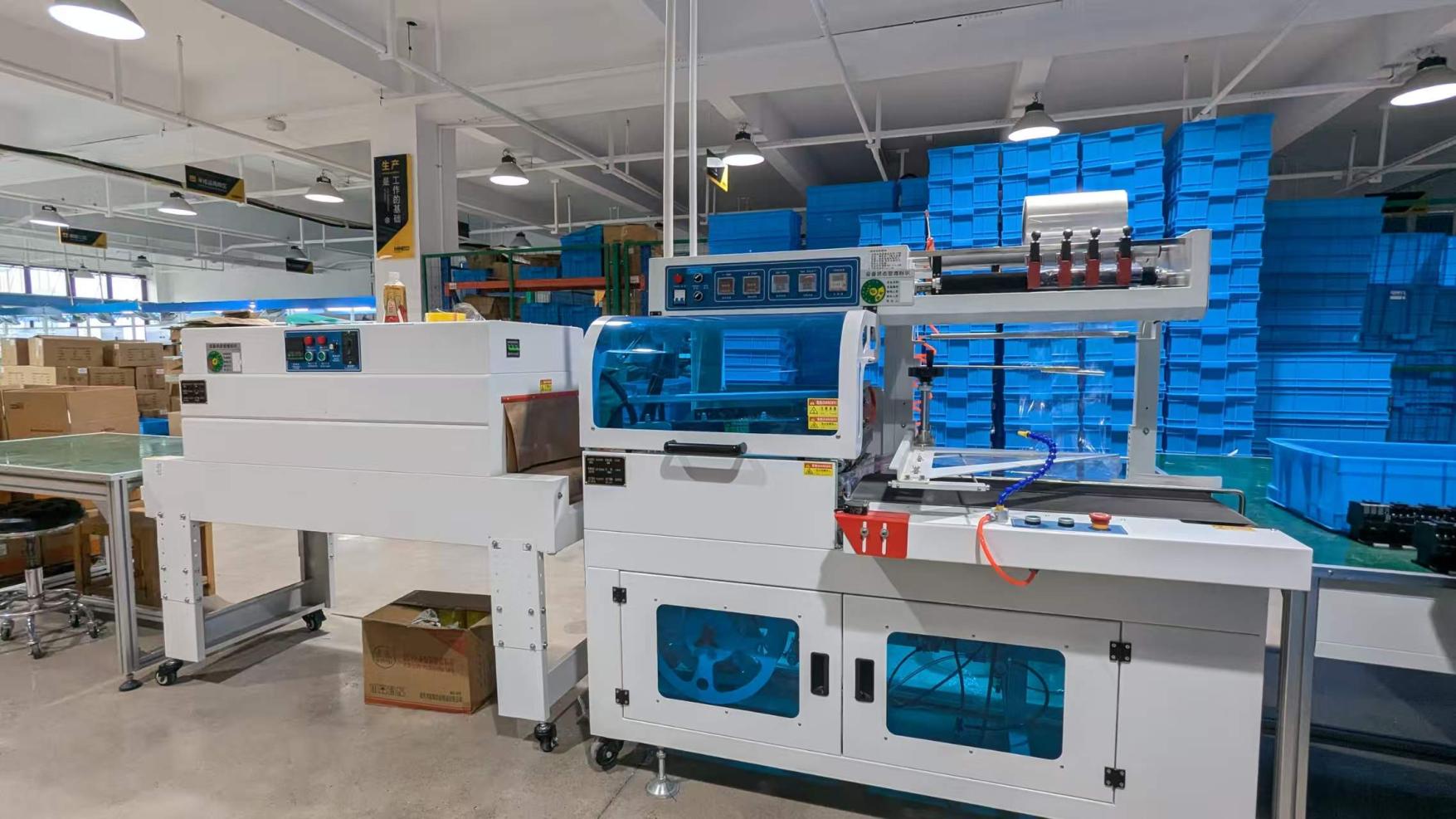
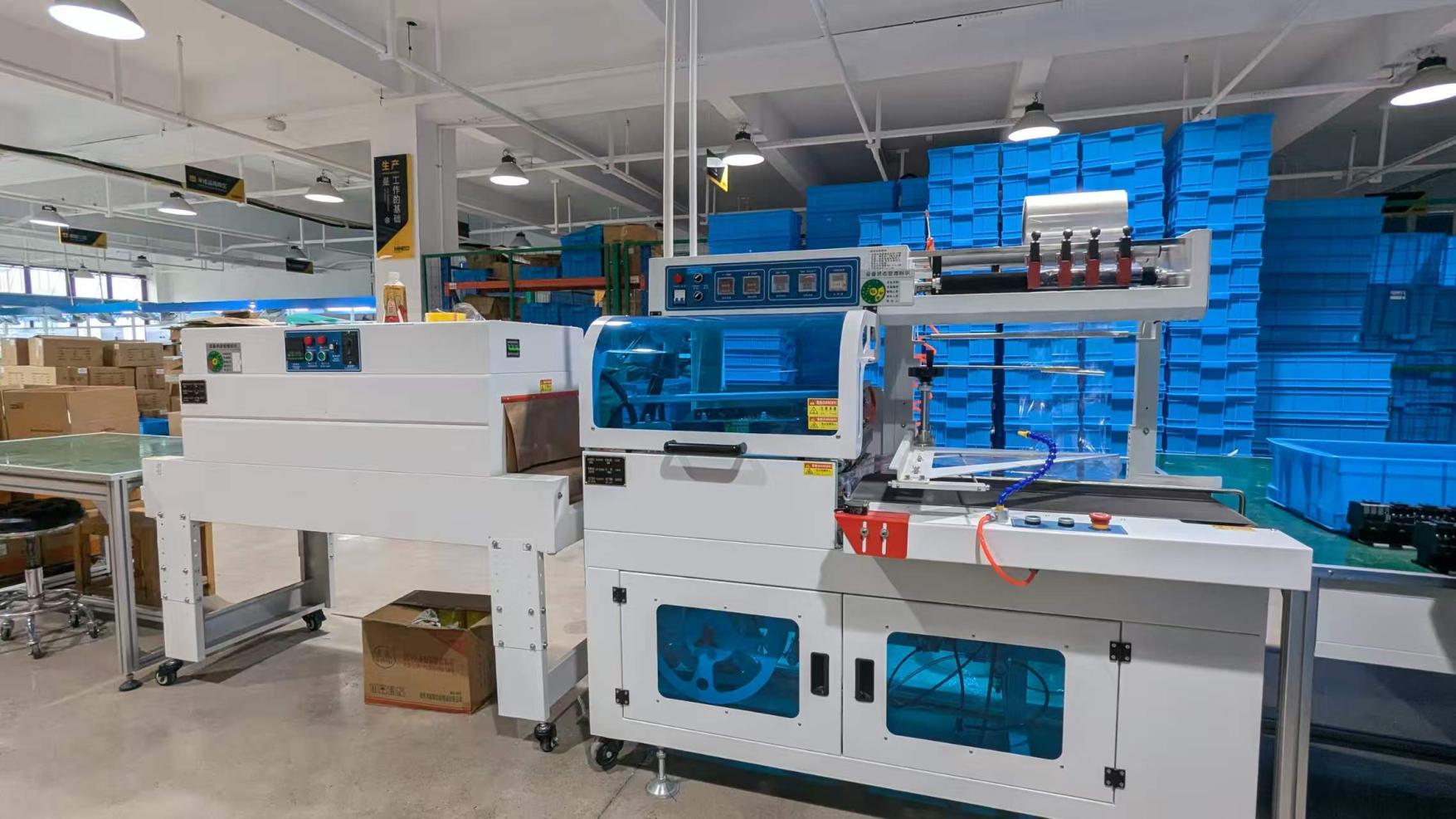
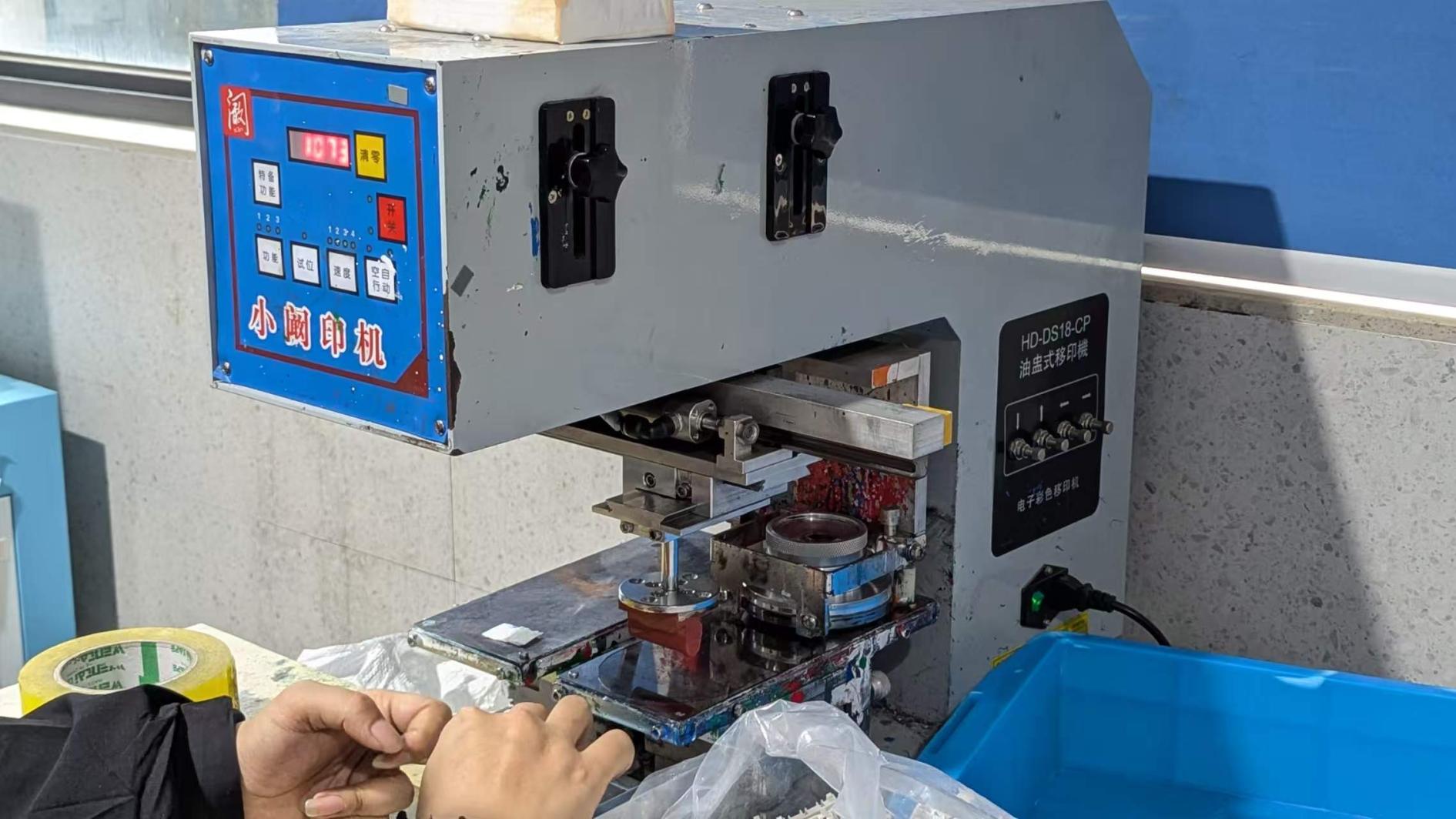
Applying advanced circuit protection and monitoring technologies across key industrial sectors.
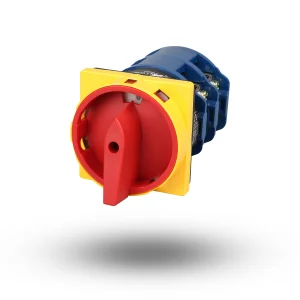
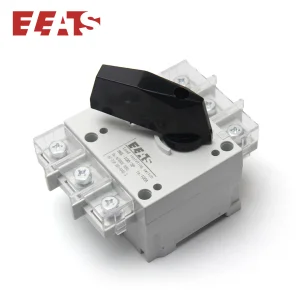
Modern solar installations require robust protection to handle fluctuating DC currents. Bowser’s specialized DC disconnectors and IP65-rated changeover switches allow safe switching under load and isolate photovoltaic strings for maintenance.
High-density data centers require continuous uptime. The integration of high-amp Air Circuit Breakers (ACBs) and dual-power manual or automatic transfer switches secures smooth switching between primary grids and backup generator assets.
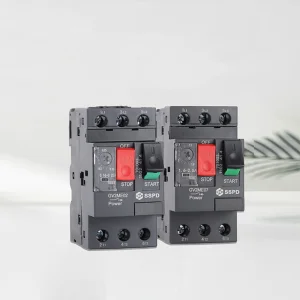
Heavy machinery faces damaging thermal overloads and short circuits during startup. Thermal-magnetic motor protectors (GV2 class) safeguard inductive loads from phase loss and phase unbalance.
Navigating global electrical markets requires meeting strict safety standards. Bowser Electric maintains compliance with major international bodies to simplify importing and deployment processes:
Developing next-generation smart switchgear to support changing power grids.
Embedding high-accuracy micro-shunt arrays and current sensors into standard DIN-rail breakers to measure real-time wattage without external hardware.
Upgrading AFDD microcontrollers with neural network algorithms that can distinguish benign switching arcs from dangerous faults, preventing nuisance tripping.
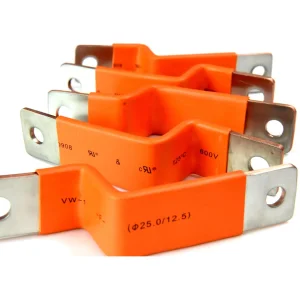
Transitioning product housings and copper internal alloys toward 100% recyclable, zero-halogen composite materials to support global green procurement initiatives.