Bowser Electric
Bowser Electric
Bowser Electric
High-performance circuit breaker products, arc fault detection devices, and power distribution modules engineered to withstand modern grid stresses.
Empowering global industries with cutting-edge electrical distribution systems and advanced safety architectures.
Welcome to Wenzhou Bowser Electric Co., Ltd., a leading force in the electrical industry renowned for innovation, reliability, and an unwavering commitment to excellence. As a specialized manufacturer and exporter, we focus on providing high-quality modular electric terminal devices, household electrical solutions, and industrial electrical components. With a strong emphasis on technology, safety, and customer satisfaction, Bowser Electric has established itself as a trusted partner for clients around the world.
By keeping pace with global industrial challenges, we combine electrical engineering with smart technologies. Our high-capacity research infrastructure and advanced material sciences have allowed us to support high-tier electrical applications across power grids, heavy infrastructure, clean energy storage plants, and smart residential systems.
Bowser Electric proudly serves clients in over 120 countries, with a portfolio of more than 1,500 satisfied customers spanning residential, commercial, and industrial sectors. Our international experience allows us to deliver tailored solutions that meet the unique requirements of different regions and industries. We have built long-term partnerships with leading global brands, earning trust through our consistent product performance and dependable service.
Our collaborative operational model supports local distributors, system integrators, and multinational OEM companies. Through our dedicated international compliance teams, we streamline logistics and certification processes, reducing lead times and ensuring market-entry compliance for all custom-engineered electric components.
Addressing the technical parameters and compliance structures that procurement departments, panel builders, and EPC contractors demand.
In global industrial power distribution, Miniature Circuit Breakers (MCBs) represent the foundational safety barrier for end-use terminals. Sourcing directors and engineering leads face critical structural hurdles when choosing MCB suppliers, particularly concerning tripping consistency, thermal endurance, and system integration. Bowser Electric eliminates these issues by matching our manufacturing runs to strict thermodynamic tolerances and clear mechanical parameters.
Procurement teams require detailed data to ensure their circuit protection can withstand high prospective short-circuit currents (Icc) without cascading failures. We conduct intense testing of Icu (ultimate short-circuit breaking capacity) and Ics (service short-circuit breaking capacity) values, matching IEC 60898-1 standards for residential safety, as well as IEC 60947-2 parameters for heavy industrial equipment. This ensures that every unit we ship functions reliably over its design life, even under continuous high-temperature run cycles.
| Electrical Parameter | IEC 60898-1 (Residential) | IEC 60947-2 (Industrial) | Bowser Premium Standard |
|---|---|---|---|
| Nominal Voltage (Ue) | 230V / 400V AC | Up to 690V AC / 1000V DC | Universal 230V/400V/440V AC; Up to 1000V DC |
| Rated Current (In) | 1A to 125A | 0.5A to 160A | 0.5A to 125A (Custom step calibration) |
| Breaking Capacity (Icn/Icu) | 4.5kA, 6kA, 10kA | Up to 15kA, 25kA, 50kA | 6kA, 10kA, 15kA (High-performance ratings) |
| Tripping Curves | B, C, D | Categorized by application | B, C, D, K, Z curves available |
| Dielectric Strength | 2.0 kV (50/60Hz, 1 min) | 2.5 kV (50/60Hz, 1 min) | 3.0 kV for enhanced industrial insulation |
Modern electrical applications also require selective coordination (discrimination) to prevent minor line faults from causing wide facility shutdowns. Our technical engineers supply tripping characteristics charts and time-current curves, letting control system designers coordinate our MCBs with upstream Molded Case Circuit Breakers (MCCBs) and downstream surge protection modules. By utilizing precise silver-alloy contact tips and rapid electromagnetic actuators, Bowser MCBs isolate localized circuit paths in milliseconds, protecting critical operational runtimes.
An engineering breakdown of Bowser Electric's patented miniature circuit protection technologies.
Our MCBs feature structured 12-plate arc chutes to rapidly split and cool heavy electrical arcs. Extended arc-runners guide the arc away from the main silver-graphite contacts within milliseconds, minimizing contact erosion and extending mechanical service life.
Each thermal bi-metallic element undergoes precise temperature calibration to guarantee reliable overload tripping. This keeps our MCBs within tight performance bounds, preventing nuisance tripping in warm electrical enclosures.
We build our breaker housings using flame-retardant, high-strength polyamide PA66. This material provides excellent insulation, remains structurally stable at high operational temperatures, and meets UL 94 V-0 self-extinction tests.
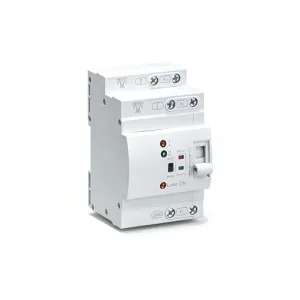
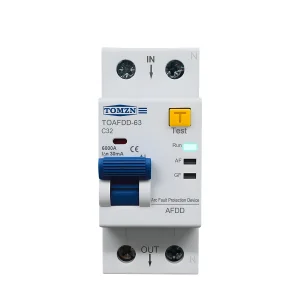
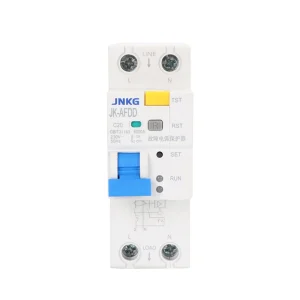
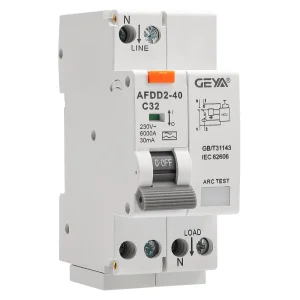
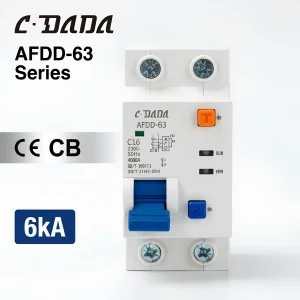
As electrical grids transition toward digital structures, standard thermal-magnetic protection is no longer sufficient for complex residential and commercial buildings. Bowser Electric is at the forefront of this shift, manufacturing advanced Arc Fault Detection Devices (AFDD). These micro-controller-driven breakers continuously analyze current signatures for high-frequency noise patterns that indicate serial or parallel electric arcs.
Unlike standard MCBs that only respond to massive overcurrent events, our AFDD modules run complex digital algorithms to identify early insulation breakdowns, damaged power cords, and loose connections. By catching these low-current, sparking faults before they can ignite nearby materials, our advanced digital protection modules prevent electrical fires in commercial hubs and high-density residential properties.
How Bowser Electric custom-configures modular breakers for complex, high-stress operating environments.
Solar arrays and battery storage installations operate on continuous high-voltage direct current (DC) circuits. Under these conditions, extinguishing DC electrical arcs is challenging because the current lacks a natural zero-crossing point. Bowser Electric designs high-capacity DC miniature circuit breakers rated up to 1000V DC. These units feature strong internal permanent magnets that pull the electrical arc directly into the de-ionizing arc-chute plates, providing fast isolation and long-term protection for solar PV combiners, string inverters, and battery storage cells.
Modern electrical infrastructure relies on real-time operational transparency and remote control capabilities. Bowser is developing intelligent MCBs that incorporate current, voltage, and temperature telemetry, using Modbus-RTU, Zigbee, or Matter wireless interfaces. This enables smart facility managers to run predictive maintenance, track energy usage at the sub-panel level, and remotely cycle non-critical circuits. These smart breakers integrate directly into building management systems (BMS) and smart industrial automation networks.
Heavy machinery and manufacturing lines draw high inrush currents, making them prone to nuisance tripping. Bowser's motor protection and D-curve circuit breakers are engineered for high magnetic tripping thresholds (10In to 15In), accommodating heavy startup currents from industrial motors, large transformers, and power factor correction capacitors. This high tolerance keeps machines running smoothly, preventing costly manufacturing downtime while maintaining reliable short-circuit protection.
From sub-zero telecommunication towers to warm desert solar fields, distribution equipment must function reliably in harsh climates. Bowser MCBs are engineered with robust internal mechanisms, allowing them to operate across a broad temperature range of -40°C to +70°C. They are treated with anti-corrosion coatings to resist moisture, dust, and coastal sea salt, ensuring long-term durability in offshore wind installations and industrial chemical facilities.
An inside look at our advanced production systems, automated testing, and assembly workshops.
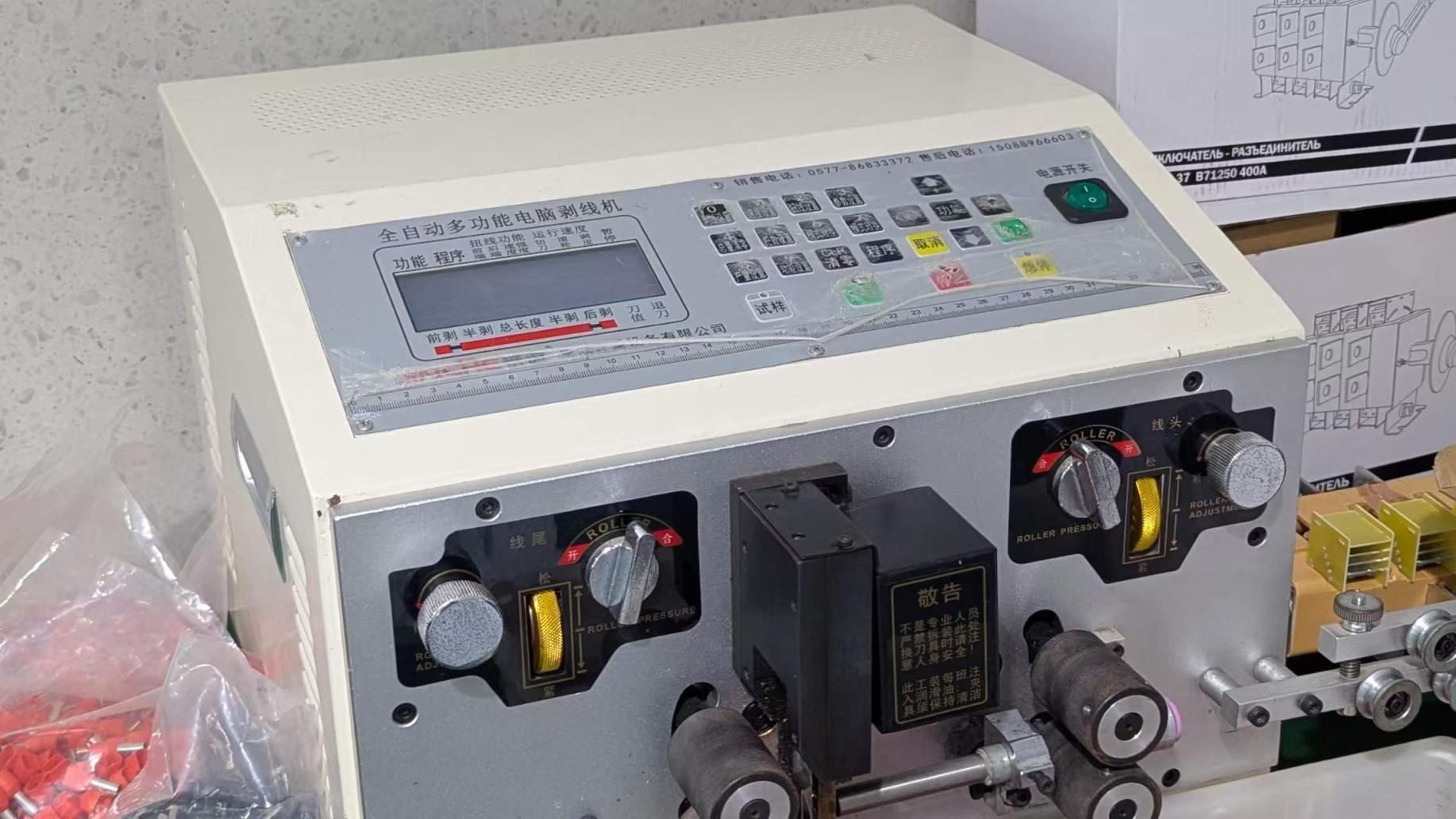
High-precision stripping machinery cuts and preps internal wiring to exact dimensions, preventing contact resistance issues.
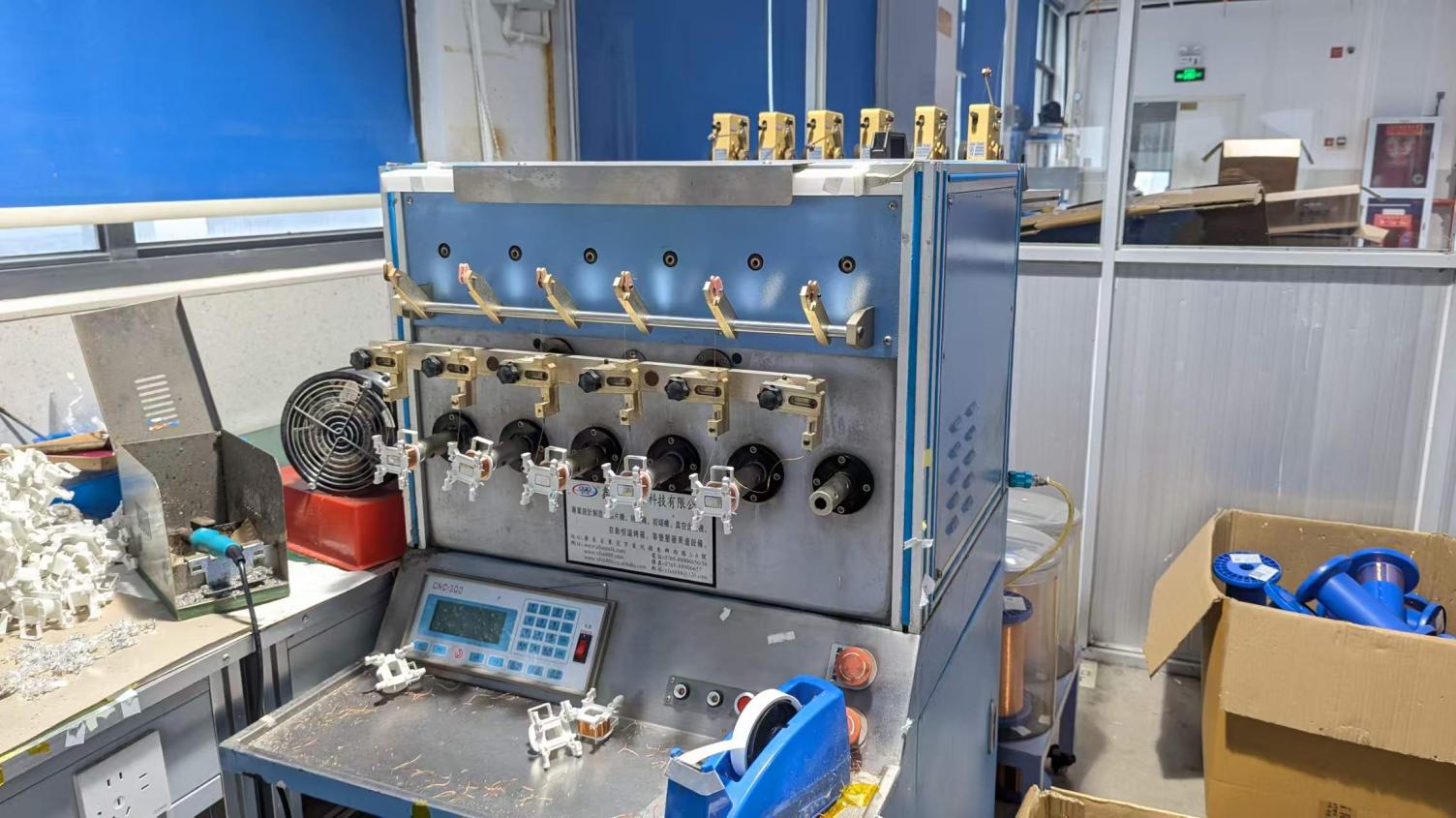
Automated winding systems shape the electromagnetic coils, ensuring consistent magnetic trip response across production runs.
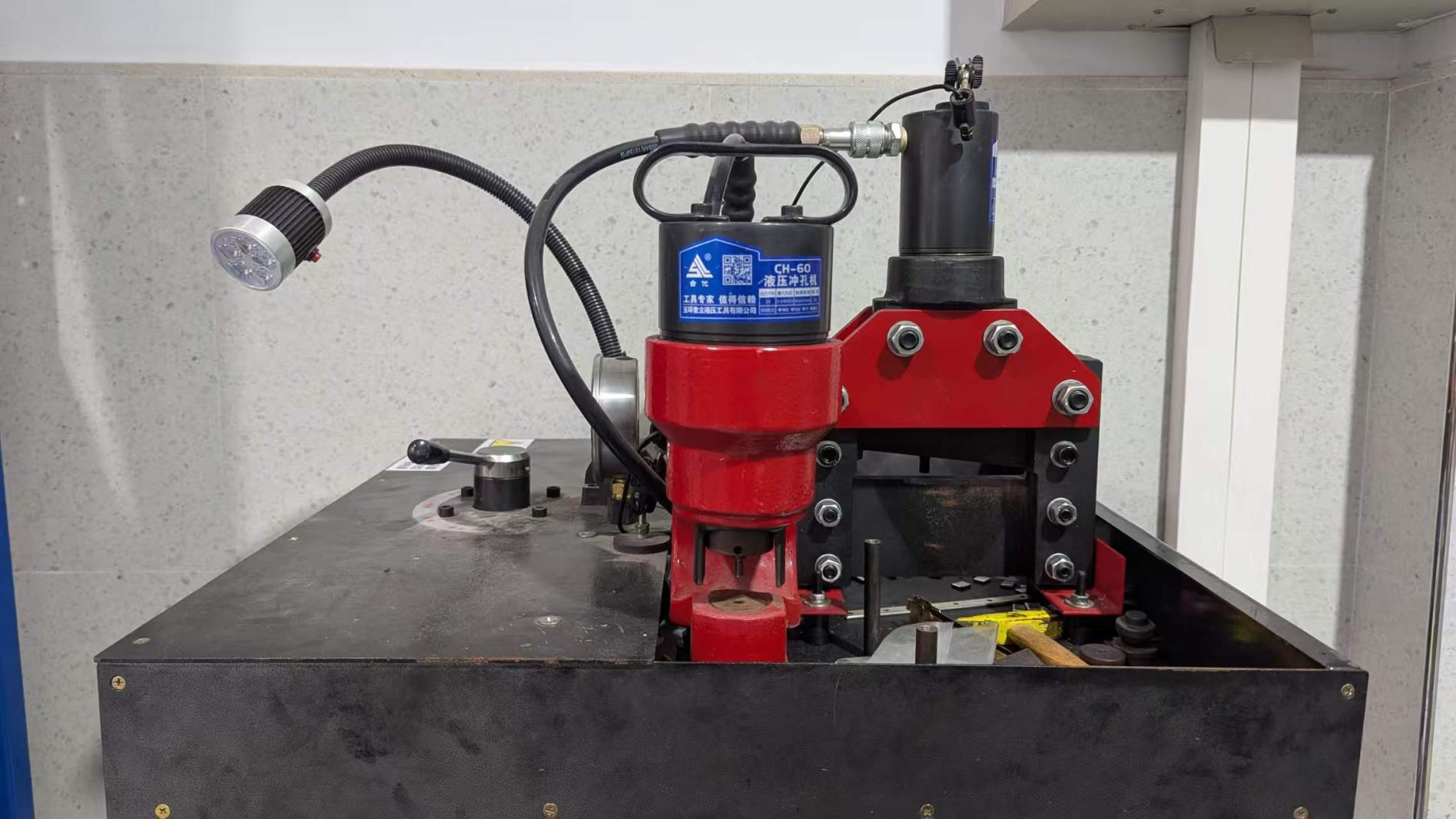
High-speed punching presses form internal copper conductors and contact assemblies with tight physical tolerances.
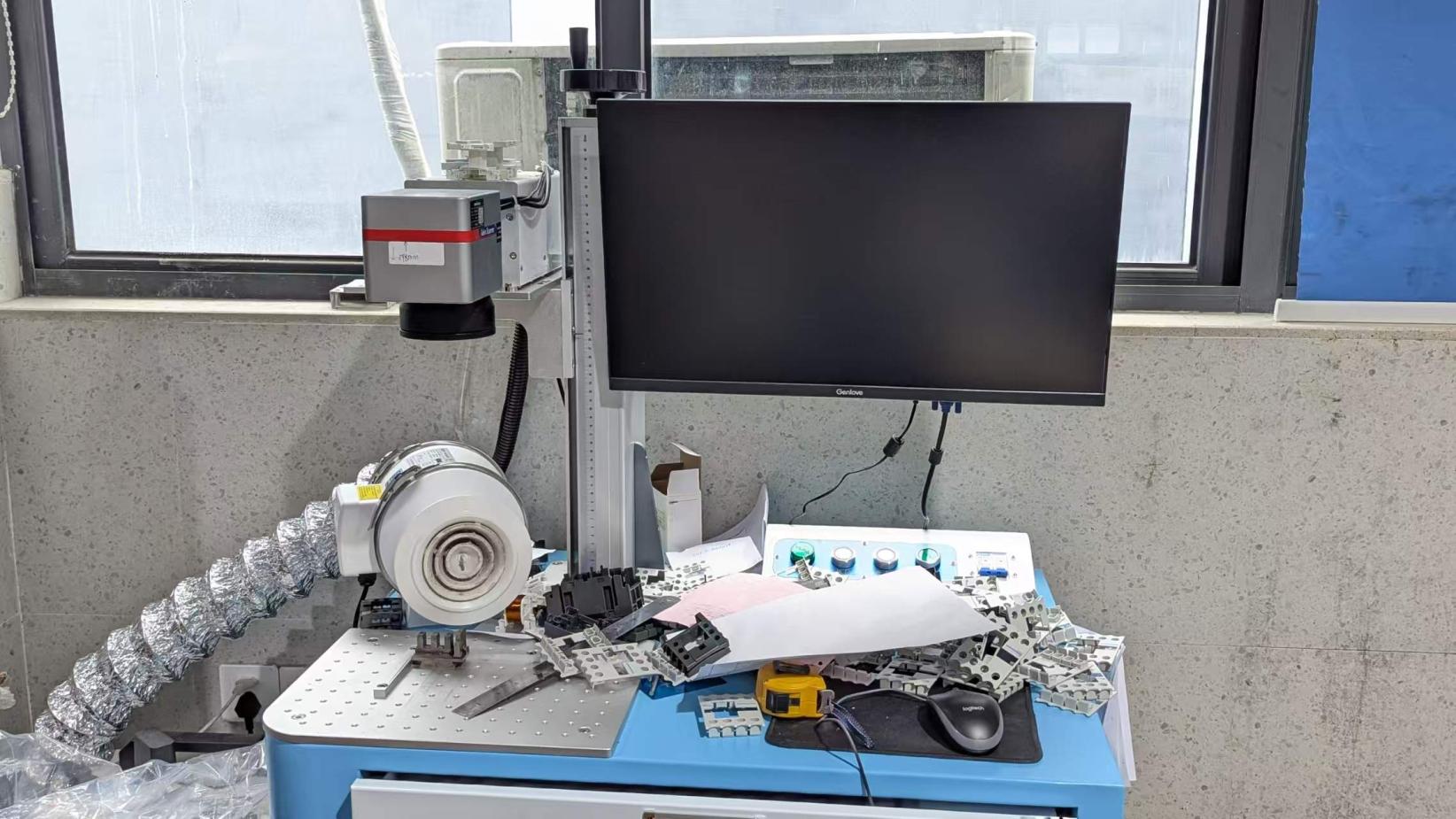
Laser marking stations apply permanent, clear product specifications, ratings, and wiring diagrams to the breaker housings.
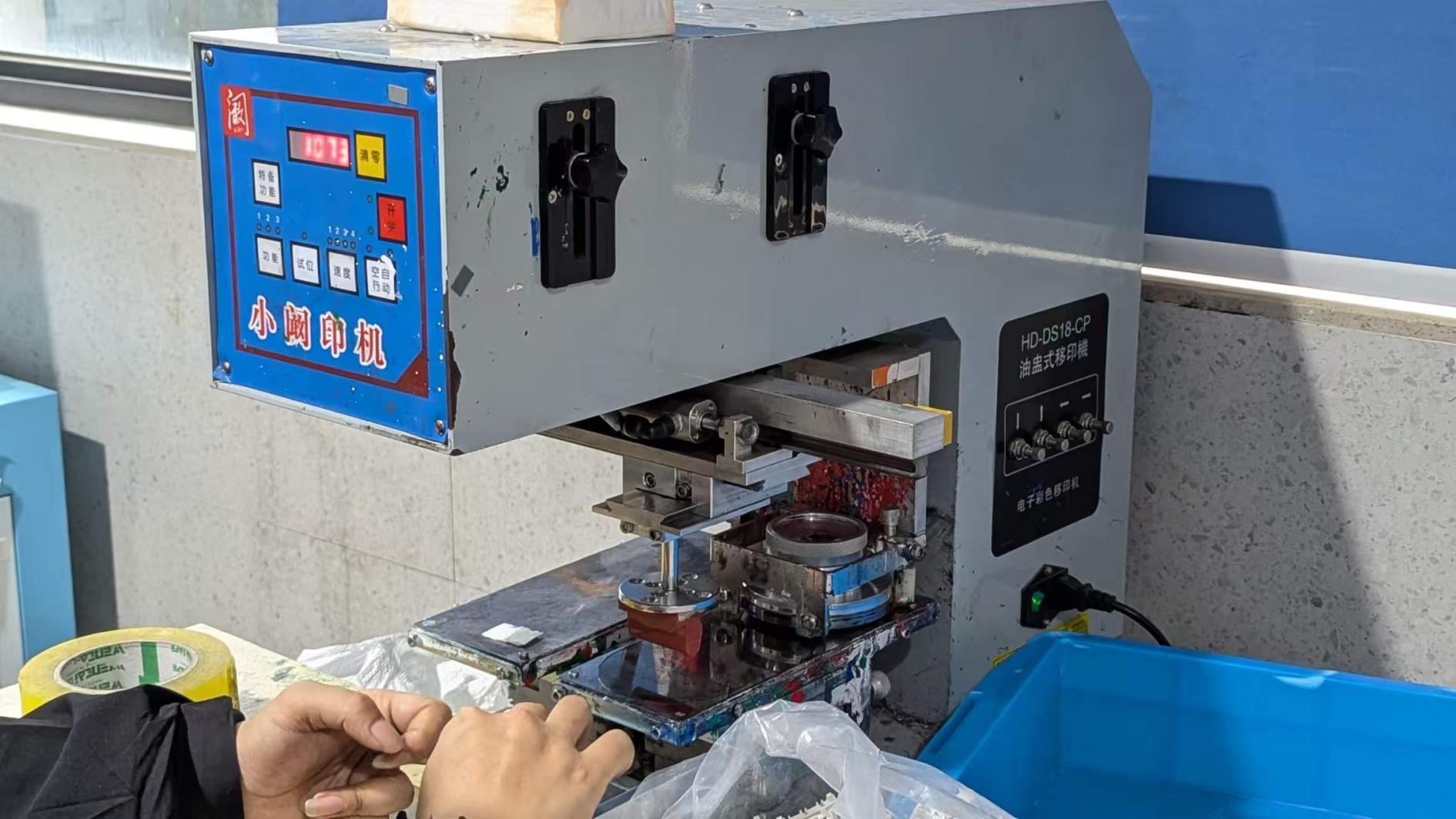
Precision printing systems apply brand logos and color-coded indicator marks onto our modular electrical devices.
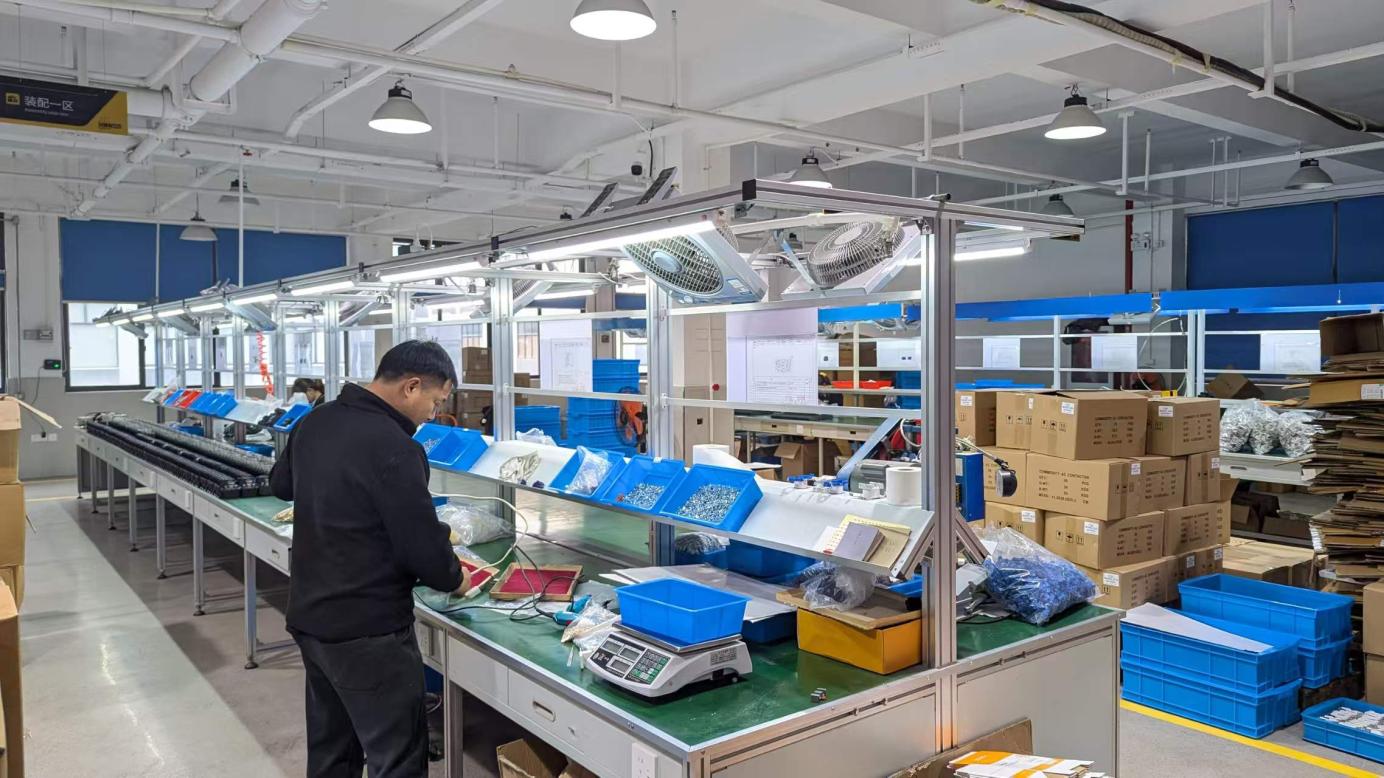
Our primary assembly line integrates bi-metallic strips, solenoids, contacts, and arc chutes into the main housing.
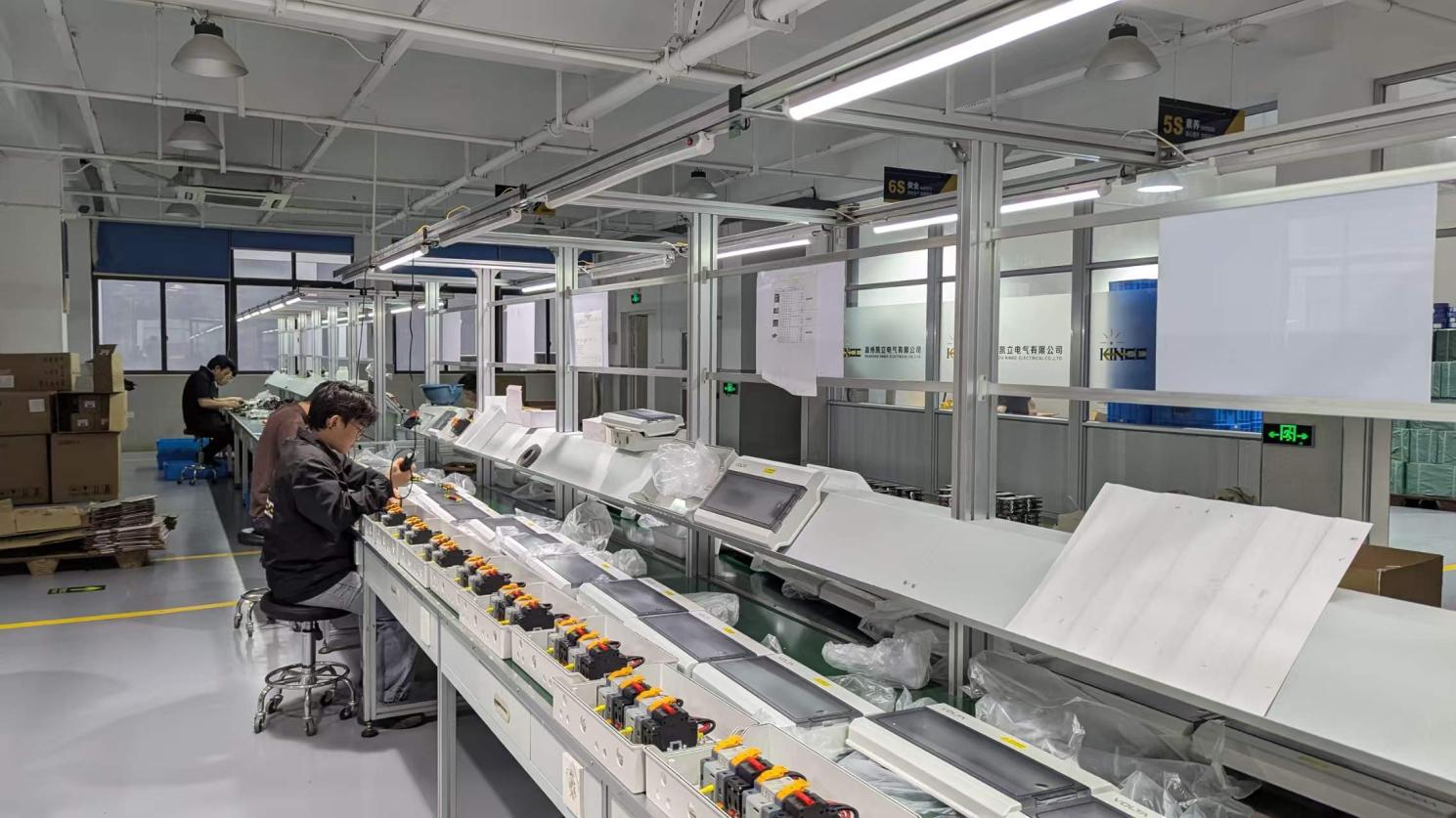
A specialized line for high-voltage DC solar isolators, SPDs, and industrial-grade Molded Case Circuit Breakers.
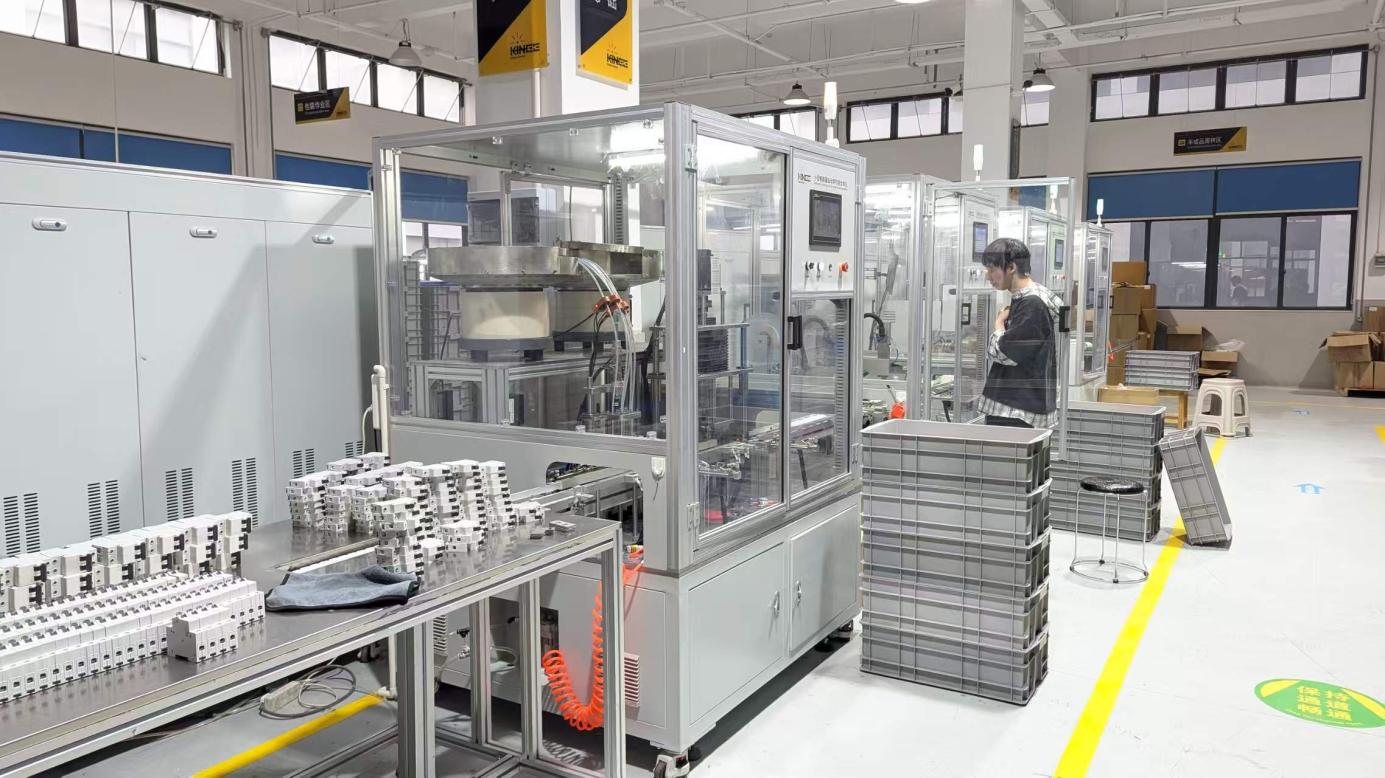
High-speed machinery fastens structural housing points, securing internal components against mechanical stresses.
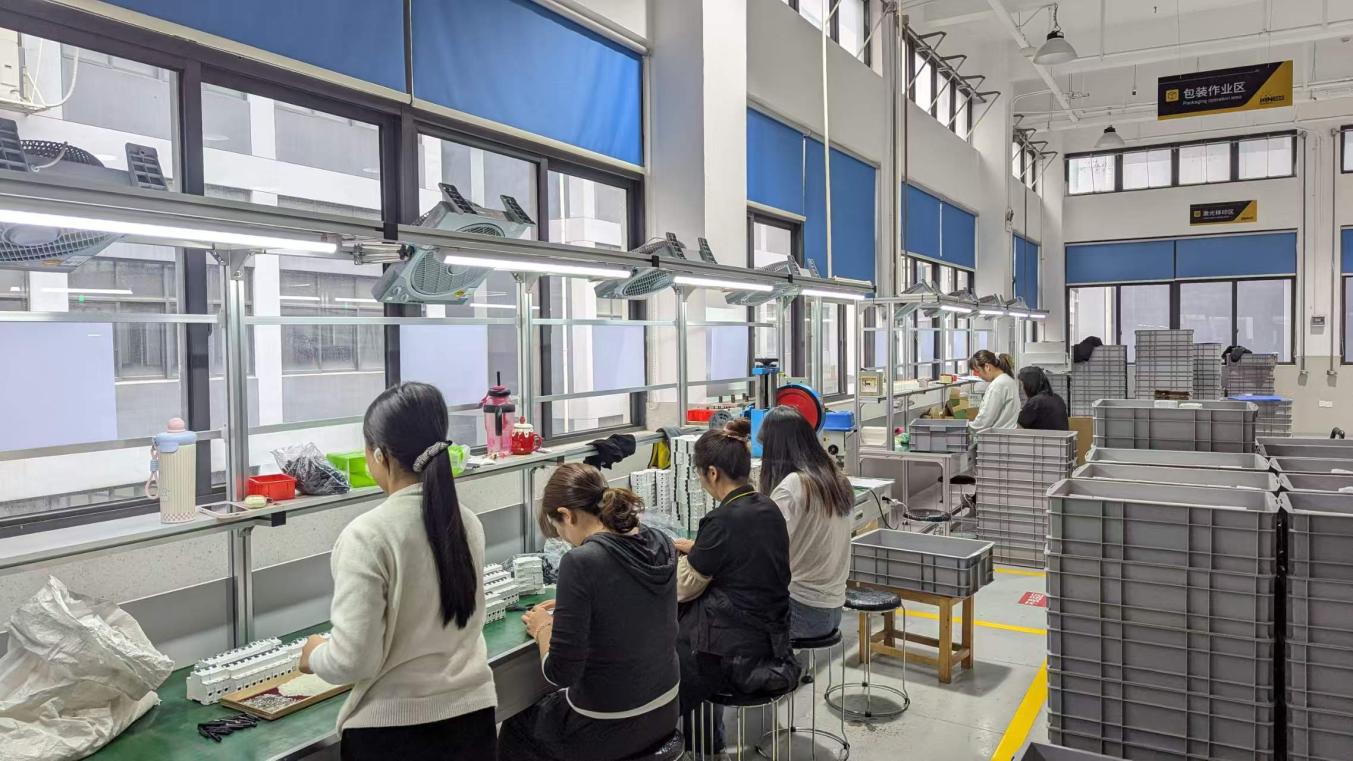
Heavy duty riveting machines reinforce the outer case structure, ensuring it remains intact under high-pressure arc ventilation.
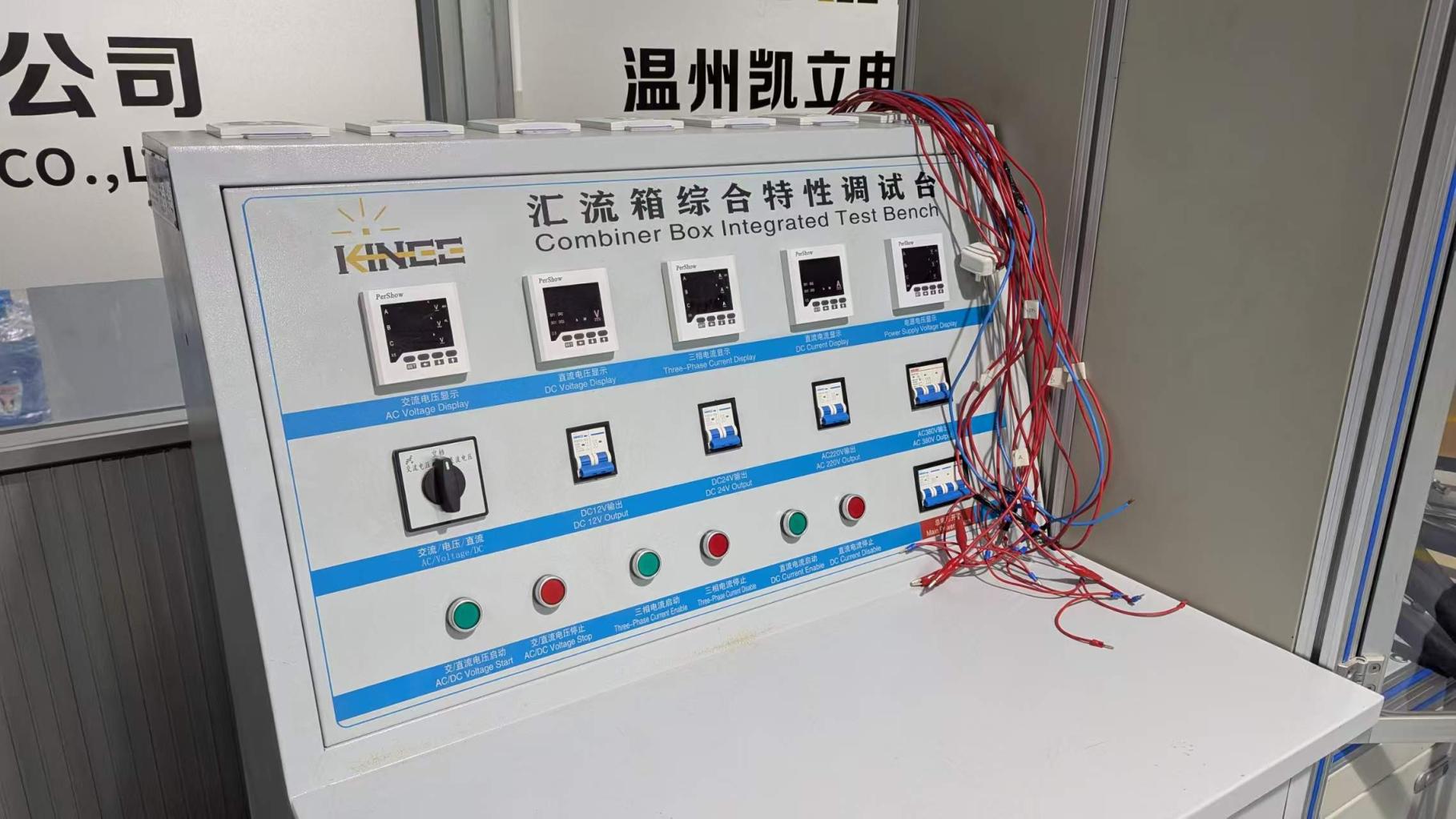
Automated testing rigs calibrate magnetic and thermal responses, ensuring every unit meets international safety ratings.
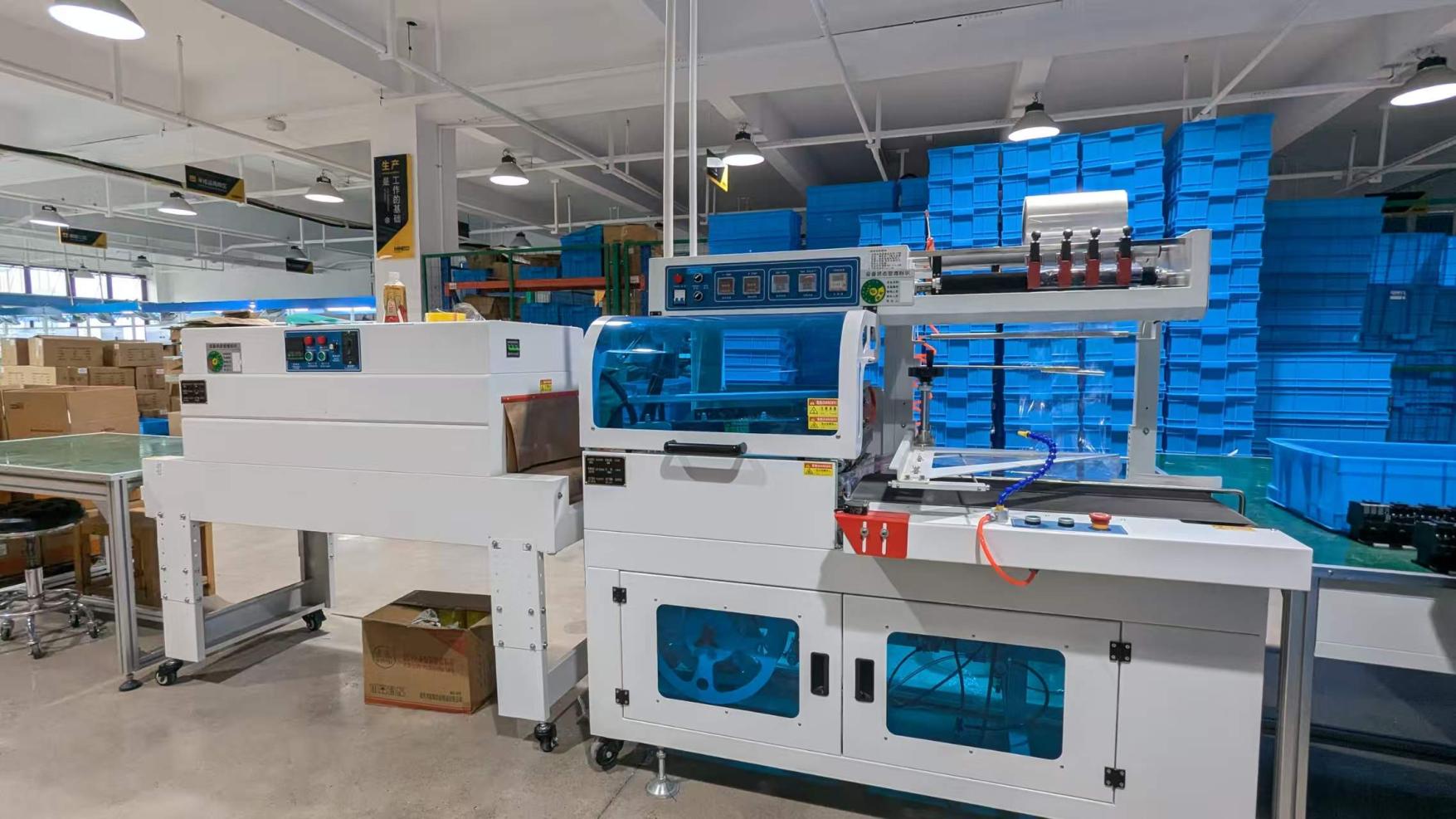
Protective primary boxing prevents damage and controls humidity during global sea transit and warehouse storage.
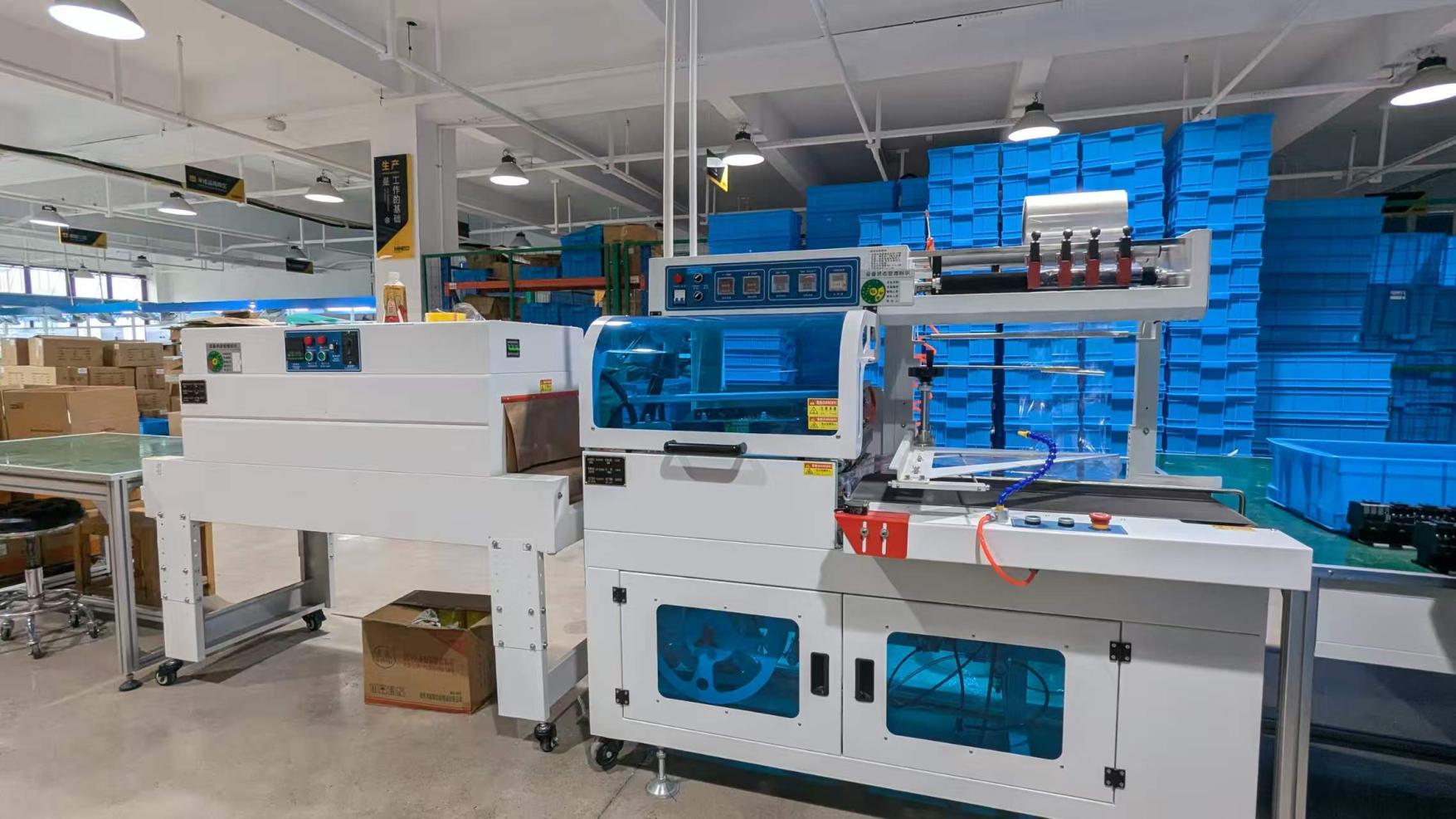
Sealed vacuum packaging protects sensitive electronic assemblies and controls against moisture ingress during shipping.
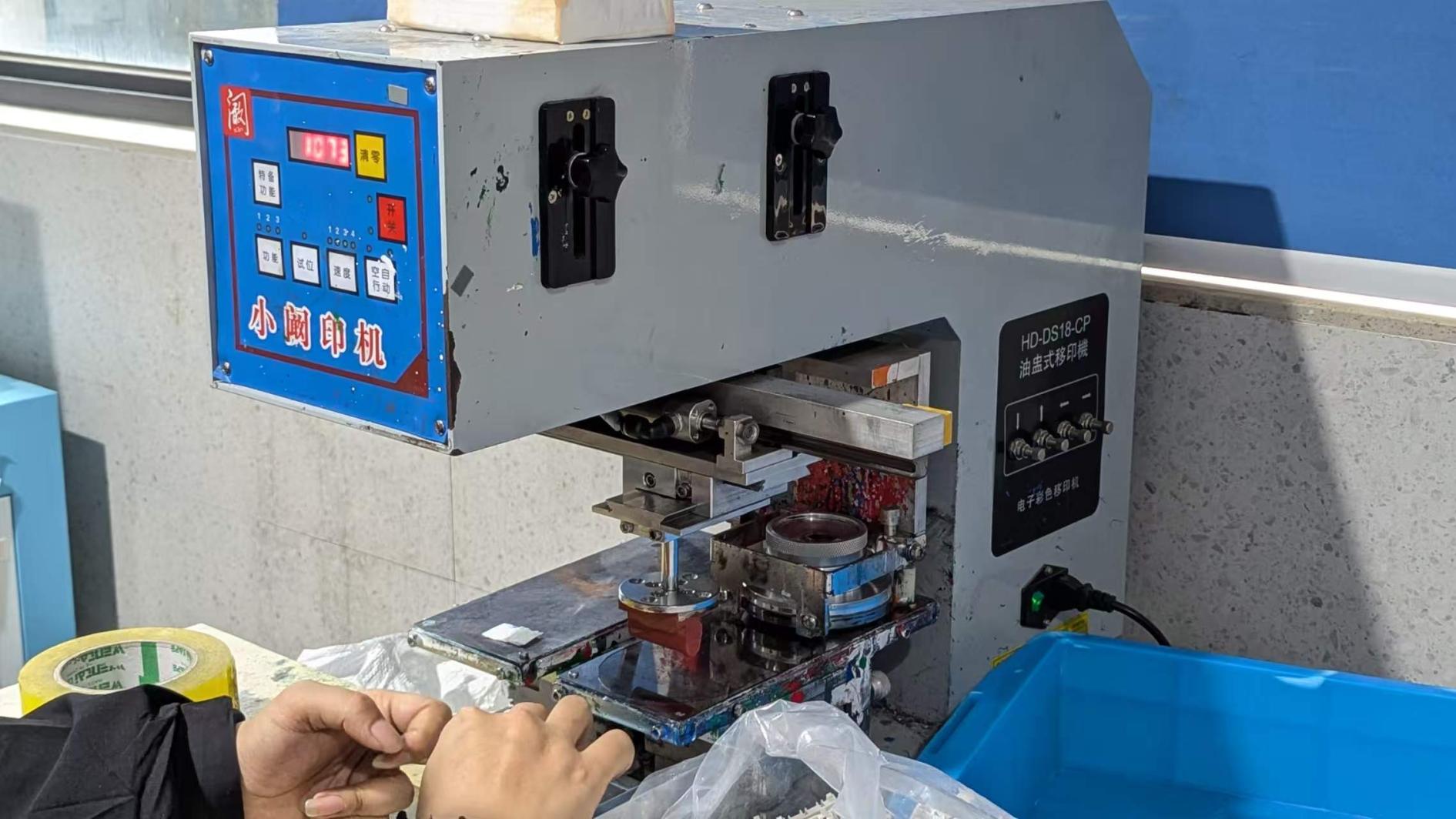
High-speed machinery prints product models, safety ratings, and certification logos onto the breaker housing.
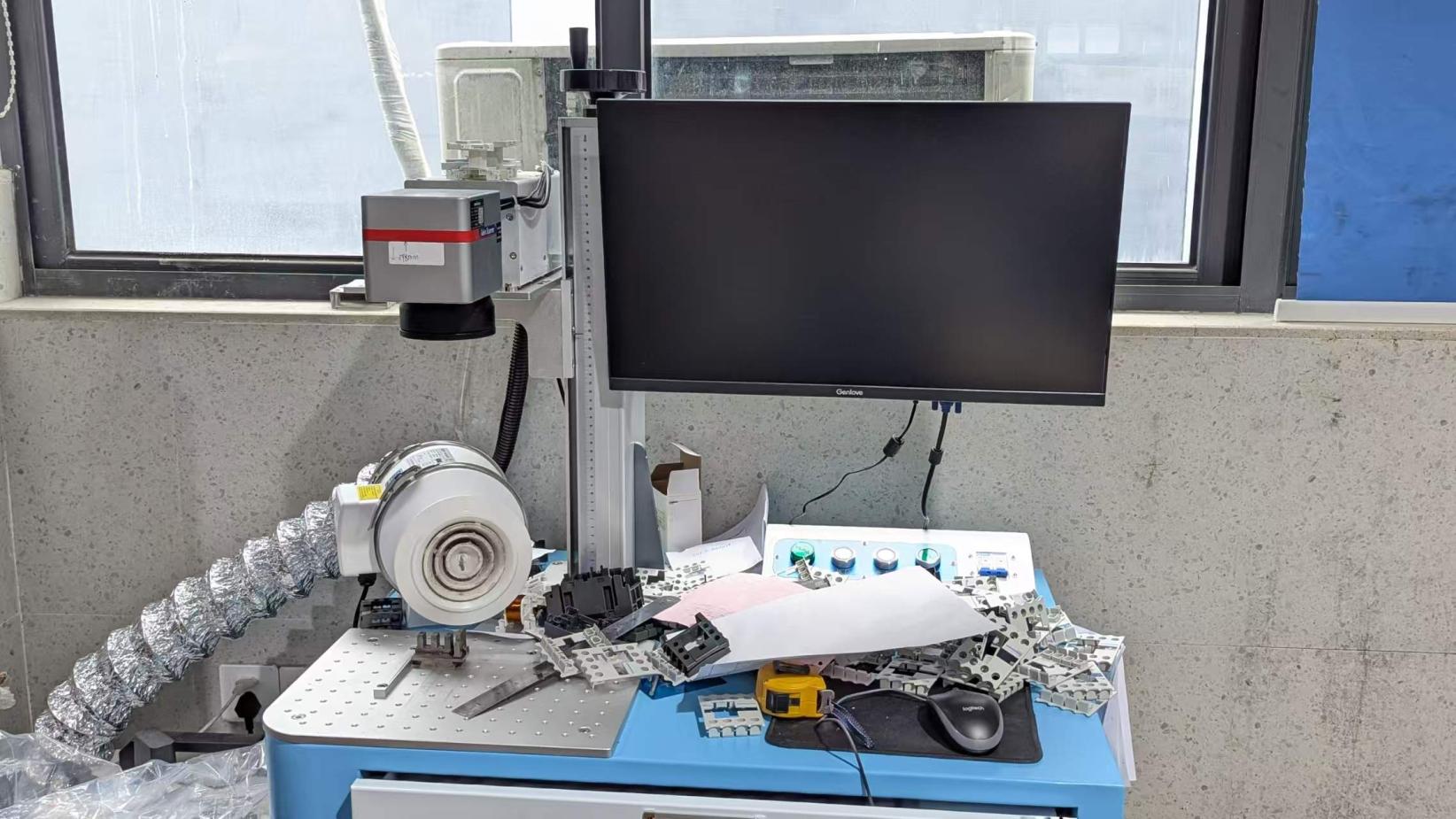
Advanced fiber laser marking units apply tracking barcodes, batch codes, and custom labels for OEM/ODM clients.
From design draft to international certification—streamlining industrial production for global brands.
Bowser Electric offers extensive engineering and customization support. Our dedicated 35-person R&D department handles mechanical integration, electrical design modifications, and structural layout optimization. We operate a modern in-house tool design and mold fabrication facility, allowing us to rapidly construct prototypes and tweak physical designs without relying on third-party shops. This speeds up production and keeps development costs low for our OEM partners.
We provide full white-label and custom branding options. Our automated pad printing and laser marking lines apply your brand graphics, logo, safety certifications, and custom electrical wiring maps directly to the breaker cases. We also customize secondary packaging and user manuals, ensuring all items match your branding and market requirements before shipping.
Every custom circuit breaker we build undergoes strict testing to confirm its performance limits. We run mechanical lifecycle tests, temperature-rise tests, and electrical overload tripping trials. Our QC staff verify that all breakers maintain their calibrated trip parameters over thousands of operations, ensuring high reliability for critical commercial and industrial installations.
Entering international markets requires meeting strict safety standards. Bowser works closely with leading certification bodies, including CE, KEMA, TÜV, and RoHS. We provide full technical documentation, material data sheets, and lab test reports to help our OEM partners secure local safety certifications, reducing regulatory hurdles and accelerating product launches.
Meeting international electrical safety standards across European, American, and Asian markets.
National grids and regional electrical installations are governed by strict safety regulations. Sourcing products that lack proper international certifications can lead to project delays, cargo rejections, or safety issues. Bowser Electric designs and manufactures its entire product range in compliance with international safety and environmental regulations, including CE, IEC/EN 60898-1, IEC 60947-2, and RoHS directives.
Our quality management team maintains strict compliance records, ensuring every production run is fully traceable back to raw material batches. By choosing Bowser as your OEM/ODM partner, you gain access to comprehensive technical dossiers, helping you secure regional certifications and ensuring a smooth path to market.
Expert technical insights regarding miniature circuit breakers, tripping curves, and installation performance parameters.
Miniature circuit breakers rely on a bimetallic strip to trip during overloads. This strip reacts to thermal changes caused by current flow. Because of this, the ambient air temperature directly affects the breaker's tripping speed. Most standard breakers are calibrated to perform at a baseline temperature of 30°C. If they are installed in hotter environments, such as enclosed outdoor electrical panels, the breaker will trip at a lower current than its nominal rating. To prevent nuisance tripping, engineers must apply temperature derating factors, referring to our temperature correction tables to select the appropriate breaker size.
Tripping curves define the magnetic trip threshold of a breaker, which is designed to handle different levels of starting or inrush currents:
• Type B: Trips at 3 to 5 times the rated current. Ideal for resistive loads with minimal inrush, such as electric heaters and residential lighting.
• Type C: Trips at 5 to 10 times the rated current. Suitable for general inductive loads, including fluorescent lighting, small motors, and home appliances.
• Type D: Trips at 10 to 20 times the rated current. Engineered for heavy inductive loads with high starting currents, such as industrial motors, transformers, and large compressors.
At higher altitudes (typically above 2,000 meters), the air is thinner, which reduces its ability to transfer heat and insulate electrical currents. This lower air density makes it harder to cool the circuit breaker during operation, leading to higher internal temperatures. The reduced atmospheric pressure also makes it more difficult for the breaker's arc chute to extinguish electrical arcs, which reduces its overall breaking capacity. To maintain safety at high altitudes, the breaker's voltage rating, current rating, and breaking capacity must be adjusted down based on altitude correction factors.
Ultimate Breaking Capacity (Icu): This is the maximum short-circuit current the circuit breaker can safely interrupt without failing completely. After handling an Icu-level short circuit, the breaker may need to be replaced, as it is not guaranteed to return to normal operation.
Service Breaking Capacity (Ics): This is the maximum short-circuit current the breaker can interrupt and still remain operational. Bowser circuit breakers are engineered with high Ics ratings (often matching 100% of Icu), ensuring they can handle multiple short circuits without needing replacement, which helps keep maintenance costs low.
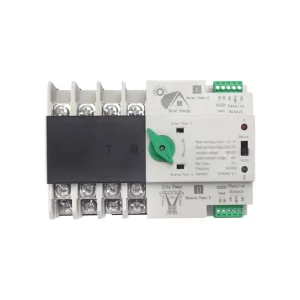
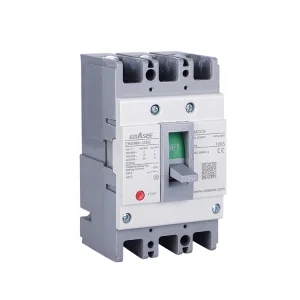
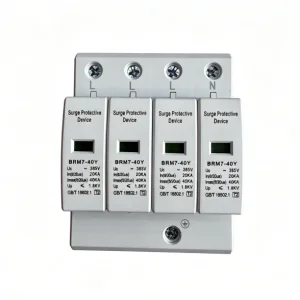
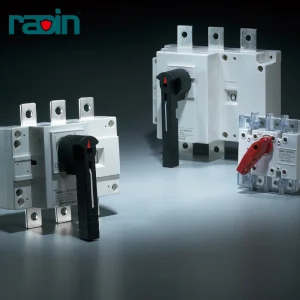
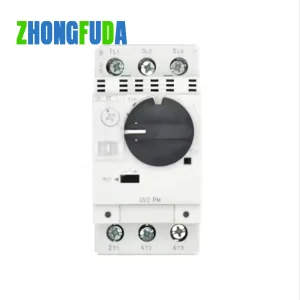
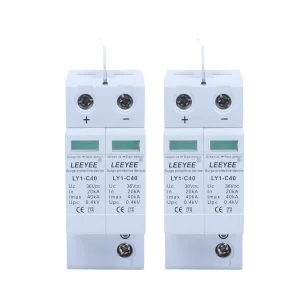
Complete line of high-voltage switches, automatic transfer systems, and surge protection devices designed for industrial and commercial grids.