Bowser Electric
Bowser Electric
Bowser Electric
Explore our premium selection of precision-engineered circuit protection and electrical distribution systems.
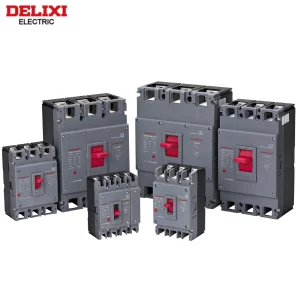
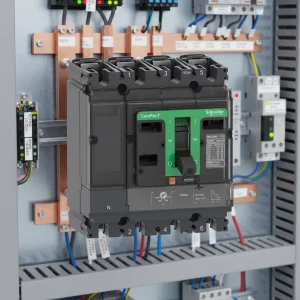
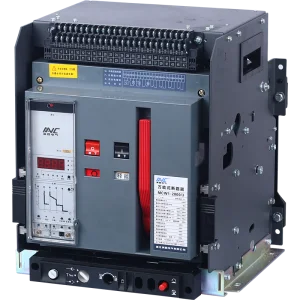
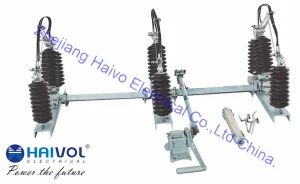
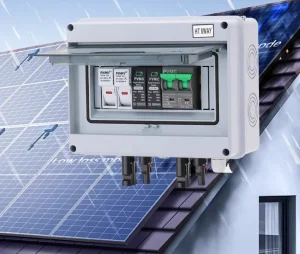
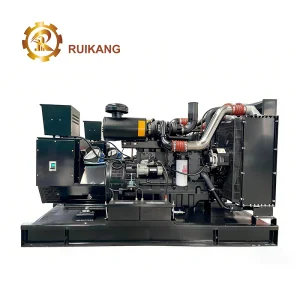
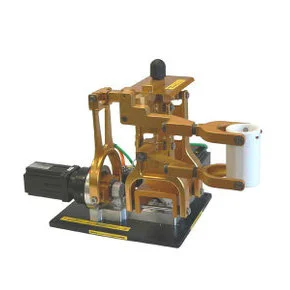
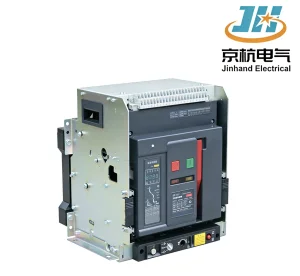
Welcome to Wenzhou Bowser Electric Co., Ltd., an industry-leading manufacturer, engineering house, and exporter of high-performance electrical distribution and safety technologies. By focusing on smart grid capabilities, IoT-based power distribution, and highly specialized modular electric terminal devices, we address the increasingly complex engineering challenges faced by modern infrastructure developers.
Our deep-rooted focus on research, technological precision, and strict compliance enables us to supply state-of-the-art household, commercial, and industrial equipment to major global markets. We support global energy partners with scalable solutions that streamline energy transition programs, modernize industrial grids, and build resilient smart microgrids.
The digital revolution in energy infrastructure requires real-time telemetry, remote operation, and high-frequency fault diagnosis. Modern power grids are evolving from passive distribution networks into active bi-directional microgrids. Smart circuit breakers act as vital data-collection edge nodes that protect systems against overcurrent, short circuits, and ground leaks while providing precision metrics directly to cloud-based building management platforms.
Analyzing the integration of IoT into modern power grid architectures across different sectors.
Global energy requirements are shifting rapidly toward decentralized power generation. Integrating renewable energy systems like wind and solar necessitates circuit protection devices capable of monitoring real-time load shifts and transient currents. Traditional thermal-magnetic breakers are giving way to digital, micro-controller-driven units that act as edge intelligence hubs.
For large-scale commercial facilities, accurate sub-metering is the cornerstone of energy management and carbon footprint reductions. Smart MCCBs and ACBs enable operators to monitor discrete sub-sections of their buildings without installing auxiliary power meters, streamlining design and minimizing spatial requirements inside main distribution boards.
Modern factories utilizing Industrial IoT (IIoT) rely on constant power quality. Instantaneous voltage dips or high-frequency harmonics can trigger costly shutdowns. Smart air circuit breakers and motorized switchgear integrate directly with SCADA systems to provide rapid diagnostic reports, minimizing Mean Time to Repair (MTTR).
Different regional energy frameworks and codes demand highly tailored smart hardware solutions.
In the US and Canada, custom smart breakers must adhere strictly to UL 489 (Molded-Case Circuit Breakers) and UL 1053 (Ground-Fault Sensing and Relaying Equipment). The primary demand lies in integrating load-shedding capabilities directly within domestic breaker panels to assist utility companies during peak demand events.
Additionally, with the rapid expansion of residential Electric Vehicle (EV) chargers, smart breakers can monitor current draw dynamically, preventing main feed overloads while allowing secondary circuits to charge vehicles efficiently overnight.
European Union installations favor DIN-rail modular components complying with IEC/EN 60898-1 and IEC/EN 60947-2. The European Green Deal heavily drives the adoption of smart energy management. Custom OEM smart breakers for the EU market integrate sub-metering systems certified under the Measuring Instruments Directive (MID).
Communication compatibility with KNX, Modbus/TCP, or Matter is vital for integration into commercial building management systems (BMS) to optimize heat pump cycles, solar panel backfeeds, and general room automation.
Across rapidly industrializing areas in the APAC region and Latin America, grid instability is a common operational hazard. High-voltage transients, chronic under-voltage, and frequent micro-outages threaten commercial equipment.
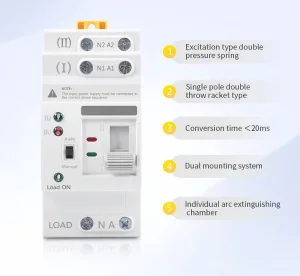
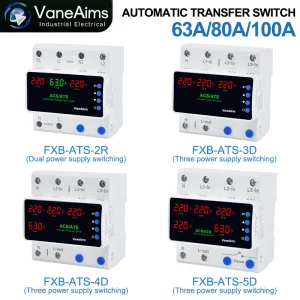
Here, smart breakers with built-in Automatic Transfer Switch (ATS) logic, automated motorized reset mechanisms, and over/under-voltage protection serve as the first line of defense. They protect sensitive electronic systems and transition secondary loads seamlessly onto localized industrial backup generators or solar PV arrays.
Modern microgrids require smart protective devices to manage the bidirectional flow of electricity. When solar arrays generate excess power, battery energy storage systems (BESS) absorb it, or the energy is exported back to the grid.
Smart breakers monitor this flow at the point of common coupling (PCC), enabling rapid disconnection during grid fault states to prevent dangerous "islanding" in accordance with local safety standards like IEEE 1547.
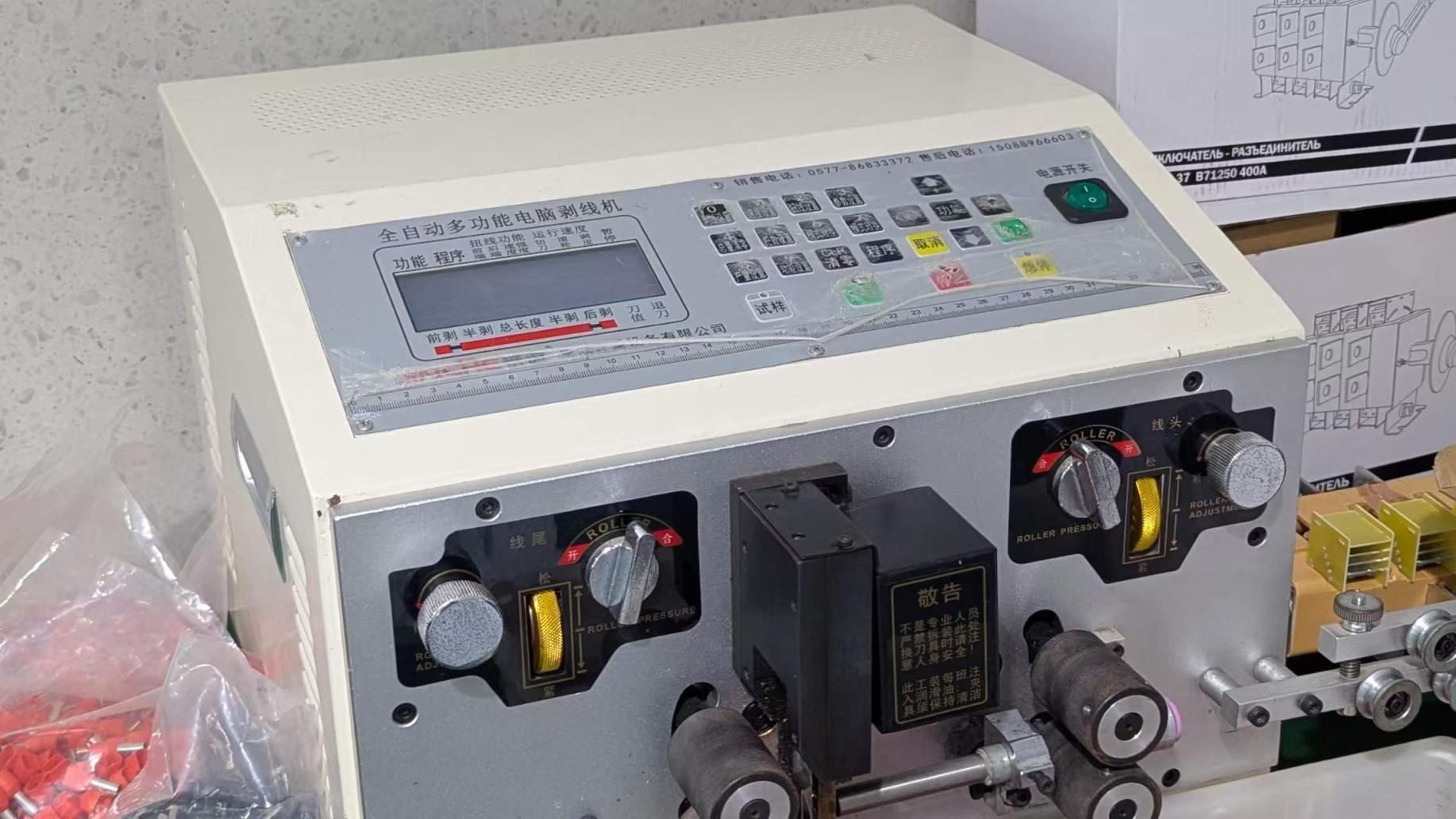
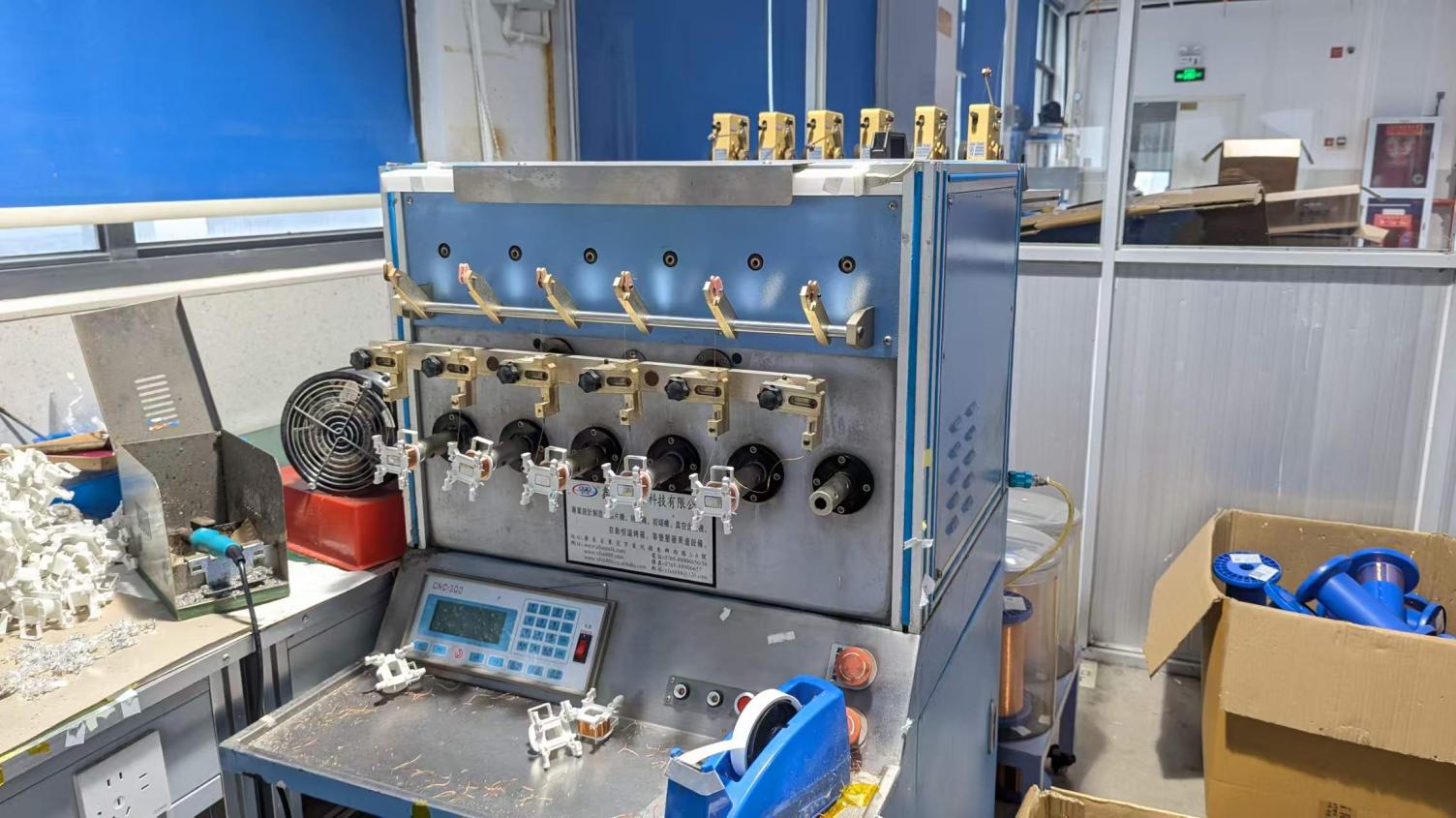
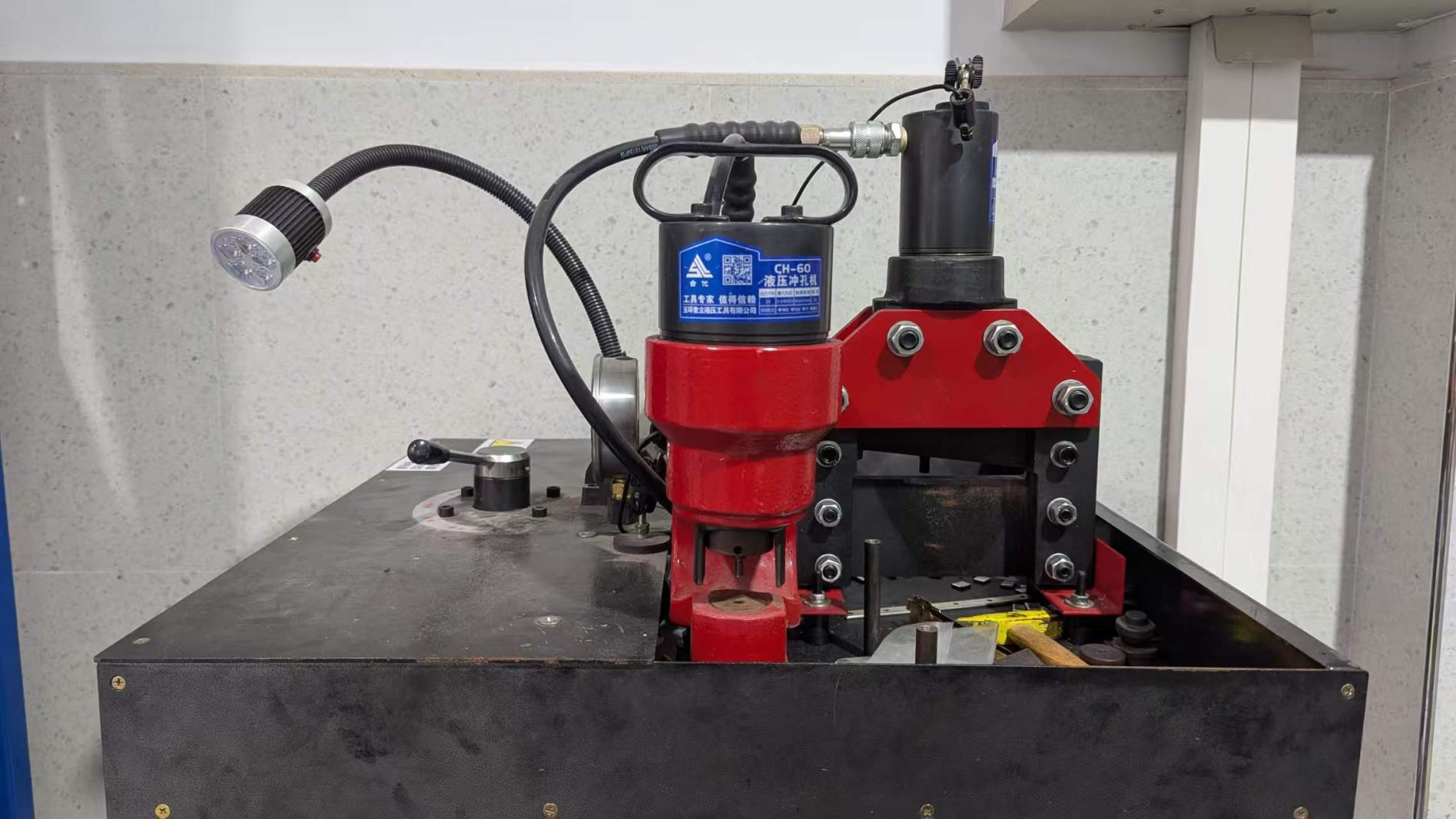
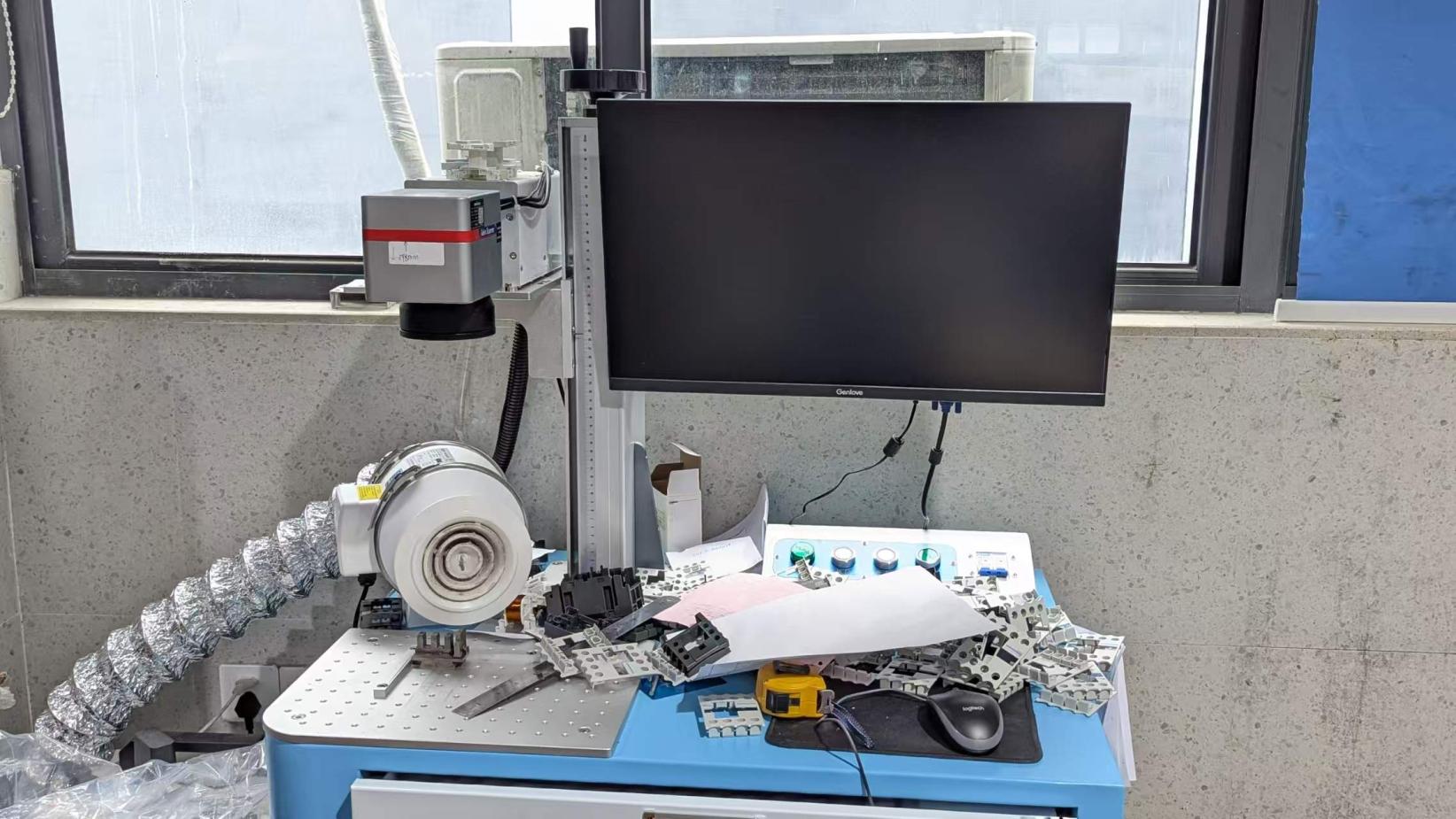
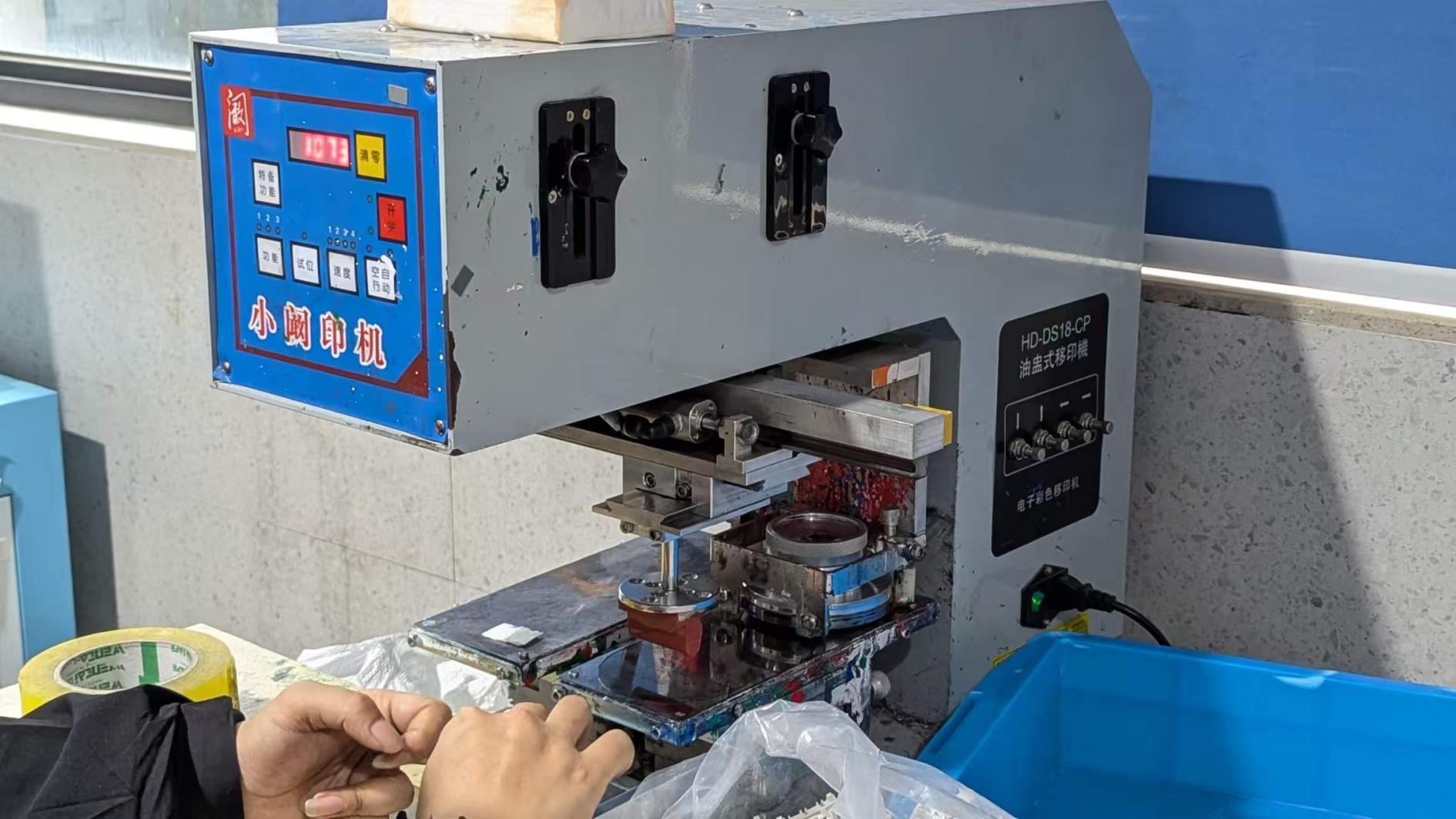
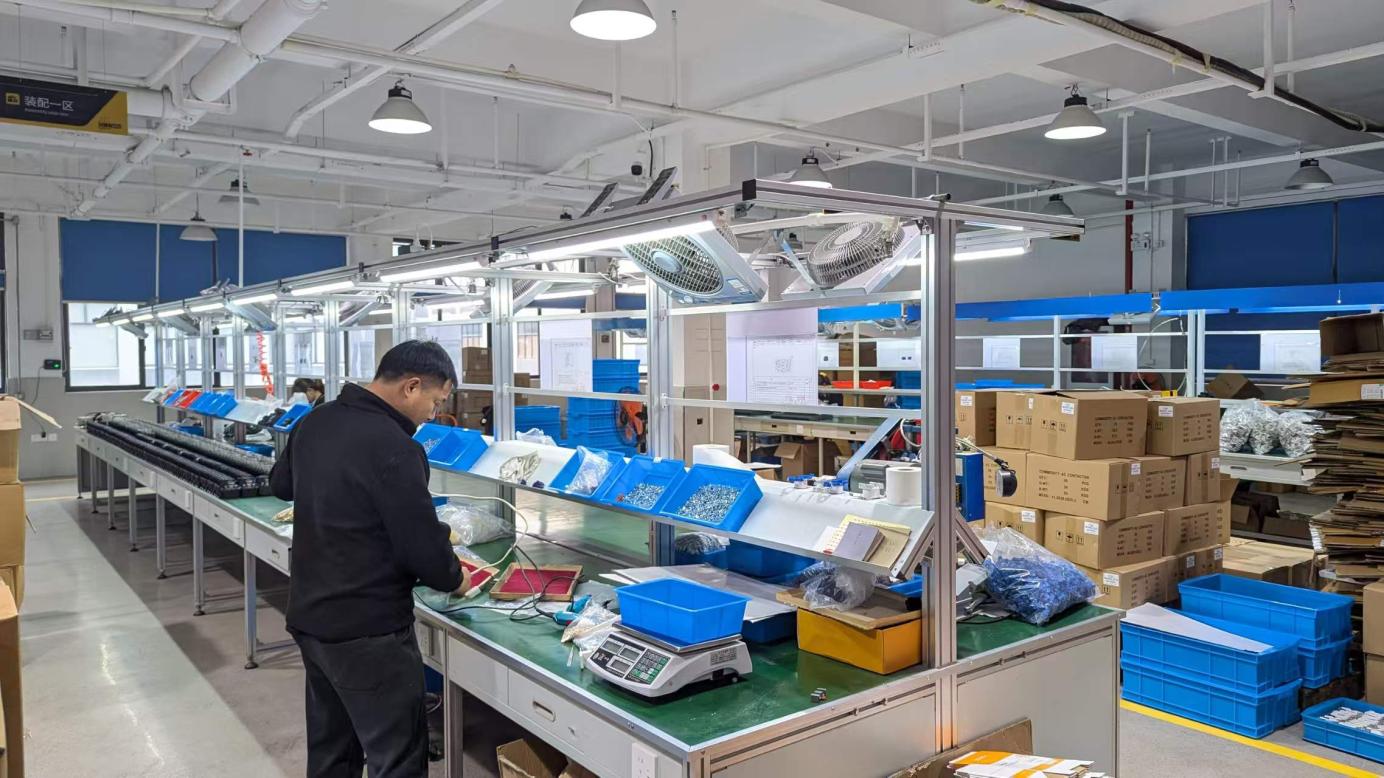
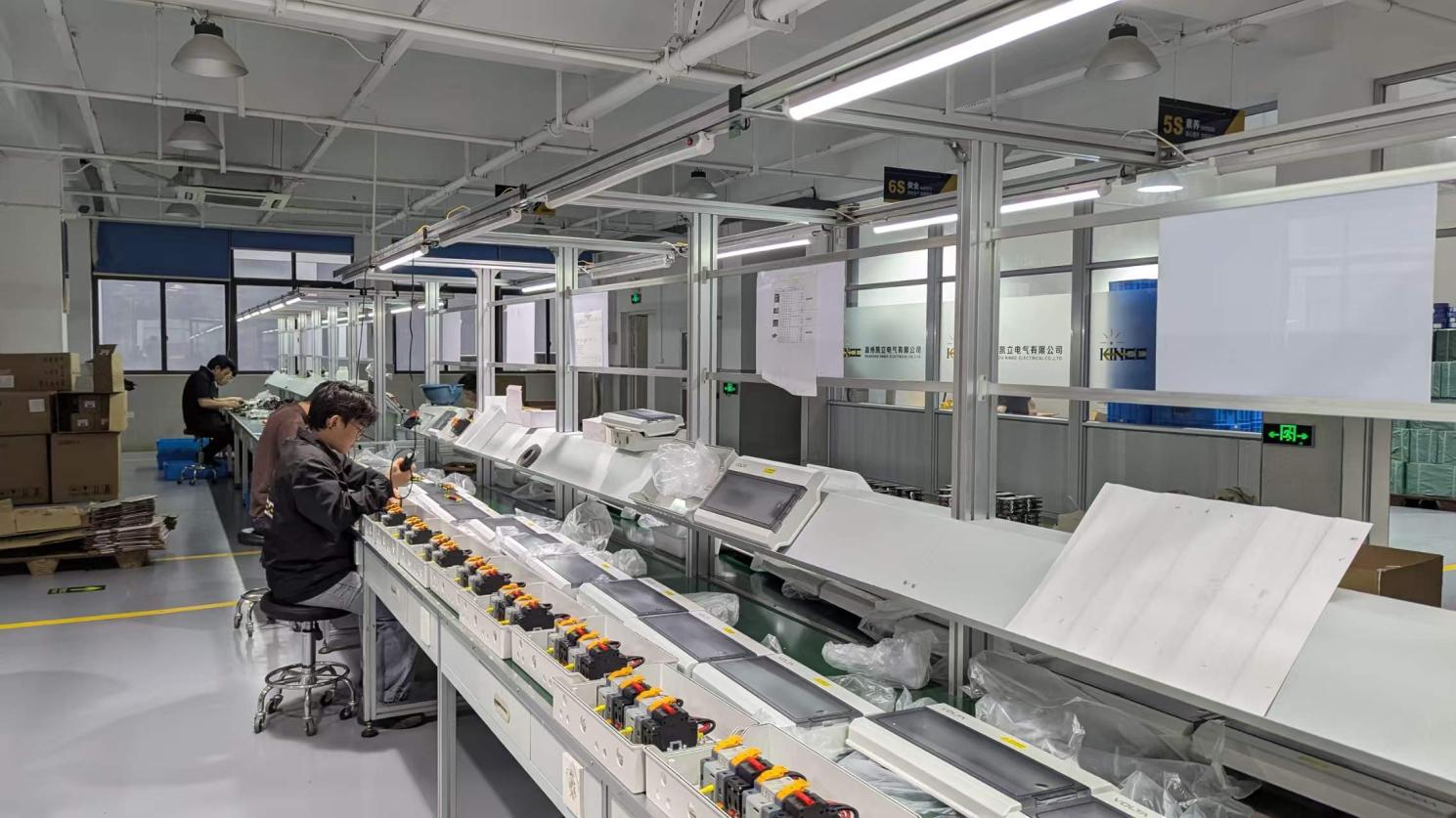
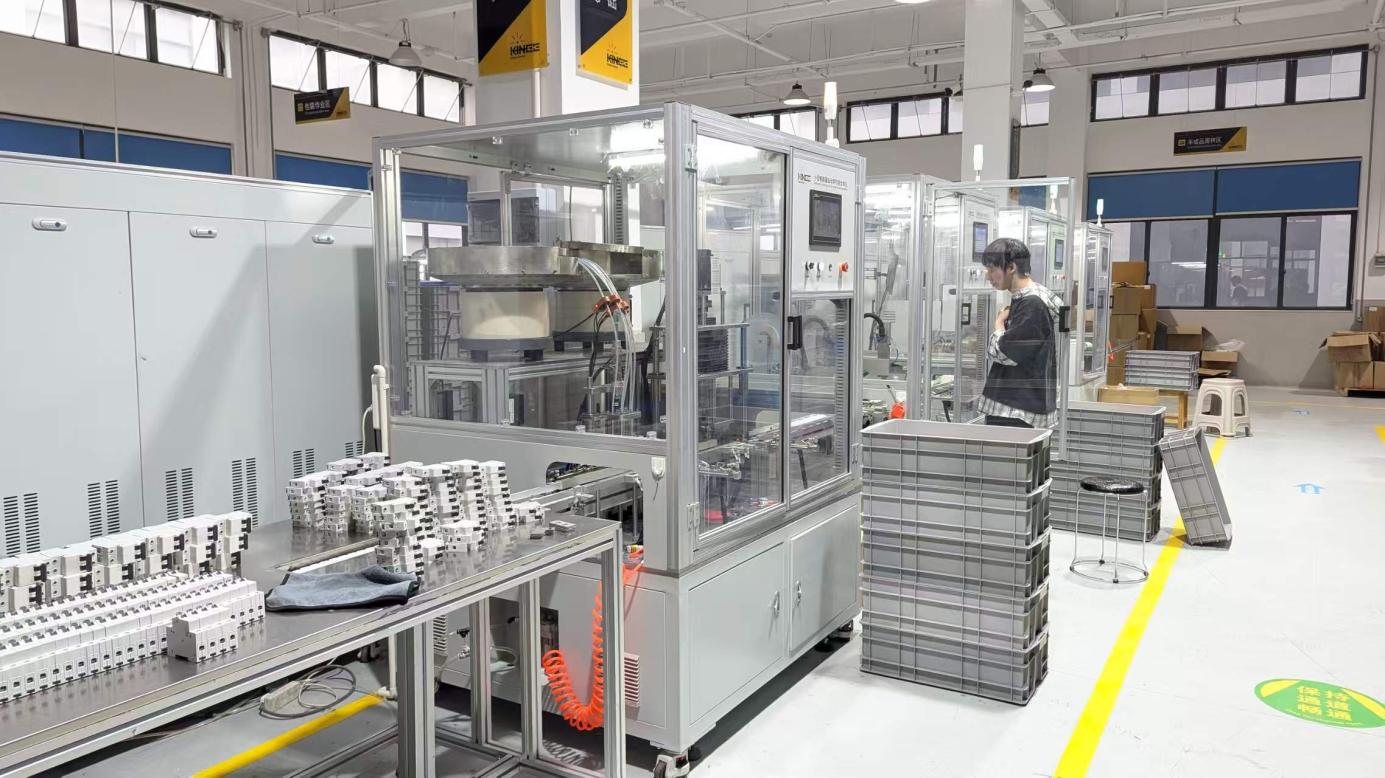
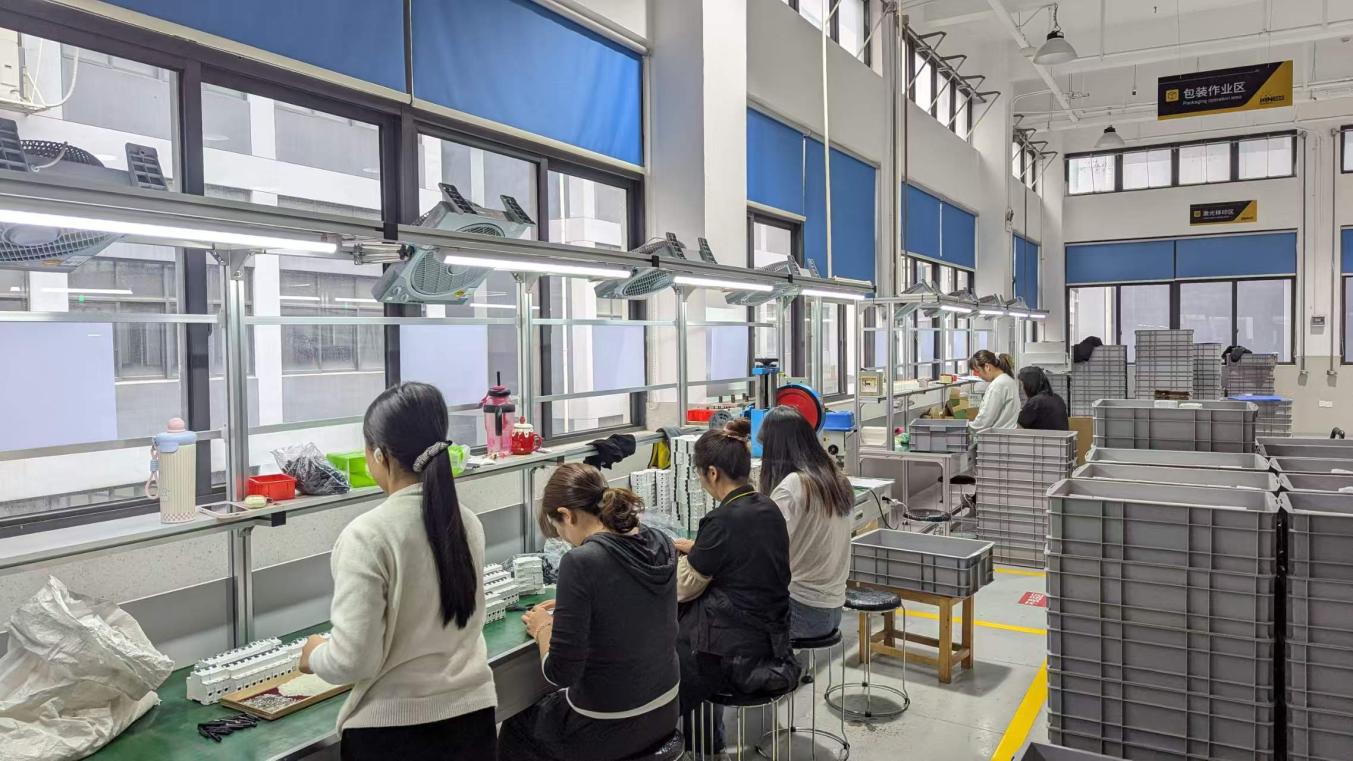
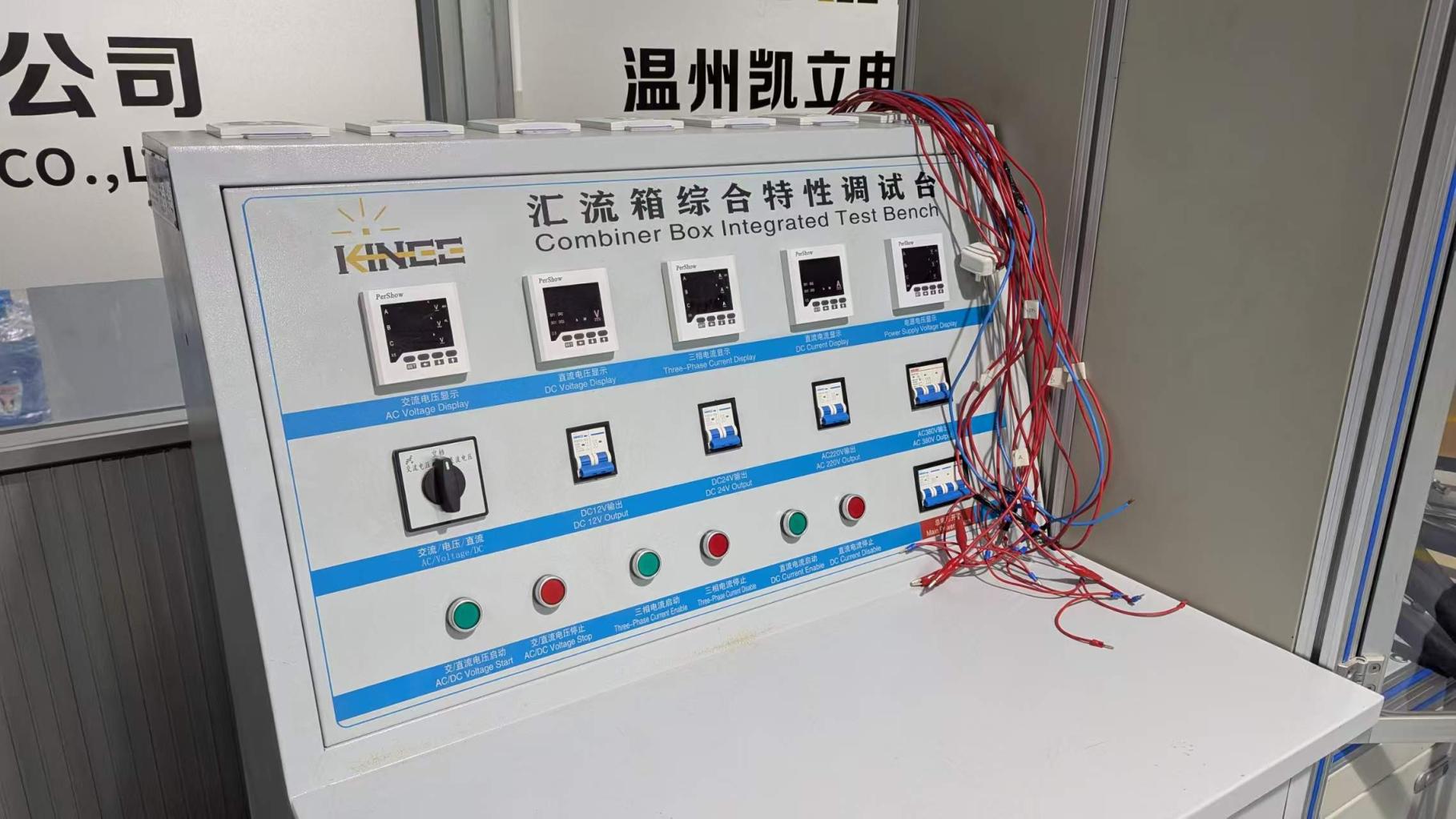
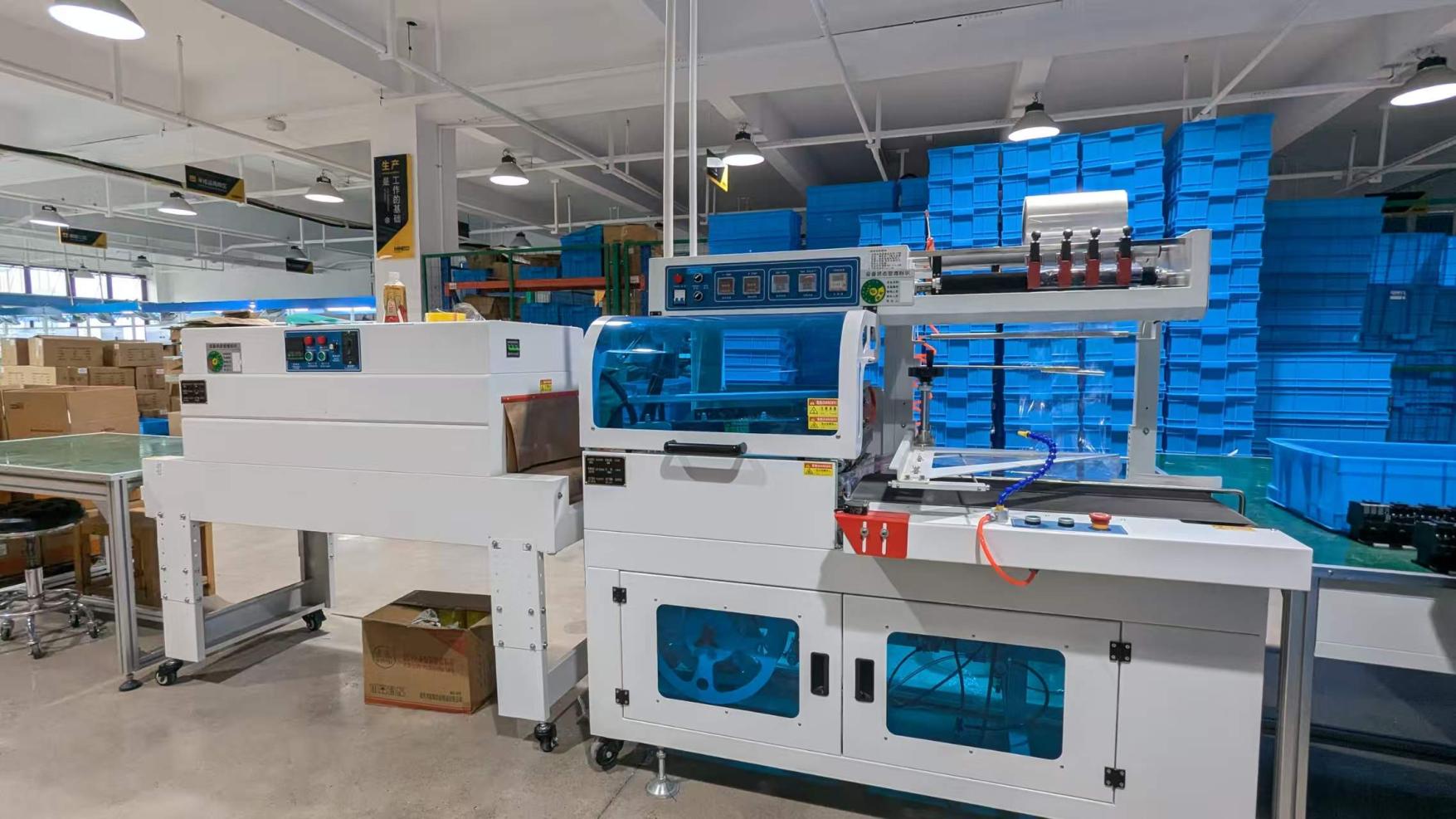
Exploring Wenzhou Bowser's vertically integrated production line and raw material efficiency.
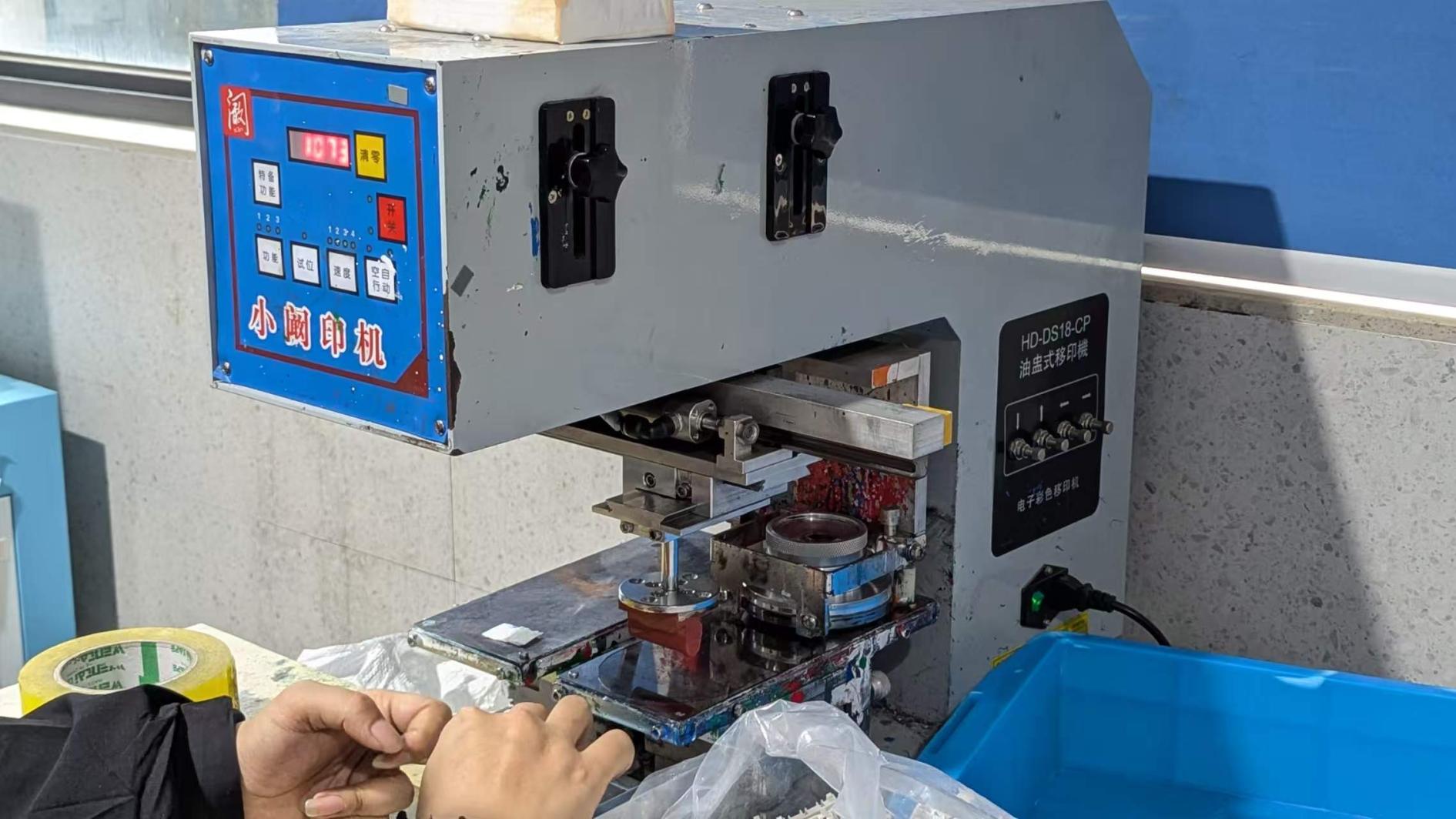
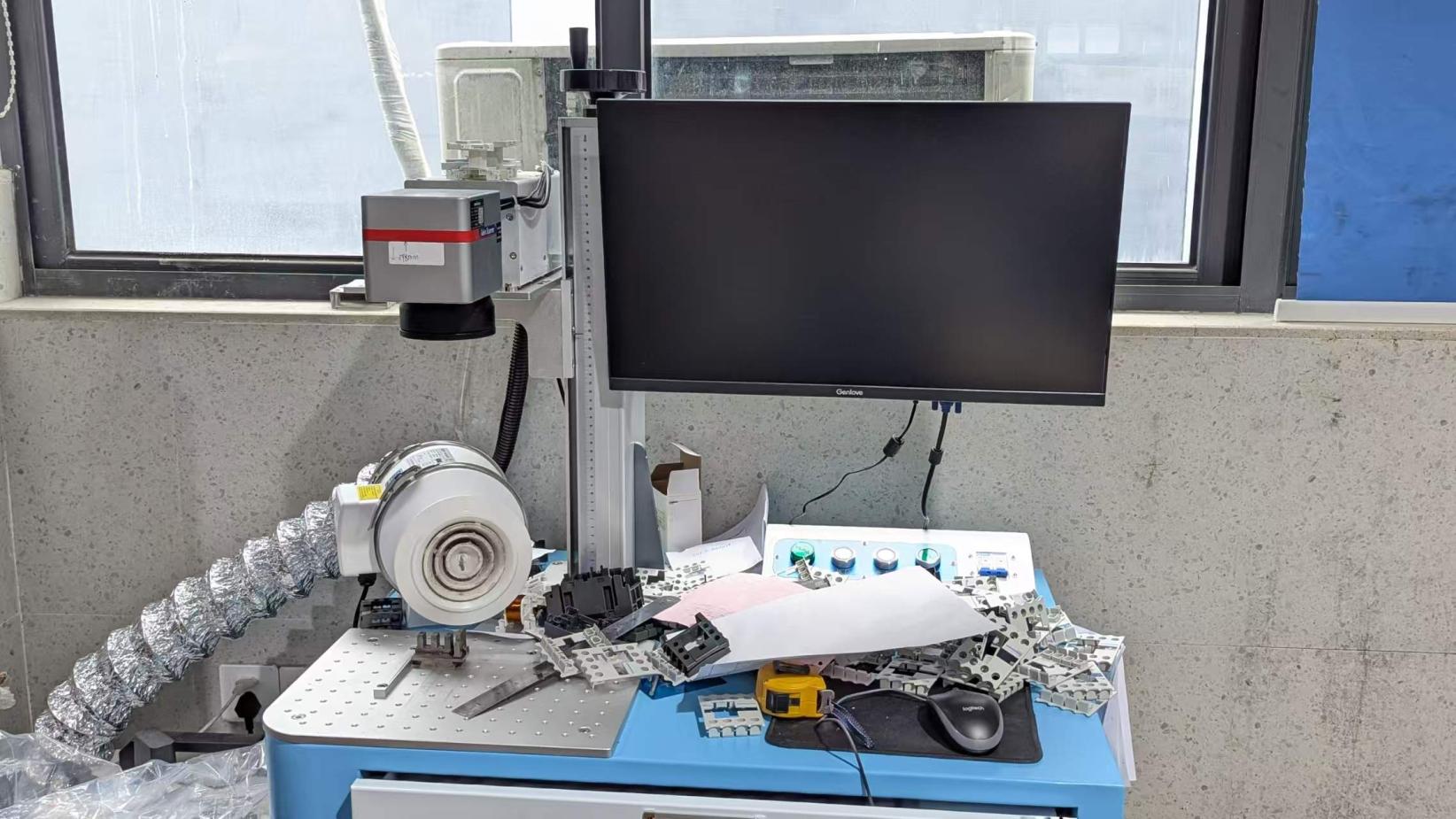
Our manufacturing hub in Wenzhou, China, sits at the heart of the world's most advanced electrical component ecosystem. This clustering provides unparalleled access to raw copper, precision polymers, and custom microprocessors. By managing all manufacturing phases in-house—from wire stripping and winding to automated riveting, laser marking, and vacuum packaging—Wenzhou Bowser ensures absolute quality control, consistent material supply, and fast turnarounds on custom OEM/ODM requests.
What is the next phase for intelligent electrical safety and edge-control power networks?
Modern smart circuit breakers are evolving past simple overcurrent detection. By leveraging low-power, high-speed microcontrollers within the breaker housing, devices can run real-time Fourier analysis on voltage waveforms.
This enables them to detect microscopic arcing patterns, structural changes in insulation, and harmonic abnormalities. Before a catastrophic short circuit occurs, the breaker communicates warning telemetry to the central BMS, averting critical downtime in facilities like server farms and hospitals.
The transition from mechanical contacts to solid-state semiconductors (Silicon Carbide and Gallium Nitride) is redefining breaking speed. Standard mechanical breakers interrupt faults in a few milliseconds; solid-state equivalents react in microseconds.
This near-instantaneous response virtually eliminates the risk of arc flash, protecting sensitive digital components and personnel. Our R&D team is actively engineering hybrid solid-state solutions designed to merge mechanical galvanic isolation with electronic switching efficiency.
Ensuring global distribution safety and seamless local integration.
We build our product line to comply with major international testing standards, securing approvals like CE, RoHS, and local certifications. This testing ensures that our OEM solutions can be integrated directly into target distribution panels without licensing delays.
Different markets use distinct IoT communication systems. We assist clients by flashing custom, country-specific firmware (supporting Wi-Fi, Zigbee 3.0, Matter, Modbus-RTU, or LoRaWAN). We configure modules to match local power system parameters and network setups.
We stand behind our electrical components with an industry-standard 5-year warranty, reflecting our strict 99.9% defect-free quality standards. We offer round-the-clock technical support to engineering teams working on distribution panel building and custom firmware integration.
Addressing key technical questions from system integrators, panel builders, and procurement officers.
Standard circuit breakers rely on mechanical bimetallic strips and magnetic coils to trip during simple thermal overloads or dead short circuits. They cannot communicate status. Smart circuit breakers incorporate microcontrollers, precision analog-to-digital converters, and network chips. They measure current, voltage, temperature, and leakage in real time, enabling remote control, scheduled power switching, and immediate diagnostic notifications via protocols like Modbus, MQTT, or Zigbee.
Yes, our OEM and ODM support includes custom hardware design, custom branding on the casing, and custom software integration. We offer SDKs and APIs to link our hardware with your native energy management systems (EMS). We can also flash custom firmware to support specific smart-home ecosystems like Apple HomeKit, Google Home, Tuya, or proprietary commercial SCADA designs.
LEED and Net-Zero building schemes demand detailed measurement and validation of energy conservation strategies. Smart breakers collect precise, sub-system-level metrics. They enable building operators to identify energy waste, schedule automatic load shutdowns during unoccupied hours, and continuously monitor auxiliary clean energy sources like solar panels and local battery storage.
Standard customized modifications (such as custom laser marking, branding, or specific current rating configurations) take 2 to 3 weeks. Comprehensive ODM projects involving customized molds, structural modifications, or complex PCB layouts typically require 6 to 10 weeks to complete engineering designs, rapid prototyping, and initial laboratory verification testing.
Explore our secondary line of high-quality switchgear, transfer switches, and distribution boxes.