Bowser Electric
Bowser Electric
Bowser Electric
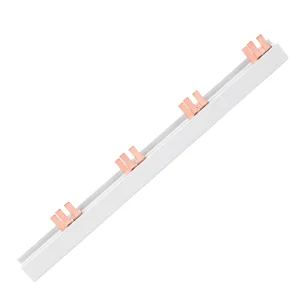
Premium electrical protection, control switchgear, and customized copper connection systems designed to meet demanding commercial and industrial environments.
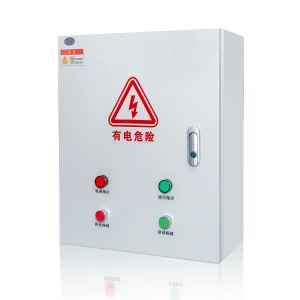
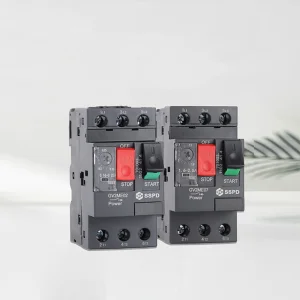
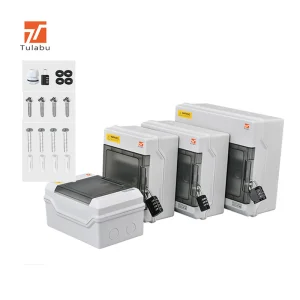
An in-depth study of low-voltage heavy-duty power distribution systems, design optimization, and safety paradigms.
In modern industrial, commercial, and utility environments, the requirements for electricity distribution systems have evolved beyond basic power routing. Safety, modular scalability, and minimal thermal footprint represent the pillars of critical power architectures. Within this landscape, the busbar chamber serves as the central hub of low-voltage switchboards, distributing high levels of electrical energy safely from incoming transformers to various outgoing circuit protective devices.
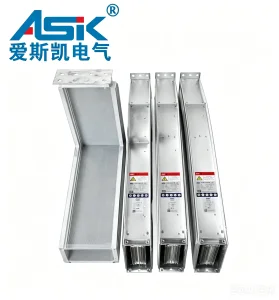
A busbar chamber consists of a structured, securely enclosed metallic housing that contains high-conductivity metallic bars (traditionally copper or aluminum). These conductors are supported on robust, non-conductive, track-resistant insulators. Rather than running complex and space-consuming cable runs from a main circuit breaker to multiple sub-circuits, engineers use a centralized busbar chamber. This reduces physical clutter, minimizes cable termination degradation, and establishes a standardized electrical link that can survive severe electromagnetic stresses during short-circuit faults.
As smart cities, hyperscale data centers, and advanced manufacturing plants continue to expand, the global demand for custom-designed busbar chambers has grown. System integrators and electrical contractors look to professional manufacturers in China to secure cost-efficient, high-conductivity, and certified systems. The focus is on finding partners capable of delivering engineered electrical equipment that meets strict performance standards under conditions of prolonged thermal loading and short-circuit faults.
Understanding material selections, mechanical parameters, and international compliance criteria.
The core conductive performance of a busbar chamber depends directly on its metallurgy. We use ETP (Electrolytic Tough Pitch) T2 grade copper, containing a minimum copper content of 99.9%. This choice ensures electrical conductivity ≥ 101% IACS, reducing internal ohmic losses and minimizing temperature rise. Additionally, copper busbars can be silver- or tin-plated to prevent oxidation at high-contact joints, preserving low contact resistance over decades of continuous operation.
During a short circuit, busbars experience intense mechanical forces due to peak electromagnetic fields. To handle these transient stresses without physical distortion, our chambers are designed according to IEC 61439-1 & 2 specifications. The selection of glass-fiber reinforced polyester insulators, combined with calculated structural support spacing, ensures the busbar assembly withstands prospective short-circuit currents (Icw) up to 50kA for 1 second, preserving system integrity.
Busbar chambers must balance environmental sealing with adequate ventilation. While outdoor or harsh industrial environments require IP65 or IP66 enclosures to keep out dust and moisture, indoor installations can use ventilated designs (IP31 or IP41) to improve passive air cooling. By modeling thermal performance and analyzing convection pathways, we optimize heat dissipation. This design prevents thermal runaway even when operating at 100% capacity in ambient temperatures of 40°C.
Tailored power distribution configurations designed to meet specific regulatory and operational environments.
Hyperscale data centers require high power density and continuous operational uptime. In these environments, modular copper busbar systems provide the main feeder connection between UPS systems, standby diesel generators, and rows of server racks. By utilizing tap-off units on busbar chambers, maintenance engineers can install or swap distribution blocks without de-energizing the main system, preventing critical service interruptions.
Solar arrays and wind farms operate under fluctuating loads and challenging environmental conditions. Busbar chambers in utility-scale solar installations must handle high-voltage DC distribution (often up to 1500V DC) and integrate surge protection devices (SPDs) directly into the housing. This setup safeguards invertors and downstream grid components from atmospheric lightning strikes and inductive switching transients.
Corrosive gases, vibration from heavy machinery, and fine particulates present hazards in processing facilities. For these plants, we build custom busbar chambers using robust sheet steel enclosures (up to 2.5mm thick) treated with epoxy powder coatings to resist chemical attack. Insulators and busbar supports are reinforced to handle continuous structural vibration, preventing dielectric breakdown or phase-to-phase faults over time.
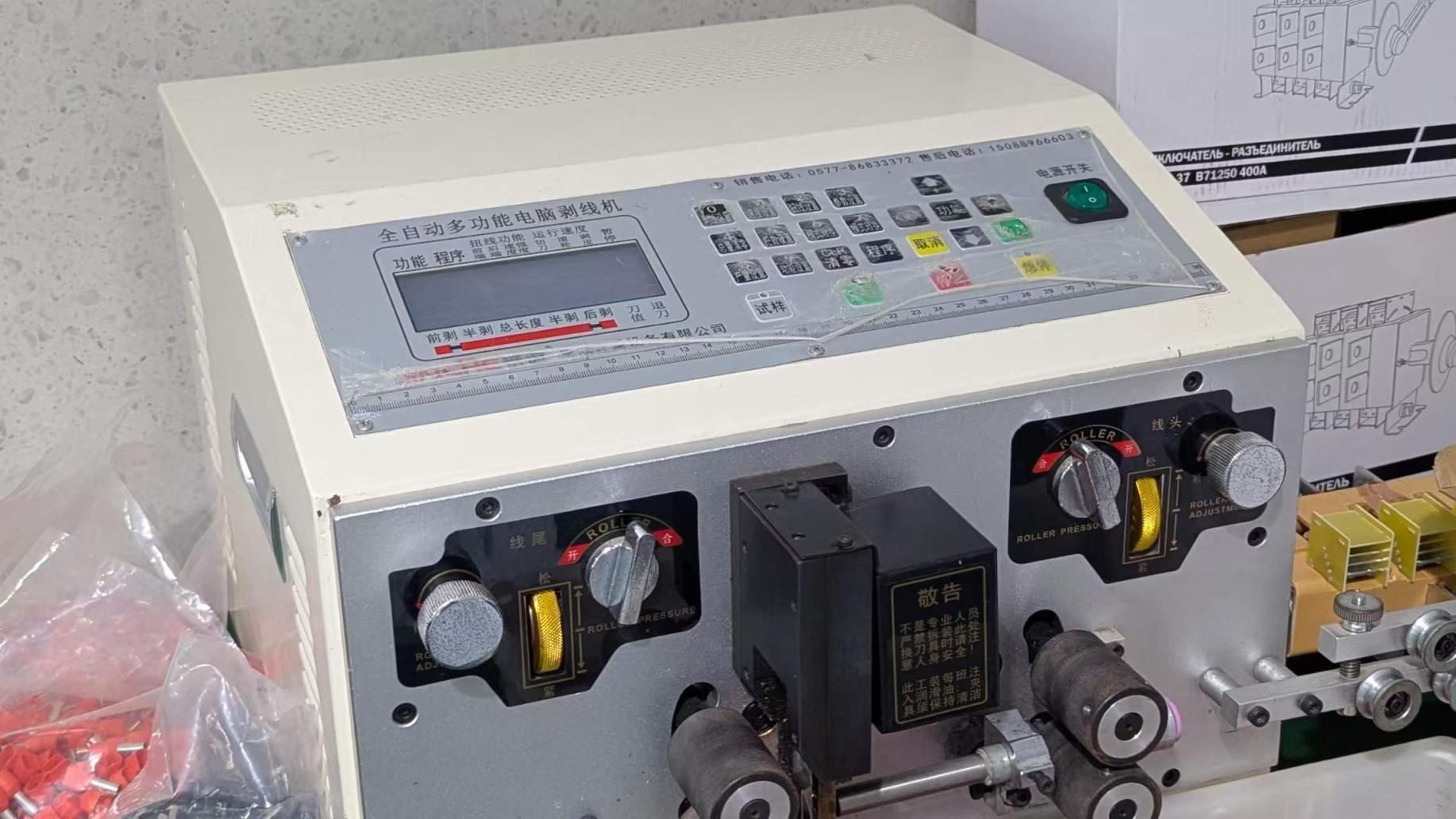
Our facility utilizes automated machinery and strict quality control protocols at each step of production to ensure reliability and performance.
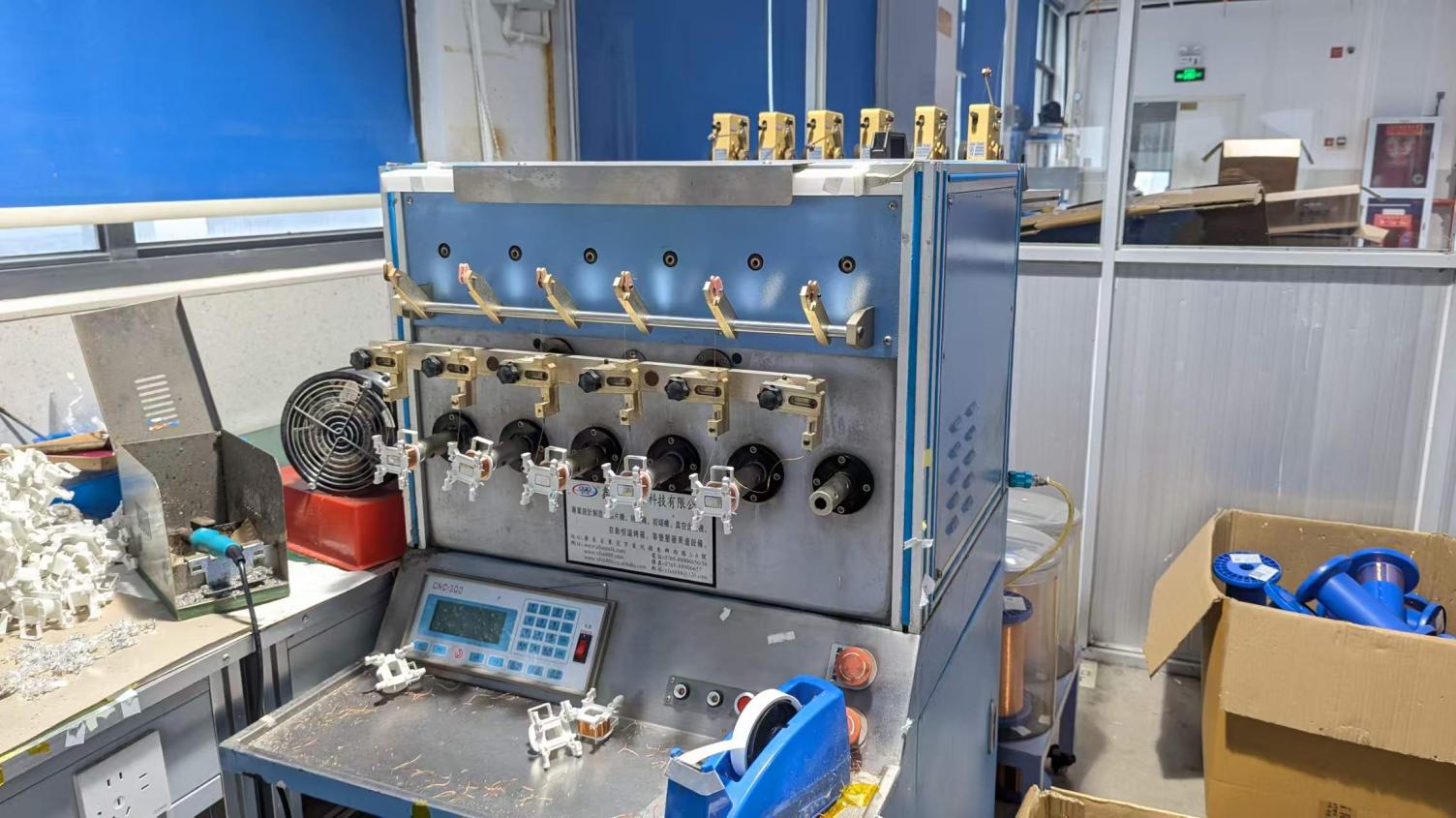
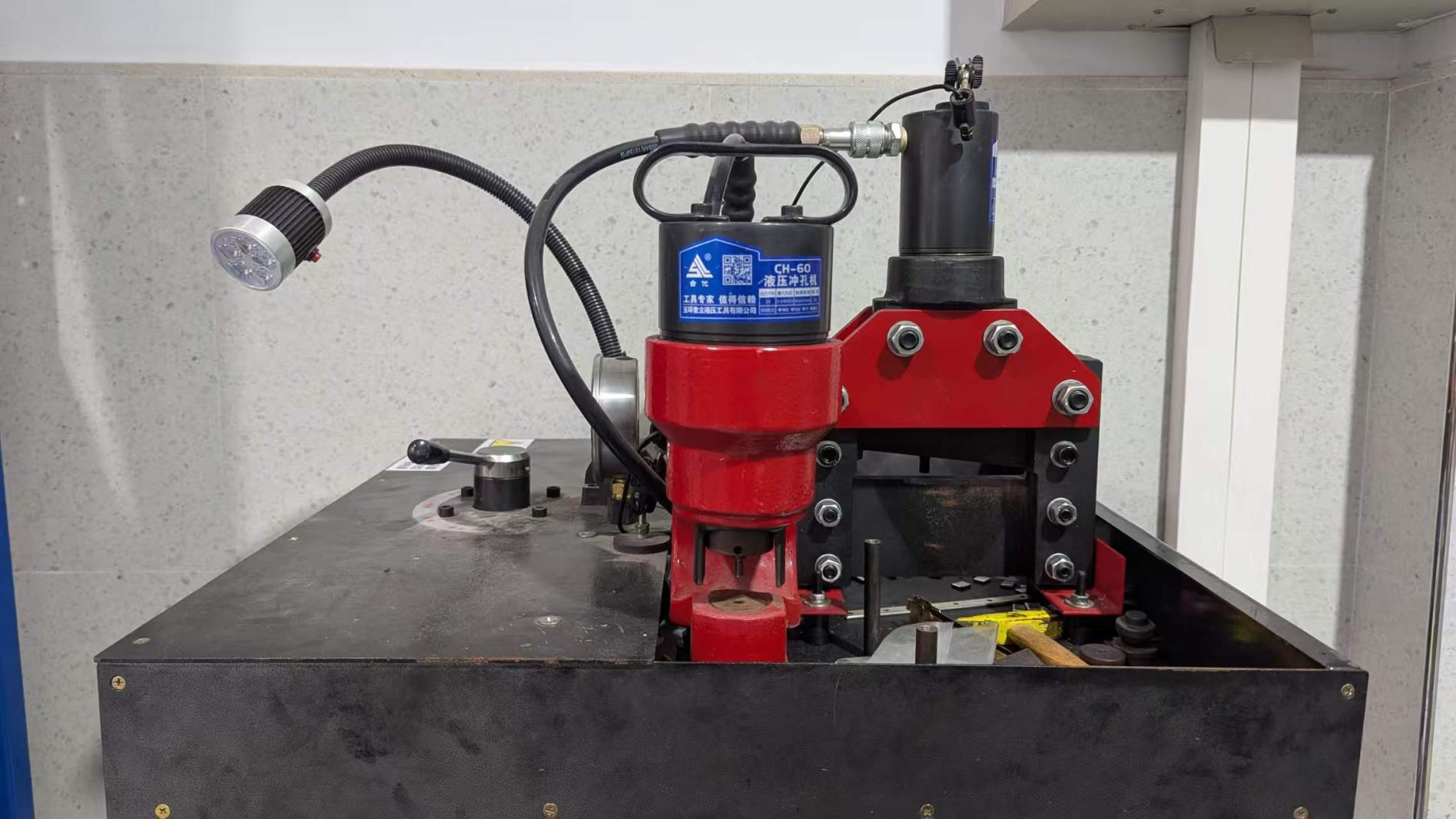
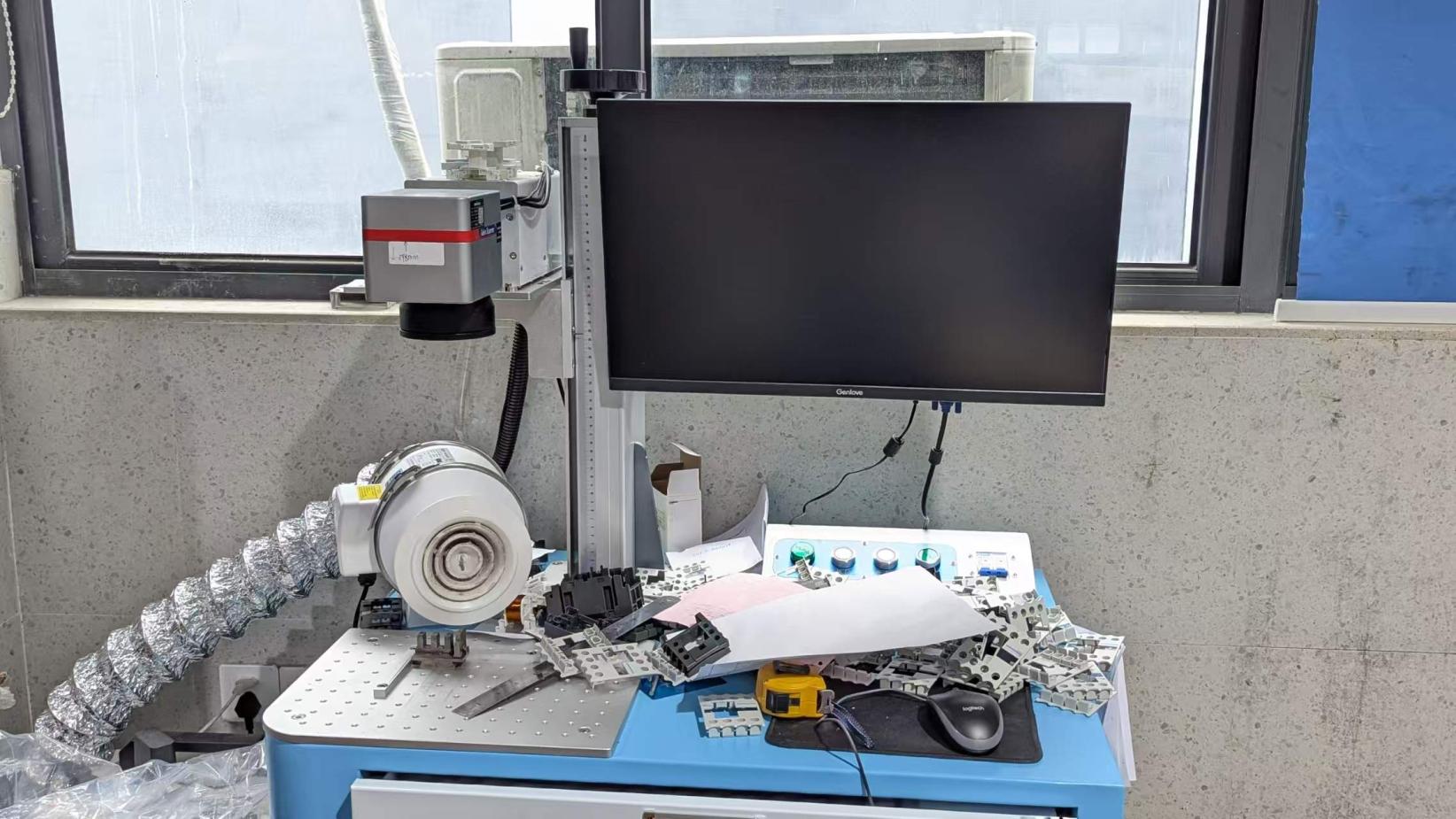
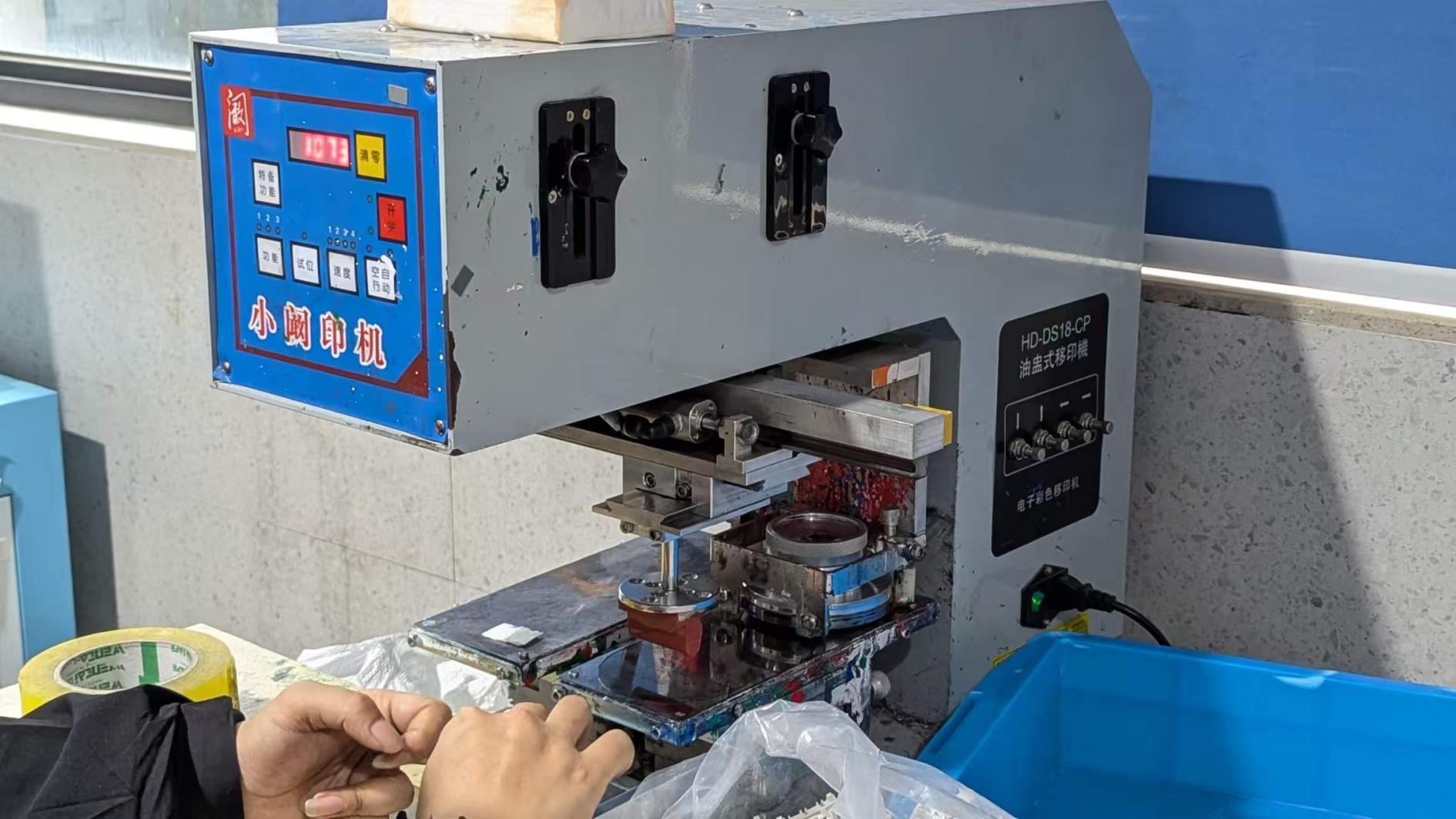
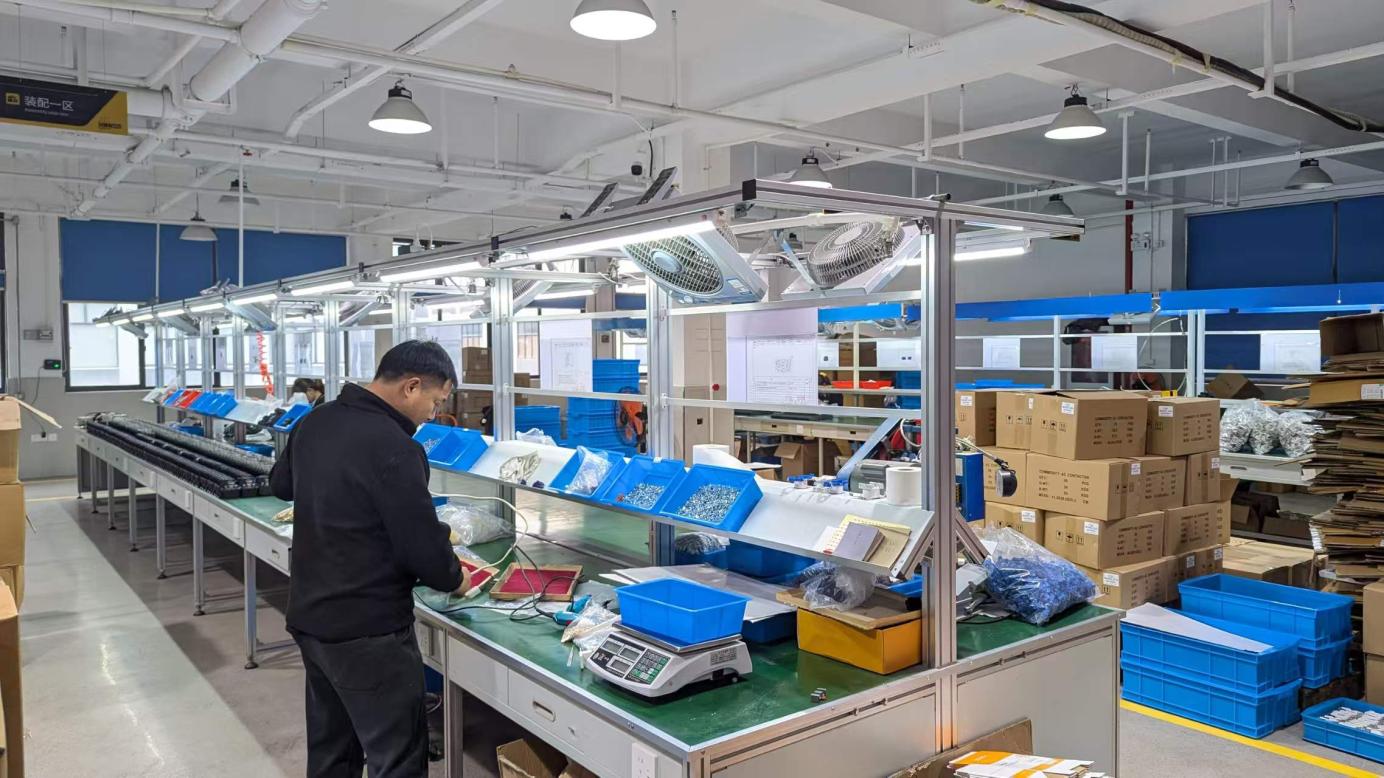
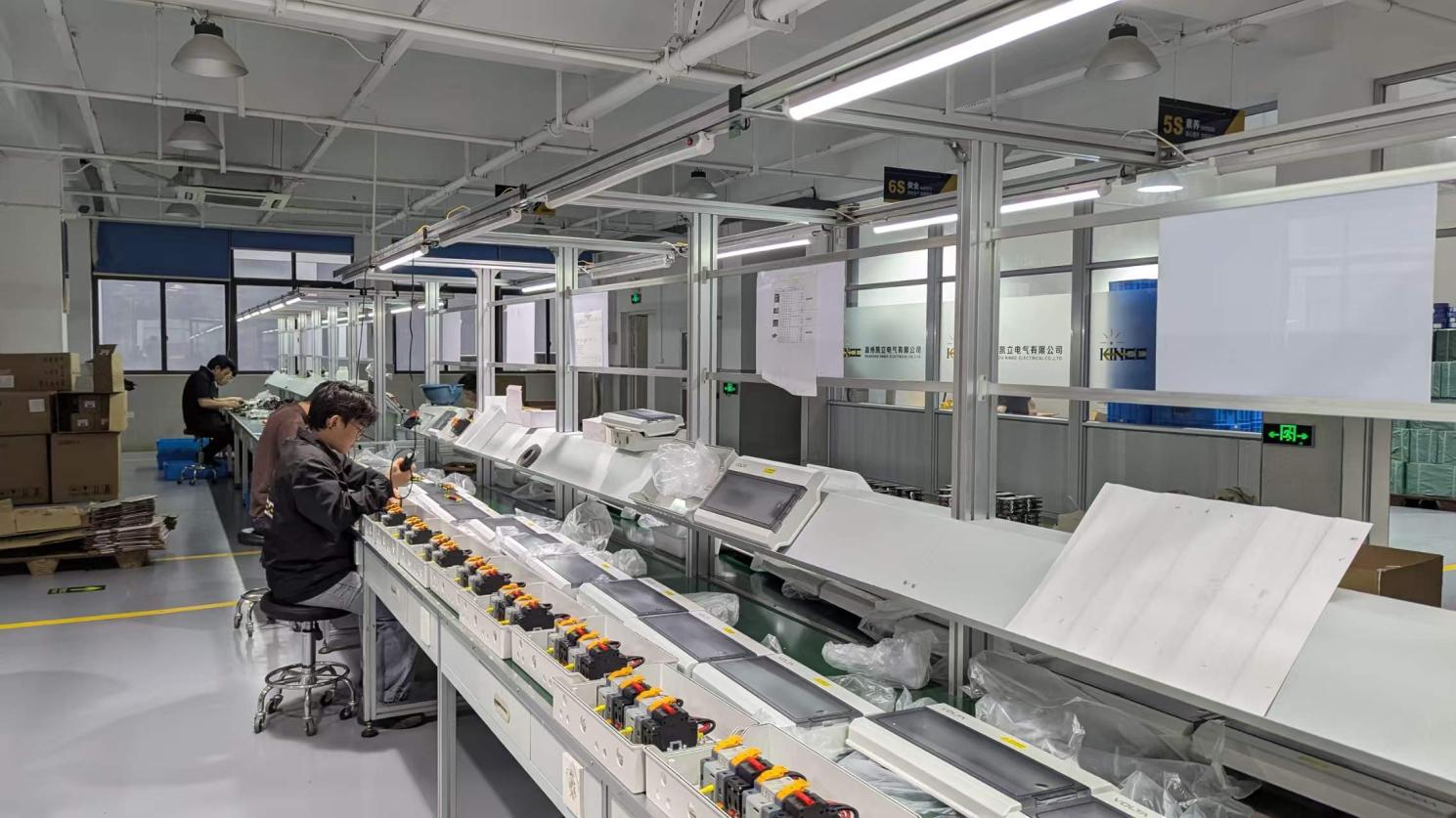
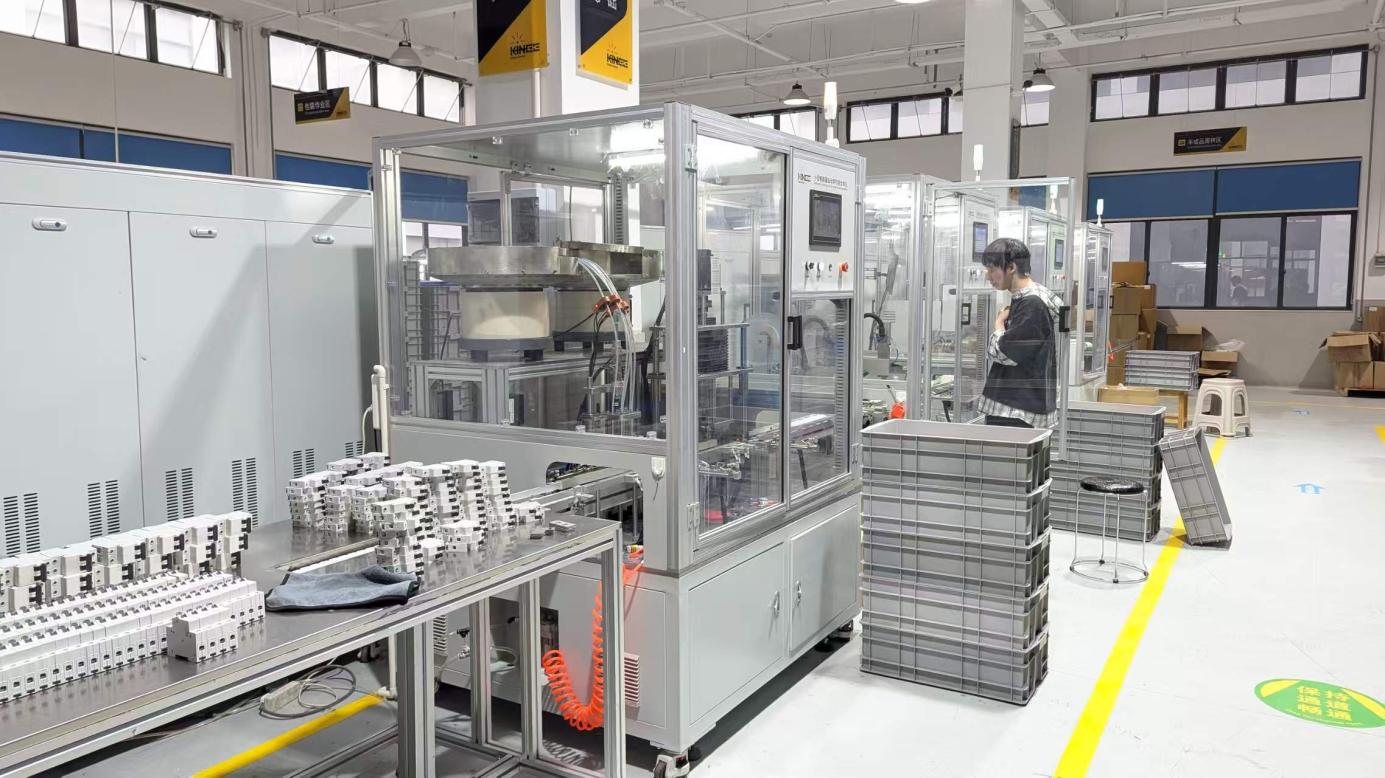
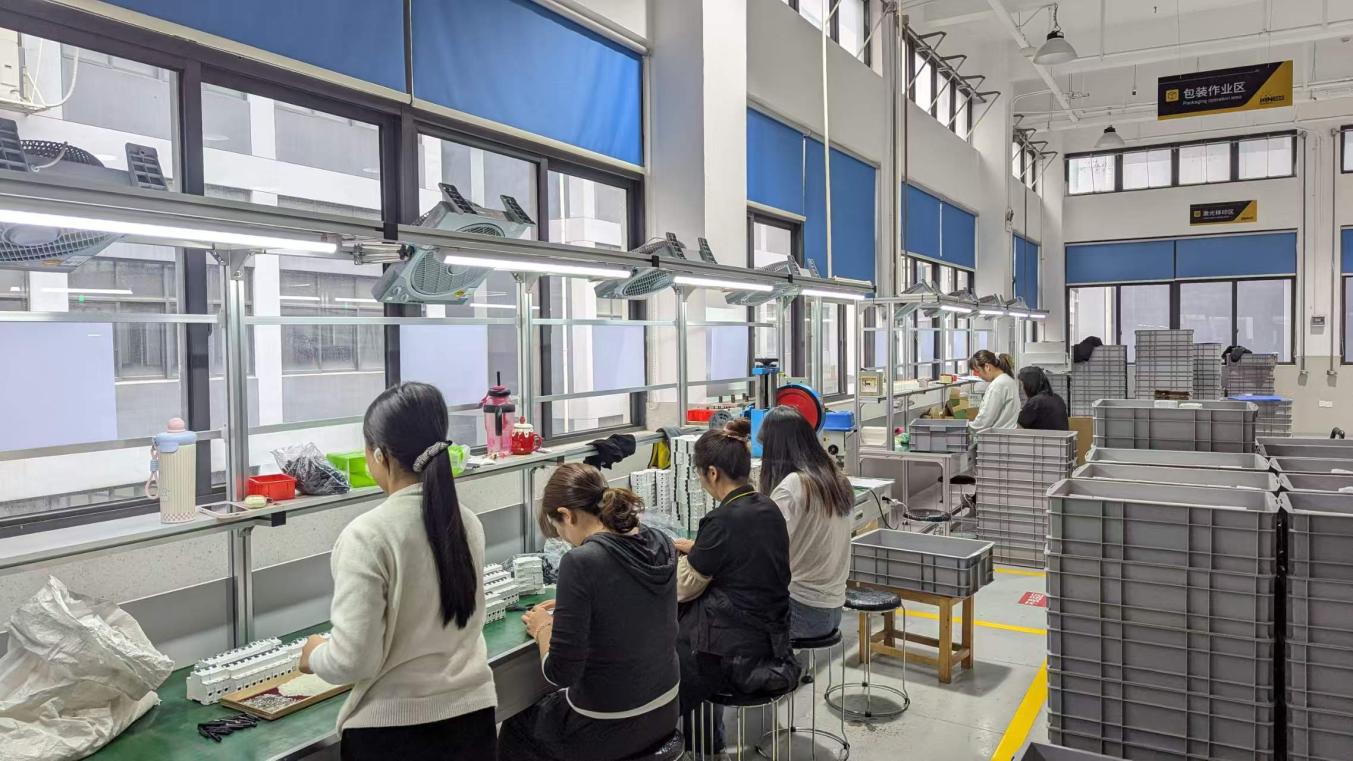
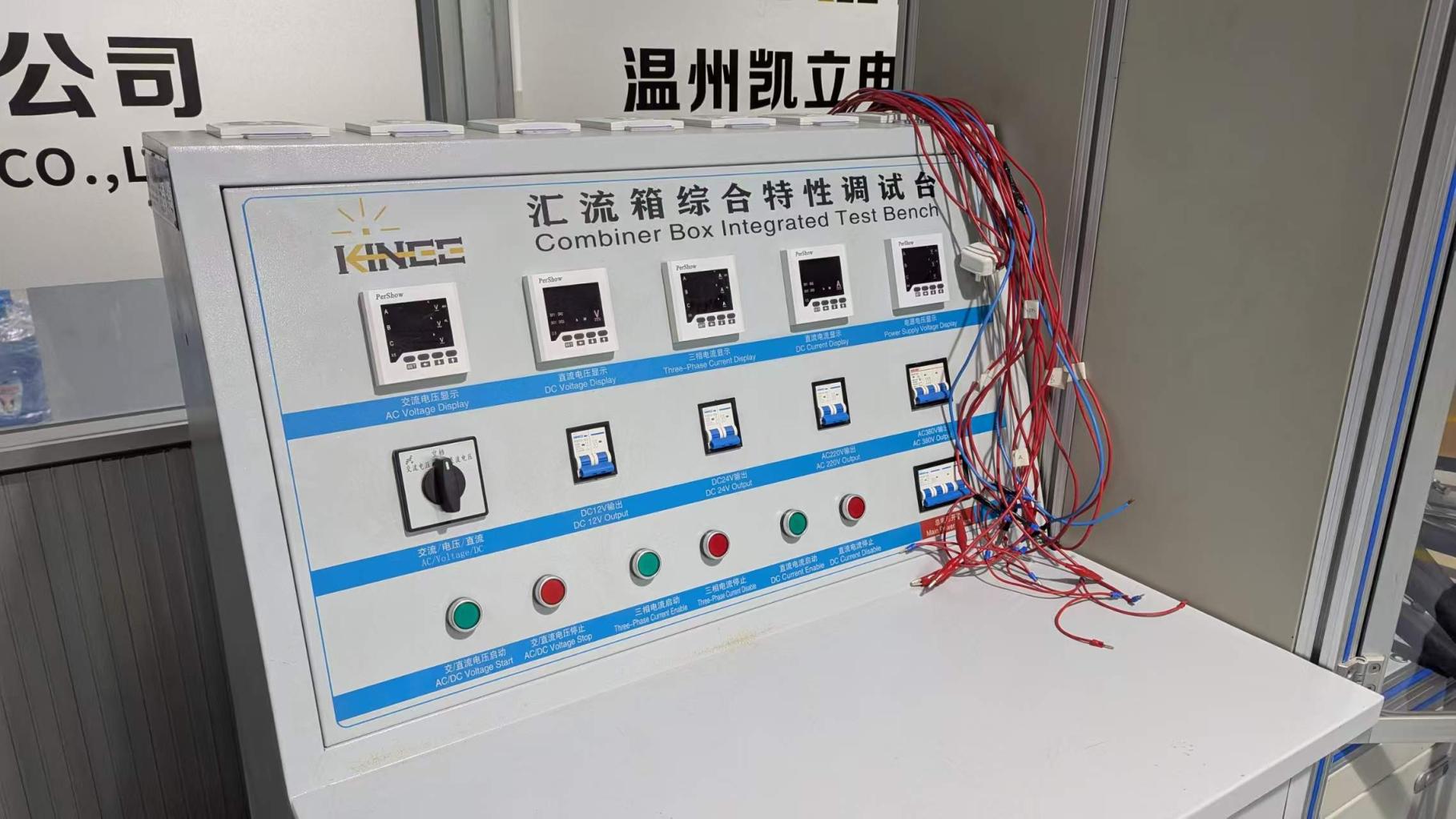
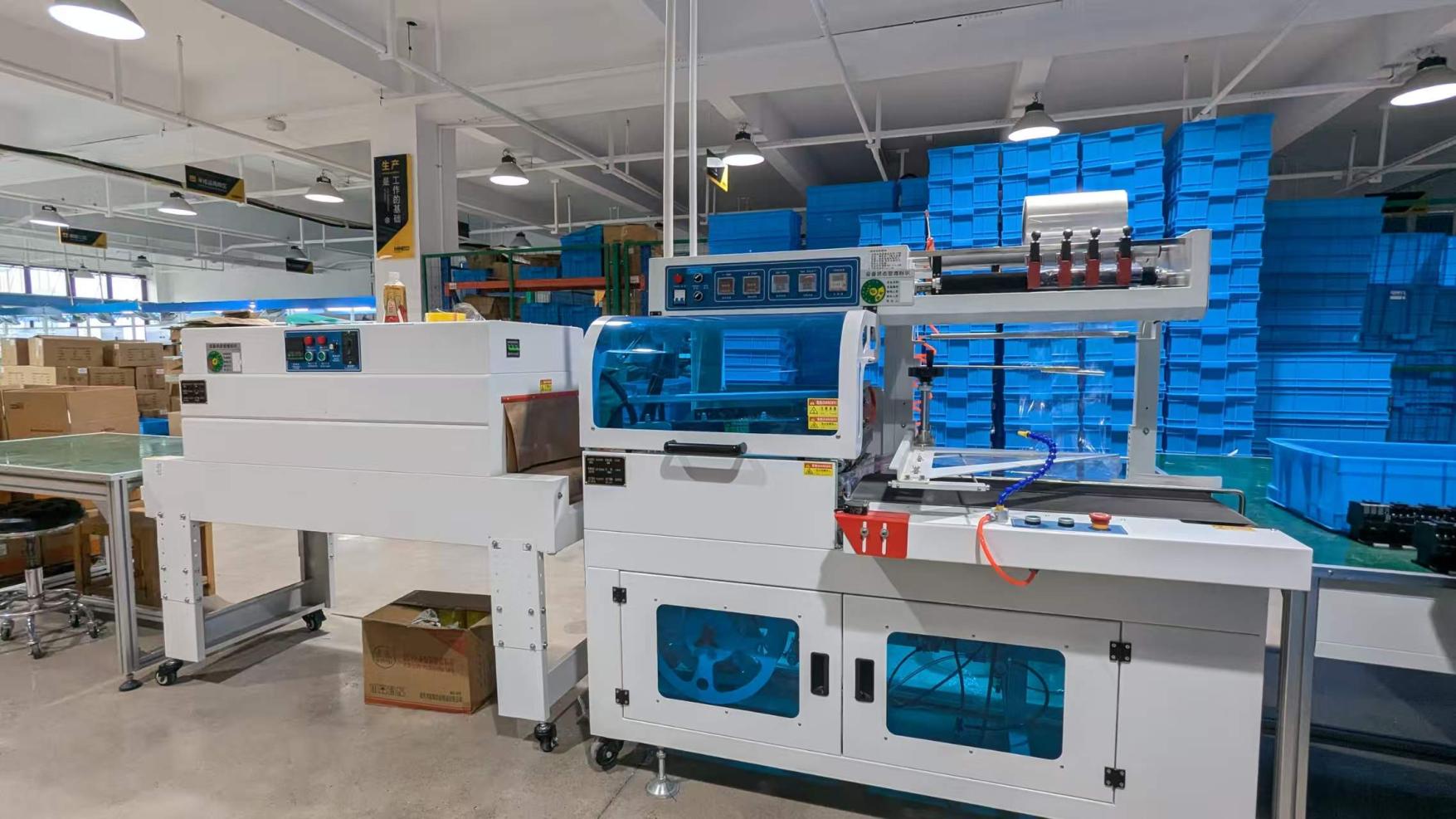
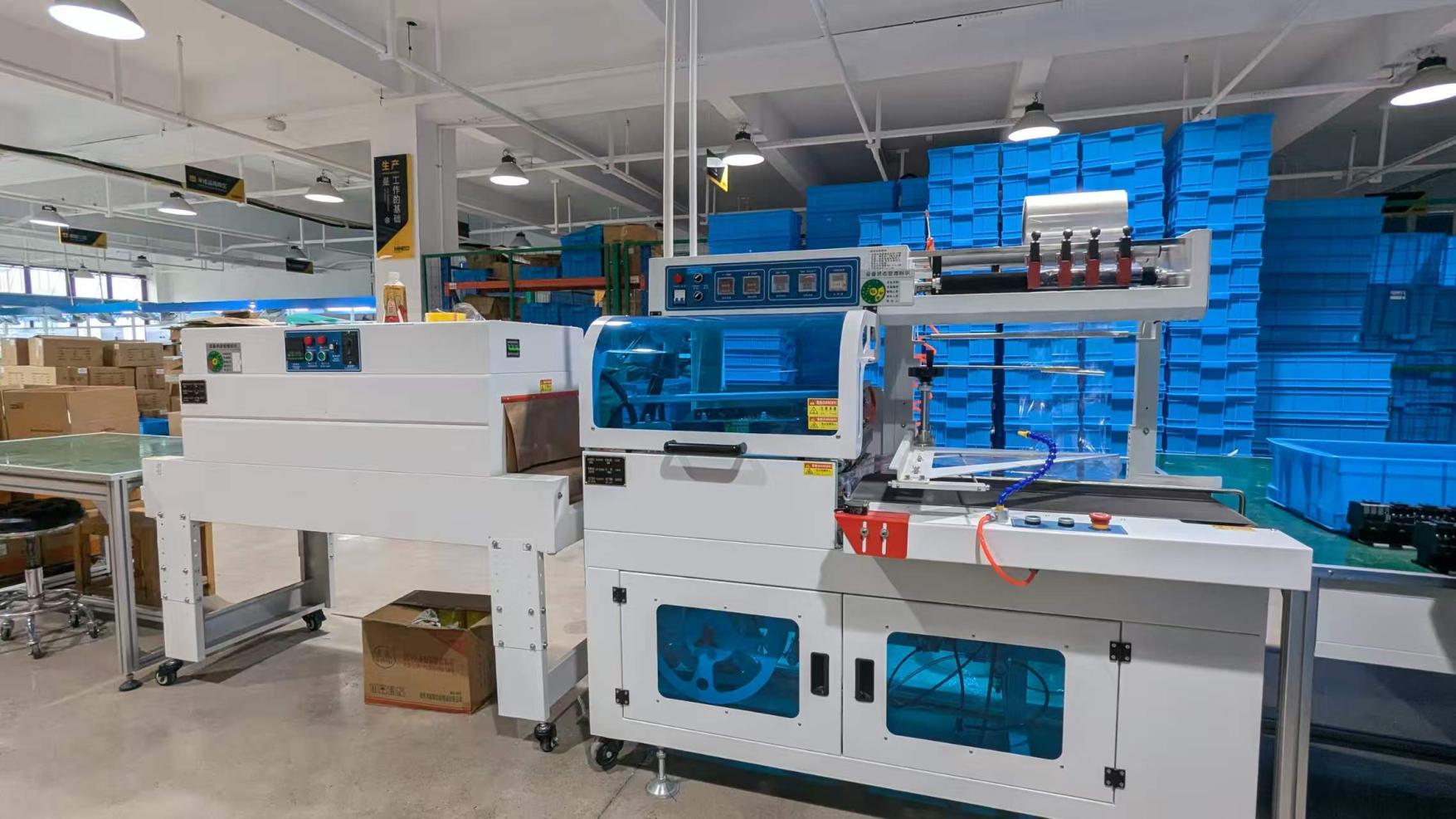
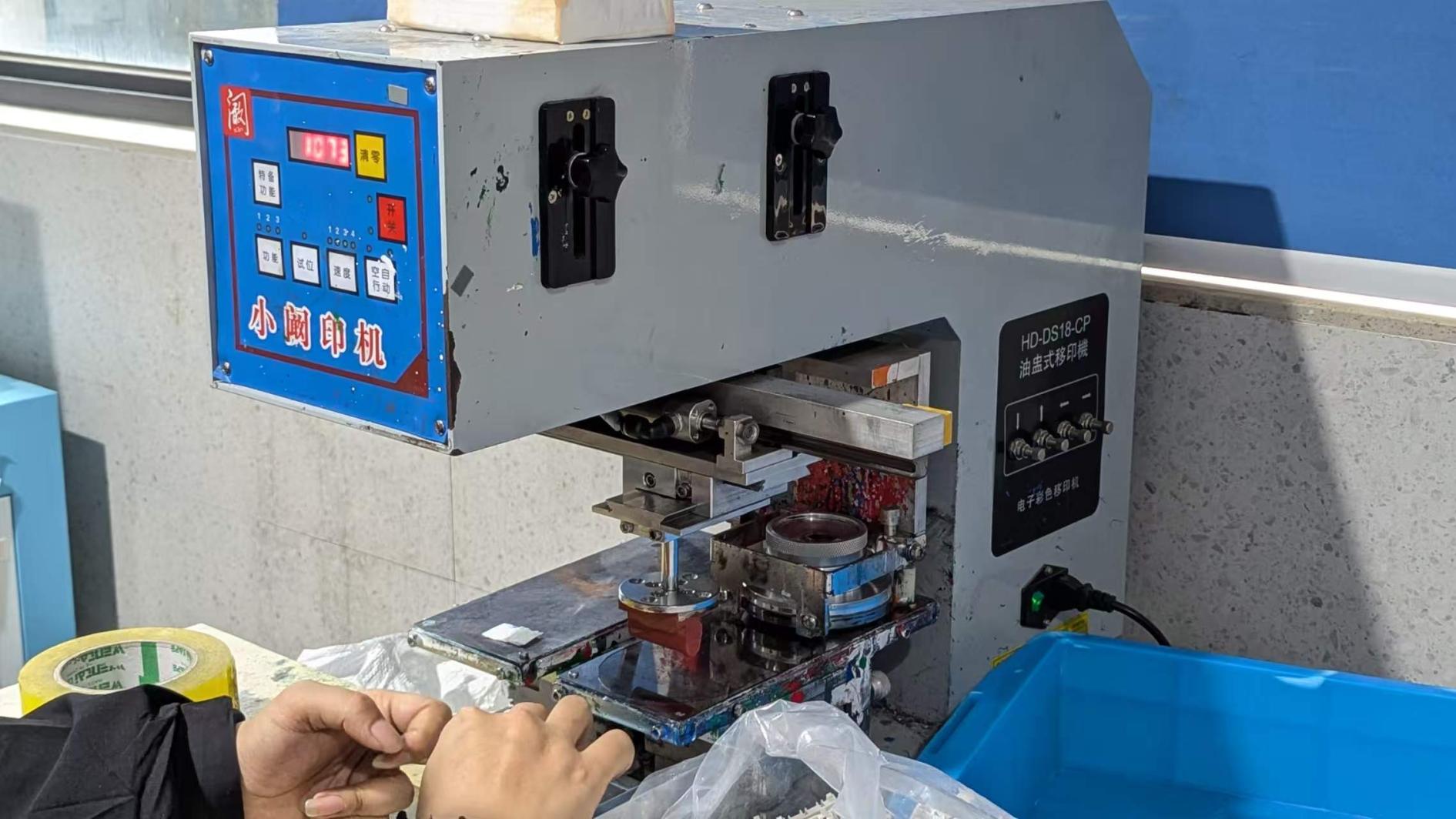
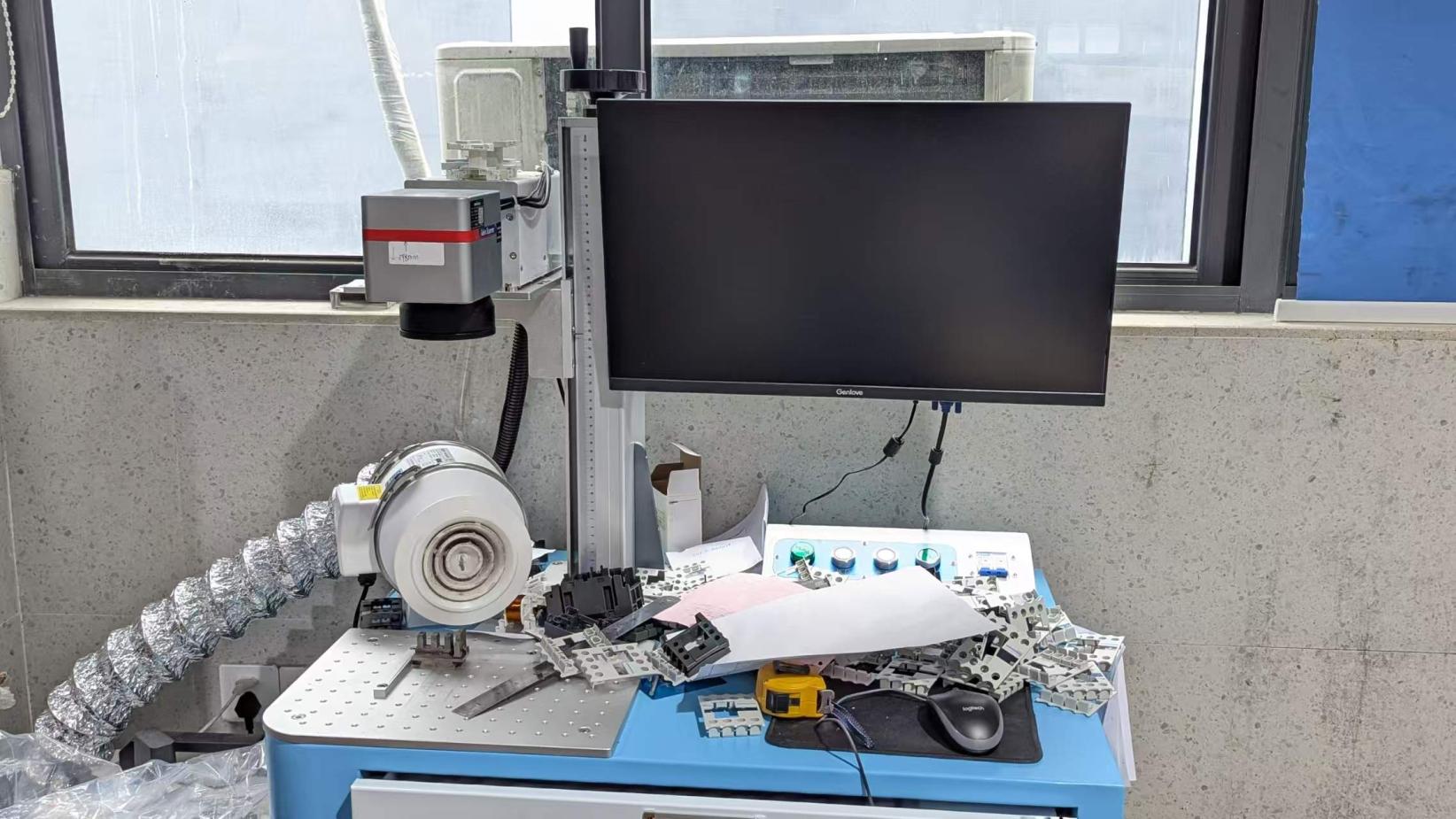
A trusted manufacturer and exporter specializing in modular electric terminal devices, industrial components, and customized distribution switchboards.
Wenzhou Bowser Electric Co., Ltd. is an established manufacturer in the electrical industry, recognized for technical innovation and product reliability. We produce modular electric terminal devices, household electrical solutions, and heavy industrial distribution components. Focusing on safety and engineering quality, we serve as a manufacturing partner for clients around the globe.
Our R&D department consists of over 35 engineers focused on advancing electrical safety and distribution design. Holding more than 25 international patents, we develop solutions in circuit breaker design, automatic transfer systems, and smart distribution components. These research efforts help ensure our products meet current international standards and support our clients' technical requirements.
Quality control is central to our production. Maintaining a 99.9% defect-free rate, we test assemblies from initial material selection through to final functional evaluation. Our manufacturing facilities are certified under ISO 9001 and comply with CE and other regional regulatory standards, supporting compliance in all target markets.
Bowser Electric ships products to clients in over 120 countries, supporting more than 1,500 electrical contractors, utility providers, and distributors. Our product catalog features over 1,200 standard items, and we specialize in OEM and ODM projects, having completed more than 150 custom designs. All products are backed by a 5-year warranty, and our technical support team is available 24/7 to assist with project planning and troubleshooting.
How digital integration, real-time telemetry, and sustainability are transforming low-voltage distribution.
Traditional busbar chambers require manual thermographic inspections to identify hot spots caused by loose connections. The industry is transitioning toward smart busbar chambers equipped with integrated non-contact infrared sensors or wireless Surface Acoustic Wave (SAW) sensors. These sensors monitor temperature data at major joints continuously, reporting fluctuations via Modbus or Ethernet interfaces to trigger maintenance before a thermal failure occurs.
Environmental policies drive the adoption of sustainable materials in electrical equipment. Future product designs focus on high-purity recycled copper and halogen-free insulating materials that prevent toxic gas emissions in the event of an arc fault. Additionally, dry powder coating processes replace wet solvent painting to minimize volatile organic compound (VOC) emissions during production.
High labor costs and short construction schedules require fast electrical installation. Pre-engineered modular busbar chambers allow for quick installation on site. Standardized joints and pre-drilled connection holes reduce installation time by up to 60% compared to custom field-fabricated systems, while minimizing assembly errors.
Technical clarifications from our engineering department regarding busbar chamber design, certification, and integration.
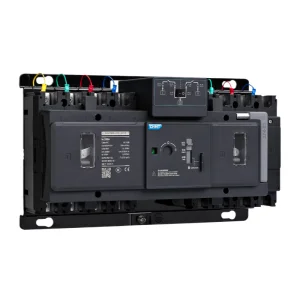
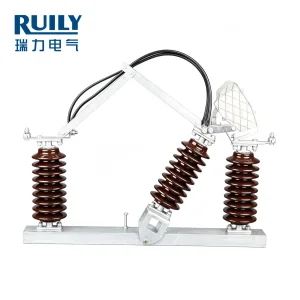
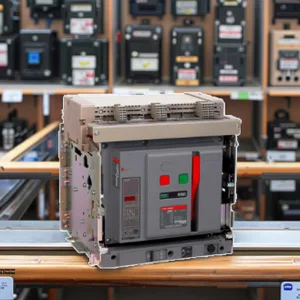
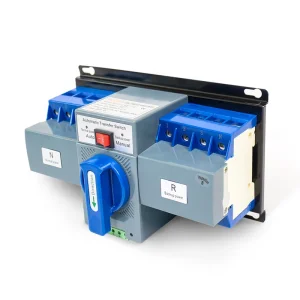
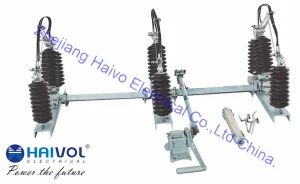
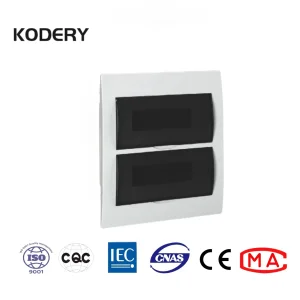
Complete your installation with automatic switches, industrial disconnectors, and surge protection devices from Bowser Electric.