Bowser Electric
Bowser Electric
Bowser Electric
Engineered for seamless integration, high reliability, and ultimate system security.
Analyzing the Paradigm of Power Quality, Resilience, and High-Avaliability Grid Integration
In the era of hyper-scale data centers, automated manufacturing, and complex telecommunication systems, the stability of public electrical grids has become a critical operational vulnerability. Modern processing nodes and industrial machinery are designed to operate within extremely narrow voltage and frequency thresholds. Even a microsecond voltage sag or transient surge can result in catastrophic equipment degradation, data corruption, and millions of dollars in idle operational costs. As a result, the global reliance on high-efficiency Uninterruptible Power Supply (UPS) systems and matching protective circuit distribution solutions has surged to unprecedented heights.
To establish a resilient power framework, developers and infrastructure engineers look toward leading global hubs for design and manufacturing. China's electrical manufacturing sector, particularly clusters within Wenzhou, has evolved from producing entry-level components to manufacturing state-of-the-art power safety and conversion systems. This industrial whitepaper explores the critical engineering frameworks, factory workflows, technological advancements, and localization strategies that enable companies like Wenzhou Bowser Electric Co., Ltd. to power modern enterprise networks, industrial facilities, and green energy farms globally.
Empowering the Future of Electrical Protection & Distribution Solutions
Welcome to Wenzhou Bowser Electric Co., Ltd., a leading force in the electrical industry renowned for innovation, reliability, and an unwavering commitment to excellence. As a specialized manufacturer and exporter, we focus on providing high-quality modular electric terminal devices, household electrical solutions, and industrial electrical components. With a strong emphasis on technology, safety, and customer satisfaction, Bowser Electric has established itself as a trusted partner for clients around the world.
With a 99.9% defect-free rate, every product undergoes rigorous testing, from material inspection to final production. Our facilities are certified under ISO 9001, CE, and other international safety standards, ensuring compliance and reliability in every market we serve.
Our 35+ member R&D team is dedicated to advancing electrical technology and delivering smart, efficient, and reliable solutions. Holding over 25 international patents, we continuously explore new innovations in circuit breaker design, energy management systems, and safety devices.
Serving clients in over 120 countries, with a portfolio of more than 1,500 satisfied customers. Our extensive catalog includes 1,200+ products. We excel in OEM and ODM projects, having successfully completed over 150 customized solutions in collaboration with renowned international companies.
How Modern Grid Stresses and Power Demand Drive Advanced Power Security Requirements
The global demand for high-capacity power solutions is accelerating, driven by three major macro-economic shifts: the consolidation of hyperscale data centers, the modernization of industrial manufacturing processes, and the distribution of energy storage systems. The rise of machine learning platforms and generative AI models has driven rack power densities to upwards of 30kW–100kW per cabinet. In these dense computing setups, standard power feeds are highly susceptible to voltage fluctuations, rendering high-efficiency double-conversion online UPS systems non-negotiable.
Concurrently, the manufacturing sector's transition toward Industry 4.0 utilizes precision robotics, Programmable Logic Controllers (PLCs), and variable frequency drives (VFDs). Unlike older motor-based factories that could ride through brief power fluctuations, micro-electronic processors in smart factories are highly sensitive to power quality anomalies. A voltage drop lasting less than one cycle (16.6 milliseconds) can trigger safety shutdowns, costing operators thousands in scrapped materials and lost productivity. Consequently, modern factories are implementing hybrid power configurations: utility grids paired with high-surge tolerance bypass equipment, automatic transfer switches (ATS), and local battery storage networks.
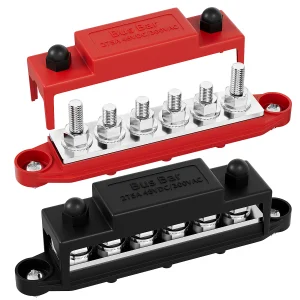
At the macro-distribution level, we are also seeing localized microgrids integrating photovoltaic (PV) generation with battery energy storage systems (BESS). These complex systems require robust isolators, heavy-duty busbars, and surge protection devices (SPDs) to withstand the bi-directional flow of current and protect the low-voltage electronics in control systems. Chinese manufacturers are adapting to these evolving specifications by shifting from commodity components to advanced, integrated system designs that handle higher voltages, extreme environments, and smart communications protocols.
Leading the Transition from Legacy Topologies to Smart, Bidirectional Grid Interfacing
As the electrical engineering industry moves forward, the hardware powering uninterruptible power supplies and critical distribution panels is undergoing significant upgrades. These innovations focus on three key areas: semiconductor materials, energy storage systems, and intelligent control interfaces.
Traditional silicon-based Insulated Gate Bipolar Transistors (IGBTs) are reaching their thermal and efficiency limits. Manufacturers are turning to Silicon Carbide (SiC) and Gallium Nitride (GaN) field-effect transistors. SiC semiconductors offer superior thermal conductivity, higher switching frequencies, and significantly lower power dissipation. This enables modular UPS units to achieve efficiencies exceeding 98% in double-conversion mode and up to 99% in eco-operating configurations, reducing operating costs for data centers.
Valve Regulated Lead-Acid (VRLA) batteries, long the default backup medium, are being replaced by Lithium Iron Phosphate (LFP) chemistry. LFP batteries offer twice the operational lifespan, higher power density, reduced footprint, and stable operation up to 35°C. This eliminates the need for energy-intensive air conditioning in battery rooms, helping industrial operators reduce their total cost of ownership (TCO) and supporting sustainability goals.
Instead of acting purely as idle backup assets, modern UPS systems are evolving into bidirectional grid assets. Known as Virtual Power Plants (VPPs), these systems can feed accumulated green energy (e.g., from solar arrays) back into local utility grids during peak demand hours. This transition is made possible by high-speed digital signal processors, bidirectional inverter topologies, and heavy-duty DC isolators capable of switching solar inputs seamlessly.
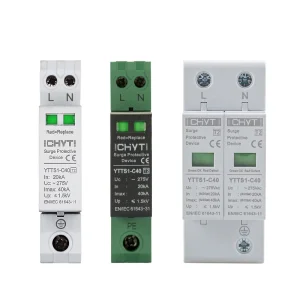
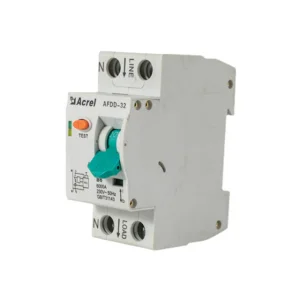
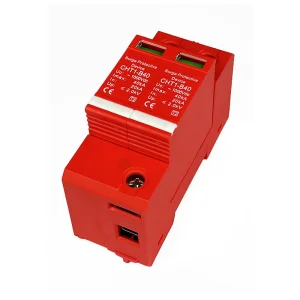
High-voltage DC distribution architectures (such as 1000VDC to 1500VDC PV installations) are prone to sustained electrical arcing. Integration of next-generation Arc Fault Detection Devices (AFDDs) and Type-1/Type-2 Surge Protective Devices (SPDs) in the bypass paths prevents electrical fires and protects internal circuits, ensuring continuous operation of backup power networks during lightning strikes or grid faults.
Architecting Modular Safety and Resilience Across Critical Verticals
Providing reliable power protection requires more than stand-alone equipment; it demands integrated, site-specific electrical distribution systems designed to meet distinct operational needs.
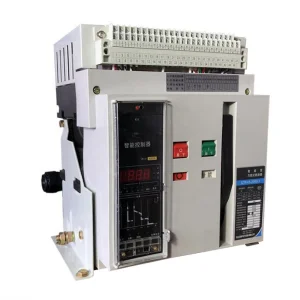
For large-scale data centers, we recommend an N+1 or 2N redundant architecture that pairs high-capacity Double-Conversion UPS systems with fast-acting Automatic Transfer Switches (ATS) and heavy-duty Air Circuit Breakers (ACBs). Under normal conditions, utility power feeds the critical load via the inverter while charging the battery bank. In the event of a grid anomaly, the ATS switches input lines within 8 to 16 milliseconds, avoiding disruption to downstream servers.
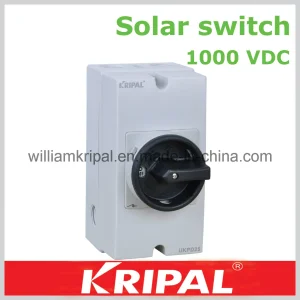
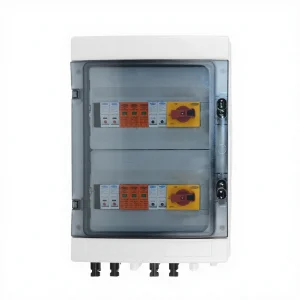
Solar arrays and grid-tied solar-plus-storage projects generate high-voltage direct current (up to 1500VDC). Safeguarding this infrastructure requires specialized DC components. Deploying 1000VDC/1500VDC Photovoltaic Solar Isolators alongside dedicated DC SPDs protects central inverters and battery systems from grid-side transients, protecting long-term capital investments from lightning strikes.
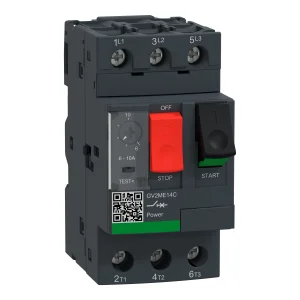
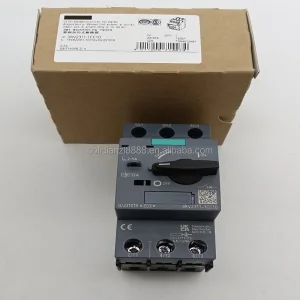
Smart factories rely on distributed control systems (DCS) and edge controllers that need continuous power. The ideal solution incorporates DIN-rail mounted online UPS modules, combined with Motor Protection Circuit Breakers (MPCBs) and Arc Fault Detection Devices (AFDDs). This configuration isolates faults at the branch level, protecting sensitive components and preventing localized disruptions from shutting down the entire assembly line.
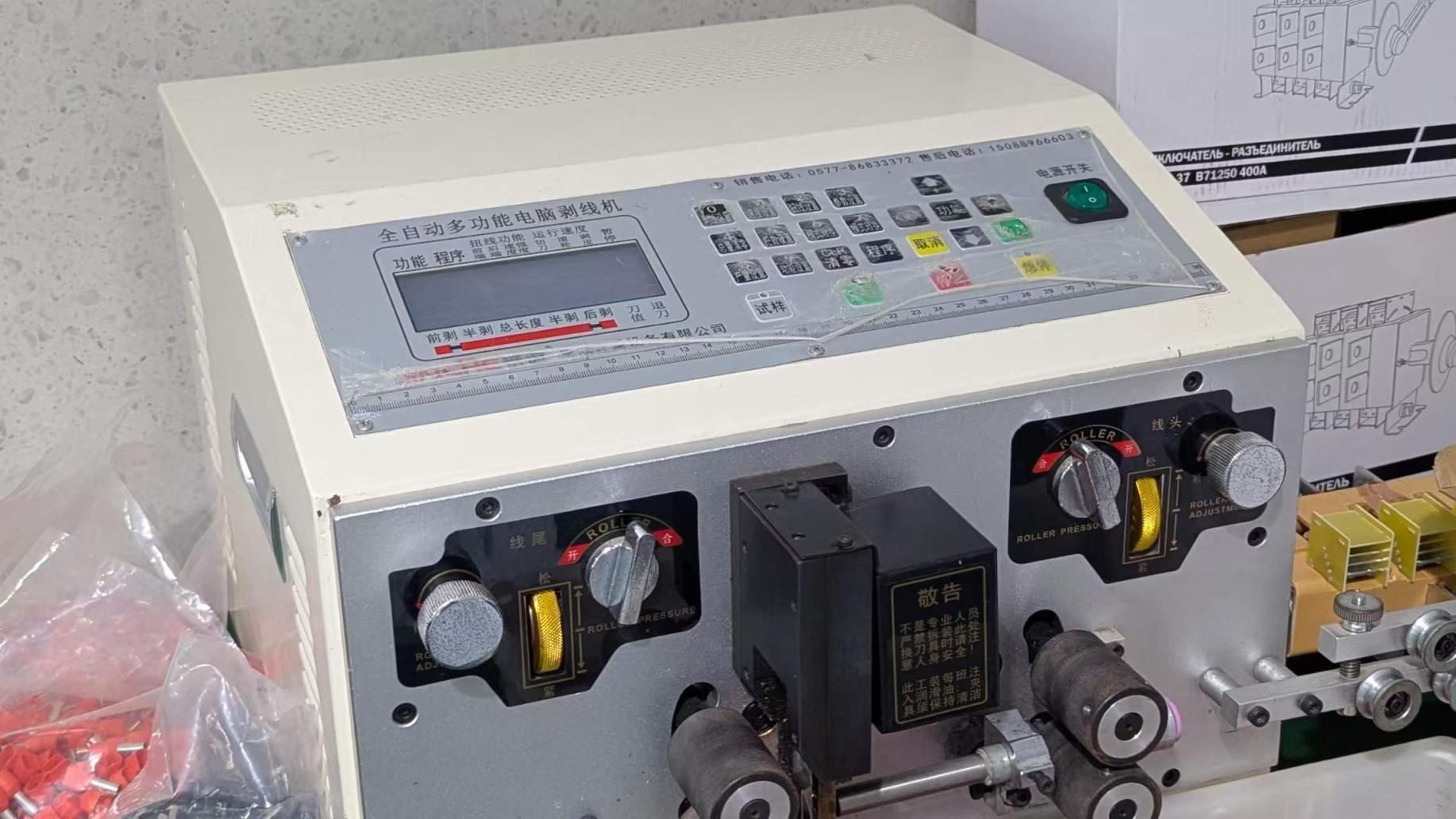
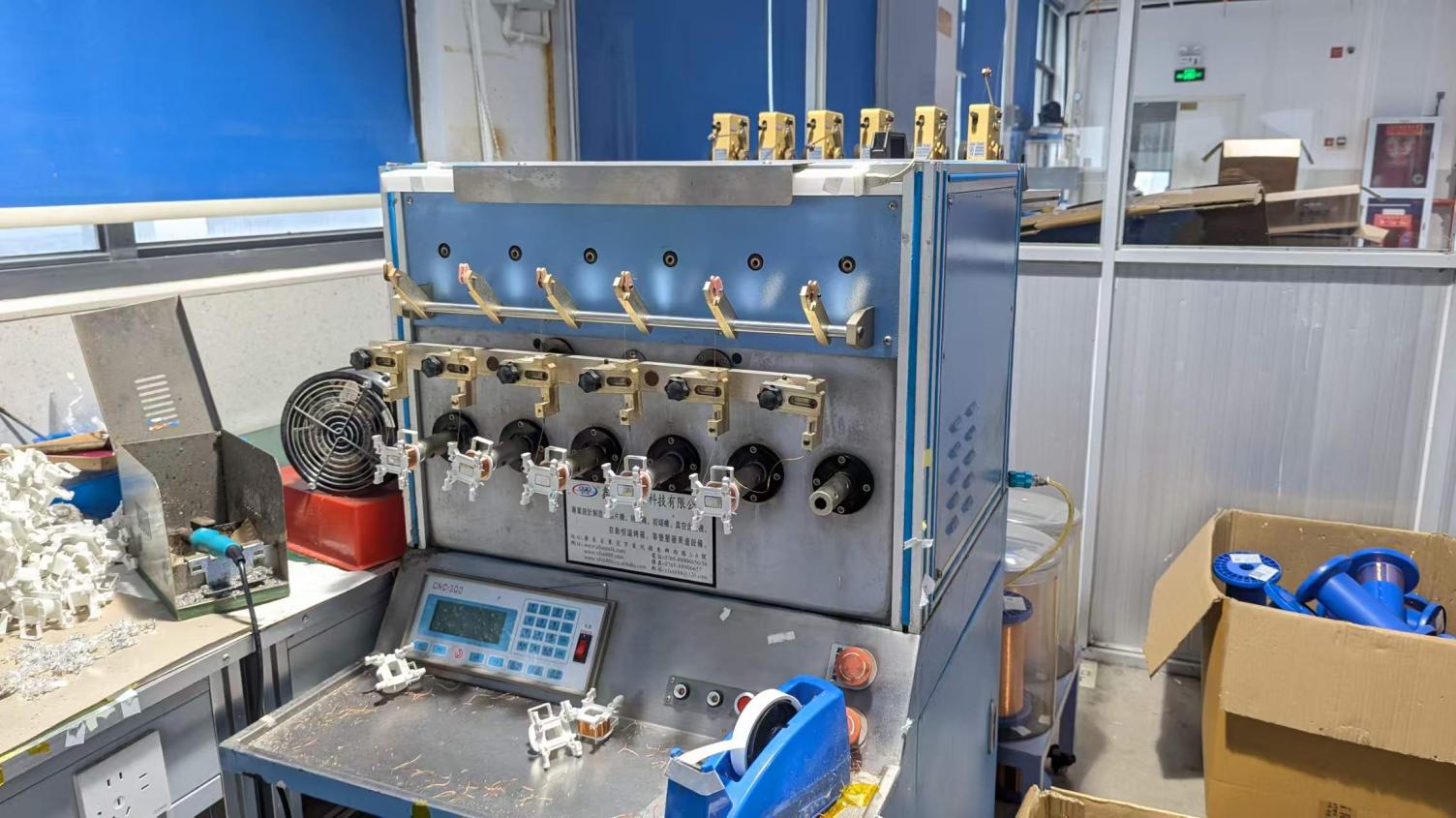
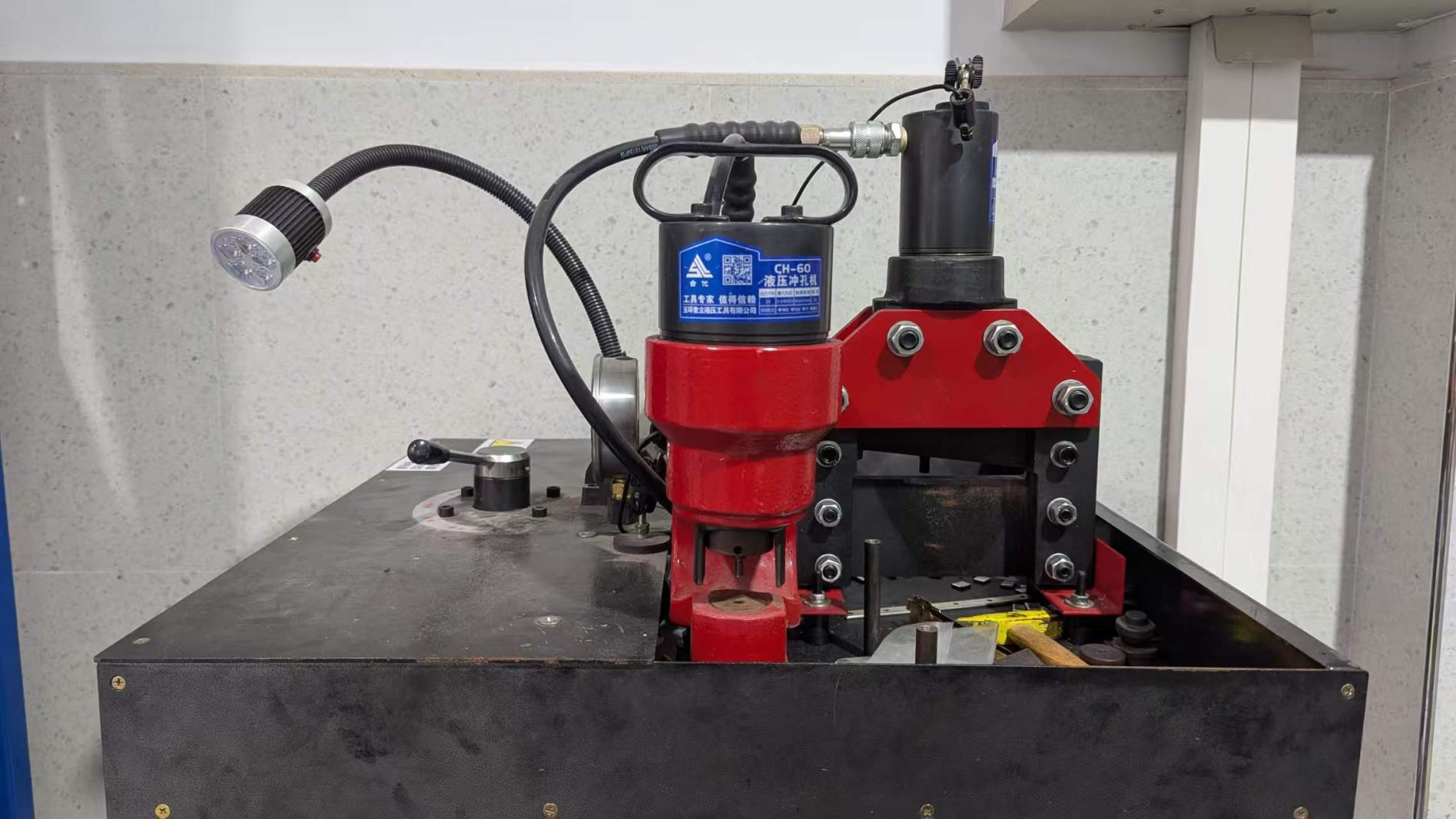
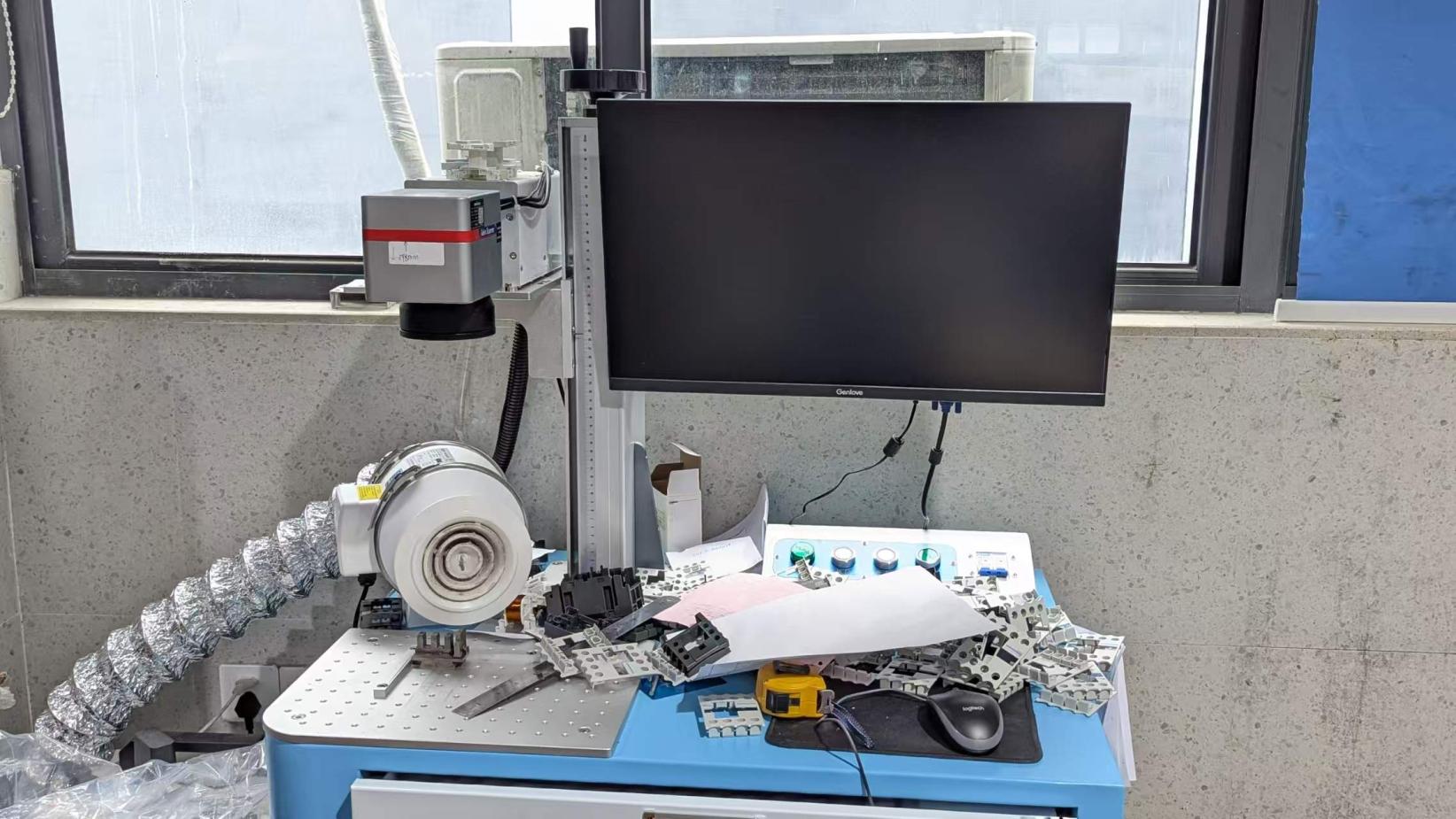
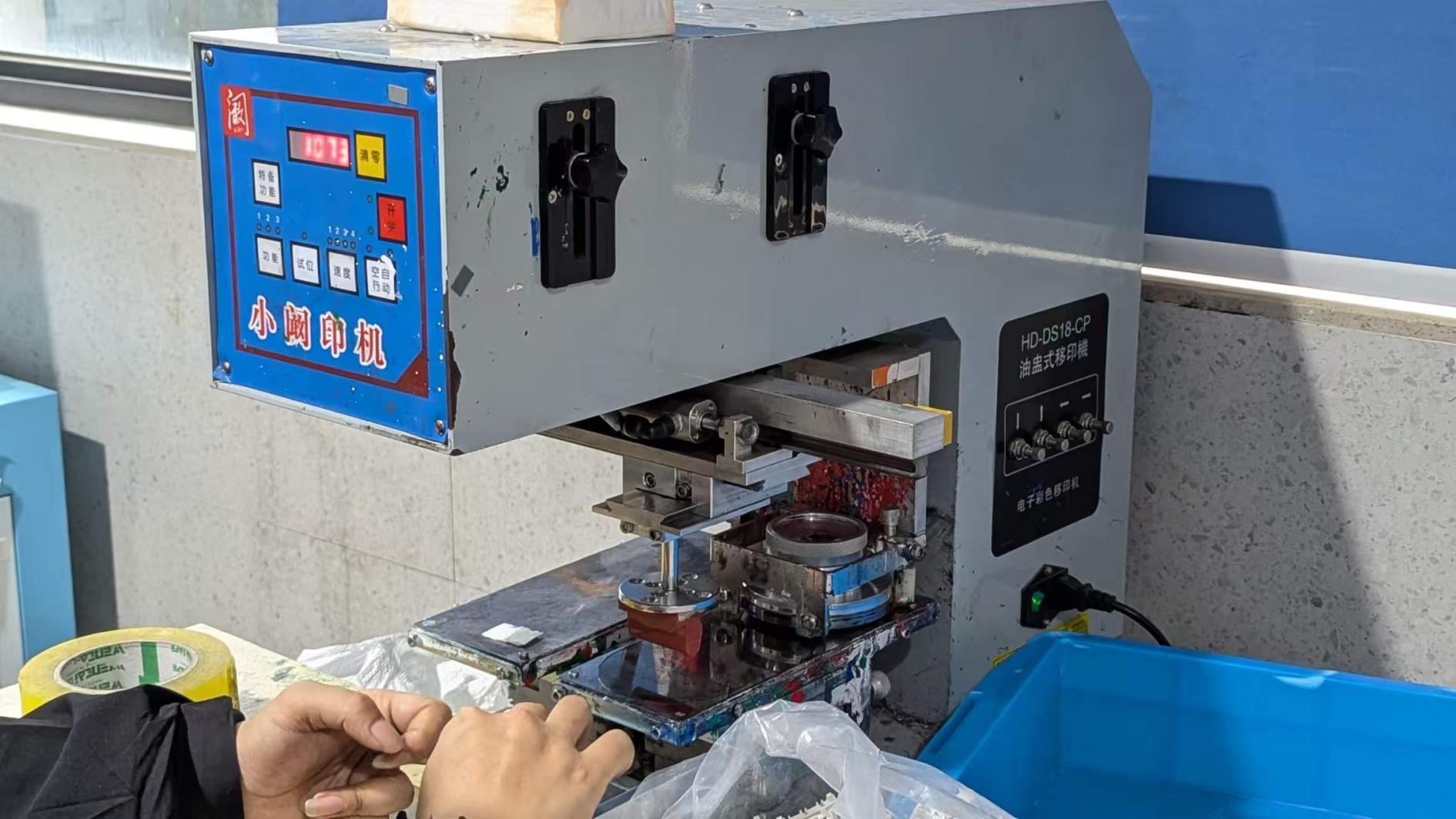
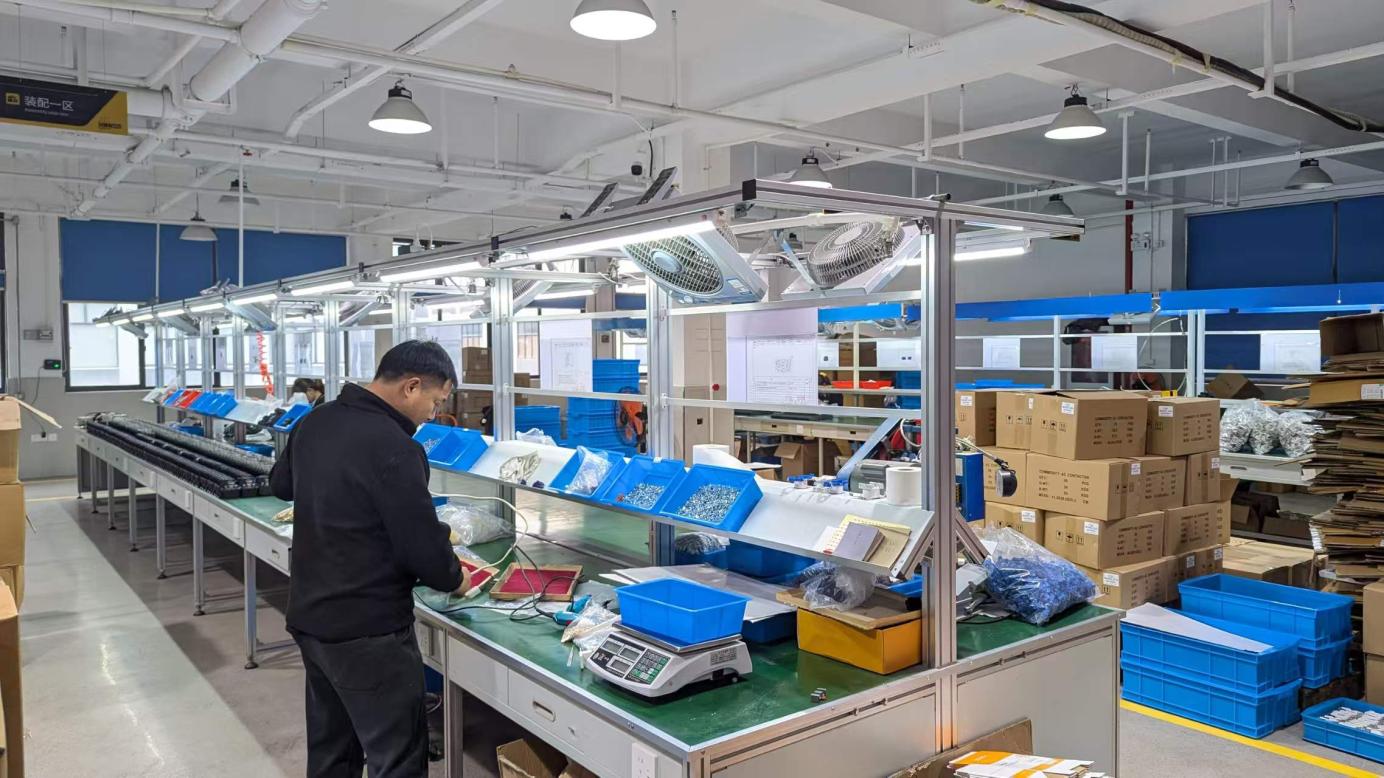
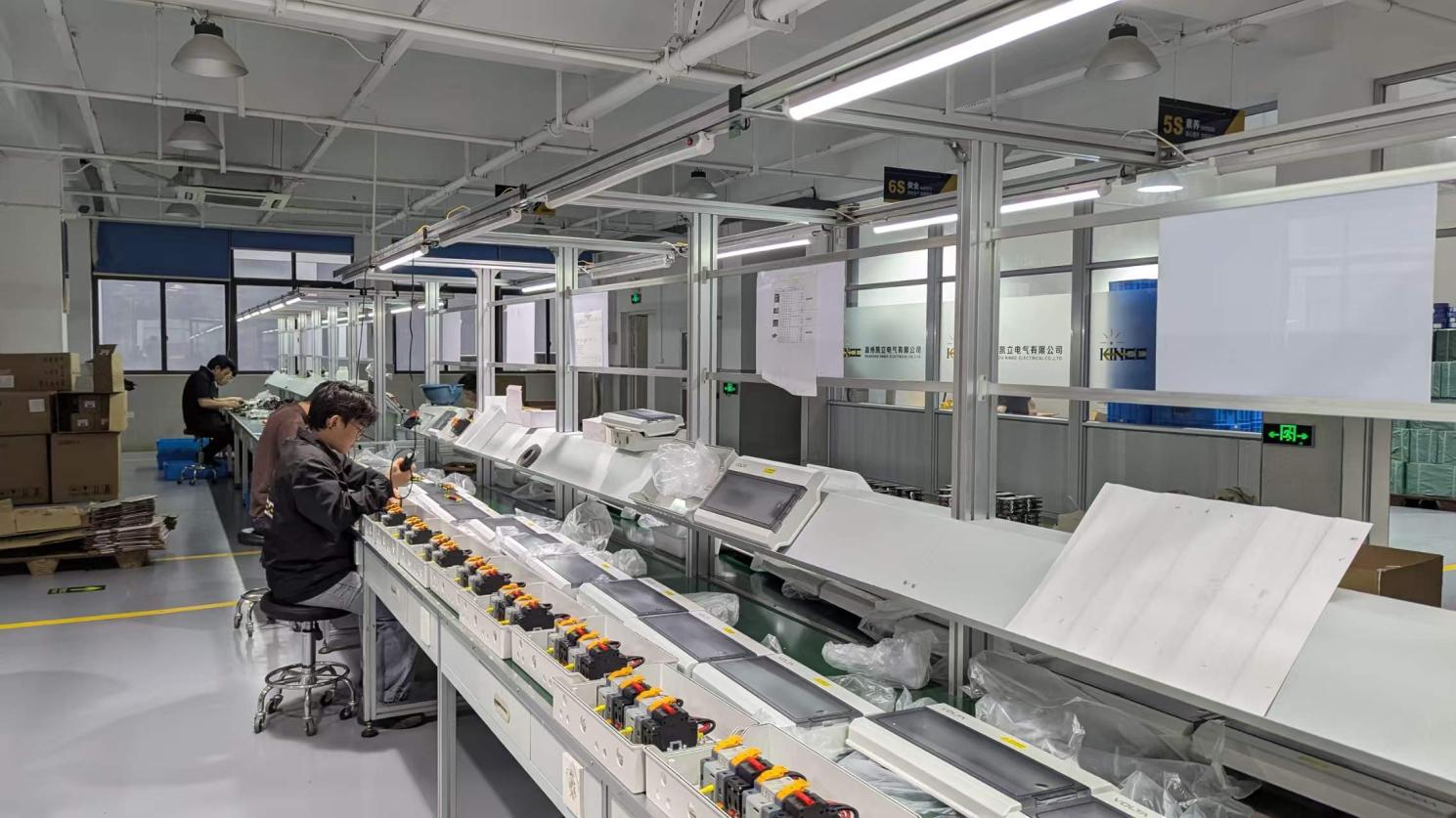
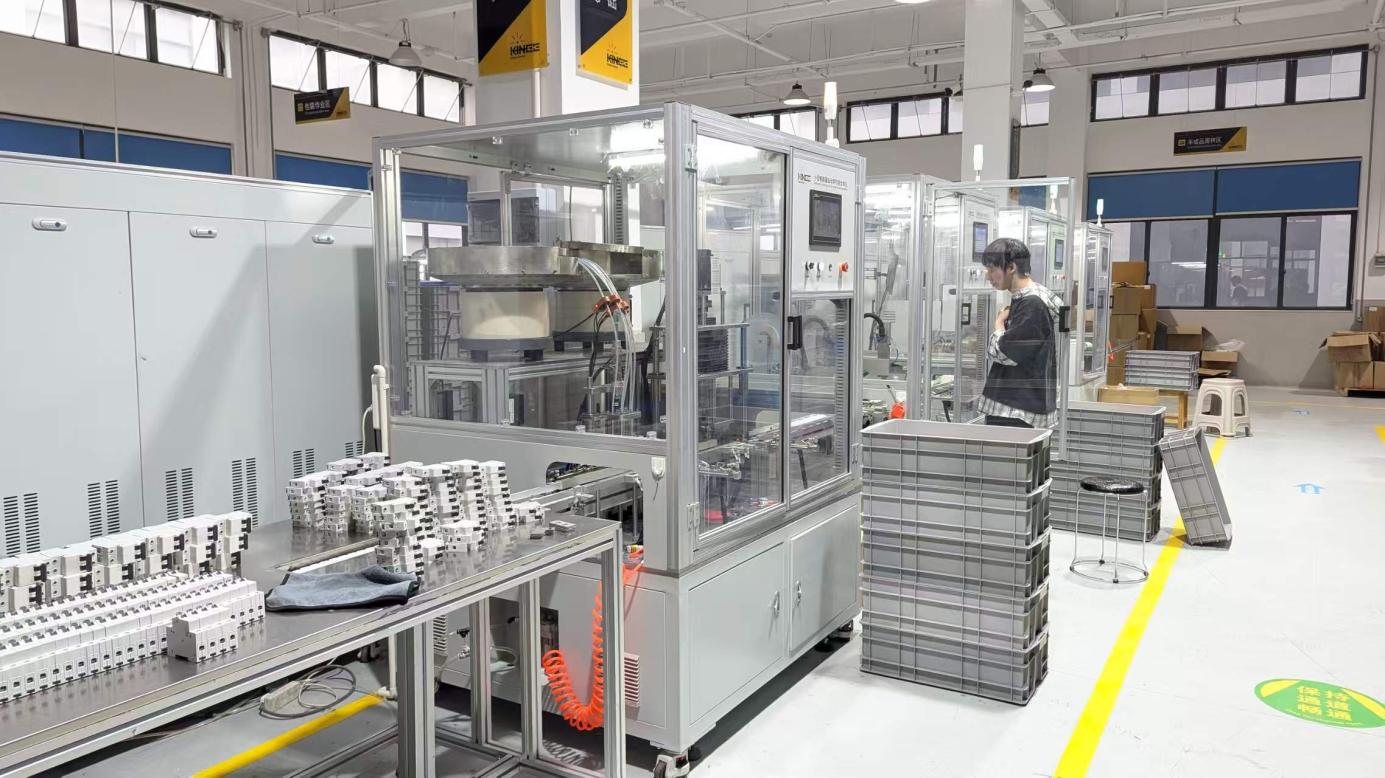
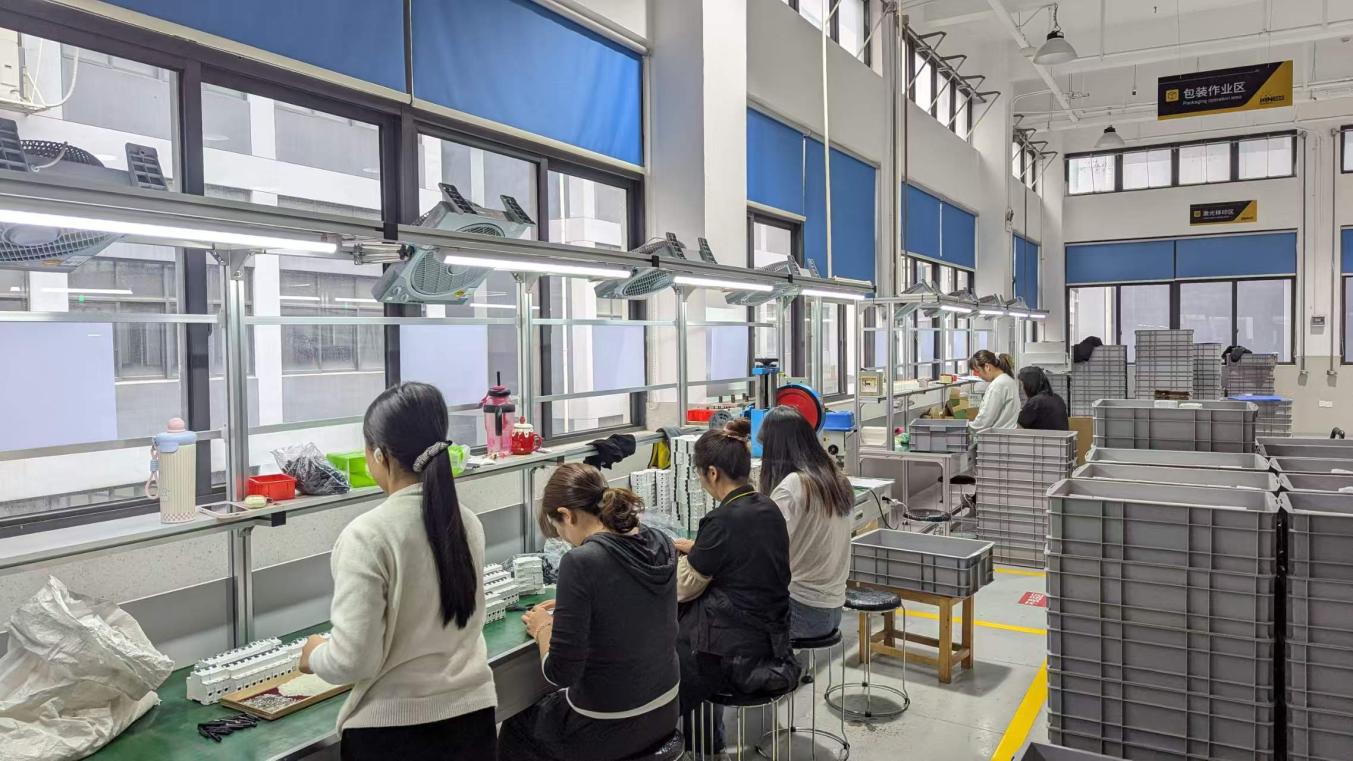
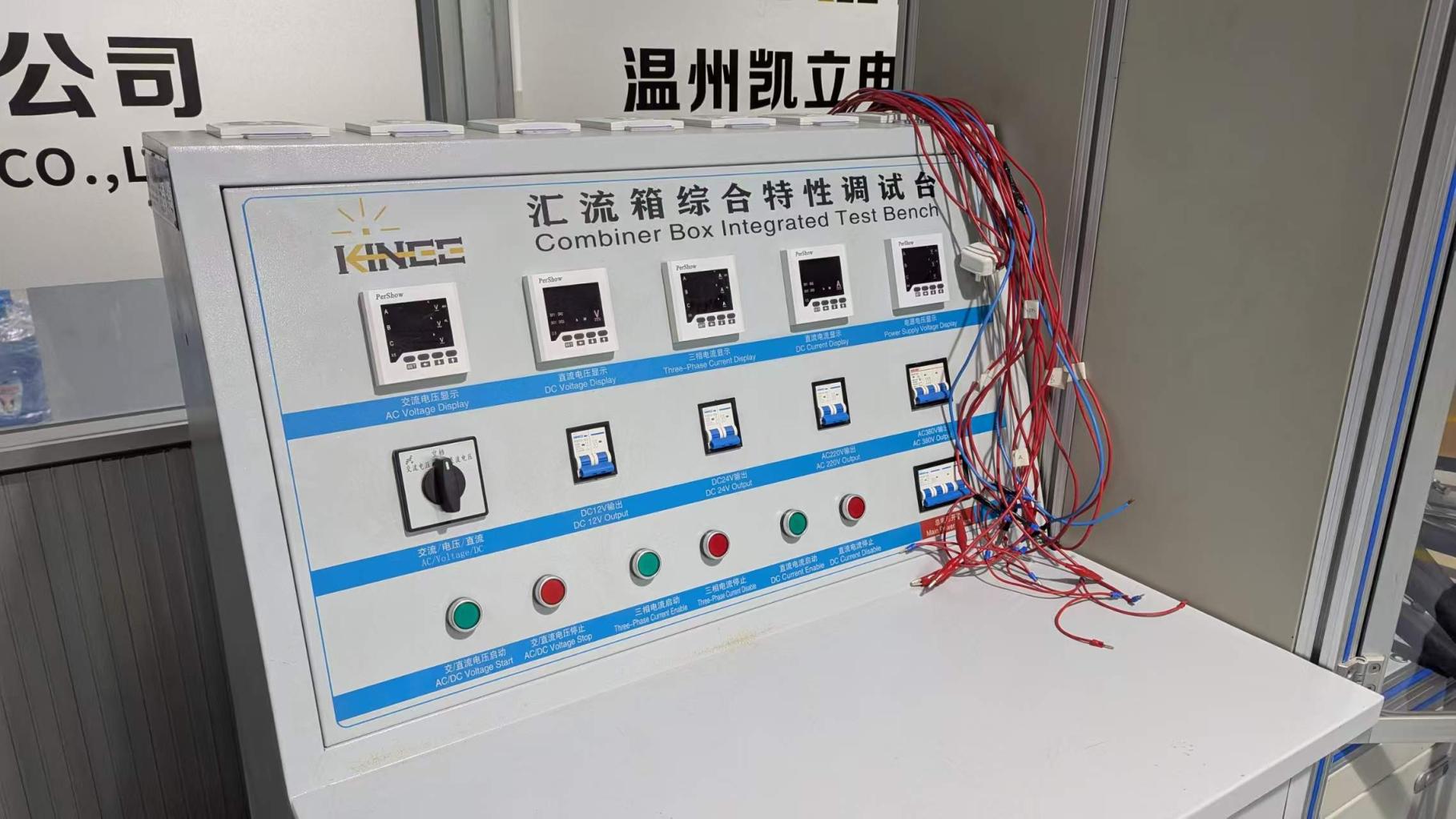
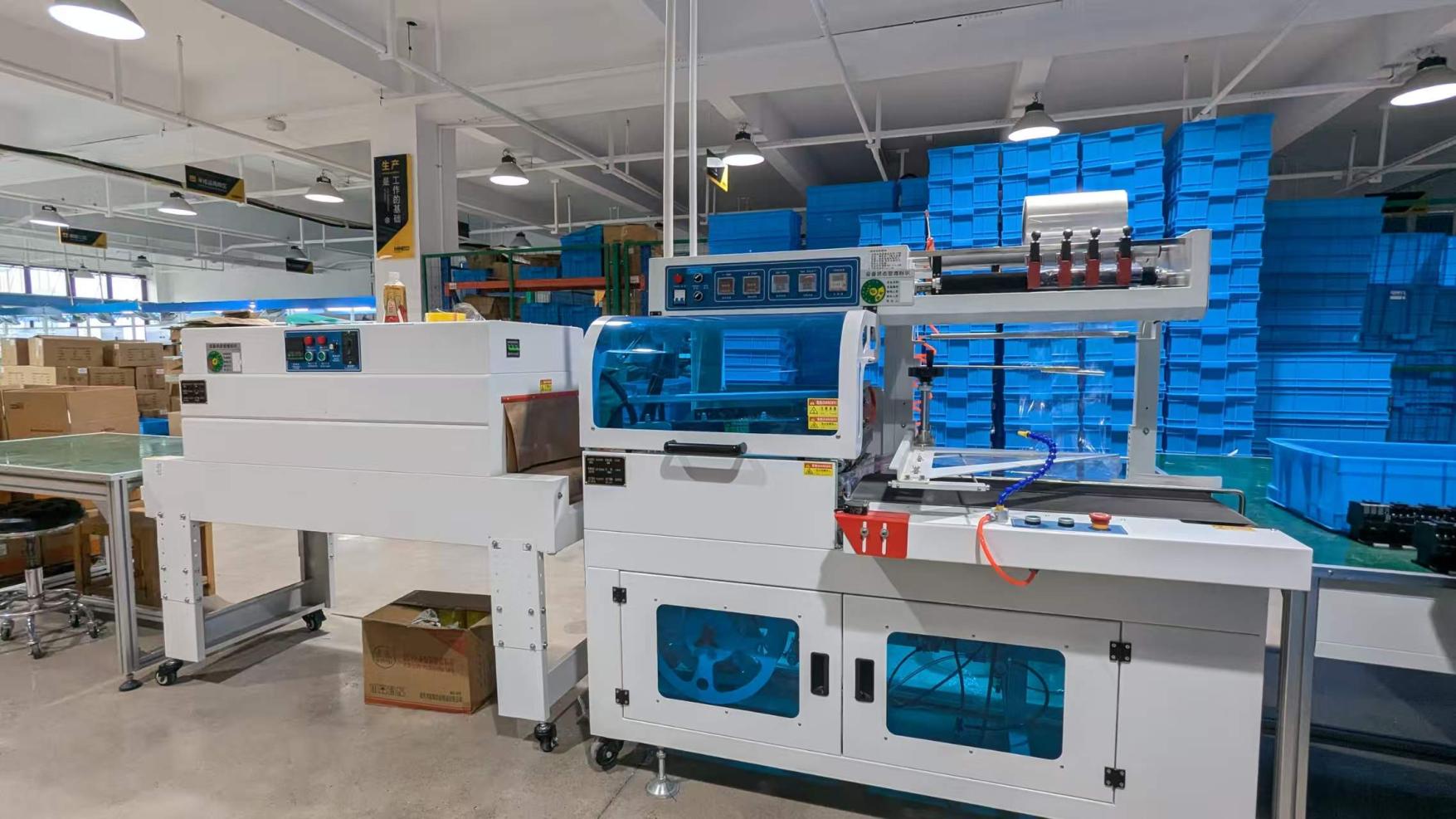
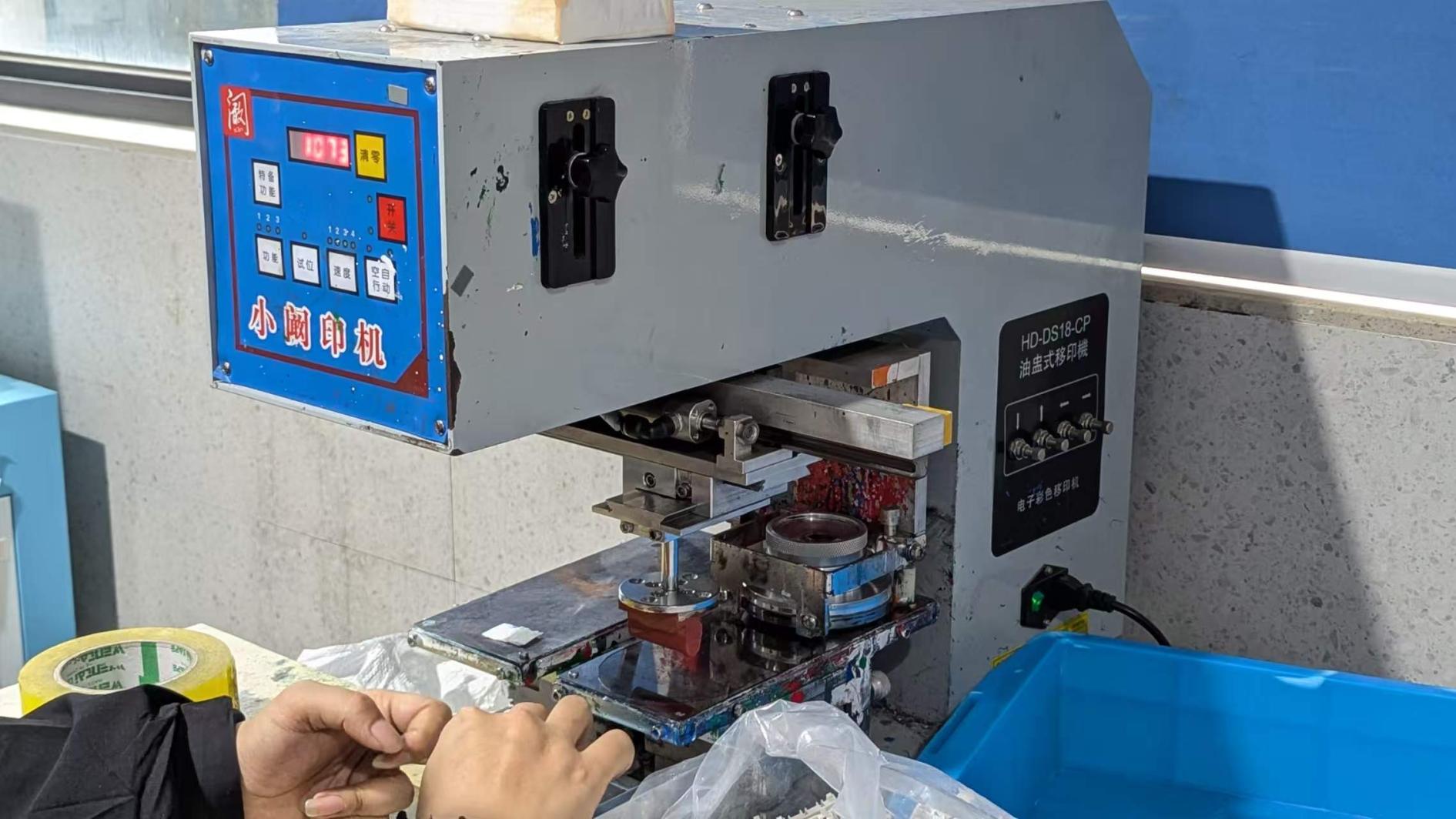
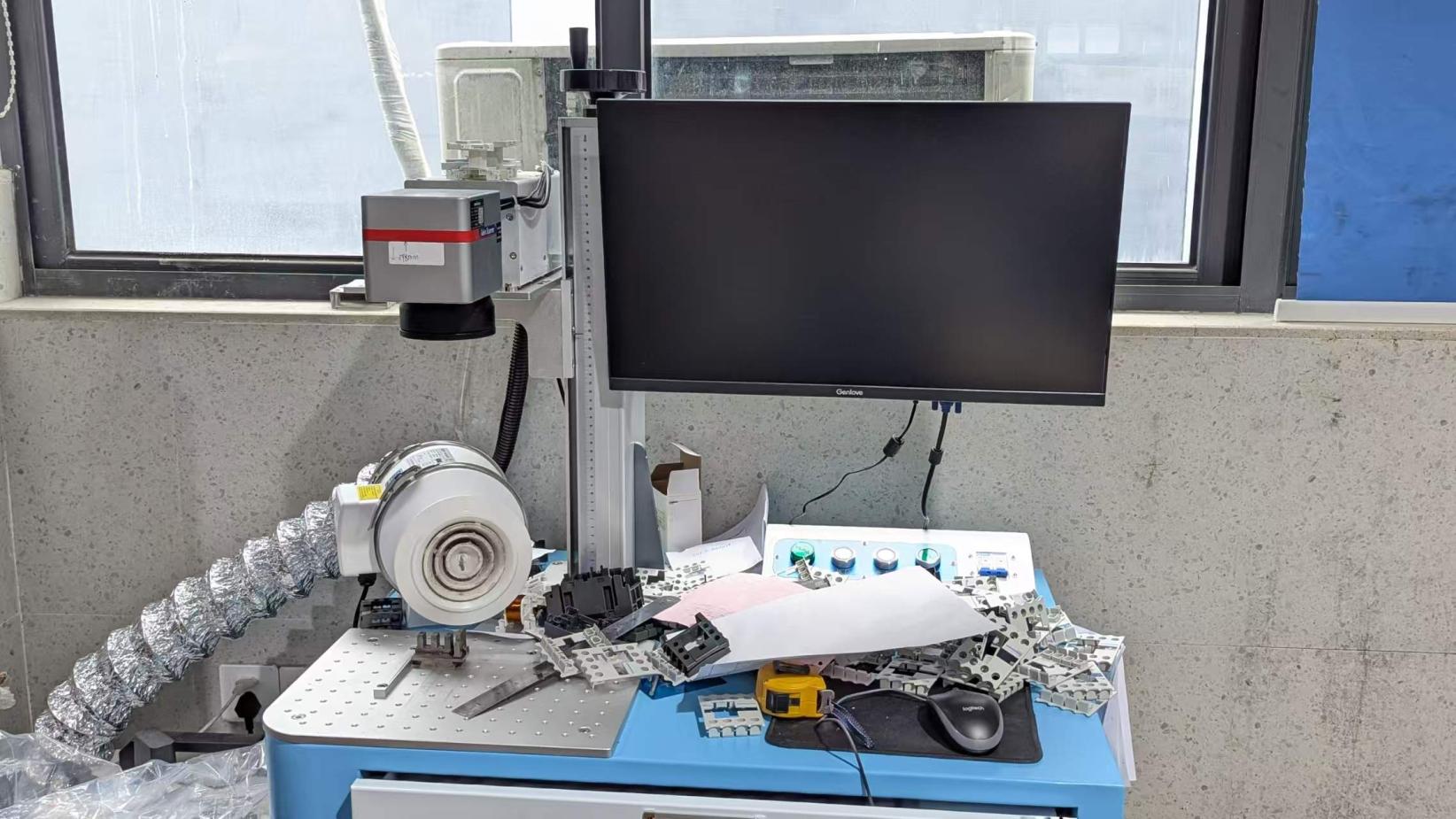
A Visual Tour of Bowser Electric's ISO 9001:2015 Manufacturing Facilities
Every electrical protection device we produce undergoes a structured manufacturing process. From raw material preparation to automated assembly and multi-stage electrical calibrations, we maintain high standards of quality control to ensure field reliability. Below is an inside look at our modern production workflows:
Expert Engineering Insights on Surge Protection, Switching Devices, and System Topologies
Fusing Advanced Engineering with Eco-Friendly Production Principles
At Bowser Electric, environmental responsibility is integrated directly into our product development cycle. We invest in energy-efficient components, utilize recyclable materials in our production facilities, and employ manufacturing processes that reduce waste and greenhouse gas emissions. By combining technical innovation with sustainable practices, we aim to deliver clean, efficient, and reliable electrical solutions that support a greener future for our global clients and communities.
Contact Us Today to discover how Wenzhou Bowser Electric Co., Ltd. can power your world with safe, reliable, and innovative electrical solutions.
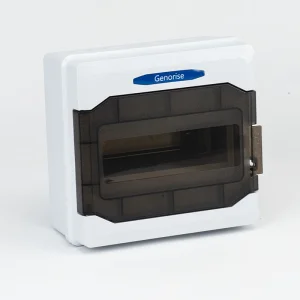
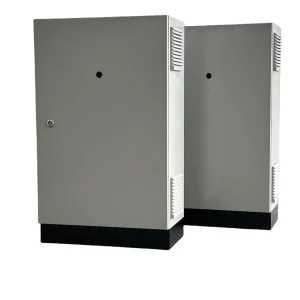
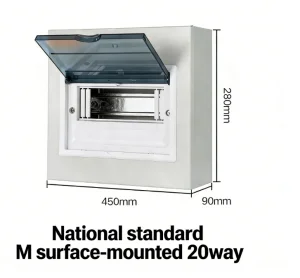
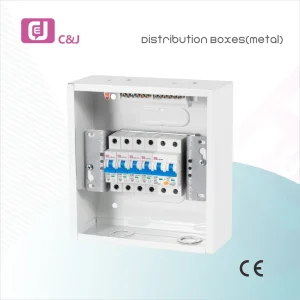
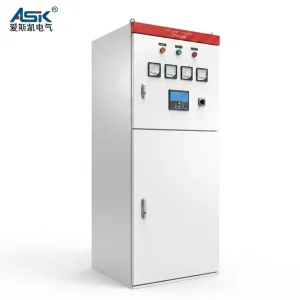
Explore our range of distribution boxes, breakers, busbars, and protection equipment.