Bowser Electric
Bowser Electric
Bowser Electric
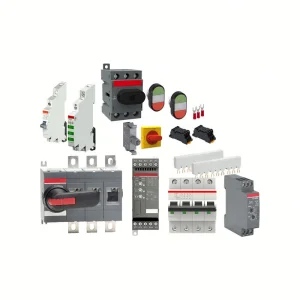
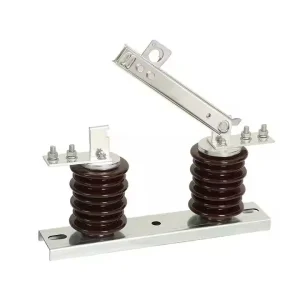
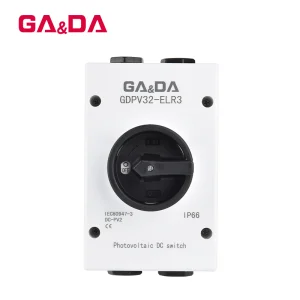
Browse our high-durability switches, busbar components, and motor control accessories built for industrial scalability.
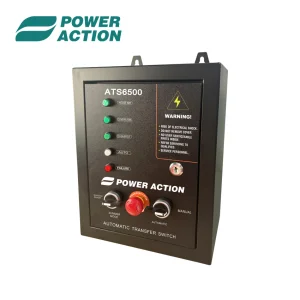
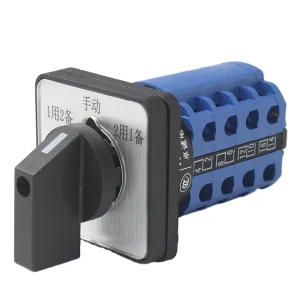
Across the global landscape of automation, energy regulation, and factory management, Frequency Inverters (commonly known as Variable Frequency Drives - VFDs, or Variable Speed Drives - VSDs) function as the foundational pillar for mechanical control systems. By adjusting the output frequency and voltage supplied to electric motors, these devices provide fine-tuned control over speed, torque, and acceleration curves. For modern commercial facilities and industrial plants, deploying top-tier frequency inverters is not simply an operation-level upgrade; it is a critical strategy for energy reduction and machinery conservation.
The global commercial and industrial sectors are undergoing rapid digitalization. From high-capacity HVAC systems in modern commercial complexes to large-scale centrifugal pumps in municipal water treatment operations, precise motor control dictates overall system reliability. Traditional across-the-line motor starting methods create enormous voltage drops and severe mechanical stress. Implementing advanced frequency inverters eliminates these starting current spikes, mitigating mechanical wear and minimizing structural stress across drive belts, gears, and pump seals.
As energy tariffs rise and international standard frameworks like ISO 50001 push companies to prioritize energy conservation, frequency inverters act as direct enablers. In centrifugal pump and fan installations, running a motor at half-speed via a VFD consumes merely 12.5% of the power required at full speed, conforming directly to the affinity laws of fluid dynamics. For multinational buyers and large procurement networks, understanding how VFDs operate, select, and integrate is a cornerstone of operational efficiency.
The adoption of Silicon Carbide (SiC) and Gallium Nitride (GaN) power switches in inverter design allows for higher switching frequencies, drastically lower thermal losses, and compact chassis designs.
Next-gen VFDs feature built-in edge processing algorithms that analyze motor currents, vibration patterns, and winding temperatures in real-time, predicting structural failures before they happen.
Advanced active front end (AFE) inverters with integrated LCL filters minimize total harmonic distortion (THD) to comply with rigid grid protection protocols like IEEE 519.
Modbus/TCP, EtherCAT, PROFINET, and EtherNet/IP native configurations permit seamless connection into central DCS or cloud-managed asset monitoring dashboards.
Global sourcing departments handling large-scale industrial projects must analyze several parameters when selecting a frequency inverter manufacturer. Relying solely on unit pricing leads to high system failures and maintenance costs down the line. A comprehensive Total Cost of Ownership (TCO) calculation must consider efficiency losses, cooling demands, engineering fees, and spare parts supply chains.
First, specify the load type: variable torque (VT) for centrifugal pump and fan applications, or constant torque (CT) for heavy-duty machinery like conveyor belts, extruders, and reciprocating compressors. Constant torque systems demand higher overload capabilities (typically 150% overload for 60 seconds) compared to variable torque designs (110%-120% overload for 60 seconds).
Second, calculate environmental conditions. Inverter performance decreases at high elevations and elevated ambient temperatures. The IP protection class must align with the installation site; clean control rooms require IP20 enclosures, while dirty, dusty, or humid conditions require IP55 or IP66 enclosures. High-quality manufacturers like Wenzhou Bowser Electric integrate precision coatings, rugged components, and strict thermal testing to ensure consistent operation in harsh settings.
Combining high automation, rigorous quality control, and advanced logistics to secure global electrical supply chains.
China's manufacturing sector has transitioned from simple assembly lines to highly automated, smart manufacturing facilities. This Industry 4.0 shift utilizes robotic precision, automated optical inspection, and end-to-end trace systems to deliver high reliability and output speeds. China's electrical supply chain offers unmatched resilience, encompassing upstream material processing to downstream international certification and logistics.
At the forefront of this industrial modernization stands Wenzhou Bowser Electric Co., Ltd. As a specialized manufacturer and exporter, we focus on providing high-quality modular electric terminal devices, household electrical solutions, and industrial electrical components. With a strong emphasis on technology, safety, and customer satisfaction, Bowser Electric has established itself as a trusted partner for clients around the world. Our 35+ member R&D team is dedicated to advancing electrical technology and delivering smart, efficient, and reliable solutions. Holding over 25 international patents, we continuously explore new innovations in circuit breaker design, energy management systems, and safety devices. Our research-driven approach ensures that our products consistently meet the highest global standards.
Quality and safety are the cornerstones of our operations. With a 99.9% defect-free rate, every product undergoes rigorous testing, from material inspection to final production. Our facilities are certified under ISO 9001, CE, and other international safety standards, ensuring compliance and reliability in every market we serve. We proudly serve clients in over 120 countries, with a portfolio of more than 1,500 satisfied customers spanning residential, commercial, and industrial sectors. Our extensive catalog includes 1,200+ products, covering circuit breakers, modular switches, sockets, and specialized electrical components. We excel in OEM and ODM projects, having successfully completed over 150 customized solutions. Our professional support team is available 24/7, providing technical assistance and guidance anytime, backed by a 5-year warranty reflecting our confidence in quality.
A transparent view into our precision assembly lines, automated machinery, and quality control systems.
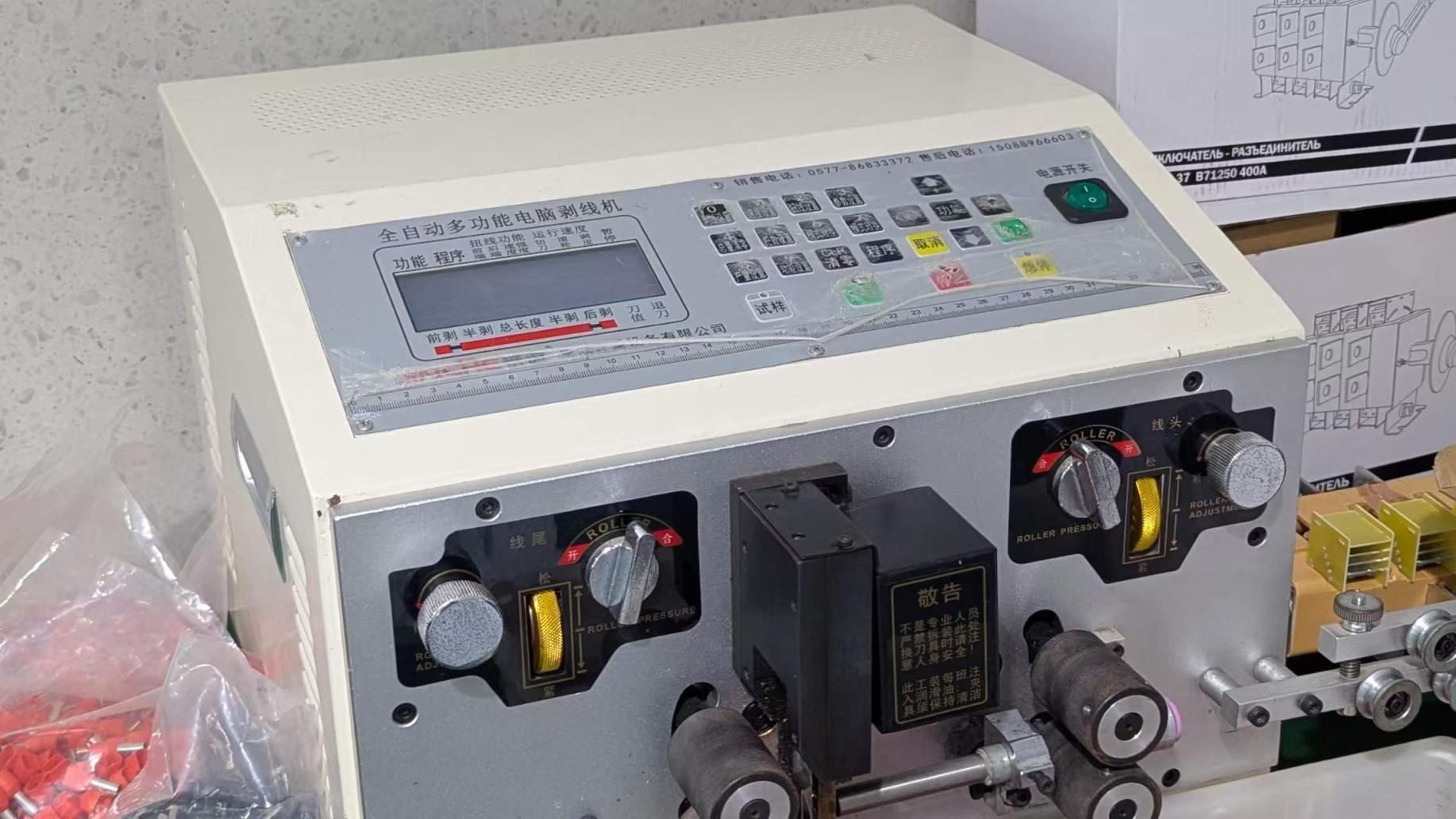
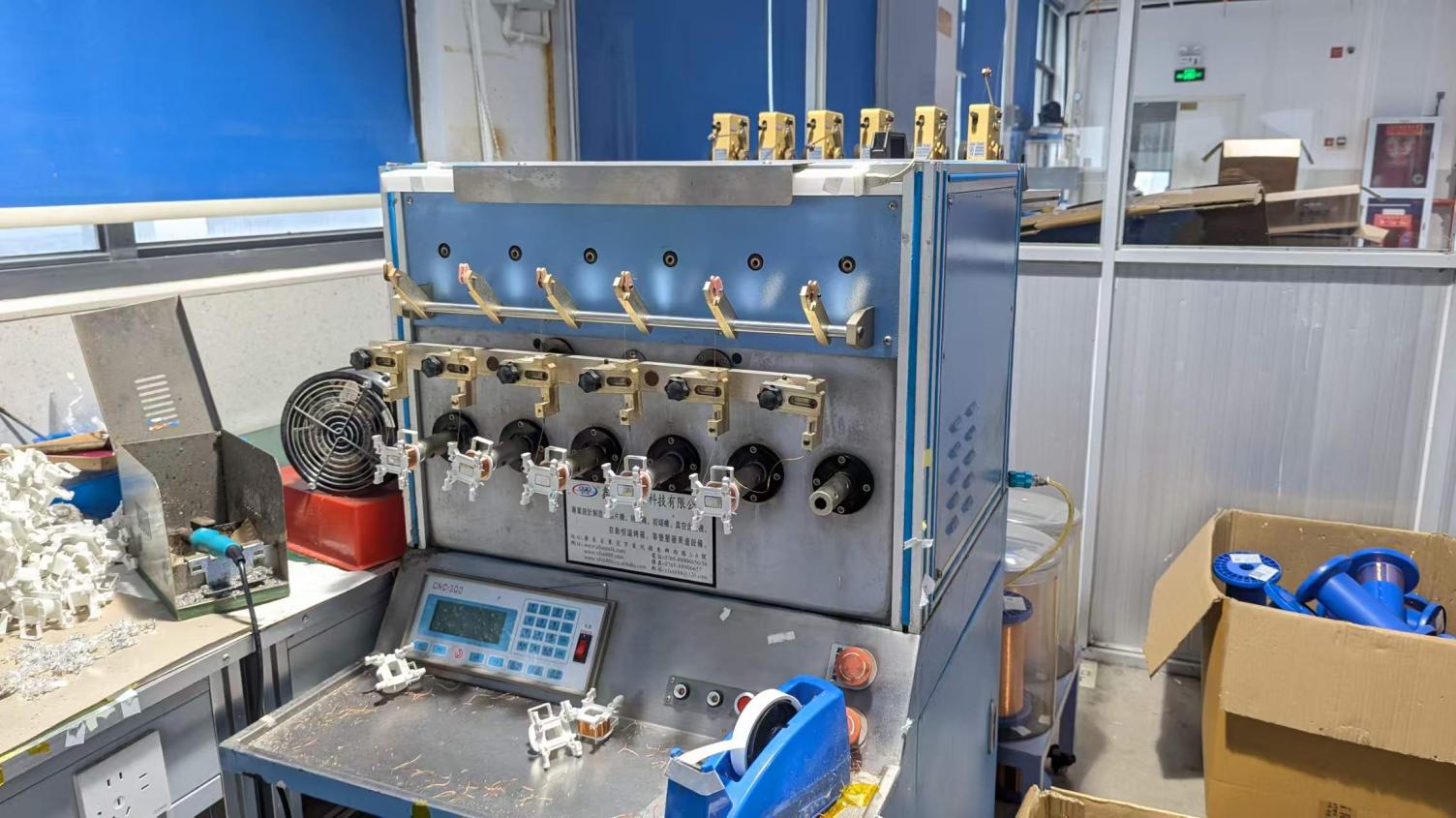
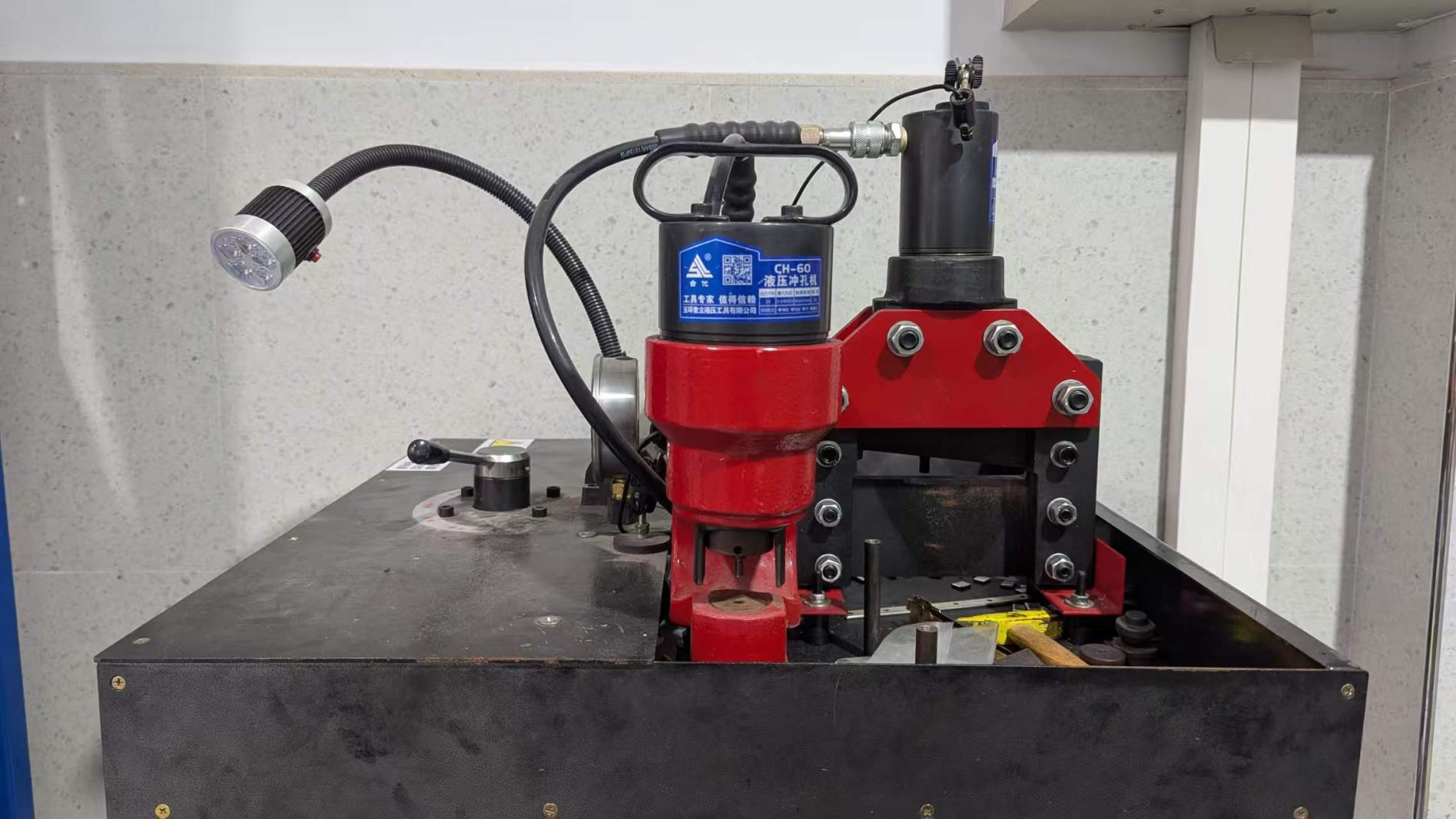
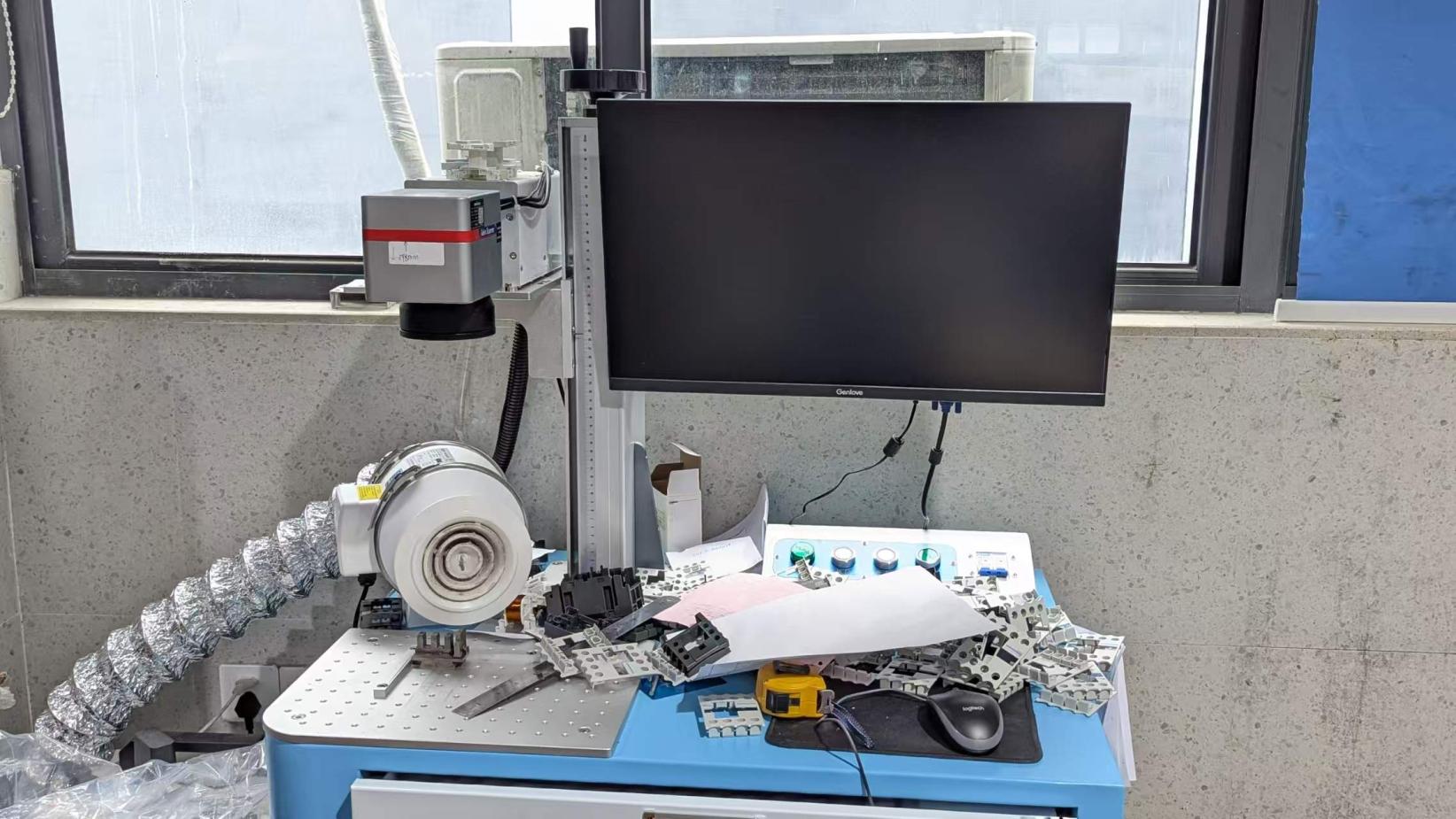
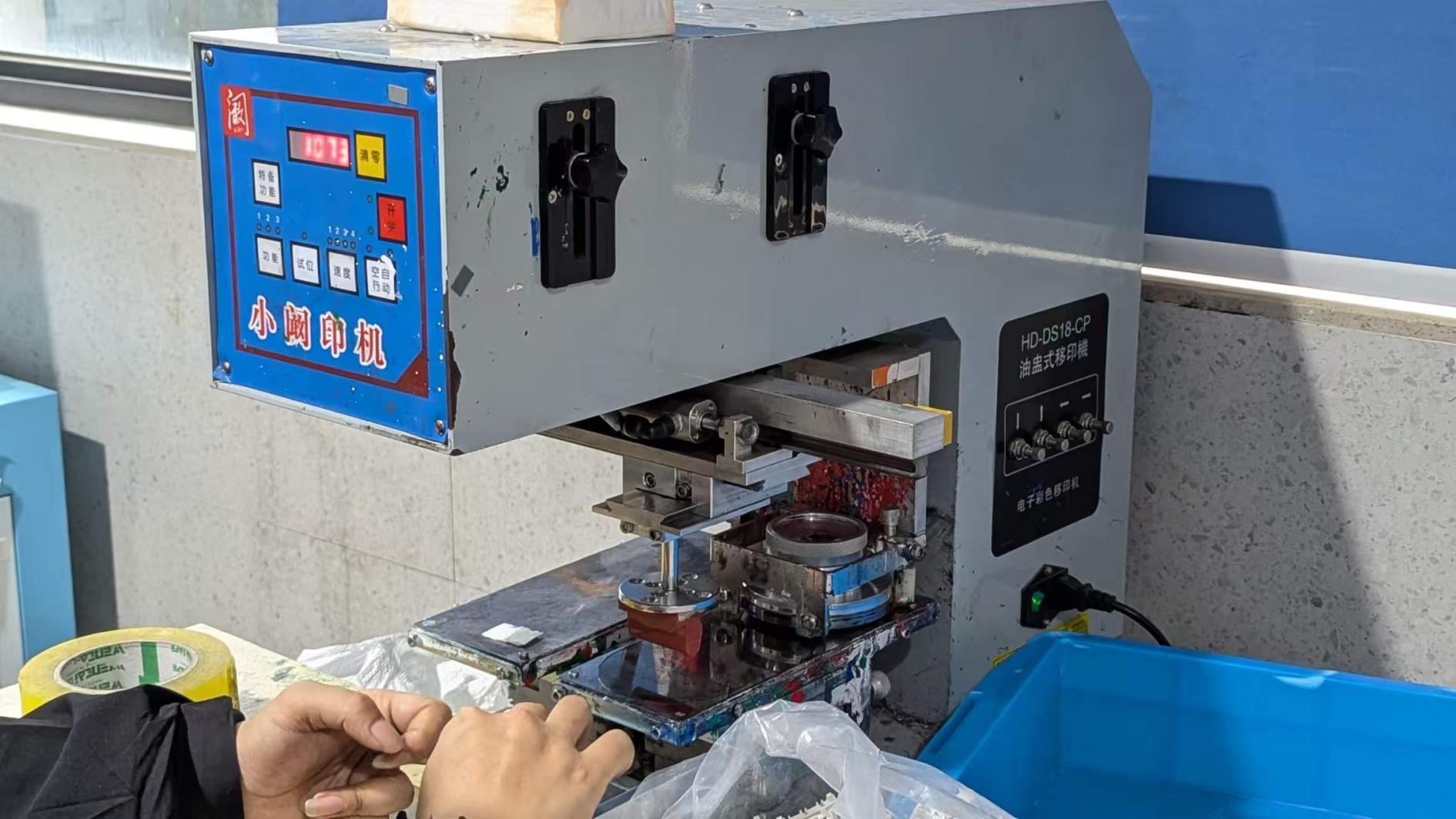
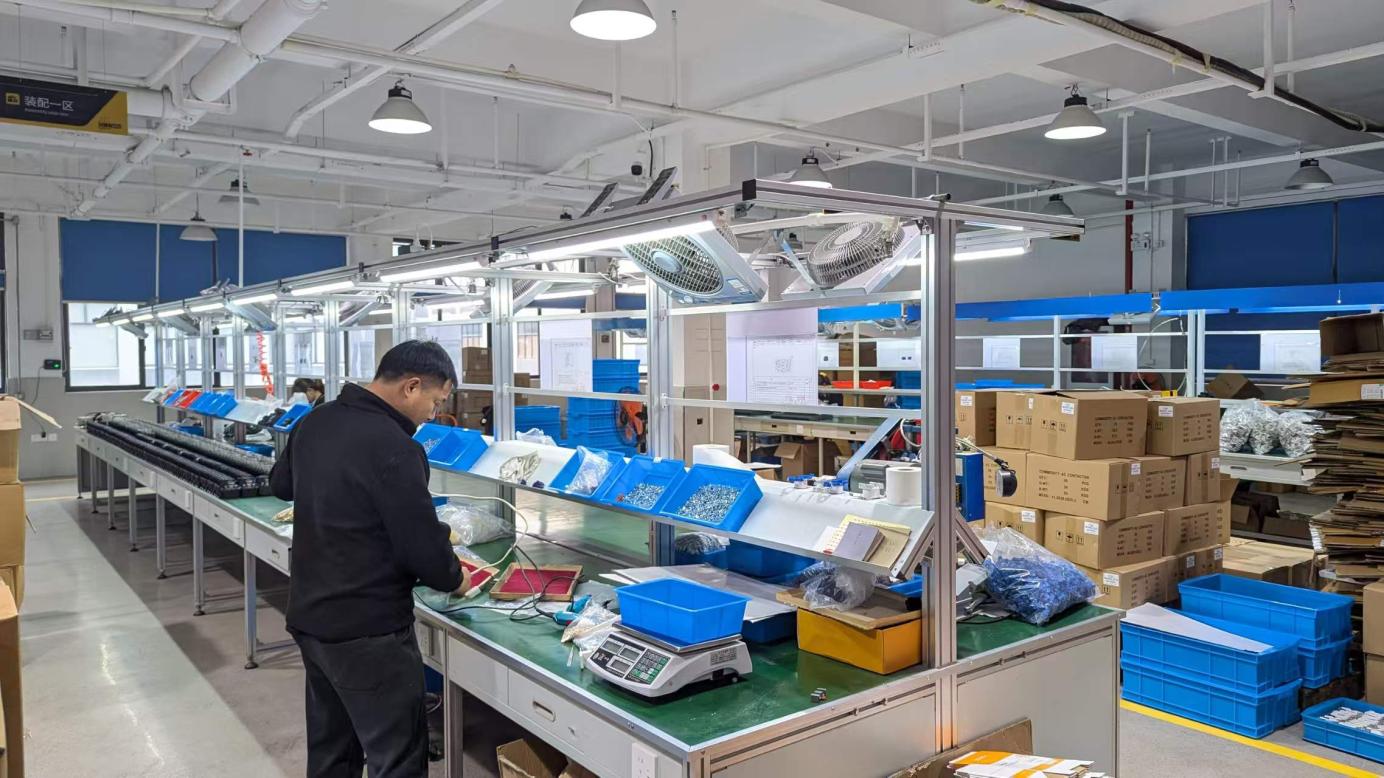
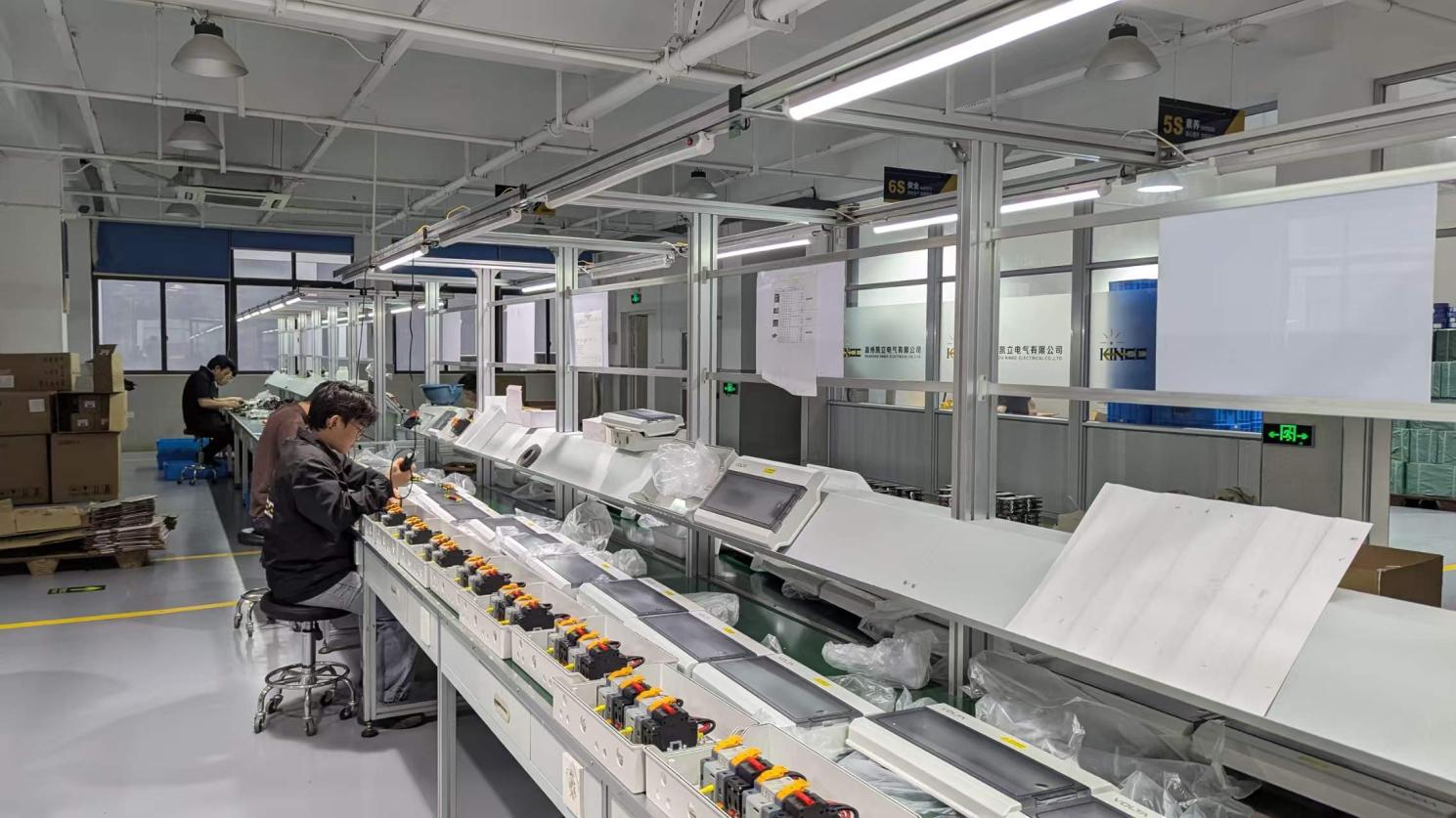
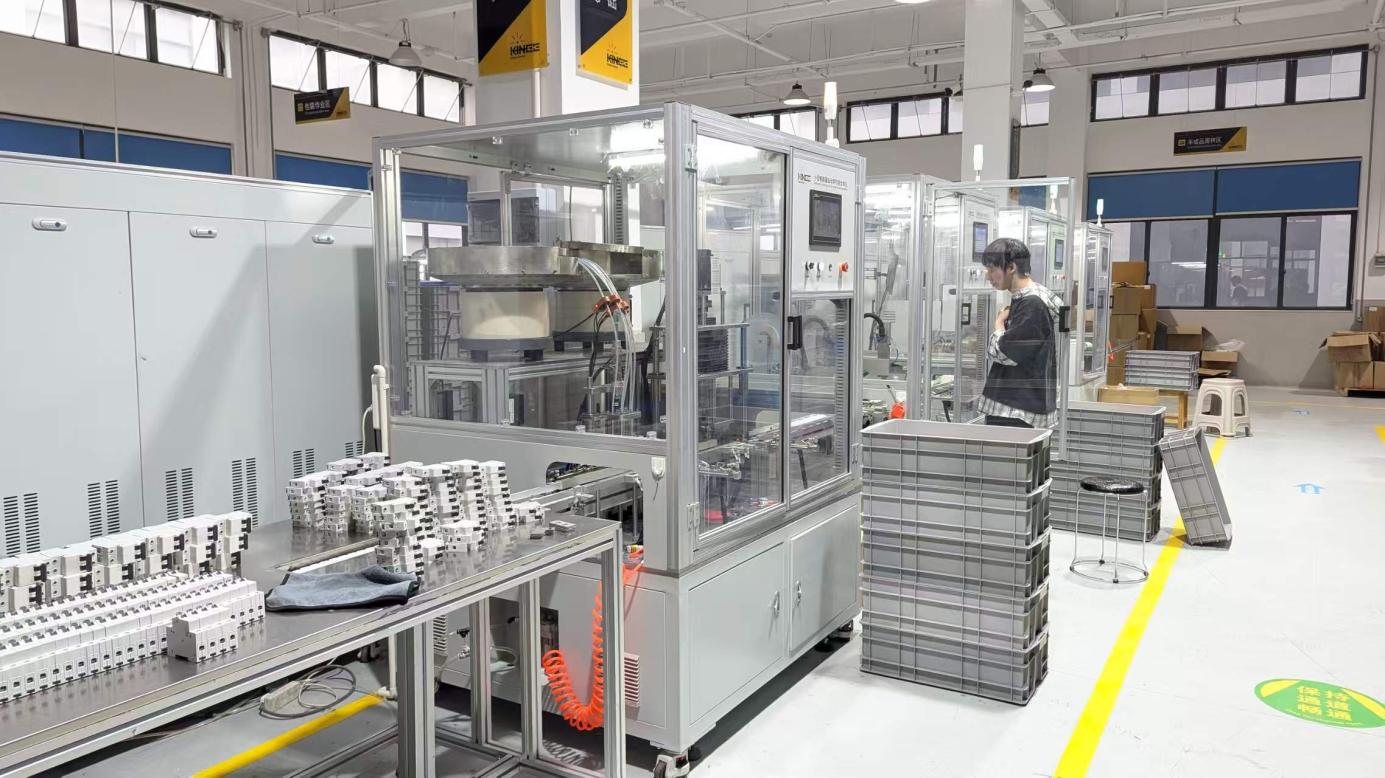
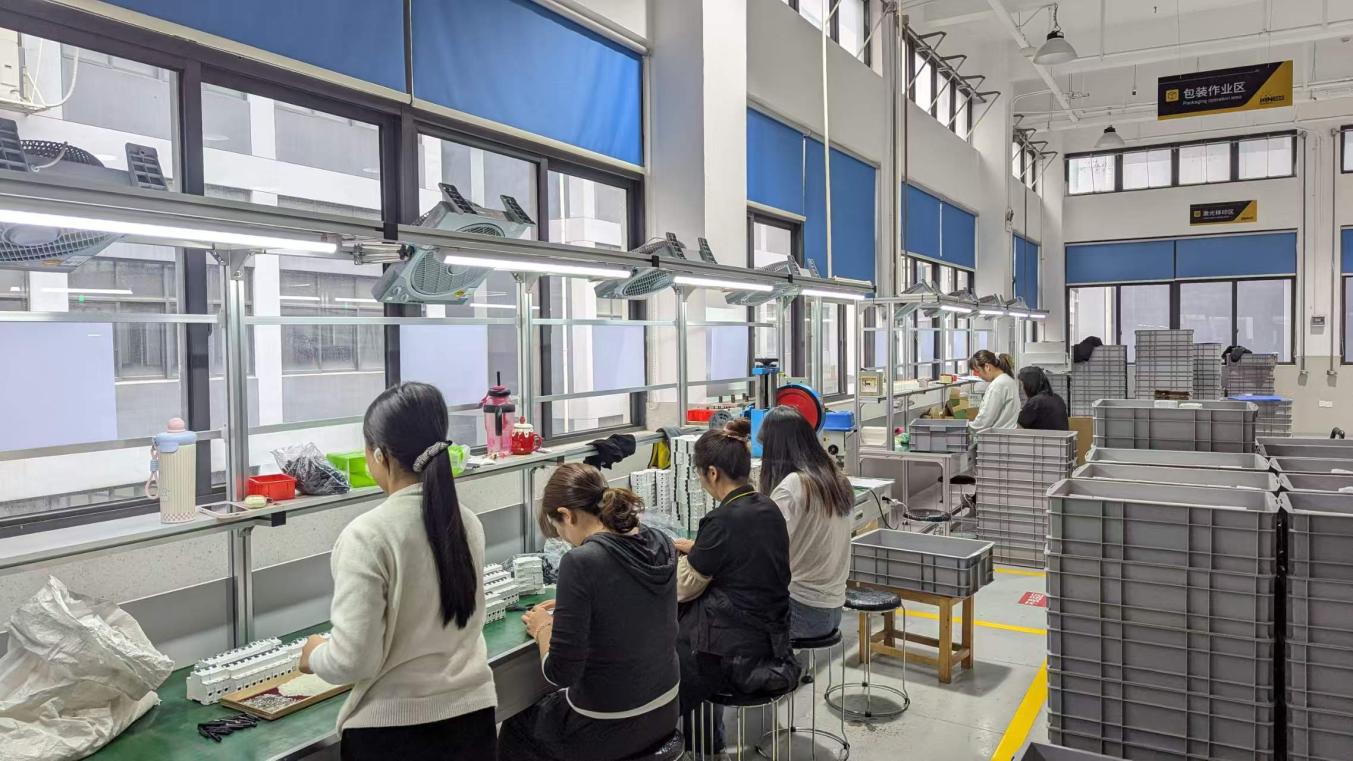
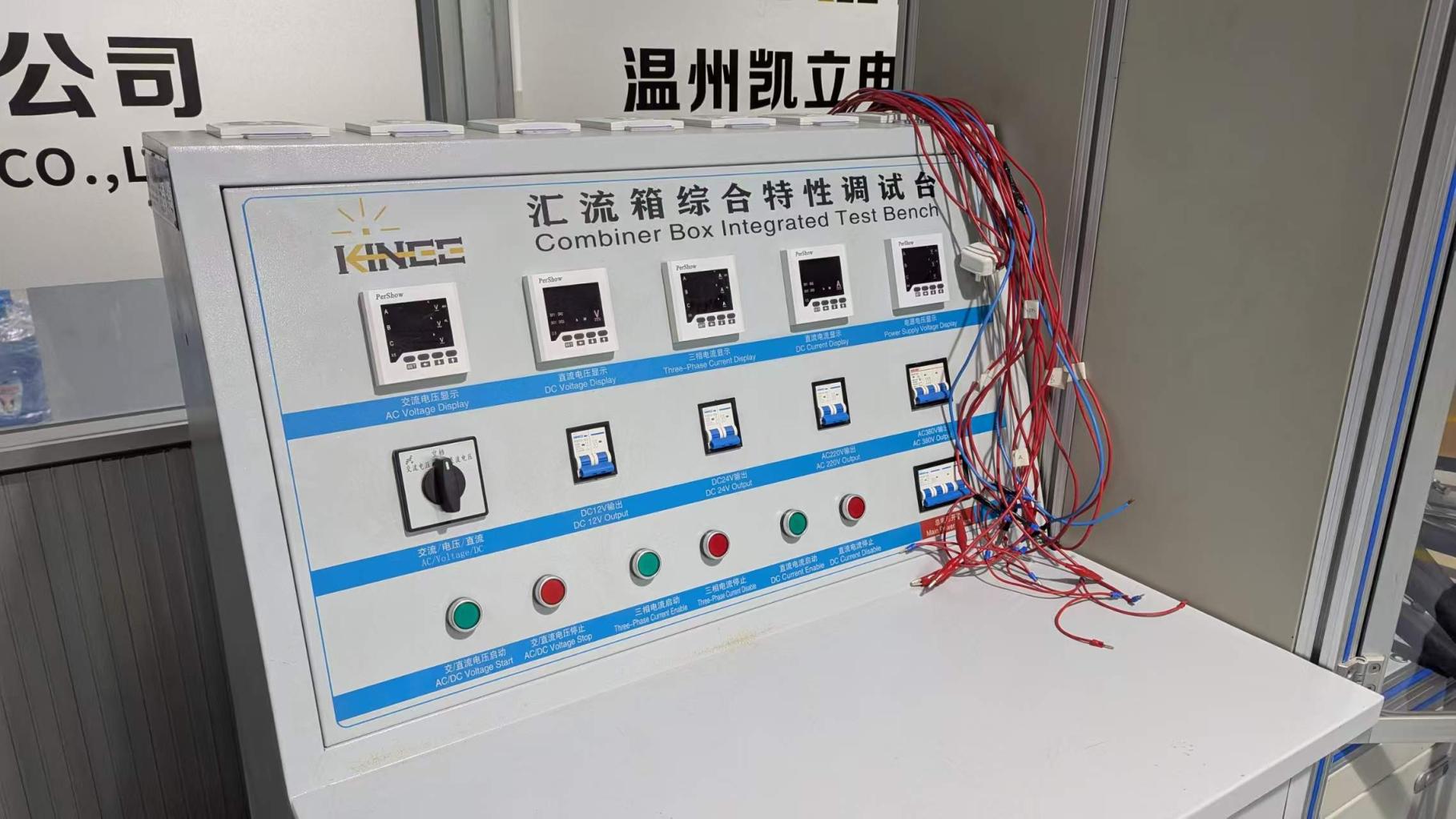
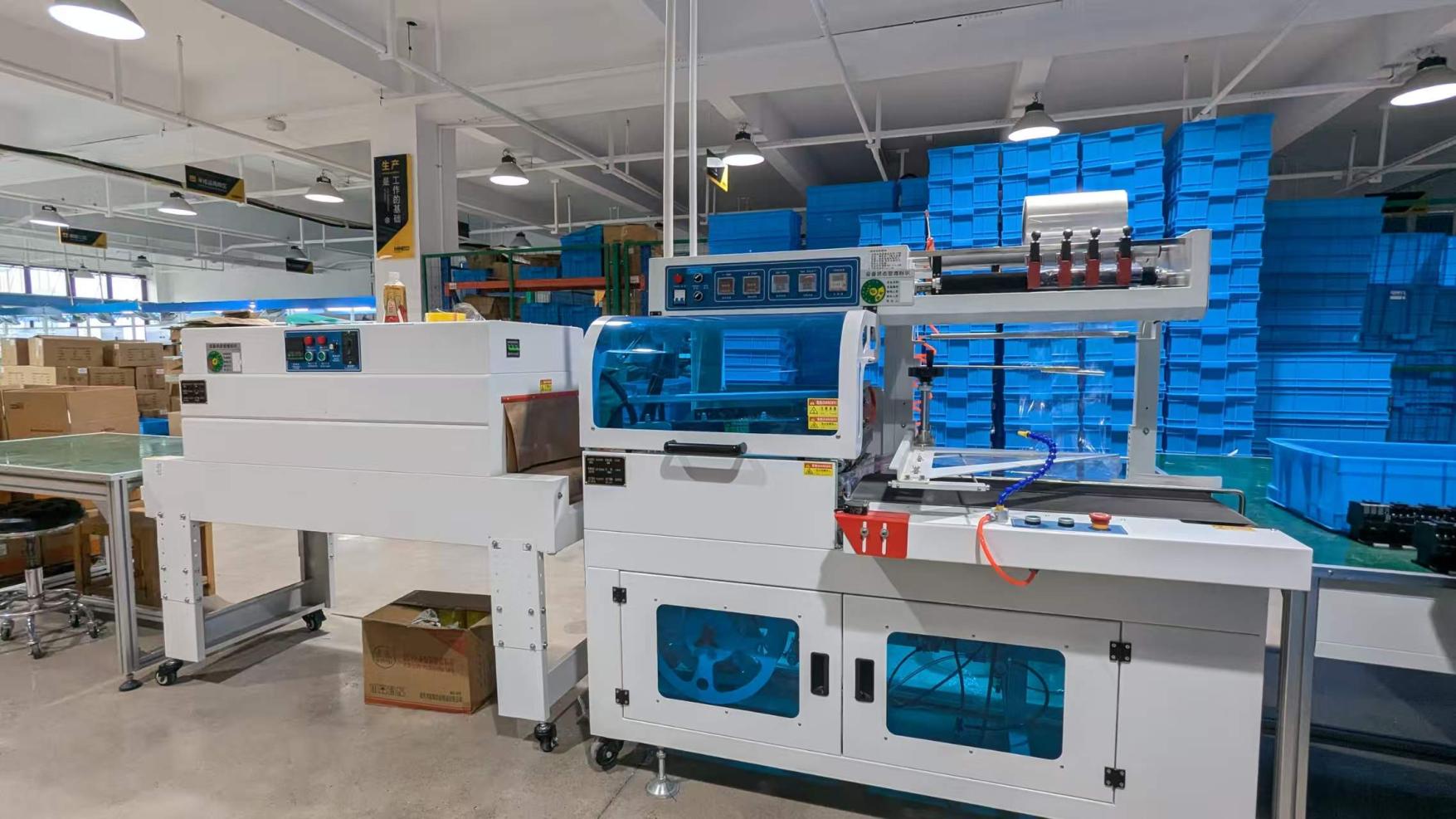
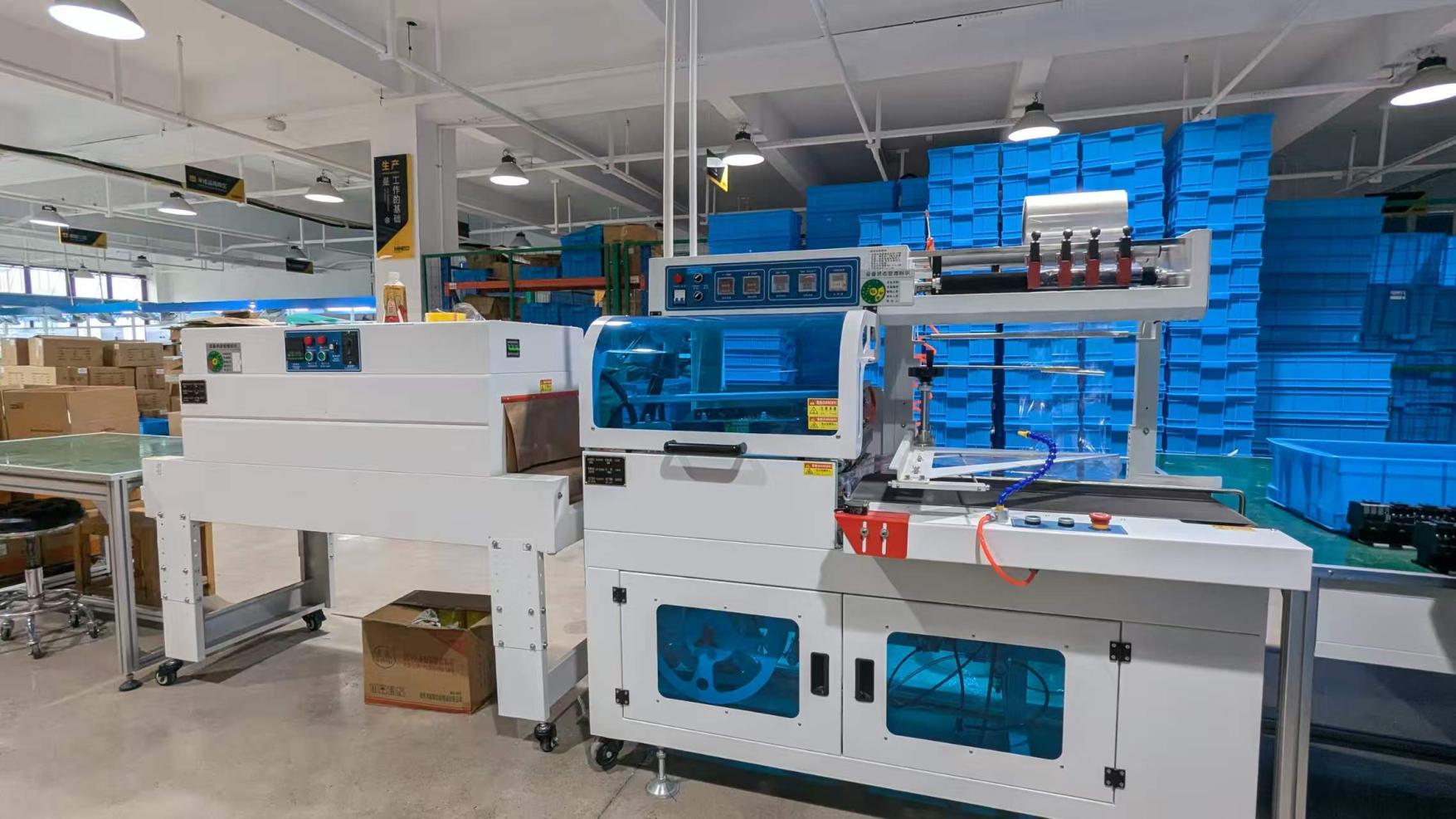
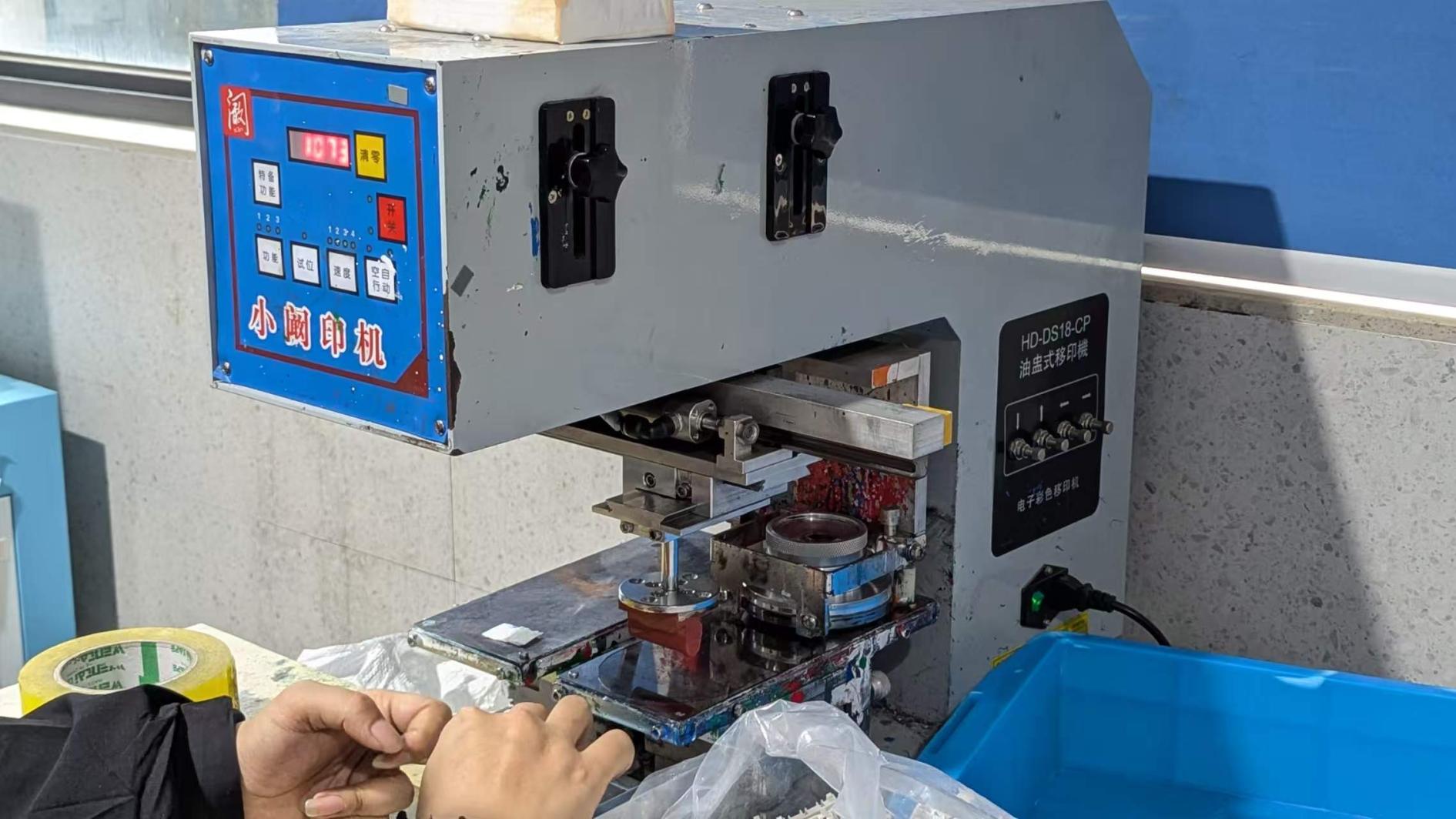
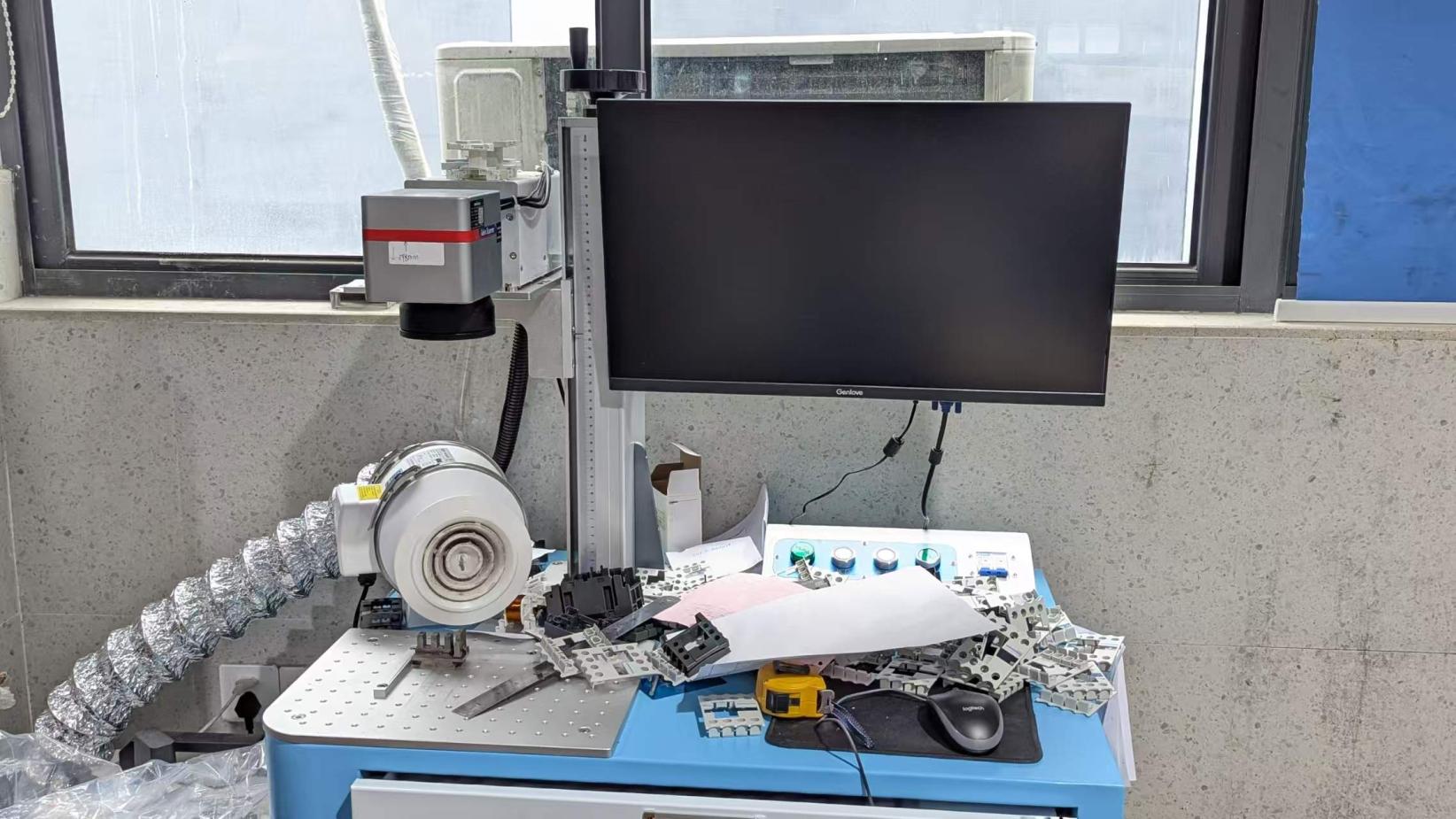
The execution capability of frequency inverters must be evaluated within specific, real-world industrial environments. Different applications require distinct control parameters, protection, and integration architectures:
In smart buildings, VFDs are integrated with central HVAC management systems to dynamically control air handling unit (AHU) fans, coolant pumps, and cooling tower fans based on temperature and humidity loops.
Key Benefit: Up to 50% energy savingsLarge scale pumping plants deploy VFDs to run multi-pump cascade configurations, adjusting throughput relative to pipe pressures. This prevents water hammer damage and pipe bursts during startup transitions.
Key Benefit: Minimized hydraulic shocksIn mining, aggregate handling, and bulk materials processing, VFDs ensure controlled acceleration curves, load sharing across multi-motor drive pulleys, and active torque regulation to prevent belt stress.
Key Benefit: Extended structural longevityResolving critical technical questions commonly encountered by automation system specifiers and electrical contractors.
Explore our structural busbars, high-capacity circuit protection, surge arrestors, and distribution components.
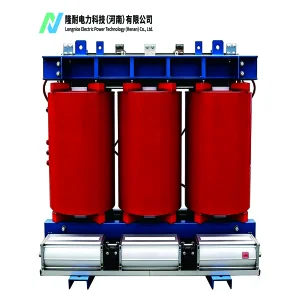
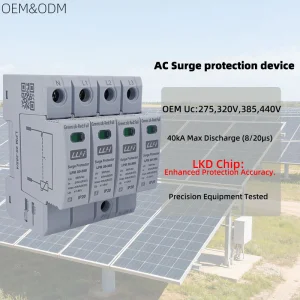
Partner with Wenzhou Bowser Electric Co., Ltd. for scalable electrical infrastructure components and expert engineering support.
Contact Our Engineering Team