Bowser Electric
Bowser Electric
Bowser Electric
Empowering the Future of Global Electrical Infrastructure and Precision Safety Solutions
Welcome to Wenzhou Bowser Electric Co., Ltd., a leading force in the electrical industry renowned for innovation, reliability, and an unwavering commitment to excellence. As a specialized manufacturer and exporter, we focus on providing high-quality modular electric terminal devices, household electrical solutions, and industrial electrical components. With a strong emphasis on technology, safety, and customer satisfaction, Bowser Electric has established itself as a trusted partner for clients around the world.
Our operation is rooted in the rigorous execution of safety standards, engineering innovation, and sustainable production paradigms. As electric systems become more complex and decentralized with the incorporation of renewable energy, the demand for precision current monitoring devices has skyrocketed. Bowser Electric continues to pioneer solutions that meet this need directly.
By combining high-permeability magnetic cores, automated winding accuracy, and certified insulation, our products ensure minimal phase shift error and thermal stability under extreme fault levels.
Understanding the critical advancements in current transformer engineering for smart grids and digitized industrial networks
Modern current transformers are evolving from traditional iron-core analog mechanisms to optical and Low Power Instrument Transformers (LPITs). Integrating seamlessly with IEC 61850 process bus networks, our latest designs ensure loss-free signal transmission across smart-grid substations.
By leveraging ultra-fine crystalline structures and permalloy layers, Bowser current transformers exhibit minimal hysteresis losses. This allows for unmatched linearity and extremely low phase displacement, critical for accurate billing and safety relay actuation.
An open secondary winding on a CT under load can induce dangerous, high-voltage spikes, causing insulation failure and hazards to personnel. Our integrated voltage-limiting circuits act dynamically, immediately clamping voltage spikes to safe levels.
In the early days of power distribution, magnetic induction current transformers functioned exclusively as analog conversion units to feed mechanical meters and thermal-magnetic protective relays. Today, the global energy transition has driven unprecedented demands for precision, bandwidth, and safety. Decentralized energy generation, such as rooftop solar plants, commercial battery storage (BESS), and electric vehicle fleet chargers, injects complex harmonic noise into electrical systems. Standard CTs often fail under these harmonic loads due to core saturation, which distorts primary waveforms and causes protective switchgear to trip prematurely or fail during high-current events.
To overcome this, modern CT engineering focuses heavily on high-accuracy Instrument Security Factors (FS) and high-permeability magnetic core alloys. Transitioning from traditional silicon steel to nanocrystalline and amorphous cores allows developers to design transformers that do not saturate during transient overcurrent events. Furthermore, modern low-voltage installations rely on split-core current transformers that can be clamped onto running busbars without shutting down critical infrastructure, reducing downtime and optimizing energy audits.
Navigating international compliance, dynamic performance metrics, and application matching
Enterprise buyers from the EU, Americas, and APAC regions prioritize long-term asset lifecycle and absolute measurement accuracy over simple cost metrics. When procuring current transformers and matching switchgear components like Molded Case Circuit Breakers (MCCB) and Air Circuit Breakers (ACB), engineers evaluate several rigorous standards:
| Metric | Industrial Spec | Target Application |
|---|---|---|
| Class 0.2S | ±0.2% Error Margin | Revenue Metering |
| Class 5P20 | ±5% Error @ 20x In | Relay Protection |
| IP65 / IP67 | Waterproof/Dustproof | Outdoor Substations |
| UL94 V-0 | Self-extinguishing | Switchgear Assemblies |
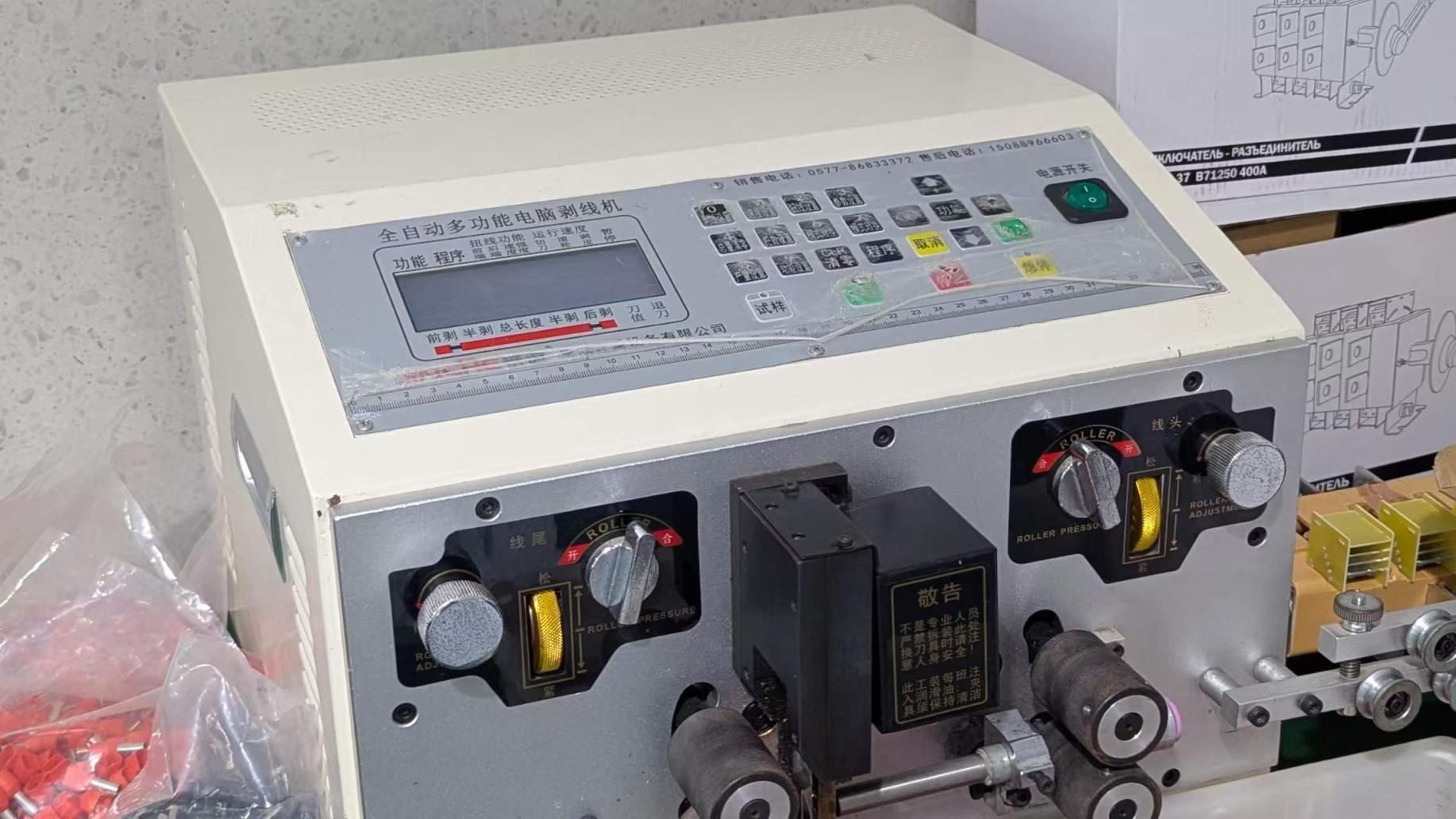
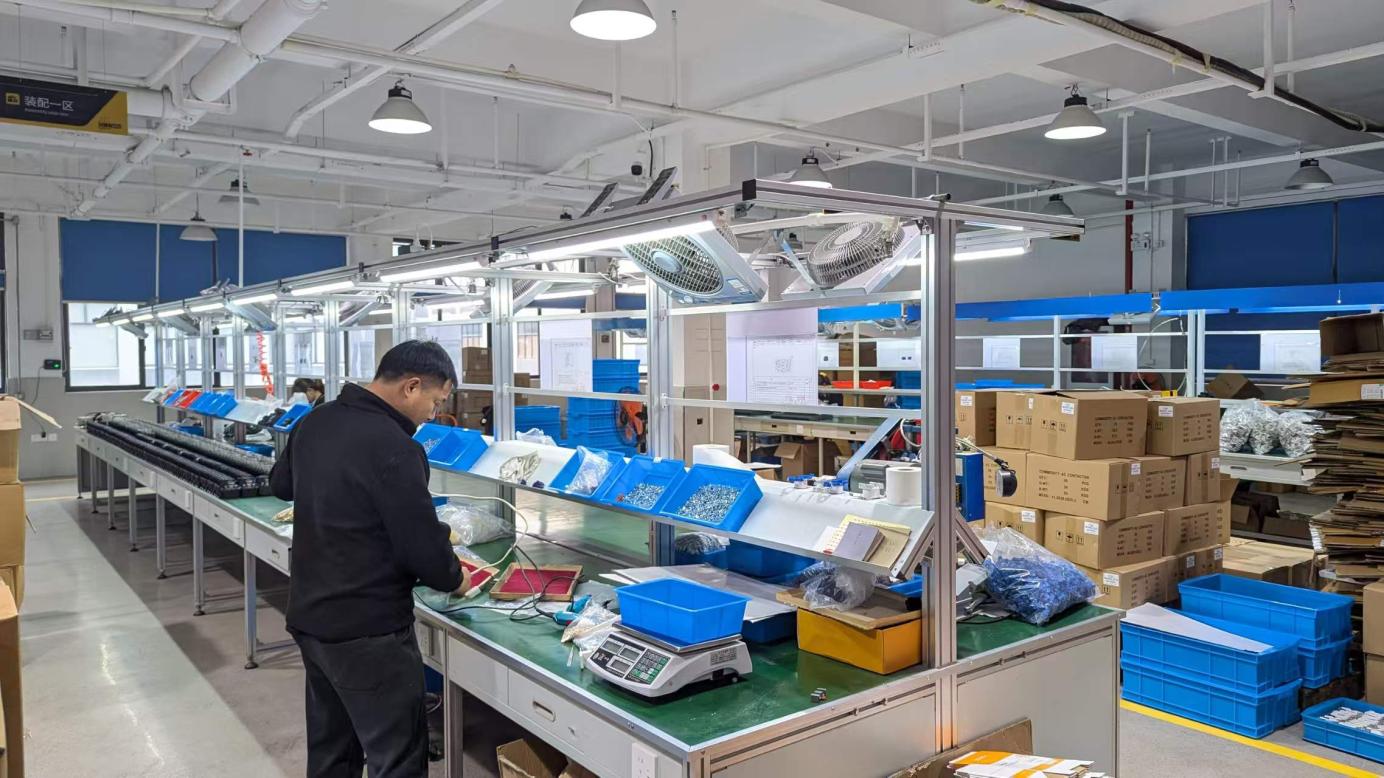
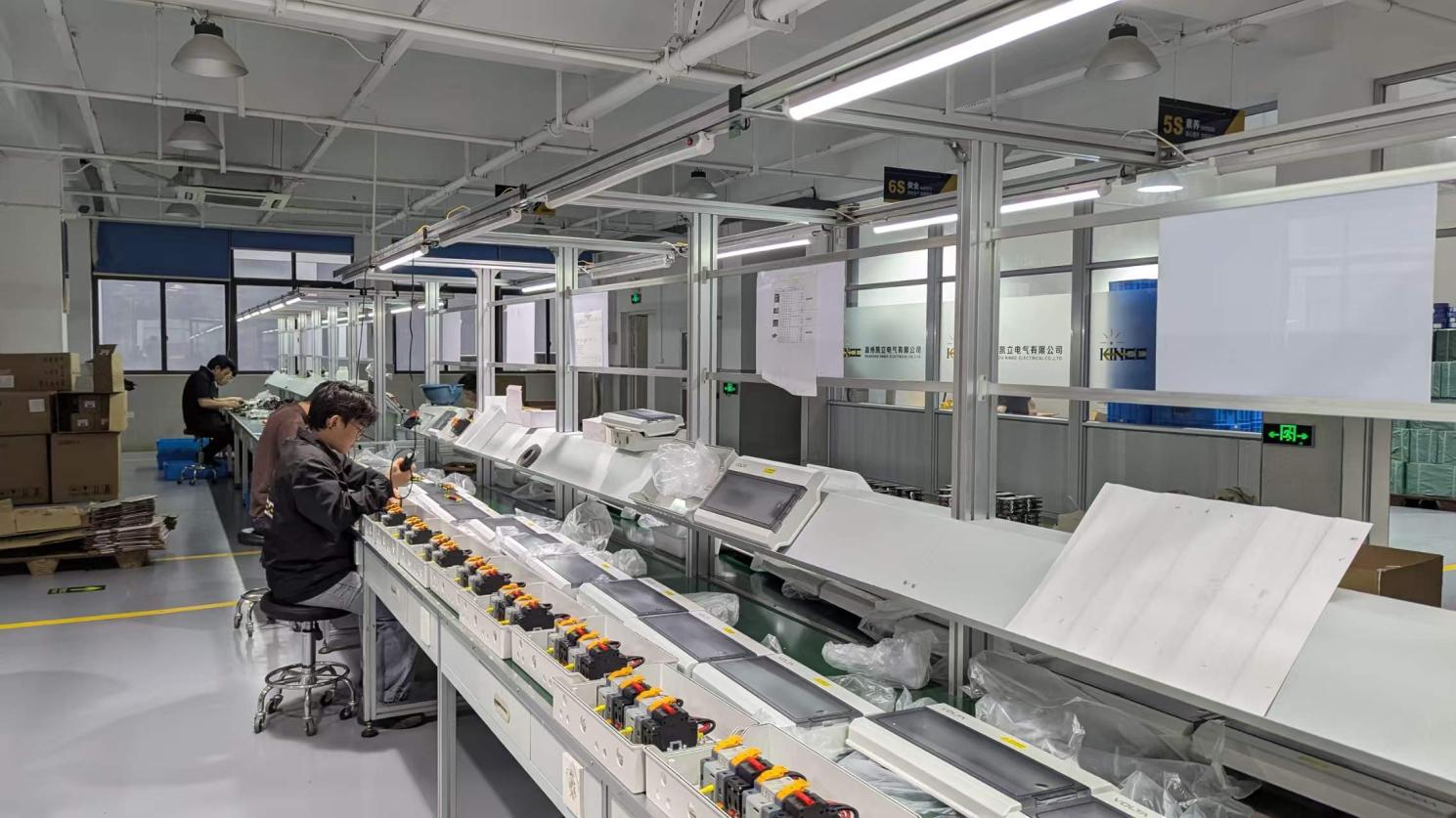
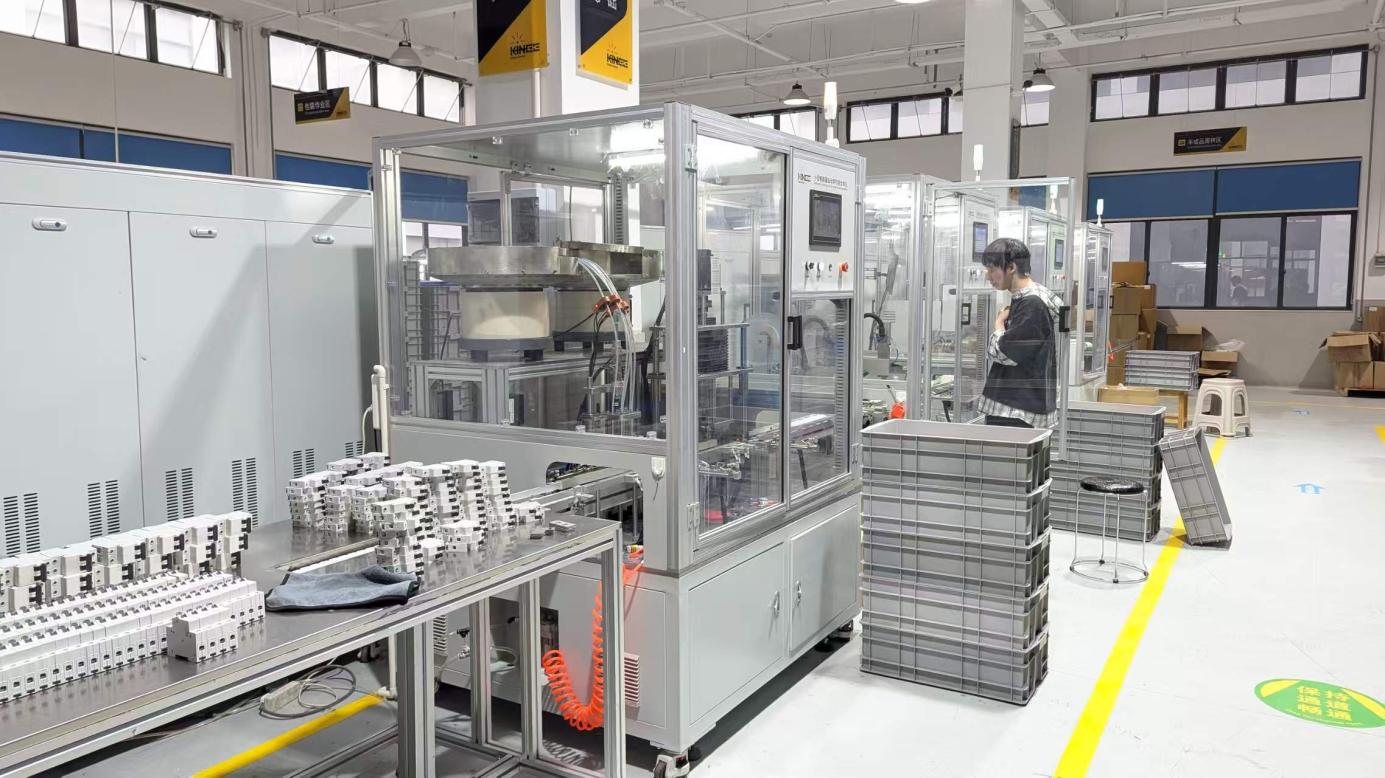
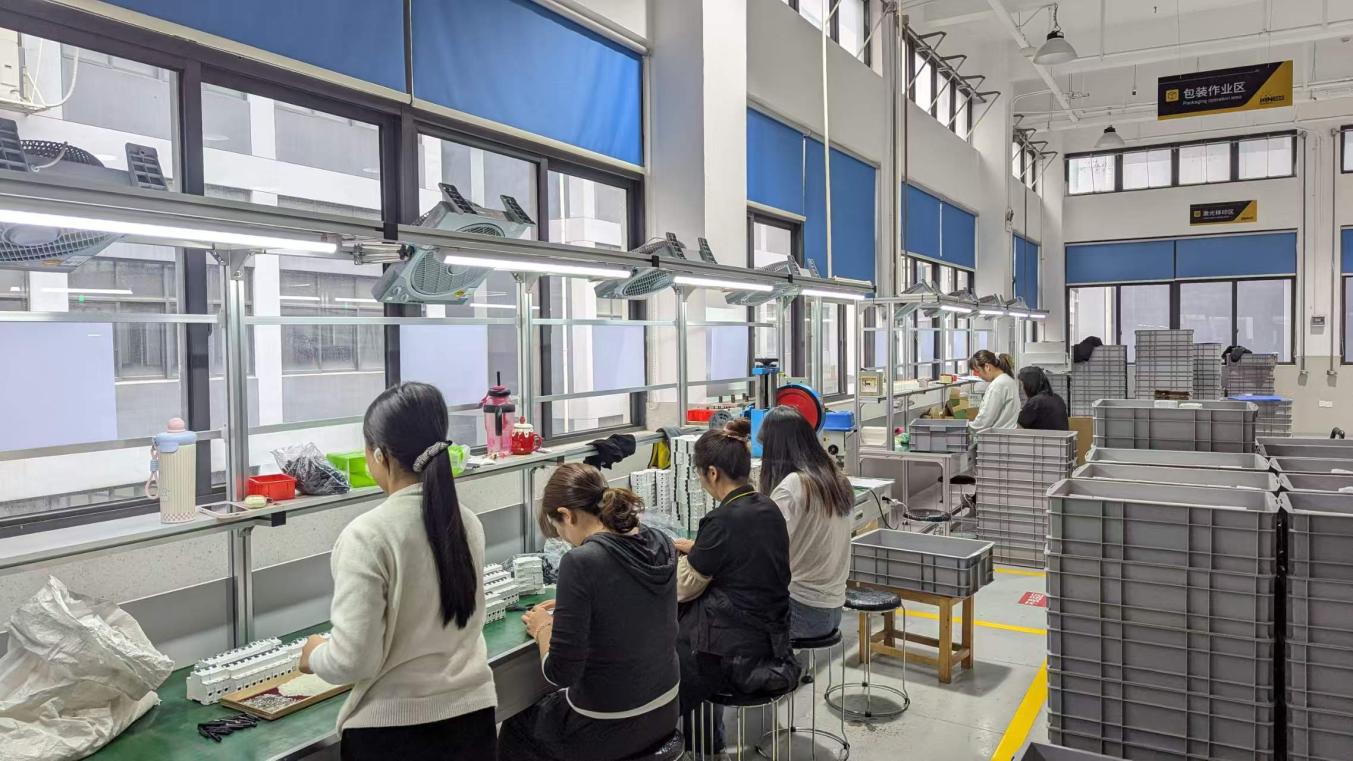
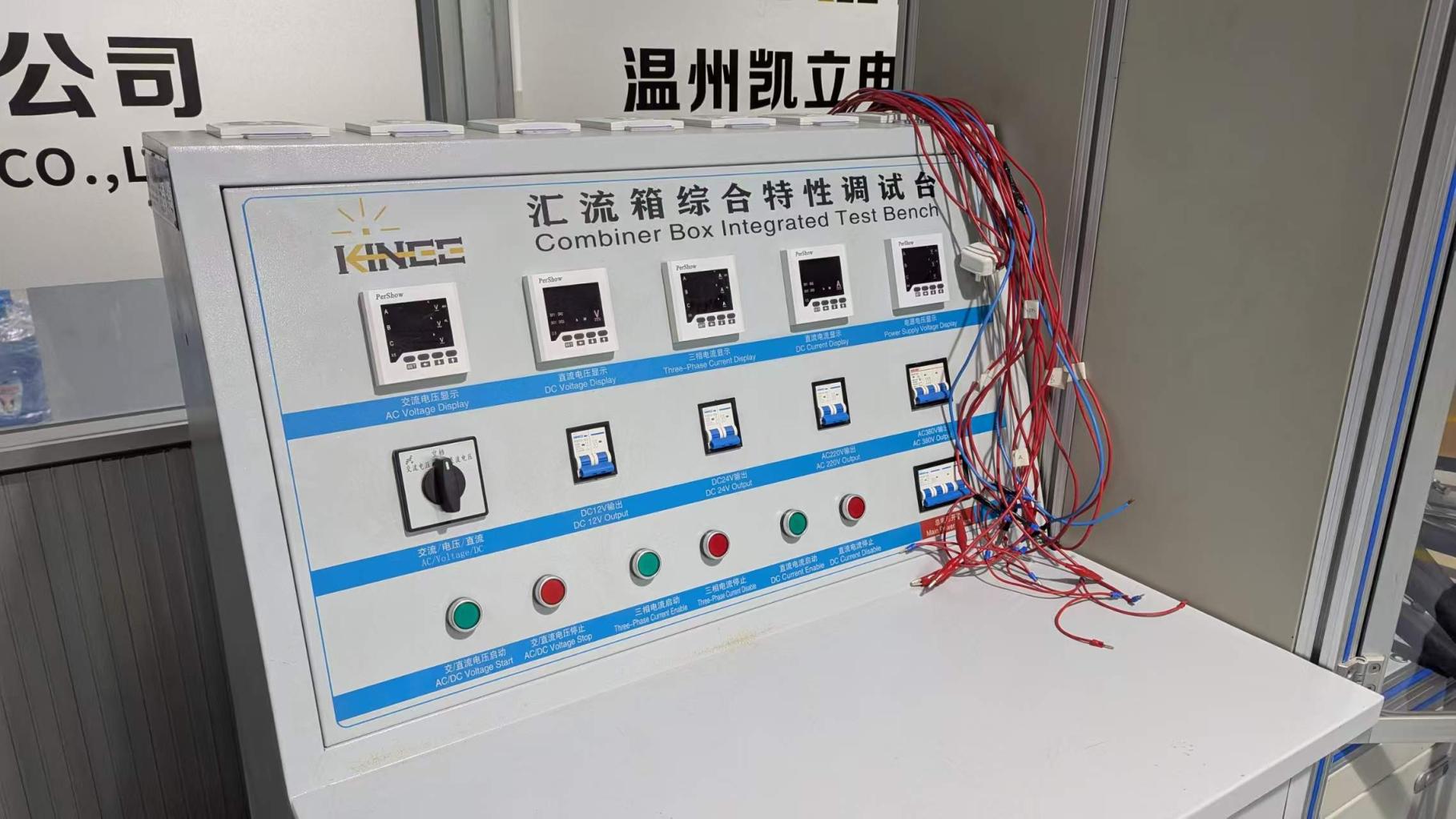
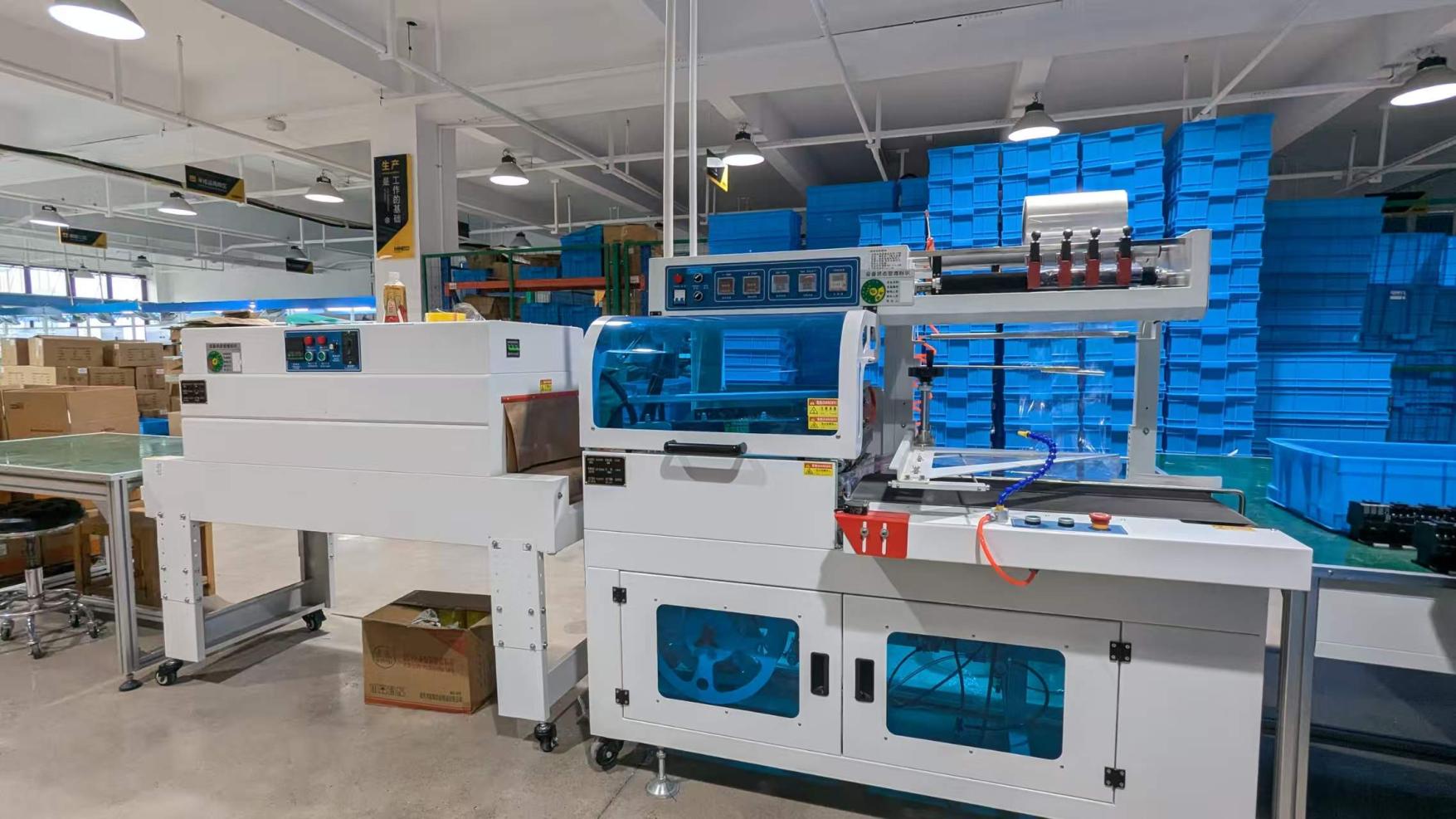
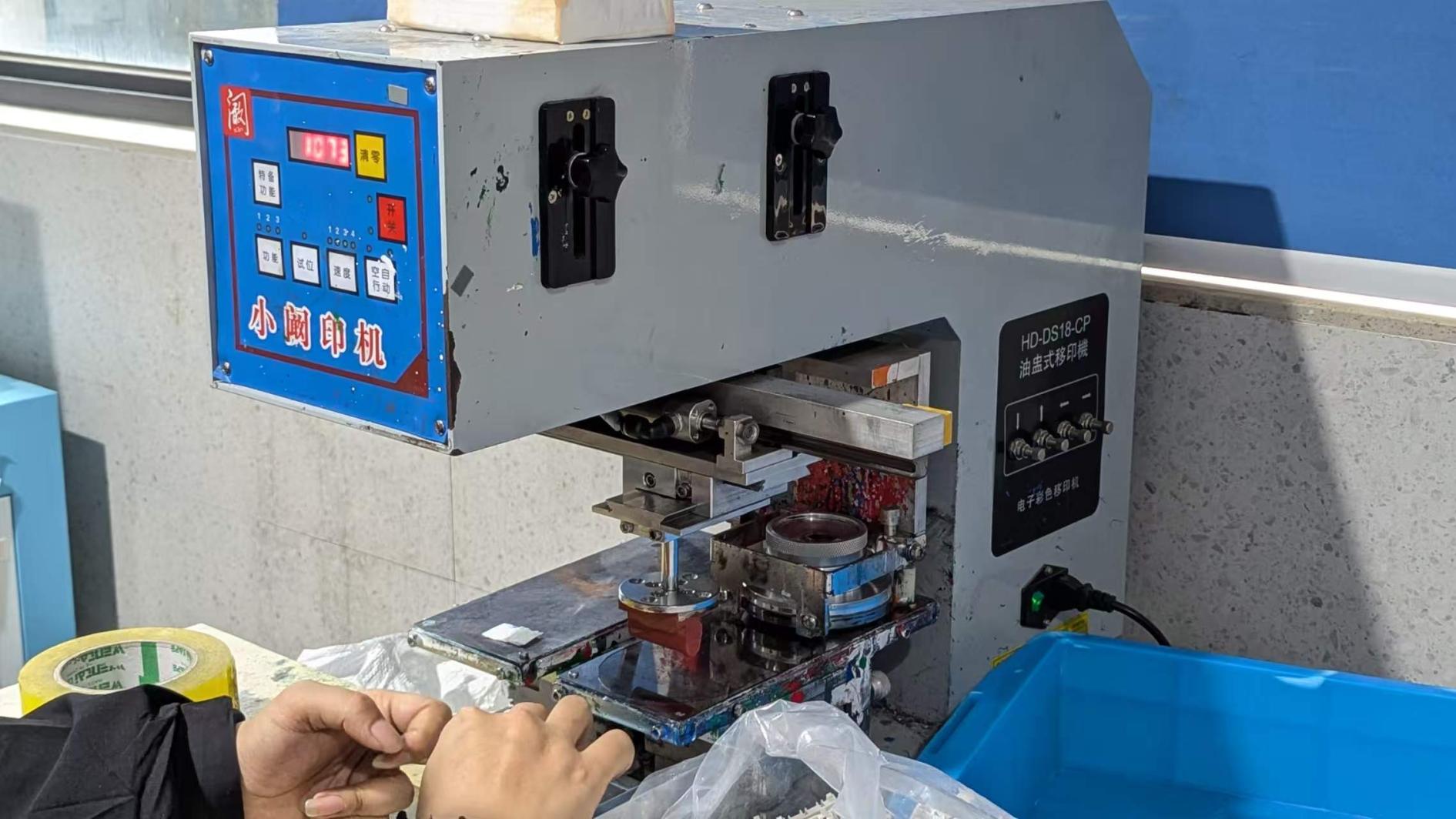
Touring Bowser Electric's state-of-the-art automated manufacturing processes and quality-controlled workshop
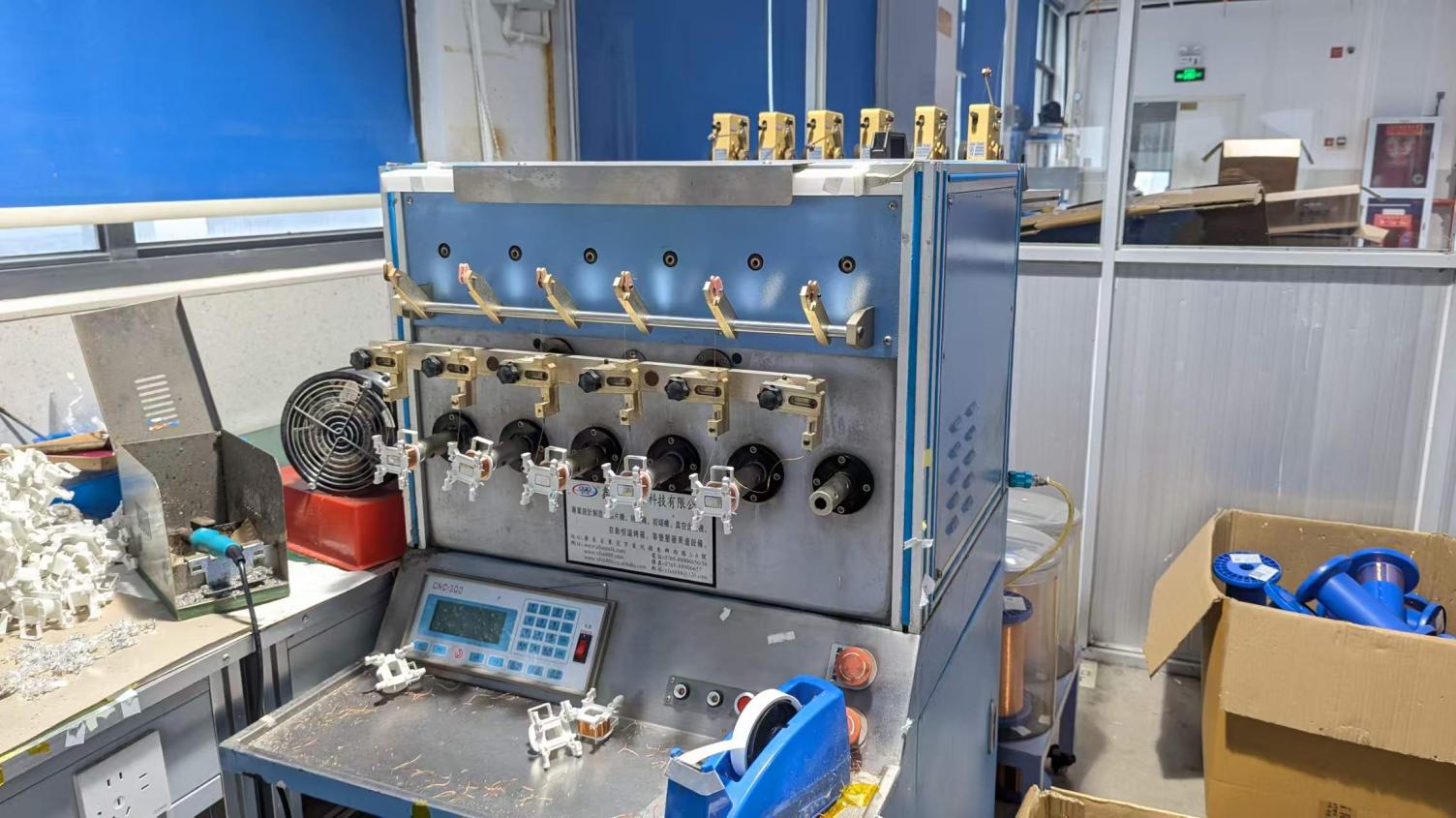
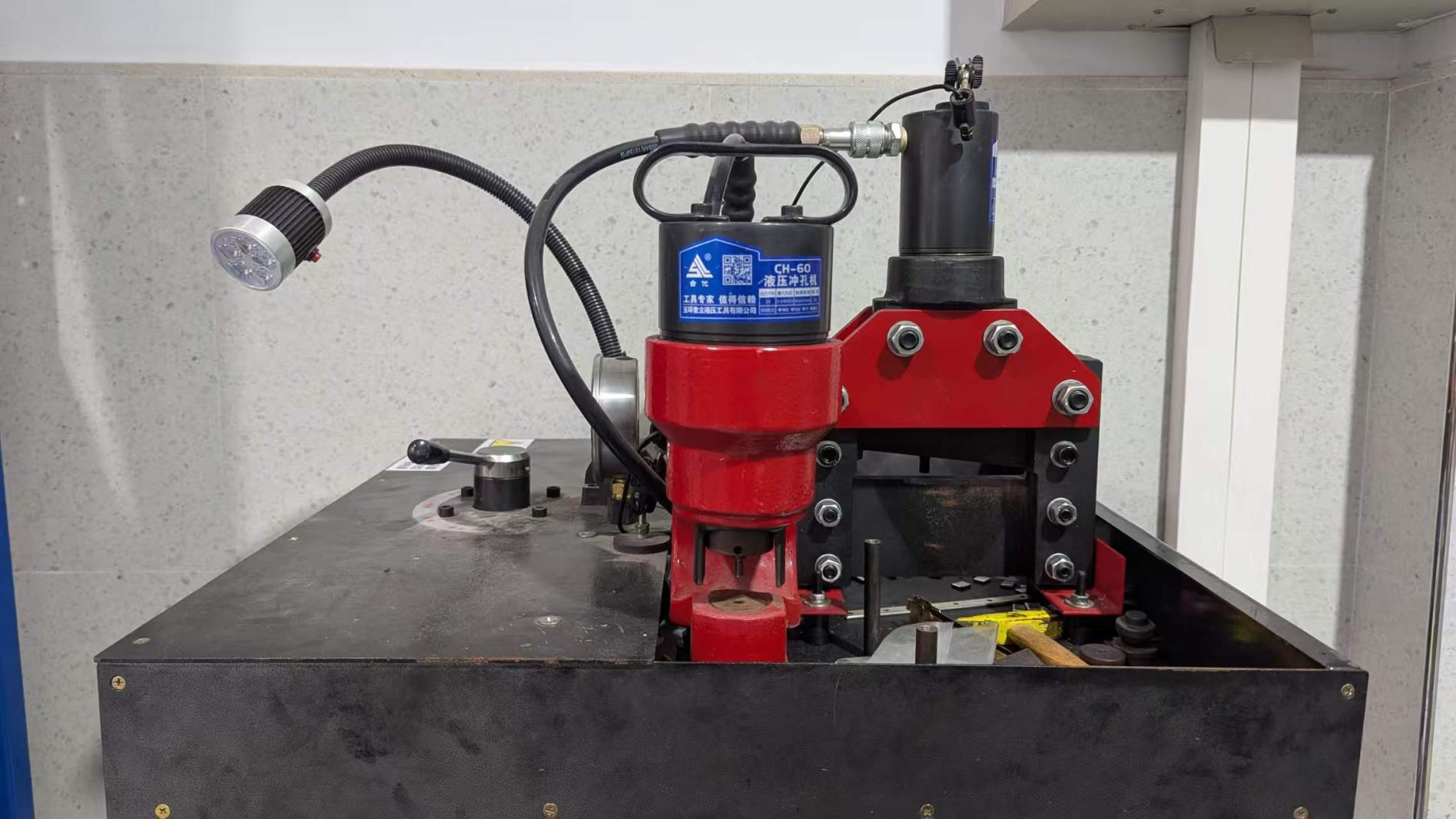
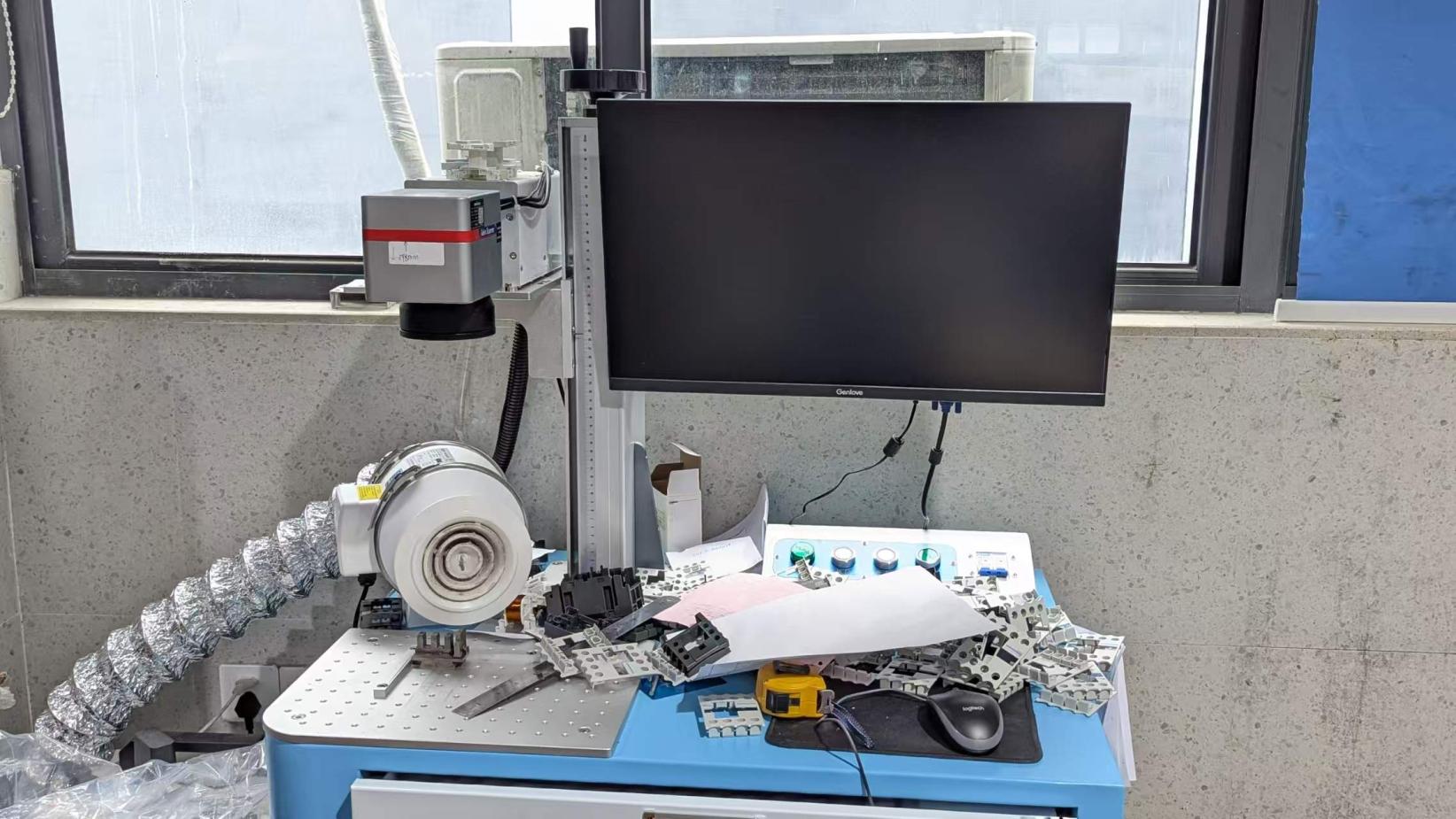
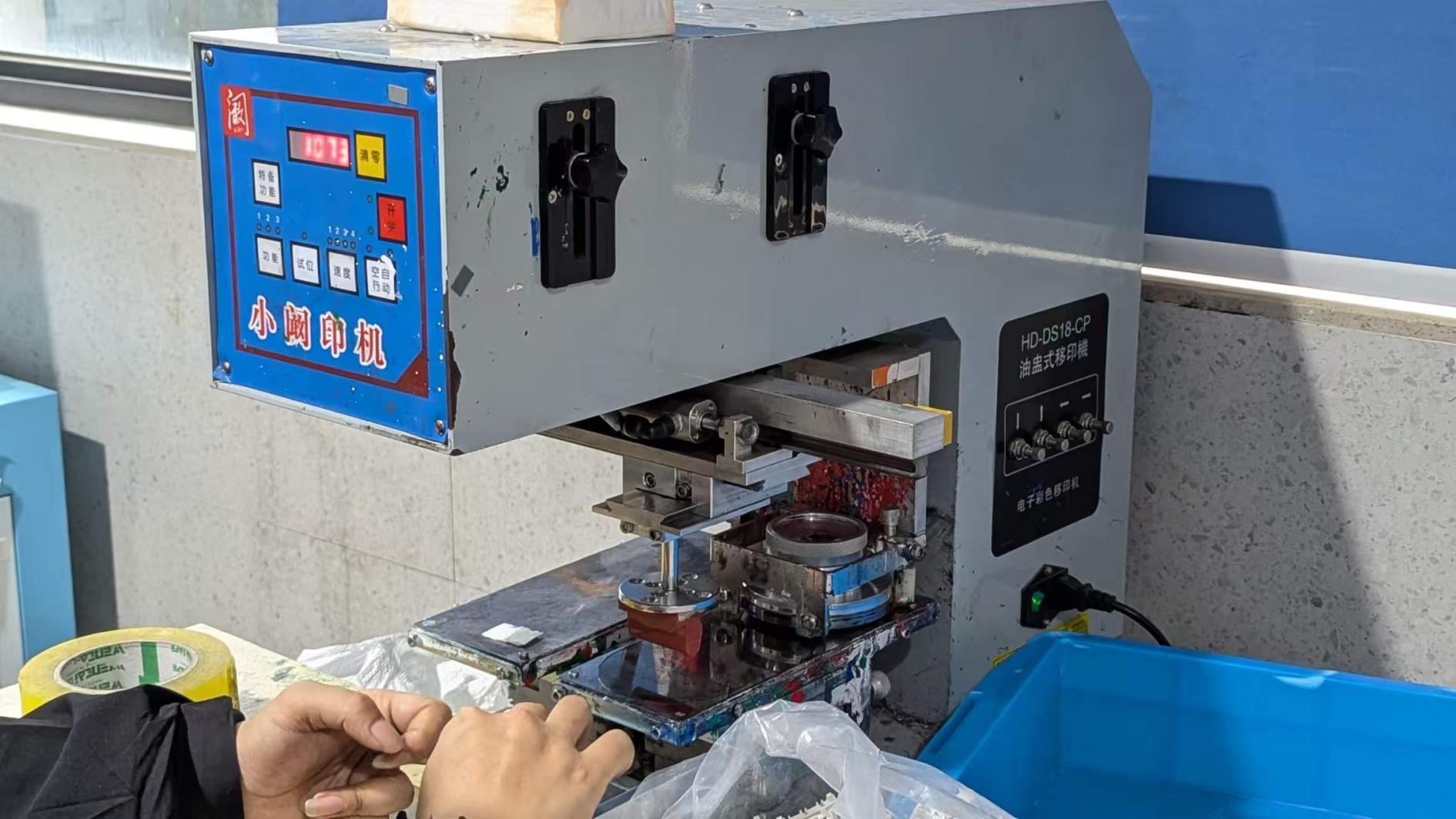
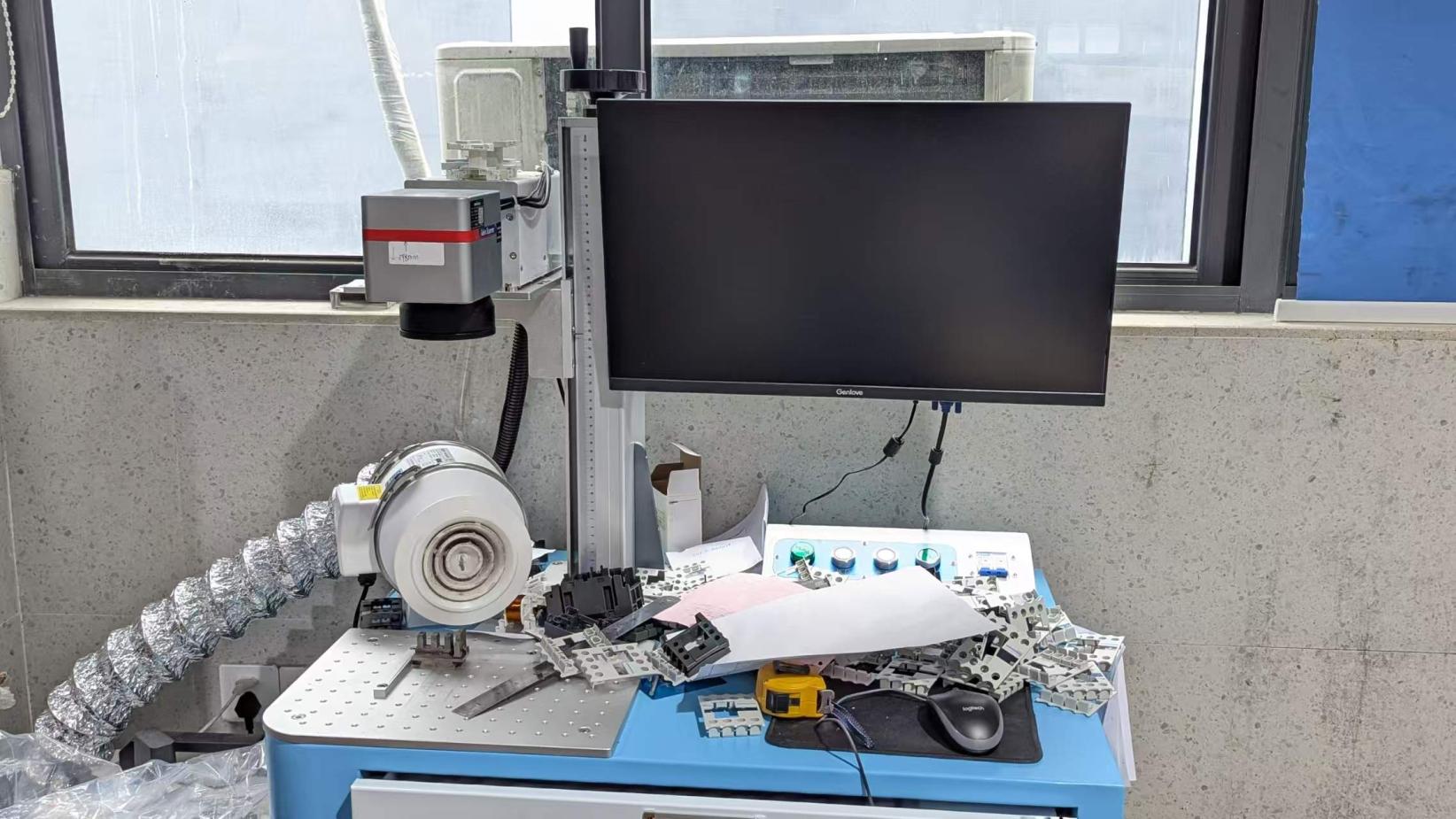
Wenzhou Bowser Electric Co., Ltd. has invested heavily in digitalizing its production floor. Operating under the principles of "China Factory 4.0," we combine high-speed automated precision assembly lines with human oversight to optimize every stage of manufacture. From high-permeability core winding and wire stripping to computer-calibrated thermal performance testing, our factory ensures high throughput, resilient supply logistics, and low manufacturing overhead. This digital-first strategy enables us to maintain a 99.9% defect-free inspection rate across all batches exported worldwide.
Engineered solutions optimized for real-world environmental extremes and installation criteria
Our high-frequency CT models are deployed within central and string solar inverters to capture high-order harmonic fluctuations and accurately report dynamic power factor metrics. Crucial for monitoring bidirectional grid feeding and ensuring system protection.
Designed for high thermal and mechanical resilience, these current transformers handle the harsh starting currents of high-horsepower motors, arc furnaces, and processing mills. They integrate directly with smart overload switches and motor management units.
Critical for sub-metering systems that track floor-by-floor energy consumption or real-time PUE (Power Usage Effectiveness) in data center server rooms. Their compact sizes allow retrofit installations inside existing electrical panelboards.
Expert insights into matching, selection, sizing, and safety protocols for design engineers
Behind Bowser Electric's global reputation are six core pillars of engineering excellence and customer service
Our 35+ member research team continually explores new advancements in circuit breaker design, current measurement precision, and high-dielectric materials to keep your systems running safely.
Bowser's manufacturing facilities are certified under ISO 9001, CE, and other international safety benchmarks. Our rigorous quality control checks ensure compliance and safety across global markets.
Having successfully executed over 150 customized projects with leading international companies, we build tailored solutions that match our clients' precise technical requirements.
Our dedicated support team is available 24/7. Whether you need wiring advice, installation guides, or troubleshooting, our technical staff is here to help.
We back the structural integrity and performance of our industrial products with an industry-leading 5-year warranty, protecting your long-term infrastructure investment.
Bowser Electric is committed to a greener future. We prioritize energy-efficient designs, eco-friendly materials, and low-waste production methods to minimize environmental impact.
Need customized current transformers or industrial switchgear components? Contact Wenzhou Bowser Electric Co., Ltd. today to discuss your technical specifications and request a detailed quote.
Request Engineering consultation