Bowser Electric
Bowser Electric
Bowser Electric
Engineered for absolute reliability in high-current, renewable energy, and severe climate environments
In the modern industrial paradigm, electrical connection security has transitioned from a fundamental installation concern to a core parameter of enterprise hazard mitigation and energy efficiency. An electrical junction box is no longer just a passive enclosure; it is the first line of defense for sophisticated electrical grids, industrial automation plants, and high-power renewable systems. As global industries shift toward smart manufacturing, decentralized energy resources, and high-capacity grids, the demands placed on enclosure technologies have expanded exponentially.
Currently, the global junction box market is experiencing rapid change, driven by severe environmental challenges, strict building codes, and safety mandates (such as NEC, IEC, and local regulatory laws). In regions like Europe, industrial facilities require enclosure designs capable of resisting chemical corrosion, high ultraviolet radiation, and explosive atmospheres (ATEX zones). In North America, the focus is on robust steel and composite constructions meeting NEMA 4X and NEMA 12 standards to protect critical operations in food processing, marine, and oil & gas sectors. This changing landscape makes selecting an experienced and reliable manufacturer a critical business decision for EPC contractors, distributors, and OEMs.
Furthermore, the rapid growth of utility-scale photovoltaic (PV) systems, electric vehicle (EV) charging networks, and battery energy storage systems (BESS) has introduced new challenges. These applications involve sustained DC currents, extreme temperatures, and high potential voltages (up to 1500V DC). As a result, the junction box must offer superior electrical insulation, flame retardancy (UL 94 V-0), and highly reliable seal integrity to prevent moisture ingress, which is a leading cause of arc faults and fires. The top exporters are now integrating high-grade engineering polymers (like polycarbonate and GRP) and advanced manufacturing techniques to meet these demanding requirements.
Empowering Global Infrastructure with Advanced Electrical Distribution & Enclosure Systems
Welcome to Wenzhou Bowser Electric Co., Ltd., a leading force in the electrical industry renowned for innovation, reliability, and an unwavering commitment to excellence. As a specialized manufacturer and exporter, we focus on providing high-quality modular electric terminal devices, household electrical solutions, and industrial electrical components. With a strong emphasis on technology, safety, and customer satisfaction, Bowser Electric has established itself as a trusted partner for clients around the world.
At Wenzhou Bowser Electric, our 35+ member R&D team is dedicated to advancing electrical technology and delivering smart, efficient, and reliable solutions. Holding over 25 international patents, we continuously explore new innovations in circuit breaker design, energy management systems, and safety devices. Our research-driven approach ensures that our products consistently meet the highest global standards, keeping our clients ahead in an ever-evolving industry.
Quality and safety are the cornerstones of our operations. With a 99.9% defect-free rate, every product undergoes rigorous testing, from material inspection to final production. Our facilities are certified under ISO 9001, CE, and other international safety standards, ensuring compliance and reliability in every market we serve. Bowser Electric proudly serves clients in over 120 countries, with a portfolio of more than 1,500 satisfied customers spanning residential, commercial, and industrial sectors. Our international experience allows us to deliver tailored solutions that meet the unique requirements of different regions and industries. We have built long-term partnerships with leading global brands, earning trust through our consistent product performance and dependable service.
Our extensive catalog includes 1,200+ products, covering circuit breakers, modular switches, sockets, and specialized electrical components. We excel in OEM and ODM projects, having successfully completed over 150 customized solutions in collaboration with renowned international companies. At Bowser Electric, we listen closely to client needs, ensuring every solution is precise, safe, and efficient.
Customer satisfaction is at the heart of our business. Our professional support team is available 24/7, providing technical assistance and guidance anytime. We back our products with a 5-year warranty, reflecting our confidence in quality and our commitment to long-term client success. Bowser Electric is committed to sustainability and green energy solutions. We actively invest in energy-efficient products, eco-friendly materials, and production practices that reduce environmental impact. By combining innovation, safety, and sustainability, we strive to empower a brighter, cleaner future for our clients and the communities we serve.
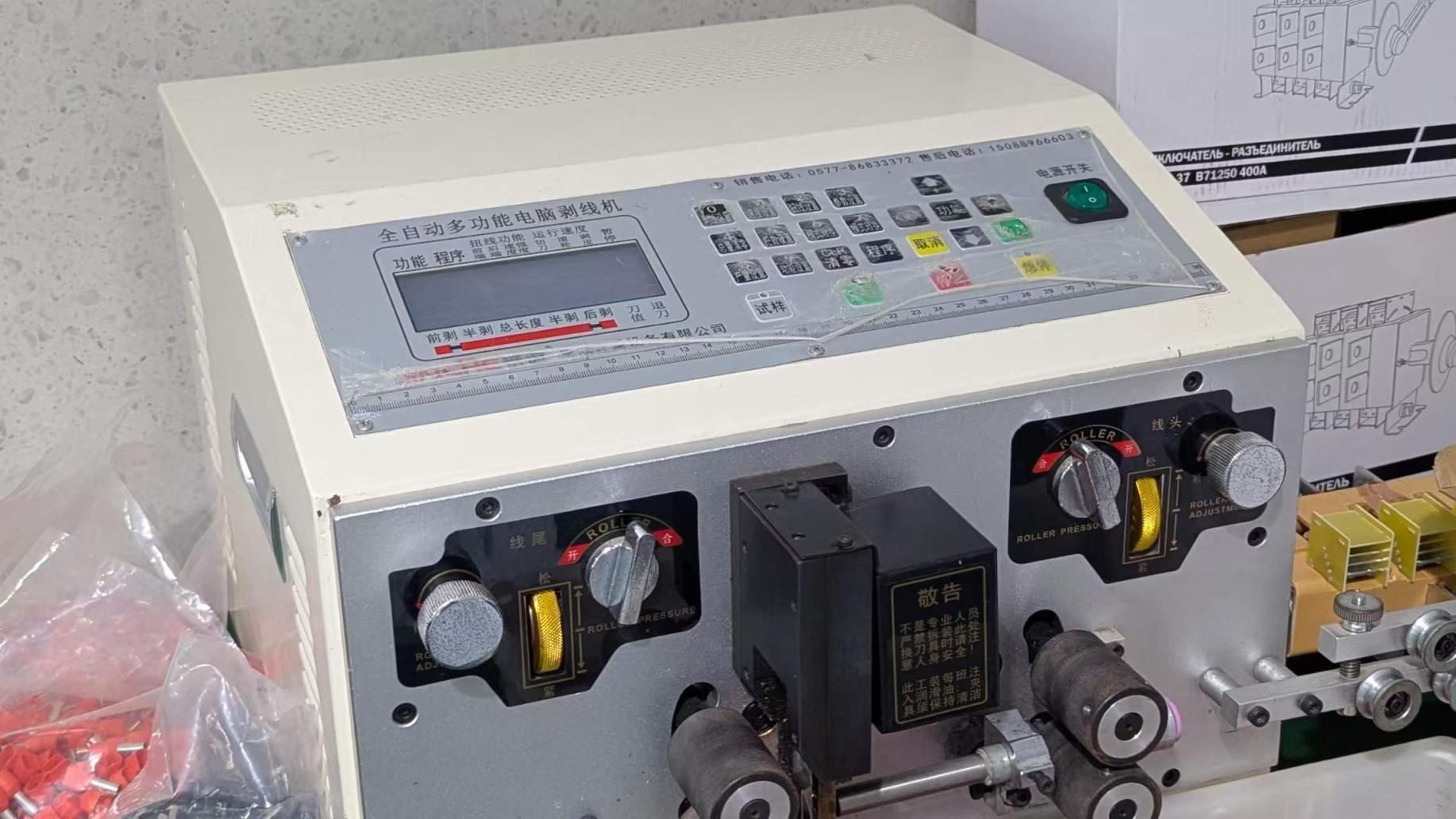
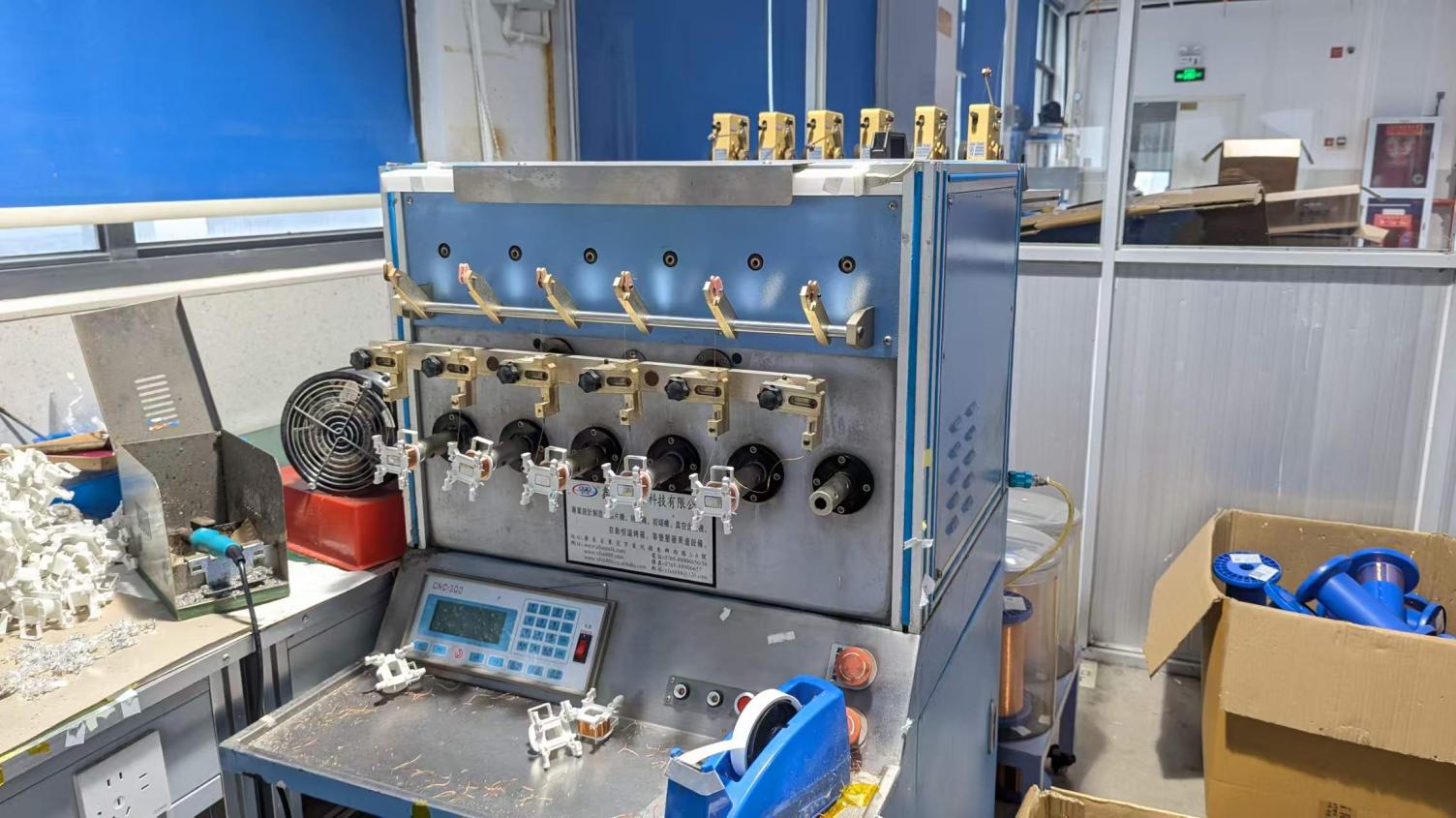
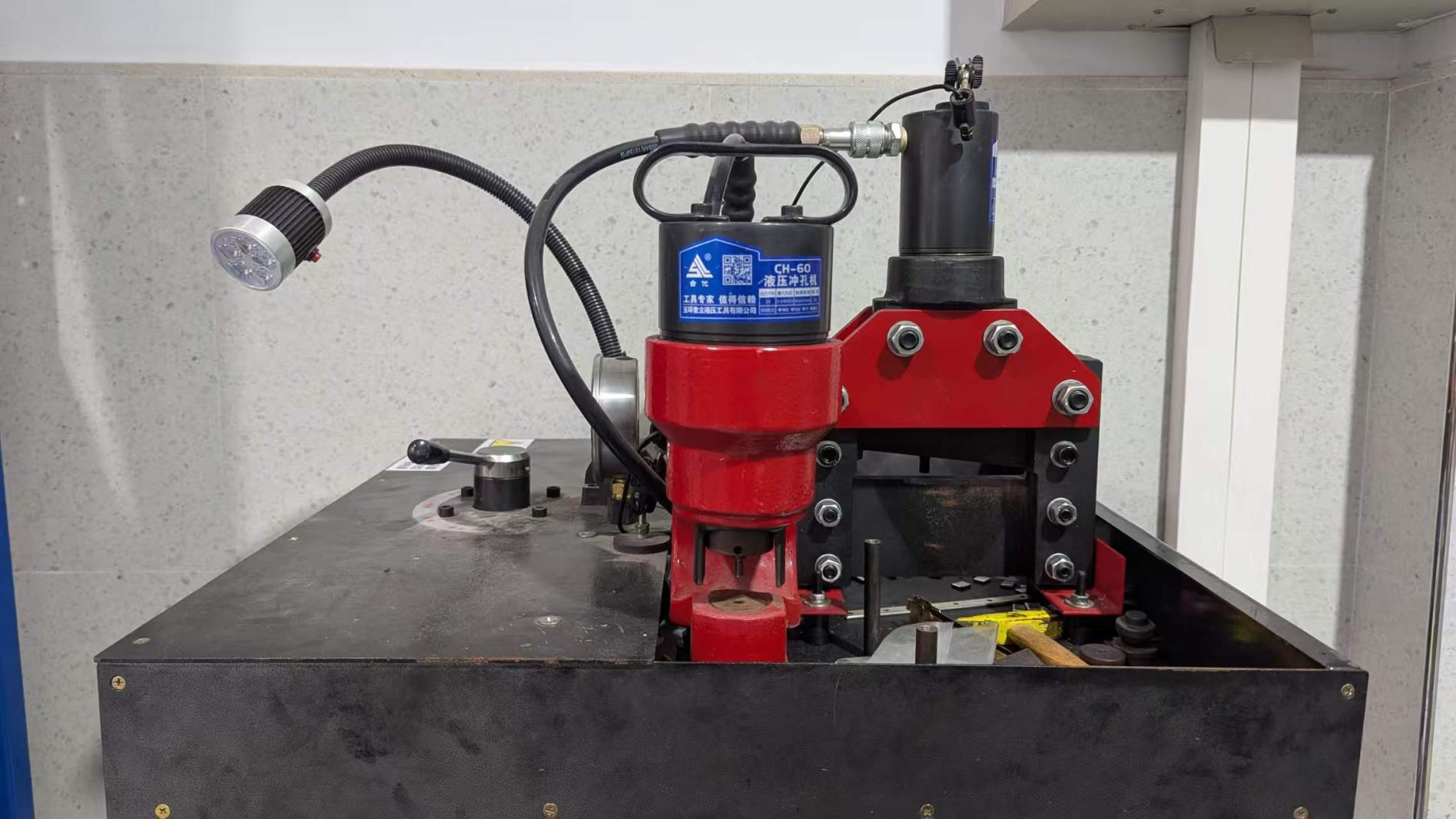
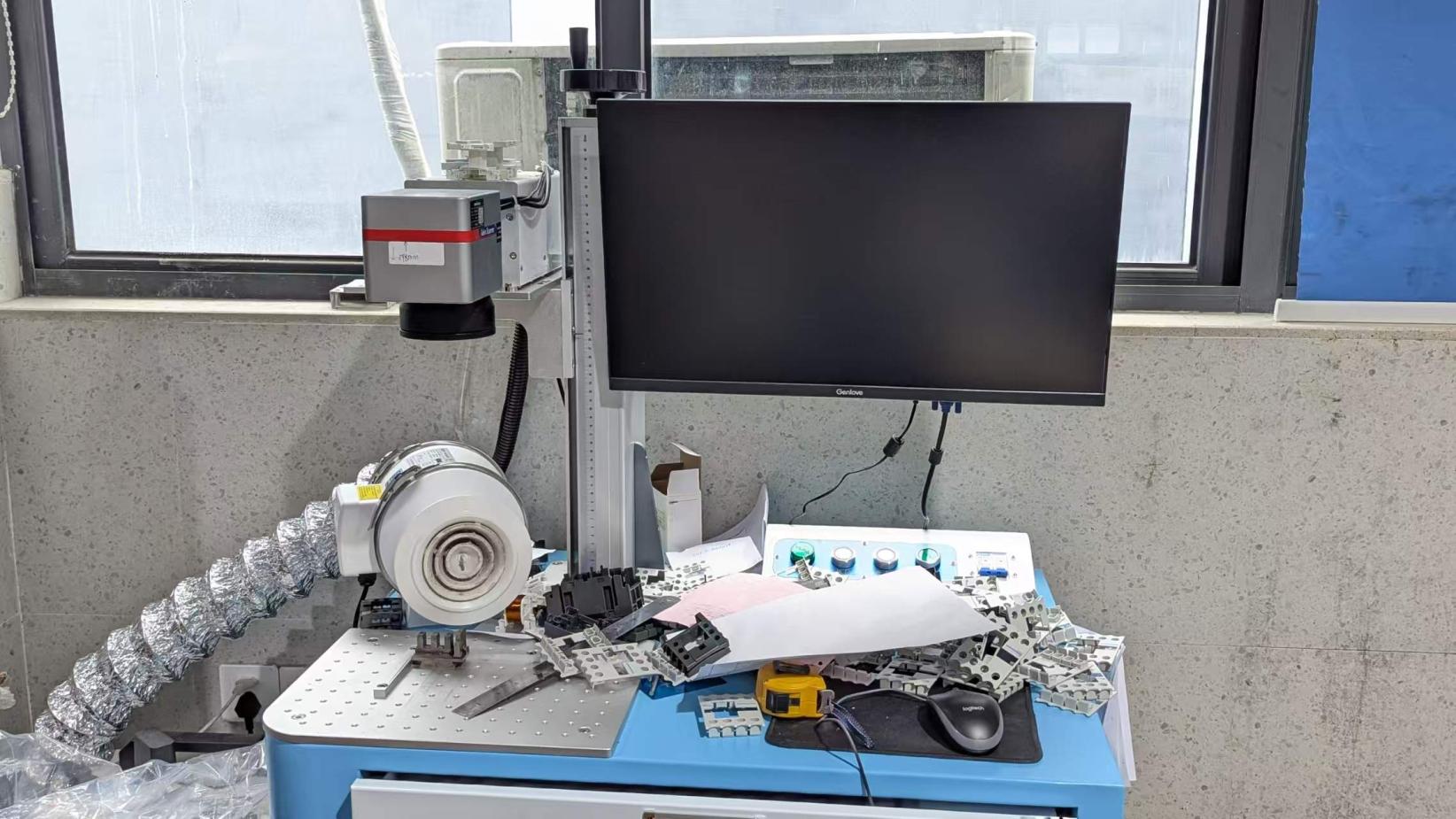
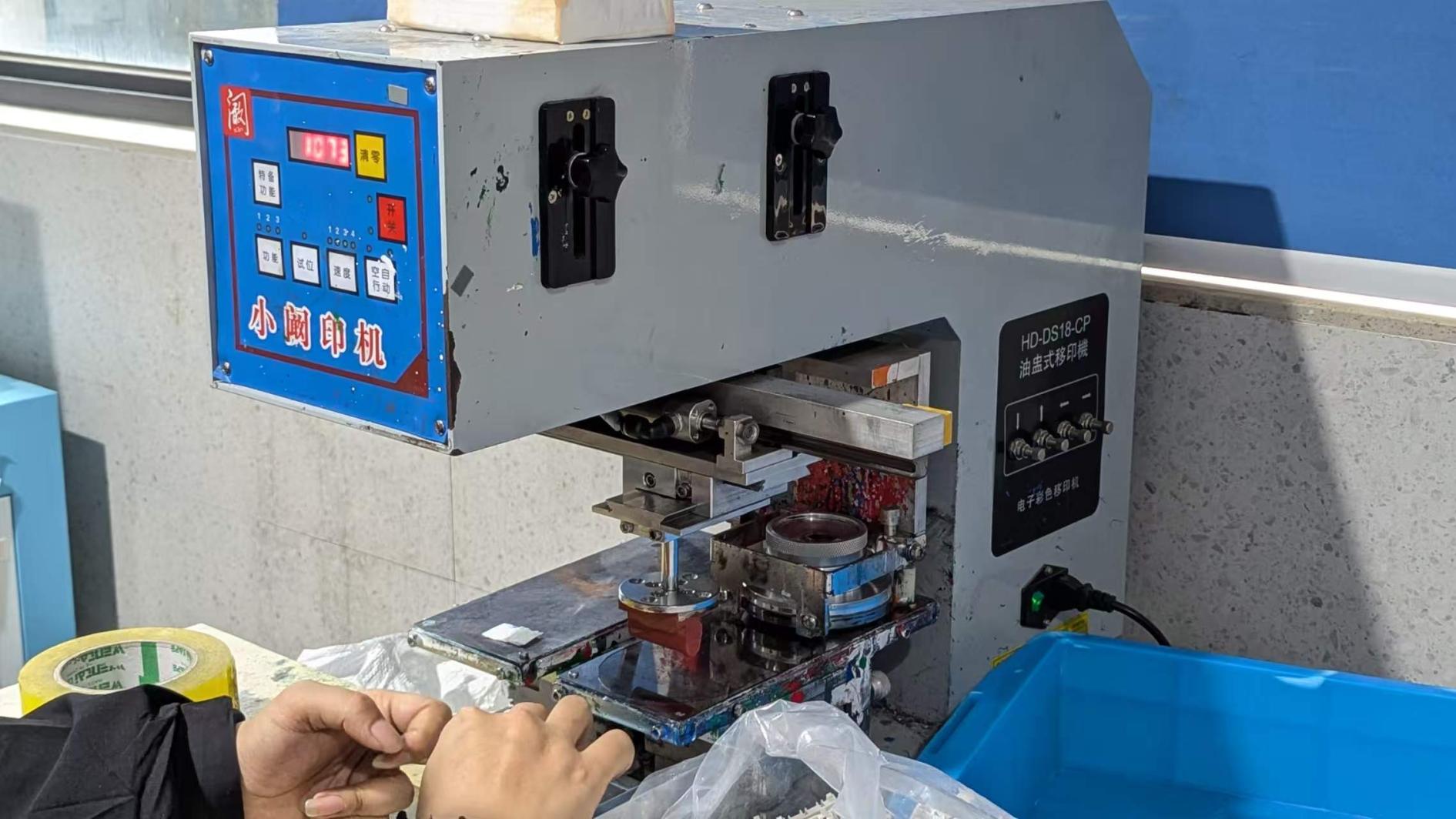
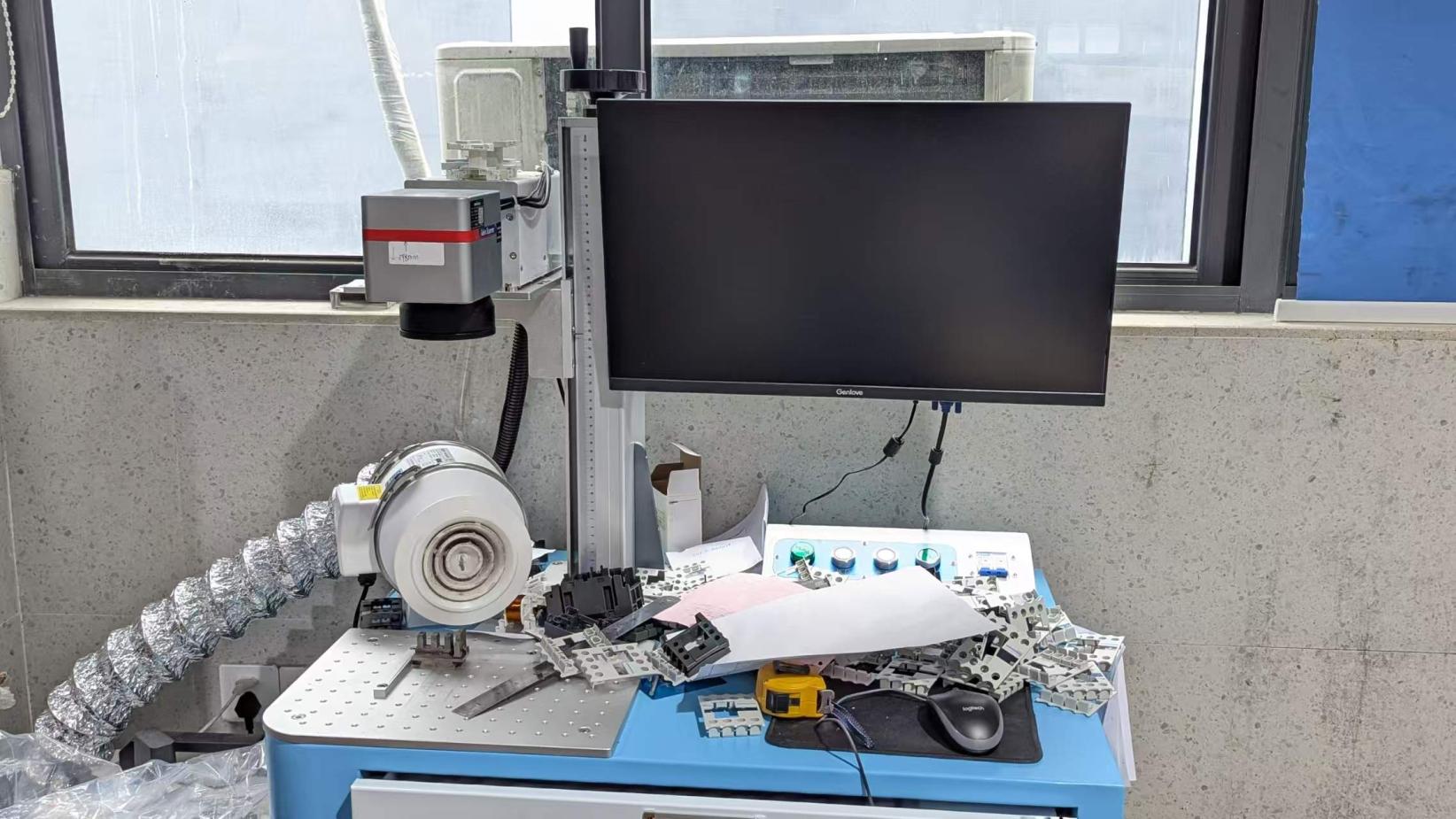
Explore the end-to-end manufacturing workflows that ensure high precision, mechanical strength, and structural integrity across all Bowser Electric lines.
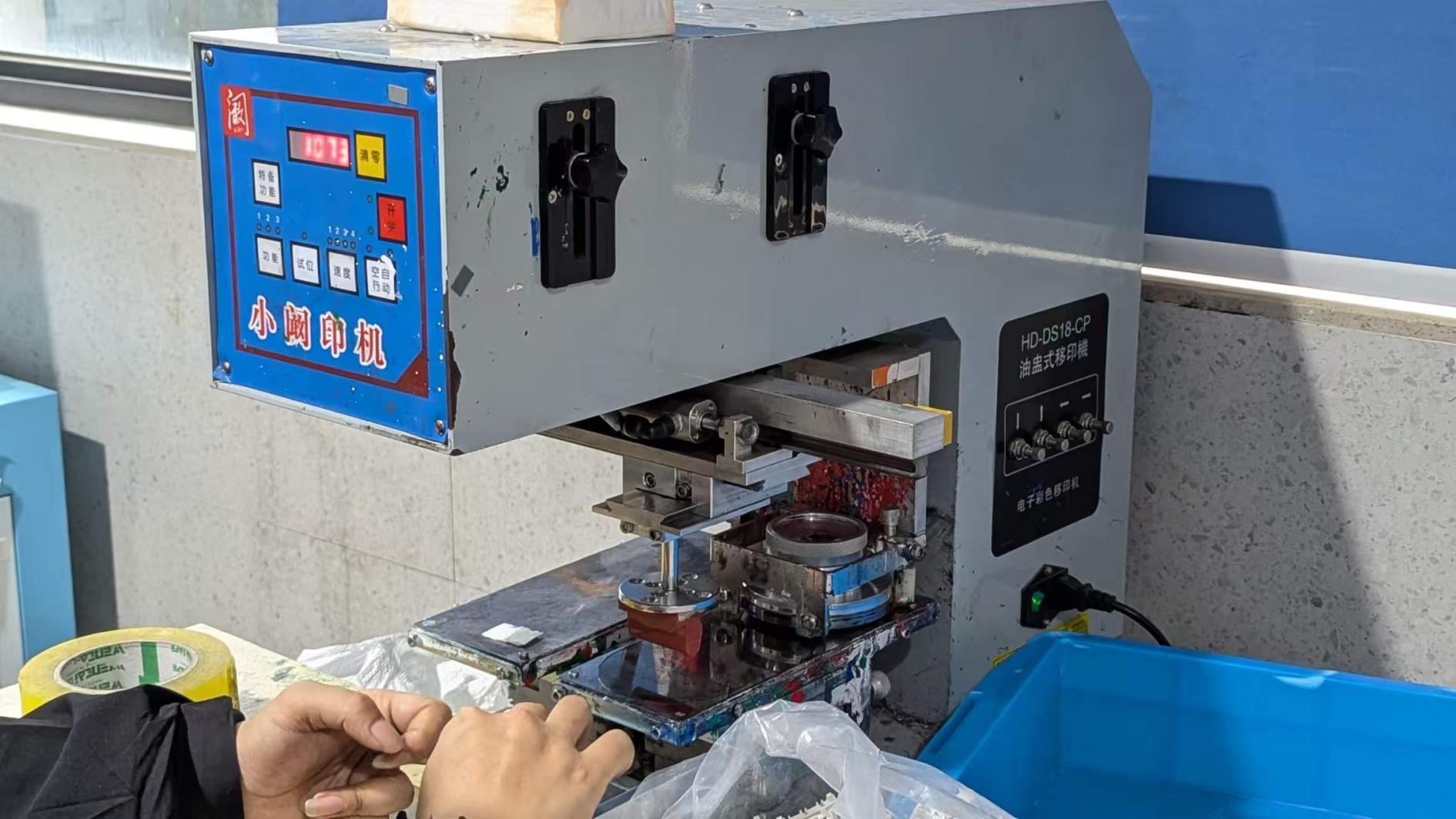
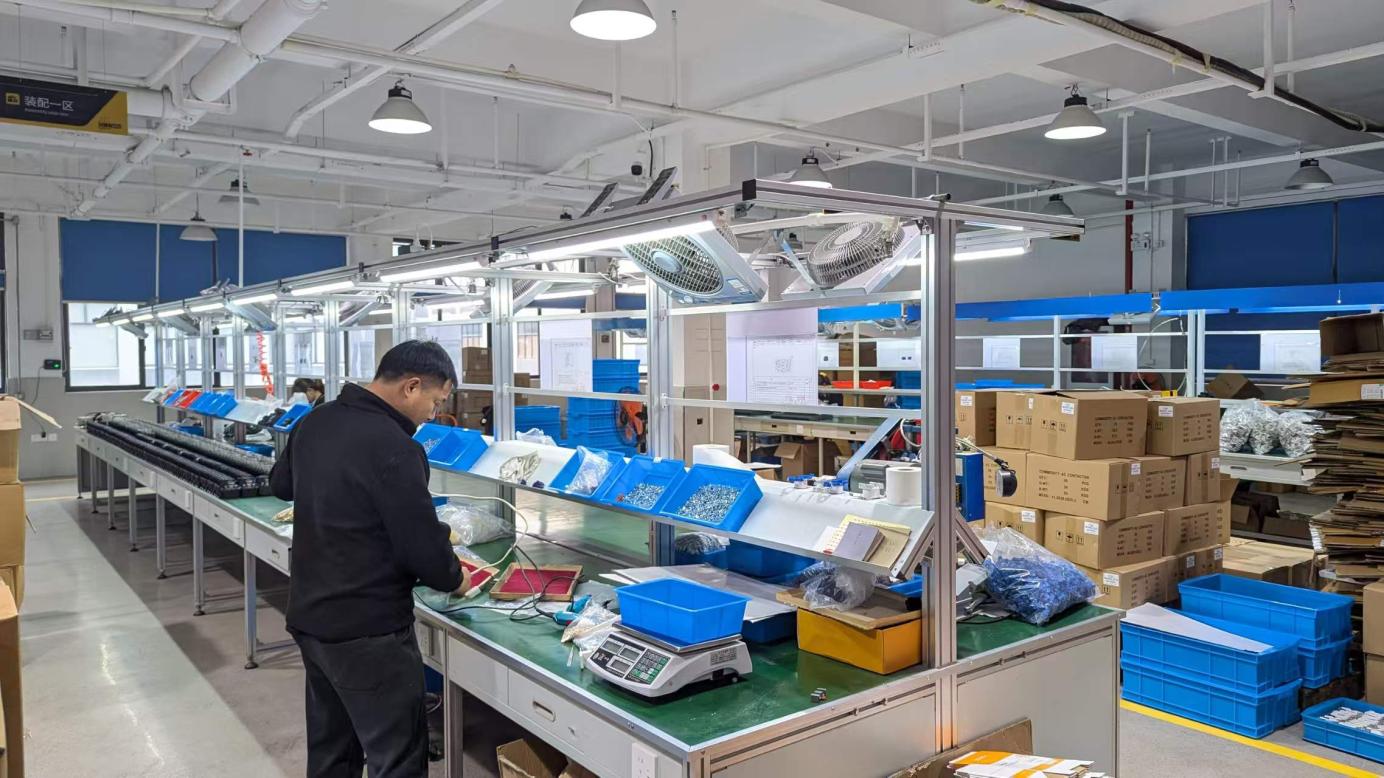
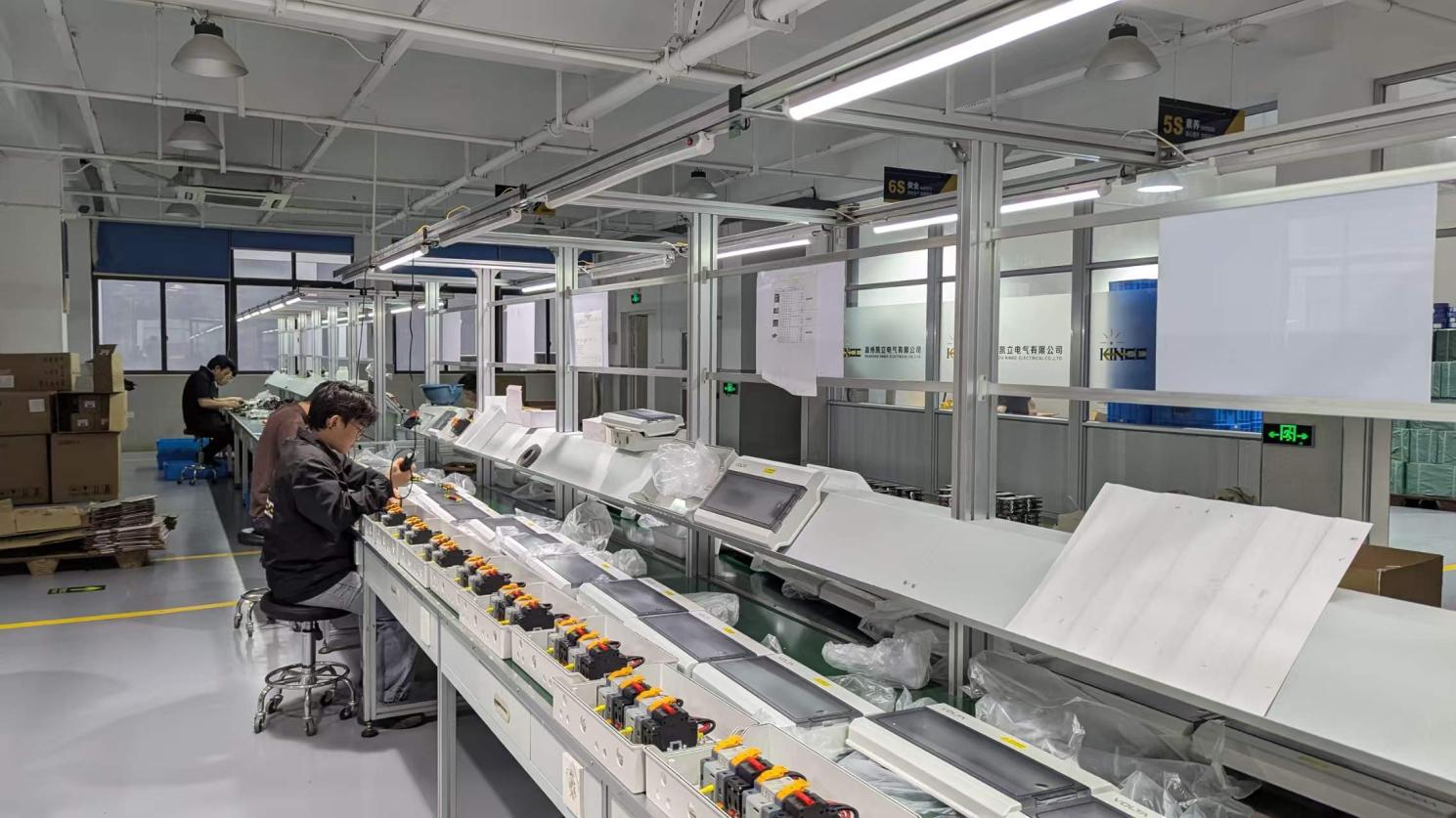
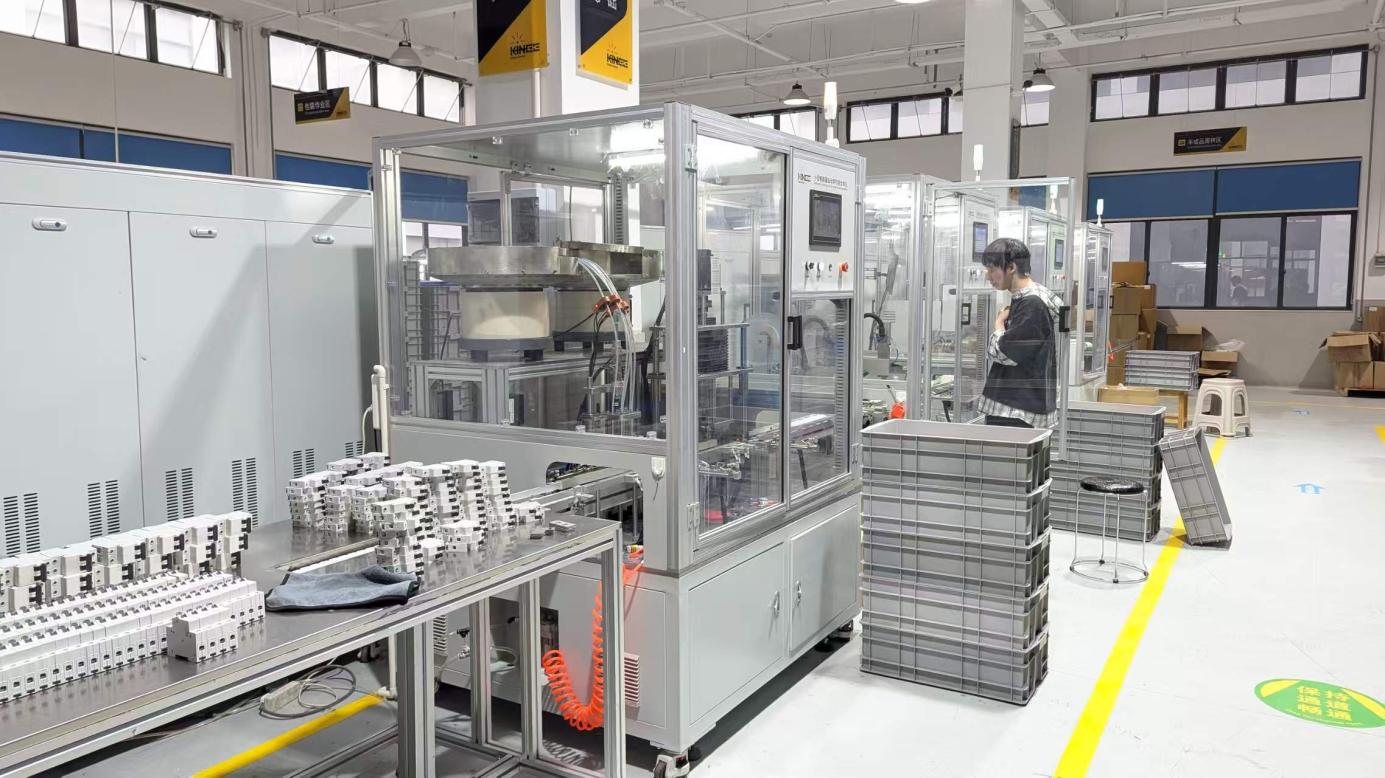
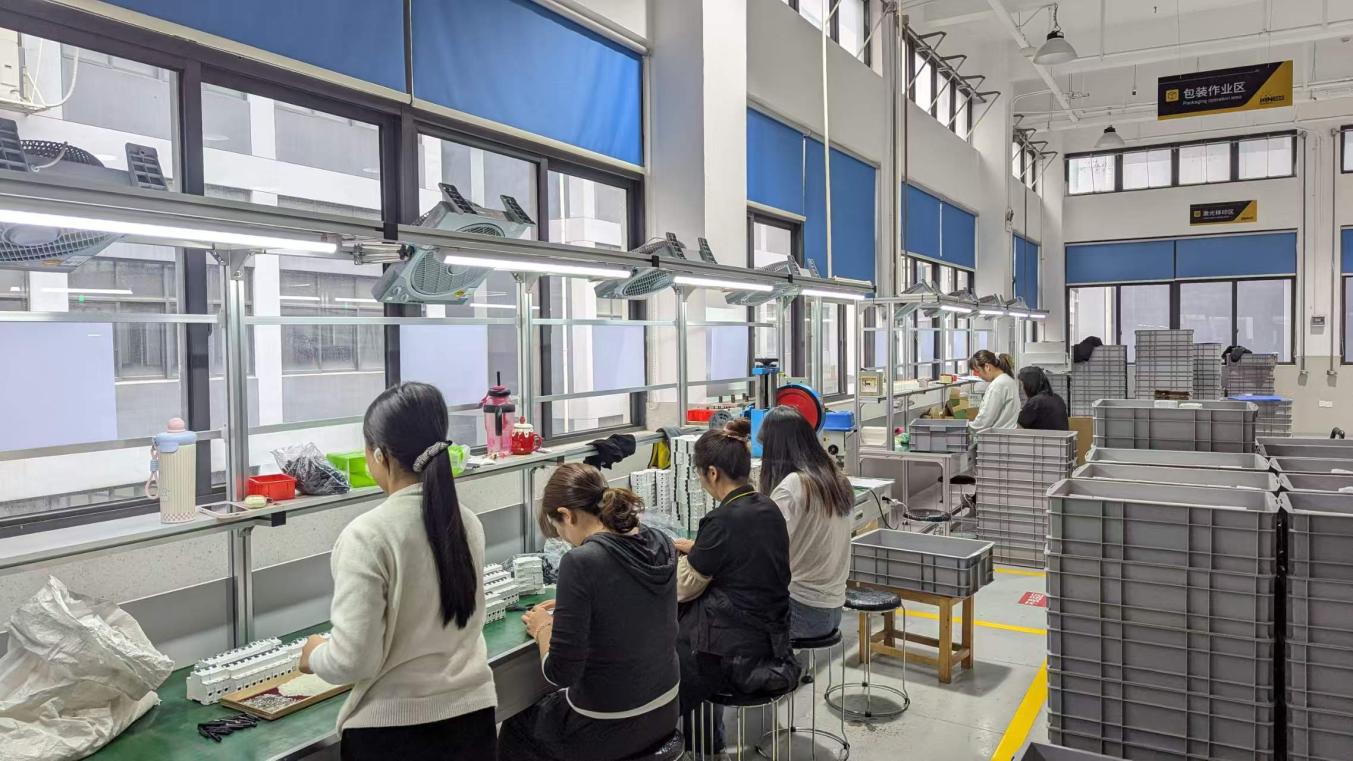
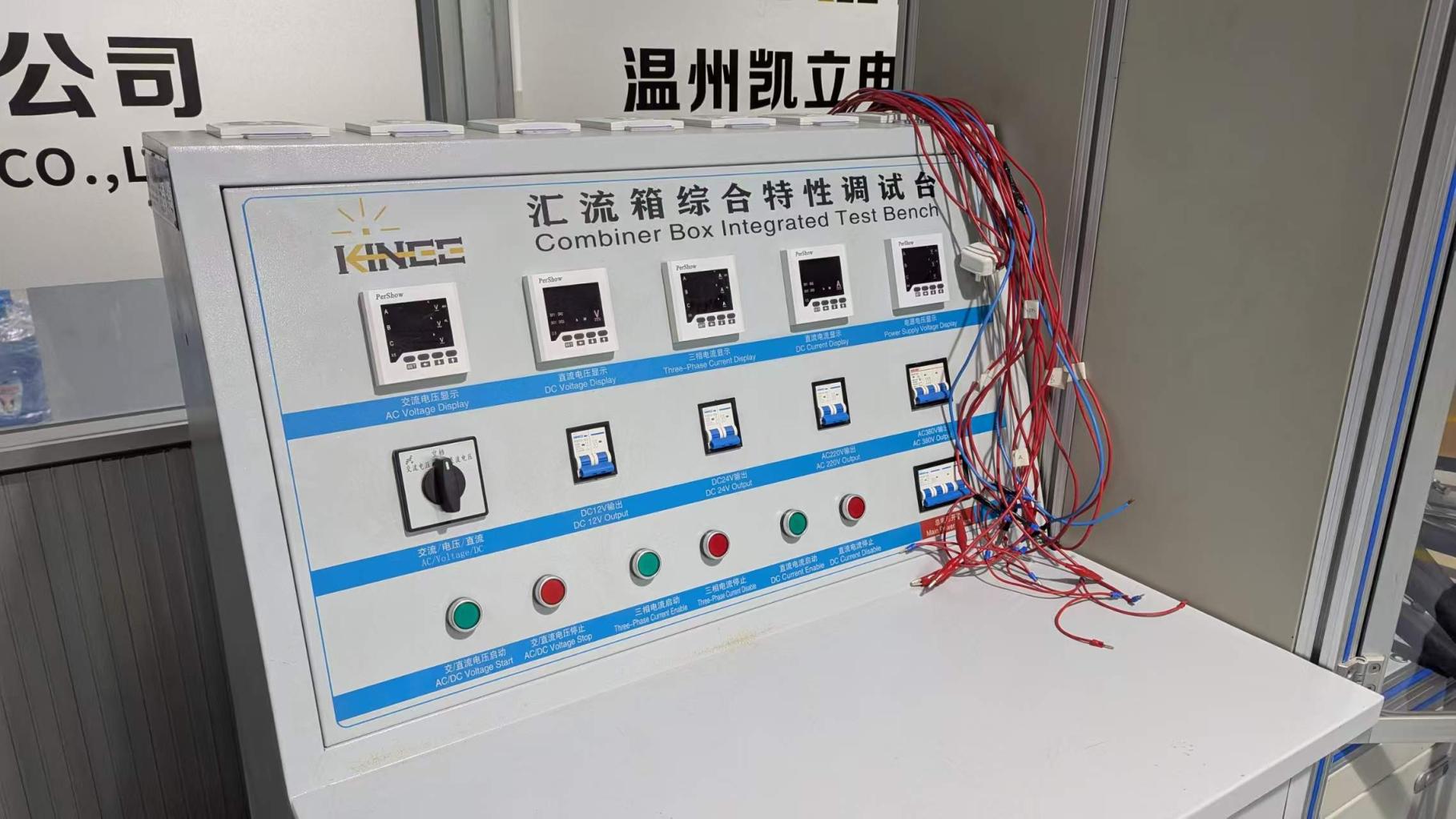
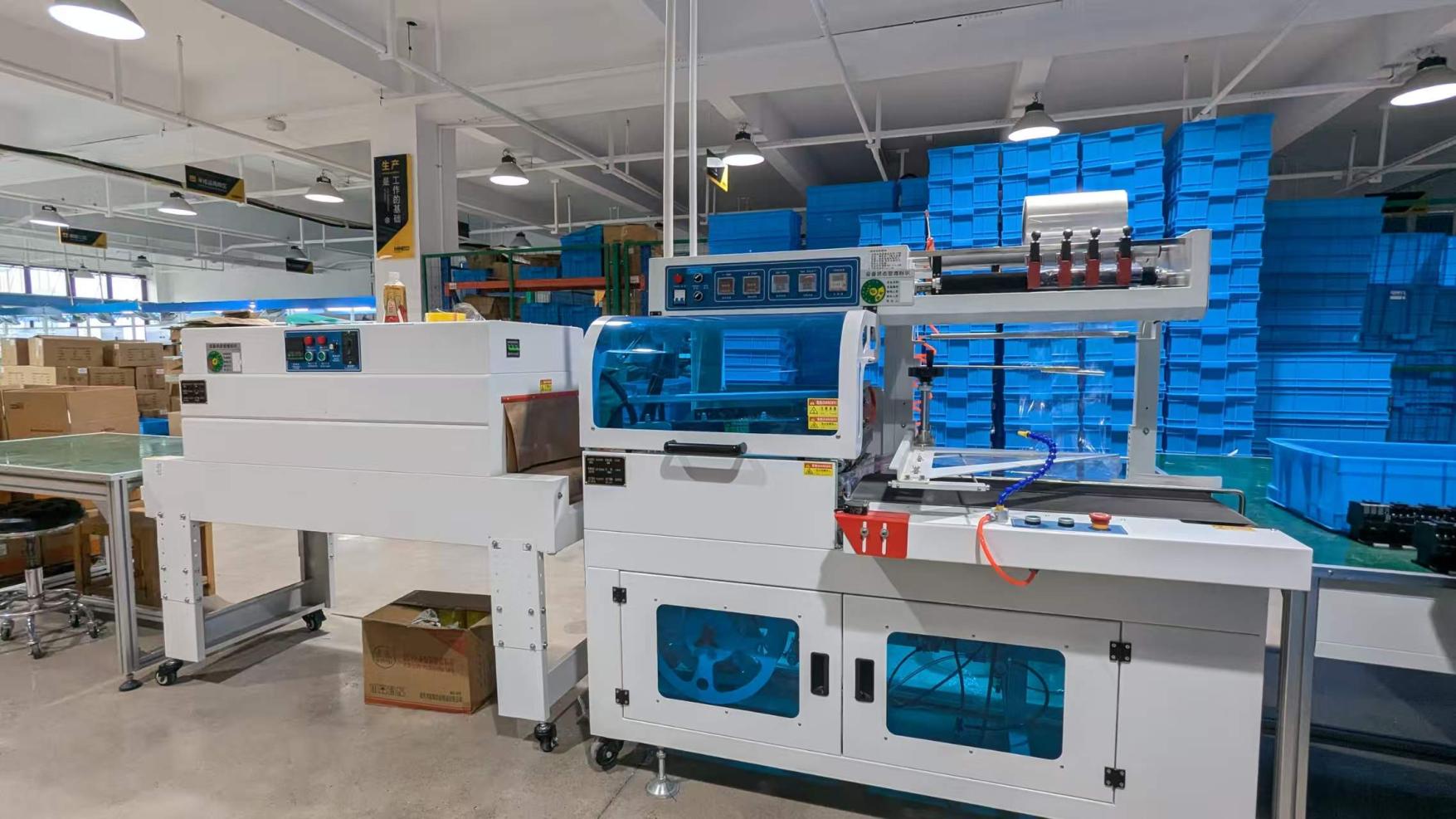
Understanding the engineering criteria, chemical resistance profiles, and testing methodologies that separate market leaders from generic suppliers.
Selecting a top-tier electrical junction box factory requires looking beyond base pricing. Engineering buyers, electrical consultants, and procurement managers evaluate candidates based on material science capability, structural precision, regulatory certifications, and design customization. The top 10 exporters excel in several key areas:
Top manufacturers use high-grade polymers like polycarbonate, fiberglass reinforced polyester (GRP), or metallic alloys (die-cast aluminum, AISI 316 stainless steel) with UV stabilization, impact resistance (IK08-IK10), and halogen-free properties.
Leading factories maintain in-house, UL-witnessed laboratories for water and dust ingress testing (up to IP69K), glow-wire testing (IEC 60695-2-11), salt spray tests, and thermal cycle testing.
Top exporters utilize automated robotic injection molding and continuous polyurethane (PU) gasket foaming, which ensures precise sealing and high structural uniformity across large production runs.
| Material Type | Impact Rating | Chemical Resistance | Primary Application Fields |
|---|---|---|---|
| Polycarbonate (PC) | IK08 - IK09 | High (Acids, Organic Solvents) | Outdoor Solar PV, Telecoms, General Utility |
| GRP / Polyester | IK10 | Excellent (Highly Corrosive Marine) | Chemical Plants, Petrochemical, Wastewater |
| Die-Cast Aluminum | IK09 - IK10 | Medium to High (Requires Coating) | Industrial Automation, Heavy Machinery |
| Stainless Steel (316L) | IK10+ | Outstanding (Extreme Environments) | Offshore Oil & Gas, Food & Beverage (Washdown) |
Exploring how top-tier manufacturers design and configure enclosures to meet the challenges of specific operational environments.
In utility-scale solar PV installations, enclosures operate in high UV environments and experience significant temperature swings. Leading manufacturers supply junction boxes with specialized breathing valves (ventilation plugs) that prevent internal condensation while maintaining the IP66 rating. Additionally, integrating high-capacity DC fuse blocks, surge protection devices (SPDs), and customized busbars (e.g., Tinned T2 Copper) allows these enclosures to manage system voltages up to 1500V DC without thermal degradation.
Processing plants, refineries, and grain elevators handle volatile gases and combustible dust. Enclosures used in these zones must comply with ATEX and IECEx Zone 1/21 explosion-proof parameters. Top exporters design flameproof and dust-ignition-proof cast aluminum or stainless steel enclosures with heavy-duty threaded flame paths, silicone O-rings, and internal grounding systems. These features prevent internal electrical sparks or thermal runaway from igniting the surrounding atmosphere.
Subways, rail lines, and highways experience continuous low-frequency vibrations, particulate dust, and mechanical stress. The junction boxes used in these applications require high vibration resistance, flame retardancy, and low-smoke zero-halogen (LSZH) properties to ensure passenger safety. Highly engineered polycarbonate and GRP enclosures with secure, spring-loaded terminal blocks protect the wiring connections from mechanical wear and tear, reducing maintenance overheads.
Offshore wind platforms, harbor docks, and marine vessels expose electrical connections to saltwater spray, high humidity, and abrasive sands. Standard metal enclosures degrade rapidly in these conditions. To counter this, top-tier exporters supply fiberglass-reinforced polyester (GRP) and marine-grade 316L stainless steel enclosures. These materials undergo rigorous ASTM B117 salt spray testing for over 1000 hours, ensuring long-term rust protection and system reliability.
Aligning international electrical standards with manufacturing QC systems to ensure global product compliance.
To market electrical equipment globally, products must comply with national and international safety standards. For global electrical junction boxes, these rules focus on electrical isolation, physical protection, fire prevention, and mechanical impact. Sourcing managers look for suppliers that conform to the following standards:
Requires EN/IEC 62208 for empty enclosures and EN/IEC 60670 for boxes used with electrical accessories. These standards establish testing rules for mechanical resistance, corrosion resistance, and thermal performance (glow-wire tests).
Relies on UL 50 / UL 50E for electrical enclosures, which includes strict rain, dust, corrosion, and ice tests. It also covers NEMA 250 ratings, matching IP codes with specific NEMA classes (like NEMA 4X for washdown locations).
Applies China's GB/T 20641 standard for empty enclosures. It requires rigorous mechanical impact (IK code) verification, heat resistance tests, and insulation performance audits to ensure safety in public infrastructure.
As industrial networks digitize and focus on carbon neutrality, junction boxes are evolving to play a more active role in electrical grids. The industry is moving from simple enclosures toward intelligent, sustainable connectivity solutions.
1. Intelligent Edge Diagnostics & IoT Enclosures: Future junction boxes will integrate micro-sensors to monitor internal temperatures, relative humidity, leakage currents, and terminal connection resistance. This real-time diagnostic data, sent via wireless protocols (such as LoRaWAN, NB-IoT, or Bluetooth Low Energy), will enable preventive maintenance, letting plant operators identify and fix loose connections or seal failures before they cause unexpected downtime.
2. Advanced Green Chemistry & Circular Materials: Leading manufacturers are redesigning their polymer compounds to meet strict environmental requirements. This includes using post-consumer recycled polycarbonates, halogen-free flame retardants, and bio-based plastics. These new materials match the mechanical strength and flame-retardant properties of traditional plastics while reducing the carbon footprint of manufacturing.
3. High-Modularity & Plug-and-Play Quick-Connect Systems: As skilled electrical labor shortages continue worldwide, installers look for ways to simplify installation. Future junction boxes will feature integrated, push-in terminal blocks and pre-configured multi-conductor connectors. This design removes the need for manual stripping and crimping, cutting field labor requirements and helping prevent installation errors.
Detailed answers to the most common questions raised by electrical engineers, EPC planners, and quality inspectors.
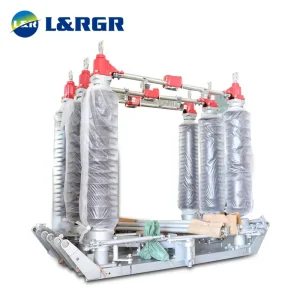
High-capacity switchgear, precision testing instrumentation, and heavy-duty grid components