Bowser Electric
Bowser Electric
Bowser Electric
Discover our initial selection of high-performance components engineered for modern industrial power grids, low-voltage distribution boards, and precise submetering setups.
Welcome to Wenzhou Bowser Electric Co., Ltd., an industry-recognized pioneer and premier exporter of specialized modular electric terminal devices, industrial power distribution units, and high-precision monitoring components. Based in China's electrical manufacturing heartland, we specialize in high-reliability energy management architectures designed to optimize efficiency, lower operating costs, and meet stringent global safety guidelines.
Backed by a specialized 35+ member R&D team holding over 25 international utility patents, we engineer products designed to handle advanced power grid fluctuations. Our focus includes smart circuit protection, low-voltage control setups, and comprehensive monitoring integration.
We boast a verified 99.9% defect-free rate. Each electrical component is put through exhaustive functional tests inside our ISO 9001:2015 accredited laboratories. Our compliance portfolio spans CE, CB, RoHS, and national quality system certifications.
Bowser Electric delivers engineered solutions to over 120 countries, supplying over 1,500 active commercial clients, grid developers, and heavy industrial buyers. Our robust supply chains ensure zero-delay shipments and localized product compliance.
As energy volatility rises and international regulations demand precise carbon footprint reporting, the definition of the "Check Meter" has evolved from simple analog dials to high-precision IoT edge devices. Let's analyze the technical trends defining modern submetering architectures.
Modern submetering installations necessitate high accuracy. Active energy measurement has largely migrated from Class 1.0 to Class 0.5S and Class 0.2S (under IEC 62053-22 protocols). High precision guarantees fair utility bill distribution across multi-tenant facilities and tracks micro-variations inside industrial machinery.
Analog RS-485 Modbus RTU is quickly transitioning toward Ethernet-based BACnet/IP, Modbus TCP, and wireless alternatives like LoRaWAN, NB-IoT, and Wi-Fi. Systems must feature native plug-and-play integrations with Building Management Systems (BMS) and SCADA setups to optimize load management instantly.
A contemporary check meter does more than count kilowatt-hours. Industrial buyers demand Total Harmonic Distortion (THD) checks, phase imbalance mapping, and voltage sag tracking. High-frequency electrical noise from large machinery or variable frequency drives can damage circuitry if left unmonitored.
| Feature Category | Legacy Submeters | Modern Check Meters (Industry 4.0) | Key User/Buyer Advantage |
|---|---|---|---|
| Accuracy Class | Class 1.0 / 2.0 (±1% to ±2% variance) | Class 0.5S / 0.2S (±0.5% to ±0.2% variance) | Eliminates sub-billing discrepancies; revenue-grade compliance. |
| Data Telemetry | Manual dial reads / local pulse counters | Real-time over Modbus, BACnet, LoRaWAN, Cellular | Automated data collection, predictive maintenance scheduling. |
| Harmonics Monitoring | None | THD analysis up to 31st or 63rd harmonic | Protects sensitive electronic equipment from power degradation. |
| Form Factor | Large panel-mounted mechanical housings | Compact DIN-rail modules (1P to 4P width) | Easy retrofitting inside existing distribution boards. |
Procurement managers, EPC contractors, and system integrators face severe operational challenges when picking supply partners for sub-distribution systems. To address search intent comprehensively, our engineering team highlights these crucial procurement criteria:
Different markets mandate localized metering certifications. European projects require MID (Measuring Instruments Directive) approvals for legal sub-billing. North American installations seek UL/ANSI safety codes, while other regions demand localized patterns or PTB approvals. Ensure your check meter exporter provides pre-certified units to avoid delays at customs.
Retrofitting existing panels requires flexible CT setups. Exporters must offer solid-core, split-core, or Rogowski coil CT integrations. Split-core current transformers eliminate the need to shut down operational plant systems during installation, minimizing costly industrial downtime.
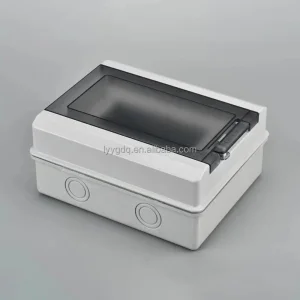
For rough locations like solar plants, marine installations, or steelworks, check meters must be housed in IP65 or higher rated enclosures. Enclosures must feature child-safety mechanisms, impact-resistant structures, and wide thermal tolerances (-25°C to +70°C) to prevent sensor drift.
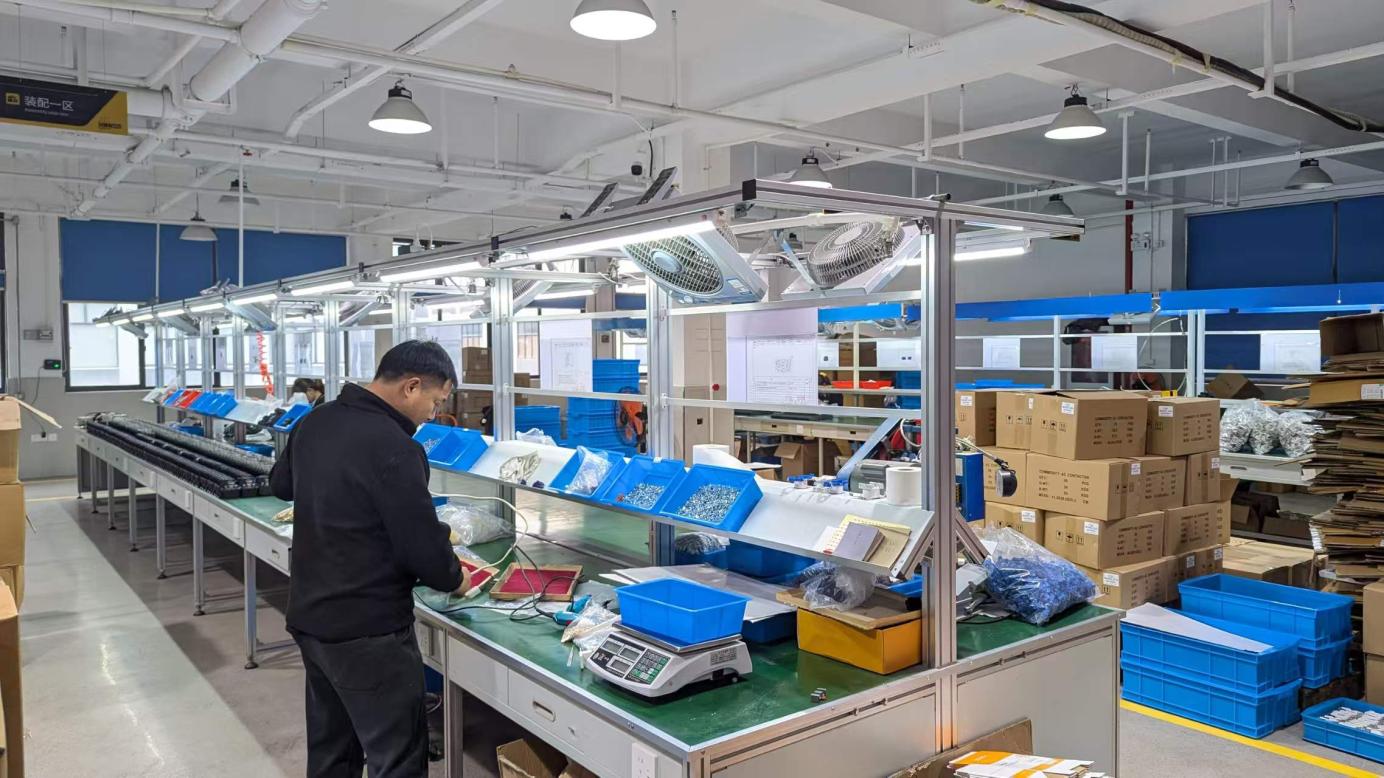
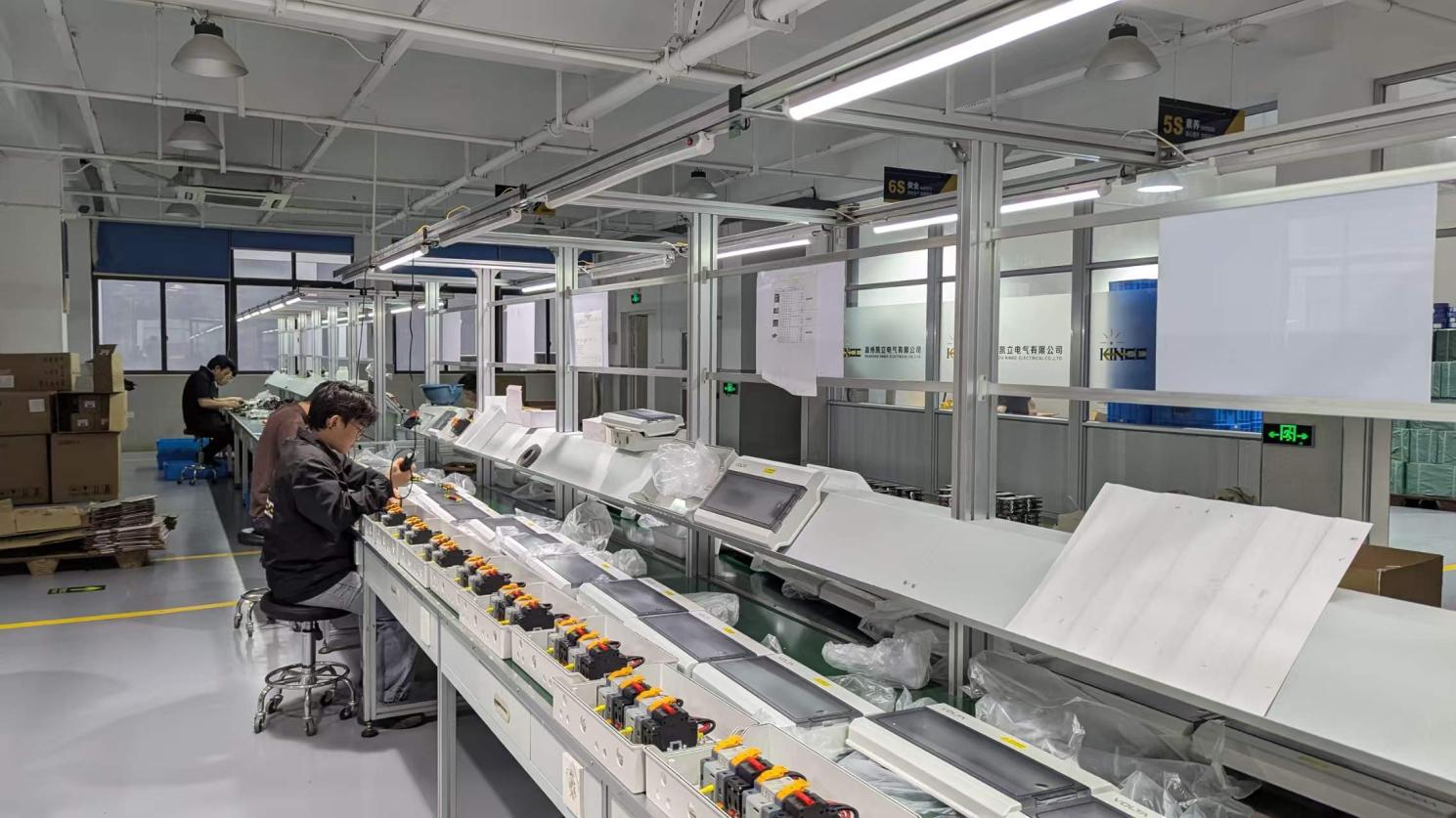
In an era of component shortages and high transit rates, Bowser Electric leverages Factory 4.0 methodologies to provide supply chain stability, fast production turnarounds, and robust pricing advantages.
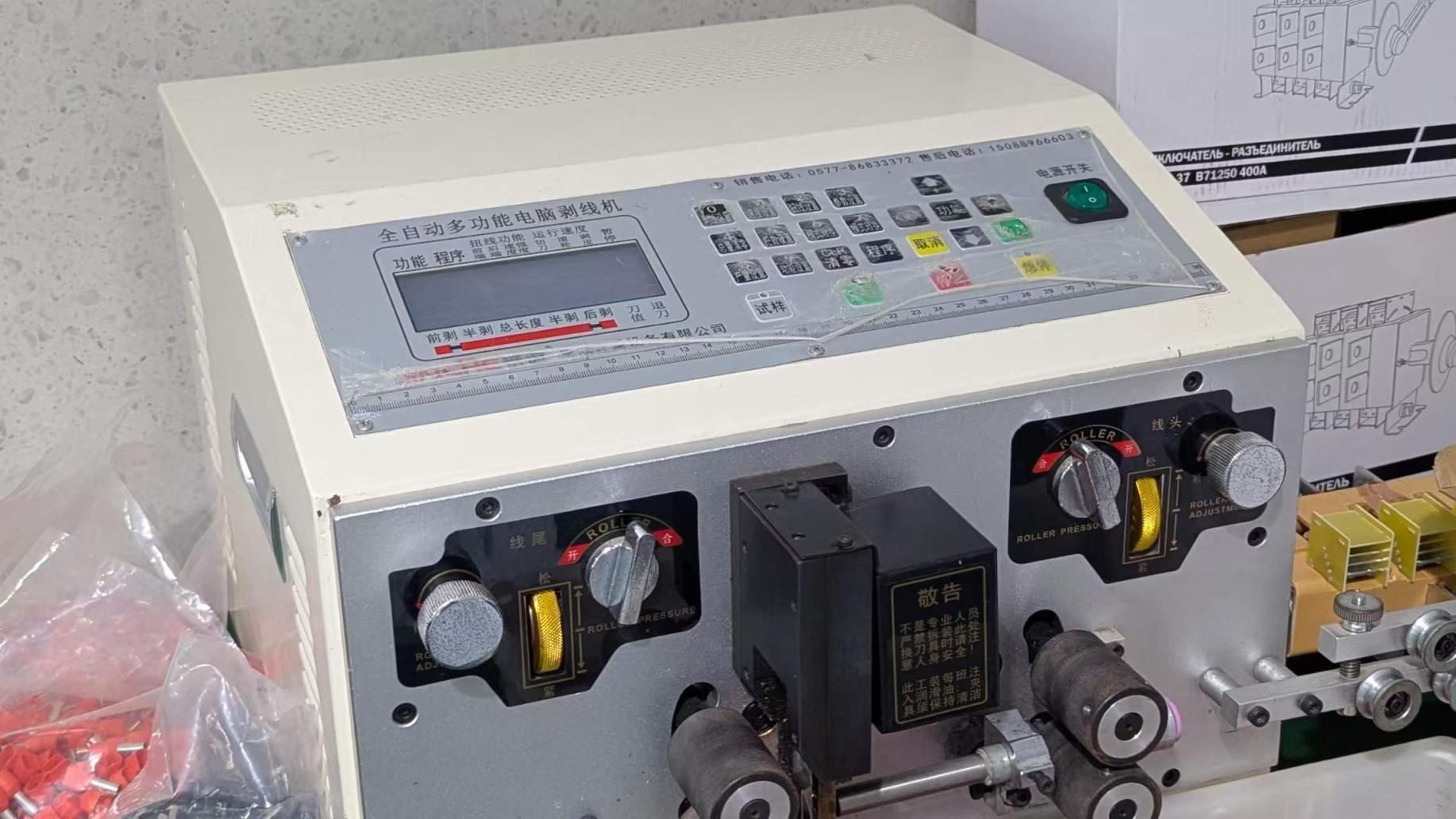
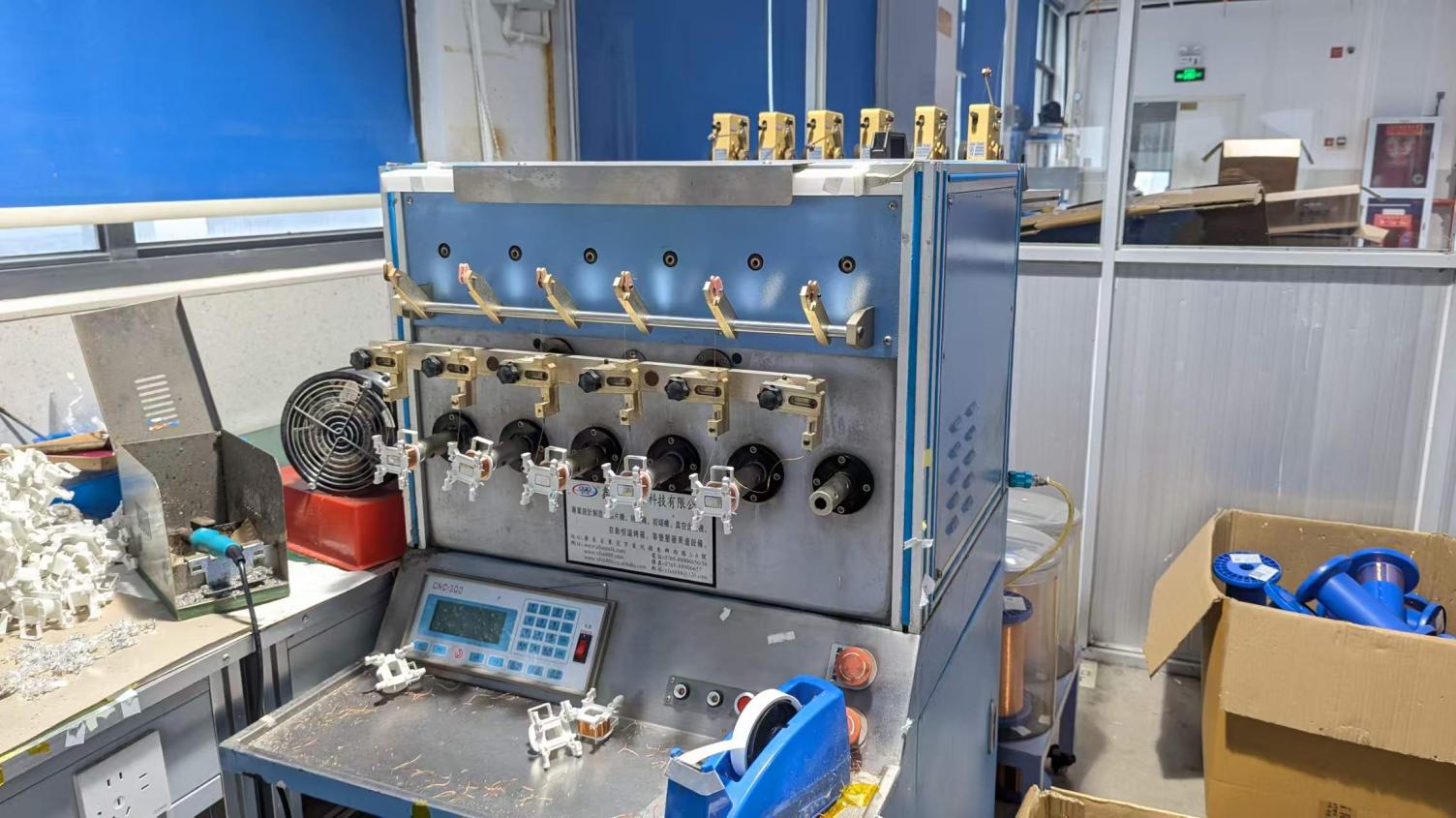
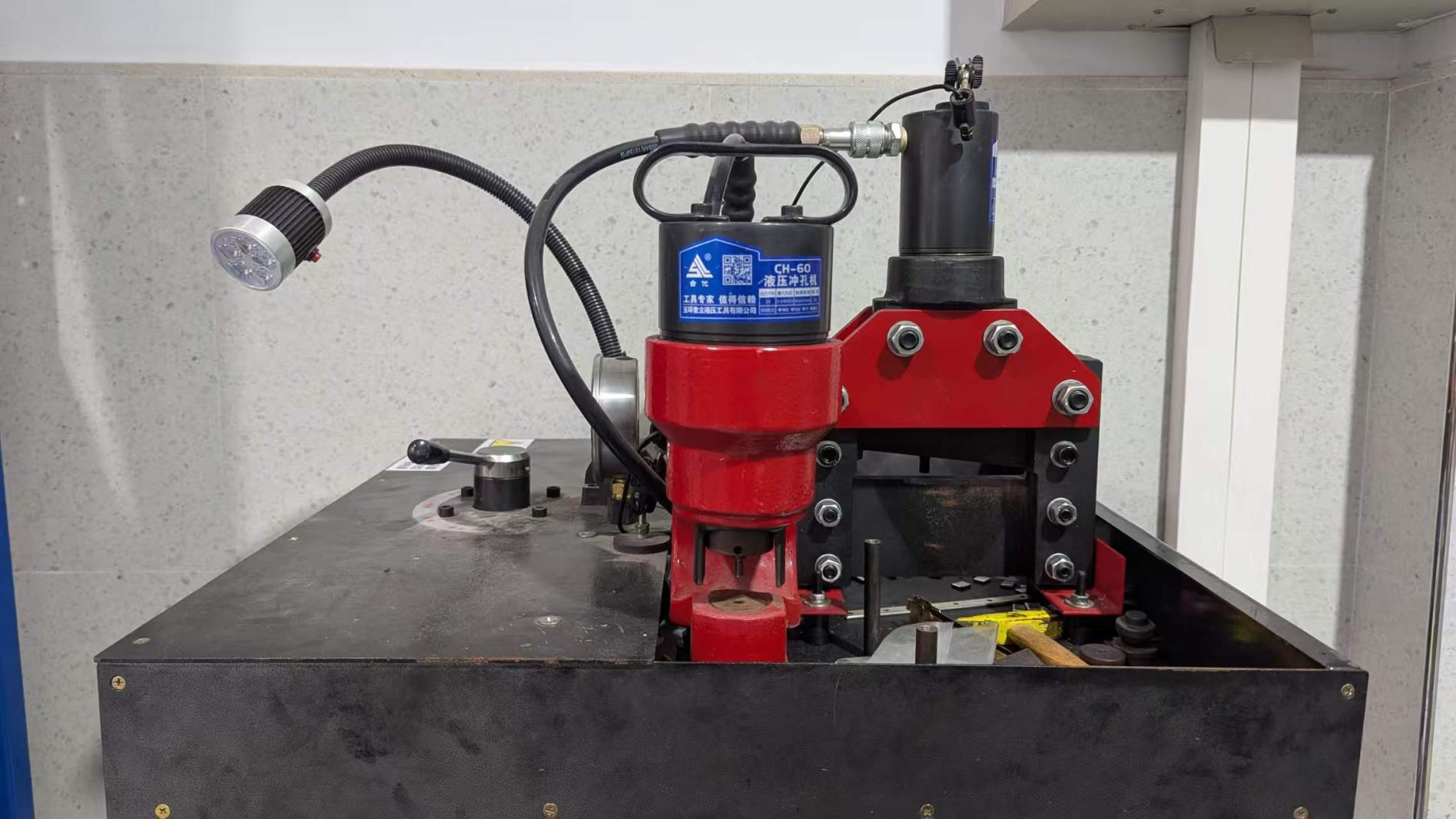
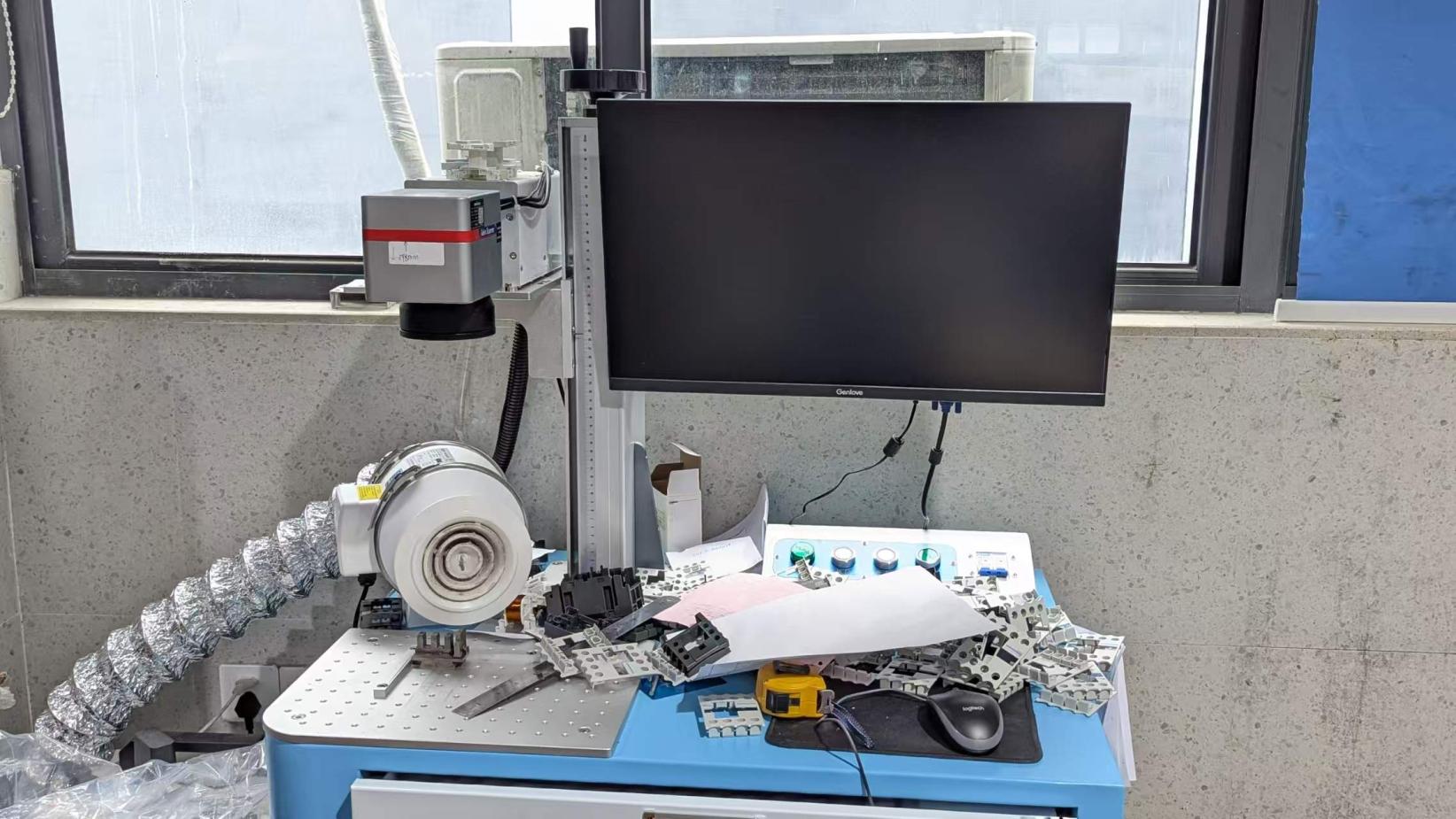
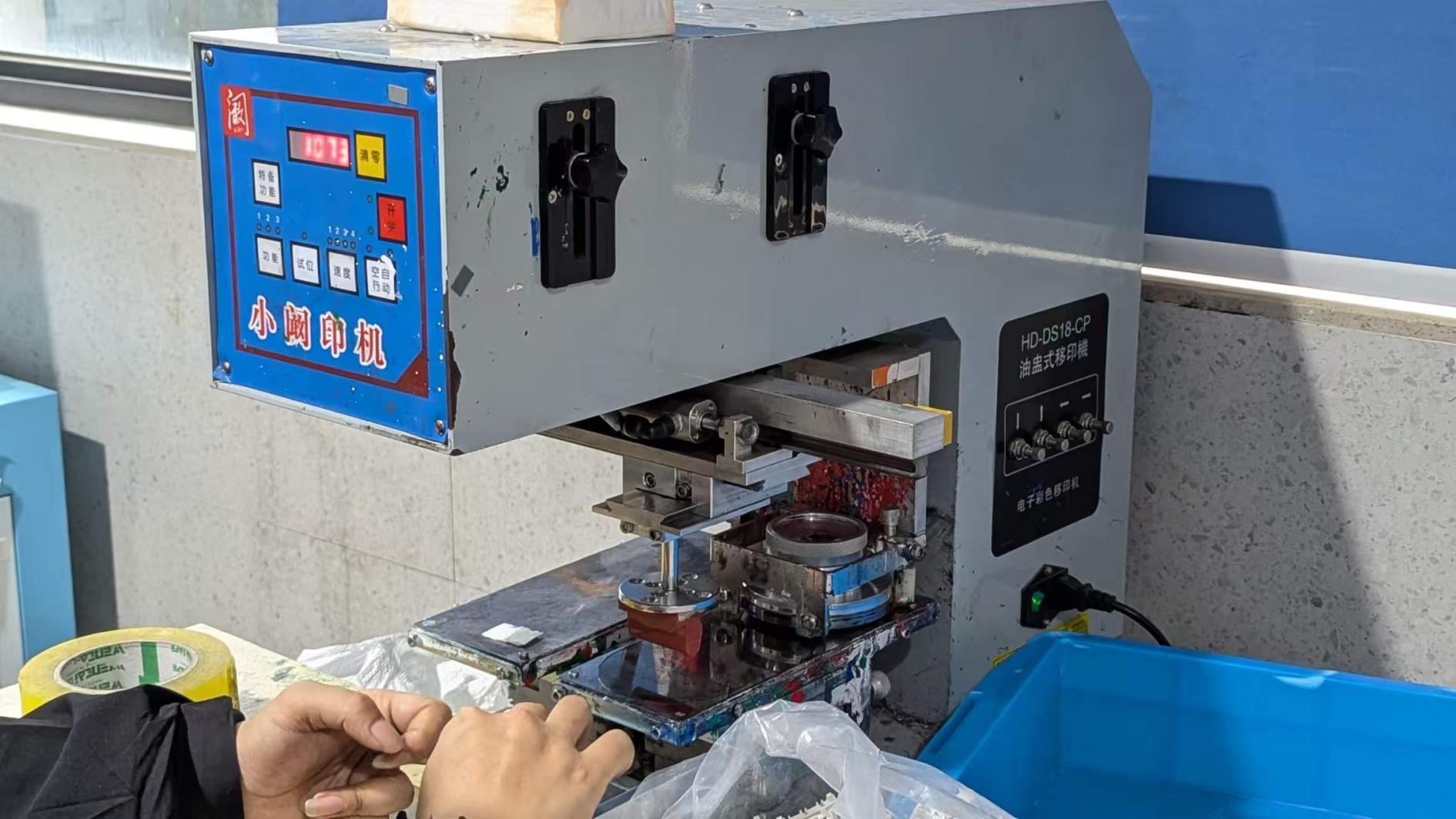
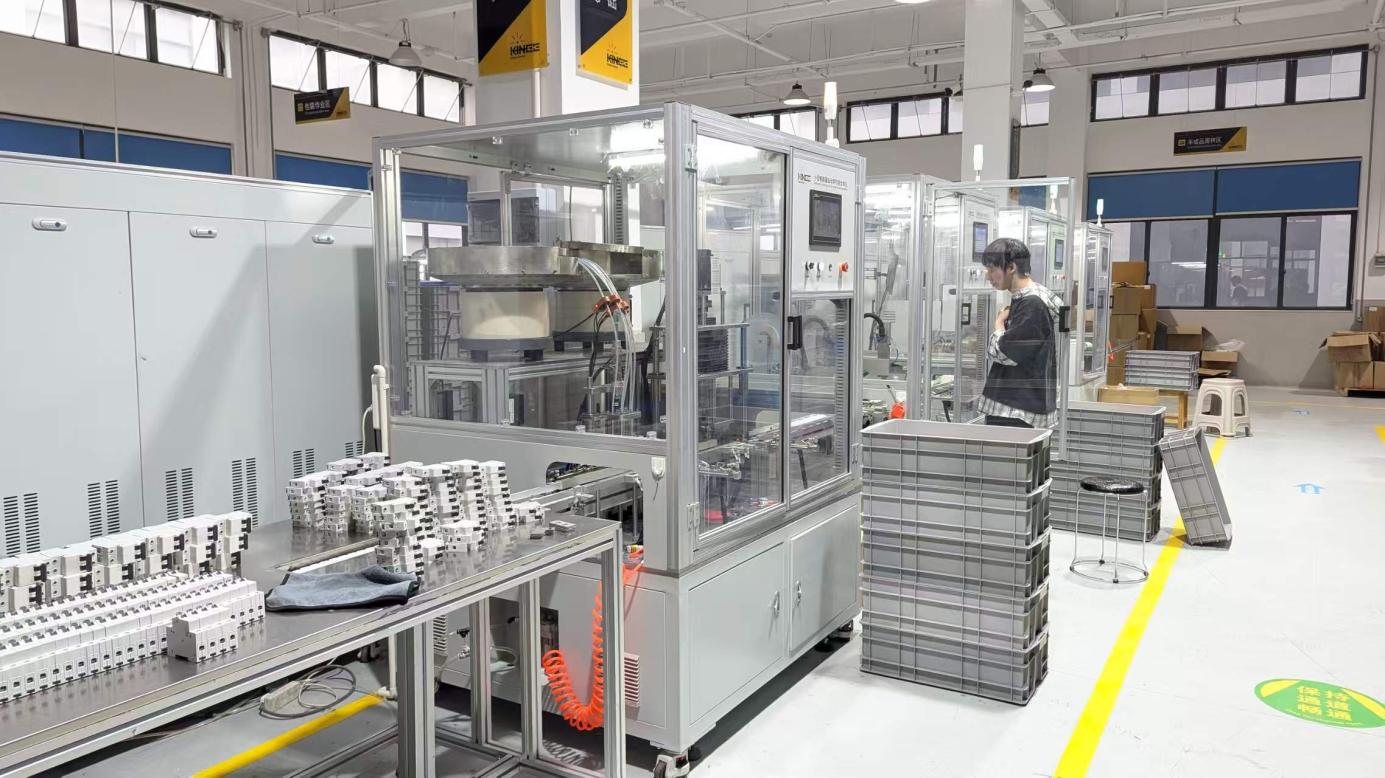
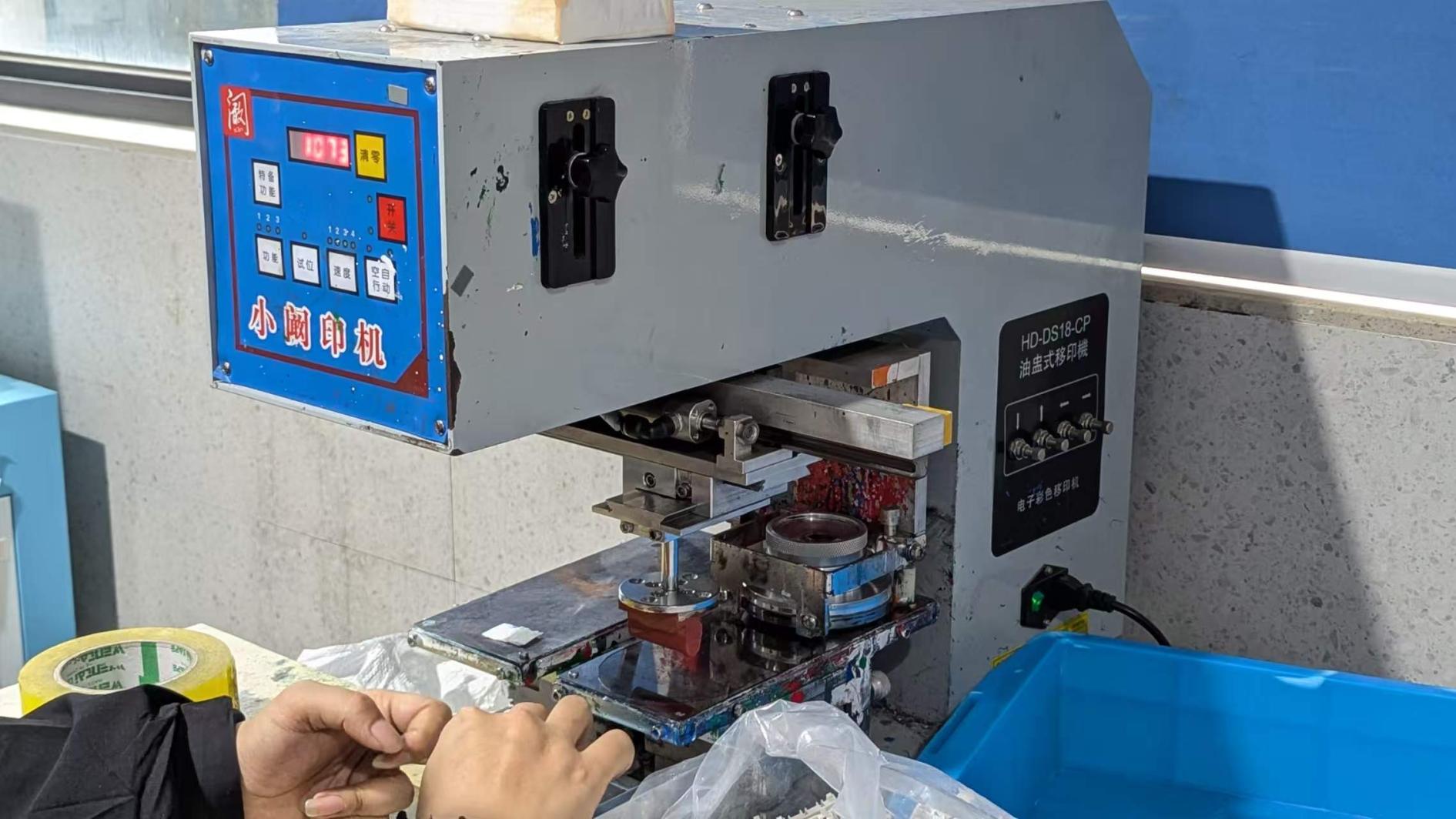
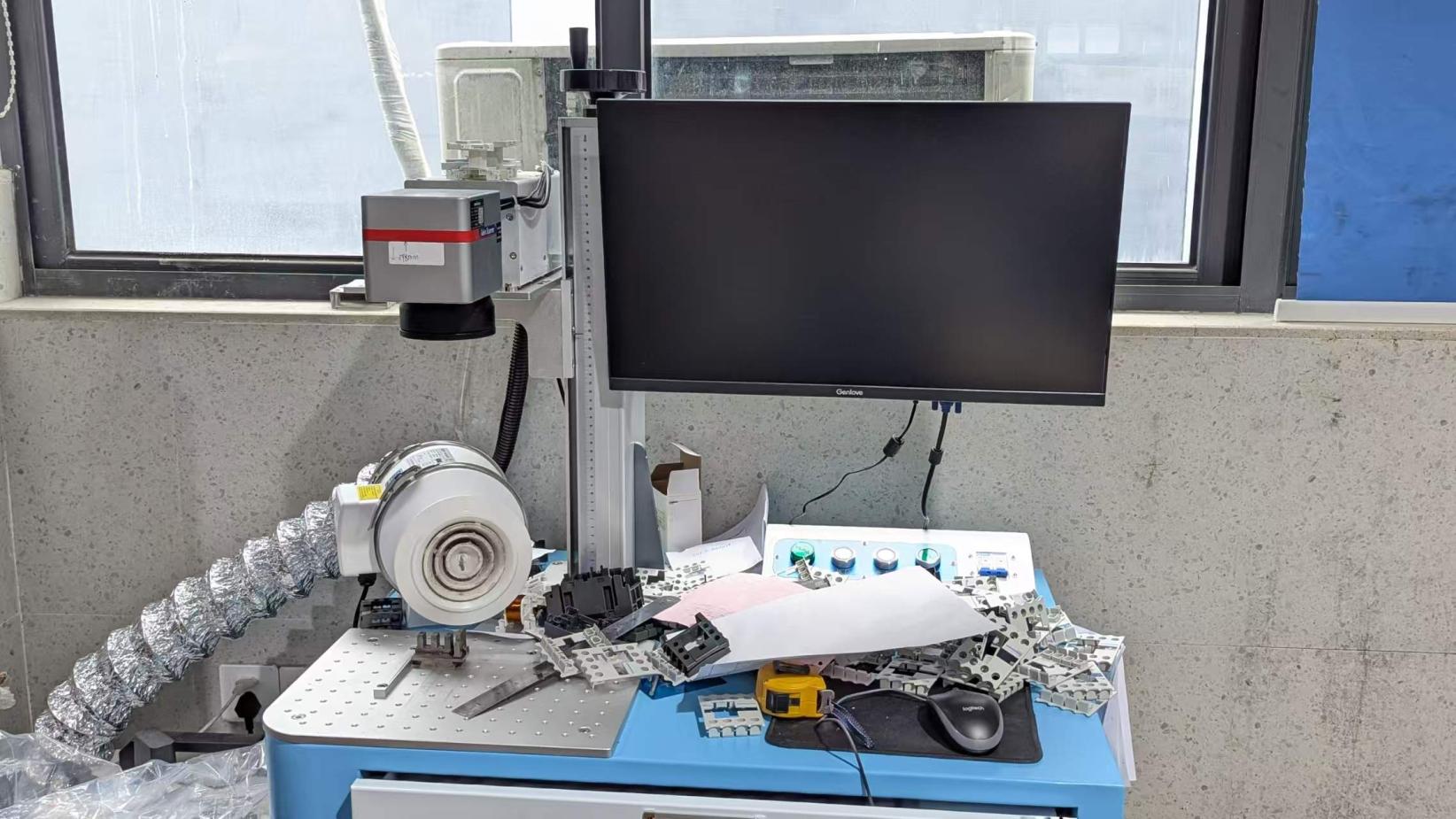
By using automated wire stripping, hydraulic punching, automated riveting, and computerized laser marking, we achieve high output consistency. Automation minimizes internal wiring failures and calibration drift, ensuring that every batch of breakers and sub-meters meets specifications.
Our raw material strategy utilizes pure electrolytic copper (purity >99.9%) and flame-retardant polymers. Because we maintain long-term partnerships with metal vendors, we are shielded from raw material cost volatility, passing these savings on to our clients.
Every submetering assembly and circuit breaker receives a unique QR code via laser marking. This digital marker allows customers to access calibration certificates, QA inspection sheets, and shipping dates, simplifying asset tracking.
Electricity monitoring varies by application. Different fields demand distinct configurations to handle specific local challenges:
In multi-tenant spaces, check meters are paired with distribution boxes to allocate billing based on actual power consumption. System administrators require easy-to-use software interfaces to split utility bills without manual reading processes.
Data centers prioritize Power Usage Effectiveness (PUE). Check meters monitor every server cabinet row. High speed updates (100ms polling) allow IT teams to track energy consumption changes and adjust cooling setups dynamically.
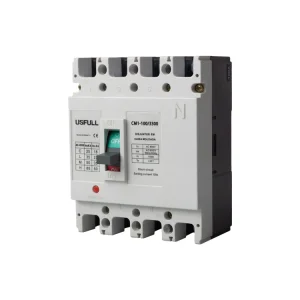
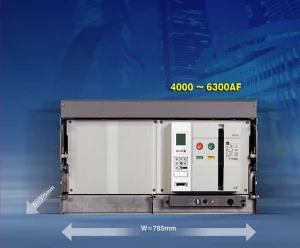
Factories run on high-current loads that create electrical noise. Check meters require high electromagnetic compatibility (EMC) and must be paired with air circuit breakers (ACBs) or molded case circuit breakers (MCCBs) to isolate faults instantly and prevent cascading grid shutdowns.
Explore the production stages that ensure the safety, efficiency, and longevity of Bowser Electric's extensive range of electrical products and check meter components.
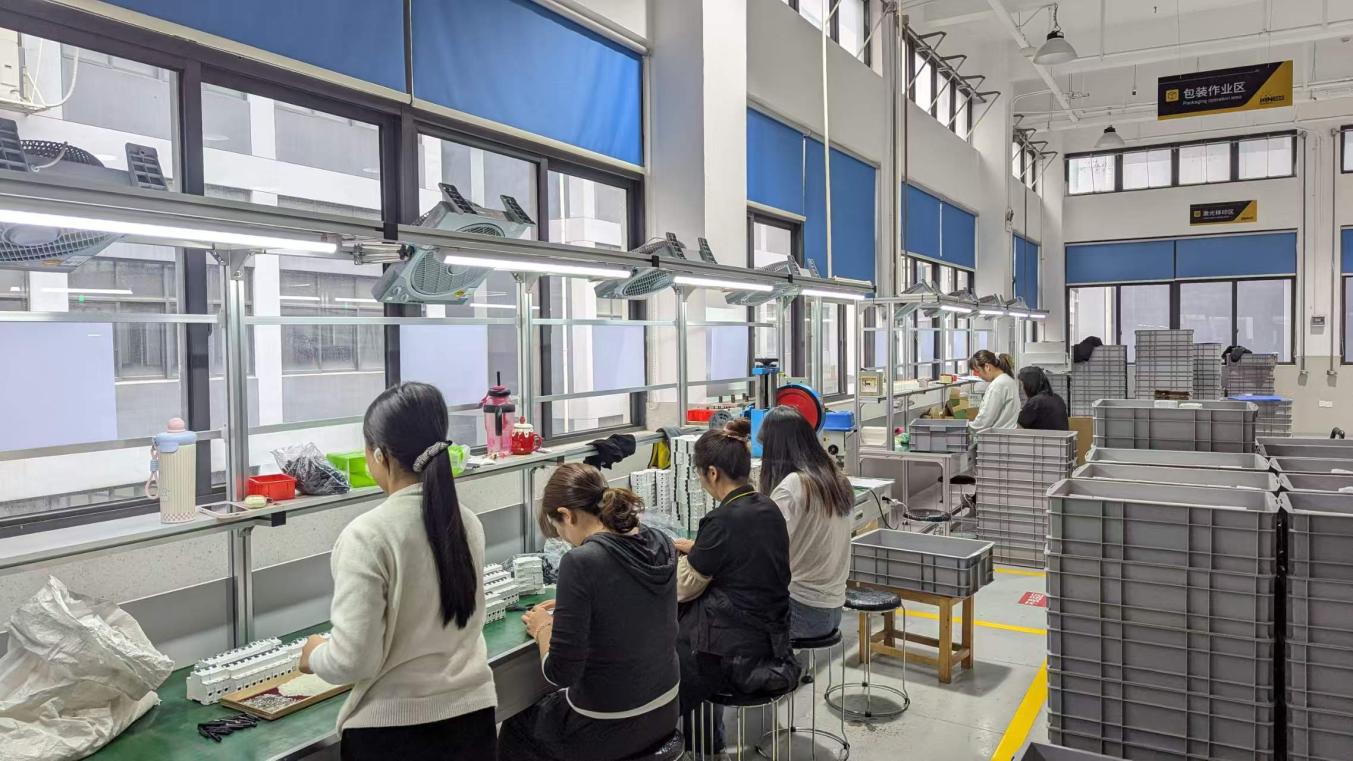
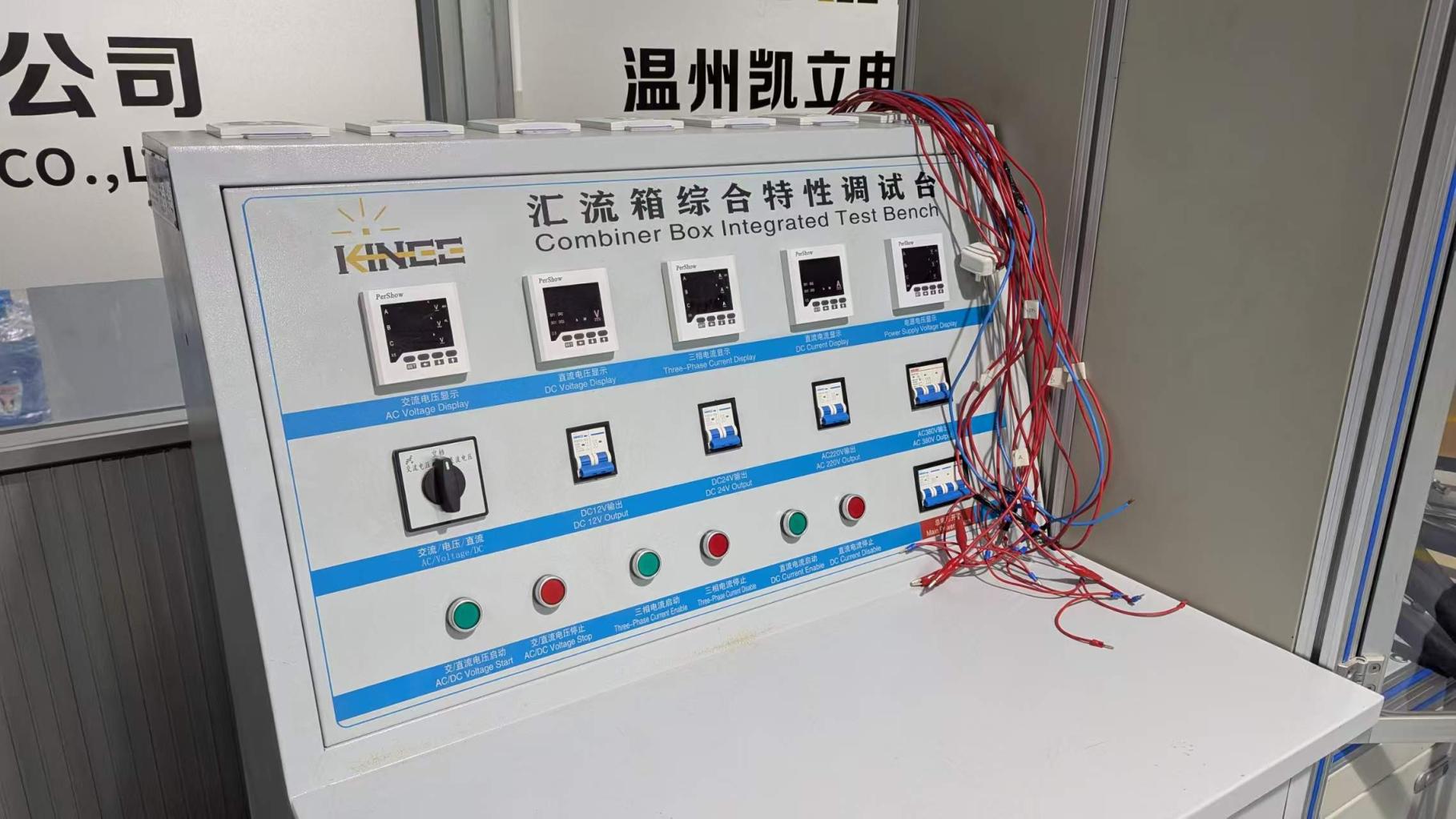
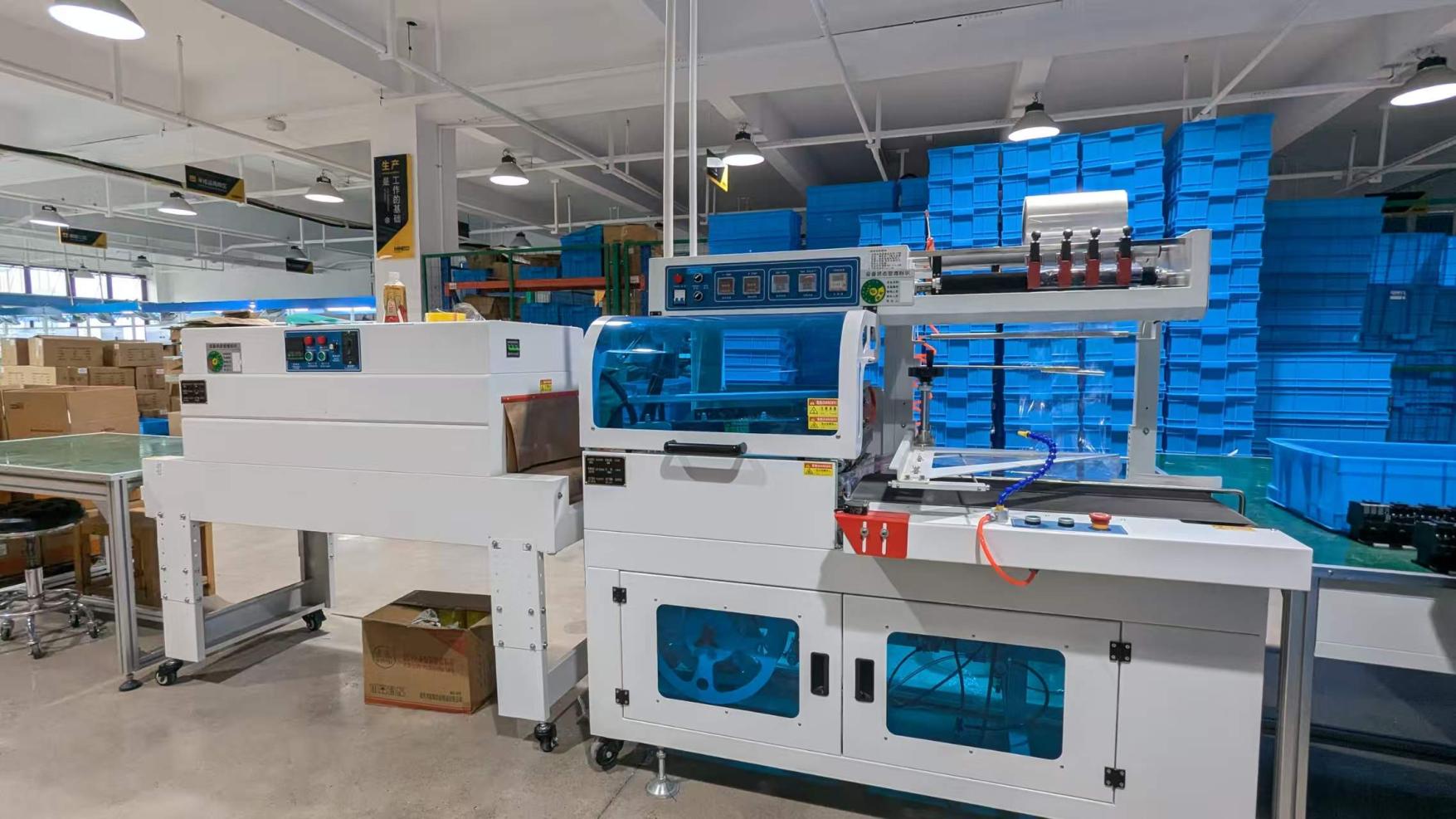
Find answers to common technical queries on sub-metering configurations, international approvals, and hardware integration.
The main billing meter is owned by the local utility provider and sits at the primary service entrance to calculate the total property billing. A check meter (or submeter) is installed downstream of the main meter by property owners or facility operators. Check meters allow tracking of individual panels, tenants, departments, or high-draw equipment to allocate utility costs and identify energy waste.
Class ratings define the maximum allowable error percentage under standard operating conditions. A Class 1.0 meter has a maximum error rate of ±1.0%. A Class 0.5S meter offers a tighter error margin of ±0.5%, especially at lighter load profiles. Class 0.5S is generally required for commercial tenant sub-billing and high-accuracy energy audits.
Unlike solid-core current transformers that require disconnected power cables, split-core CTs feature a split design. They can snap around existing live phase conductors without cutting copper wires, drastically reducing installation labor costs and preventing plant downtime.
The Measuring Instruments Directive (MID) is an EU framework. Any meter used to calculate billing for commercial or residential tenants must be MID certified. Non-certified meters can only be used for internal energy auditing, not for tenant invoicing.
Most check meters transmit data over serial RS485 or Ethernet lines. Using protocols like Modbus RTU, Modbus TCP, or BACnet, the BMS polls register values (like voltage, current, and kWh) in real-time, displaying the data on software dashboards.
Yes, we provide extensive OEM and ODM services. Our facility can customize terminal blocks, enclosure dimensions, brand labeling, custom current transformer calibration ratios, and pre-wired distribution assemblies to match project specifications.
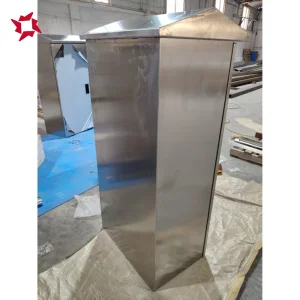
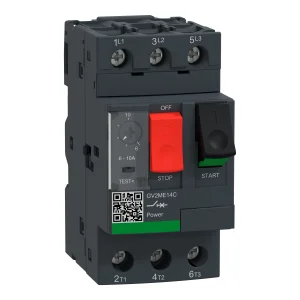
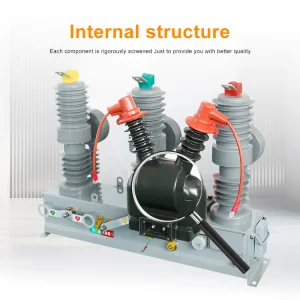
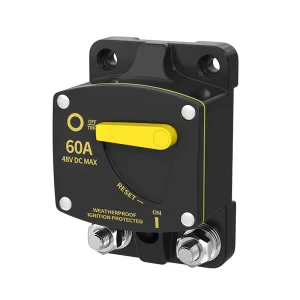
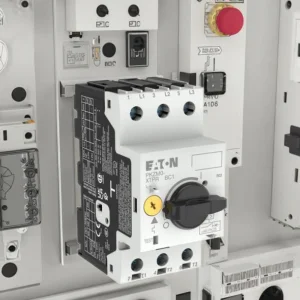
Browse our selection of low and medium voltage breakers, high-capacity switch isolators, and waterproof enclosures designed to shield your submetering devices.
Get in touch with our engineering team to request technical specs, check meter samples, or configure custom electrical distribution solutions.
Request a Custom Quote