Bowser Electric
Bowser Electric
Bowser Electric
Engineered for absolute accuracy, safety compliance, and maximum system integrity in industrial power grids.
In modern megawatt-scale industrial ecosystems, power generation facilities, and smart microgrids, electrical system failures are not merely operational inconveniences—they are critical liabilities. The stability of utility grids relies fundamentally on the health of physical electrical insulation. Over time, environmental stressors such as moisture ingress, thermal cycling, chemical contamination, and transient overvoltages cause progressive degradation of dielectric materials. Measuring this degradation accurately requires highly sophisticated testing apparatuses.
As a premier global player in this vertical, Wenzhou Bowser Electric Co., Ltd. is a leading force in the electrical industry renowned for innovation, reliability, and an unwavering commitment to excellence. As a specialized manufacturer and exporter, we focus on providing high-quality modular electric terminal devices, household electrical solutions, and industrial electrical components. By combining years of manufacturing expertise with state-of-the-art diagnostic algorithms, we ensure safety, efficiency, and continuous power distribution across global infrastructures.
Sourcing high-precision testing solutions from China requires deep knowledge of the underlying technical standards and factory compliance metrics. The contemporary sourcing manager must evaluate factories not just on unit pricing, but on their systematic R&D investments, precision calibrating technologies, quality control chains, and capabilities to deliver comprehensive OEM/ODM solutions tailored to diverse local regulatory standards.
Global enterprises demand multi-range test voltages (250V up to 10kV) alongside continuous measurement of Polarization Index (PI) and Dielectric Absorption Ratio (DAR) to identify complex capacitive and absorption current decay patterns.
Outdoor testing conditions demand instrumentation with robust ingress protection (IP65 rated housings), high noise immunity to electromagnetic interference in substations, and shockproof protective casing.
Procurement officers require verifiable proof of calibration, compliance with safety standards such as EN 61010-1 CAT IV 600V, CE certifications, and traceable manufacturing documentation.
Furthermore, integrating smart connectivity (Bluetooth, Wi-Fi, and dedicated analytical PC suites) is rapidly transitioning from a high-tier option to a core procurement requirement. Sourcing professionals must identify manufacturers who possess a strong development team capable of designing customized firmware and localized software UI to match distinct local operating procedures.
Insulation performance testing cannot be conducted in a vacuum; it acts as the primary defense system across major industrial power distribution lines, renewable energy grids, and large commercial facilities. Below is an overview of how these instruments integrate with diverse macro-level electrical infrastructure:
| Industrial Subsector | Core Application Scenario | Critical Test Metric Required | Associated Hardware Integration |
|---|---|---|---|
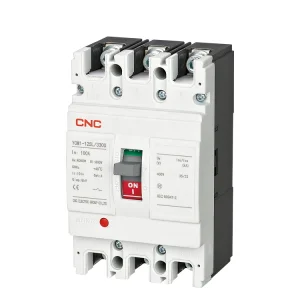
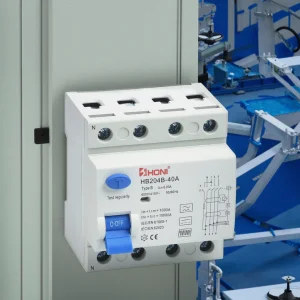
| Solar Photovoltaic Grids | Insulation assessment of DC cabling, combiner boxes, and inverter modules. | Leakage Current at 1000V DC / Riso limits | Type B RCCB, Copper Circuit Breakers |
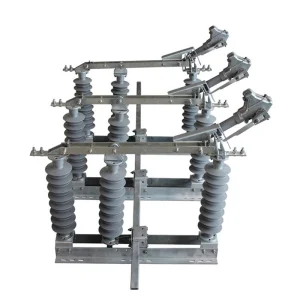
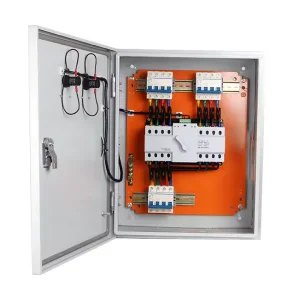
| Smart Power Transmission | Preventative diagnostic of switchgear cabinets and high-voltage isolator systems. | Polarization Index (PI) / Dielectric Absorption Ratio (DAR) | ATS Panels, 38kv Polymer Isolator Switches |
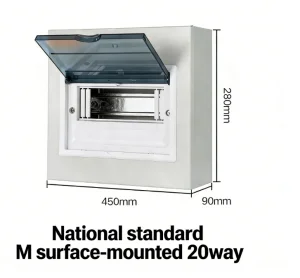
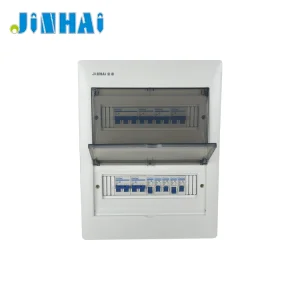
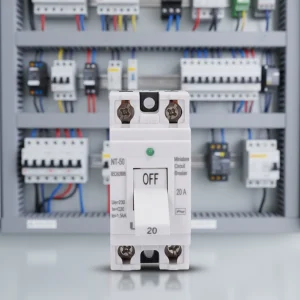
| Commercial Energy Units | Periodic safety testing of consumer units, distribution panels, and busbars. | Riso up to 500 Megaohms at 500V test voltage | Modular DB Boxes, Miniature Circuit Breakers (MCB) |
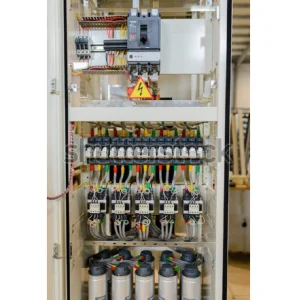
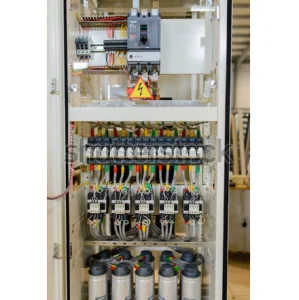
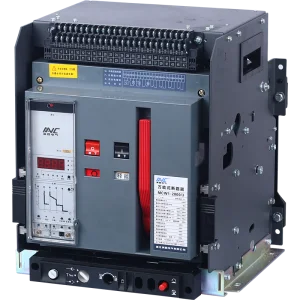
| Industrial Heavy Machinery | Assessing the winding health of high-capacity motors and power factor correction units. | Step Voltage (SV) and Ramp Testing | Reactive Power Compensation Boards, 1000A ACB |
For instance, in utility-scale solar generation, the presence of parasitic capacitance in large PV arrays presents unique challenges for insulation resistance testing. Standard testers might deliver inaccurate readings due to high charging currents. Experienced manufacturers address this by integrating dedicated filtering modules and high-current short-circuit outputs (up to 5mA) to rapidly charge capacitive loads, ensuring stable, reproducible diagnostic outputs under demanding operational circumstances.
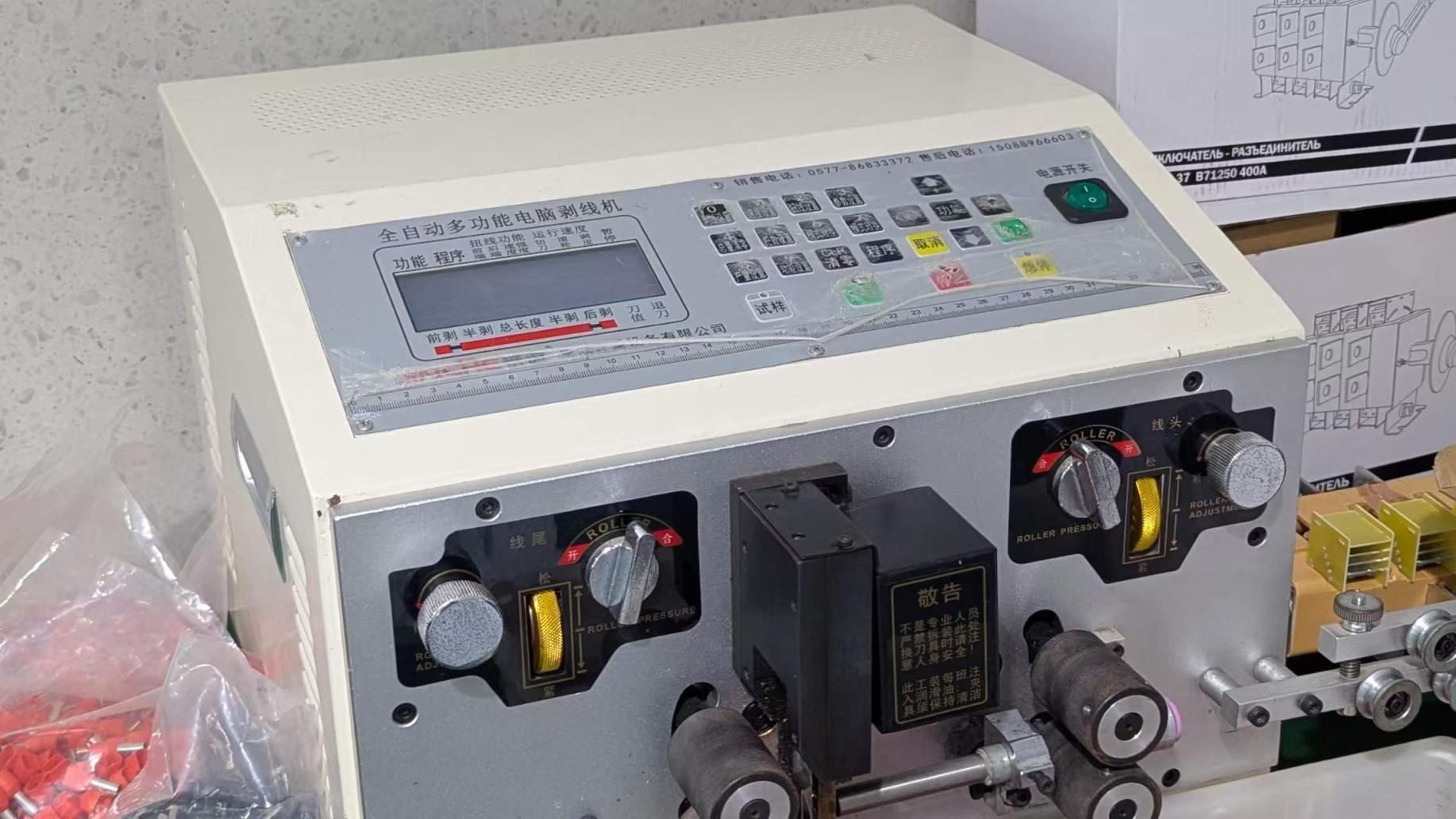
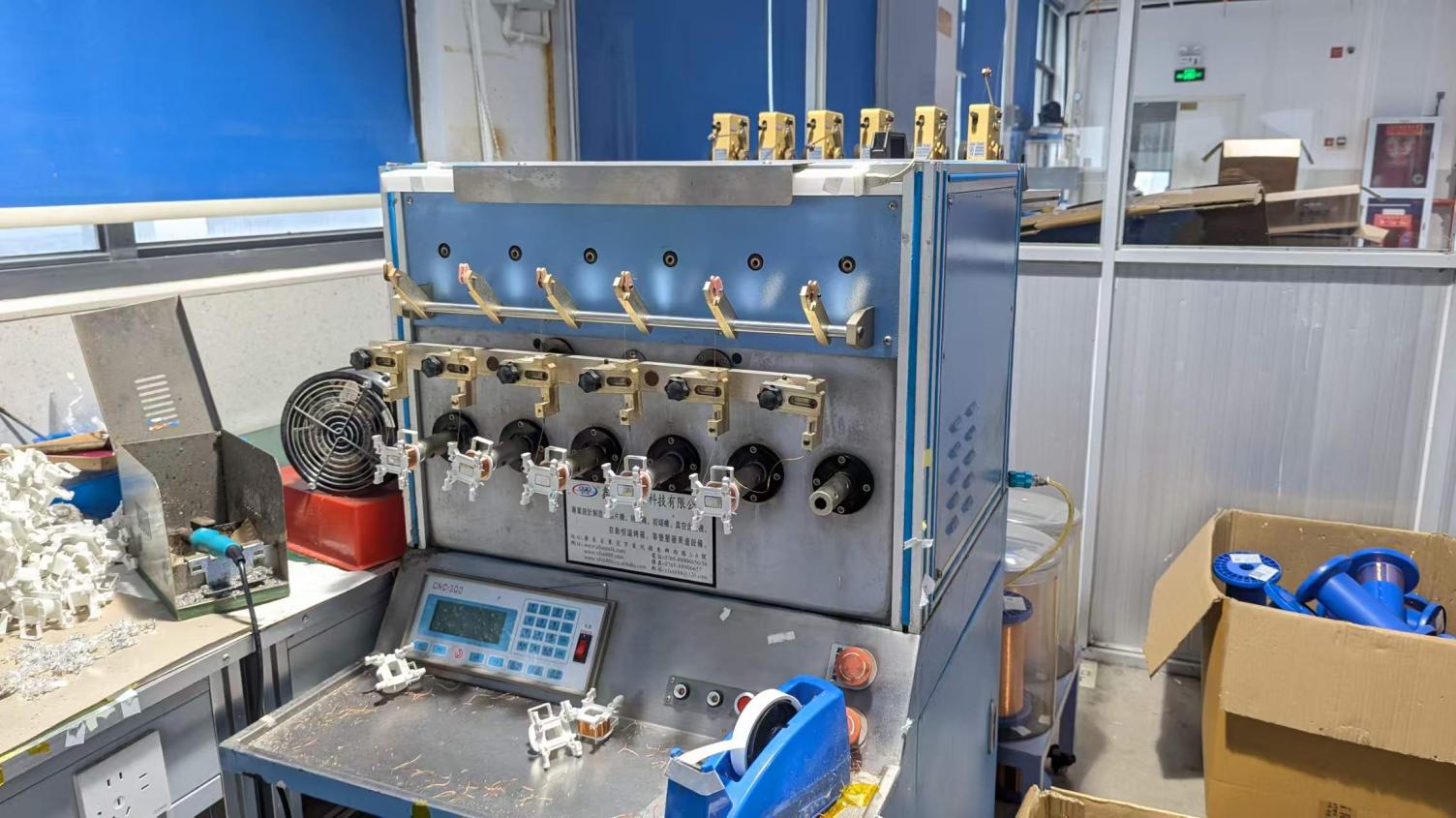
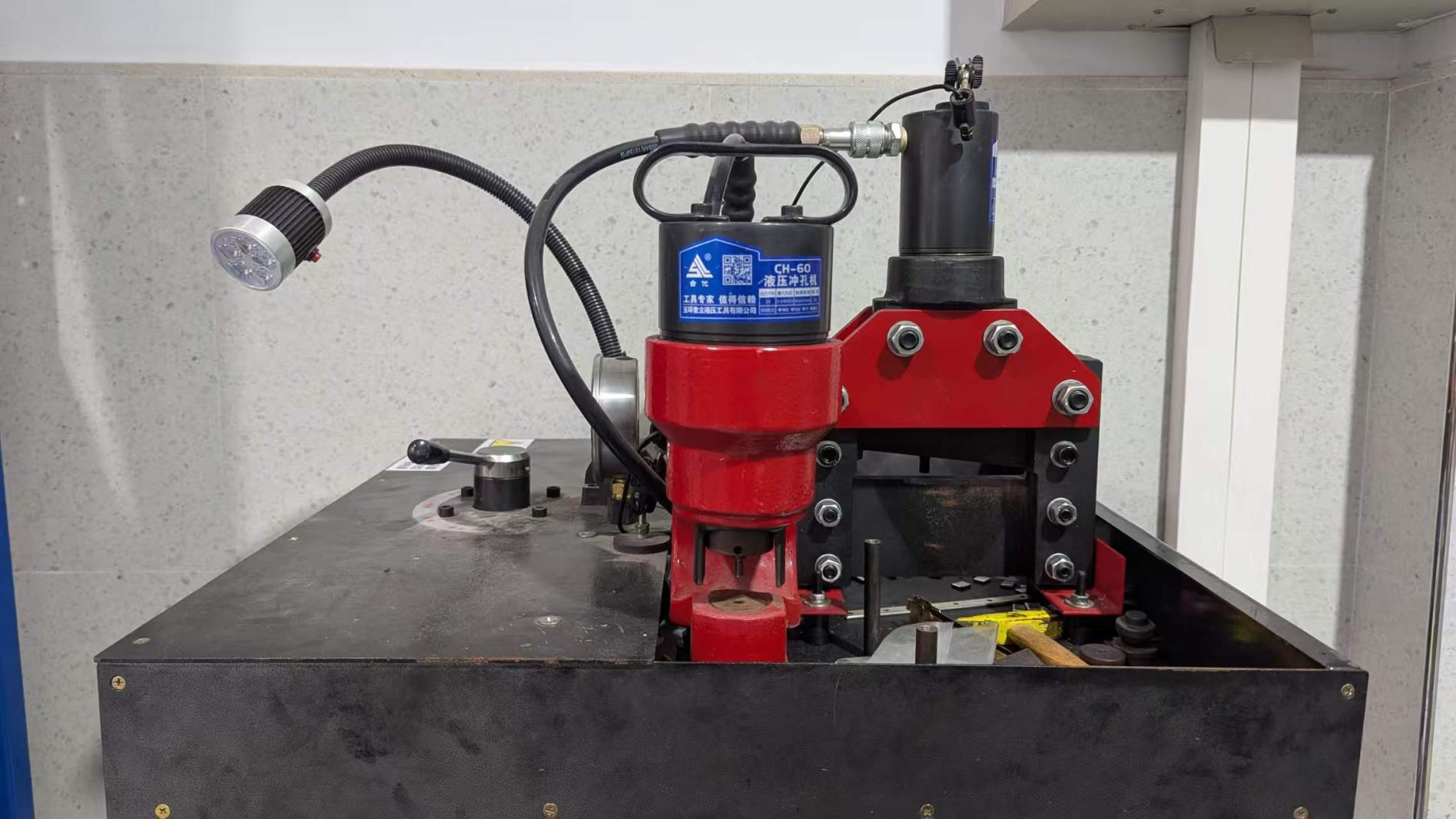
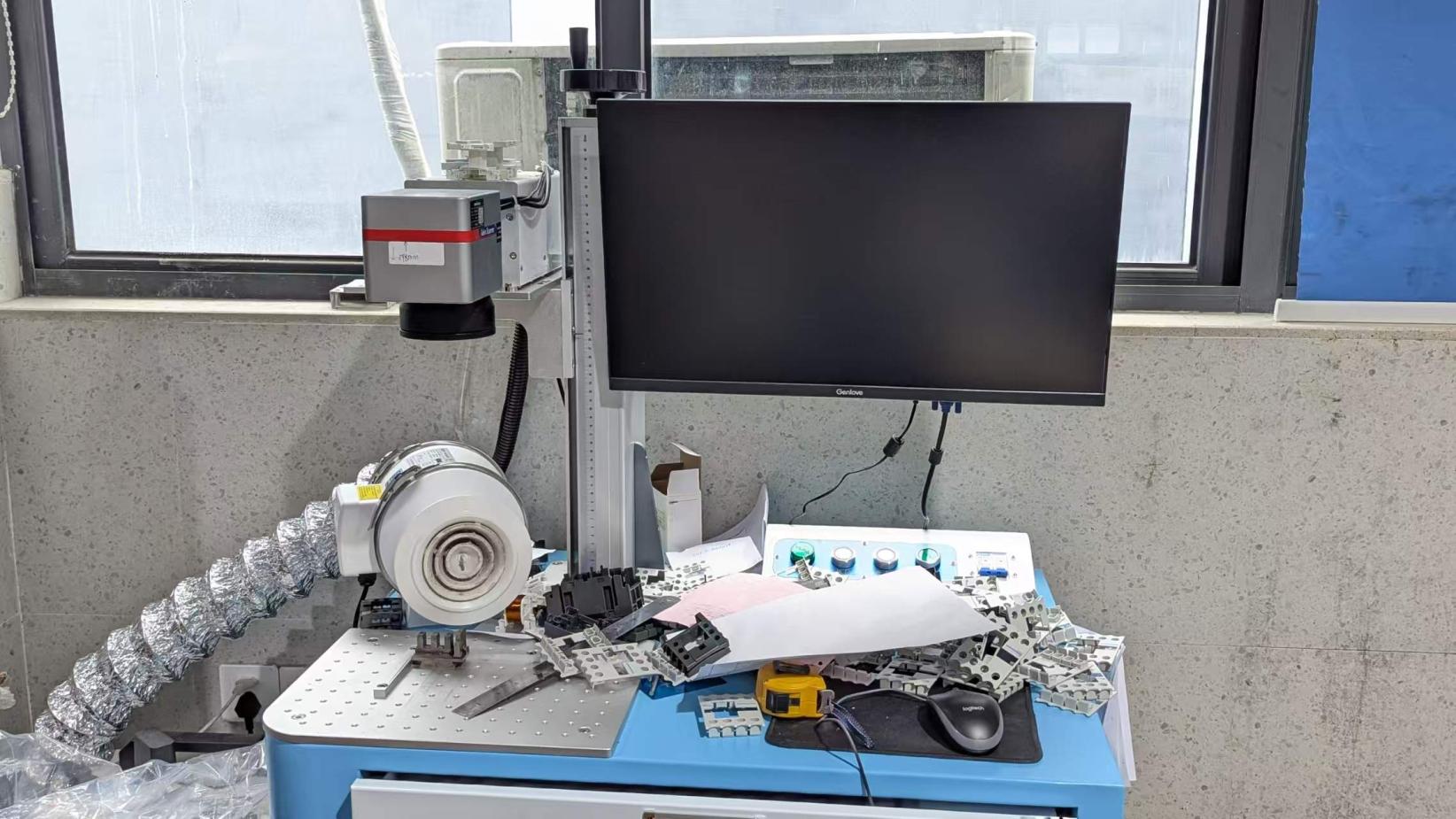
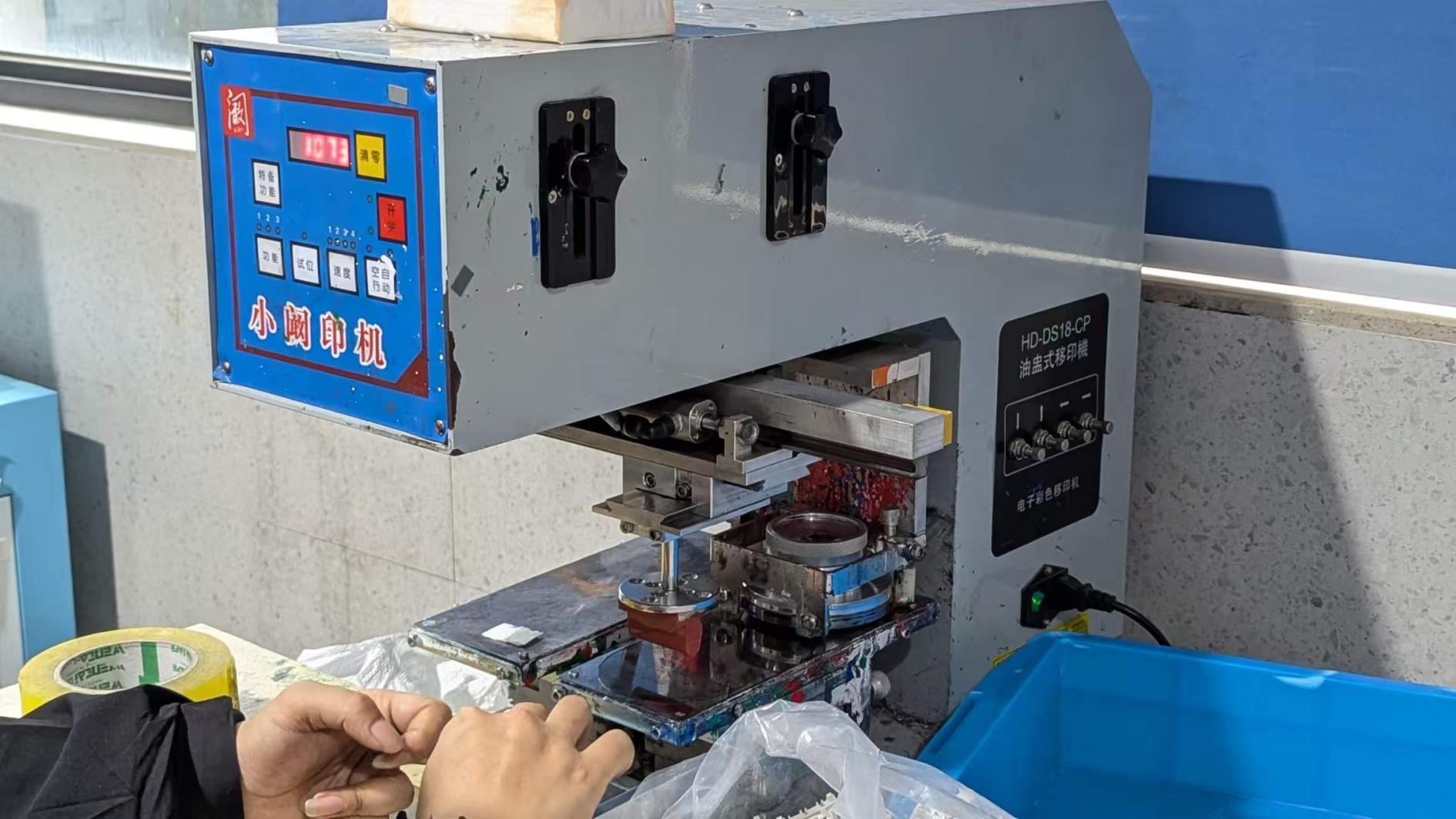
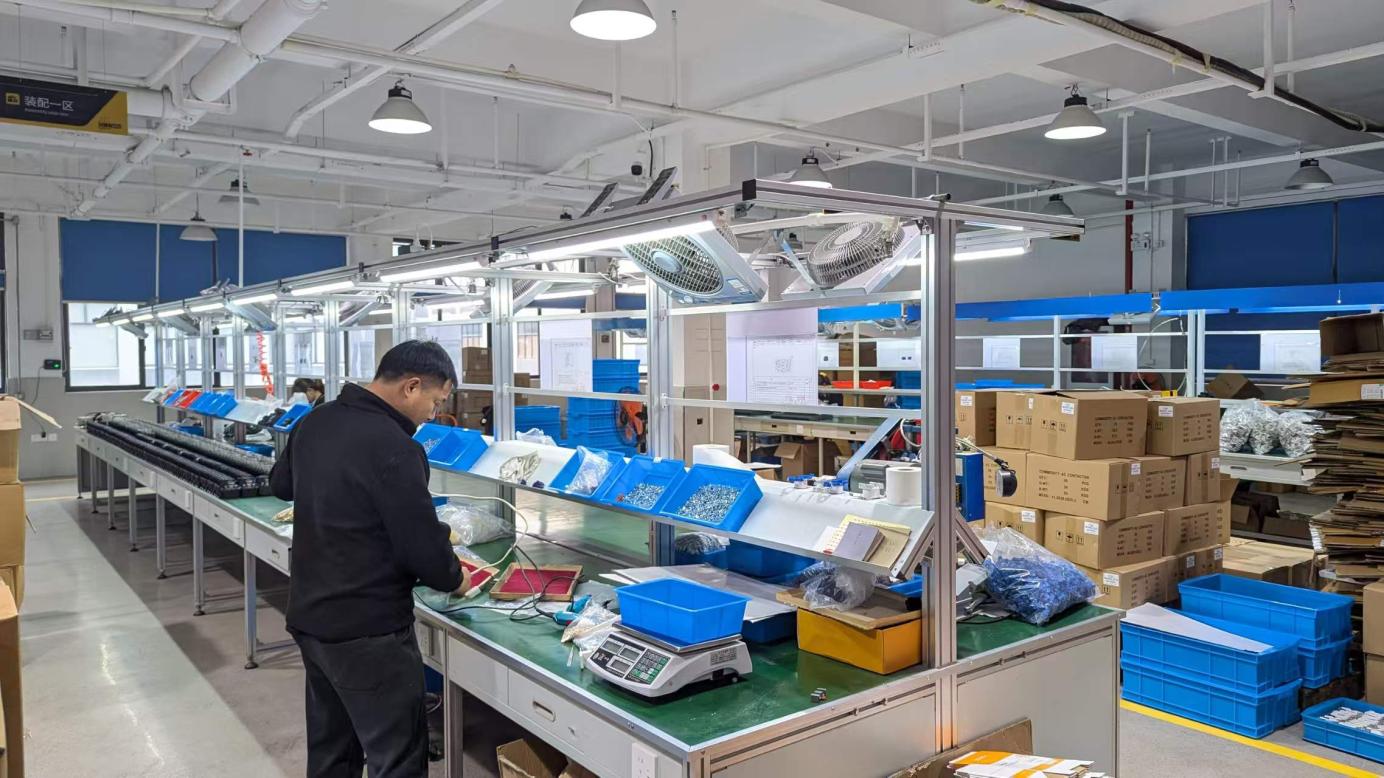
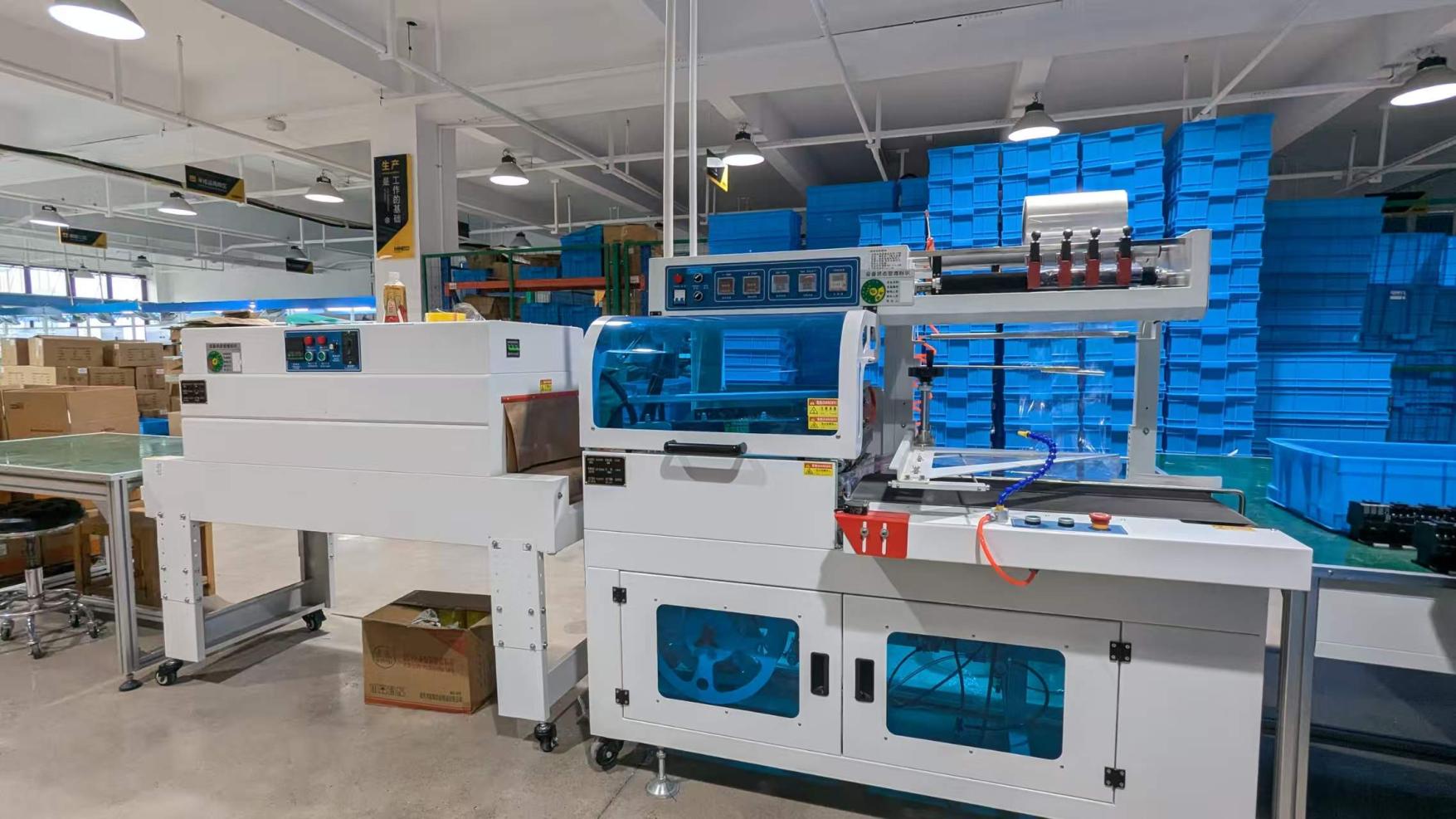
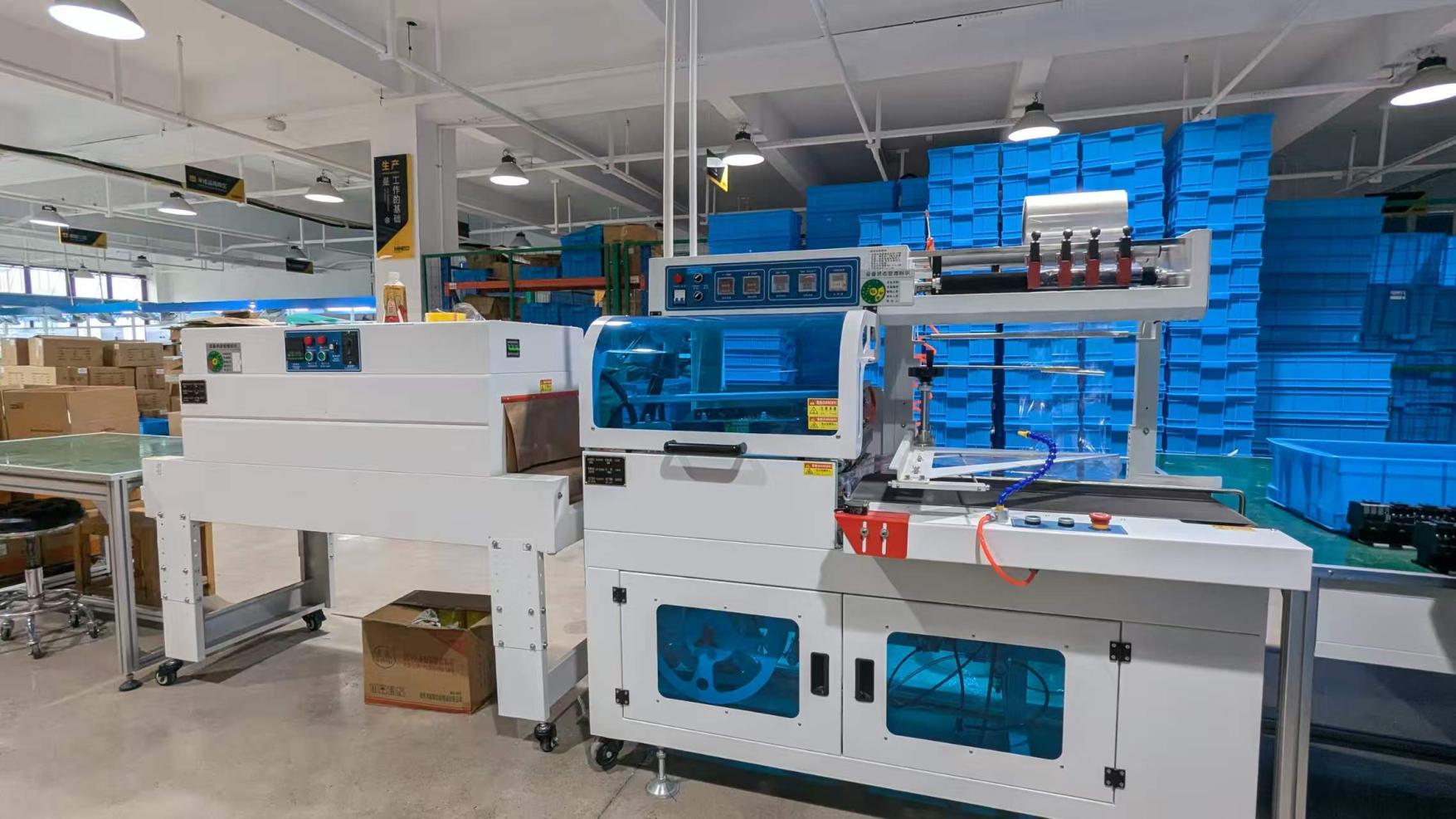
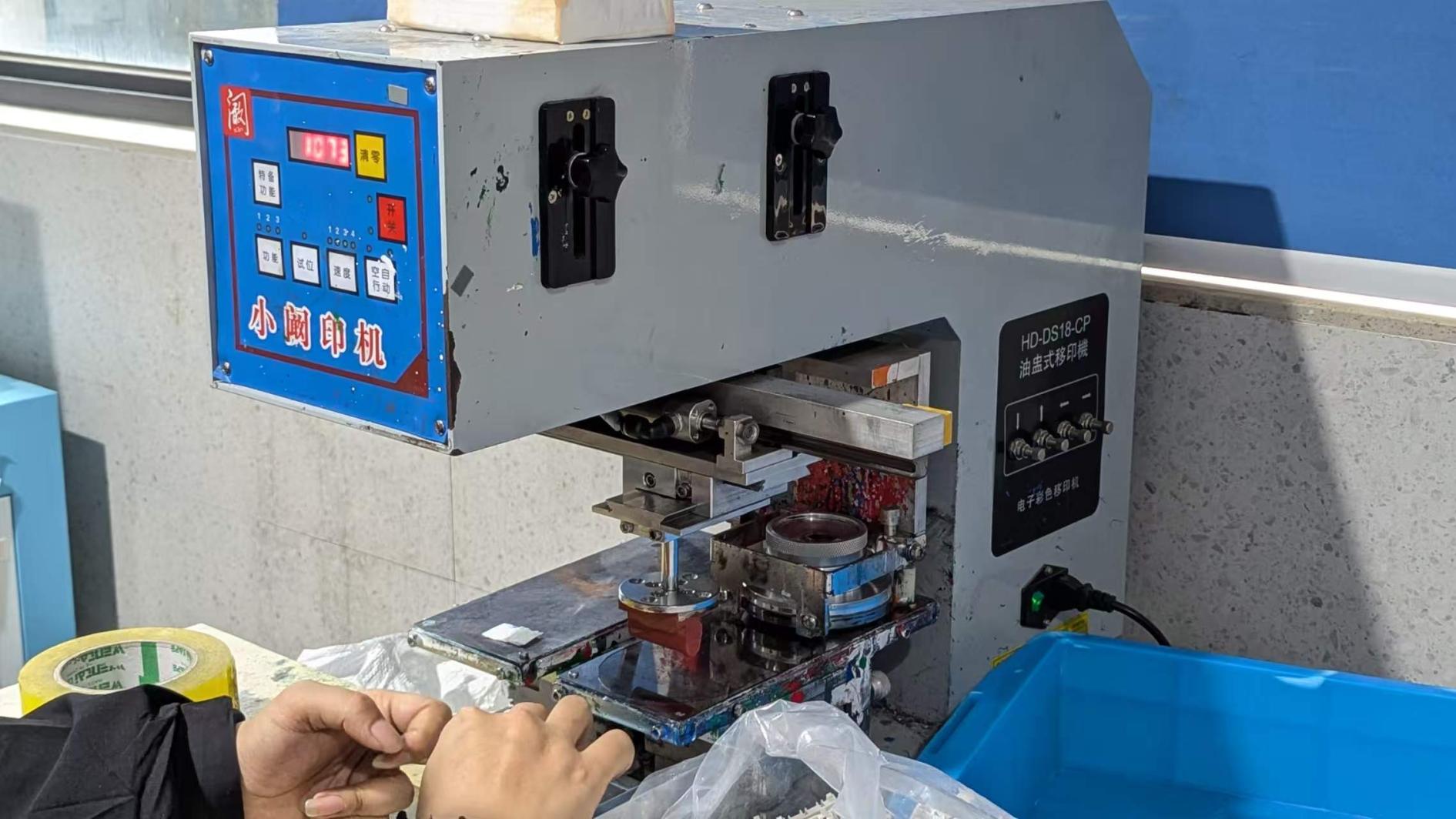
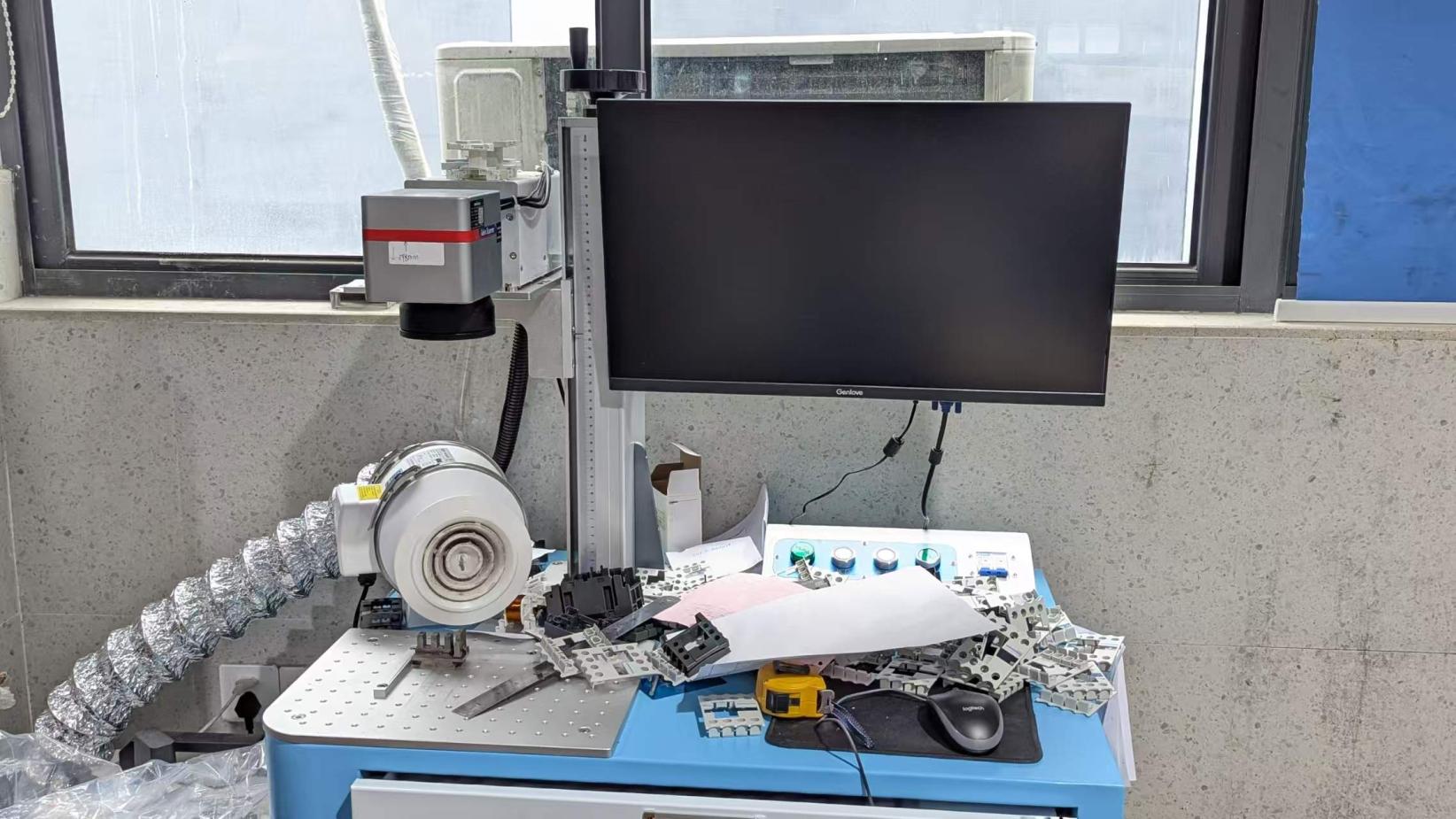
At Wenzhou Bowser Electric Co., Ltd., quality and safety are the absolute cornerstones of our operations. With a 99.9% defect-free rate, every single component and system undergoes rigorous testing, from raw material inspection to final functional verification. Our facilities are fully certified under ISO 9001, CE, and other international safety standards, ensuring compliance and reliability in every market we serve.
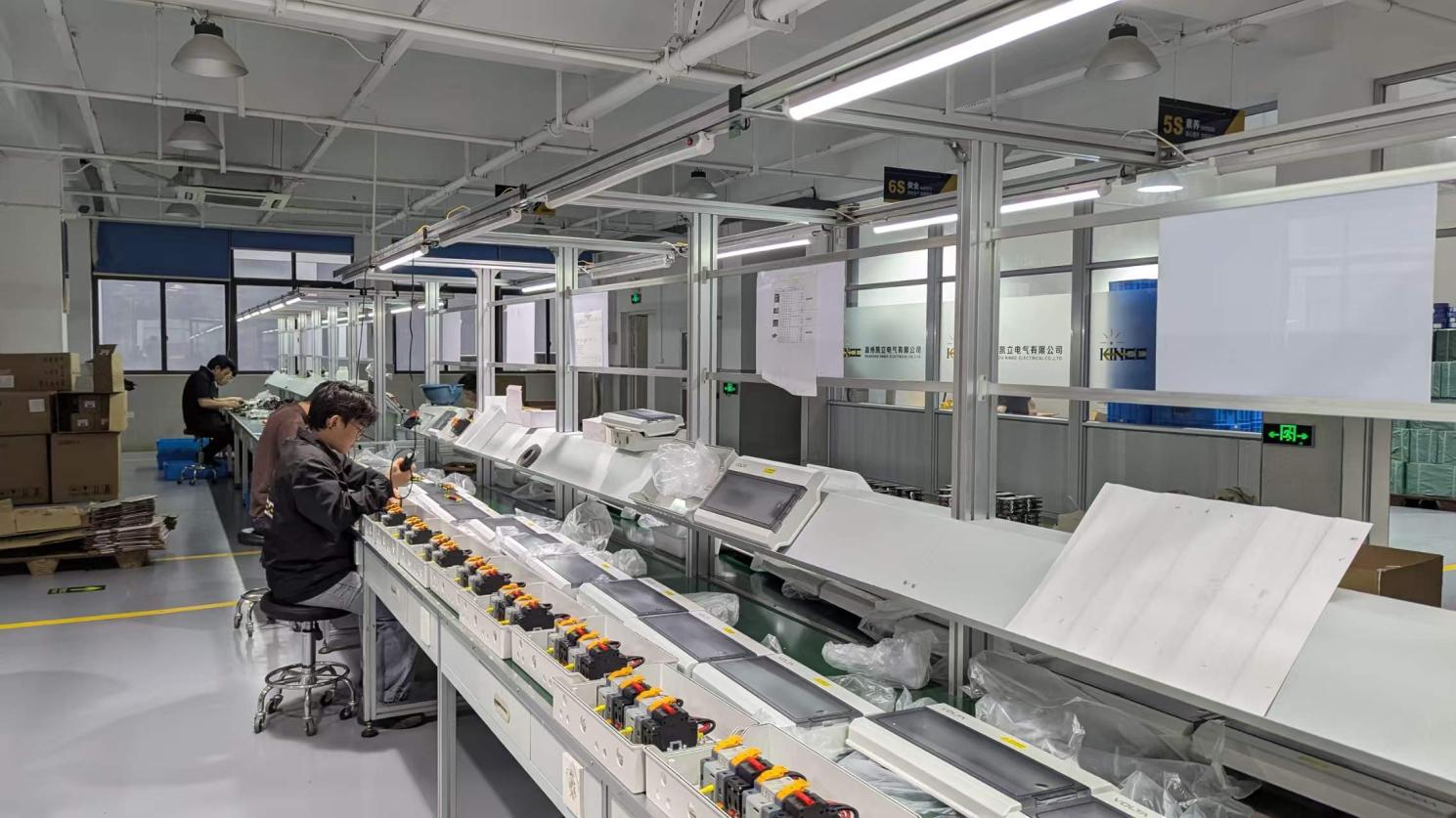
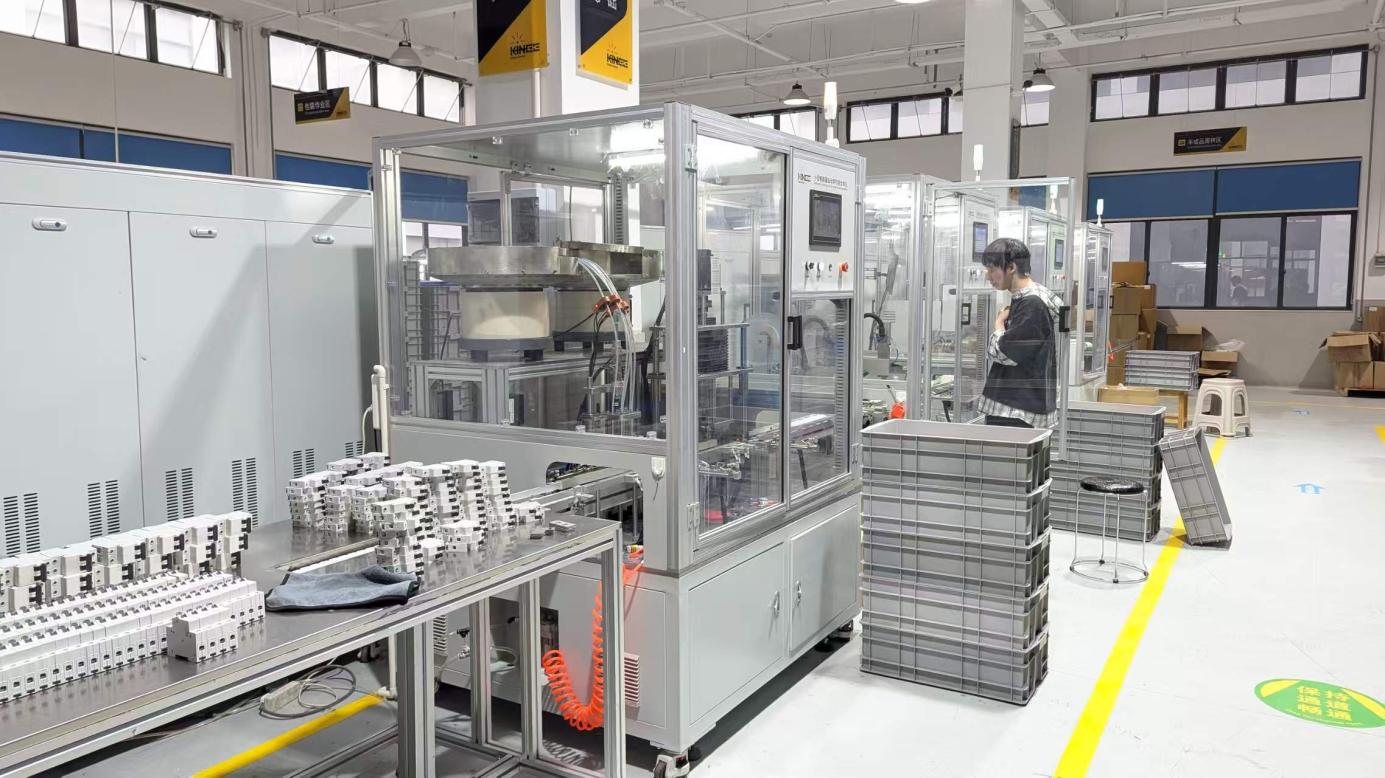
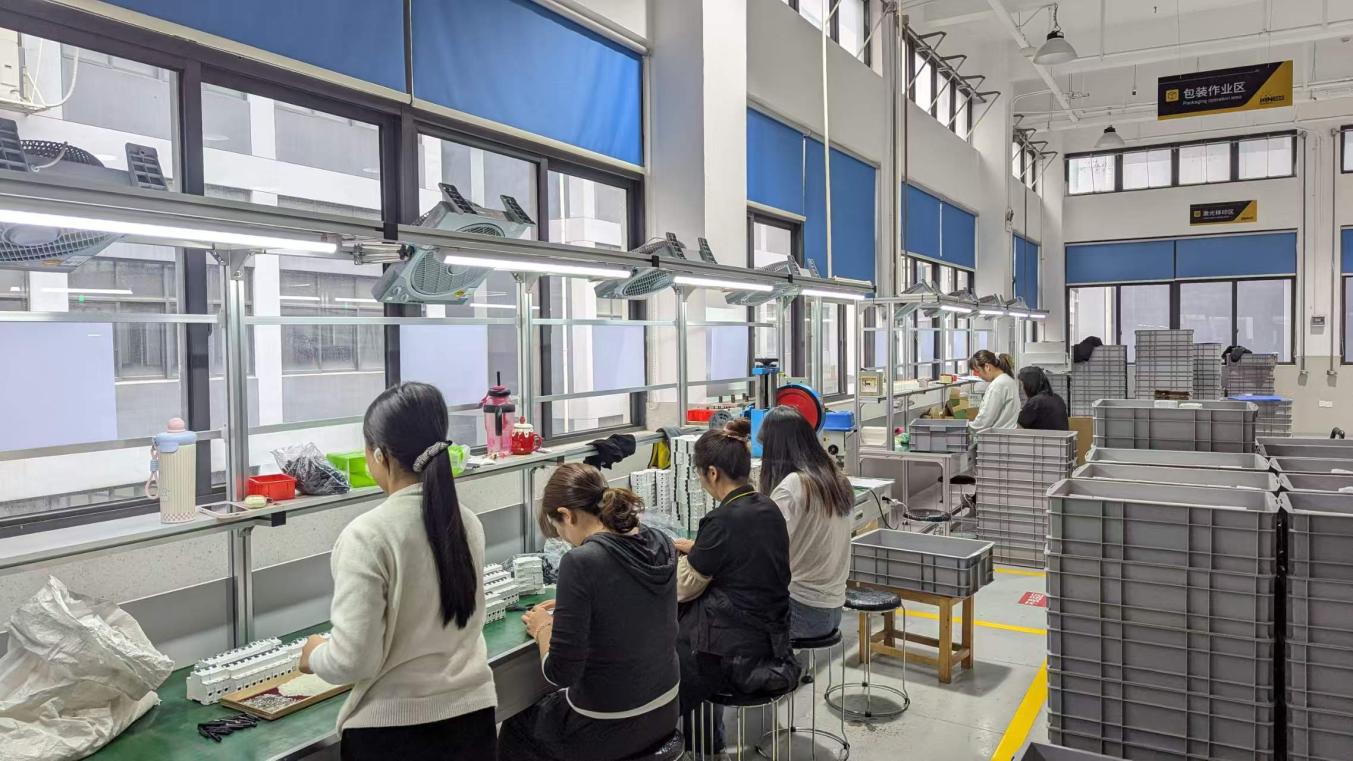
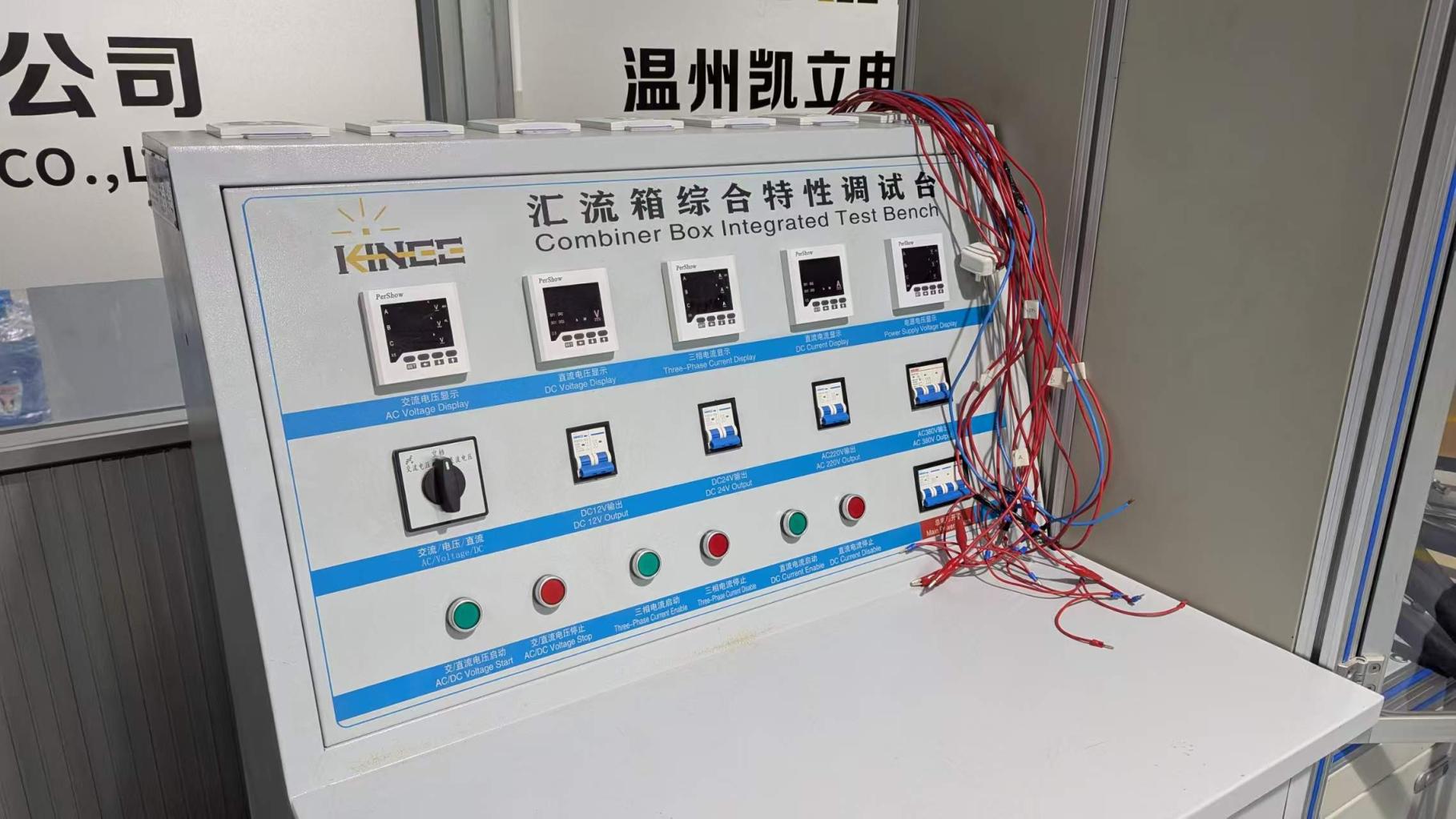
The insulation resistance testing sector is moving away from passive, point-in-time hand measurements and toward active, continuous, and predictive intelligence. Future-focused organizations are investing in R&D pipelines to integrate IoT connectivity and machine learning algorithms directly into measurement systems.
By analyzing real-time variations in polarization index readings, localized edge chips can predict dielectric breakdown weeks before a flashover occurs, allowing scheduled asset replacement instead of emergency shutdowns.
Next-generation hardware features embedded micro-sensors designed to reside permanently inside terminal switchgear panels, reporting real-time ambient relative humidity and resistance metrics to control centers.
In line with international decarbonization regulations, production relies heavily on halogen-free recyclable plastics, energy-efficient manufacturing cycles, and minimized carbon footprints in distribution logistics.
A manufacturer's capacity is defined not only by factory throughput, but by their post-sale support structure. Bowser Electric supports global operators with custom software localizations, on-site/remote technician training modules, and extensive coverage. We back our products with a 5-year warranty, reflecting our absolute confidence in quality and our commitment to long-term client success.
Every testing instrument and distribution device we manufacture meets the highest levels of global standard compliance, as mapped out below:
| Compliance Standard | Geographical Applicability | Significance for Grid Operators | Bowser Product Alignment |
|---|---|---|---|
| IEC/EN 61010-1 | International / Europe | Defines absolute safety limits for electrical measuring, control, and laboratory equipment. | Fully compliant on all testing circuits. |
| CE Certification | European Economic Area | Verifies compliance with health, safety, and environmental protection standards. | Standardized across 1,200+ product catalog items. |
| RoHS / REACH | Global/European Markets | Restricts hazardous substances in electronic assembly, ensuring non-toxic components. | 100% compliant materials used in all production lines. |
| ISO 9001:2015 | Global Standard | Ensures continuous quality management, process repeatability, and product traceability. | Implemented across all 14 assembly and testing stages. |
Discover high-capacity air circuit breakers, automatic switches, and smart reactive power controllers.
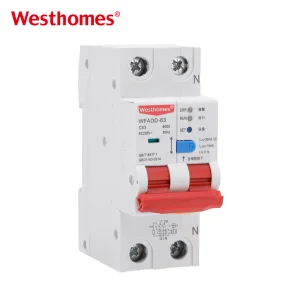
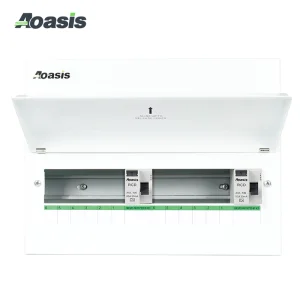
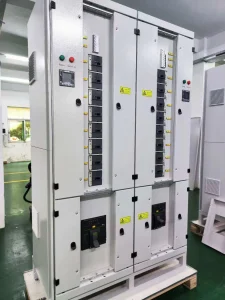
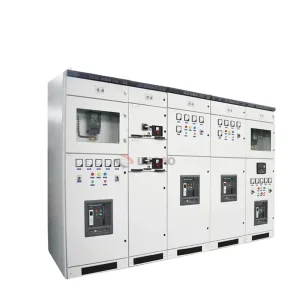
Contact Us Today to discover how we can power your systems with safe, reliable, and innovative electrical solutions. Get custom OEM/ODM designs, technical spec calibration documents, and bulk pricing options.
Contact Our Engineering Team