Bowser Electric
Bowser Electric
Bowser Electric
High-reliability switchgear, automatic transfer devices, and modern modular circuit protection products manufactured to strict IEC standards.
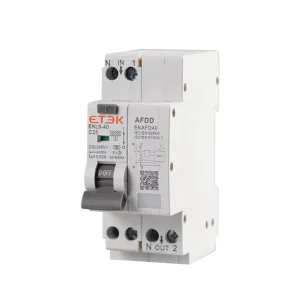
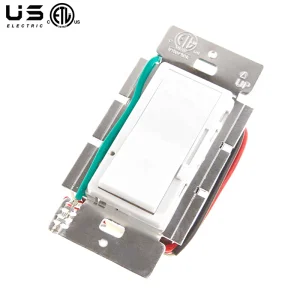
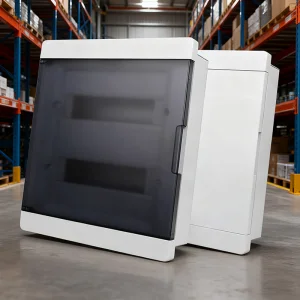
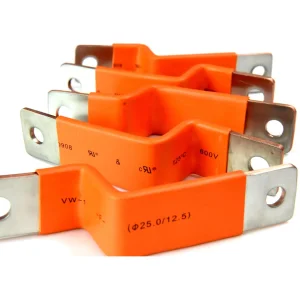
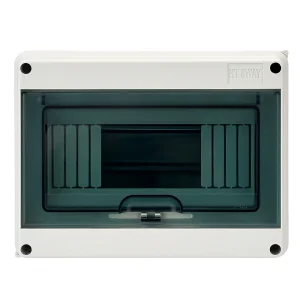
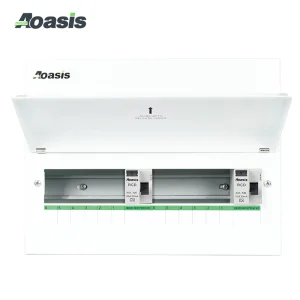
Empowering the Future of Global Electrical Infrastructures with Certified, High-Performance Control Technology
Welcome to Wenzhou Bowser Electric Co., Ltd., a leading force in the electrical industry renowned for innovation, reliability, and an unwavering commitment to excellence. As a specialized manufacturer and exporter, we focus on providing high-quality modular electric terminal devices, household electrical solutions, and industrial electrical components. With a strong emphasis on technology, safety, and customer satisfaction, Bowser Electric has established itself as a trusted partner for clients around the world.
Our expansive production ecosystem integrates cutting-edge technology and rigorous quality management mechanisms. By leveraging our deep manufacturing knowledge and robust international certifications, we consistently provide global EPC contractors, grid operators, and electrical distributors with performance-critical tripping relays and modular switchgear. Our production lines operate under strict lean principles, allowing us to maintain competitive lead times without sacrificing safety or performance.
An Industry White Paper on Technical Architecture, Manufacturing Excellence, and Global Sourcing Standards
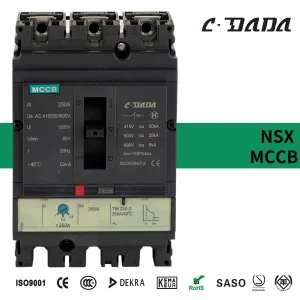
In modern industrial electrical distribution, the tripping relay (often integrated within trip coils, shunt trips, or undervoltage release systems) functions as the definitive logical bridge between sensing intelligence and physical isolation. When fault currents, overloads, phase imbalances, or arc incidents are detected by protective relays or smart sensing devices, the tripping relay processes these warning inputs to actuate the mechanical latch of molded case circuit breakers (MCCBs), air circuit breakers (ACBs), or miniature circuit breakers (MCBs). This actuation must happen within milliseconds to prevent cataclysmic thermal damage or arc flashes.
Traditional thermal-magnetic trip units are rapidly being replaced by electronic trip components that feature high-grade auxiliary tripping relays. These state-of-the-art units support remote shutdown, smart grid communication protocols, and real-time self-monitoring. For procurement managers, choosing a supplier with deep expertise in electromagnetic compatibility (EMC) and high dielectric strength is paramount to ensuring safe grid operations.
Sourcing electrical components from China—specifically from the Wenzhou electrical cluster—offers unmatched strategic advantages for global buyers. Wenzhou Bowser Electric Co., Ltd. utilizes this regional synergy to deliver premium products at scale.
From high-grade pure copper wire draw facilities to precision polymer injection molding plants, all raw material suppliers are situated in close proximity, minimizing logistical delays and ensuring component consistency.
Our manufacturing capacity easily scales from low-volume custom prototypes for specialized rail transit systems to large-scale mass production for national grid modernization projects.
Our products undergo rigorous testing, ensuring they conform to IEC, CE, CB, and UKCA standards. This compliance ensures seamless integration into international target markets.
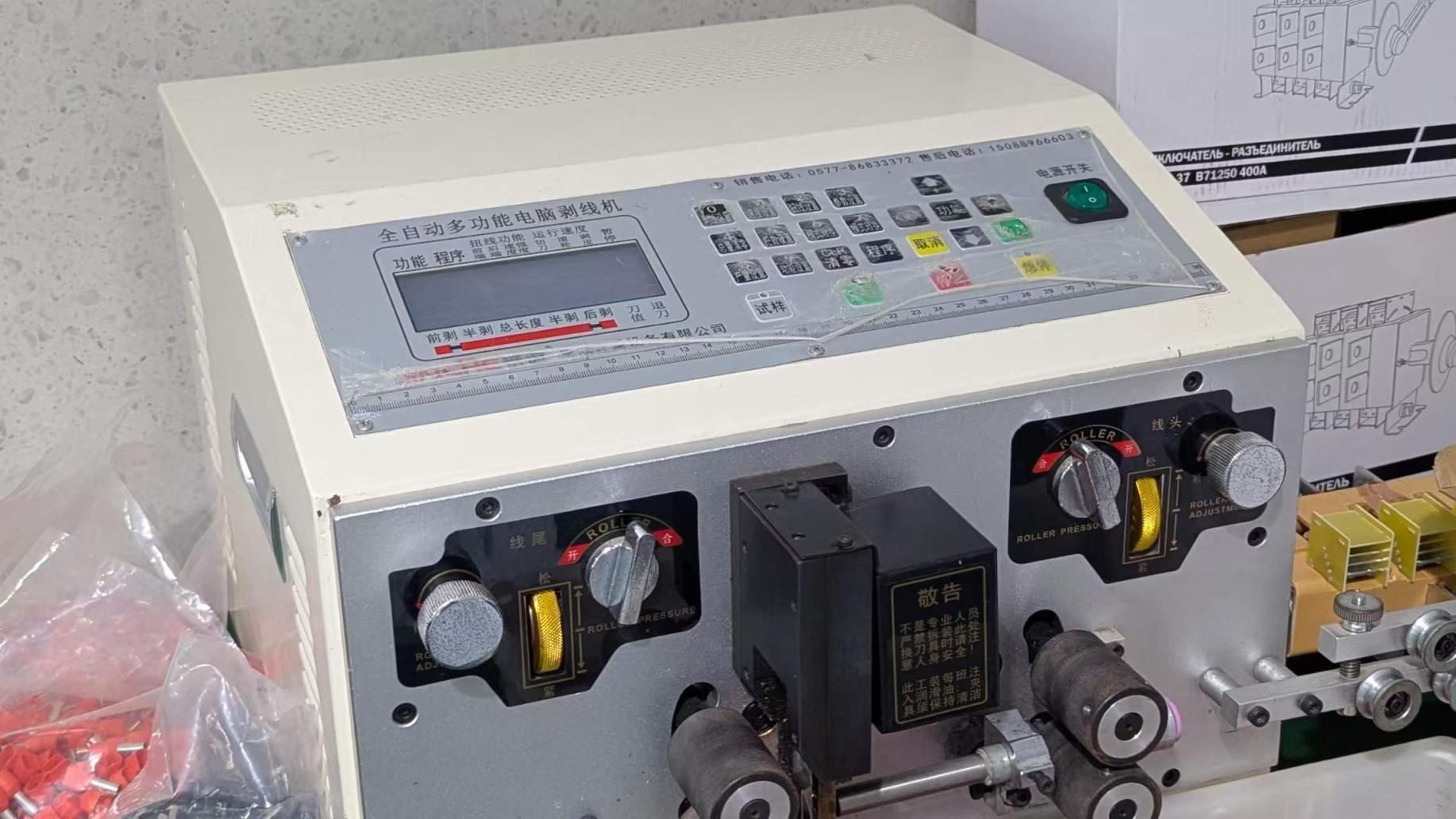
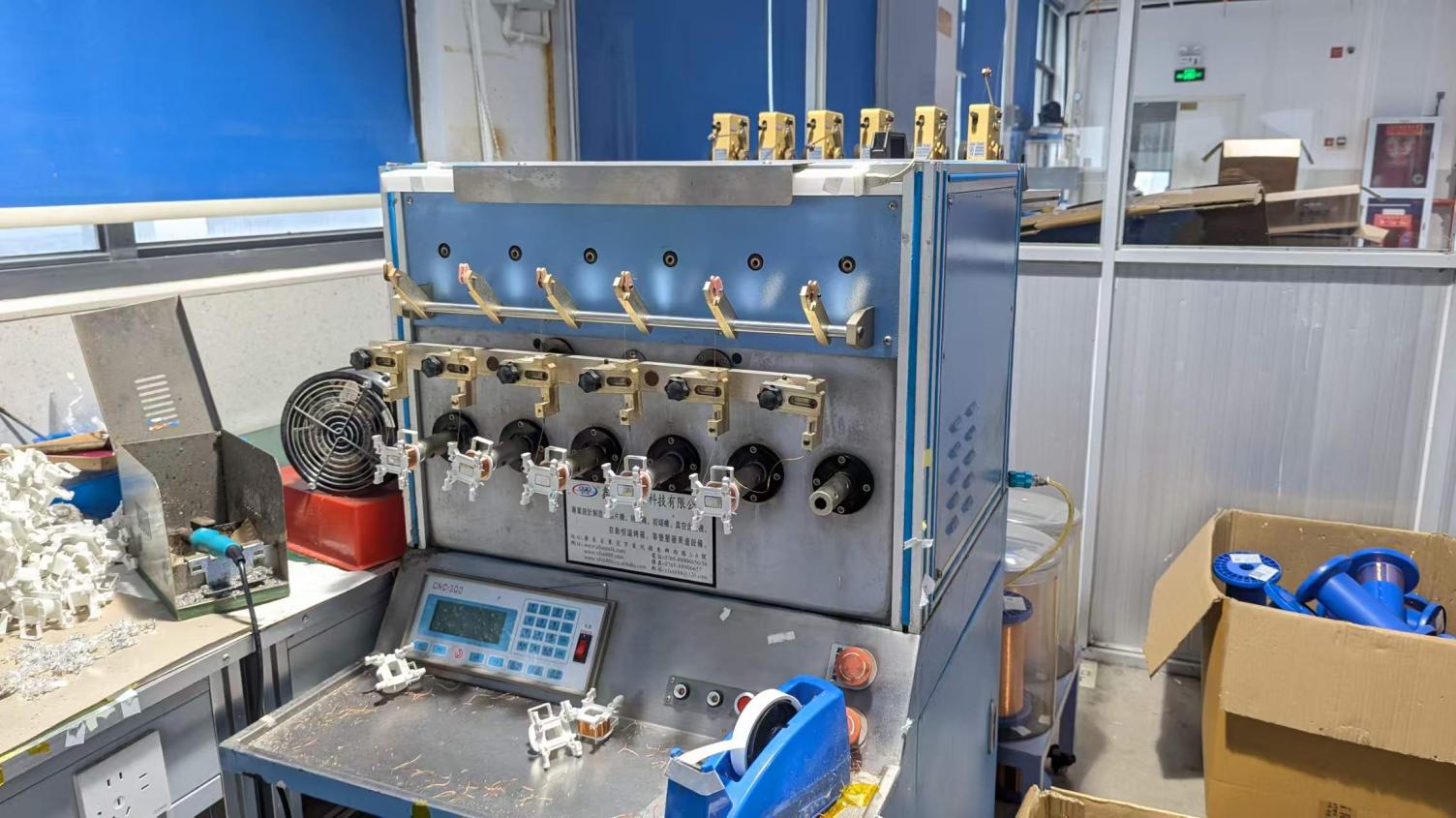
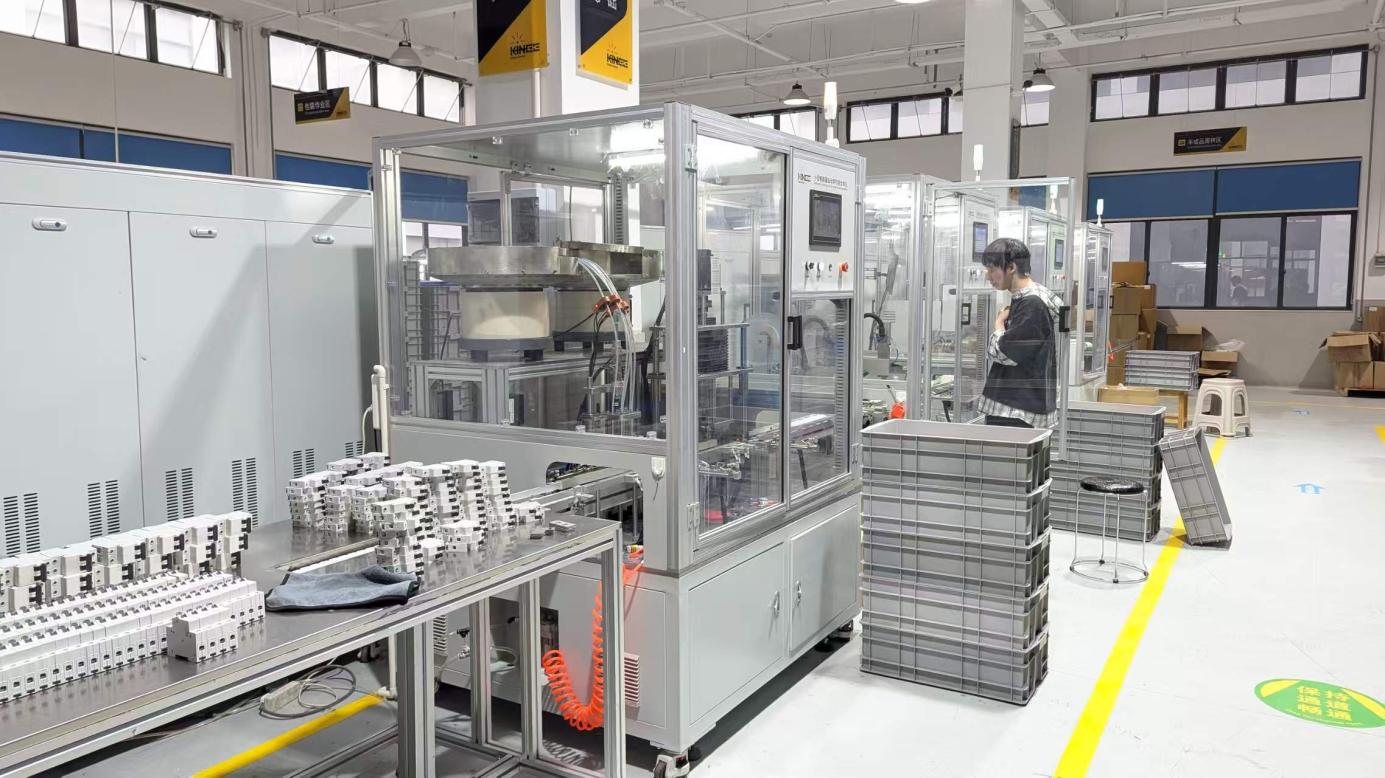
Automation in winding, riveting, and testing minimizes manual labor costs, allowing us to pass significant savings onto our OEM and ODM partners.
The global electrical market is transitioning toward smart, decentralized, and environmentally sustainable architectures. These macro trends directly influence the design and functional requirements of tripping relays:
Tripping relays and modular switchgear are critical across a variety of localized and demanding environments:
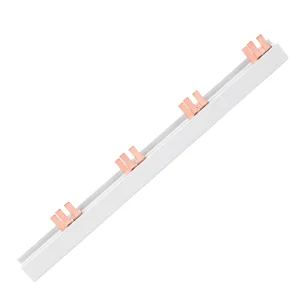
Rail Transit Systems & Automation: Subway trains, high-speed rail systems, and automated transit lines experience constant vibration, mechanical shock, and temperature fluctuations. In these settings, custom stacked copper busbars and vibration-resistant auxiliary tripping relays are essential to maintain control-circuit integrity.
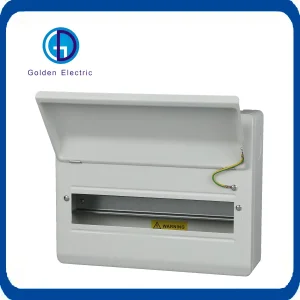
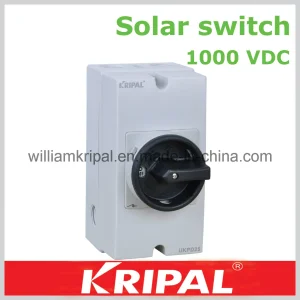
Solar PV & Energy Storage Systems (BESS): Outdoor solar installations are subjected to extreme weather. IP66 waterproof distribution boxes, solar isolators, and surge protection devices (SPDs) protect inverters and battery banks from lightning strikes and transient overvoltages.
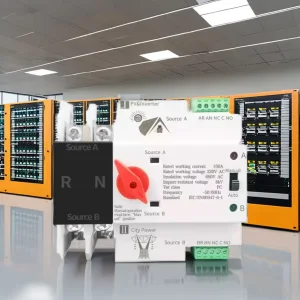
Heavy Industry & Backup Power Distribution: Steel mills, chemical plants, and data centers depend on continuous power. In these facilities, PC Class Dual Power Automatic Transfer Switches (ATS) dynamically switch between primary and backup power lines during grid failures, relying on rapid tripping relays to execute changeovers smoothly.
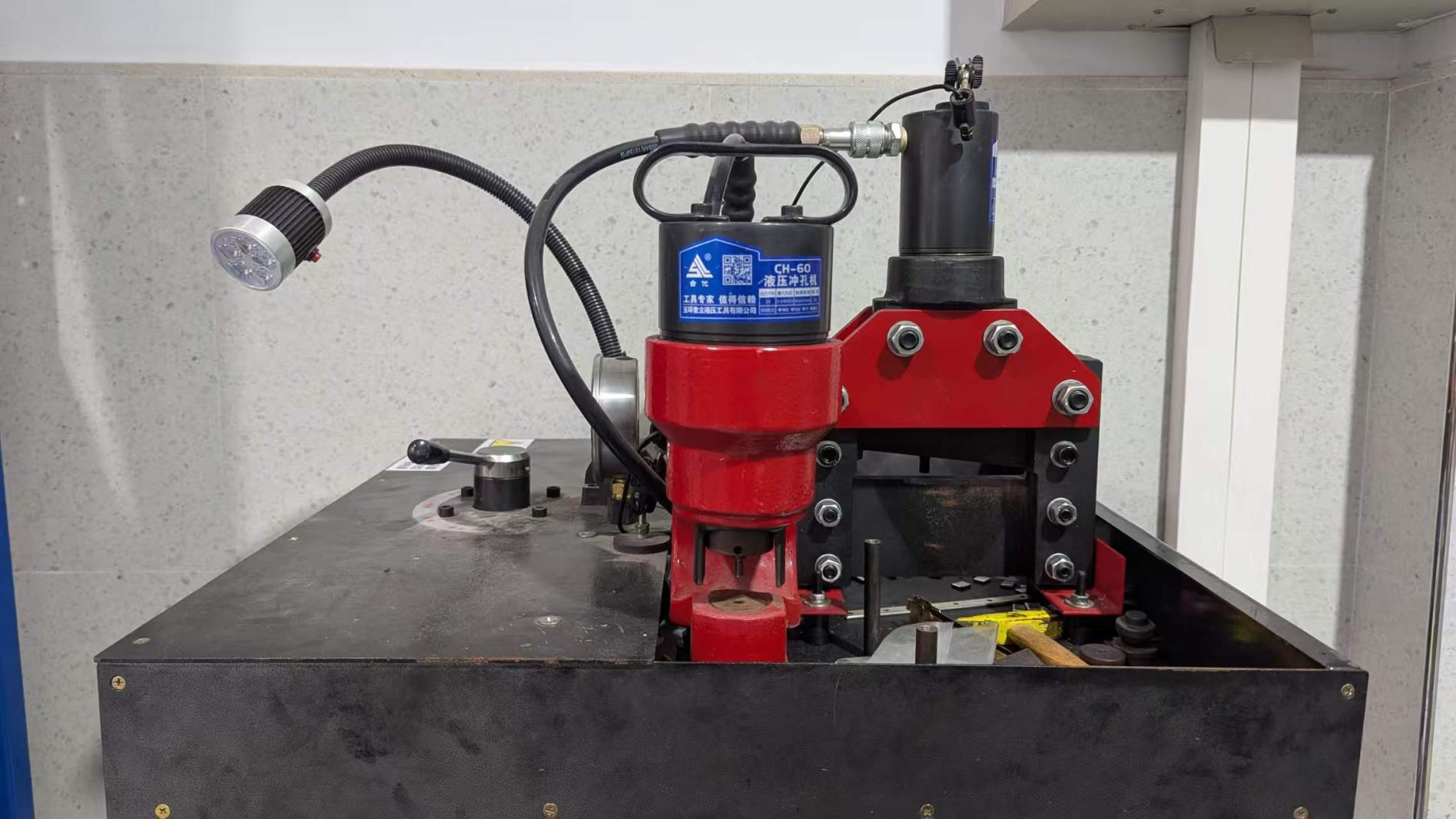
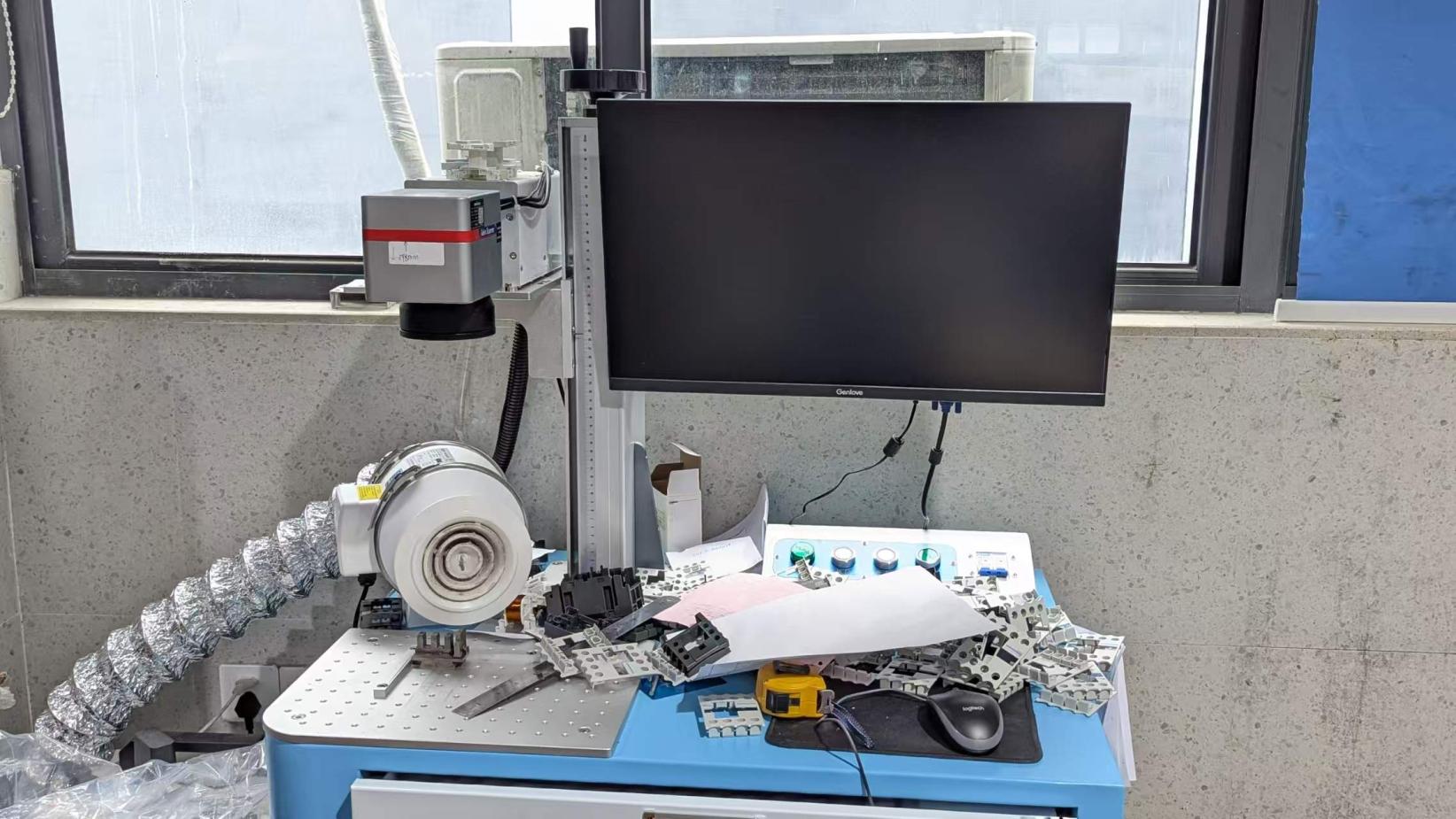
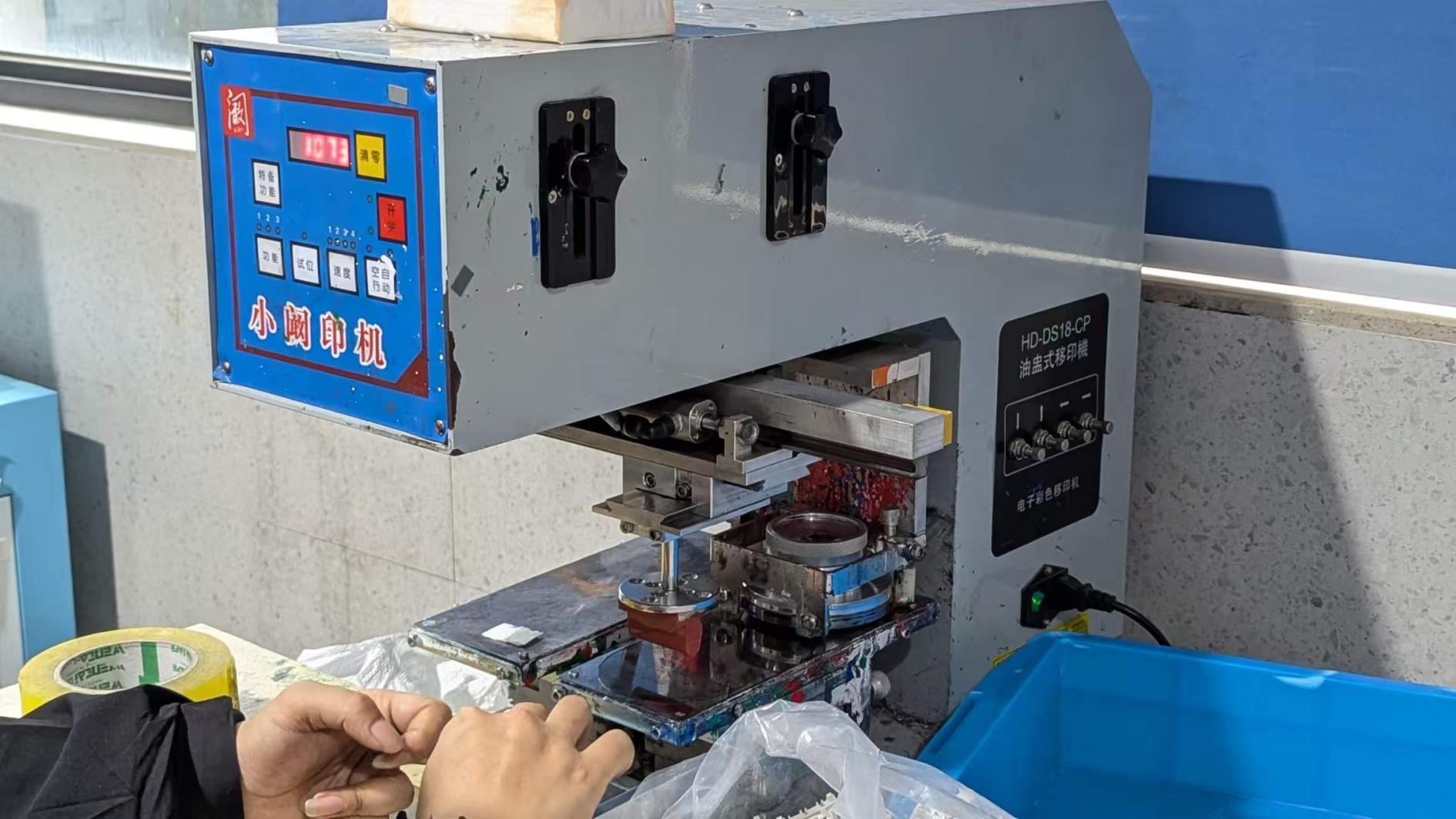
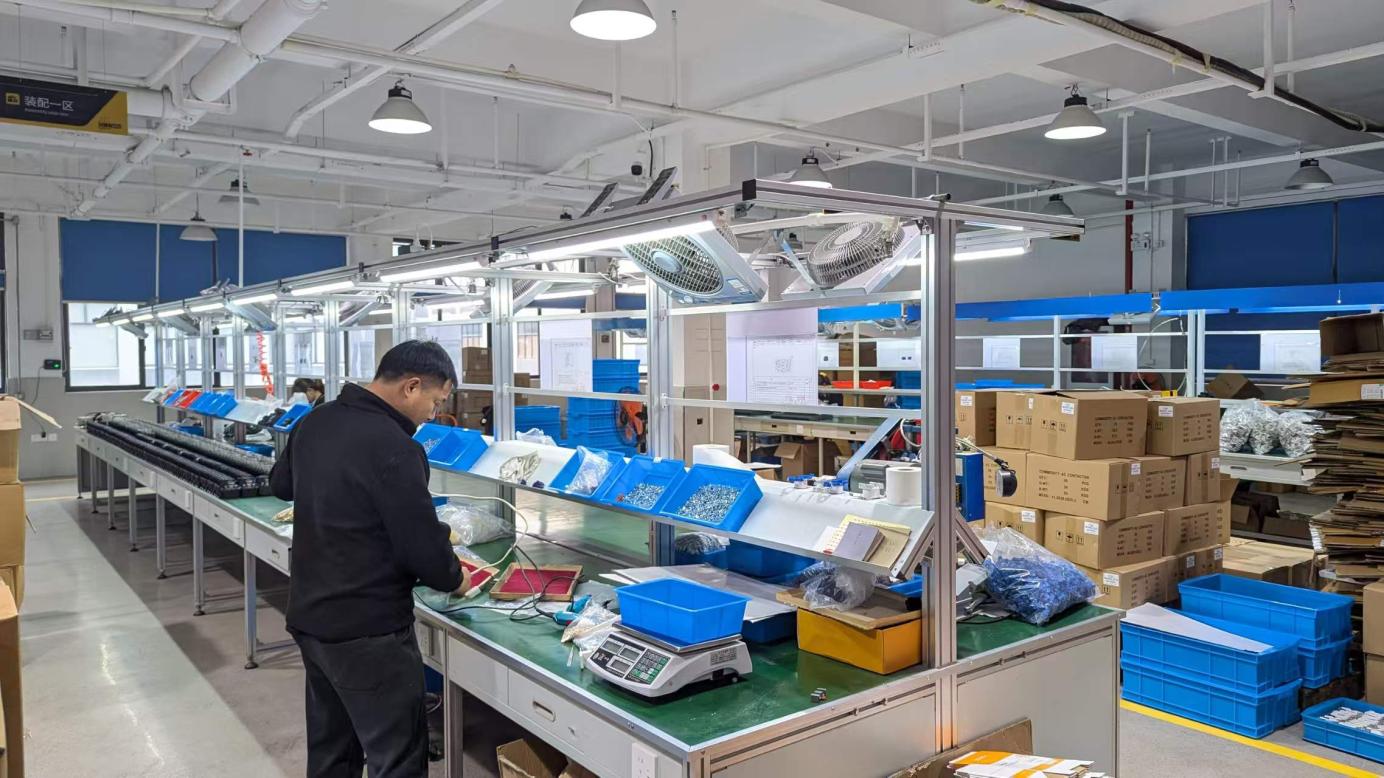
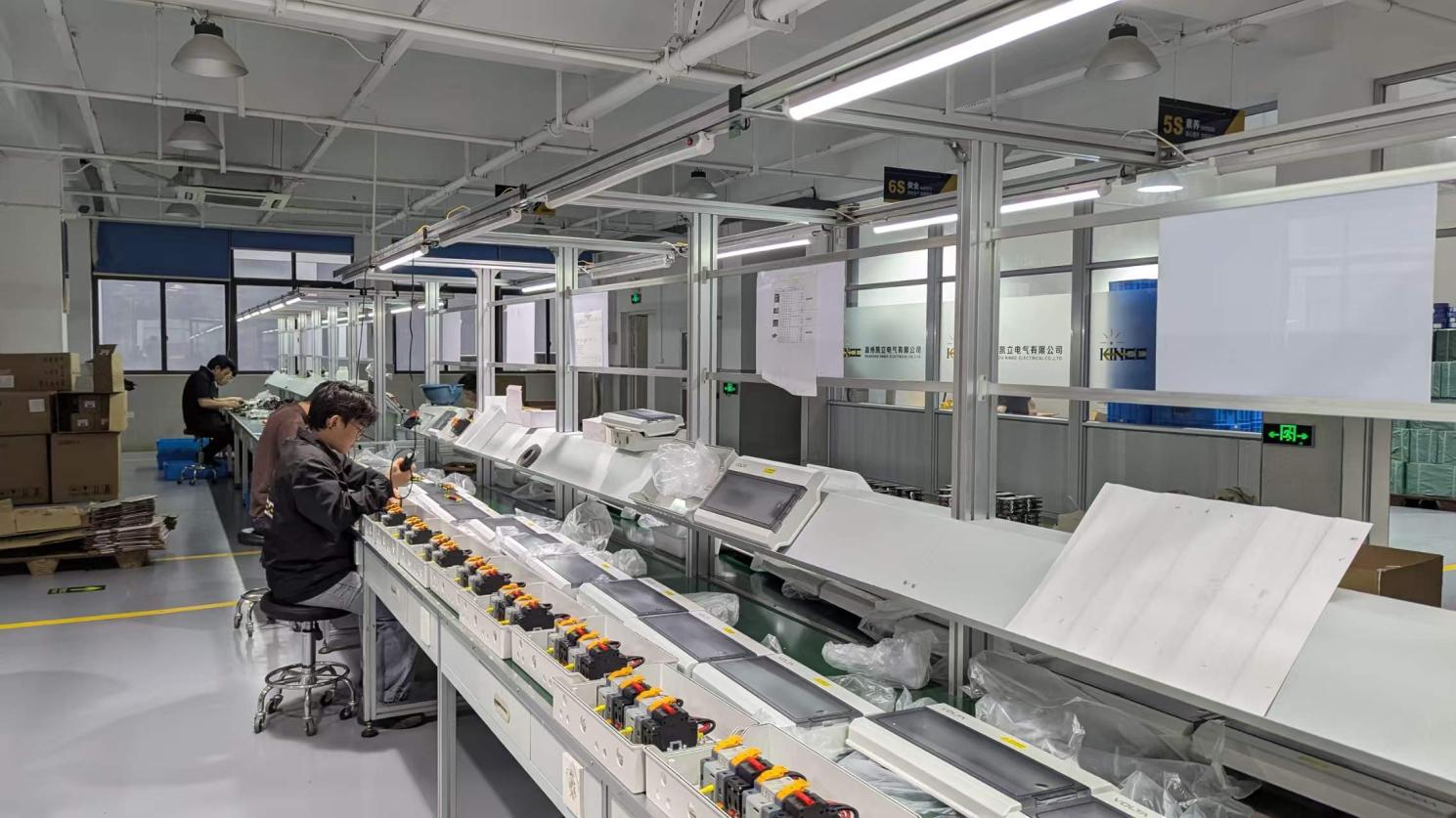
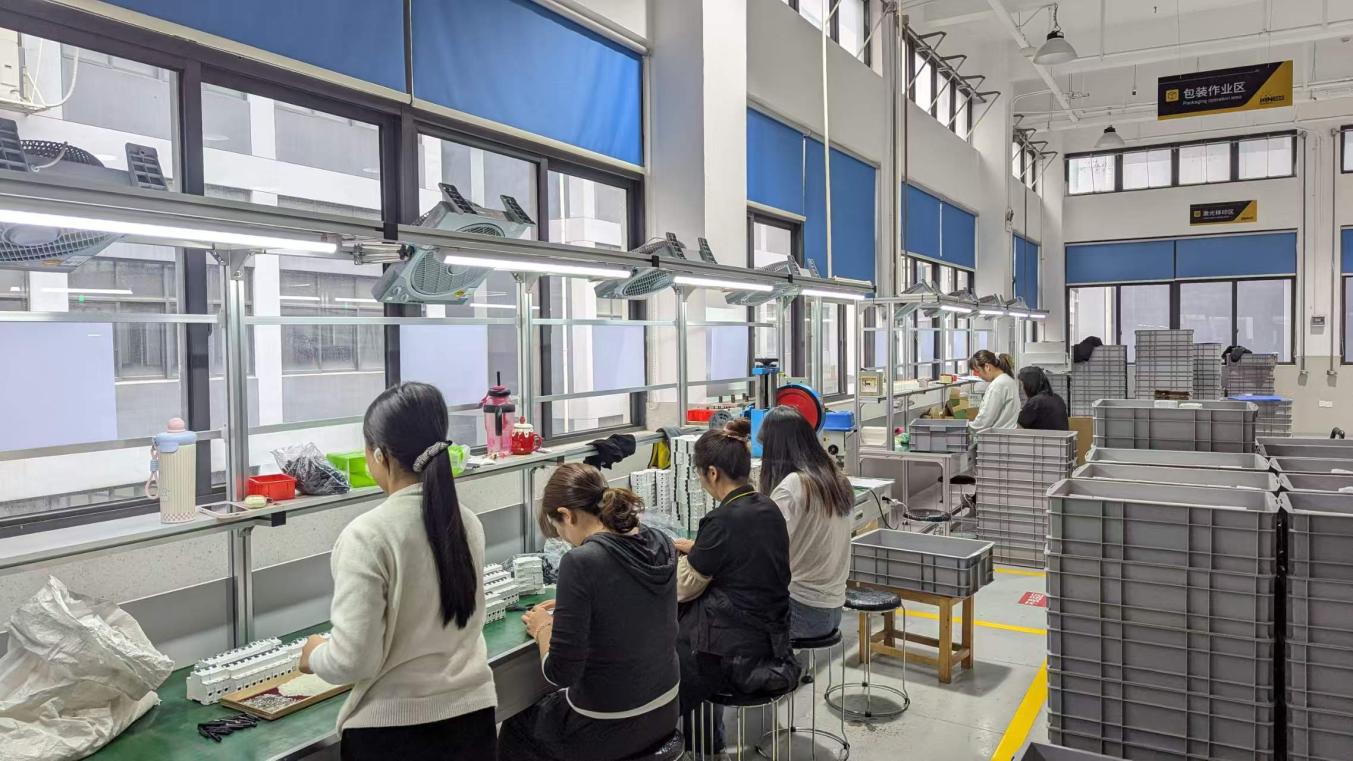
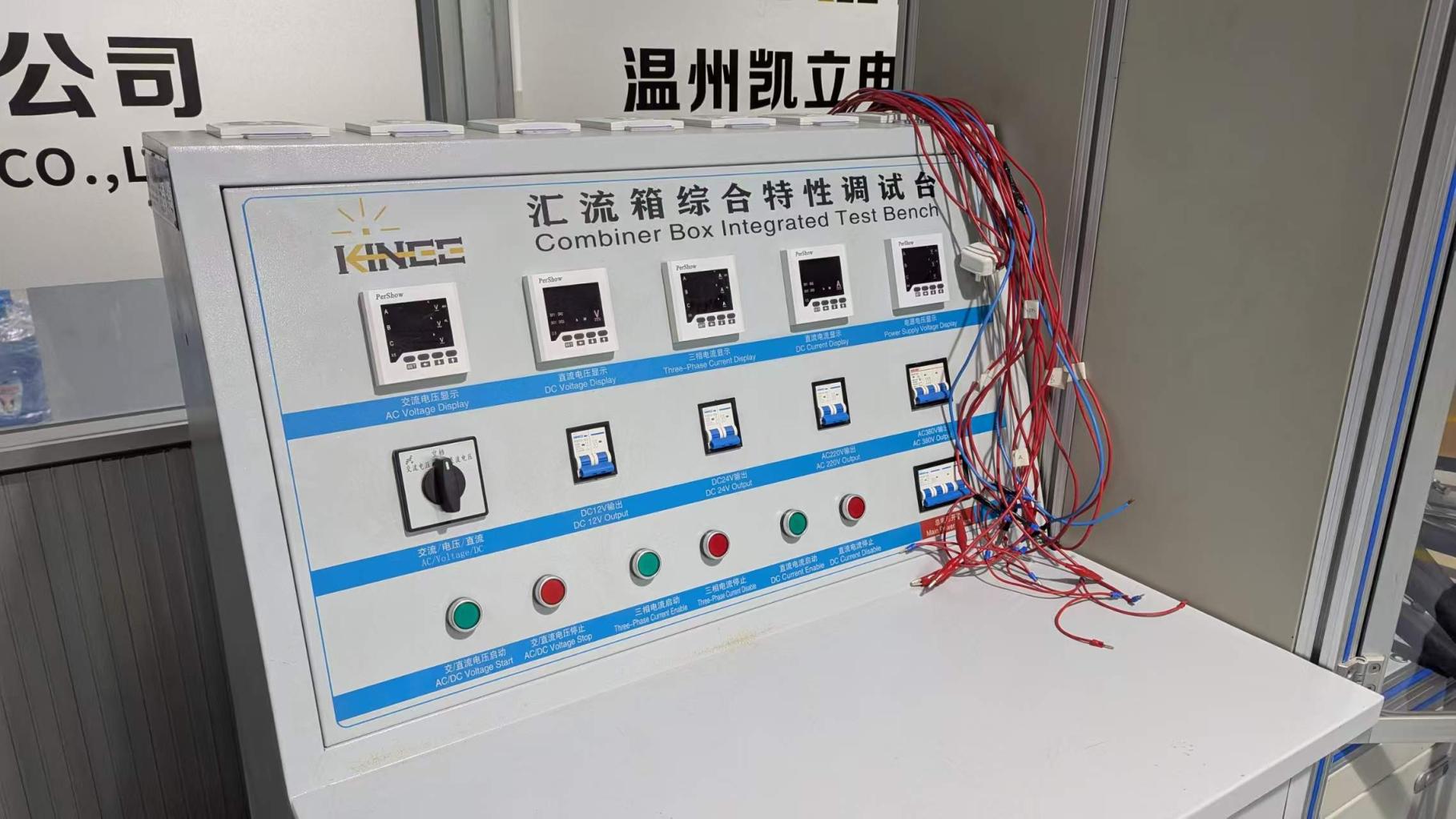
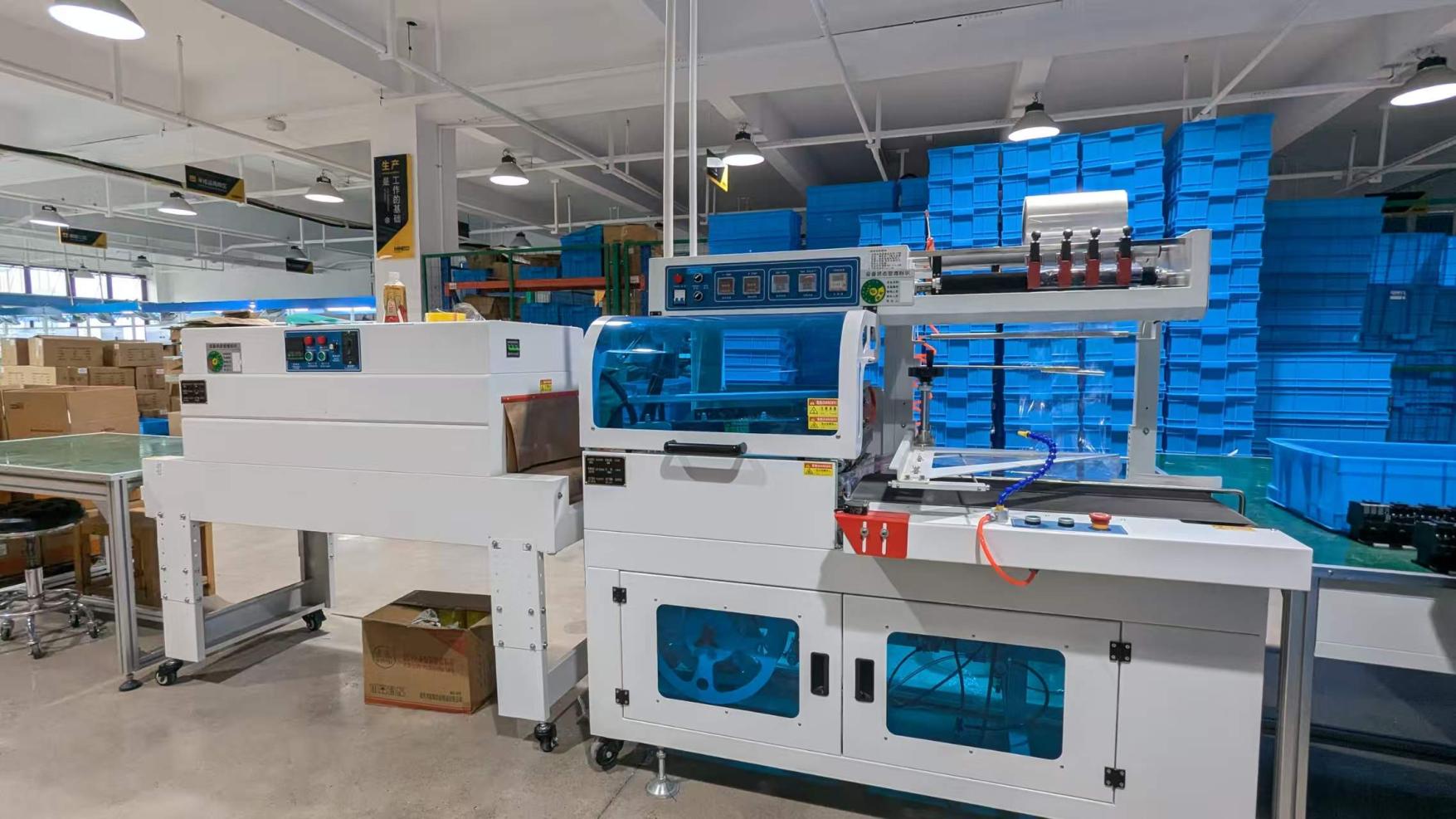
A transparent look at our specialized manufacturing processes, showcasing the precision and control that ensures our 99.9% defect-free rate.
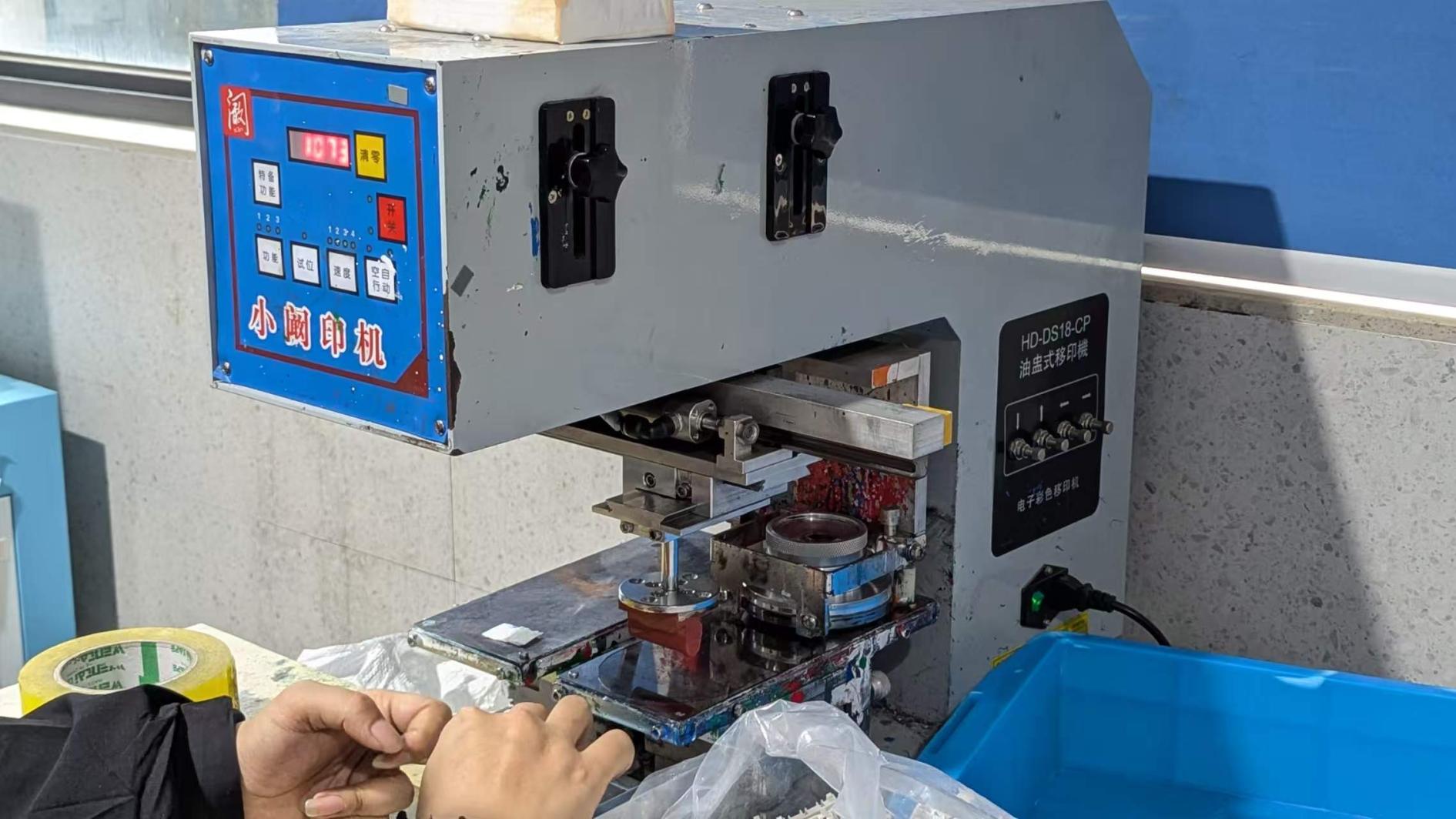
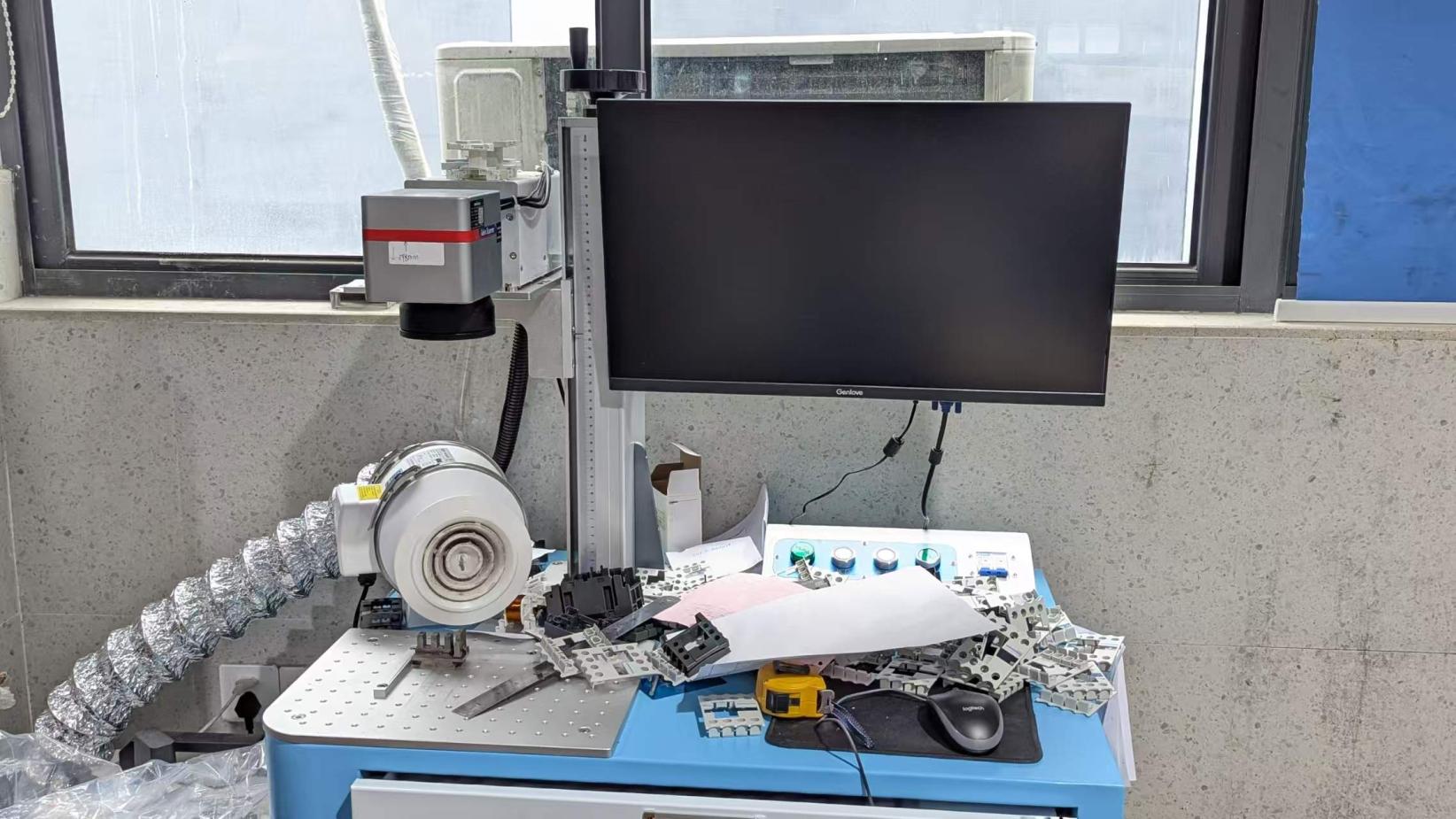
For international procurement directors, purchasing engineers, and product managers, selecting a reliable partner requires evaluating several critical factors:
Get answers to common technical and sourcing questions about tripping relays and industrial circuit protection.
From solar isolators to heavy-duty busbars and waterproof distribution enclosures, we provide end-to-end components for global distribution systems.
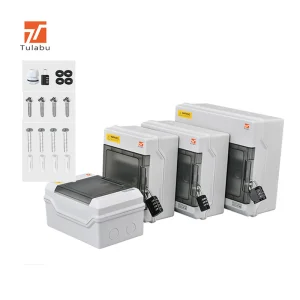
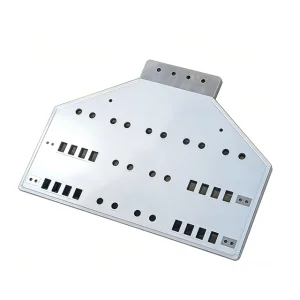
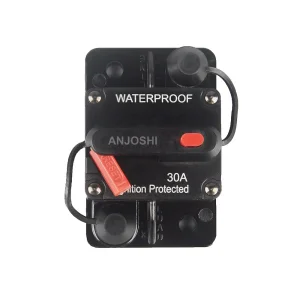
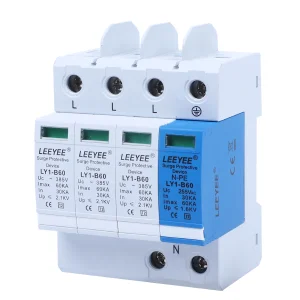
At Wenzhou Bowser Electric Co., Ltd., we combine technological innovation with eco-friendly manufacturing practices. We invest in energy-efficient machinery, recyclable packaging, and lead-free copper materials to reduce our environmental footprint. Partner with us today to secure safe, reliable, and sustainable electrical components for your next-generation grid project.
Contact Our Engineering Team