Bowser Electric
Bowser Electric
Bowser Electric
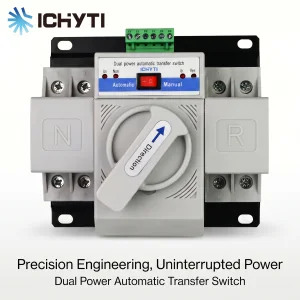
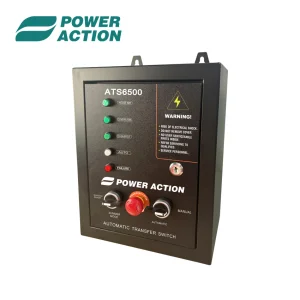
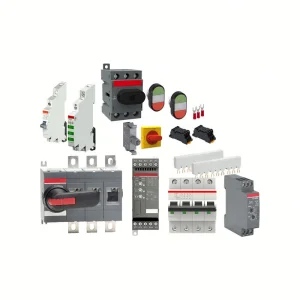
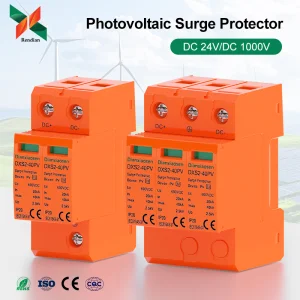
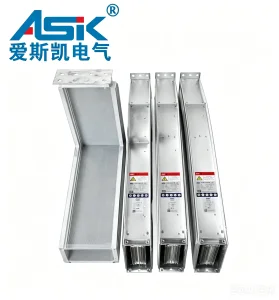
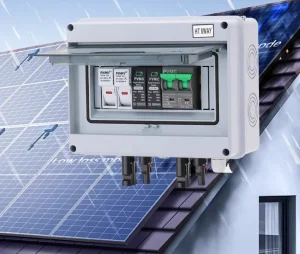
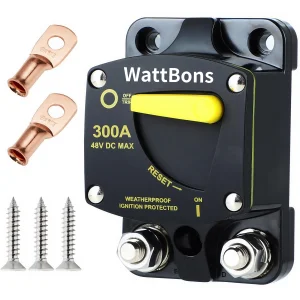
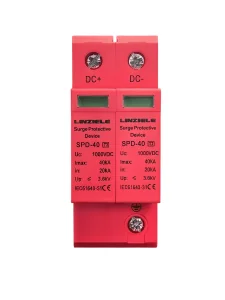
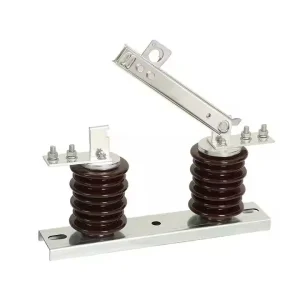
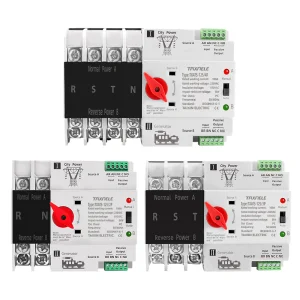
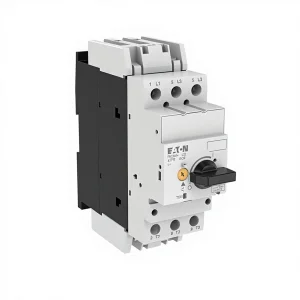
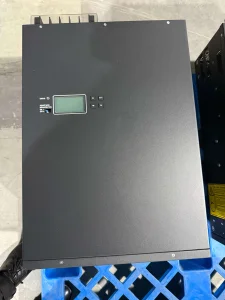
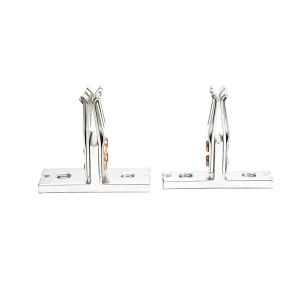
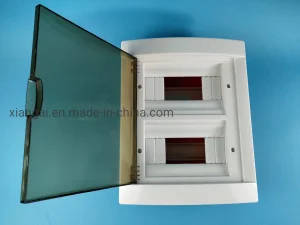
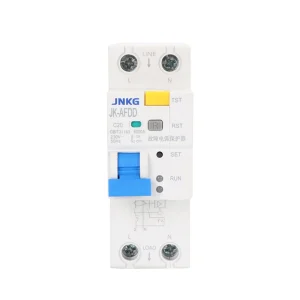
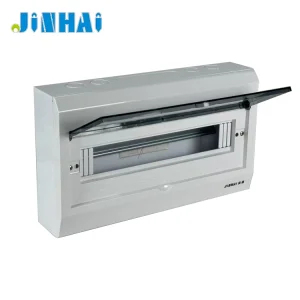
Explore our flagship industrial electrical devices engineered for power distribution safety, automation grids, and high-performance load processing systems.
An in-depth analysis of structural metrology, strain gauge physics, and systemic integration for modern industrial process control.
In the matrix of modern industrial automation, the electric load cell stands as the critical junction between mechanical stress and digital intelligence. As a transducer that converts force, tension, compression, or torque into a measurable electrical signal, the precision and reliability of the load cell govern the efficacy of automated assembly lines, batching networks, structural monitoring systems, and heavy-duty logistics scaling. At its core, the engineering of these components hinges on the micro-deformation of an elastomer body, tracked with absolute fidelity by micro-welded resistance strain gauges in a balanced Wheatstone bridge configuration.
"Precision is not a metric of tolerance; it is the fundamental signature of process control integrity. In high-capacity manufacturing, a variance of 0.05% in force transduction is the difference between optimal systemic throughput and catastrophic machine downtime."
Selecting the optimal load cell requires a deep understanding of metrological physics, material science, and ambient working environments. Whether utilizing shear beam sensors for batching hoppers, compression canisters for vehicle weighing platforms, or single-point load cells for dynamic checkweighers, industrial engineers must navigate factors such as temperature drift, creep compensation, and lateral force rejection. When integrated with advanced electrical control grids, circuit switchgear, and smart surge protectors, force sensing ecosystems evolve into highly resilient nodes of the Industrial Internet of Things (IIoT).
Empowering global infrastructure through safety, innovation, and uncompromising engineering authority.
Our operation is powered by a veteran 35+ member R&D engineering team dedicated to advancing electrical safety and precision force measurement interfaces. Holding over 25 international patents, we are continuously setting benchmarks in intelligent distribution and sensory control equipment.
Boasting a certified 99.9% defect-free production rate, Bowser Electric ensures that every load cell and power accessory undergoes extreme stress testing. Operating within ISO 9001 and CE environments, we guarantee that our products resist high-humidity, intense vibration, and severe electrical surges.
With an active export channel to over 120 countries, we maintain long-term partnerships with 1,500+ global enterprises. From customized OEM layouts to large industrial project sourcing, our comprehensive inventory of 1,200+ modular products satisfies international technical frameworks.
How Chinese industrial centers leverage complete supply chains, precision engineering, and fiscal agility to deliver superior sensor technology.
The manufacturing cluster of load cell production in China represents one of the most highly integrated technological ecosystems in the world. Rather than operating in isolated nodes, Chinese facilities leverage immediate access to specialized metal alloys (such as premium 17-4 PH stainless steel and aviation-grade 7075 aluminum), state-of-the-art automated CNC machining centers, and local calibration facilities certified under national metrology standards. This allows manufacturers to accelerate prototype turnarounds from months to days, passing substantial time-to-market advantages to international procurement teams.
Furthermore, the integration of advanced electronics—including high-precision Wheatstone bridge components, custom ASIC amplifiers, and temperature compensation networks—occurs within close geographical proximity. This vertical integration reduces logistics costs, enhances design feedback loops, and allows manufacturers like Bowser Electric to provide custom OEM/ODM solutions at highly competitive price-to-performance ratios without sacrificing technical specifications.
Aligning precise force measurement solutions with complex automated environments for high-capacity productivity.
Incorporated within dynamic conveyor belts and automated storage and retrieval systems (ASRS), single-point load cells calculate volumetric weight indices instantly. When linked with high-capacity circuit protection and ATS systems, sorting grids run uninterrupted under varying payloads.
Aggressive chemical washdowns and high-vibration concrete mixers demand hermetically sealed shear beam and tension load cells. These sensors interface with power correction systems (APF/SVG) to maintain constant voltage supply, preventing measurement drift caused by power fluctuations.
Exposed to extreme salinity and dynamic sea forces, marine mooring and crane systems rely on customized tension load links. Built from high-corrosion-resistant alloys and protected by DC-grade surge suppressors, these systems guarantee reliable structural health data.
A reference checklist for structural design and electrical engineering professionals when evaluating industrial load cells.
For international buyers and system integrators, selecting a load cell manufacturer requires assessing a series of critical performance and environment specs. The table below outlines the primary metrics required for robust system architectures:
| Parameters & Specifications | Standard Engineering Values | Industrial Application Significance |
|---|---|---|
| Combined Error Rate | ≤ ±0.02% to ±0.05% F.S. | Determines the sum of non-linearity, hysteresis, and temperature effects on accuracy. |
| Creep (30 Minutes) | ≤ ±0.02% F.S. | Measures the change in load cell output over time under a constant, static load. |
| Operating Temp Range | -30°C to +70°C | Ensures consistency in outdoor installations, such as truck scales or crane systems. |
| Safe Overload Limit | 150% of Rated Capacity | The limit of load application before permanent mechanical deformation occurs. |
| Ingress Protection Rating | IP67, IP68, IP69K (Hermetic Seal) | Defines resistance to dust, high-pressure water jets, and complete immersion. |
| Output Signal Interfaces | 4-20mA, RS-485 Modbus, CANopen | Controls compatibility with PLCs, industrial gateways, and automated SCADA grids. |
The transition from analog millivolt signals to intelligent, self-diagnostic digital sensing networks.
Historically, load cells operated as passive analog devices, outputting micro-volt signals (mV/V) that required external amplification and were highly susceptible to electromagnetic interference (EMI). The modern industrial landscape, however, is witnessing a massive paradigm shift toward digital load cells. By integrating internal high-resolution analog-to-digital converters (ADCs) and microprocessors directly into the sensor housing, these next-generation units process signals locally, outputting robust digital data via Modbus, CANopen, or Ethernet/IP.
This digital evolution enables real-time self-diagnostics: each sensor in a multi-cell system (such as a large silo array) can report its own health status, tracking baseline shifts, overload events, and temperature fluctuations. When paired with high-performance electrical distribution and control boards like those manufactured by Bowser Electric, system operators receive instant alerts before a sensor failure compromises system accuracy. This transition to predictive maintenance substantially decreases operational costs and eliminates unplanned calibration cycles in continuous production environments.
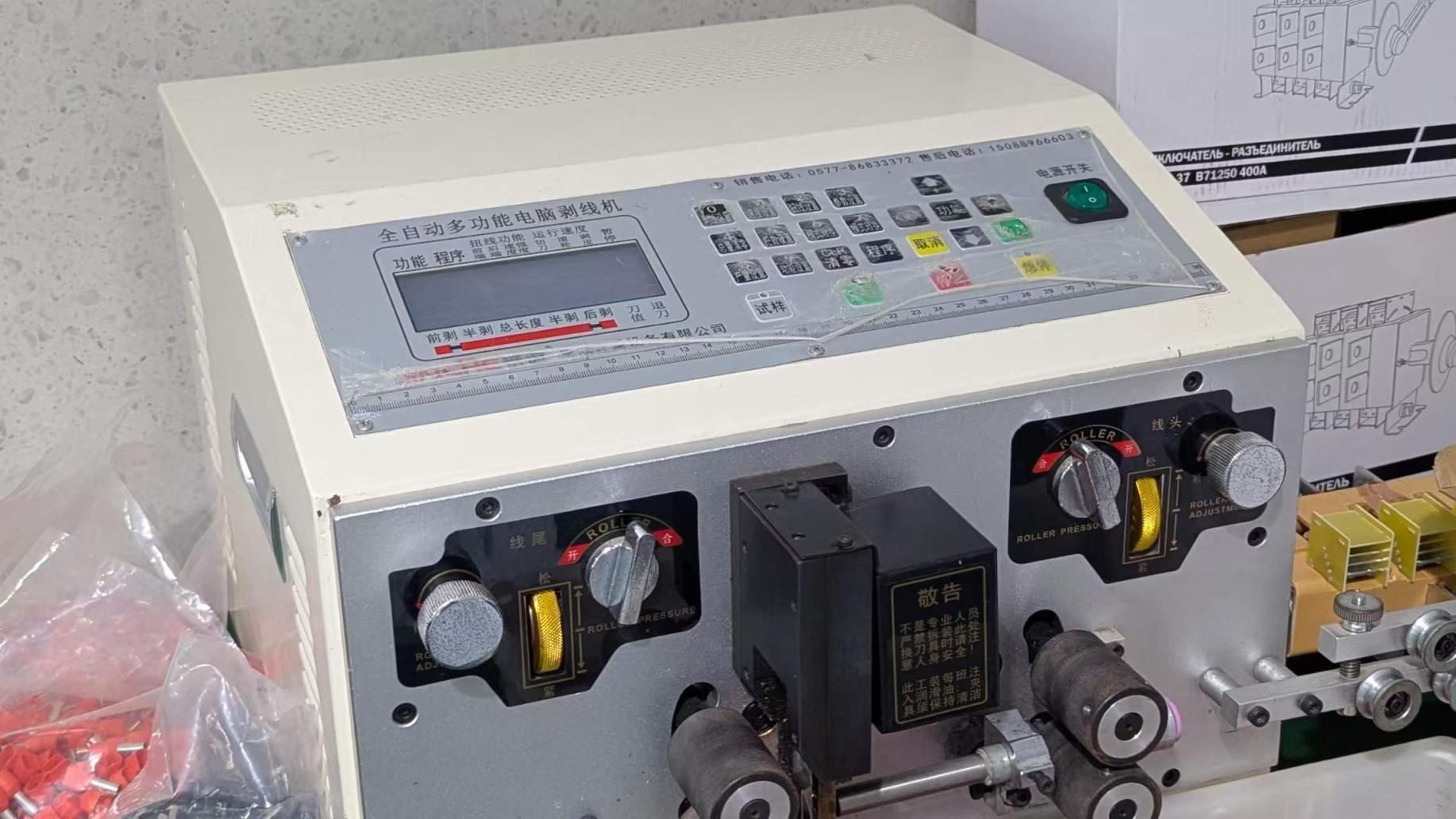
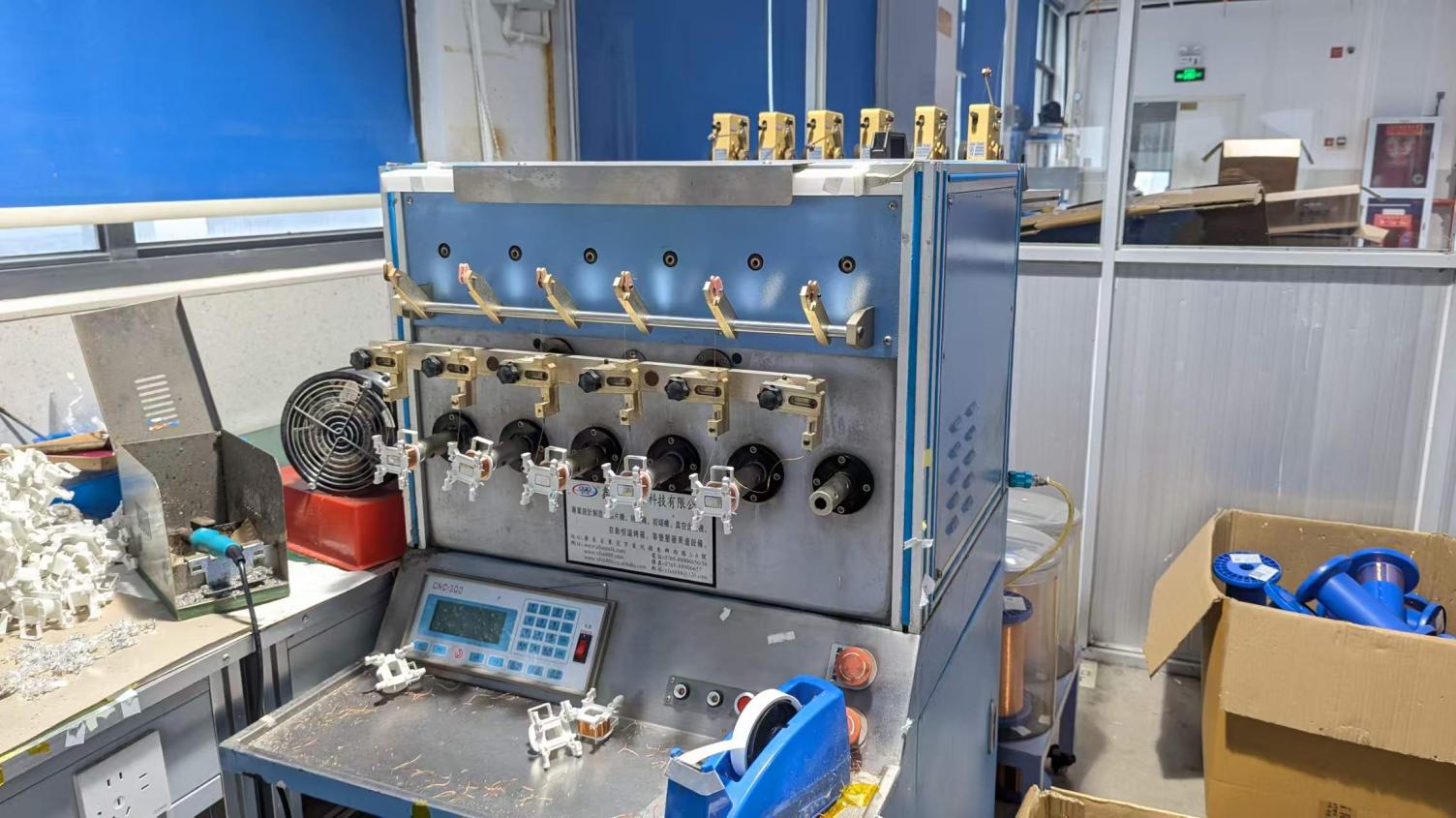
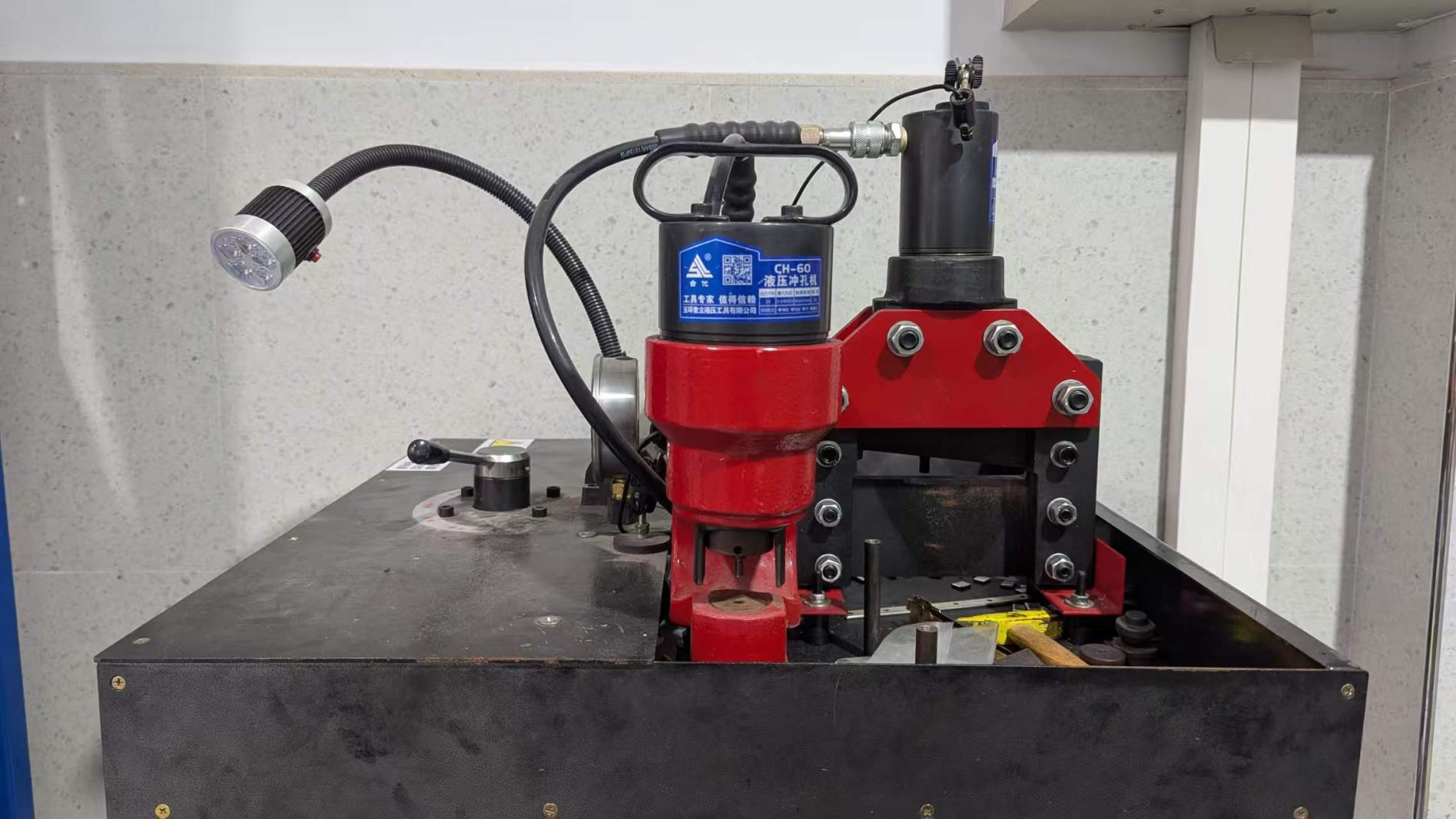
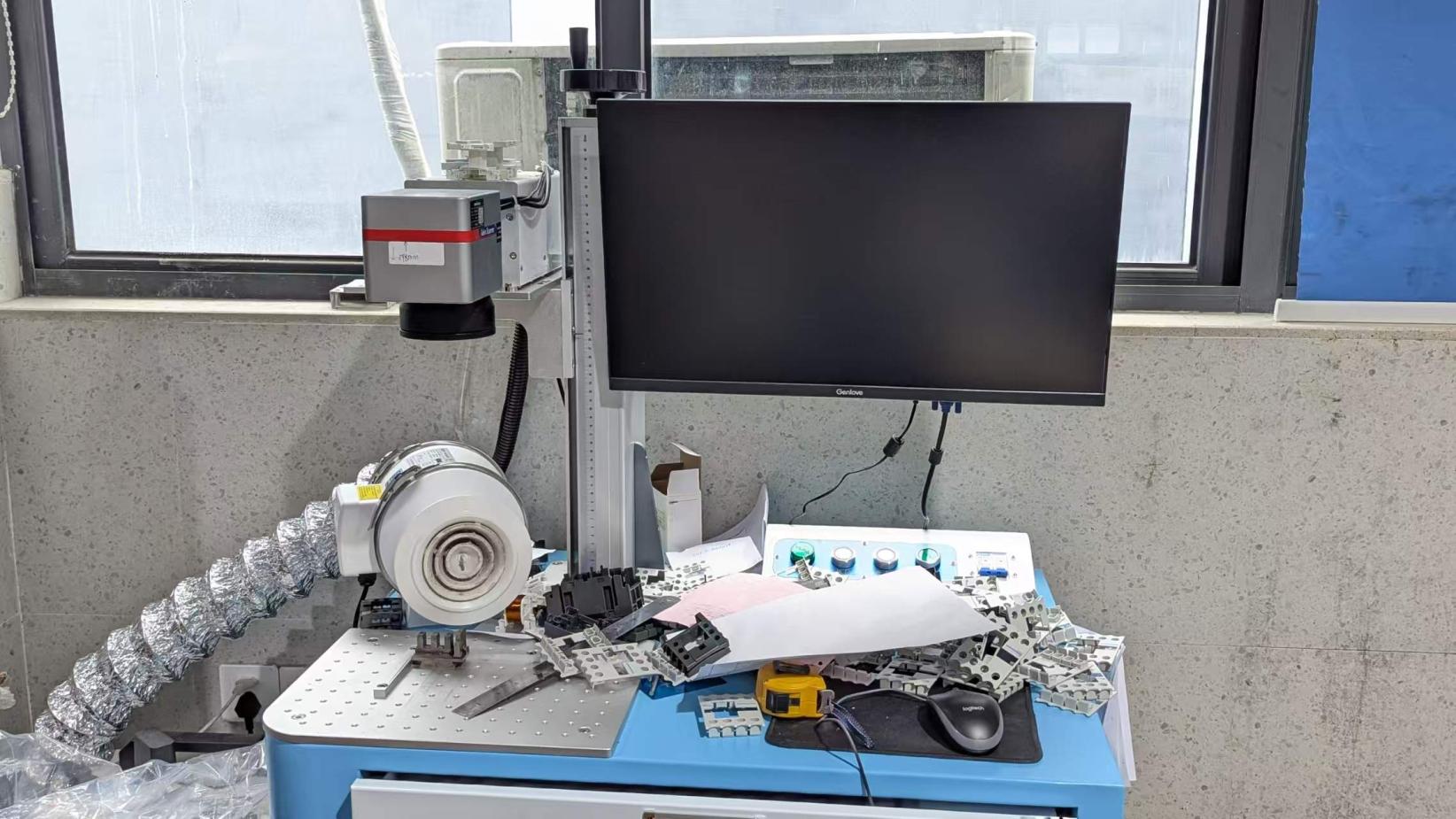
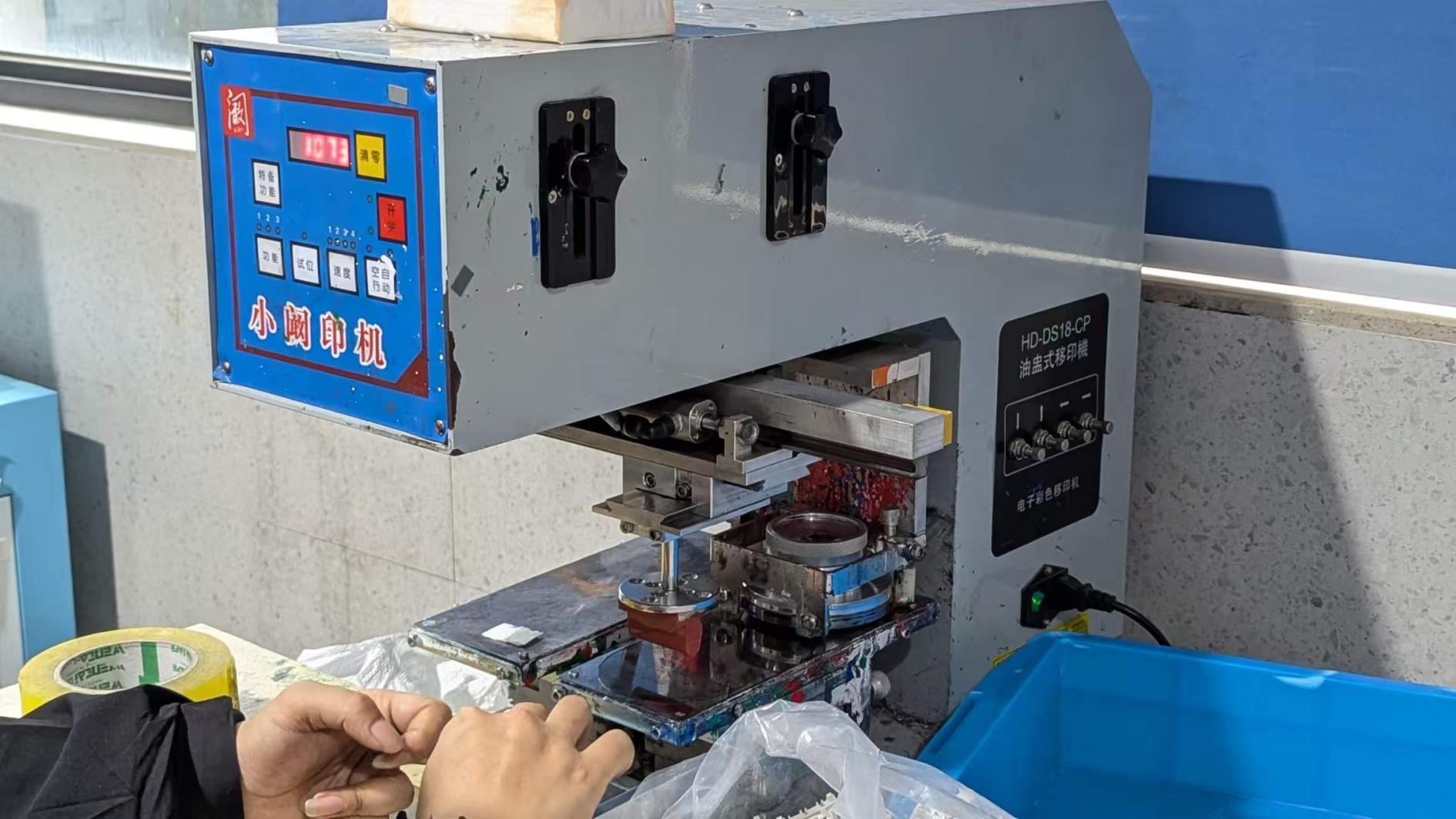
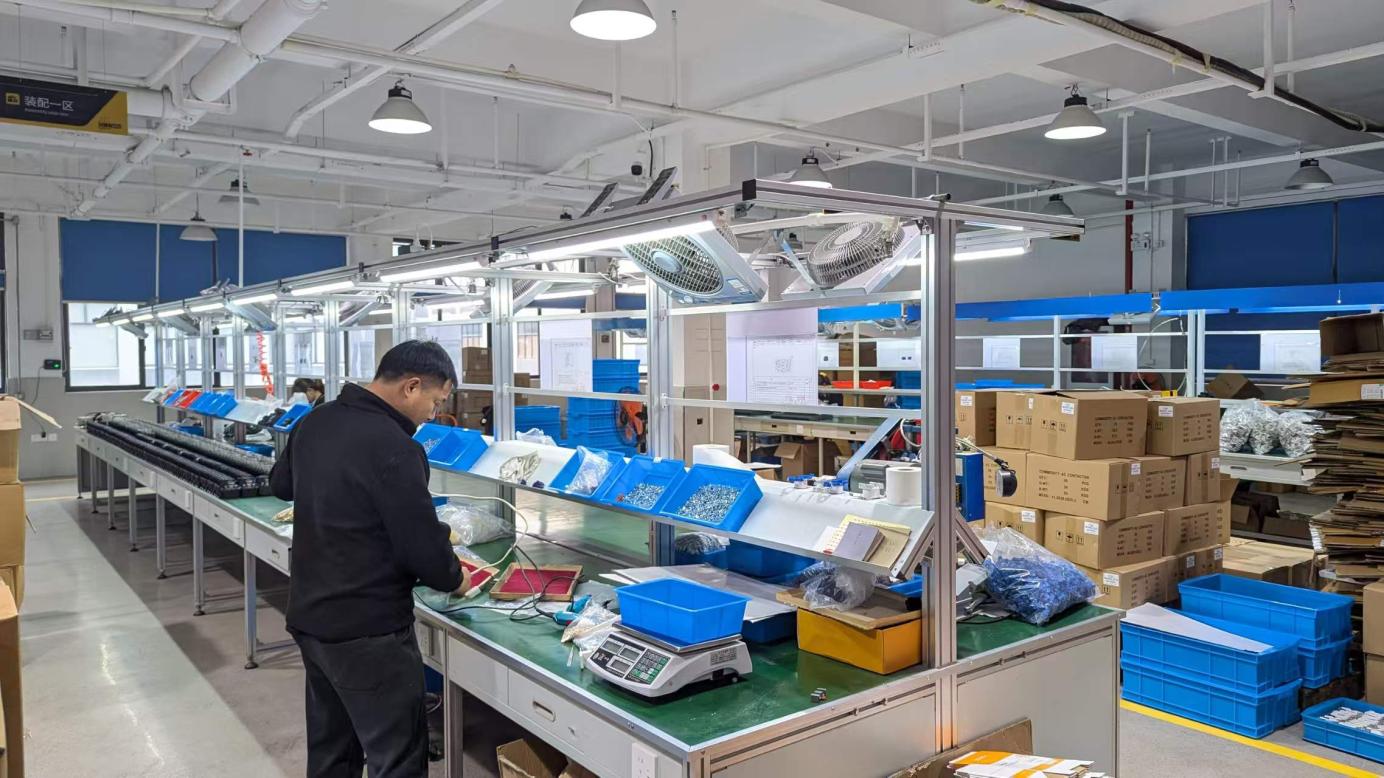
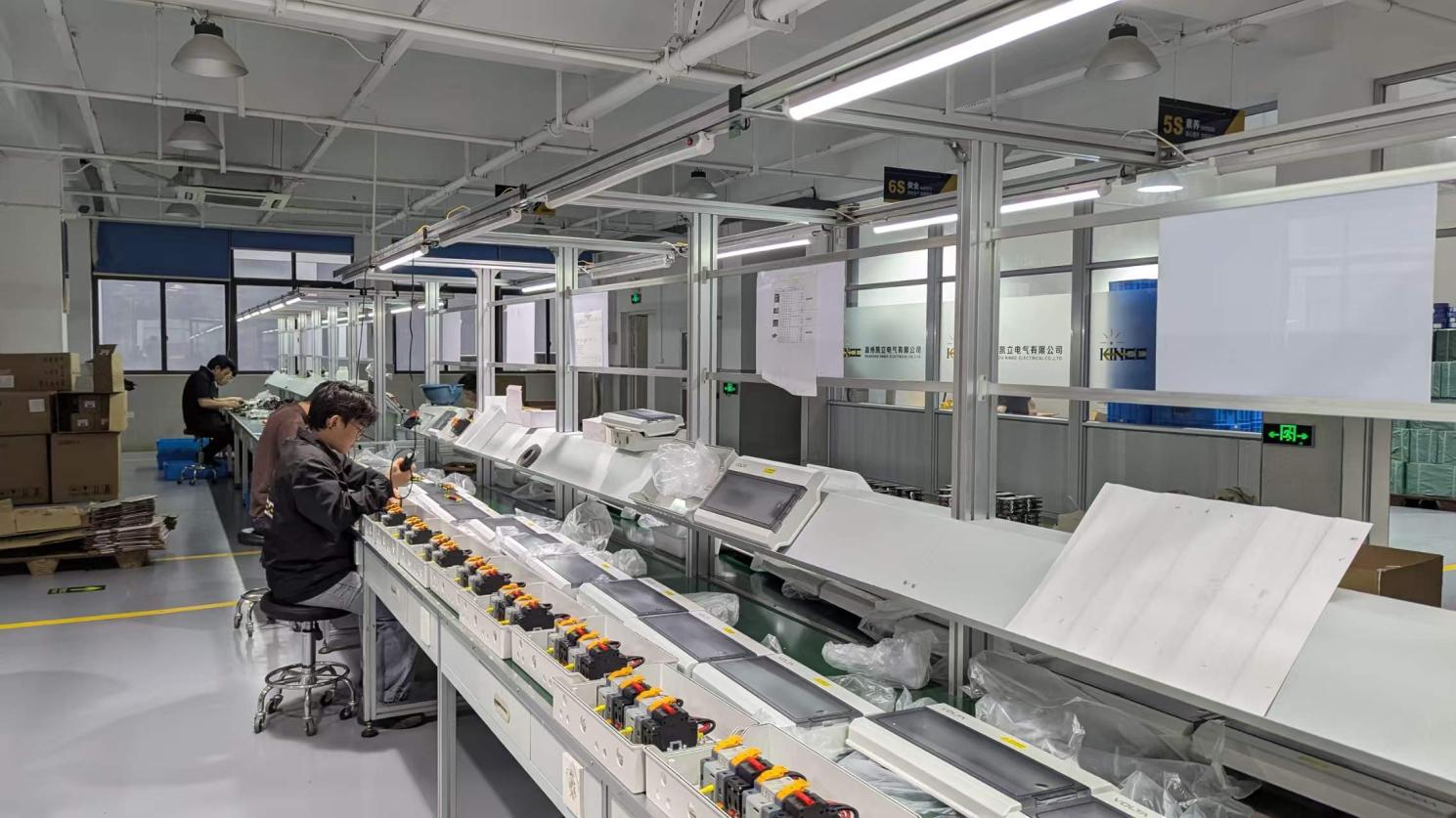
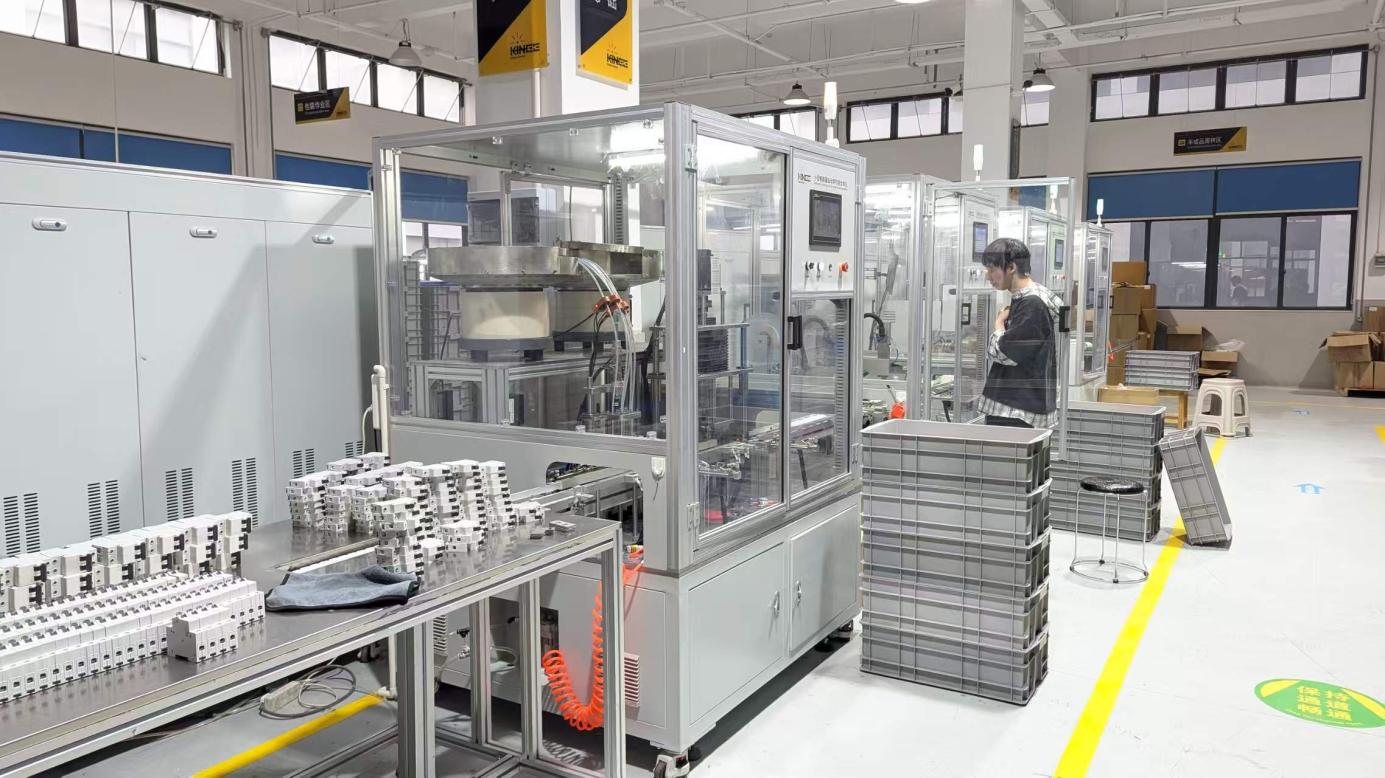
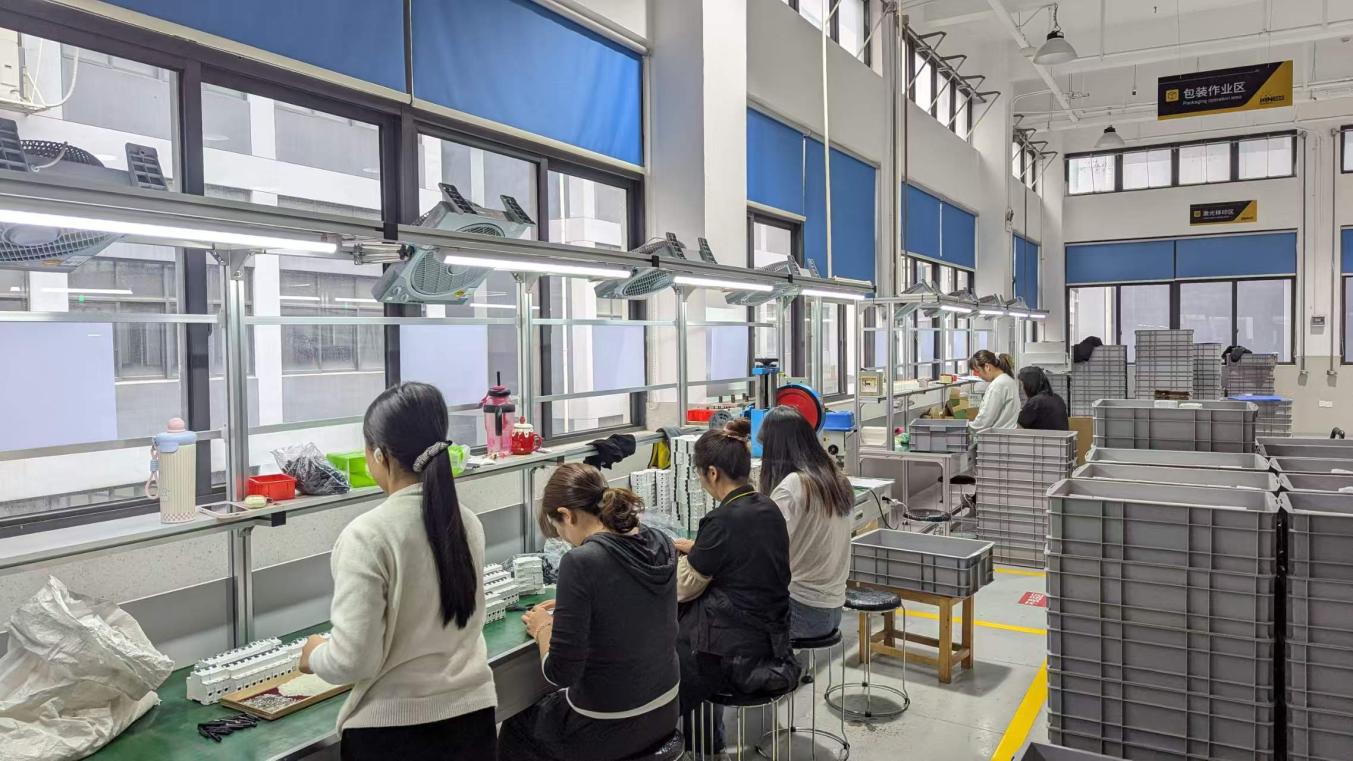
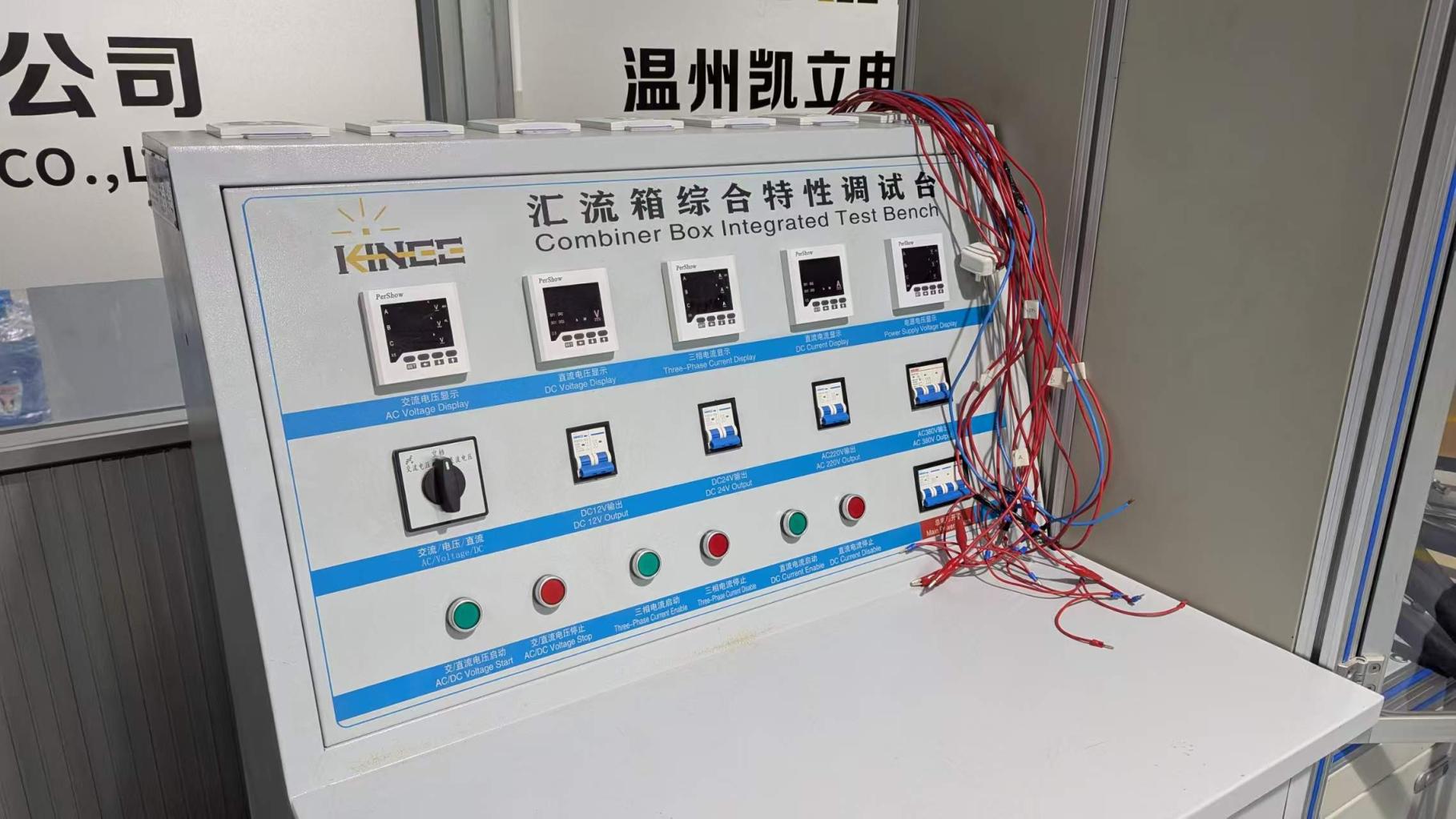
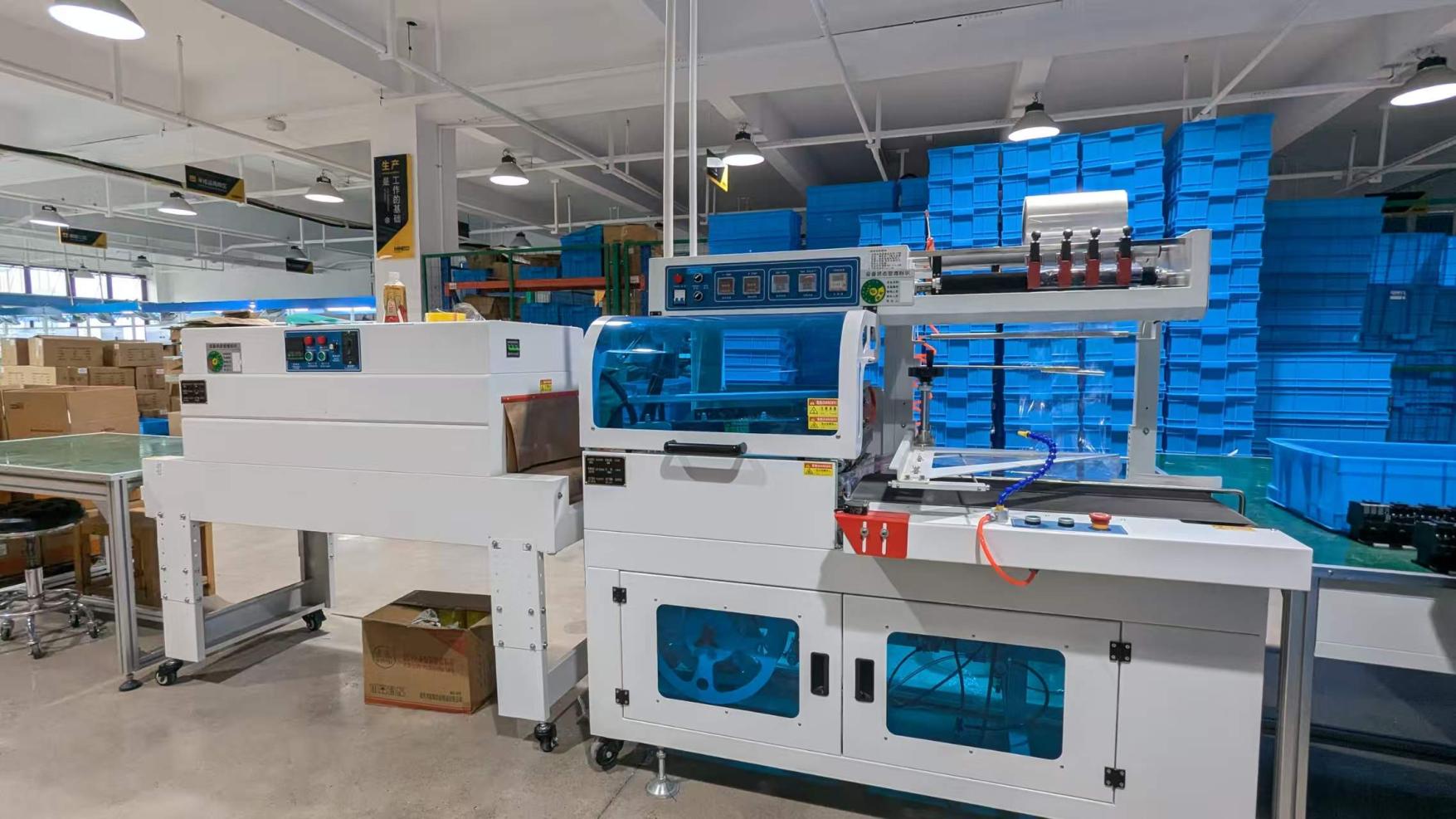
A visual walkthrough of our high-precision production environment, highlighting our commitment to quality across every phase of assembly.
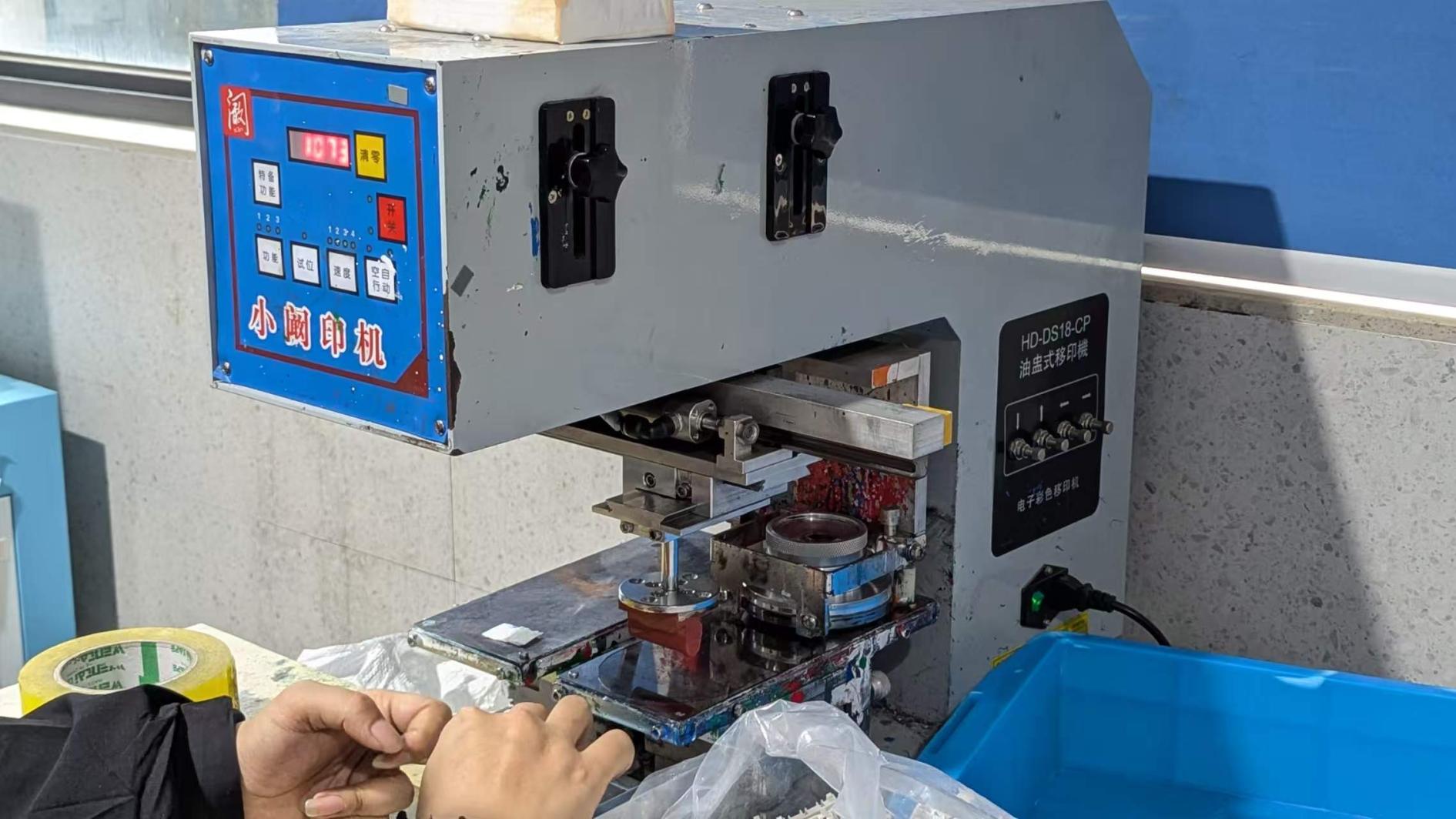
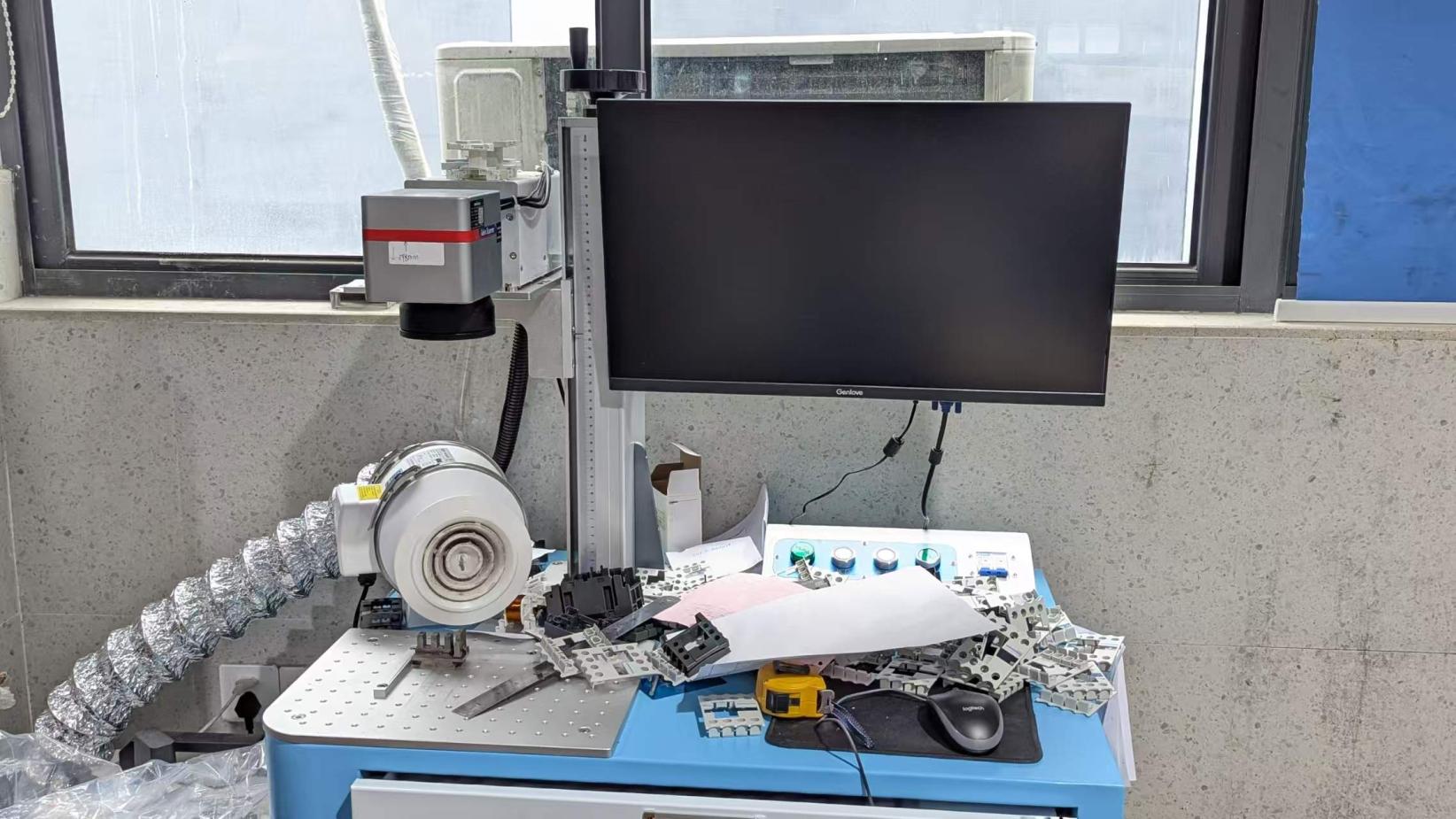
Expert insights addressing key engineering challenges, selection procedures, and environmental compliance factors.
Get in touch with the technical sales engineers at Wenzhou Bowser Electric Co., Ltd. for custom pricing, detailed integration consultations, or technical product documentation.
Submit RFQ / InquiryExplore our secondary lineup of high-voltage distribution protection devices, heavy industrial ATS modules, and solar photovoltaic junction equipment.