Bowser Electric
Bowser Electric
Bowser Electric
Engineered for absolute reliability under demanding industrial, commercial, and solar conditions.
In modern industrial setups, commercial facilities, and utility-scale solar generation, the control relay stands as a fundamental component of system reliability, equipment safety, and signal routing. A CE certified control relay signifies strict compliance with European directives regarding safety, low voltage handling, and electromagnetic compatibility. This whitepaper analyzes the underlying manufacturing ecosystem, technology pathways, and global application architectures of high-quality control relays, specifically highlighting the operational expertise of Wenzhou Bowser Electric Co., Ltd.
While many vendors claim "compliance," authentic CE marking requires rigorous validation under EN 60947-5-1 (low-voltage switchgear and controlgear) and directives like the Low Voltage Directive (LVD) 2014/35/EU and EMC Directive 2014/30/EU. Manufacturers must ensure structural creepage distances, dielectric strength, and thermal thresholds are consistently met across every production batch to guarantee absolute safety and minimize systemic liabilities.
Industrial control relays operate in challenging conditions: high humidity, mechanical vibration, thermal cycling, and continuous electrical loads. Consequently, specifying control systems with accredited components from a reliable factory is not merely a purchasing preference; it is a critical strategy to prevent costly downtime and dangerous equipment failure.
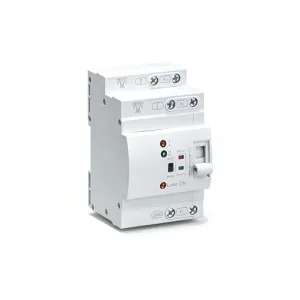
A control relay functions as an electrically operated switch, utilizing an electromagnet (coil) to mechanically move contacts from an open to a closed state, or vice versa. This permits low-power control signals—originating from PLCs, microcontrollers, or physical switches—to control much higher current or voltage circuits.
Undergoing CE conformity assessment involves rigorous testing:
Empowering the Future of Electrical Solutions Globally
Welcome to Wenzhou Bowser Electric Co., Ltd., a recognized leader in the electrical manufacturing industry, committed to innovation, reliability, and manufacturing excellence. As a dedicated manufacturer and exporter, we focus on providing high-quality modular electrical devices, household distribution systems, and industrial automation components.
With a strong emphasis on technology, safety, and customer satisfaction, Bowser Electric has established itself as a reliable partner for global distributors, contractors, and OEMs.
Our facilities are certified under ISO 9001, CE, and other major international safety standards, ensuring full compliance and reliable operation in every market we serve. Having developed more than 1,200 products and successfully executed over 150 customized OEM/ODM projects, we deliver robust solutions designed for long-term endurance, backed by a 5-year product warranty and 24/7 technical support.
The global demand for high-reliability electrical components relies heavily on robust supply chains. In China, particularly within the Wenzhou electrical cluster, Bowser Electric leverages a complete industrial ecosystem that integrates raw materials, precision tool making, component fabrication, and automated assembly.
This local manufacturing cluster delivers significant benefits: quick turnaround times, integrated cost efficiencies, and rapid scaling capabilities. Rather than outsourcing critical parts, our manufacturing process maintains vertical integration, implementing rigorous quality controls at every step.
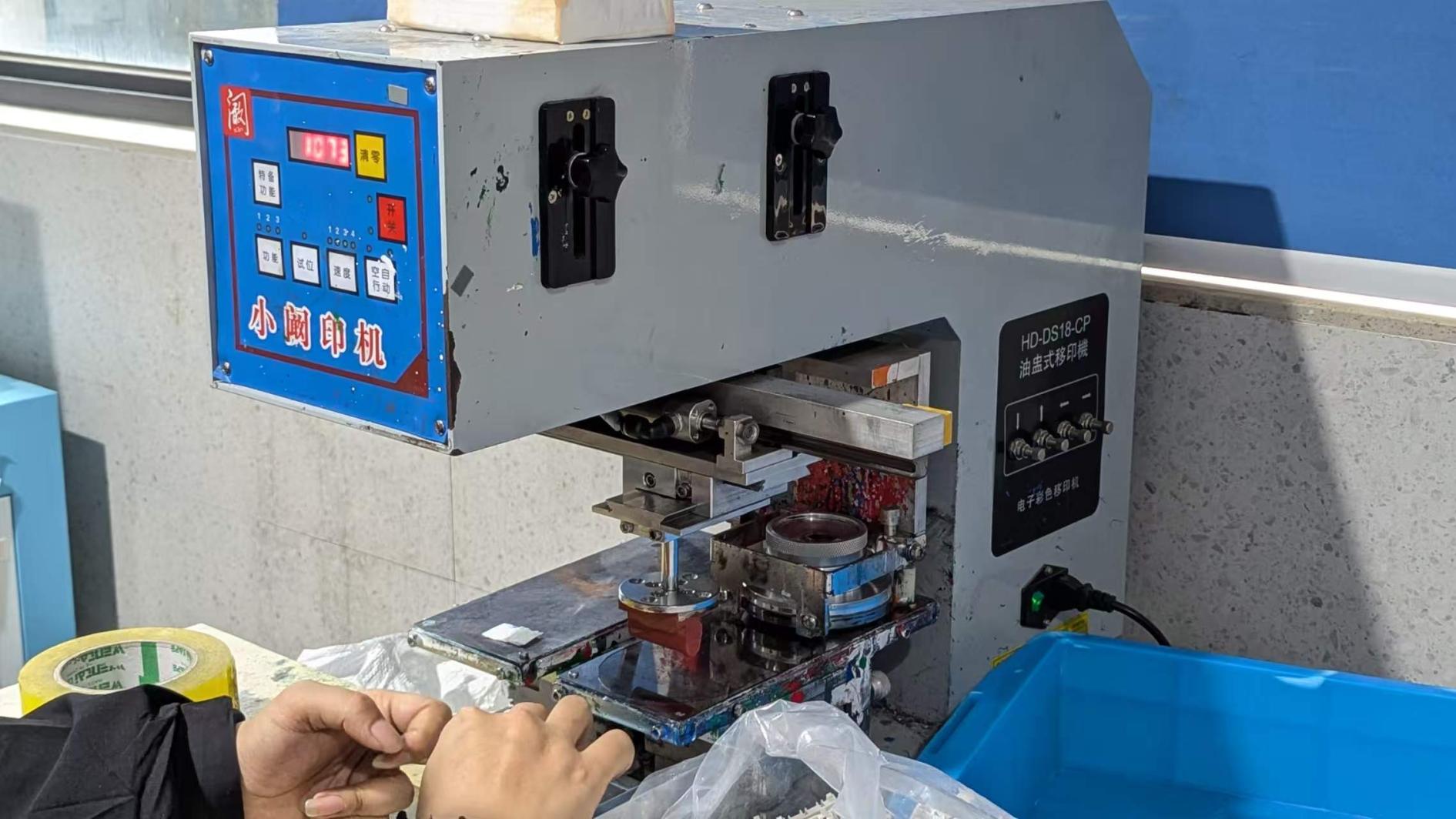
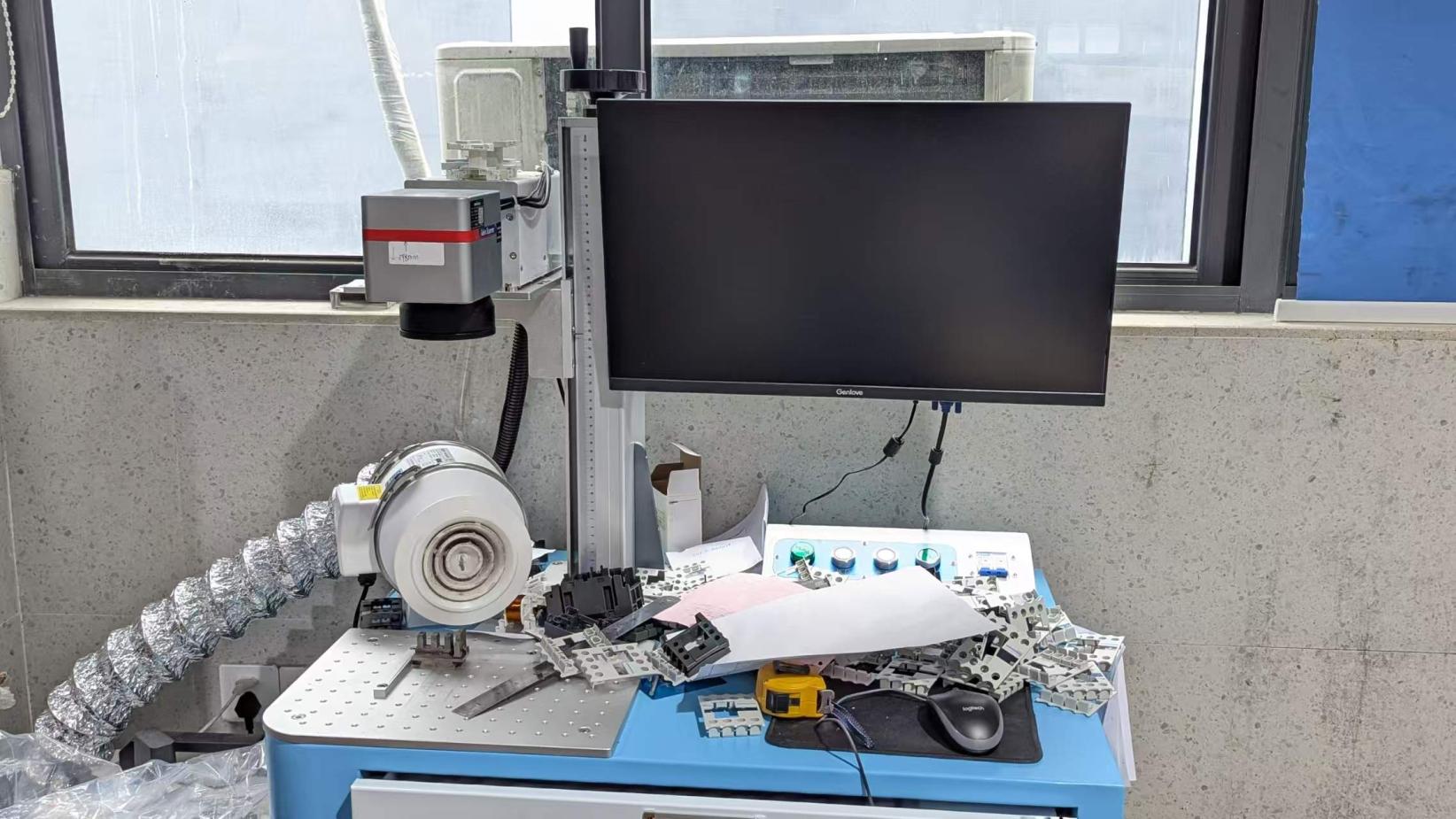
Our production floor combines automated machinery with meticulous inspection routines to guarantee every relay and switch meets our zero-defect policy.
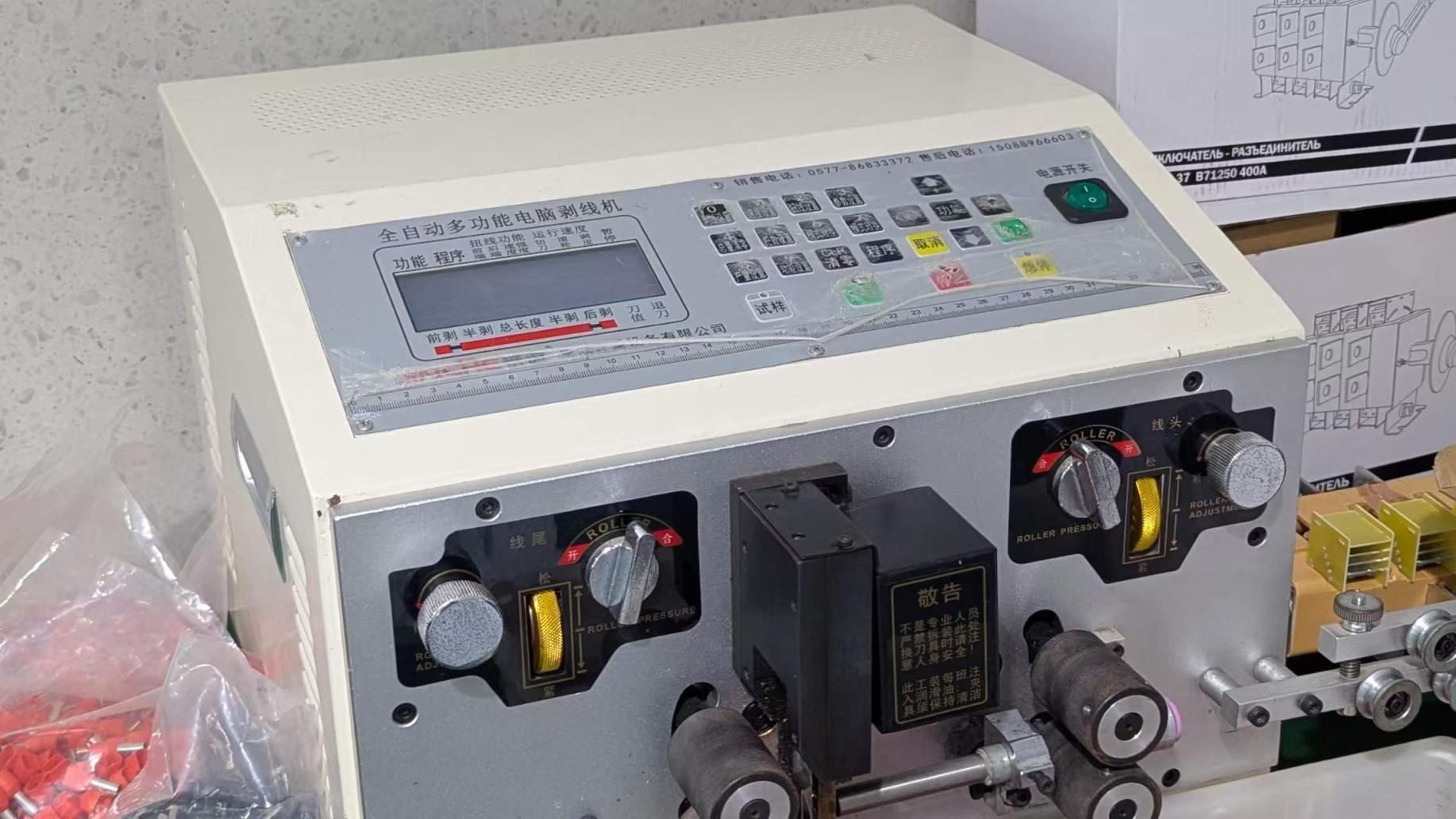
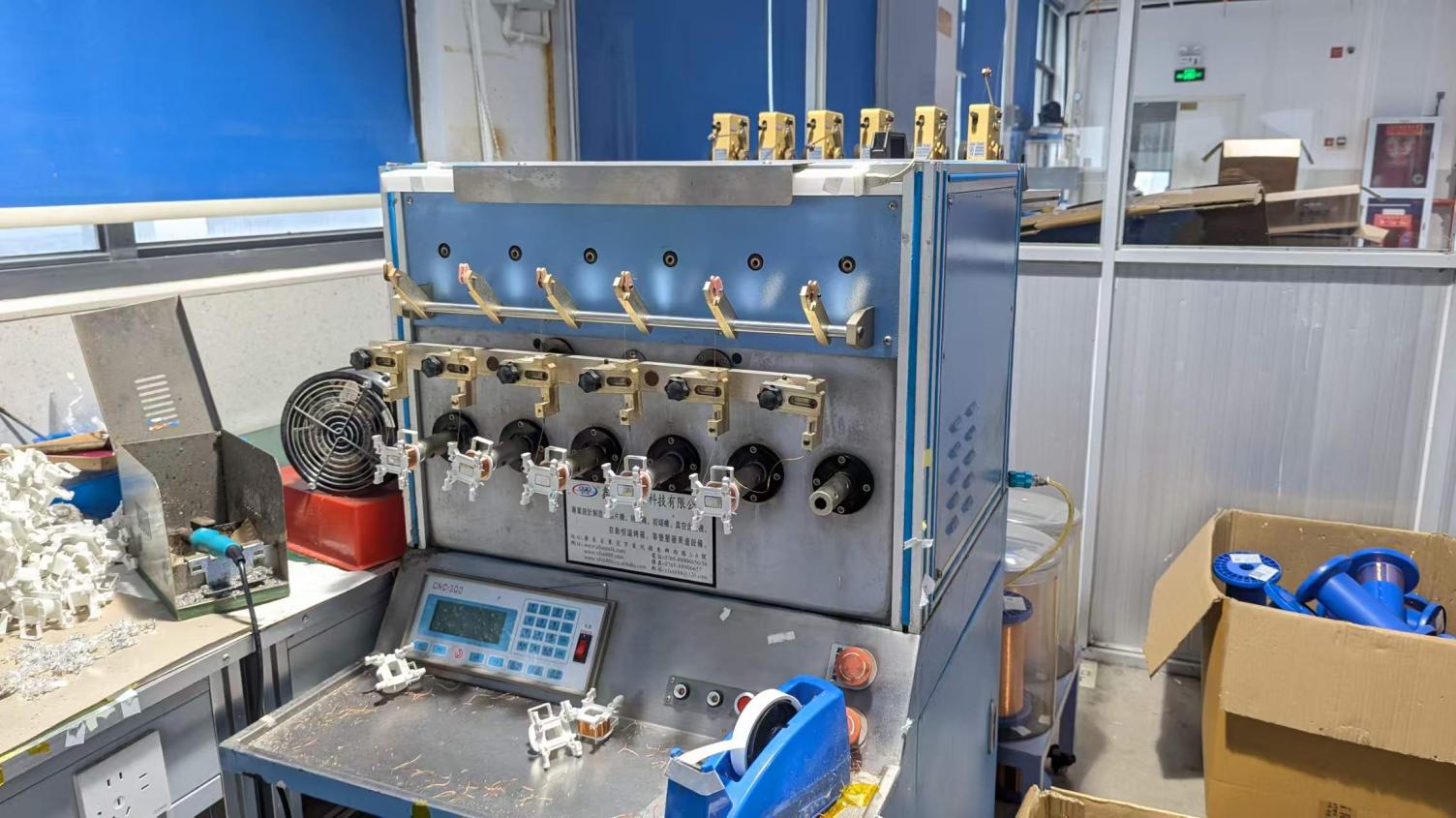
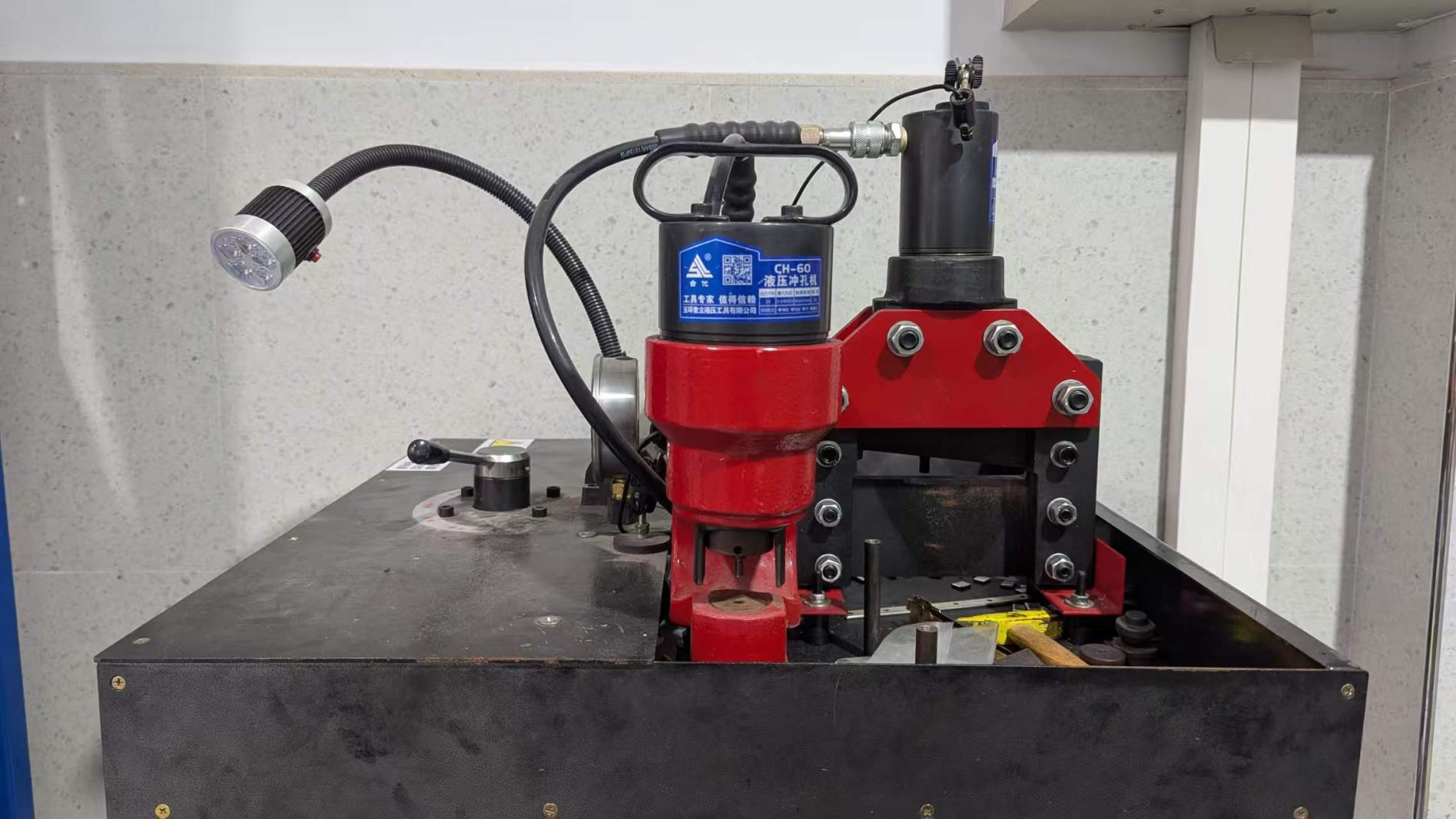
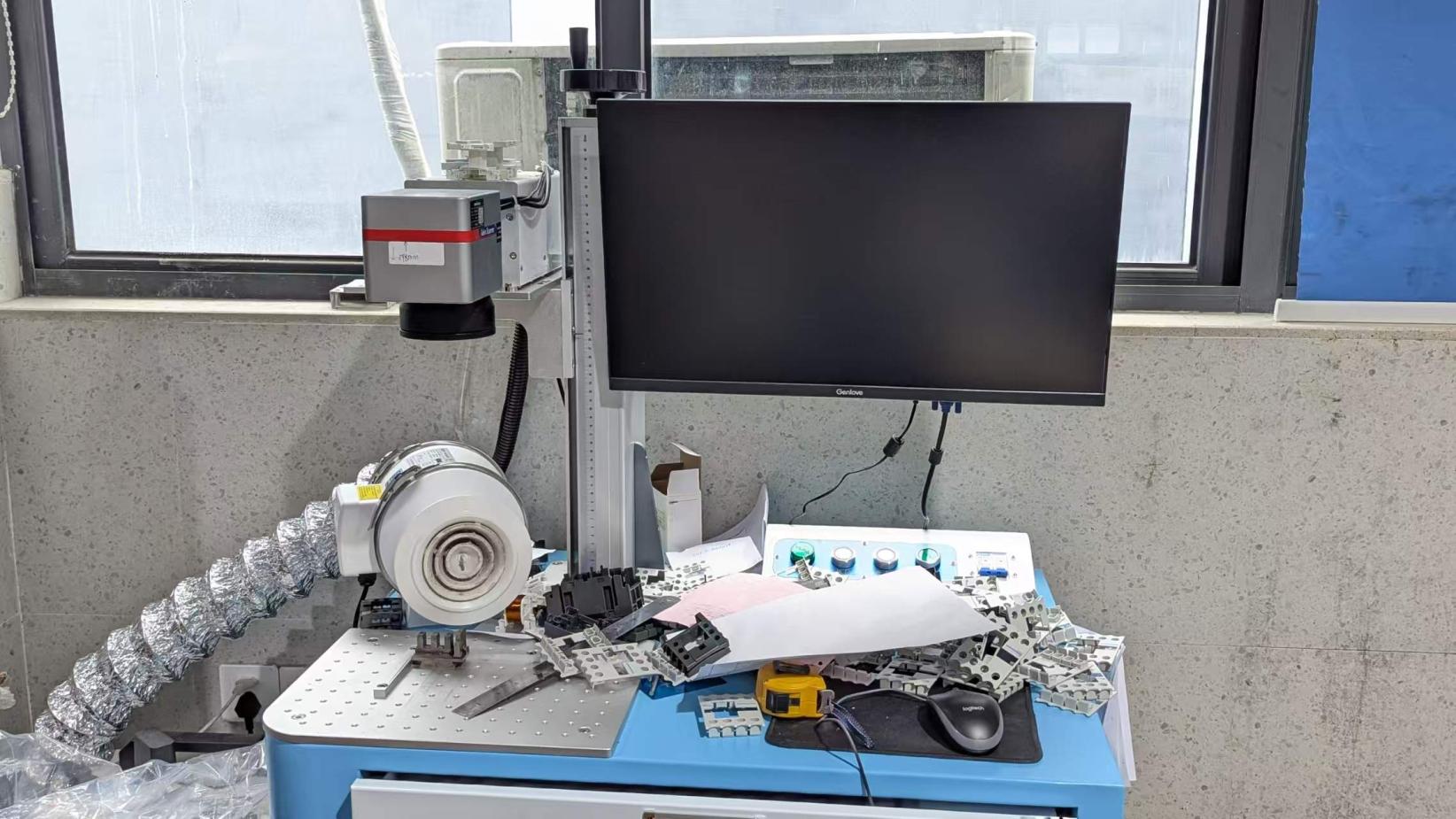
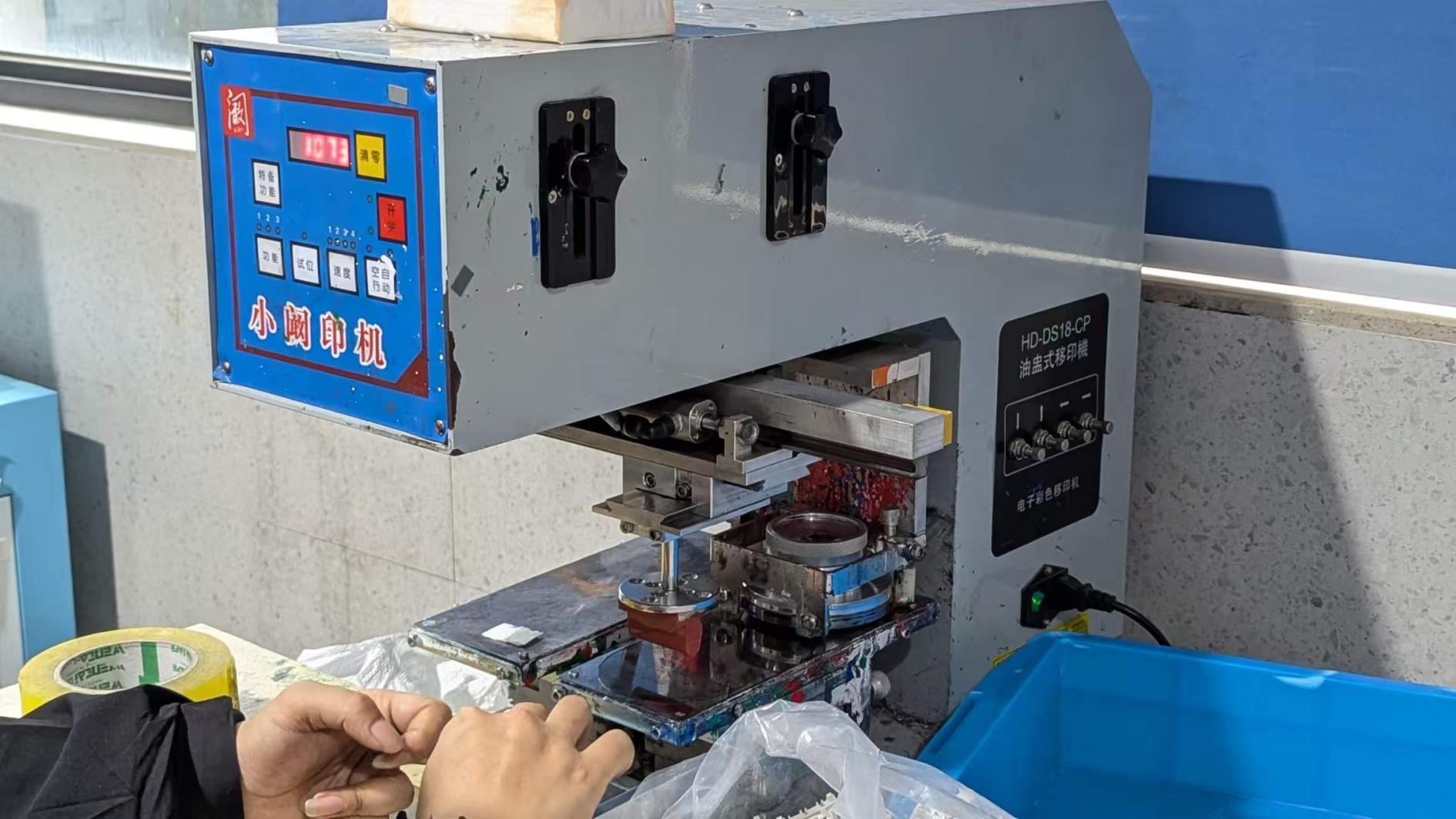
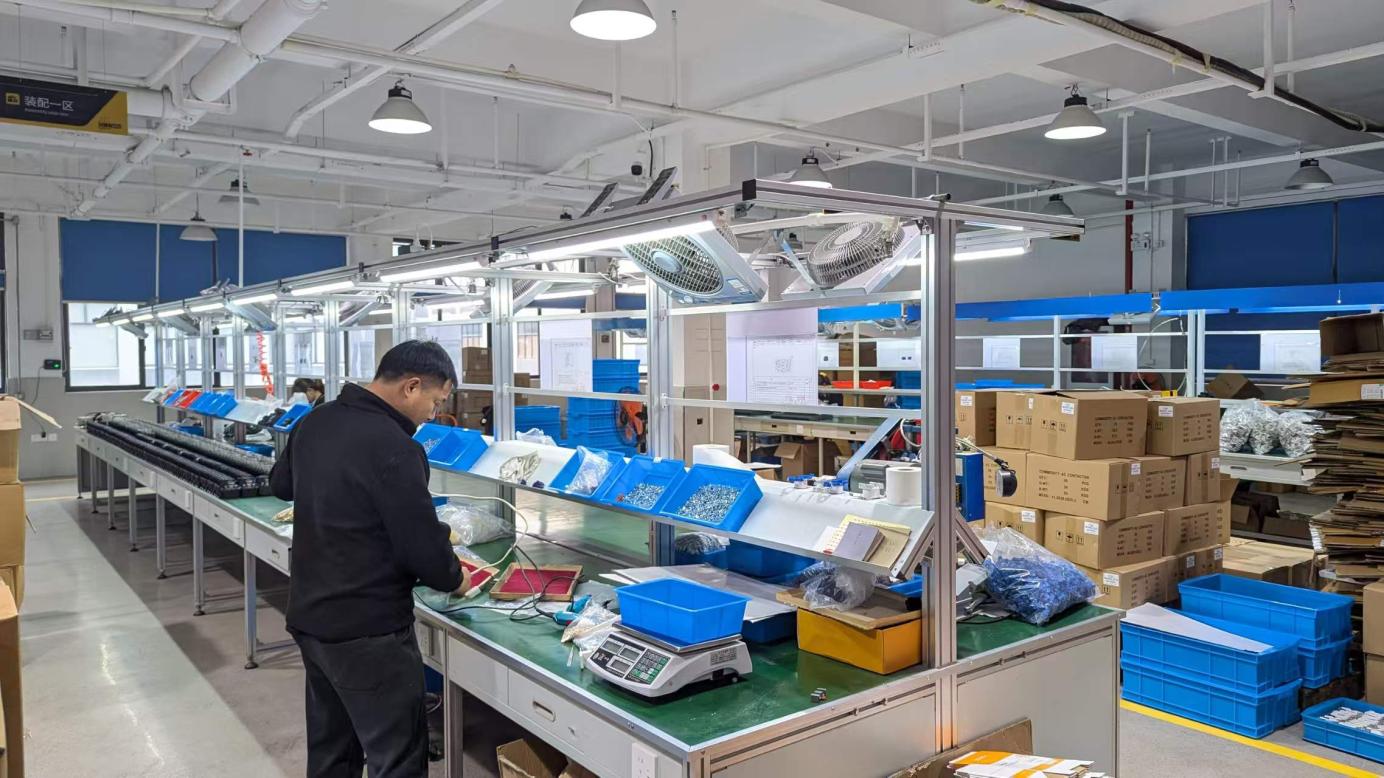
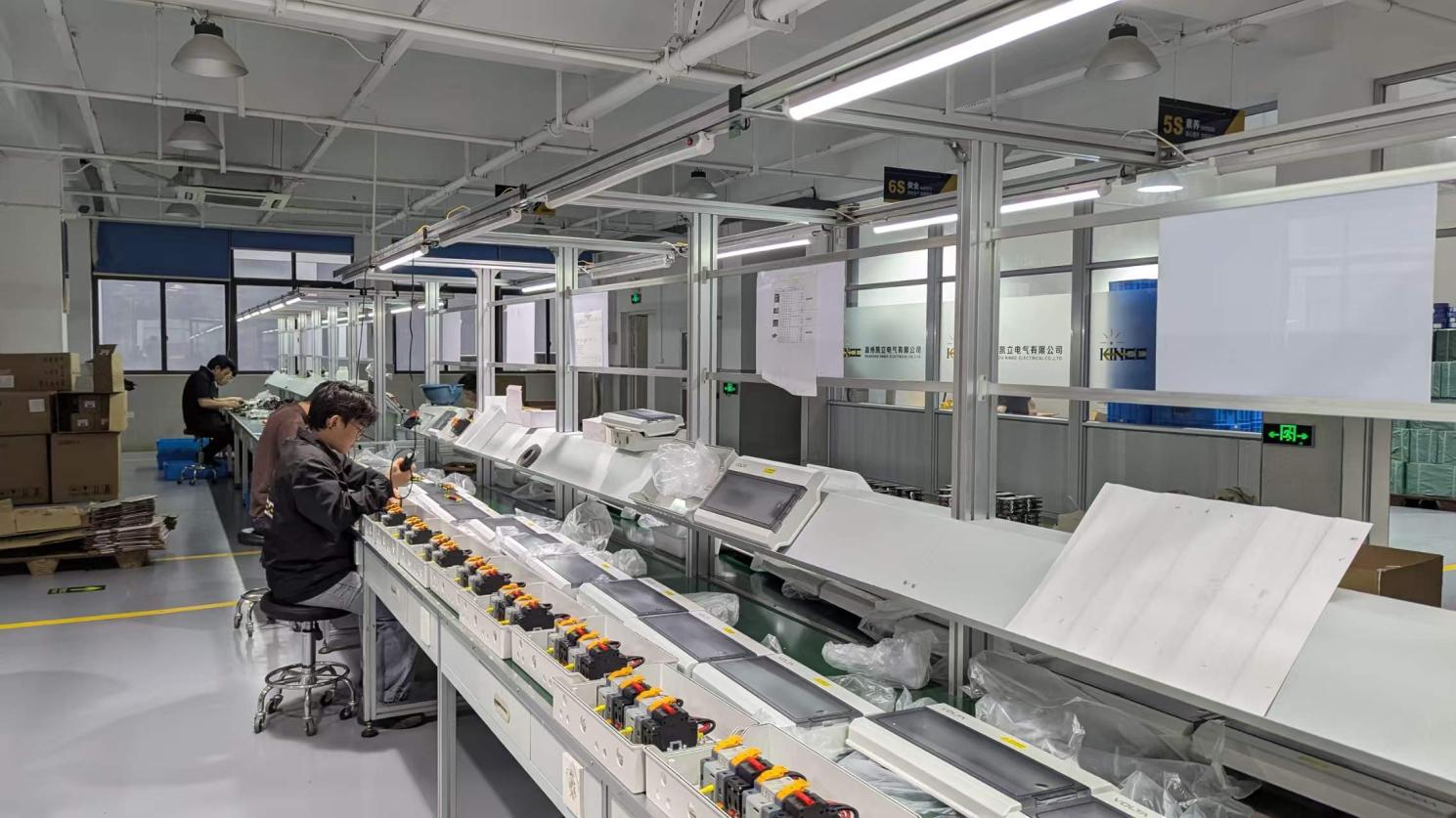
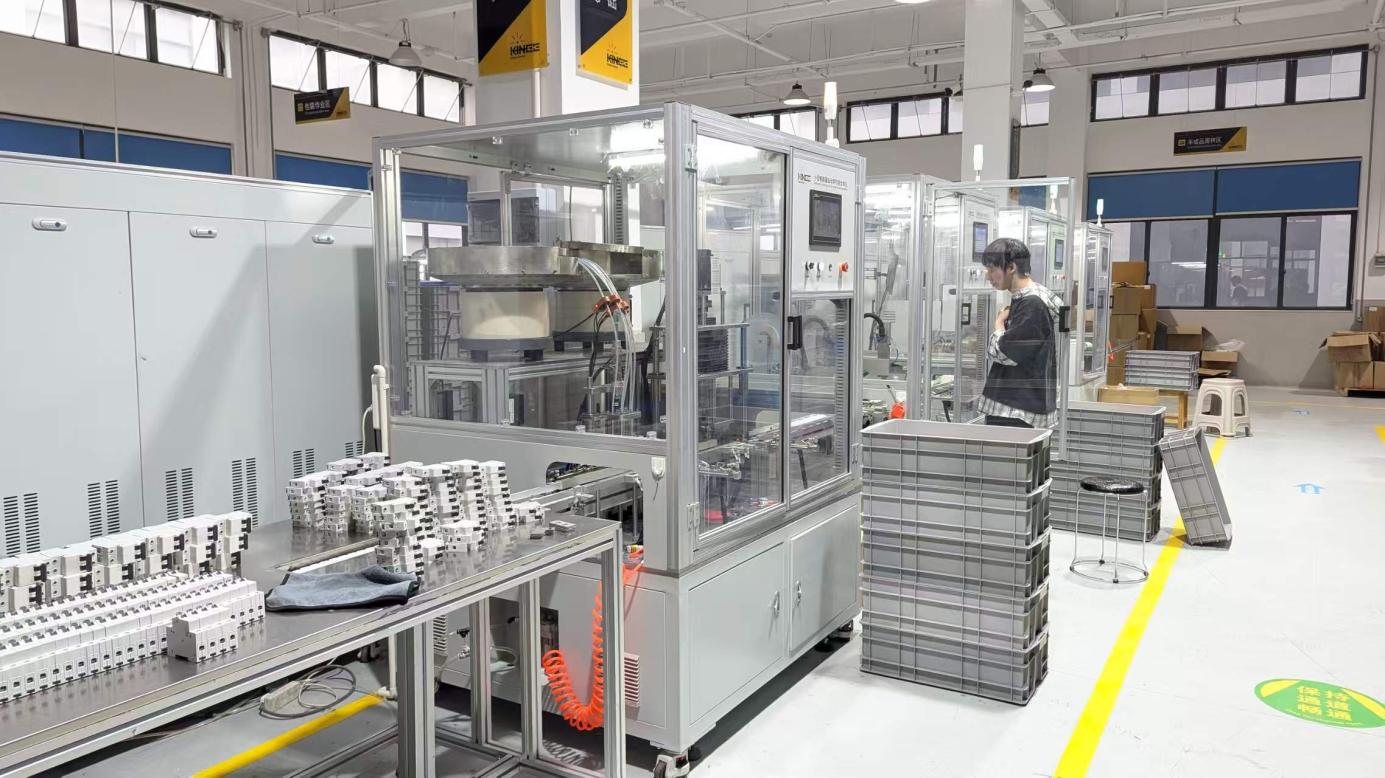
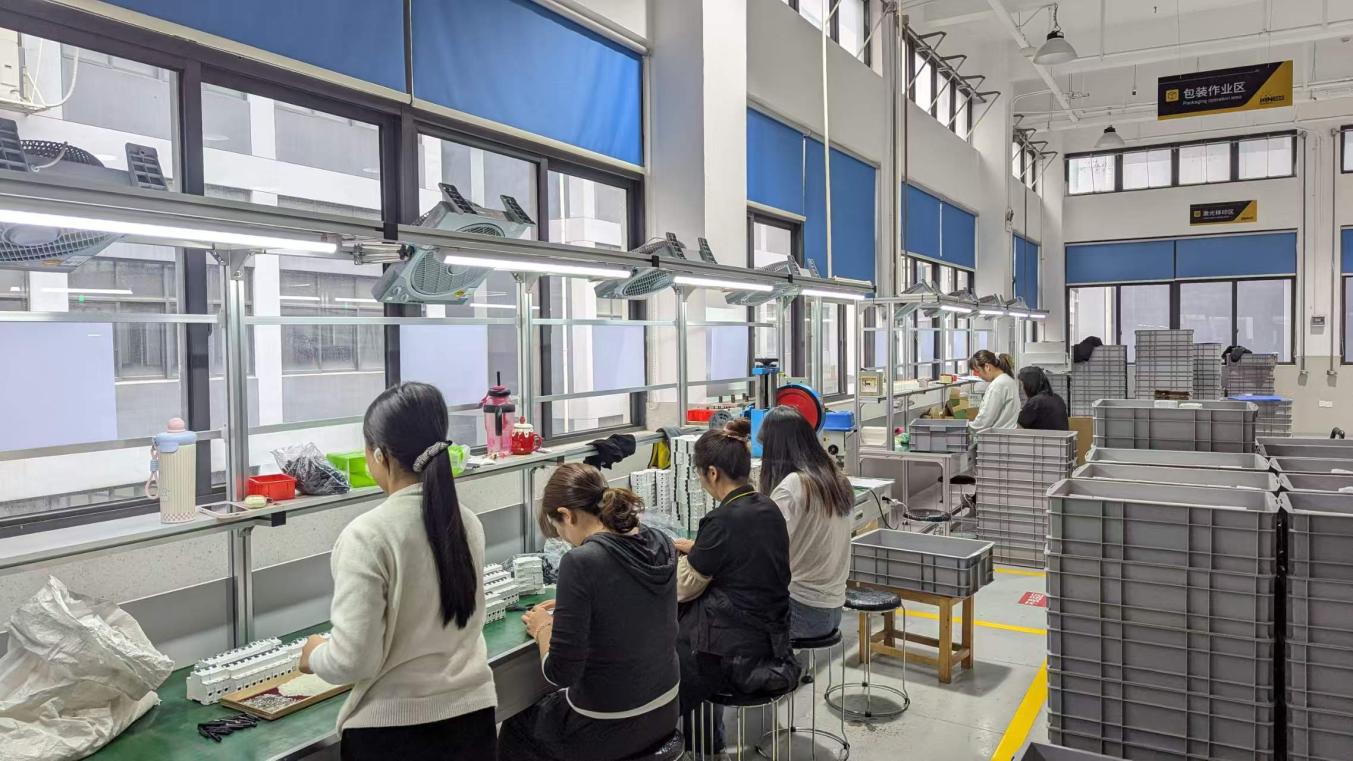
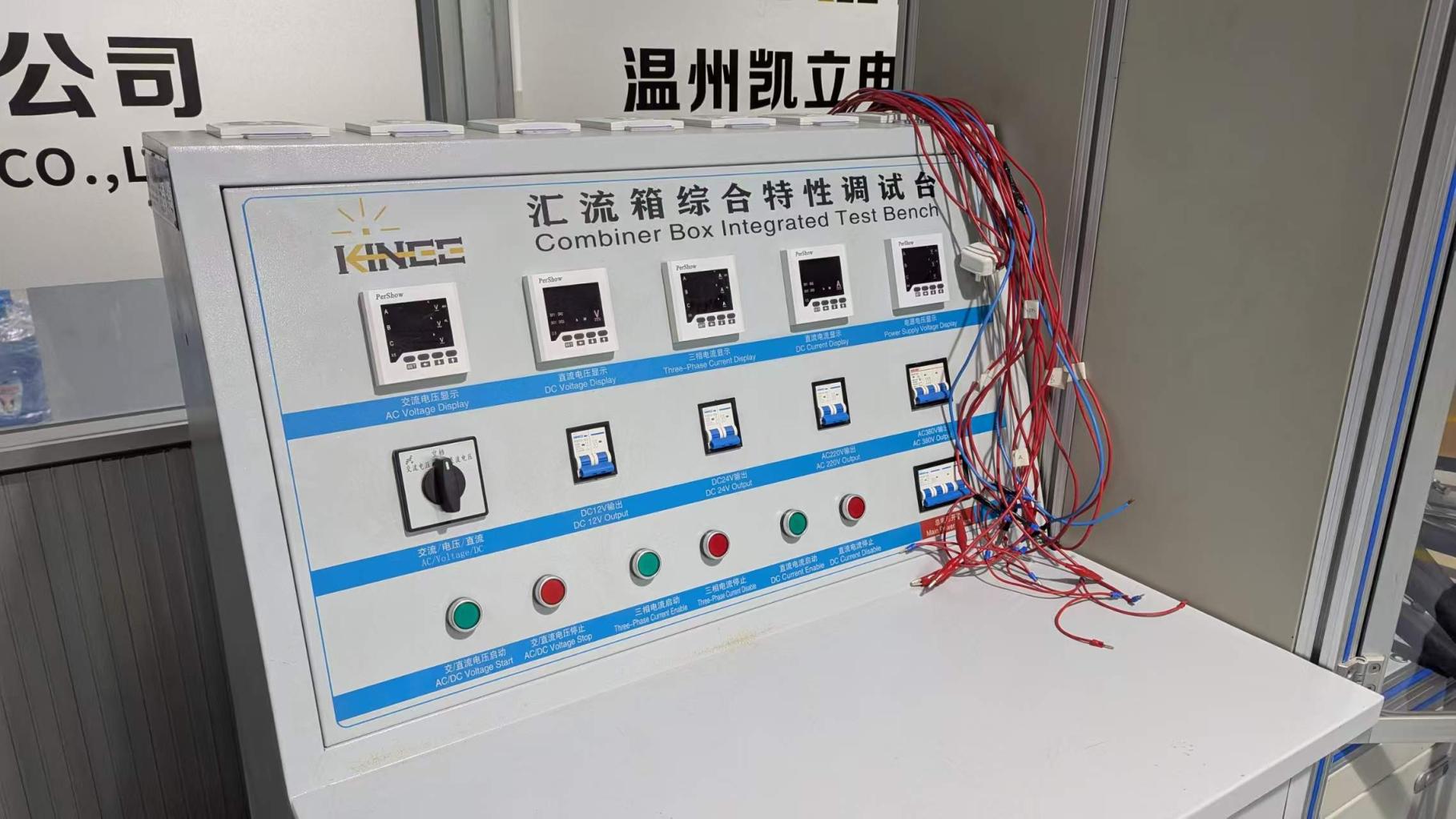
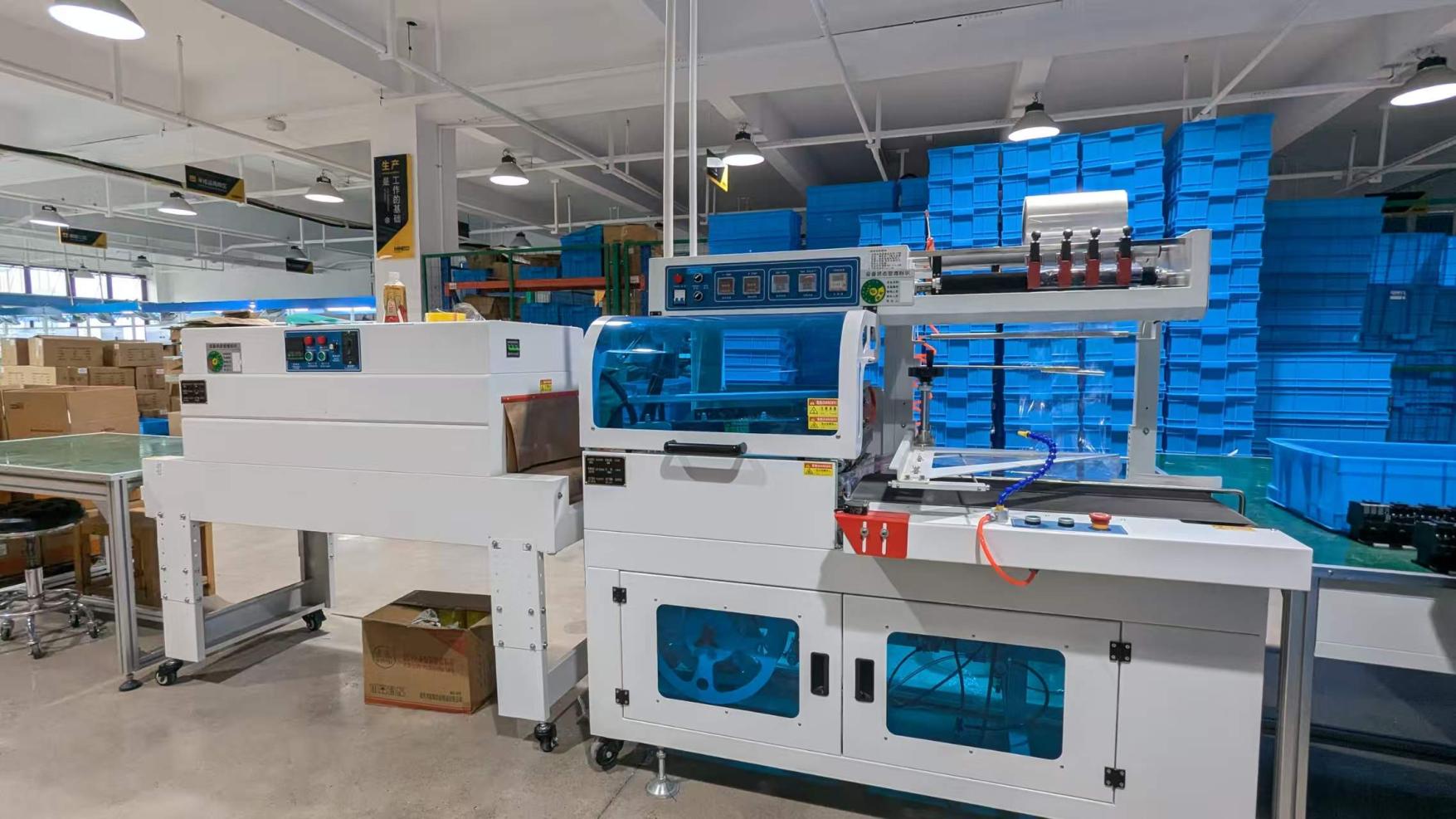
Control relays serve as versatile logic bridges across diverse sectors, including smart homes, solar infrastructure, and industrial factories.
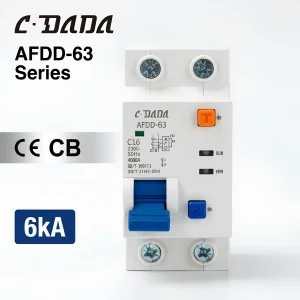
In modern building energy management systems (BEMS), relays manage lighting control, HVAC sequencing, and smart outlet activation. Integrating control relays alongside AFDDs (Arc Fault Detection Devices) and RCBOs protects systems against leakage and fire hazards. The relay isolates circuit lines instantly upon detecting abnormal temperatures or control signal alerts, preventing potential disasters.
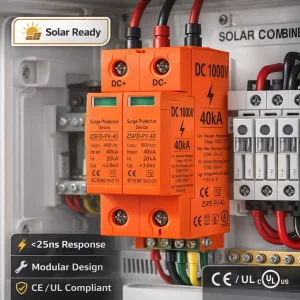
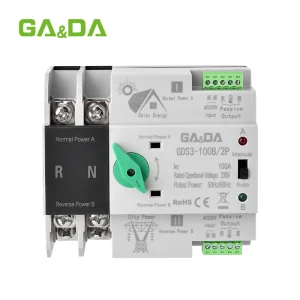
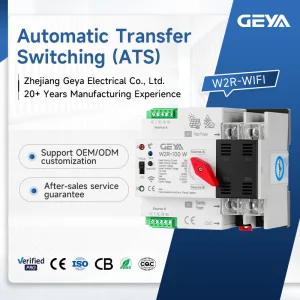
Solar installations require reliable DC/AC transition and surge protection. Here, control relays coordinate with 1000V DC SPDs and Automatic Transfer Switches (ATS). When a power surge occurs or the grid fluctuates, the relay acts as an isolator, disconnecting grid lines safely and routing power back through backup generators or storage units.
In harsh industrial settings, heavy machinery demands robust electrical protection. Motor protective circuit breakers operate alongside multi-pole control relays to manage starting and stopping cycles, avoiding contact welds and mechanical failures.
The transition toward smart grids, IoT automation, and sustainable energy is driving next-generation relay designs. Solid-state relays (SSRs) are increasingly used alongside traditional electromechanical relays (EMRs) to meet diverse system demands.
| Feature | Electromechanical Relays (EMR) | Solid State Relays (SSR) |
|---|---|---|
| Switching Speed | 5ms to 15ms | < 1ms (High frequency capable) |
| Service Life | Finite (10^5 to 10^7 operations) | Virtually infinite (No moving parts) |
| Galvanic Isolation | Excellent (Physical air gap) | Optically isolated (Excellent) |
| Power Dissipation | Minimal on contacts | Higher (Requires heat sinking) |
Technical Answers to Essential Engineering and Procurement Queries
Explore our full line of circuit protection, switches, and distribution system components.