Bowser Electric
Bowser Electric
Bowser Electric
Discover our primary selection of high-performance Automatic Transfer Switches engineered for rapid power transitions and complete system reliability.
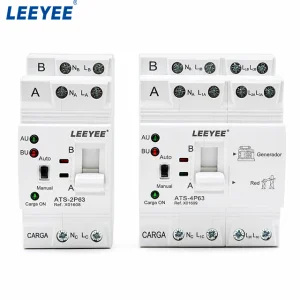
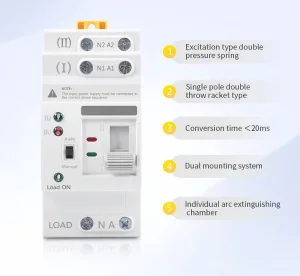
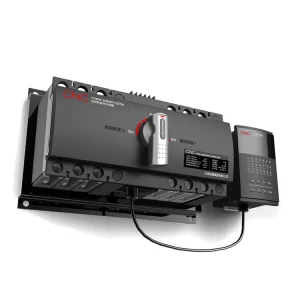
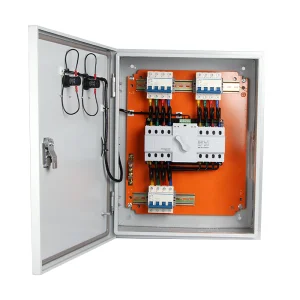
Australia is experiencing one of the fastest electrical transitions globally, characterized by massive uptake in distributed energy resources (DERs) such as rooftop solar PV, residential battery storage, and localized microgrids. While this transition reduces dependency on carbon-heavy fossil fuels, it introduces profound voltage volatility and localized grid instability across regional networks managed by the Australian Energy Market Operator (AEMO). Under this context, the deployment of robust **Automatic Transfer Switches (ATS)** has become critical for ensuring continuous power delivery in residential, commercial, and heavy industrial settings.
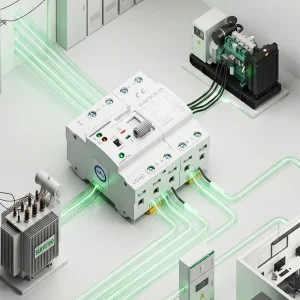
Australia’s harsh climatic profile—characterized by extreme summer heatwaves, bushfires in Victoria and New South Wales, and heavy tropical storms in Queensland—frequently compromises overhead transmission networks. Extreme weather conditions create transient line faults, utility brownouts, and extended blackouts. Commercial and industrial facilities, critical data centers, agricultural processing units, and healthcare hubs cannot tolerate these power supply discrepancies. An ATS acts as the primary gatekeeper, automatically sensing a utility loss and switching the critical loads to on-site diesel generator backups or battery energy storage systems (BESS) within milliseconds.
Entering and operating within the Australian electrical market requires absolute adherence to rigorous regulatory frameworks. The basic "Wiring Rules" (**AS/NZS 3000**) dictate clear guidelines regarding isolation, short-circuit protection, and connection to alternative power sources. For Automatic Transfer Switches, the primary equipment standard is **AS/NZS 60947.6.1** (low-voltage switchgear and controlgear—multiple function equipment—transfer switching equipment).
Australian safety inspectors demand that any imported ATS exhibits verified certifications detailing its electrical ratings. Devices must feature appropriate insulation voltages ($U_i$), impulse withstand voltages ($U_{imp}$), and short-circuit making/breaking capacities ($I_{cm}$/$I_{cn}$). Furthermore, for grid-connected hybrid solar systems, the ATS must guarantee complete mechanical interlocking to prevent parallel grid feeding (anti-islanding compliance), protecting regional linesmen working on utility networks.
Engineered and tested to strict oceania electrical standards, ensuring safe isolation and high-capacity current disruption.
Strict mechanical and electrical interlocks prevent simultaneous connection of utility power and backup sources.
Fully compatible with Australia's Multiple Earthed Neutral (MEN) framework, avoiding earth loop faults during transfers.
When engineering an electrical backup system, procurement managers and lead electrical contractors in Australia face a critical choice between **PC Class** and **CB Class** Automatic Transfer Switches. Understanding the mechanical and electrical differences is essential for system longevity and safety.
| Parameters | PC Class Transfer Switch (Recommended) | CB Class Transfer Switch |
|---|---|---|
| Primary Mechanism | Solenoid-operated, double-throw contact design. Built specifically for transfer switching. | Constructed using molded case circuit breakers (MCCB) or miniature circuit breakers (MCB). |
| Overcurrent Protection | No built-in overcurrent trip. Requires external circuit protection devices. | Features an integral overcurrent and thermal-magnetic trip unit. |
| Short-Circuit Ratings ($I_{cw}$) | Very high short-time withstand current. Capable of surviving heavy fault currents without damage. | Limited short-circuit withstand due to the trip mechanism’s reaction threshold. |
| Mechanical Lifespan | Significantly higher operations (10,000+ cycles) due to simplified dual-throw moving components. | Lower cycles; MCB/MCCB spring mechanisms degrade quicker under frequent manual/auto operations. |
| Transfer Speed | Ultra-fast transition (often < 50ms), reducing downtime for digital controls. | Slower transition (100ms - 500ms) due to mechanical breaker trip and reset times. |
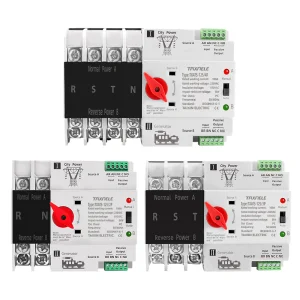
For high-availability systems such as healthcare facilities, telecommunications, and solar battery storage systems, **PC Class ATS** is the industry standard. Because it is capable of withstanding large electrical faults without welding its contacts together, it provides superior system reliability. For downstream panels where overload protection is also desired in a single space-saving enclosure, a **CB Class ATS** may be deployed. Our catalog addresses both demands, offering high-withstand DIN-rail PC-type units as well as integrated circuit-breaker style assemblies.
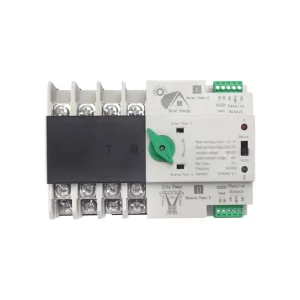
In Australian electrical systems, the neutral conductor is connected to the earth at the main switchboard through the Multiple Earthed Neutral (MEN) link. When switching between the main utility supply and a secondary power generator, using a **4-Pole (4P)** ATS ensures that the neutral is switched simultaneously with the active phases. This prevents parallel neutral return paths, which can lead to stray currents, nuisance tripping of residual current devices (RCDs), or hazardous ground faults. Wenzhou Bowser Electric offers meticulously designed 2P (for single-phase residential) and 4P (for three-phase commercial) ATS units optimized for stable MEN network operation.
The global demand for reliable switchgear has surged, driven by renewable integration and industrial automation. Leading Australian distributors, panel builders, and OEM companies rely heavily on partnerships with experienced Chinese manufacturers to balance performance and capital expenditure.
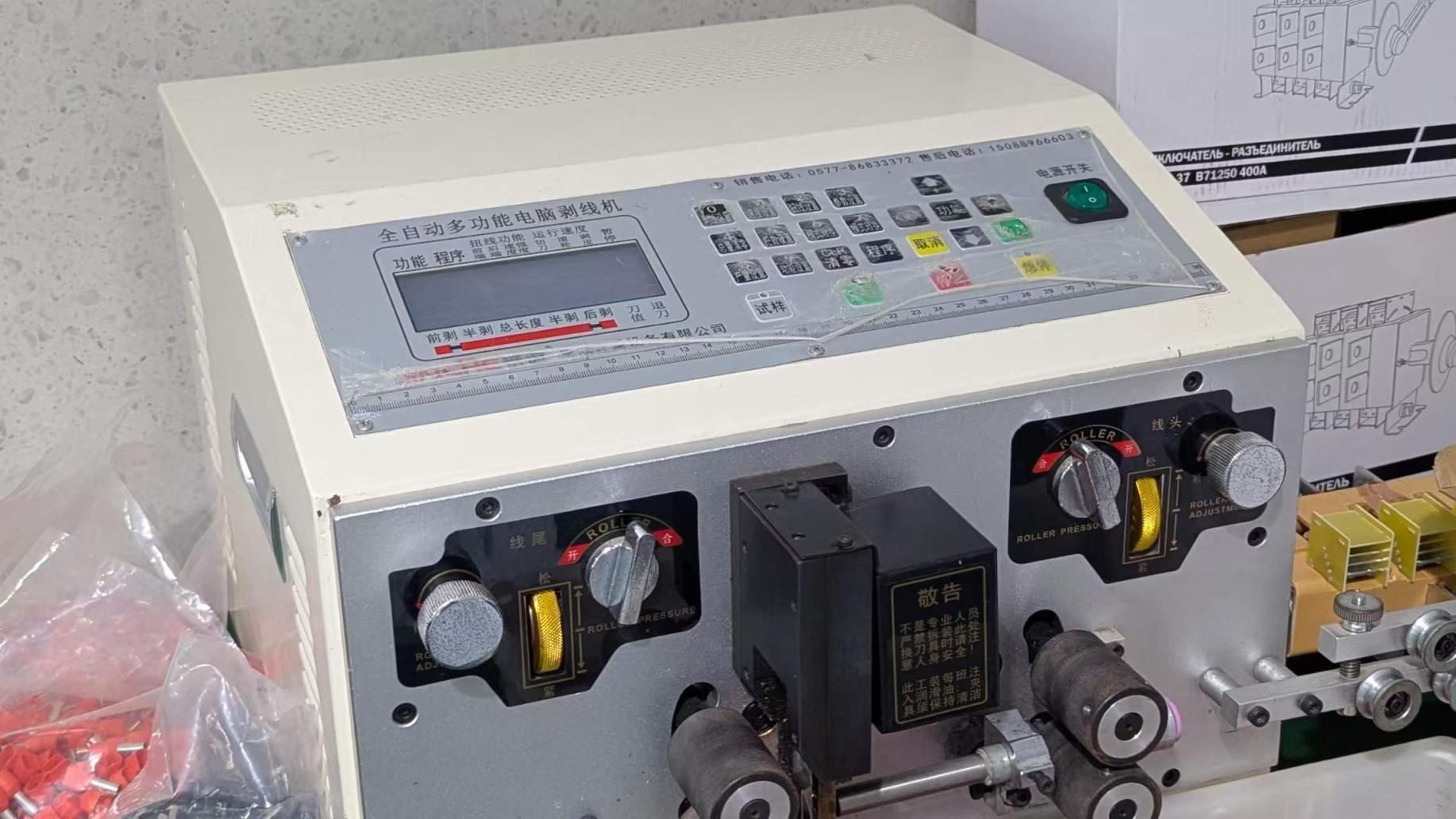
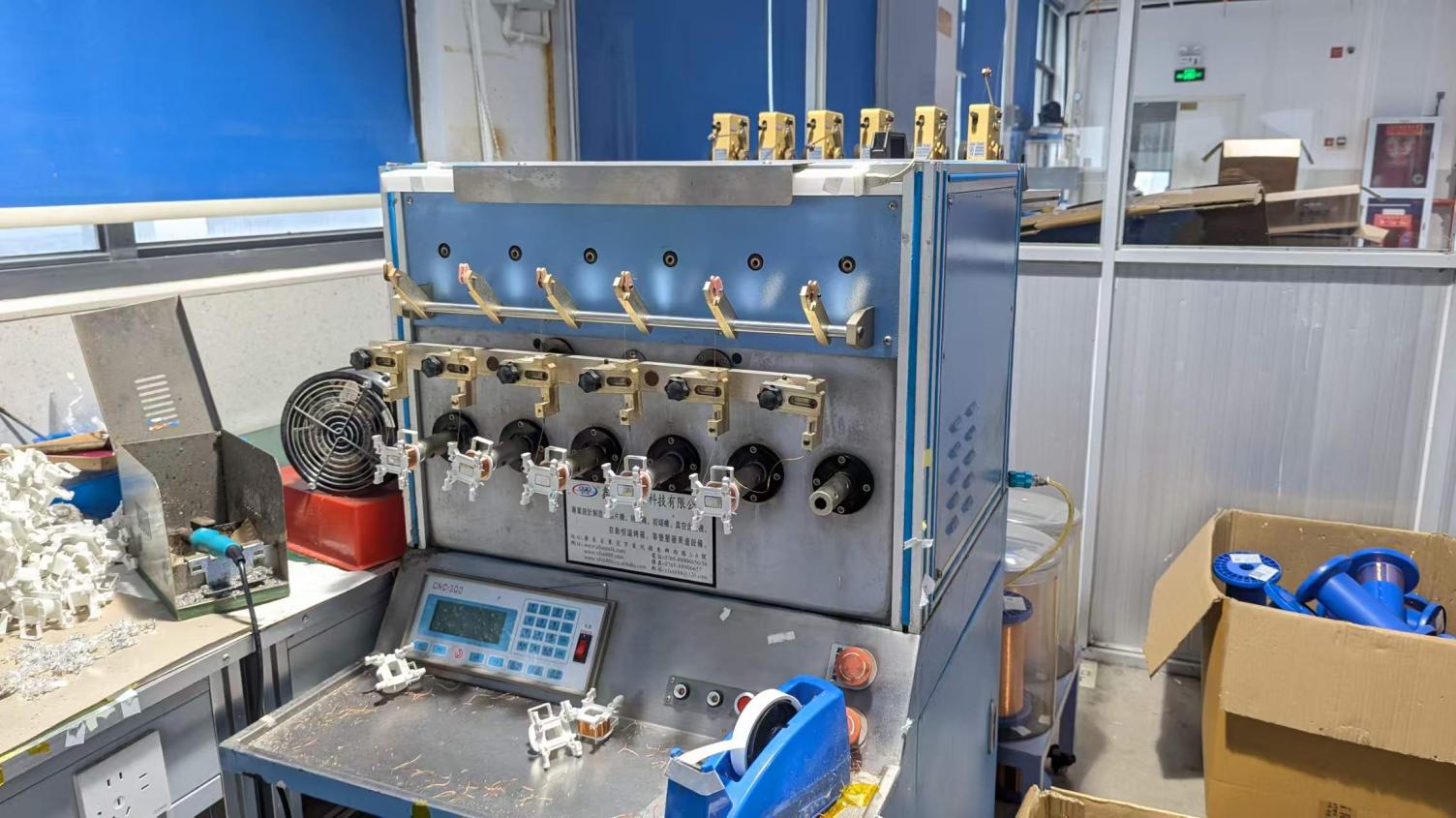
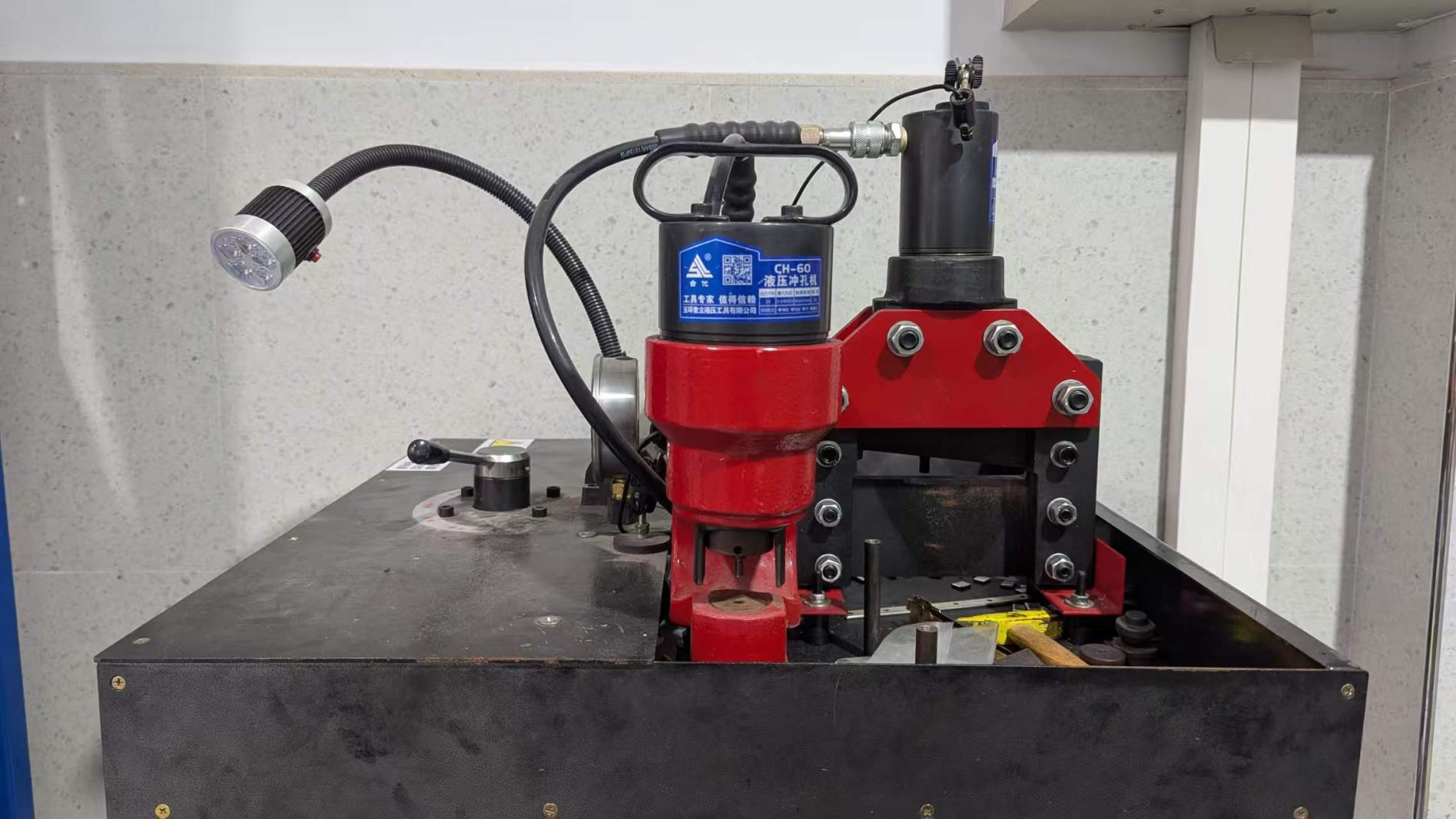
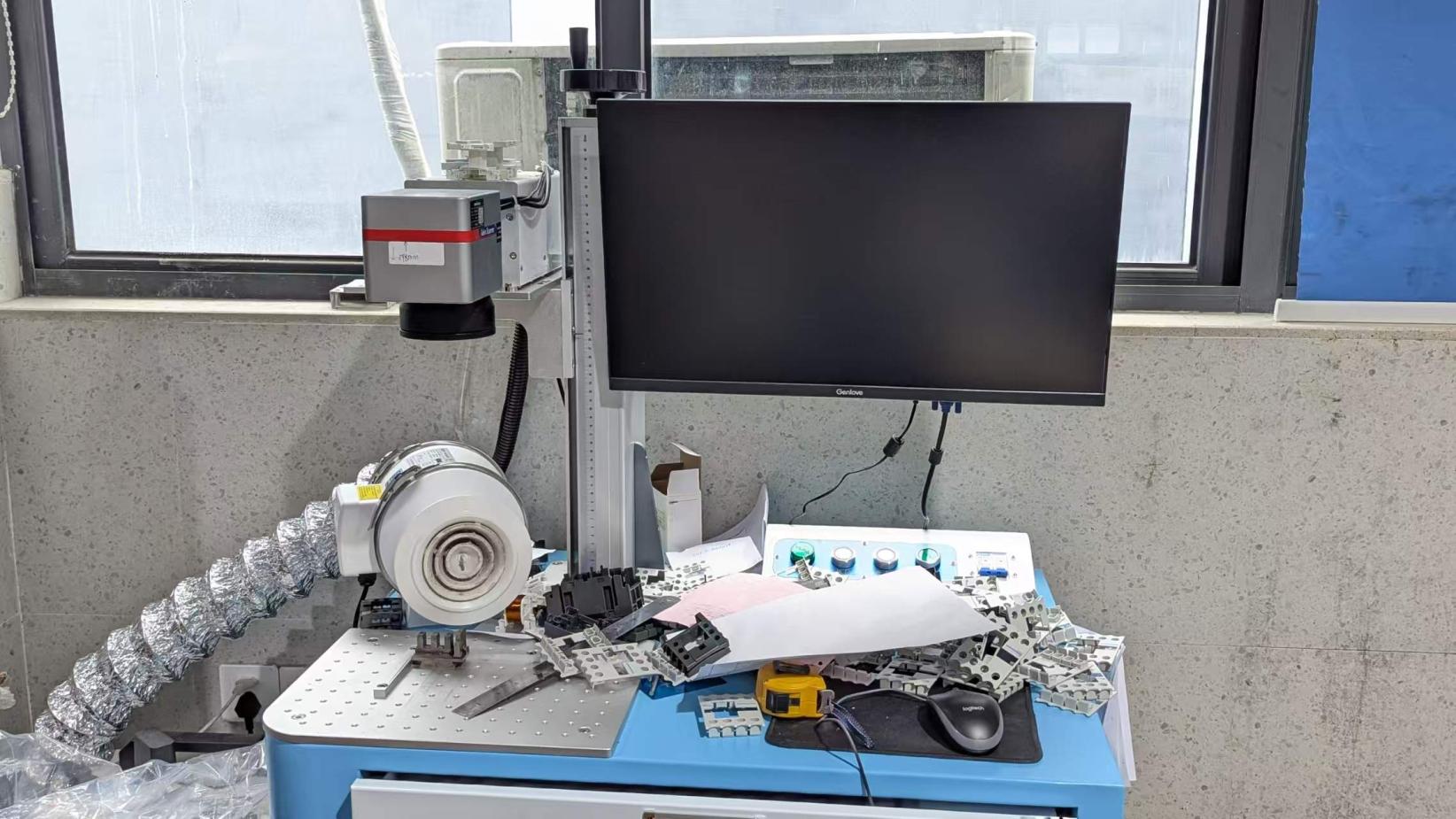
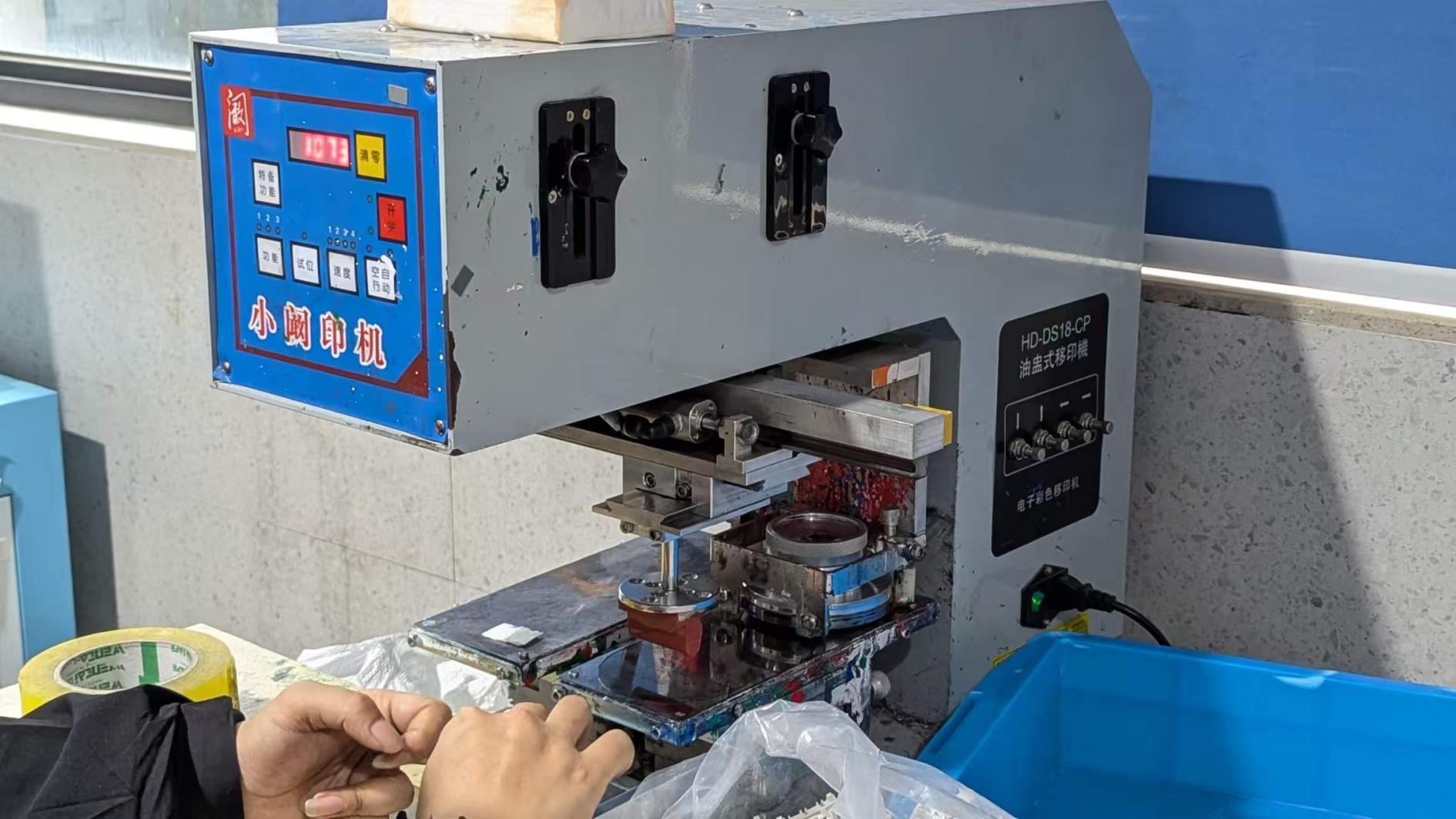
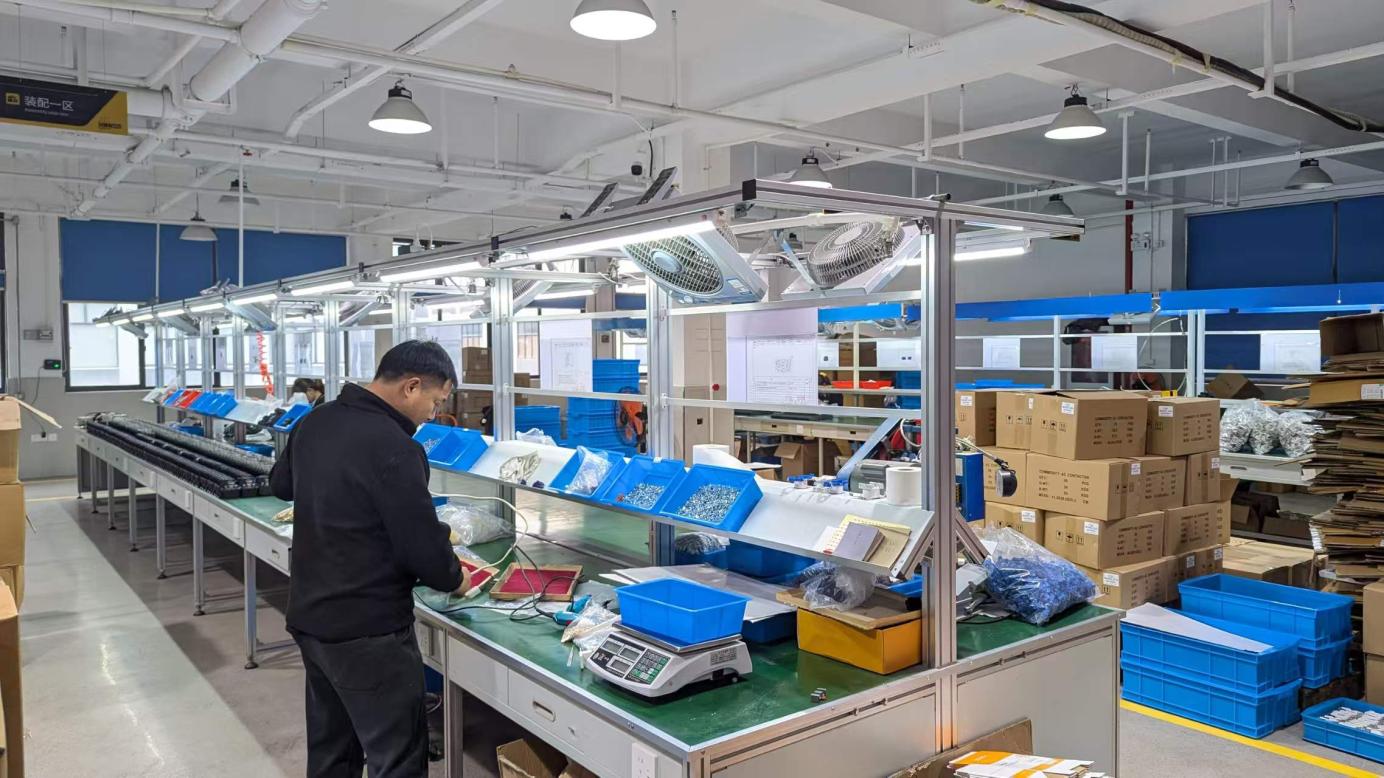
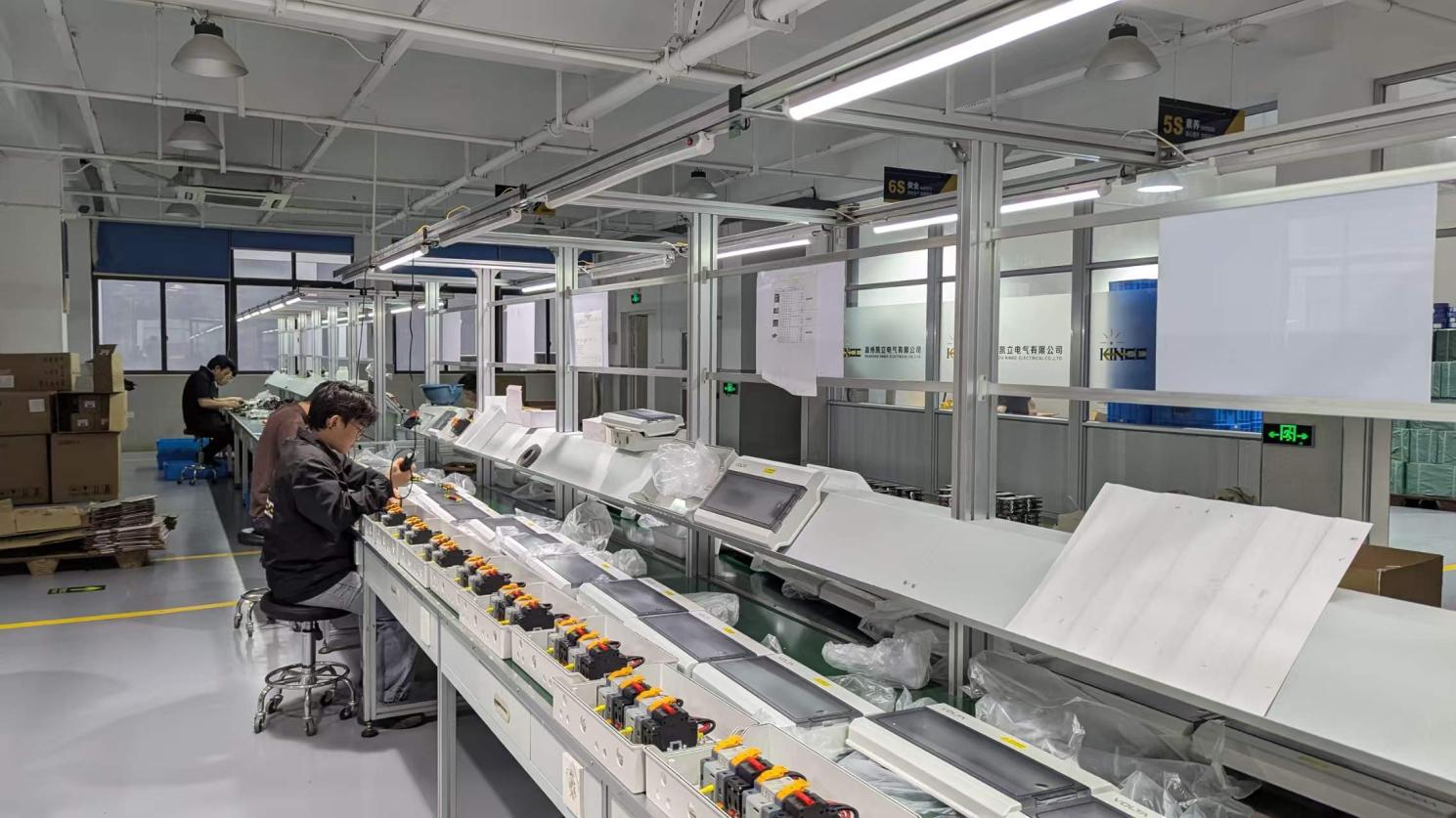
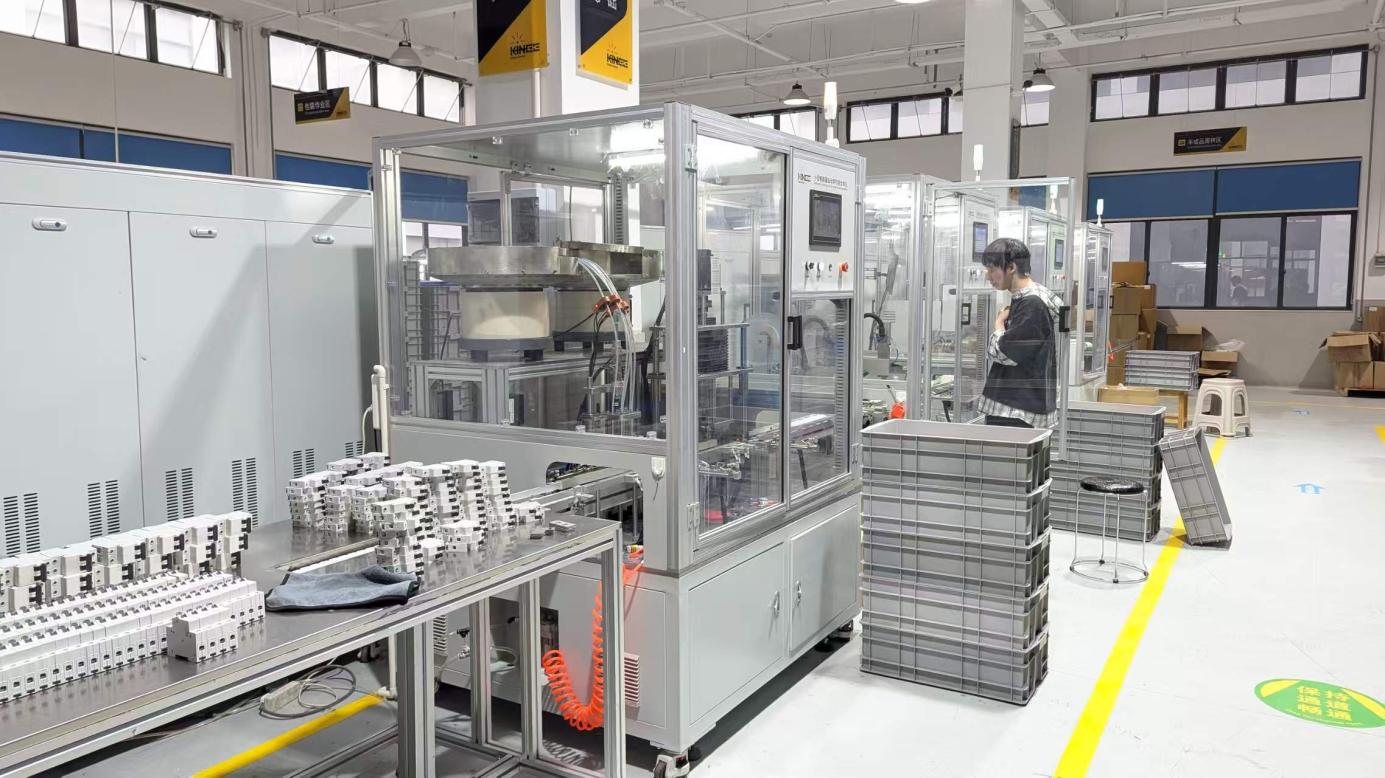
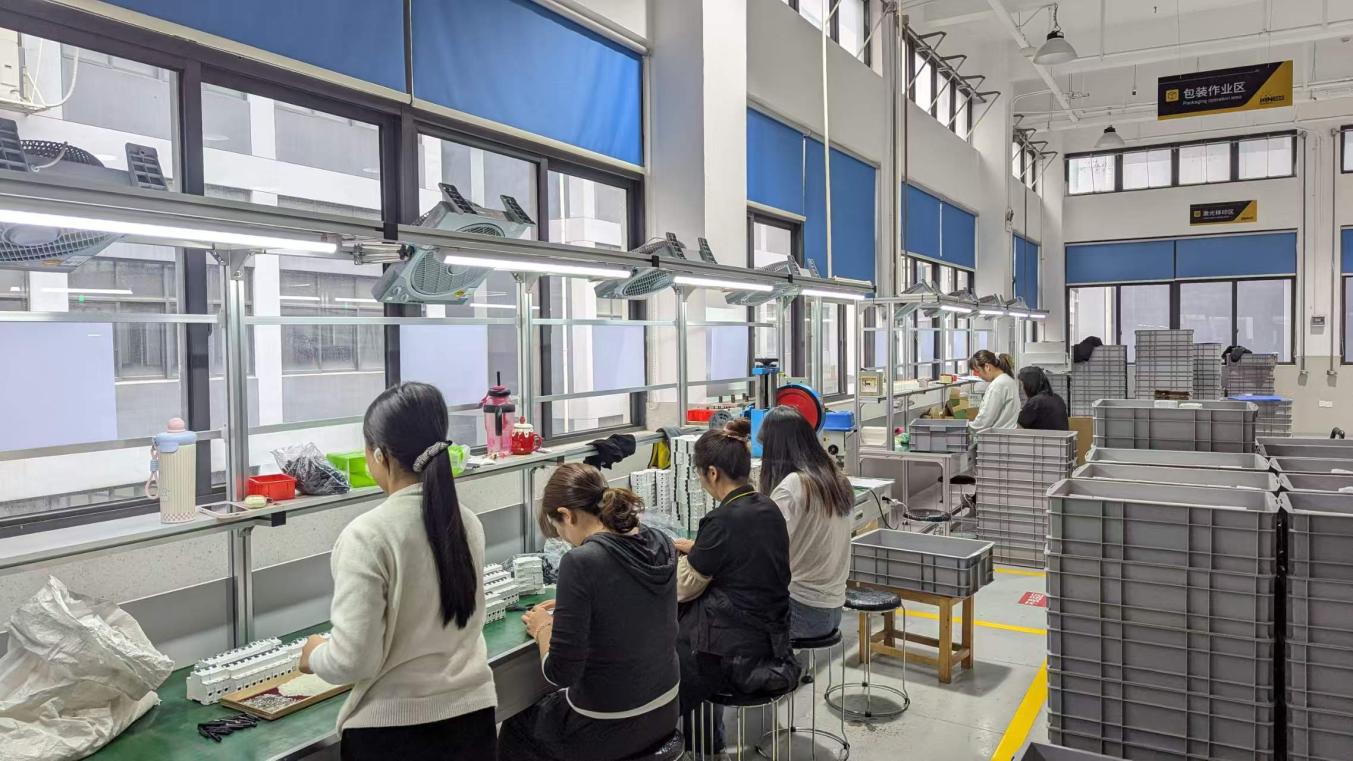
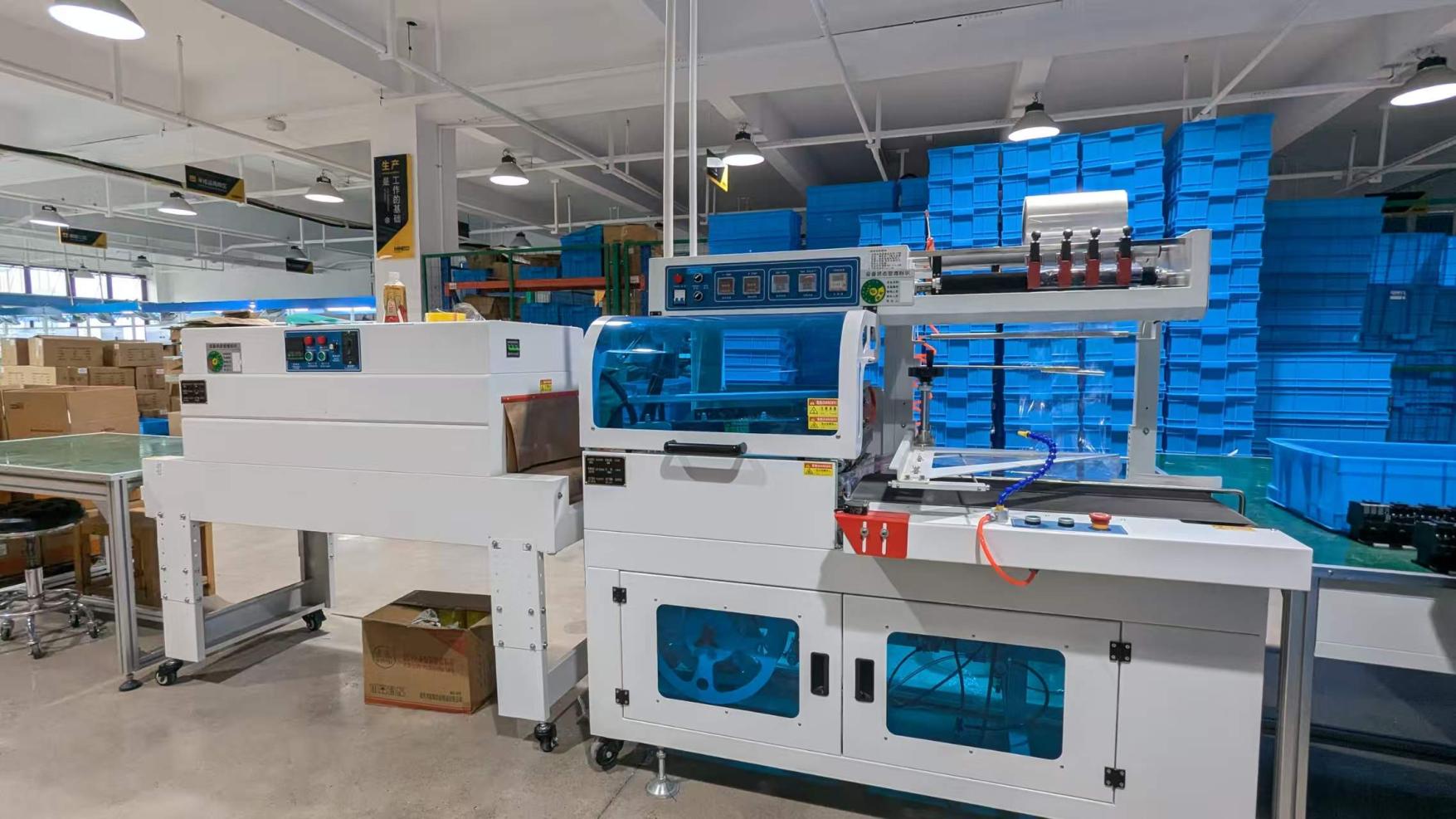
Situated in Wenzhou, the global heartland of low-voltage electrical manufacturing, **Wenzhou Bowser Electric Co., Ltd.** operates a state-of-the-art facility featuring vertically integrated production processes. From automated wire stripping and winding to hydraulic punching, laser marking, and advanced automated riveting, every stage of manufacturing is controlled under strict ISO 9001 quality management systems.
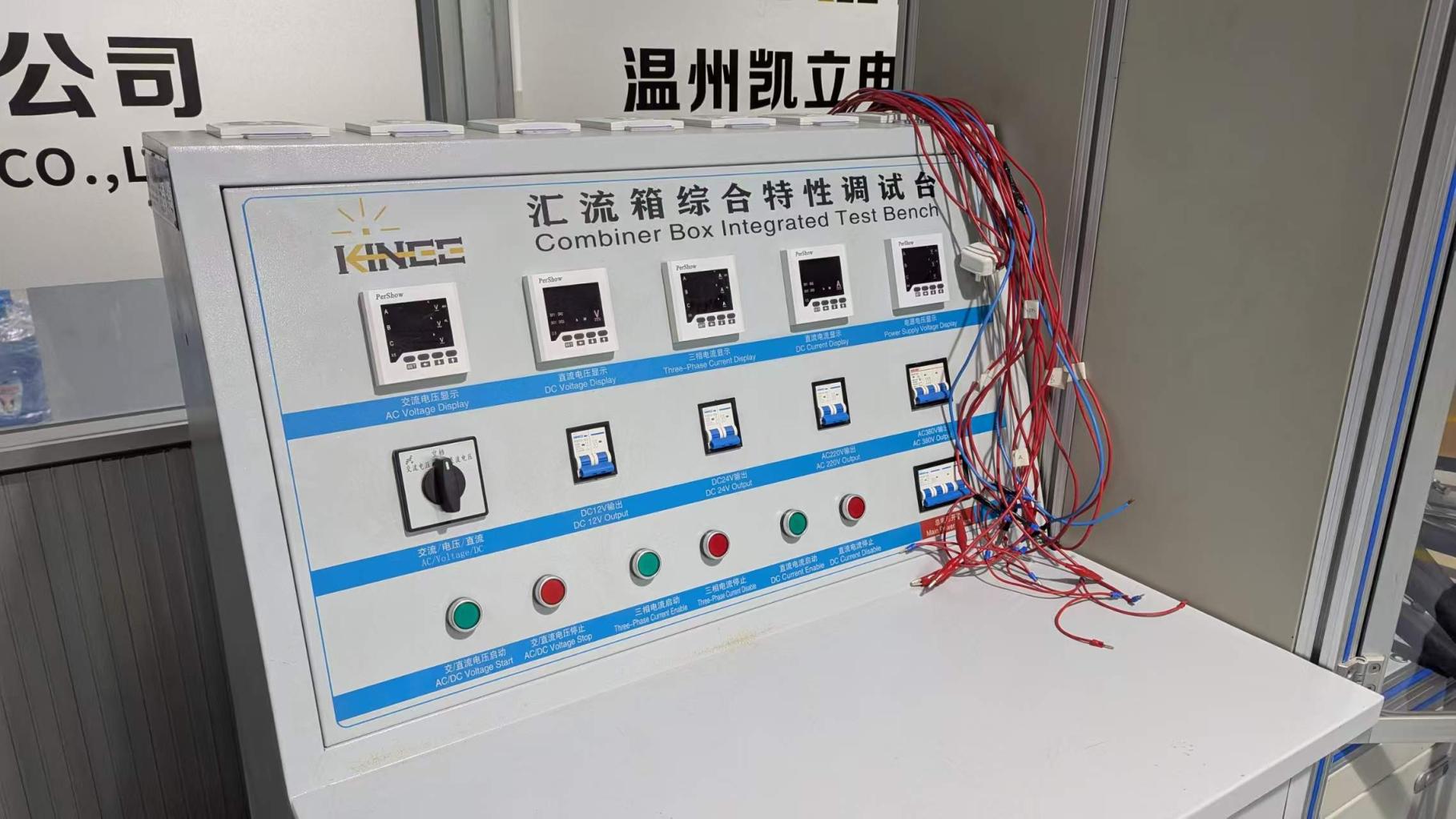
Our competitive advantage lies in our 35+ member R&D team, which holds over 25 international patents. By combining advanced manufacturing machinery with rigorous electrical testing rigs, we consistently maintain a **99.9% defect-free rate**. This level of quality control allows us to confidently back our ATS units with a **5-year warranty**, providing Australian engineering firms and project managers with peace of mind.
Industrial projects across Western Australia’s mining sector or Queensland’s agricultural infrastructure require tailored electrical components. We excel in **OEM and ODM services**, having executed more than 150 unique product modifications for global clients. Whether you require specific RS485 communication protocols for remote Modbus monitoring, specialized DIN-rail mounting form factors, or custom terminal lug configurations to suit Australian building cables, our engineering team can modify design schematics and produce test samples within minimal lead times.
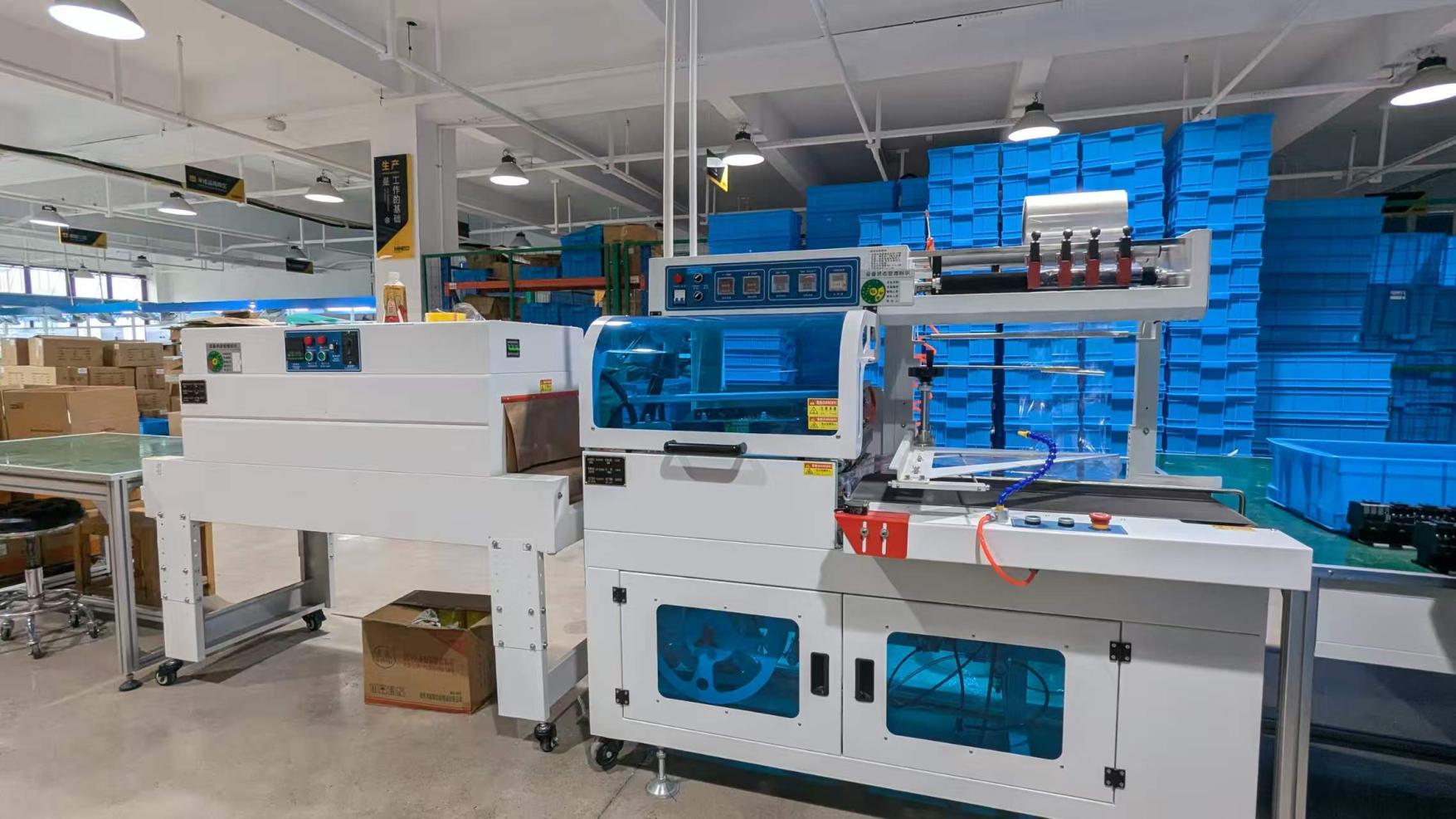
Explore our state-of-the-art production floor, where modern automation and strict inspection standards guarantee high-performance electrical components.
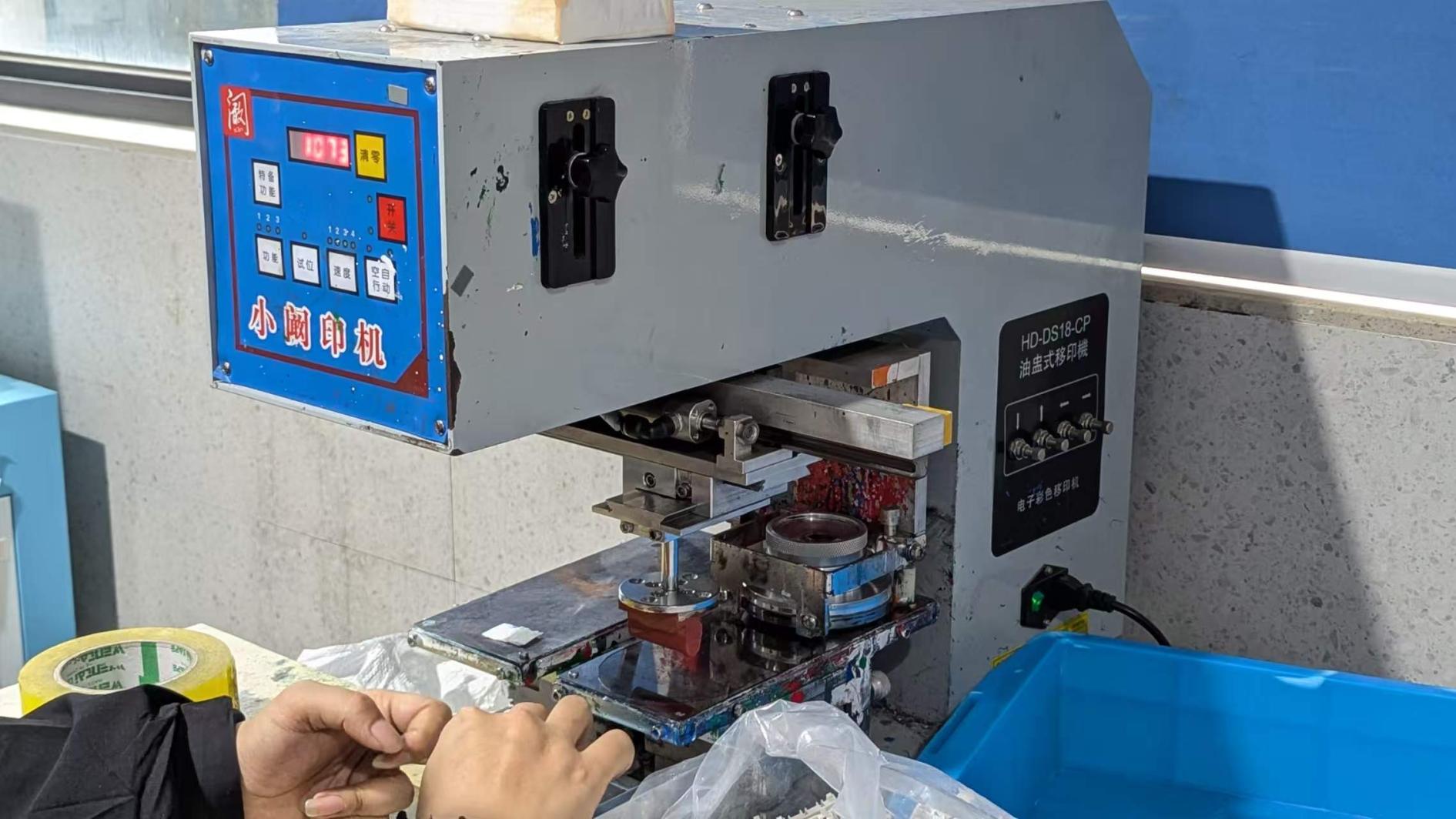
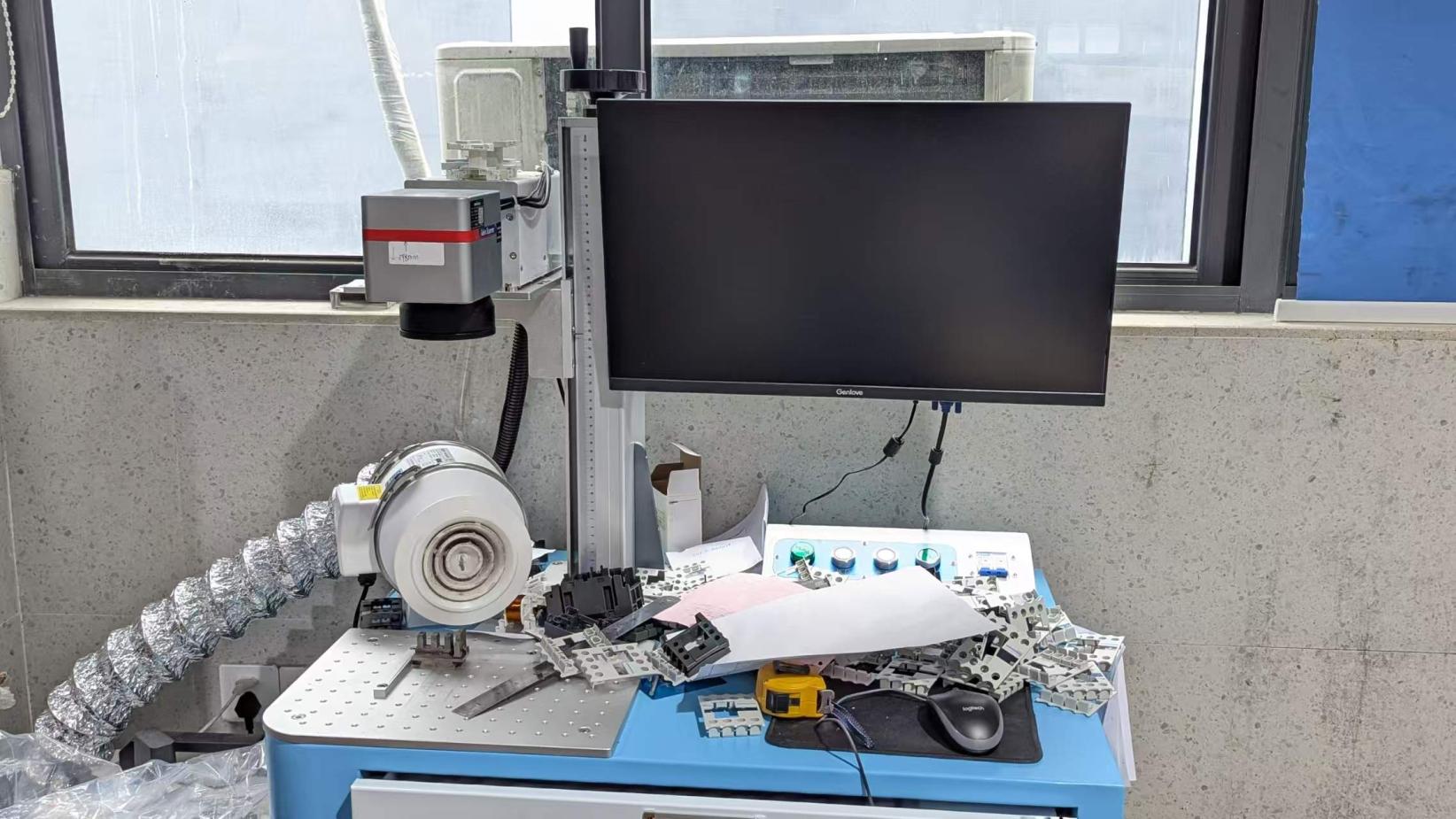
Our Automatic Transfer Switch portfolio is structured to cover specialized, demanding environments nationwide, from metropolitan capitals to remote Outback outposts.
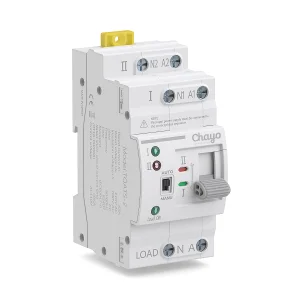
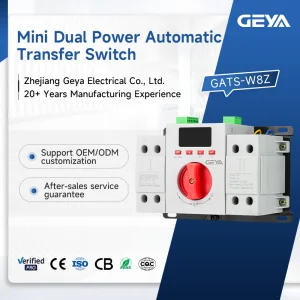
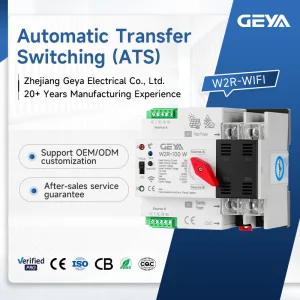
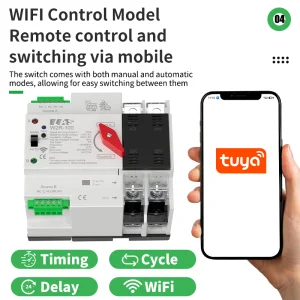
Australia boasts the highest solar PV saturation rates per capita globally. Homeowners increasingly pair solar panels with hybrid battery storage systems. When grid outages occur, our DIN-rail mounted 2P or 4P ATS units (such as the *W2R-WIFI* series) automatically switch the household circuits to the battery/inverter backup system. Featuring a fast changeover speed of less than 50 milliseconds, these units ensure that home computers, appliances, and essential medical devices continue to operate without reset.
Agriculture in regional Victoria, South Australia, and New South Wales is highly mechanized. Automatic feeding systems, greenhouse temperature controls, and irrigation pumps require continuous power. Even brief power losses can disrupt critical operations. Installing our industrial-grade PC Class ATS alongside backup diesel generators guarantees immediate, automated power restoration, protecting crop yields and livestock operations.
Suburban business parks in Sydney, Melbourne, and Brisbane require high-density power backups. Our integrated remote control ATS options (featuring RS485 and Smart Tuya IoT interfaces) allow facility managers to monitor voltage levels across the line, schedule automated cycle testing, and check transfer history logs from centralized SCADA systems or mobile devices.
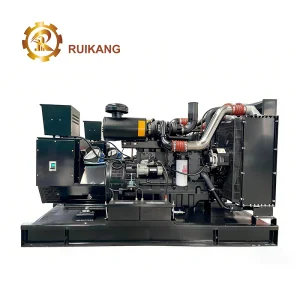
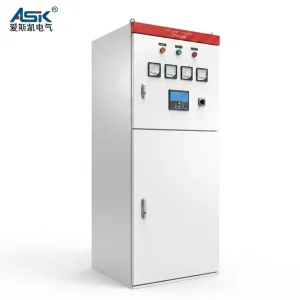
Mining operations in Western Australia and Queensland operate in extremely dusty, hot environments. Power is generated on-site via standalone diesel-gas generator units. Our heavy-duty industrial cabinet-level ATS units, offering up to 630A ratings, are designed with rugged polycarbonate covers and copper terminal connections to withstand continuous operation in these demanding conditions.
Get clear, detailed answers to technical and regulatory questions regarding ATS applications in Australia.
Explore our full selection of Automatic Transfer Switches, covering high-amperage commercial switchboards, smart-home units, and specialized laboratory testing equipment.