Bowser Electric
Bowser Electric
Bowser Electric
High-performance solutions designed for rapid changeovers in domestic, commercial, and critical industrial applications
The energy infrastructure of the United States is undergoing a monumental shift. Aging utility grids, combined with an increasing frequency of severe weather events (ranging from polar vortexes in Texas to wildfire mitigation shutoffs in California), have made power reliability a paramount concern. In this context, the Automatic Transfer Switch (ATS) has evolved from an optional emergency component to a mandatory node within critical power distribution architectures.
Within United States industrial and commercial projects, standby systems are regulated strictly by national codes such as the National Electrical Code (NEC) Articles 700 (Emergency Systems), 701 (Legally Required Standby Systems), and 702 (Optional Standby Systems). For compliance, engineers and developers prioritize transfer switches certified under UL 1008 (Standard for Transfer Switch Equipment), which dictates stringent short-circuit withstand and closing ratings (WCR). A switch operating in the US market must survive extreme fault currents and transfer loads in milliseconds to safeguard lives and multi-million dollar machinery.
Moreover, the integration of distributed energy resources (DERs) such as onsite solar PV, battery energy storage systems (BESS), and microgrids has created a demand for sophisticated ATS solutions. Traditional open-transition switches (break-before-make) are increasingly being augmented by closed-transition switches (make-before-break) and fast-acting static transfer switches (STS) to prevent voltage sags from disrupting sensitive IT equipment, automated lines, and specialized drivetrain test setups.
E-E-A-T Technical Insight: The choice of switching mechanism—whether contactor-based, molded-case switch, or power-frame type—directly influences the system’s endurance and thermal performance. In critical US facilities like hospitals and data centers, PC-class switches (capable of making and withstanding short circuits but not intended for interrupting fault currents) are highly preferred for their robust construction and physical durability compared to CB-class switches containing overcurrent releases.
On a global scale, the ATS market is expanding rapidly due to heavy urbanization in developing economies and grid modernization in mature markets. According to recent market analysis, the global automatic transfer switch market is projected to grow significantly, driven by the expanding telecommunications sector, hospital constructions, and mandatory commercial safety regulations.
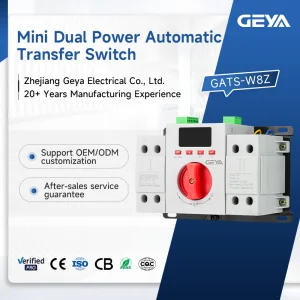
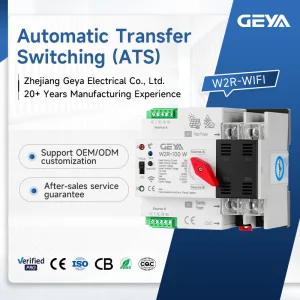
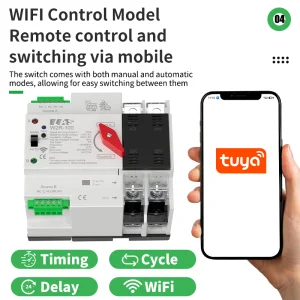
While North America relies on UL standards, the European, Middle Eastern, and Asian markets align strictly with IEC 60947-6-1. Understanding this regulatory dualism is key for global project managers and procurement offices. Globally, there is a distinct trend toward "Smart ATS" devices featuring integrated microprocessors, RS485 communication protocols (such as Modbus), and IoT wireless connectivity (Tuya/WiFi). These modern systems allow remote fleet monitoring, real-time energy metering, predictive maintenance alerts, and seamless integration into building management systems (BMS).
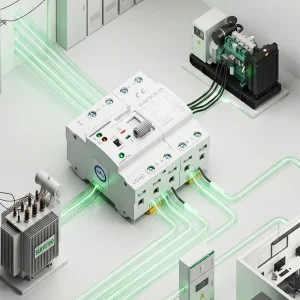
Smart Grid Trend: Standard ATS devices are no longer mere hardware switches. They act as the intelligent gateway between the utility grid, renewable microgrids, and local generators, optimizing load shedding and power paths dynamically to reduce carbon footprints and energy tariffs.
Overcoming global supply chain bottlenecks by combining Western engineering standards with Chinese manufacturing agility
Purchasing agents in the United States and Europe face high lead times and rising costs from domestic manufacturers. Wenzhou Bowser Electric Co., Ltd. fills this gap by utilizing its deeply optimized, vertically integrated manufacturing base in China. With a dedicated 35+ member R&D engineering team, we design, test, and manufacture low-voltage components that meet strict global compliance standards.
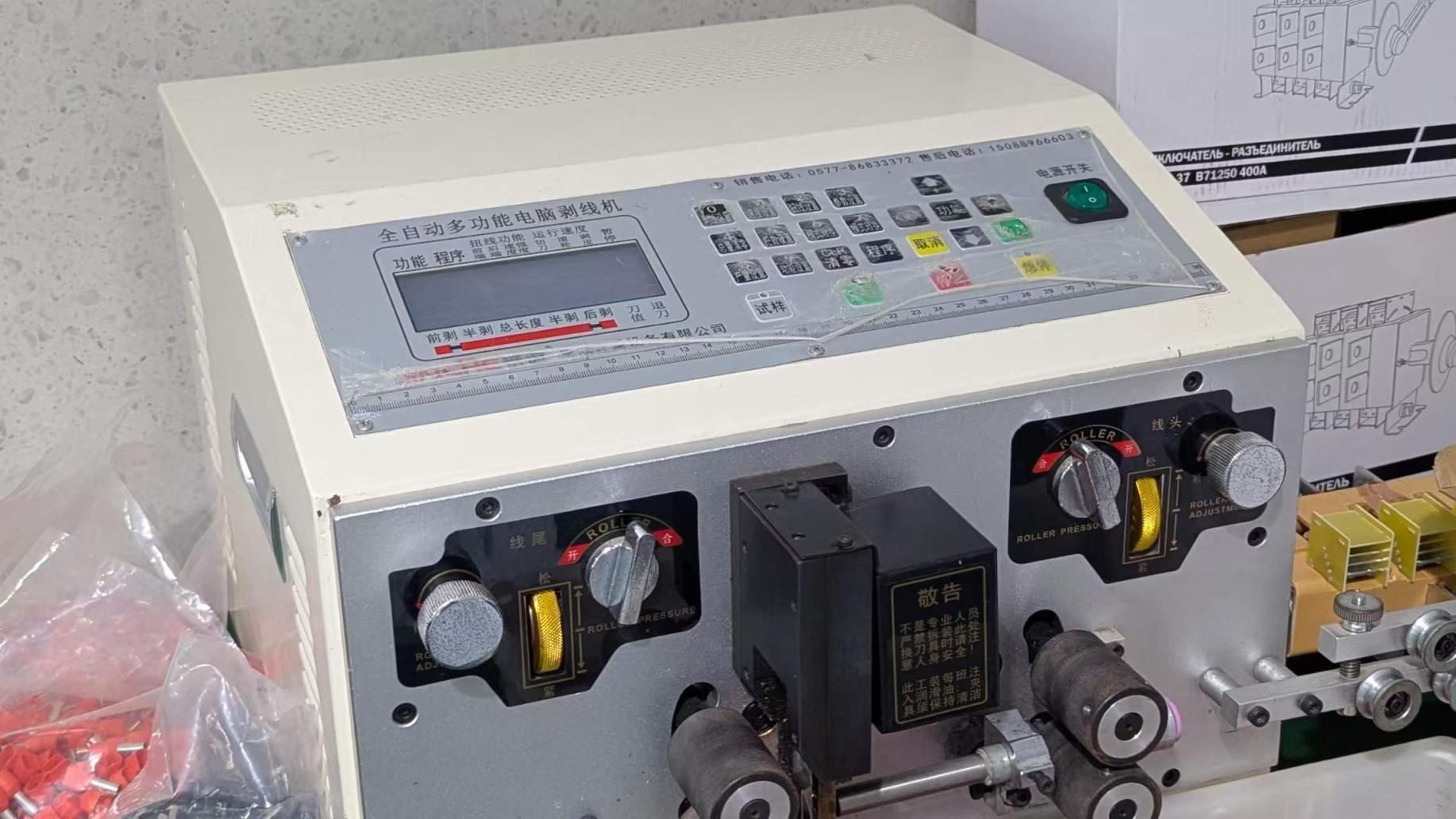
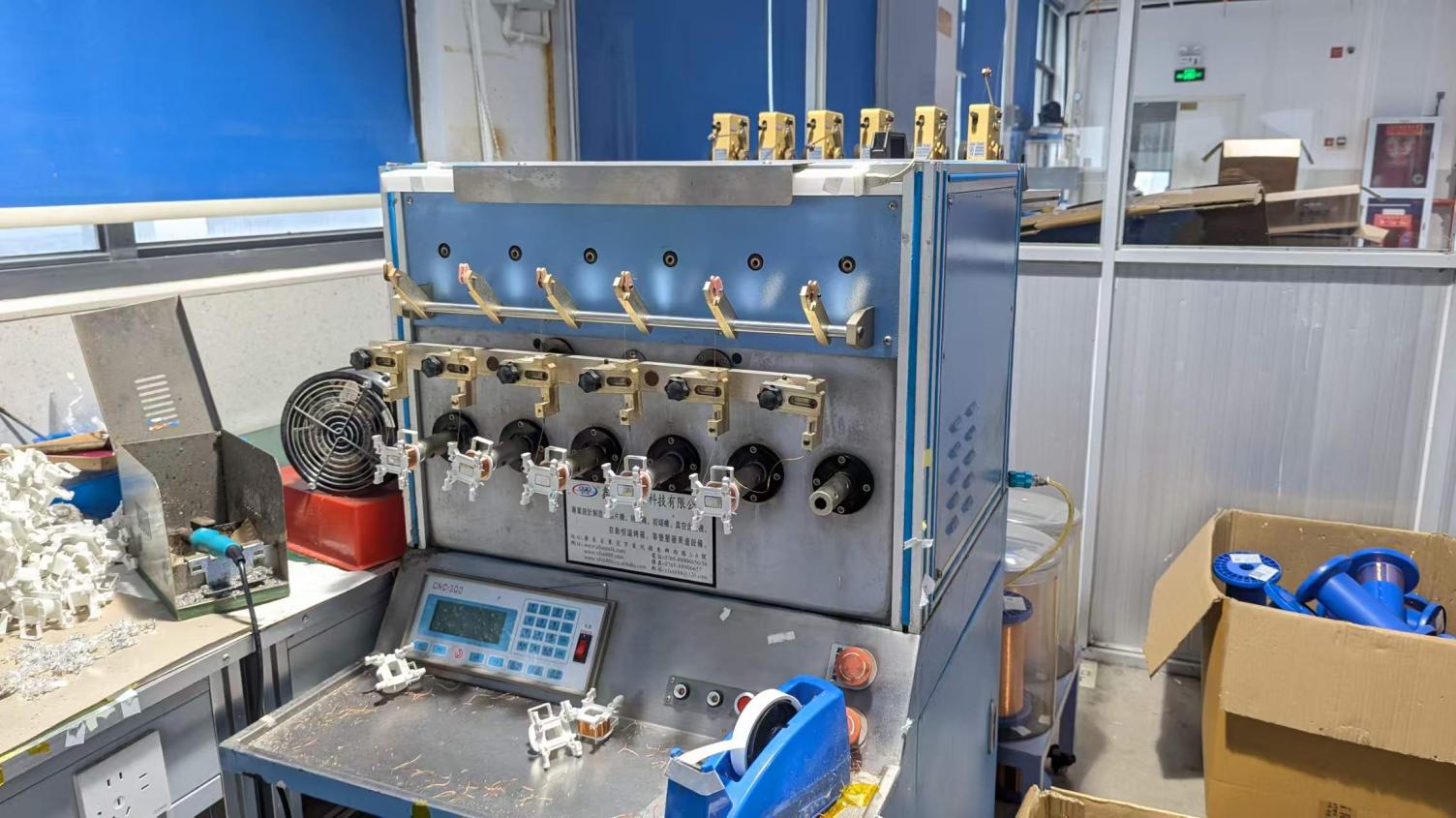
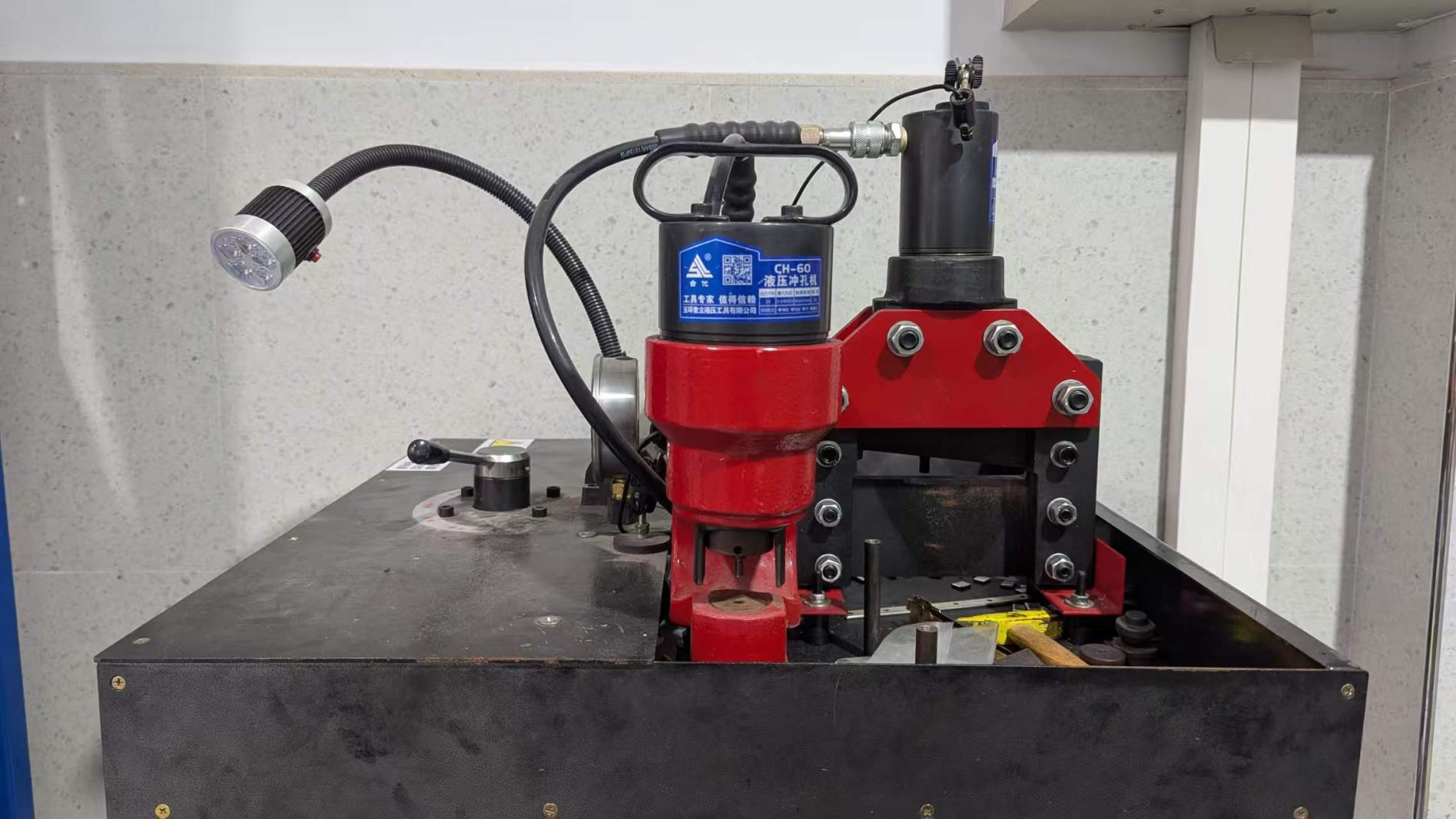
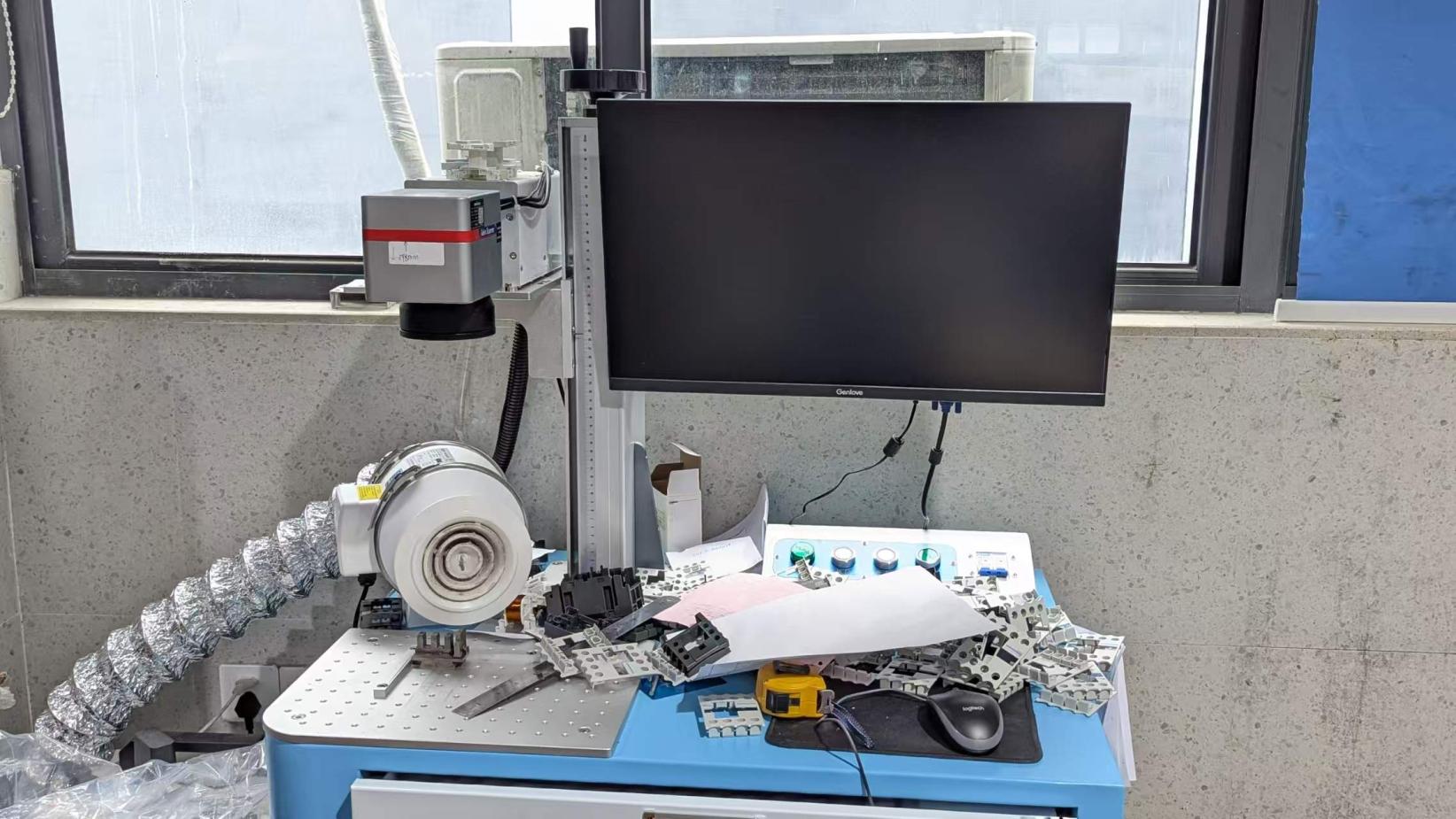
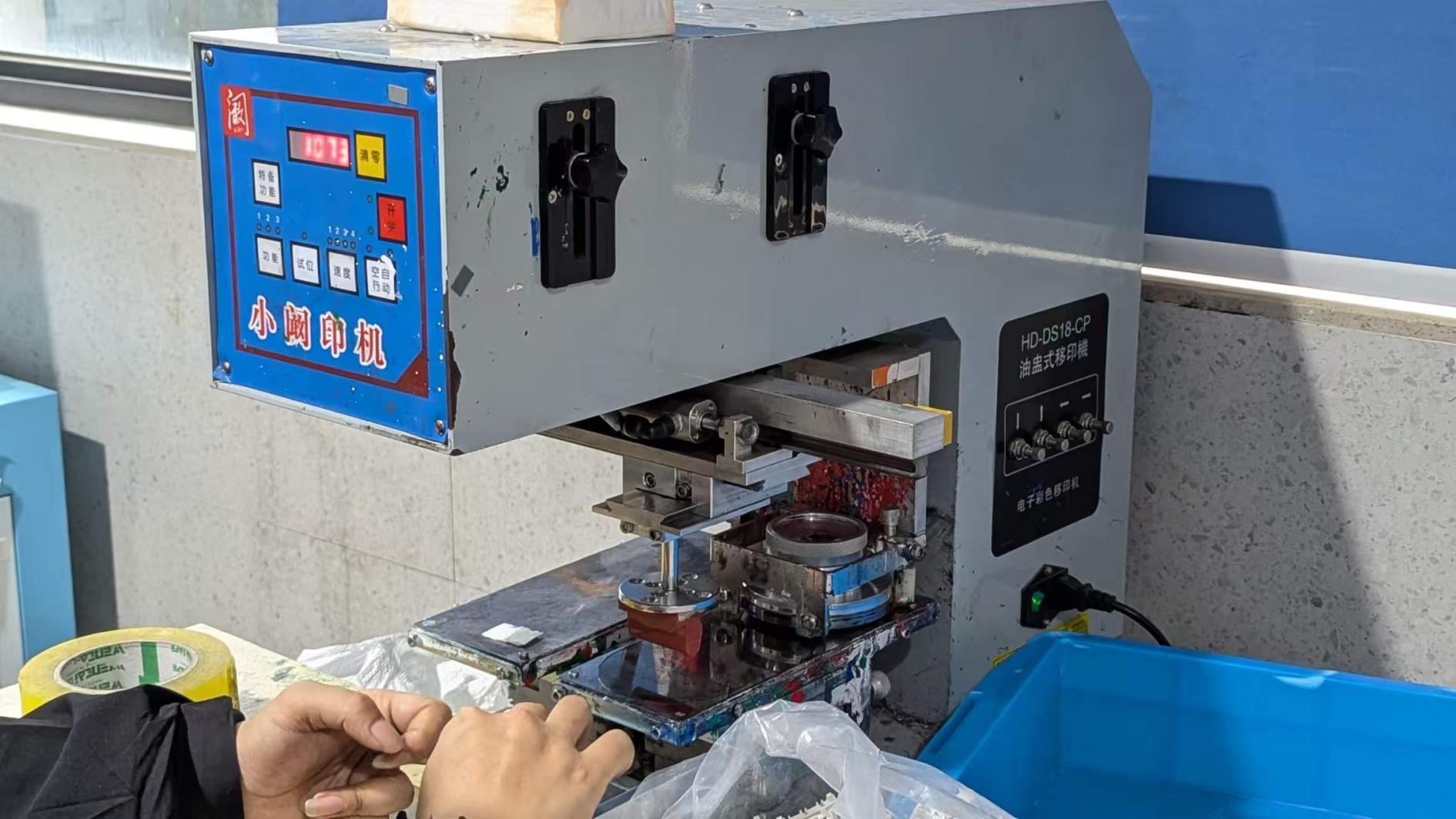
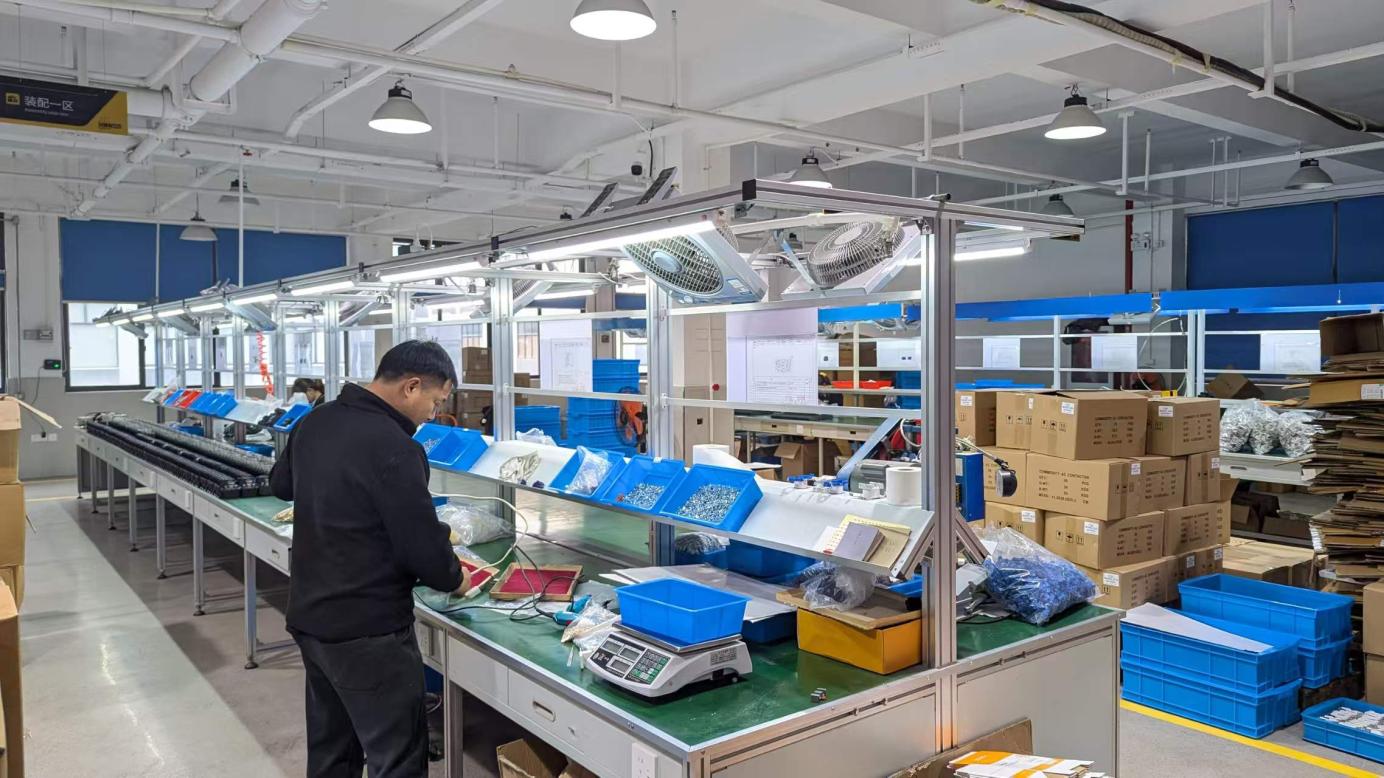
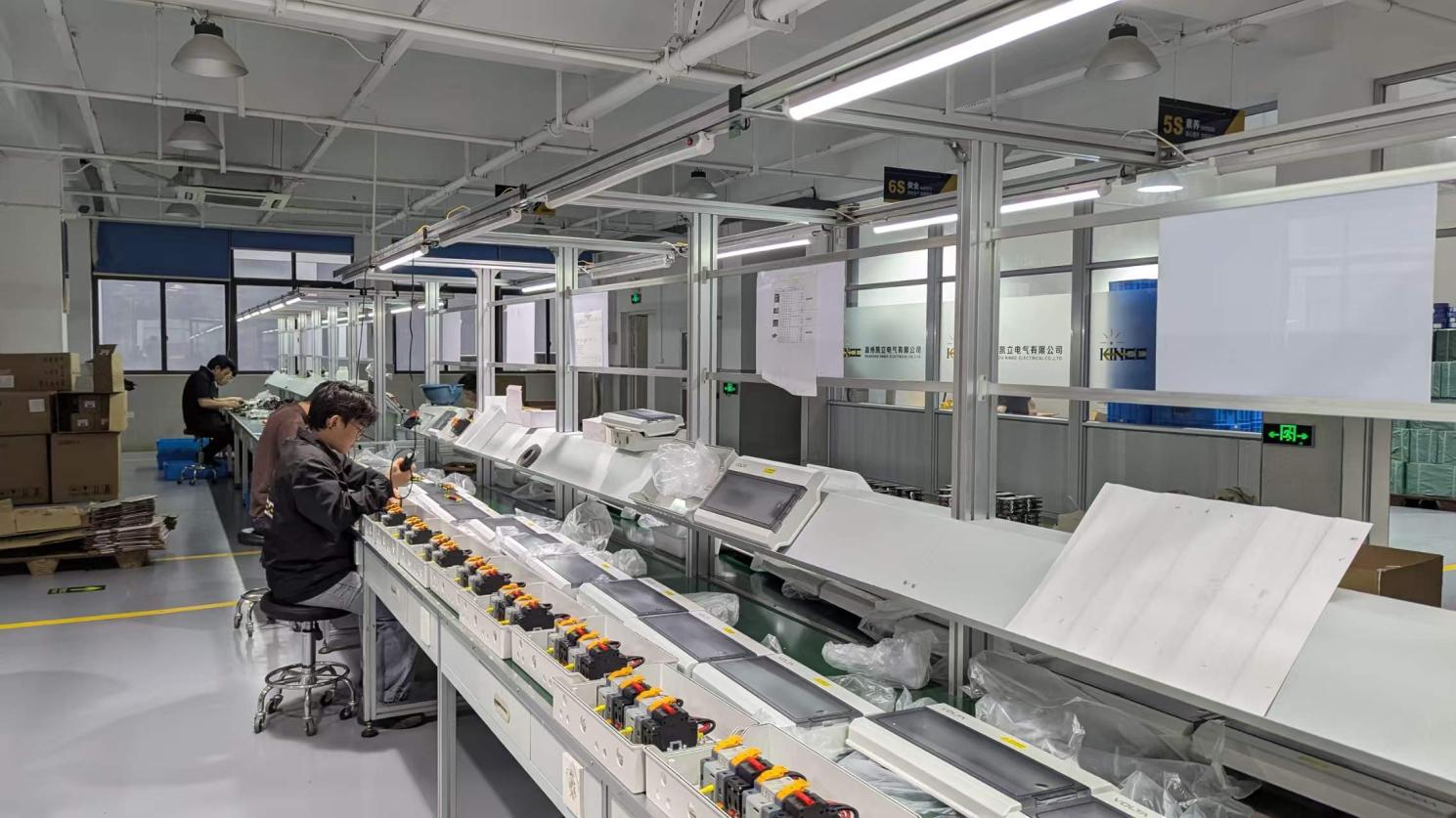
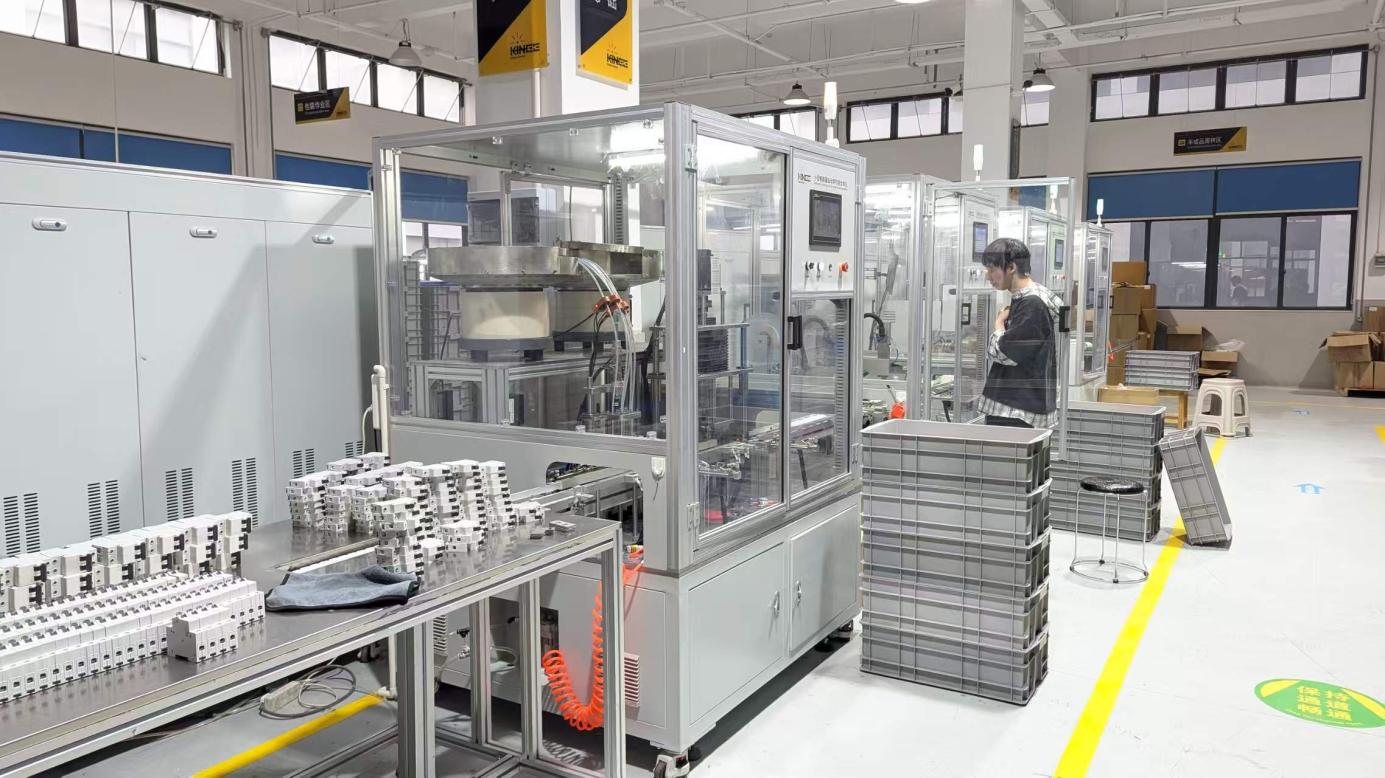
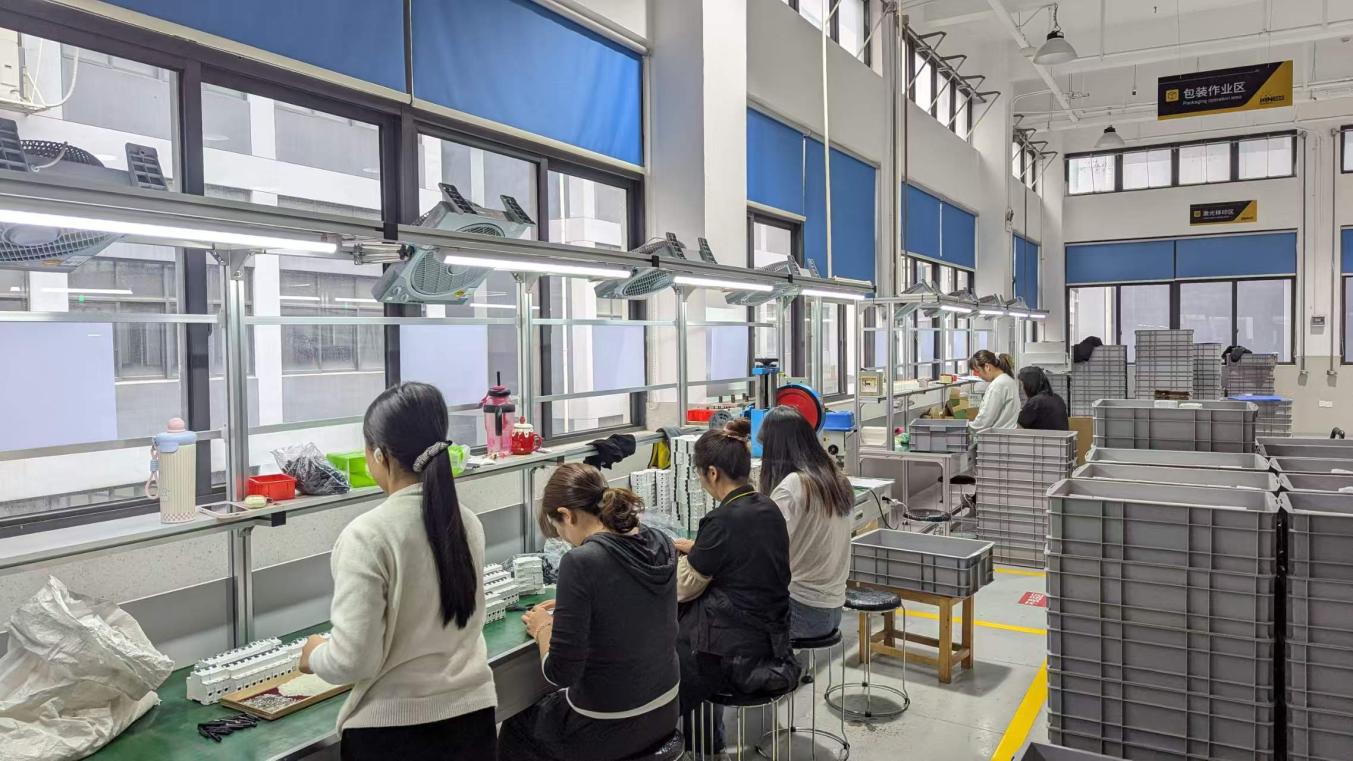
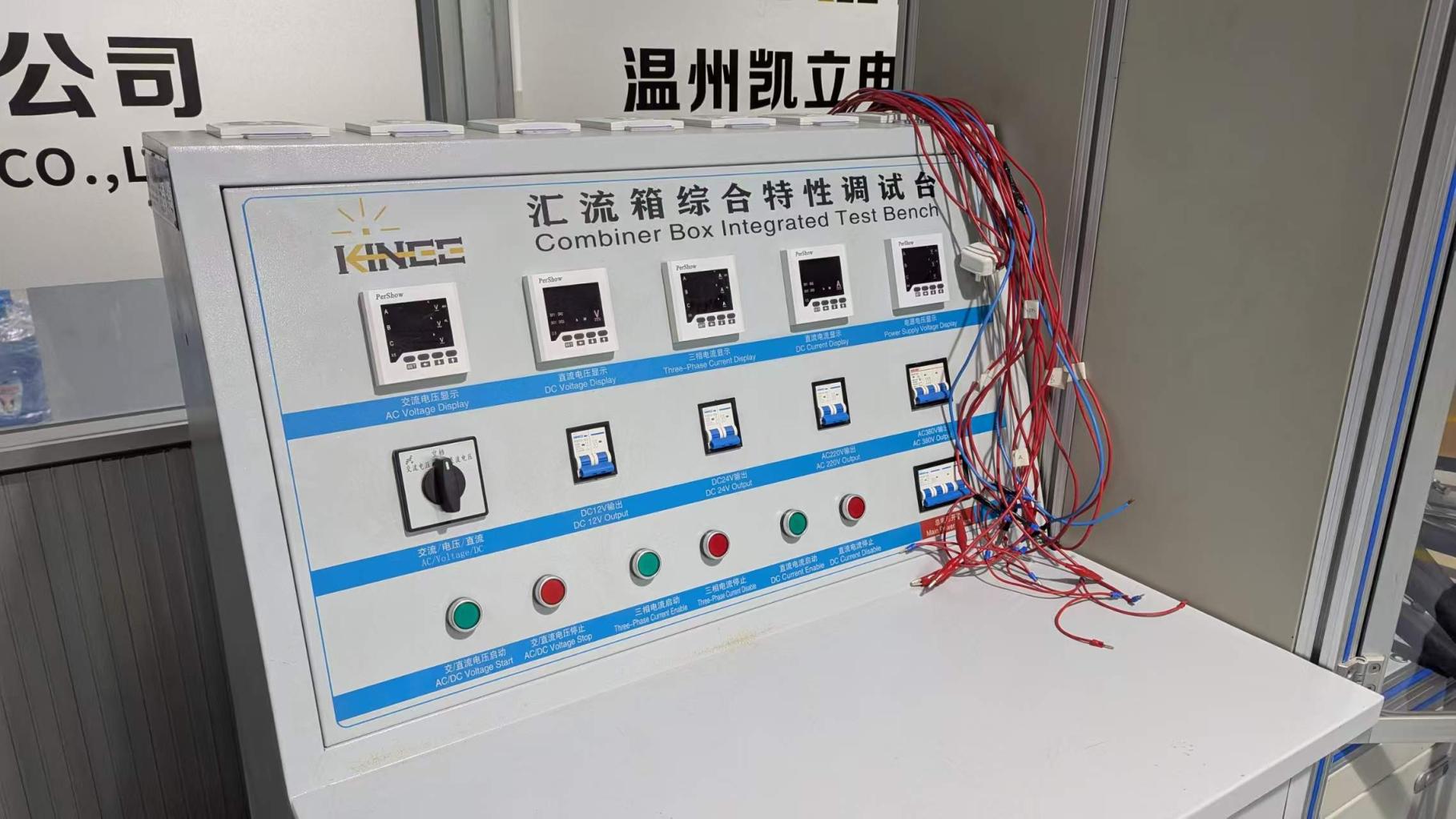
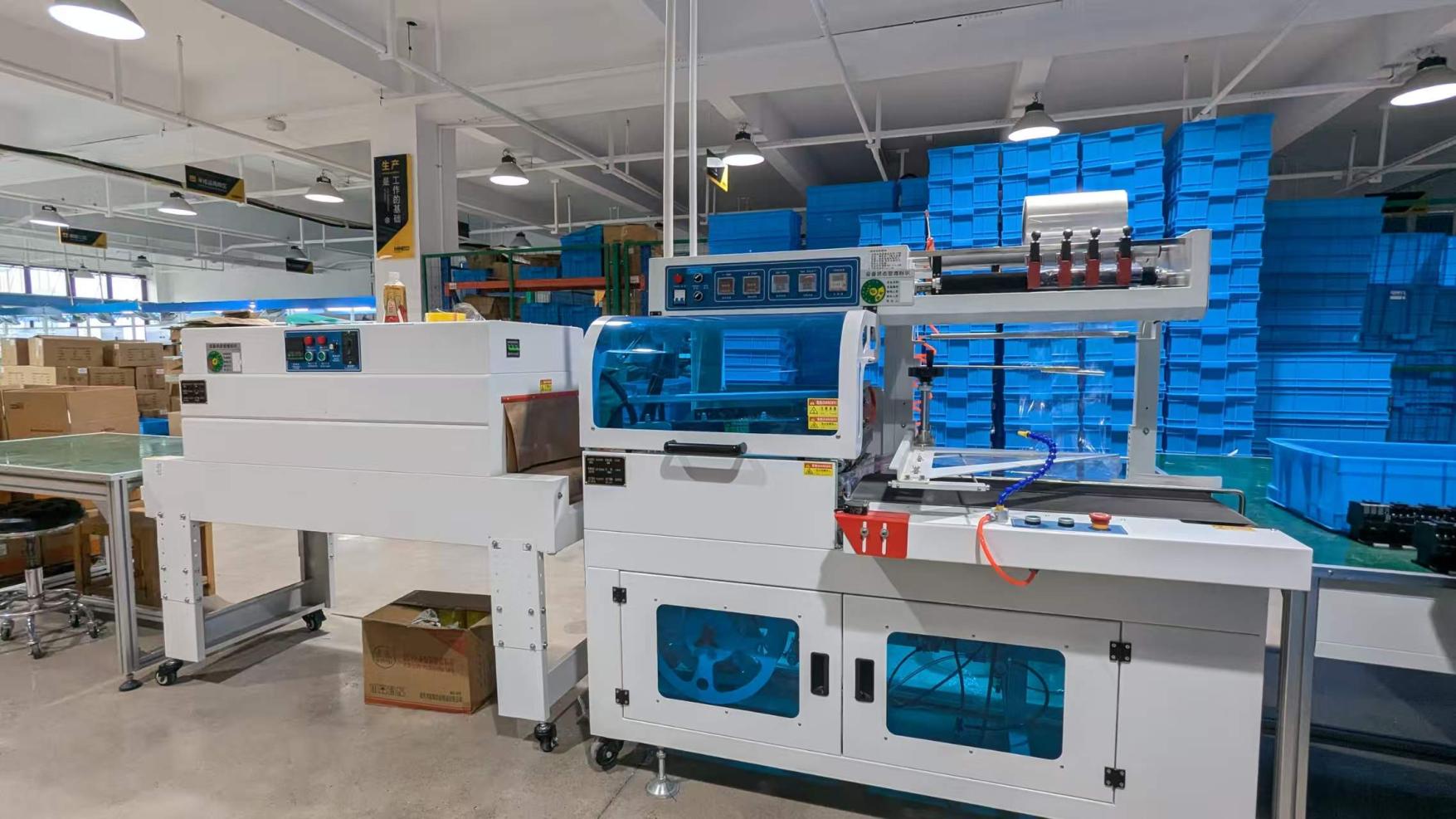
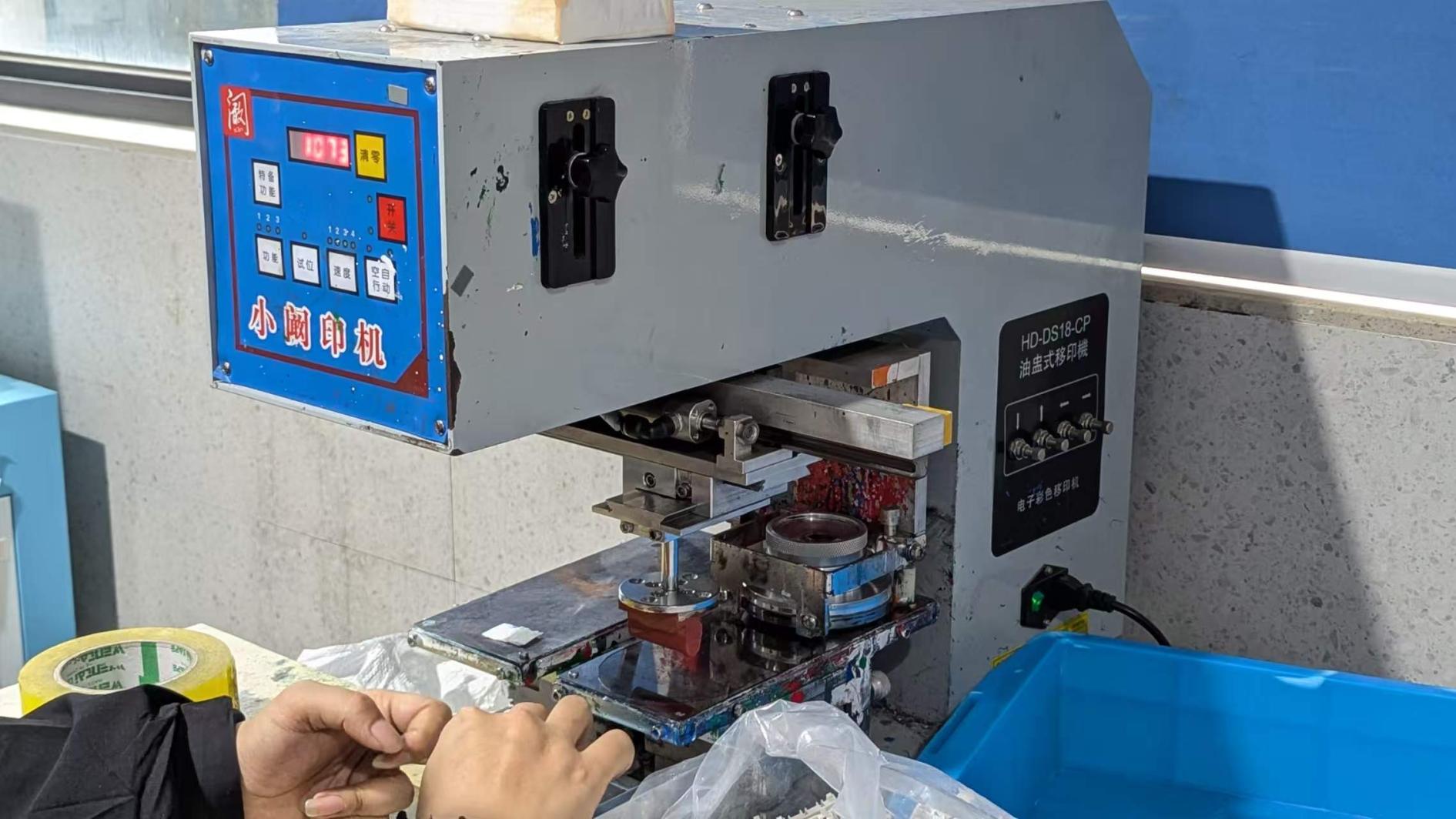
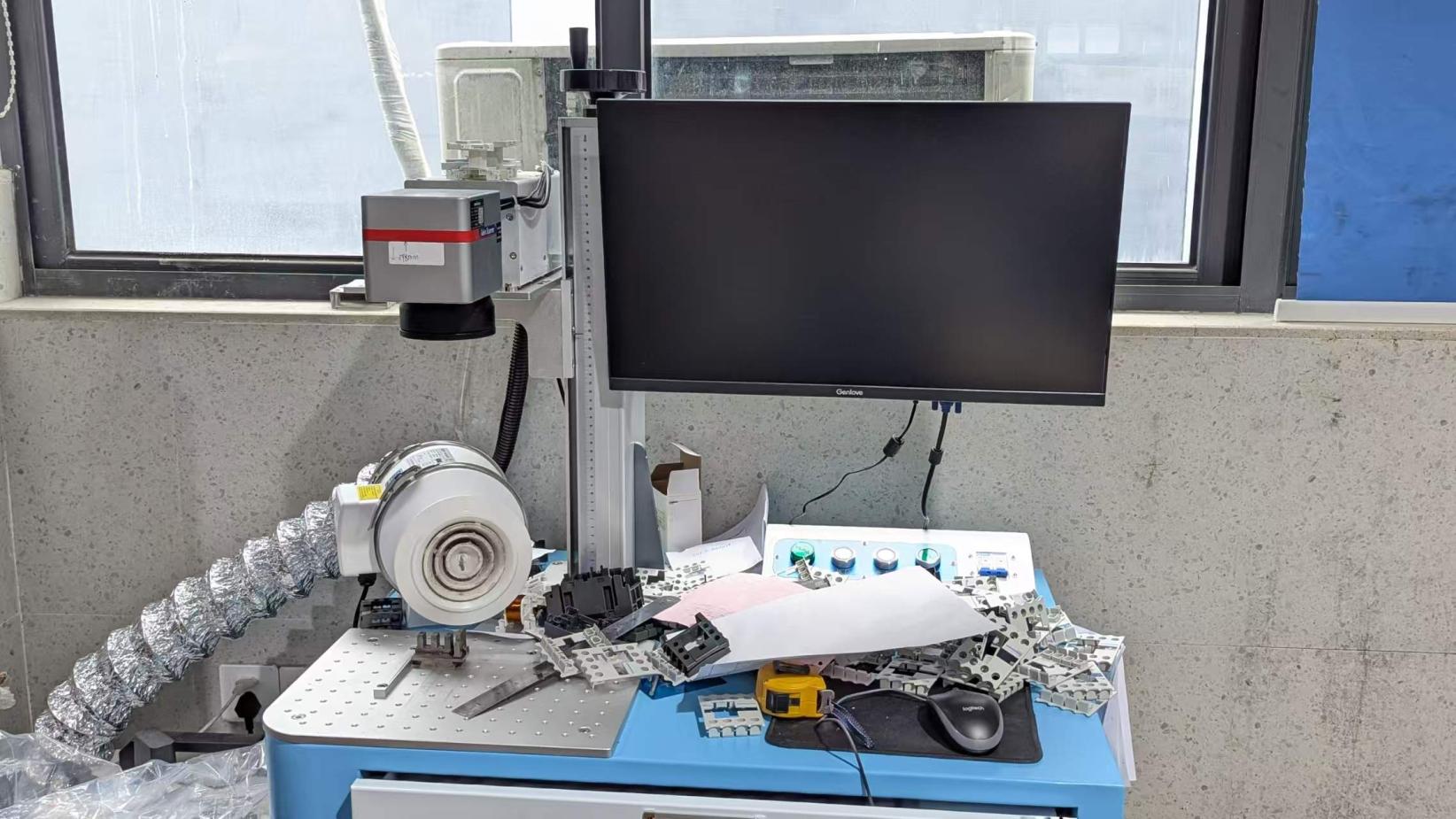
Our competitive advantage lies in localized supply-chain control. By handling metal stamping, precision winding, automated plastic injection, automated riveting, and multi-stage testing under one roof, we reduce typical manufacturing lead times by up to 40% compared to Western competitors. This structural efficiency translates to immediate cost savings and superior project schedules for our US and international partners.
Automatic transfer switches must be designed with their target environment in mind. Across the United States, we observe several key application profiles:
Under the hood of Bowser Electric: Step-by-step quality control from raw material to tested assemblies
Key technical answers to common design, compliance, and application questions asked by power system engineers
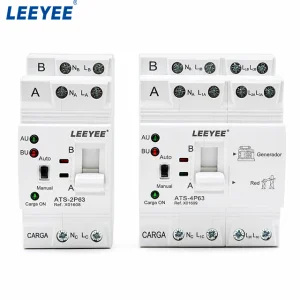
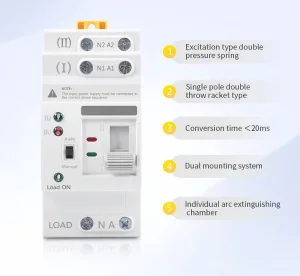
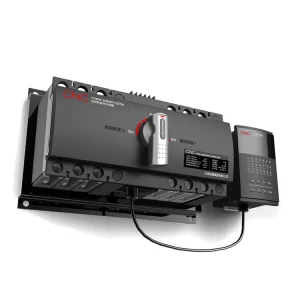
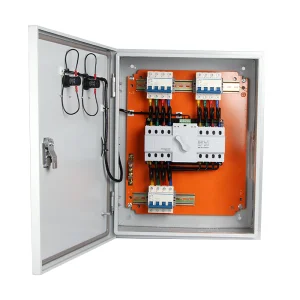
Select from our comprehensive list of certified devices designed to meet residential, solar, commercial, and industrial grid standards