Bowser Electric
Bowser Electric
Bowser Electric
Engineered for immediate deployment, our premier low-voltage changeover devices safeguard residential, commercial, and industrial facilities across South Africa.
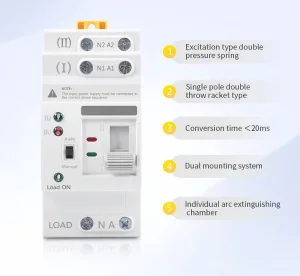
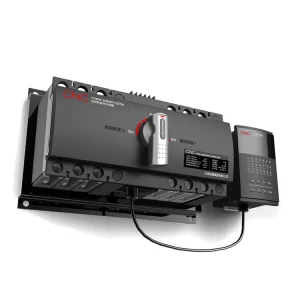
South Africa’s utility provider, Eskom, enforces structured load-shedding cycles to protect the integrity of the national grid. For electrical installations in commercial buildings, mining operations, agricultural infrastructure, and high-density residential developments, this implies a substantial operating paradigm shift. Traditional Automatic Transfer Switches (ATS) designed for European or North American contexts expect only occasional emergency grid failures—averaging under a dozen switching operations annually. Conversely, an ATS deployed in South Africa must withstand multiple switches per day, potentially executing over 1,000 operations per year under Stage 4 to Stage 6 load shedding.
This relentless switching causes rapid contact erosion, high thermal stresses, and exposes equipment to severe transient surges as the main grid collapses and is subsequently restored. When specifying changeover equipment, municipal engineers and independent power producers (IPPs) cannot settle for consumer-grade devices. High-quality electrical contacts, rapid arc extinguishing, and robust mechanical solenoids are required to avoid catastrophic distribution board failures.
A comparative overview of transfer switch technologies, focusing on mechanical endurance, electrical protection, and fault current handling.
| Feature / Specification | PC-Class ATS (Double-Throw Contact) | CB-Class ATS (Circuit-Breaker Design) | Application in South Africa |
|---|---|---|---|
| Short-Circuit Capacity | High short-time withstand current (Icw). Does not trip on overload. | Includes overcurrent protection. Trips on fault or overload. | PC-Class is preferred for mining & large data centers. CB-Class is favored for commercial distribution boards. |
| Contact Wear & Materials | Silver-Nickel or Silver-Tungsten contacts. Massive surface area. | Standard MCCB contact assemblies, subject to relatively faster wear. | Silver-Tungsten handles the intense switching frequency of multi-stage load shedding. |
| Mechanical Operations | Tested up to 10,000+ operations without load. | Typically 4,000 to 6,000 operations limit. | Highly critical for commercial sectors experiencing up to 3 cycles of load-shedding daily. |
| Control Logic & Delay | Sophisticated delay timers for generator startup and cooling. | Simplistic control loops, often requiring external PLC systems. | Crucial for ensuring generators reach stable frequency and voltage before taking load. |
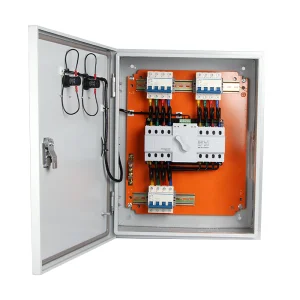
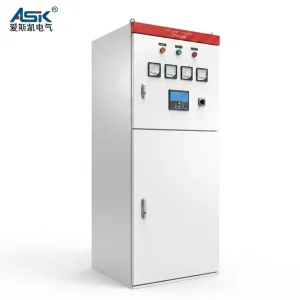
Smart-enabled, high-ampacity, and cabinet-mounted transfer switches designed to integrate with hybrid photovoltaic (PV) setups and microgrids.
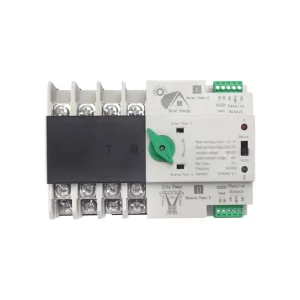
Neutral Switching Isolation: SANS 10142-1 compliance requires that in installations where clean independent earth matrices exist for generators, the neutral must be switched to prevent stray circulation paths and residual current device (RCD) nuisance tripping.
Phase-Angle Synchronization: Transferring load from a free-running diesel generator back to the Eskom grid without phase alignment can cause extreme transient torque in rotating machinery. Phase angle checking is required before switching command execution.
Inverter Fast Changeover Limits: Under commercial solar battery storage architectures, if the ATS changeover speed is slower than 100ms, solar hybrid inverters may trip off on fault codes, dropping local C&I loads completely. Our fast-changeover DIN-rail units switch in under 50ms, maintaining inverter continuity.
The acceleration of Commercial & Industrial (C&I) solar adoption in South Africa has changed how energy backup loops are designed. Modern factories, packing sheds, and warehousing operations no longer rely solely on a diesel generator. They deploy a complex hybrid array containing grid power, solar arrays (via hybrid or grid-tied commercial inverters), and lithium battery energy storage systems (BESS).
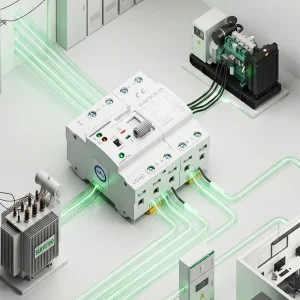
This hybrid environment demands a sophisticated changeover paradigm. The ATS is no longer just a passive mechanical switch; it becomes the execution layer of the local energy management controller. It must safely coordinate startup cycles for backing generators, transition PV systems into off-grid microgrid modes, and ensure clean isolation of the grid. Bowser Electric specializes in manufacturing multi-pole ATS systems equipped with auxiliary contacts, Modbus RS485 communication ports, and dual-source voltage sensing modules to support seamless C&I system design.
Empowering South Africa's Grid Resilience with High-Endurance Manufacturing & Global OEM/ODM Capabilities
Welcome to Wenzhou Bowser Electric Co., Ltd., a global leader in electrical engineering, switchgear manufacturing, and microgrid component supply. We stand as a primary manufacturing partner for importers, distributors, and engineering contractors in South Africa. Combining state-of-the-art automated production machinery with a rigorous quality control framework, we ensure that every ATS we build can handle the demanding operational environment of the African market.
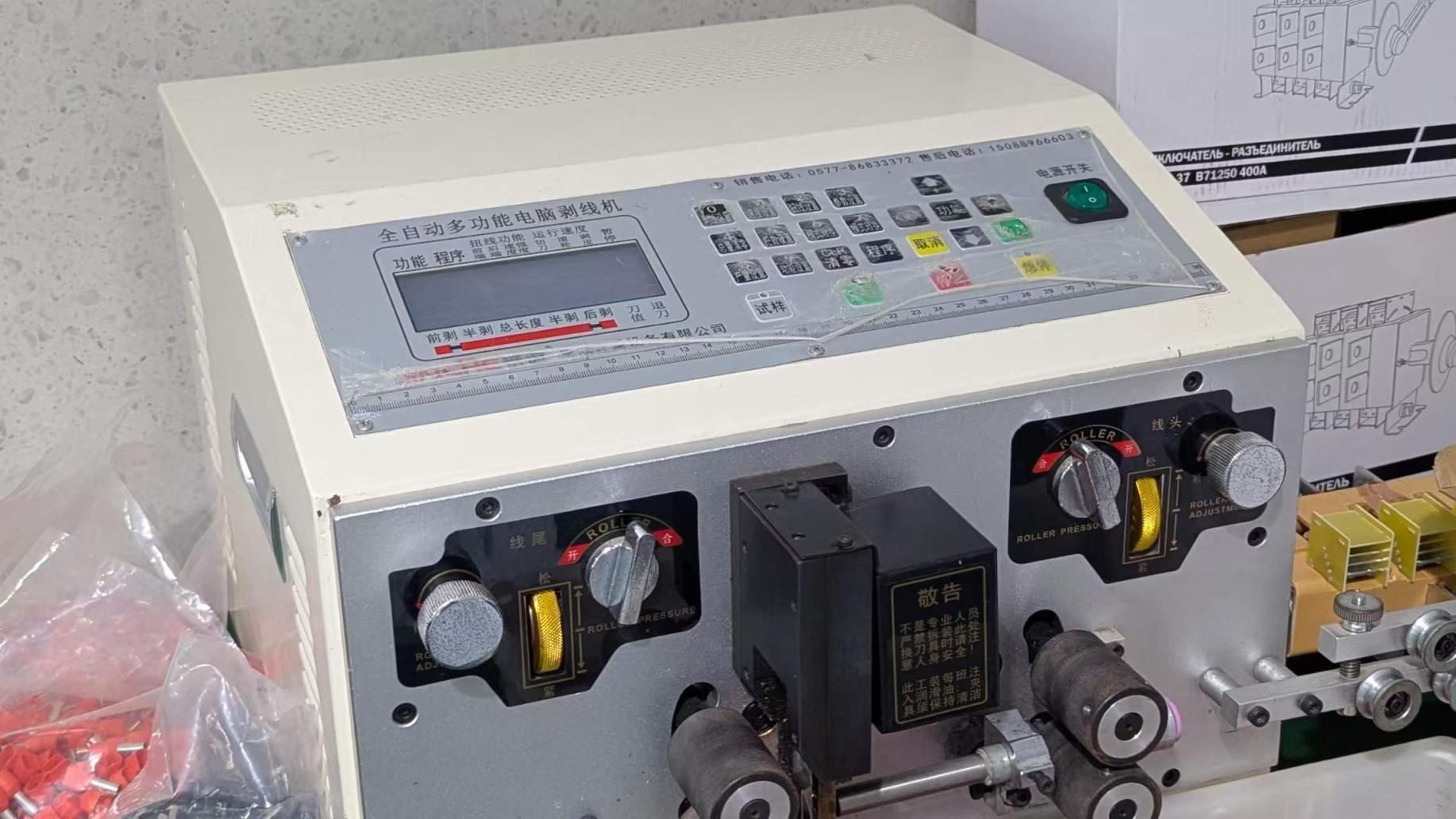
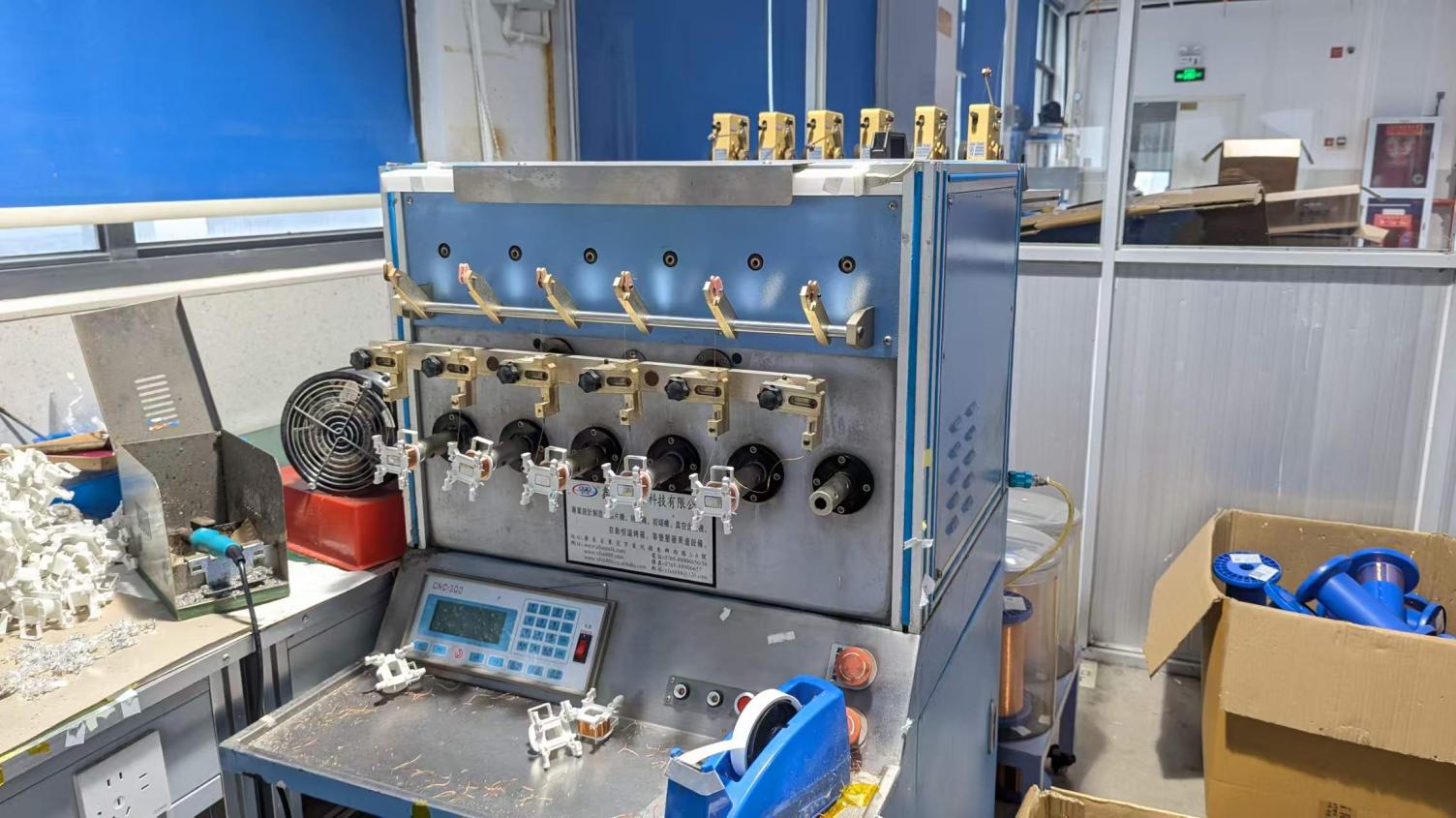
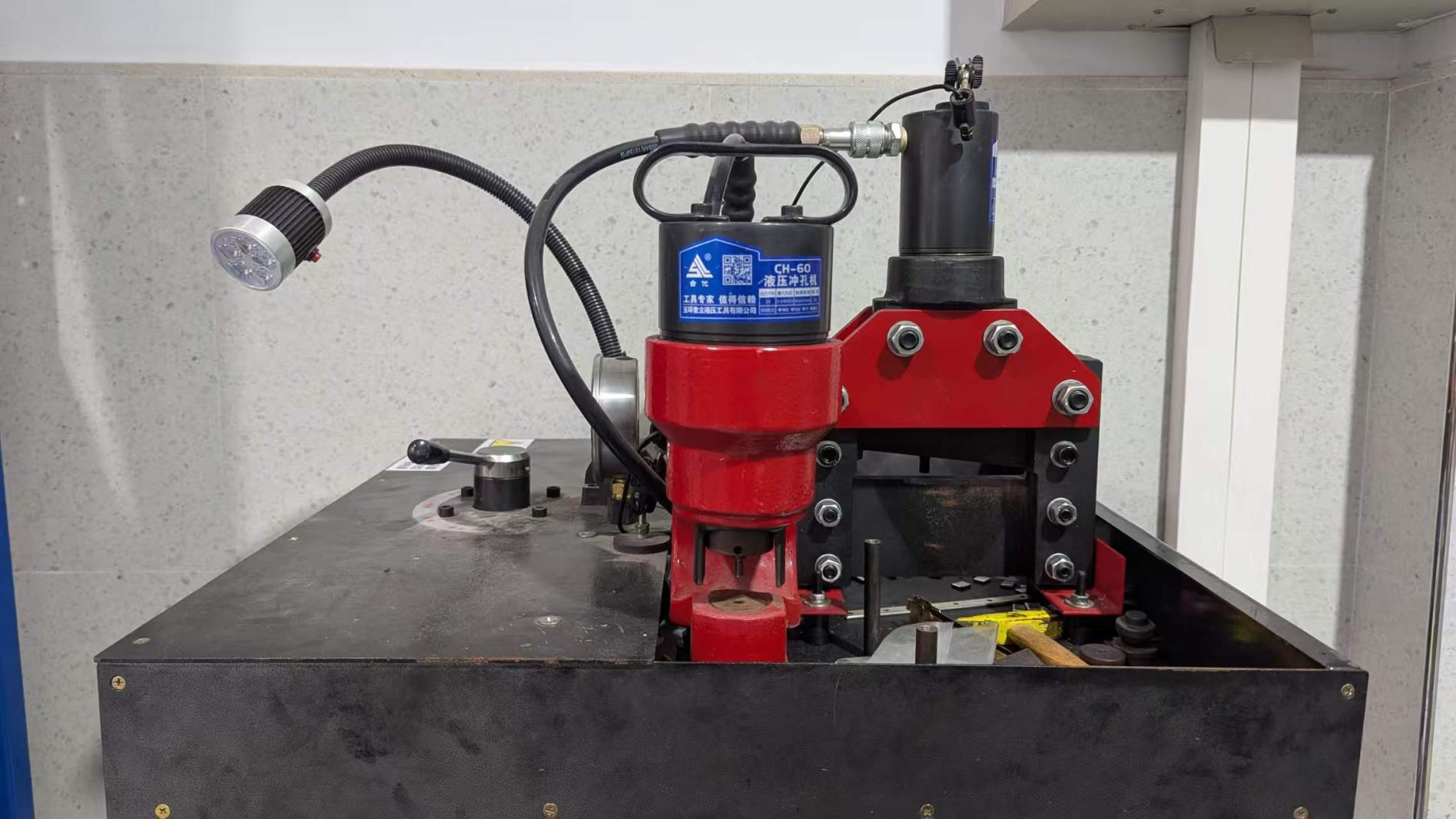
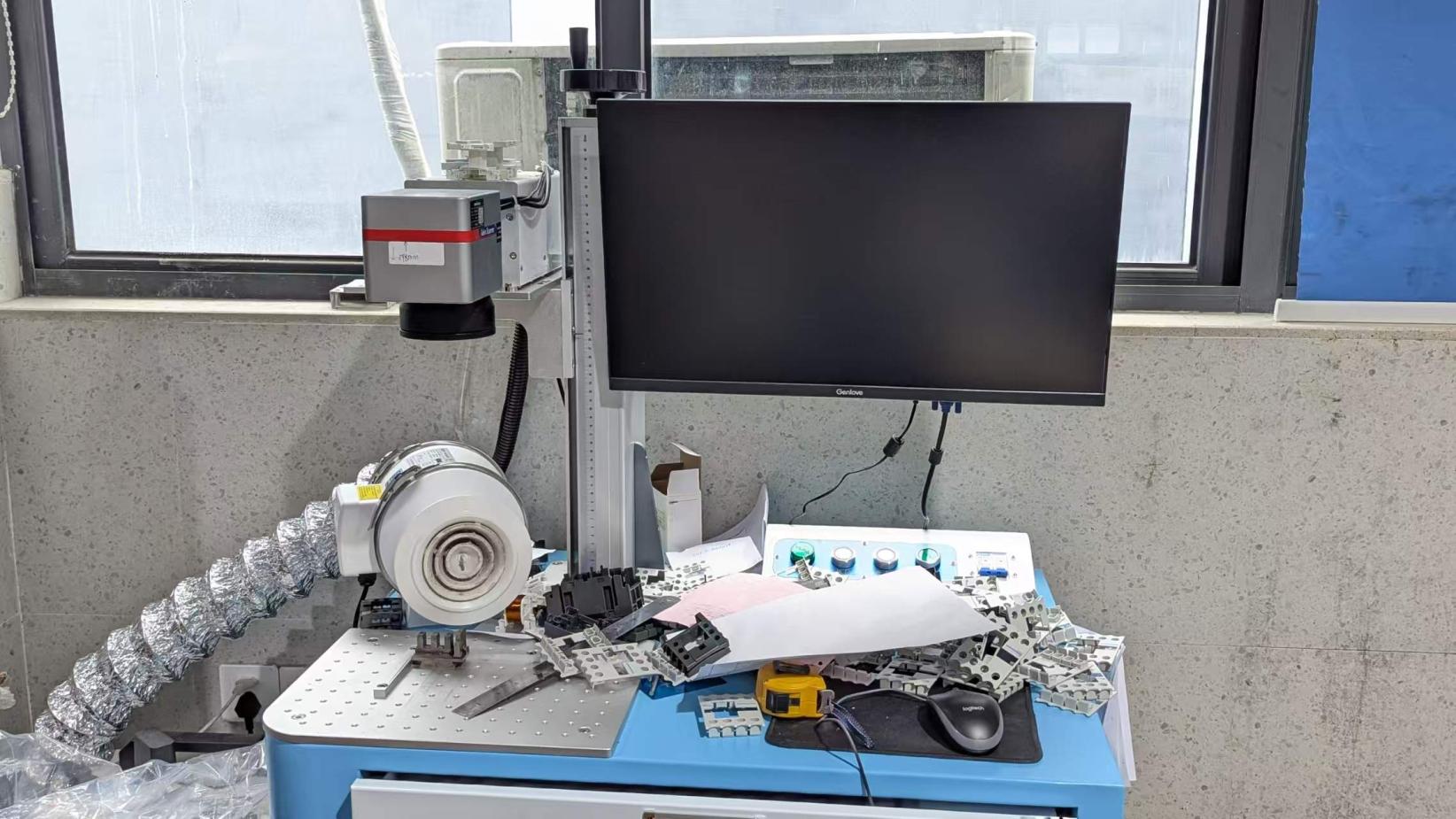
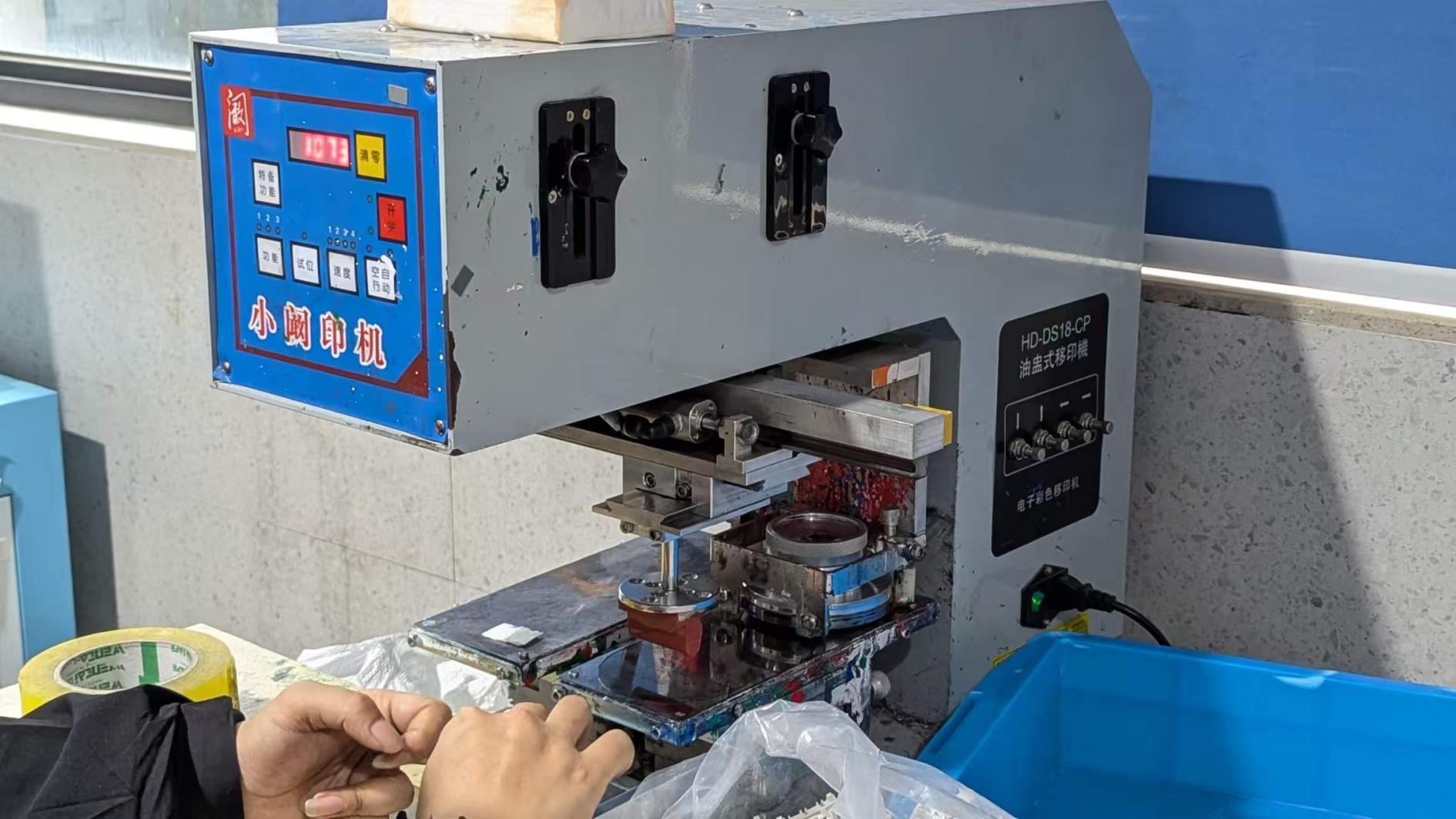
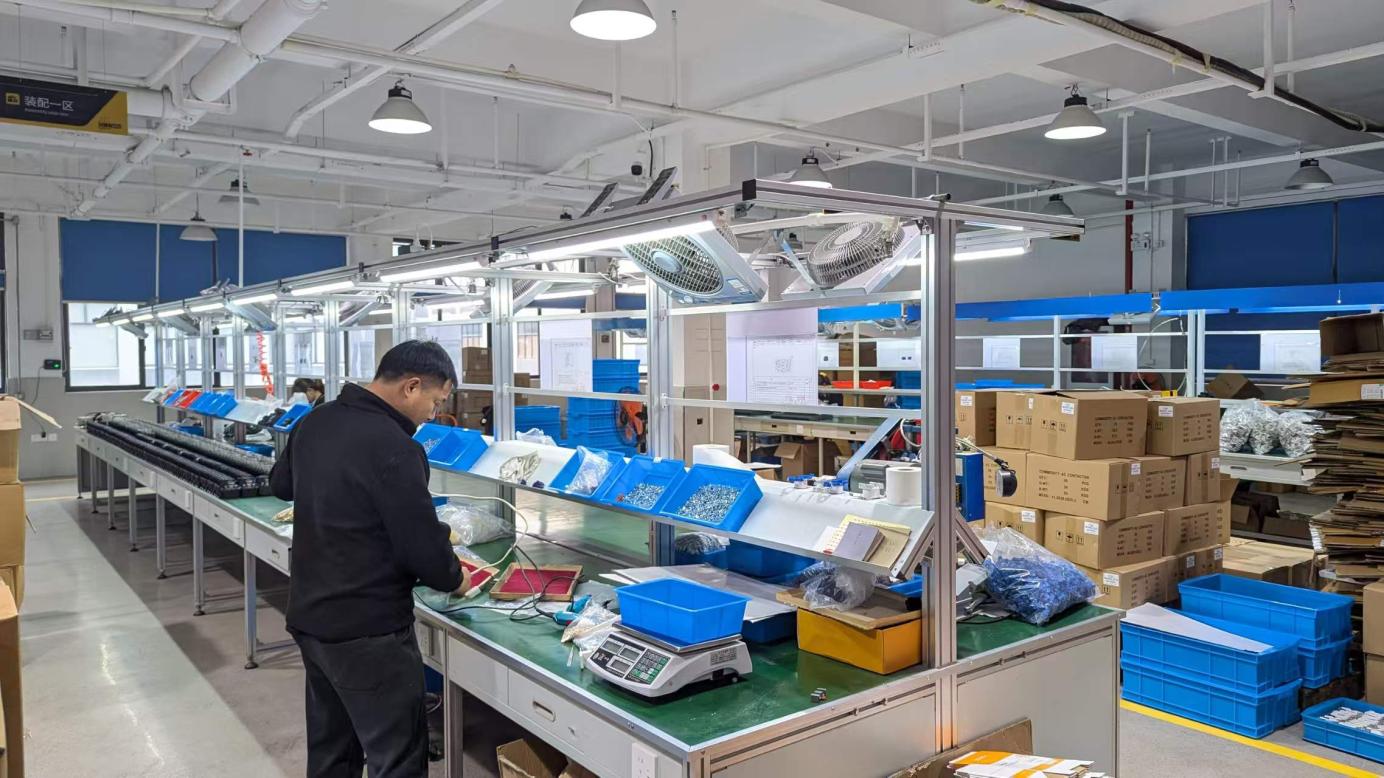
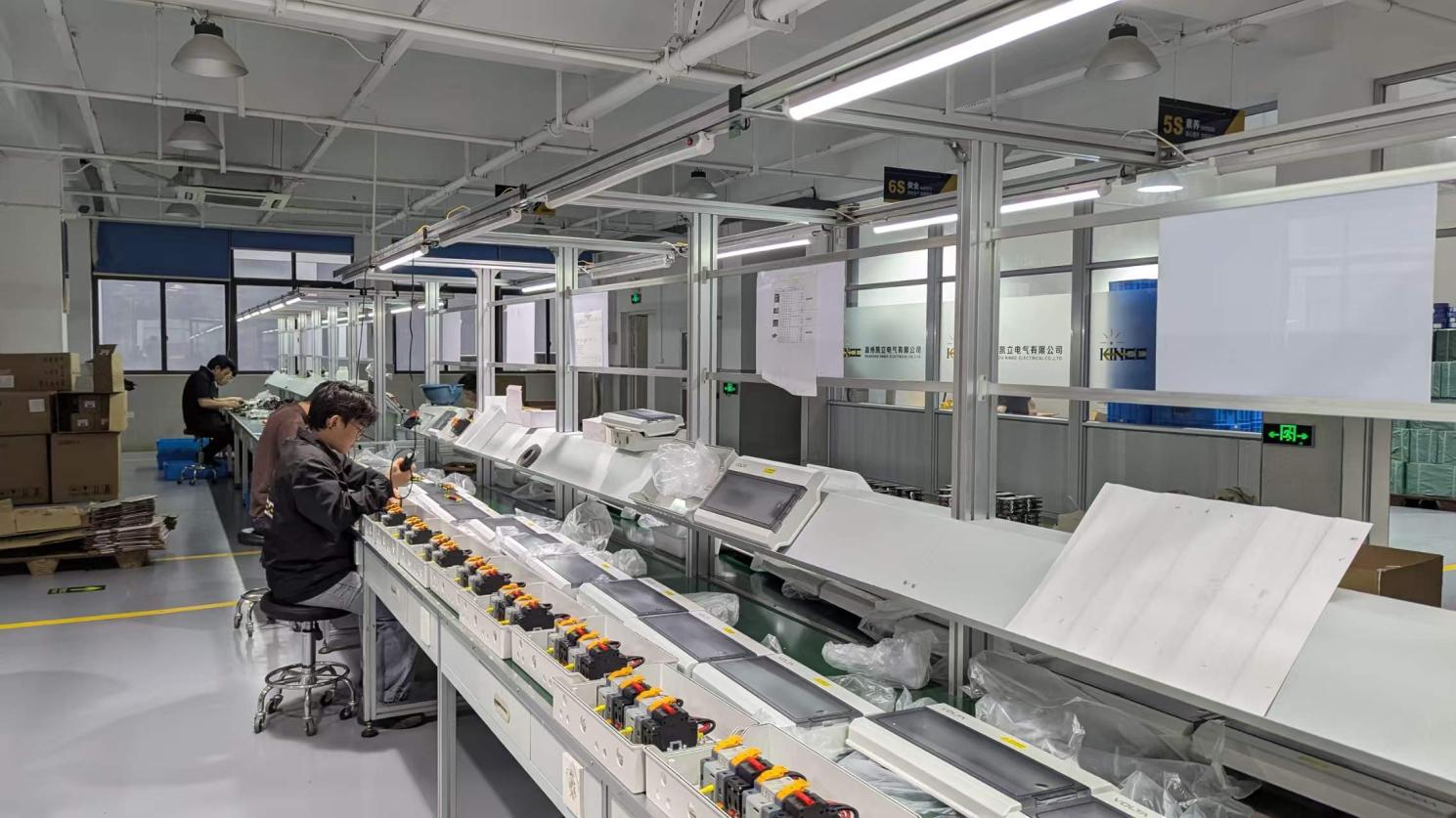
Our production facilities employ advanced testing and precision assembly tools. To meet the compliance demands of South African municipalities, Eskom engineering standards, and SABS test expectations, our components undergo multi-stage automatic inspections. We test every unit for electrical and mechanical performance, insulation resistance, contact resistance, and response timing before packaging.
With an intensive focus on research & development, Bowser Electric collaborates with global industrial brands to provide customized OEM and ODM solutions. Our catalog covers over 1,200 specialized products, ranging from small residential DIN-rail modular breakers and ATS units to low-voltage cabinet distribution assemblies.
Inside our state-of-the-art ISO 9001 certified manufacturing plant, highlighting core production and testing phases.
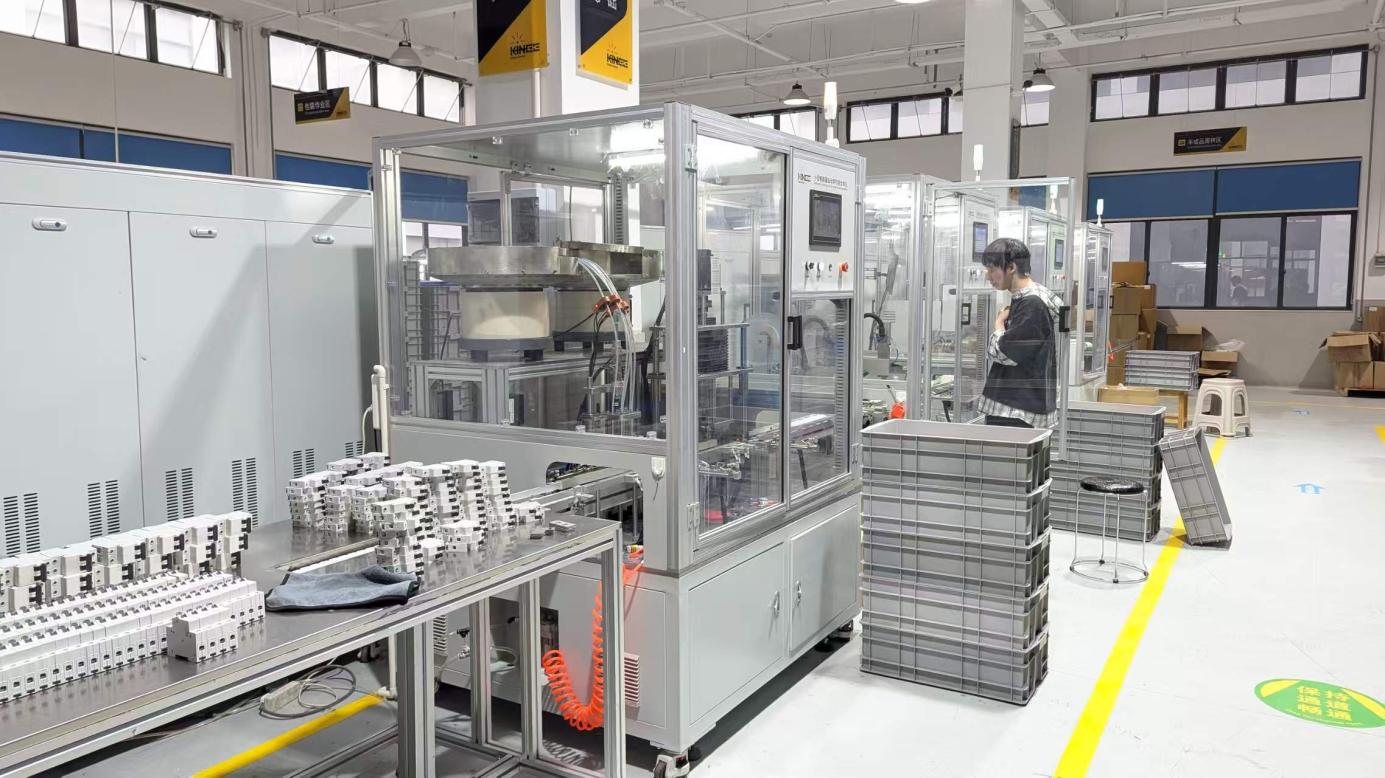
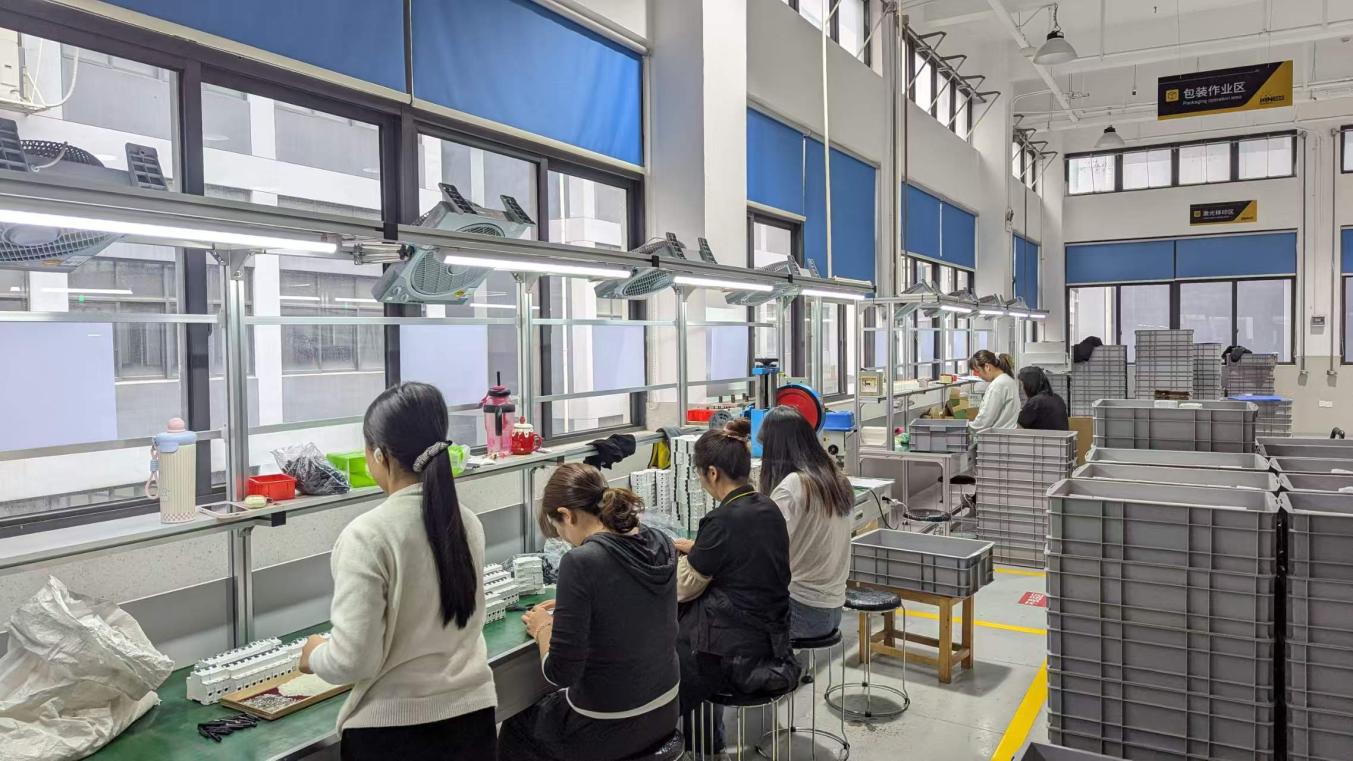
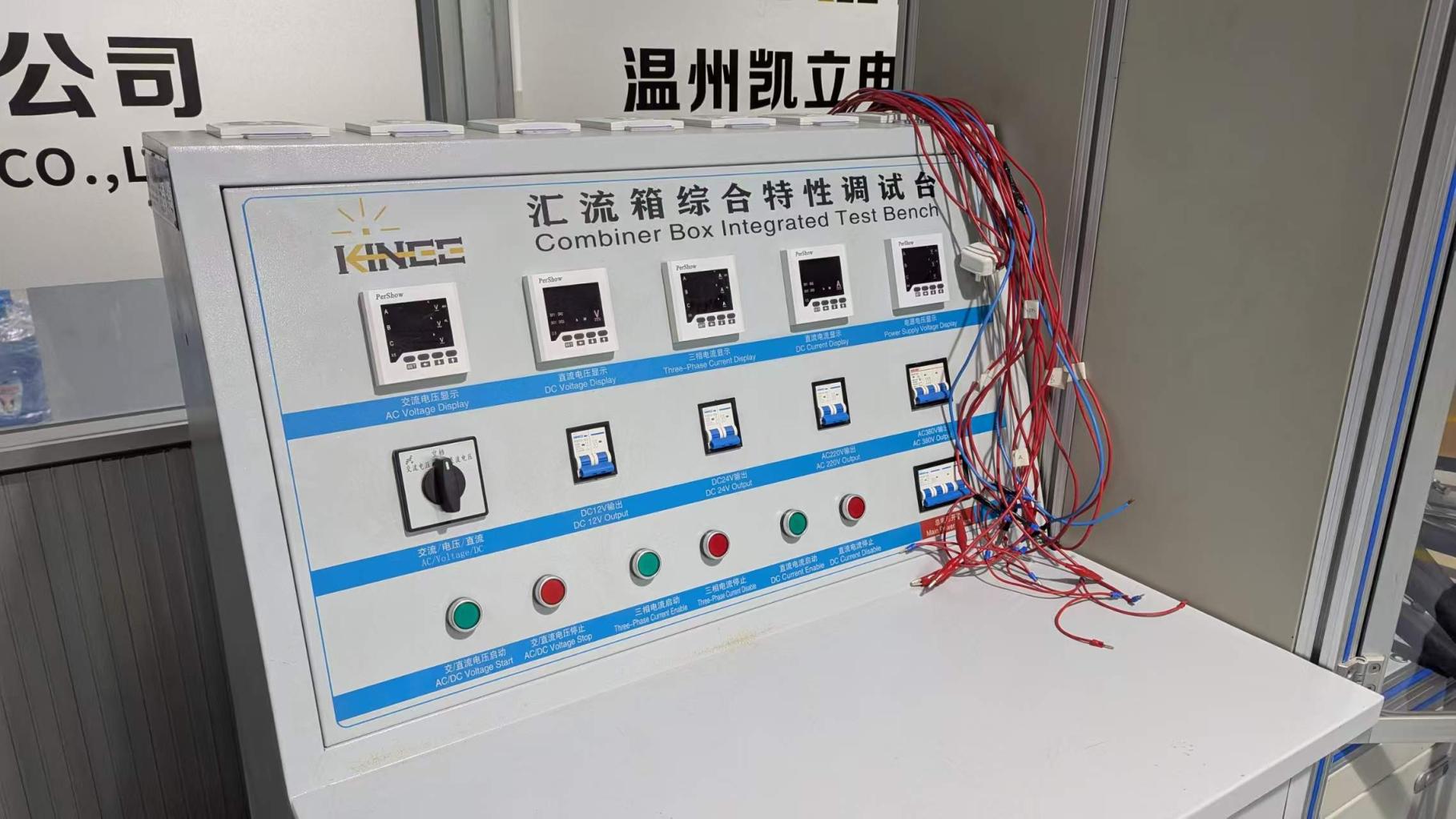
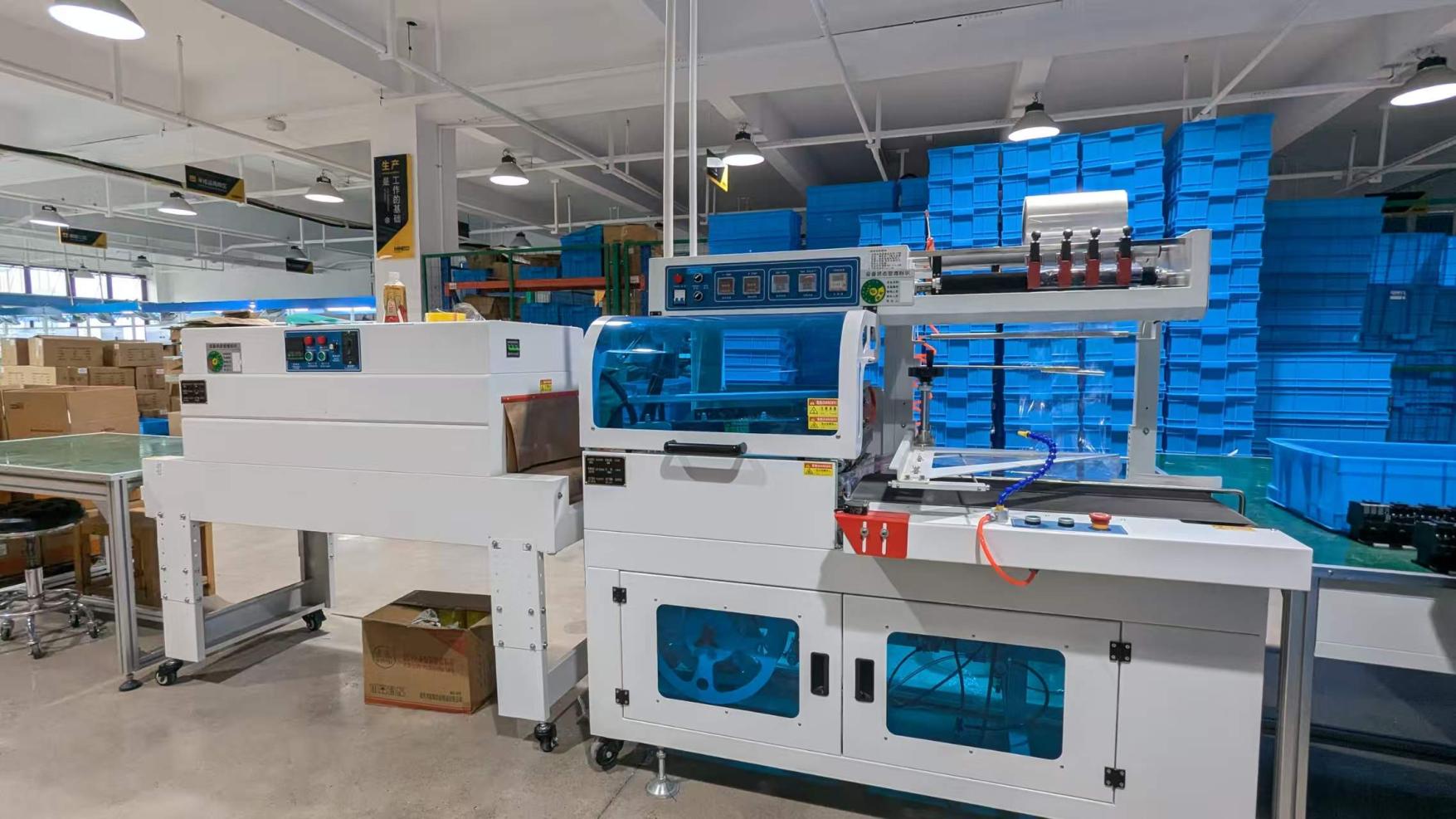
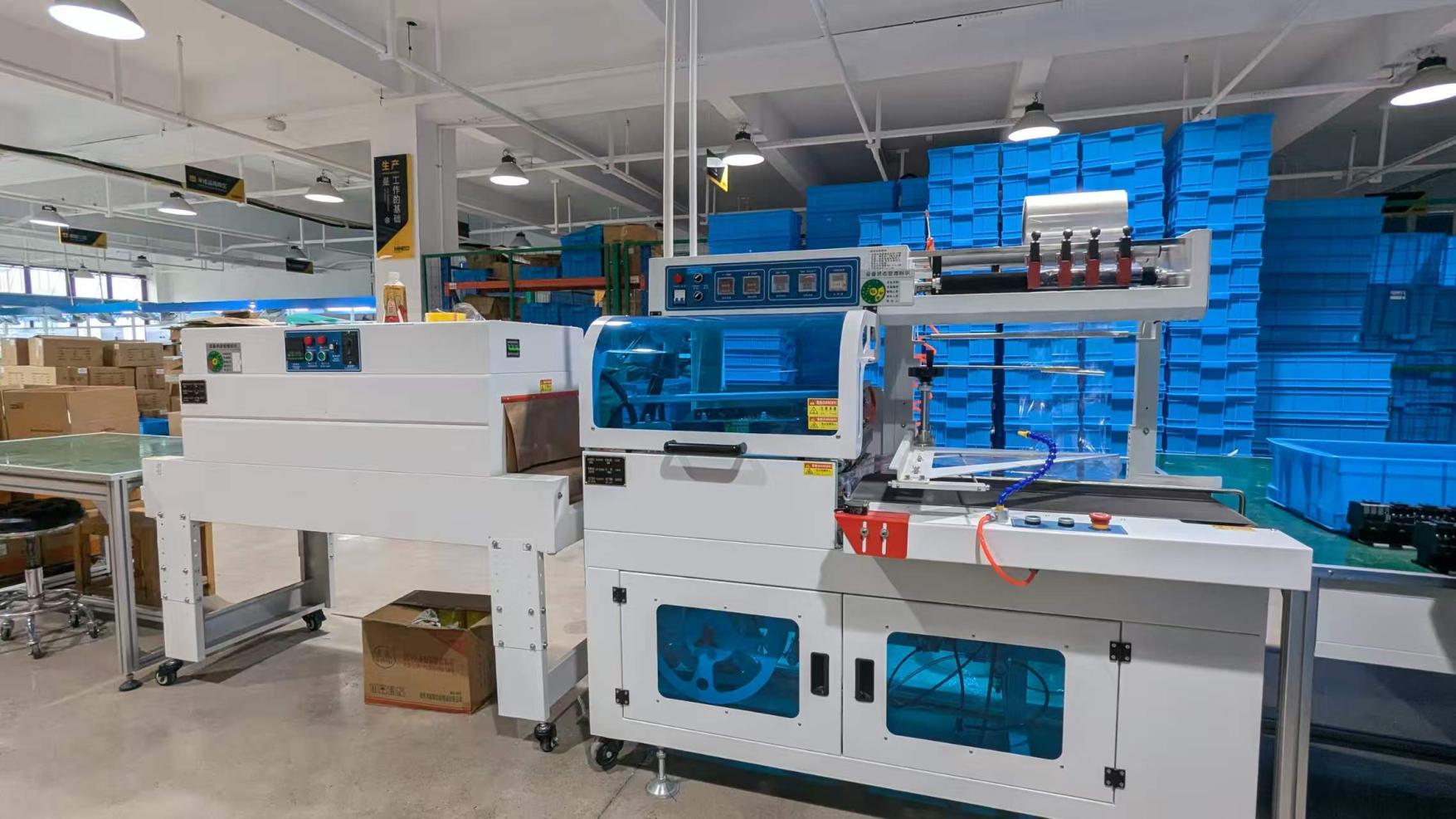
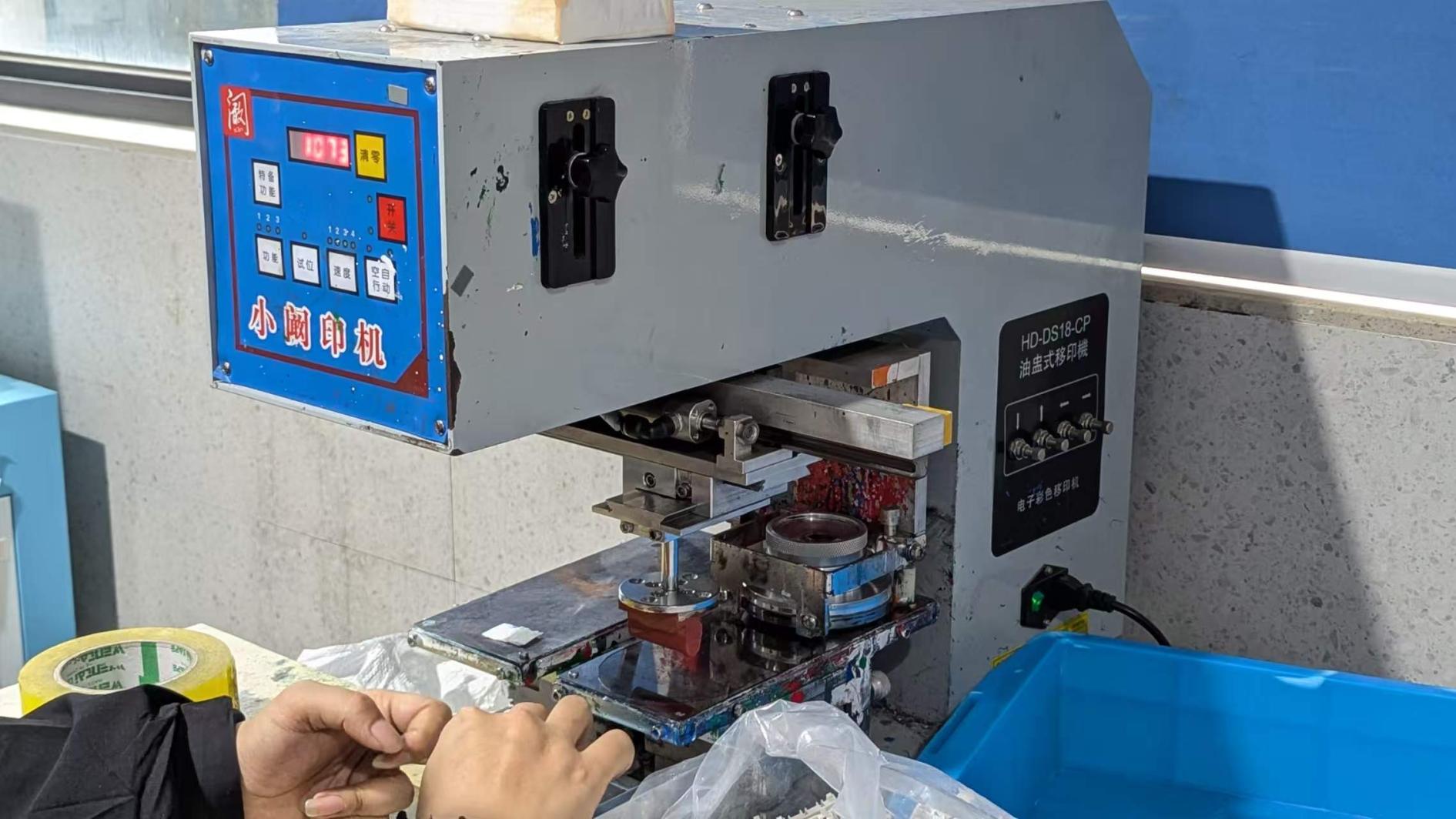
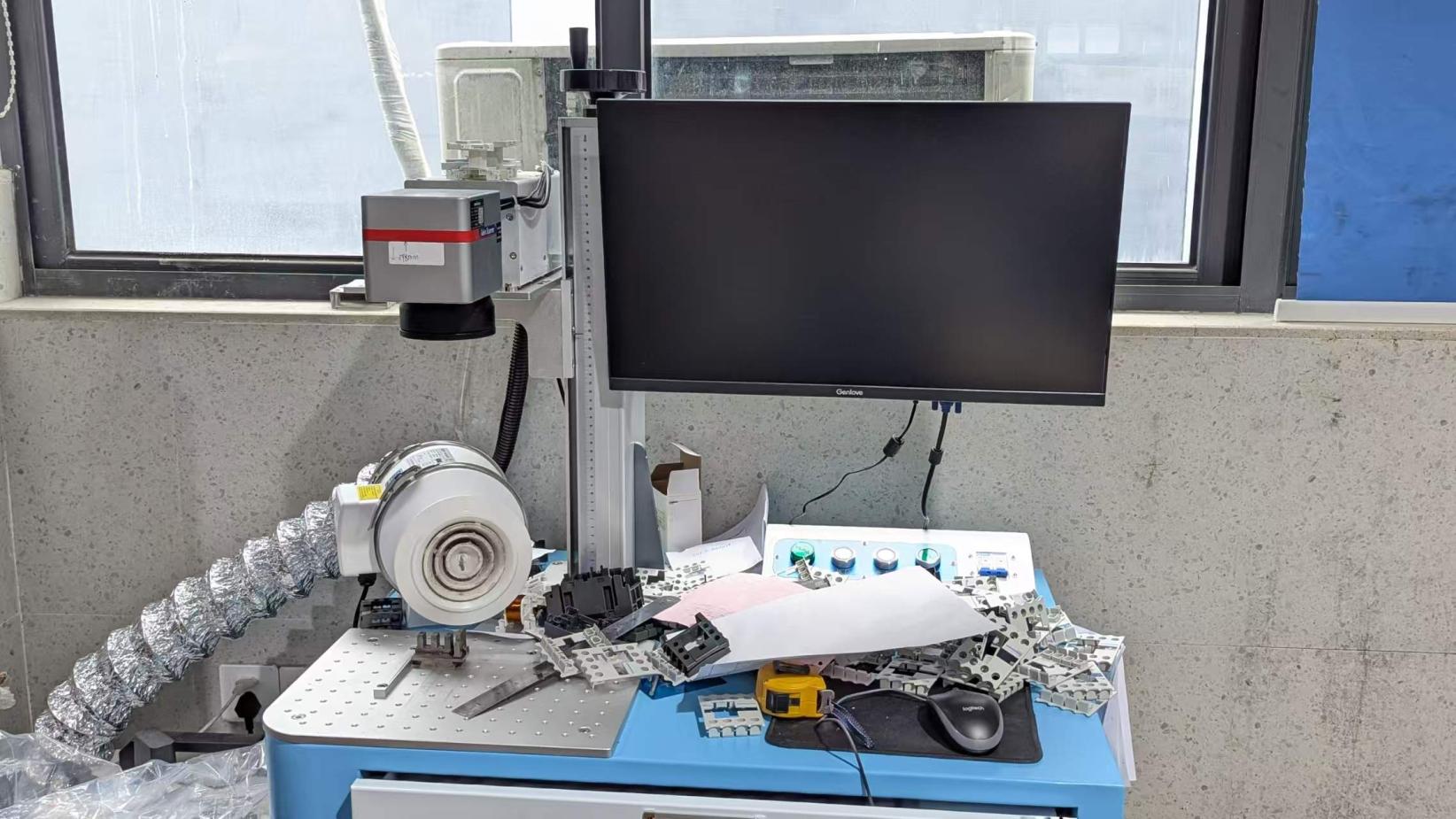
Every alternative energy and backup installation in South Africa must possess a Certificate of Compliance (CoC) issued under the statutory framework of SANS 10142-1 (The Wiring of Premises). A primary point of regulatory inspection is the mechanical interlock and operational behavior of changeover systems. Section 7.12 explicitly prohibits the parallel connection of public electricity grids and alternative sources without specialized utility approval. The transition switch must provide physical, double-break isolation between the public utility network and the local generator/inverter terminals.
Furthermore, standard configurations mandate 4-pole switching in three-phase networks (and 2-pole switching in single-phase networks) to fully isolate the neutral conductor. Failure to isolate the neutral path can cause currents to feed back into the municipal line during grid failures, creating safety hazards for technicians working to repair lines. Our transfer switch design features contact sets that prevent overlapping connections, providing full mechanical interlocks that satisfy both local SANS requirements and international IEC 60947-6-1 standards.
| SANS 10142-1 | Mandatory South African National Standard regulating wiring security & changeover mechanics. |
| IEC / EN 60947-6-1 | International product specification governing multi-function transfer switching equipment. |
| CE Certification | Ensures European economic zone safety, health, and environmental protection standard alignment. |
| ISO 9001:2015 | Defines standard factory quality management criteria, assuring production consistency. |
How Bowser Electric is developing the next generation of transfer switches for connected cities and automated building management.
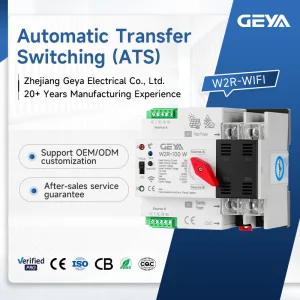
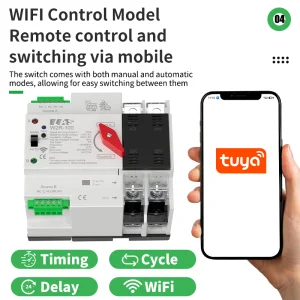
Our recent product development integrates Tuya Smart WiFi and ZigBee communication layers directly into Din-rail mounted transfer modules. This allows engineering managers and residential users to monitor line status, verify which supply source is active, calculate load draw, and command manual changeovers remotely from a mobile device or SCADA interface.
For large industrial plants, mines, and automated office blocks in Midrand and Sandton, our CNC and cabinet-class ATS devices offer integrated Modbus RTU protocols via RS485. This interfaces directly with central building management systems (BMS) and SCADA loops, enabling system operators to log cycle events, predict maintenance requirements, and configure remote interlock configurations dynamically.
Moving beyond standard scheduled maintenance, our upcoming product line features micro-temperature sensors situated directly on the electrical contact bridges. By monitoring localized heat rise during current transfer events, the internal switch processor detects oxide buildup or surface wear, flagging alerts to operators before contact welding can occur.
To address the rapid and unstable voltage shifts typical of South African grid reconnections, our upcoming designs incorporate integrated wide-band active voltage monitoring. These systems reject utility reconnection attempts if grid tension exceeds 265V, maintaining switch routing to generators or solar configurations until grid parameters stabilize.
Engineering answers addressing the challenges of installing, specifying, and maintaining automatic transfer switches in South Africa.
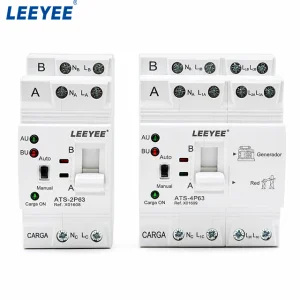
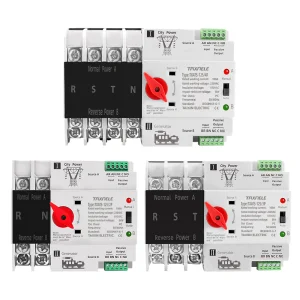
Our full range of DIN-rail mount, smart, and heavy-duty automatic changeover switches for South African industrial networks.
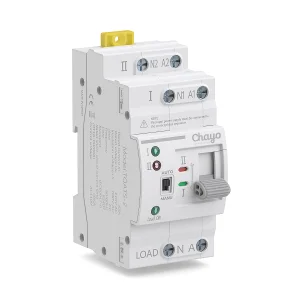
![[CE Certified] 63A 100A Photovoltaic Dual Power Automatic Transfer Switch ATS Controller 380V Din Rail Mount Changeover Switch for SA Solar Systems](https://site.cdnfile.io/5c0e385a8d20ee4412d7e59ceec4e4e1300_300.webp)
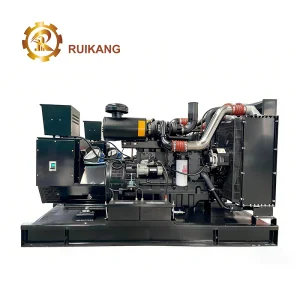
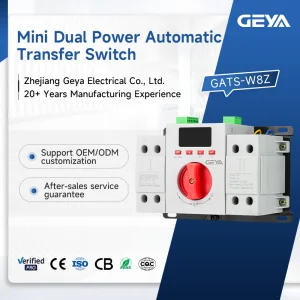
Seeking a tailored OEM/ODM manufacturing partner to supply compliance-tested automatic transfer switches to your South African business operations? Contact us today to receive detailed technical drawings, catalog files, and volume-discount quotes.
Send Inquiry Now