Technical Selection Guide: Sizing ACBs for Industrial Substations in Oman
When sourcing Air Circuit Breakers (ACBs) for low-voltage switchboards (MDBs - Main Distribution Boards) in Muscat or Sohar, design engineers must factor in several critical electrical parameters to ensure system reliability and selectively coordinated fault isolation.
1. Fixed Type vs. Drawout (Withdrawable) Type
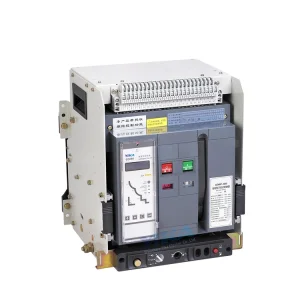
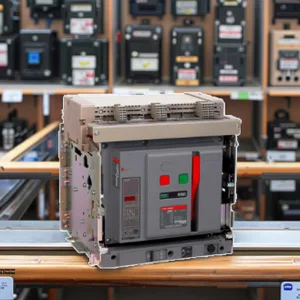
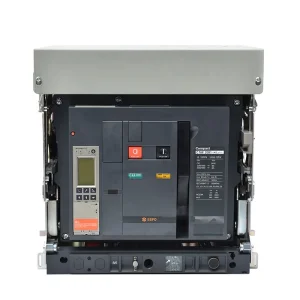
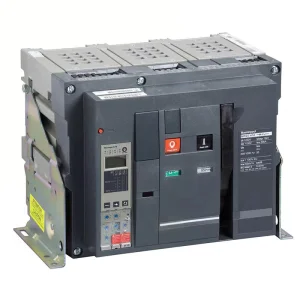
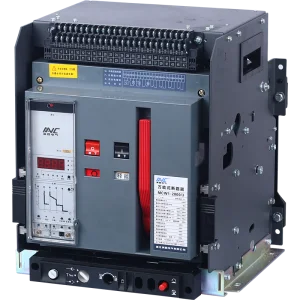
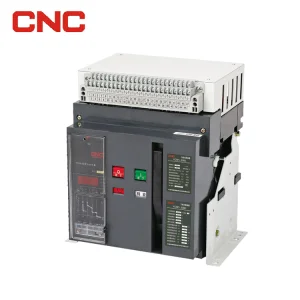
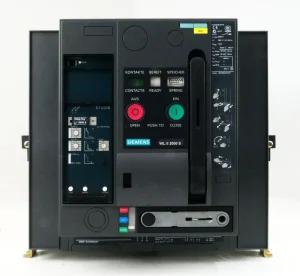
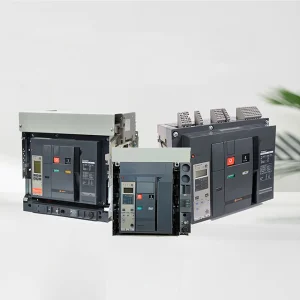
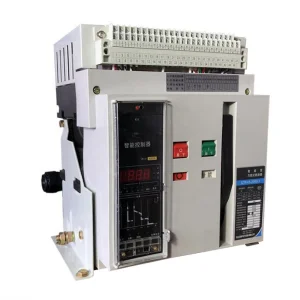
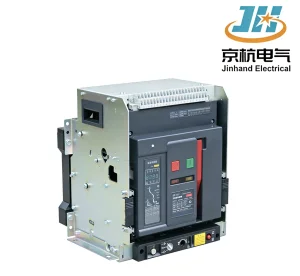
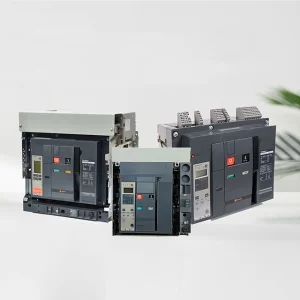
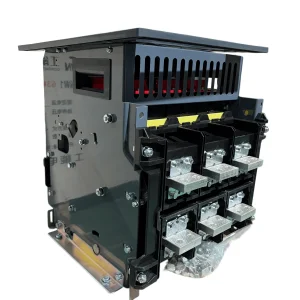
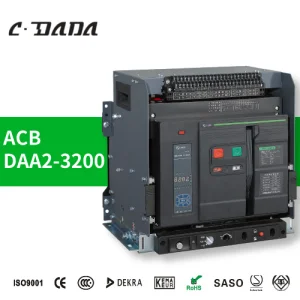
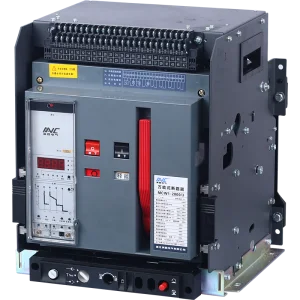
Fixed Type ACBs are directly bolted to the switchgear frame and busbar networks. They are cost-effective but require extensive downtime during maintenance. Drawout (Withdrawable) Type ACBs slide out on guide rails, completely isolating the breaker from live busbars. This is highly recommended for Oman's continuous processes, such as petrochemical plants and water desalination facilities, where maintenance-related downtime must be minimized to minutes.
2. Short-Time Withstand Current ($I_{cw}$) and Coordination
In large-scale Omani grids, selective coordination (discrimination) ensures only the breaker closest to the fault trips. To prevent upstream main incomer ACBs from tripping before downstream feeders clear a fault, the ACB must possess a high $I_{cw}$ (typically for 1 second). Our ACBs offer $I_{cw}$ values of up to 100kA, ensuring complete electrical system stability.
3. Thermal Derating in Middle Eastern Climates
Standard ACBs are designed for ambient temperatures of 40°C. In Oman, outdoor switchboards and package substations can experience internal cabinet temperatures exceeding 55°C. Operating at these elevated temperatures without proper design adjustments leads to nuisance tripping or thermal degradation. Wenzhou Bowser Electric custom-calibrates the trip curves and utilizes high-temp resistant components to guarantee nominal currents under intense thermal loads.
4. Sustainability & Energy Efficiency
As part of our commitment to a sustainable future, Bowser Electric actively invests in green energy solutions. We develop energy-efficient circuit breakers, utilize eco-friendly materials, and implement manufacturing processes designed to reduce environmental impact. By optimizing contact materials, we minimize internal resistance and power losses, assisting Omani enterprises in meeting their carbon reduction goals under Vision 2040.
 Bowser Electric