Bowser Electric
Bowser Electric
Bowser Electric
Explore our foundational range of circuit protection, power distribution, and isolation equipment designed to meet global standards.
An authoritative analysis of dual-power switching technology, system topology, and global standardizations.
In the contemporary industrial and commercial landscape, electrical power is the lifeblood of operations. A momentary interruption of power can lead to catastrophic losses, safety hazards, and compromised system integrity. Modern facilities operate on the premise of absolute power continuity. To achieve this, dual-path or multi-path electrical distribution designs are mandated by global regulatory codes. At the heart of these redundant power architectures is the Automatic Transfer Switch (ATS).
Historically, power transition was handled manually, presenting significant latency, human-error risks, and physical hazards to operators. The development of automated switching mechanisms has transitioned power systems into high-reliability environments. The primary role of the ATS is to detect a drop in voltage or complete loss of utility power (the primary source) and seamlessly transition the load to an emergency generator or an alternative utility line (the secondary source). When the primary power is restored to stable parameters, the switch reverses the process, shifting the load back to the utility grid without causing operational interruptions.
Today, the deployment of Automatic Transfer Switches has extended beyond simple emergency systems to encompass sophisticated smart-grid management systems, solar-plus-storage microgrids, and highly integrated hybrid power configurations. The dynamic changes in power generation—moving from centralized fossil-fuel generators to decentralized renewable arrays—have heightened the complexity of voltage synchronization, phase alignment, and transient current protection during transfer sequences.
Engineering robust transfer switches requires solving fundamental physics problems relating to electric arcing, heat dissipation, and mechanical fatigue. ATS mechanisms are categorized into specific transition topologies, each serving distinct application criteria:
Furthermore, classification systems divide switches into PC-Class (capable of making and withstanding short-circuits but not designed to interrupt fault currents), CB-Class (equipped with overcurrent releases and capable of interrupting faults), and CC-Class (double-throw contactor mechanisms without overcurrent protection). Choosing between these classes depends on the design of the circuit's short-circuit current ratings (SCCR) and selectivity coordination requirements. Modern premium ATS units integrate smart controllers that monitor harmonic distortion, phase balance, and frequency drift, allowing for adaptive logic-based switching.
Procurement directors and principal electrical engineers searching for ATS factories face complex compliance, quality, and lifetime costs considerations. The primary objective is to select a manufacturing partner capable of meeting strict design criteria while delivering high volume with rapid lead times. Key evaluation criteria include:
A trusted global supplier of advanced electrical control systems and low-voltage protection equipment.
Bowser Electric supports over 1,500 enterprise customers globally, spanning residential complexes, high-volume commercial high-rises, and intensive industrial manufacturing zones. Our massive catalog of over 1,200 standard products guarantees off-the-shelf readiness for standard applications, complemented by our deep OEM/ODM engineering capabilities.
With over 150 successful custom product developments completed in partnership with global brands, we excel at tailoring low-voltage electrical systems. Our ISO 9001-certified factory ensures that everything from basic terminal boards to complex industrial distribution panels is designed and manufactured to precise client requirements.
Our belief in the quality of our craftsmanship is backed by a 5-year comprehensive industry warranty on our signature product series. In addition, our round-the-clock (24/7) technical engineering team remains standing by to provide real-time assistance, configuration reviews, and troubleshooting for systems in the field.
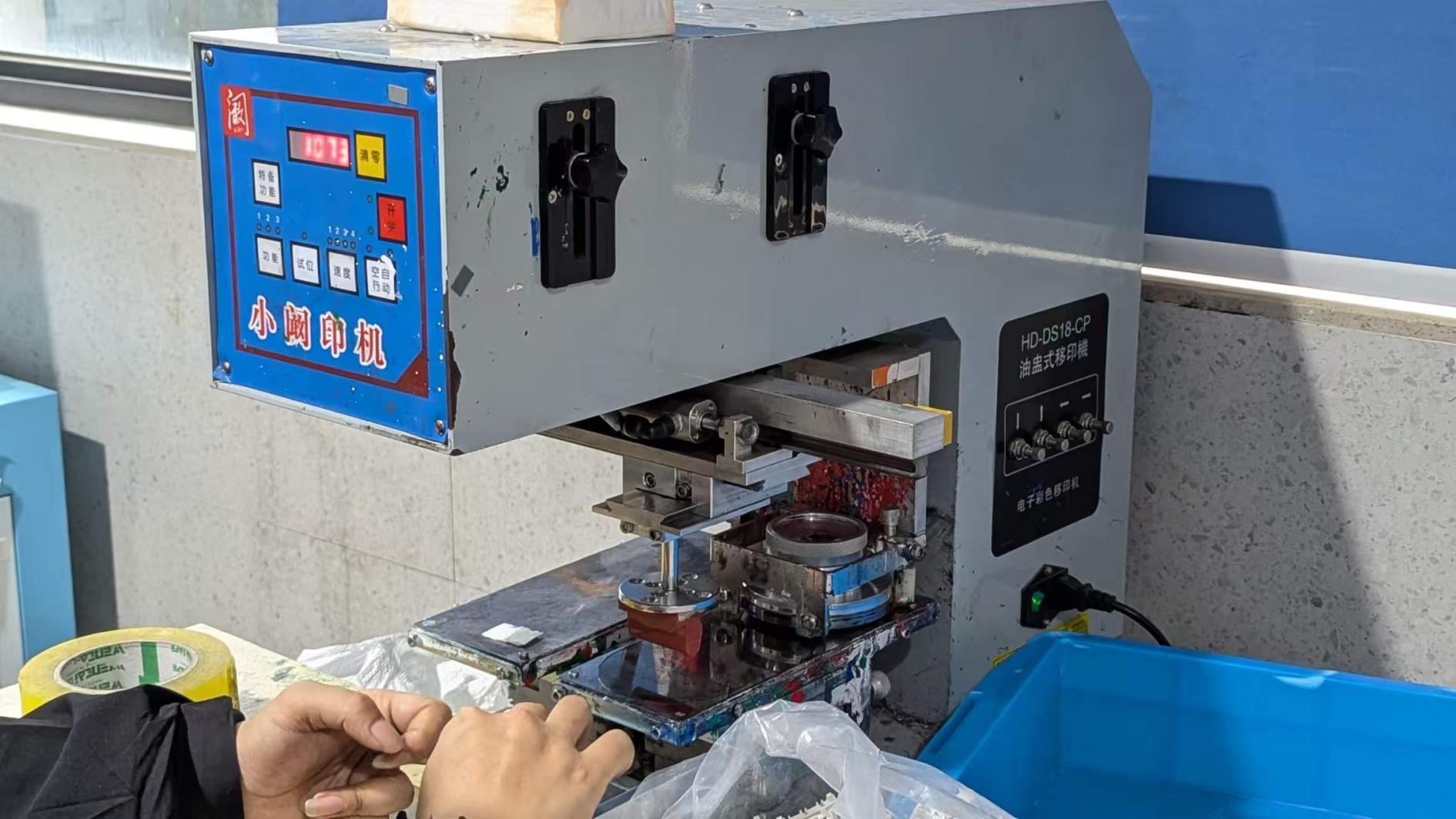
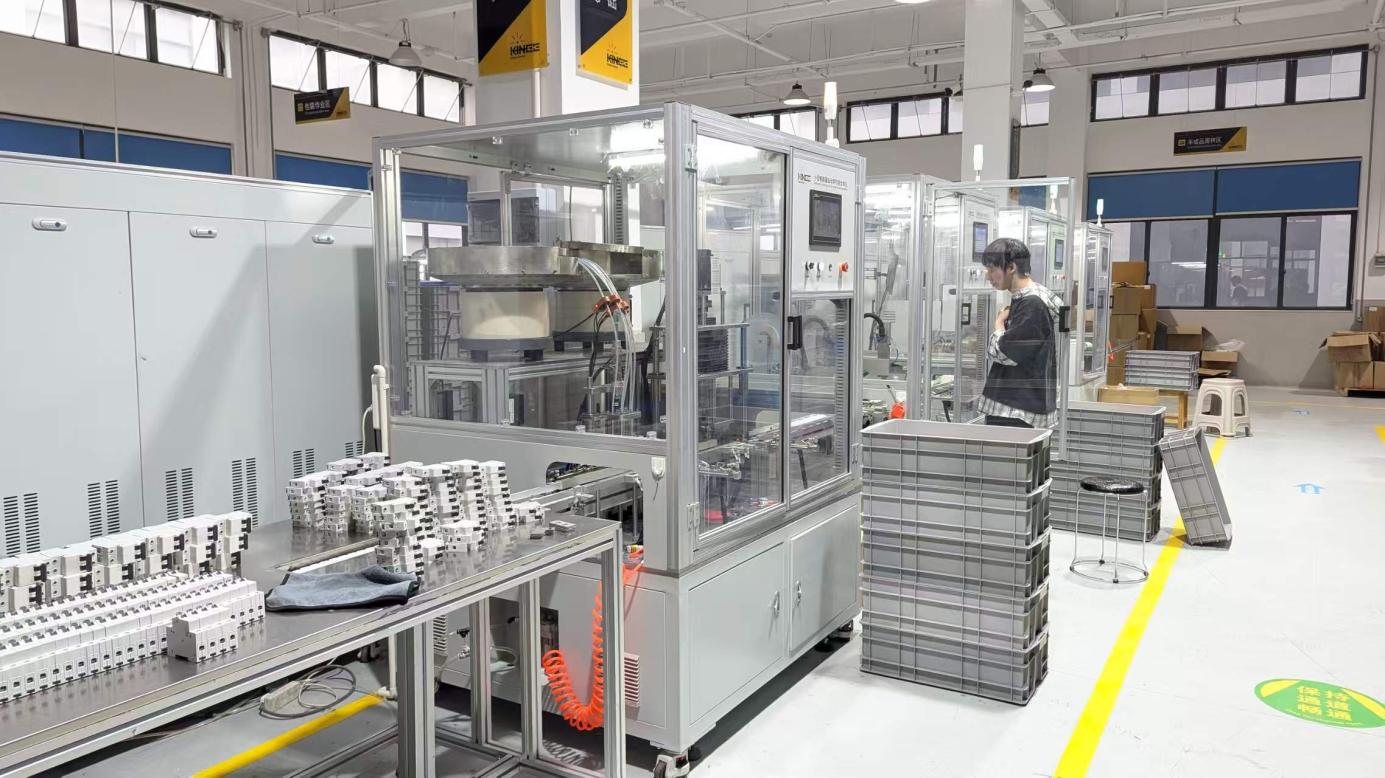
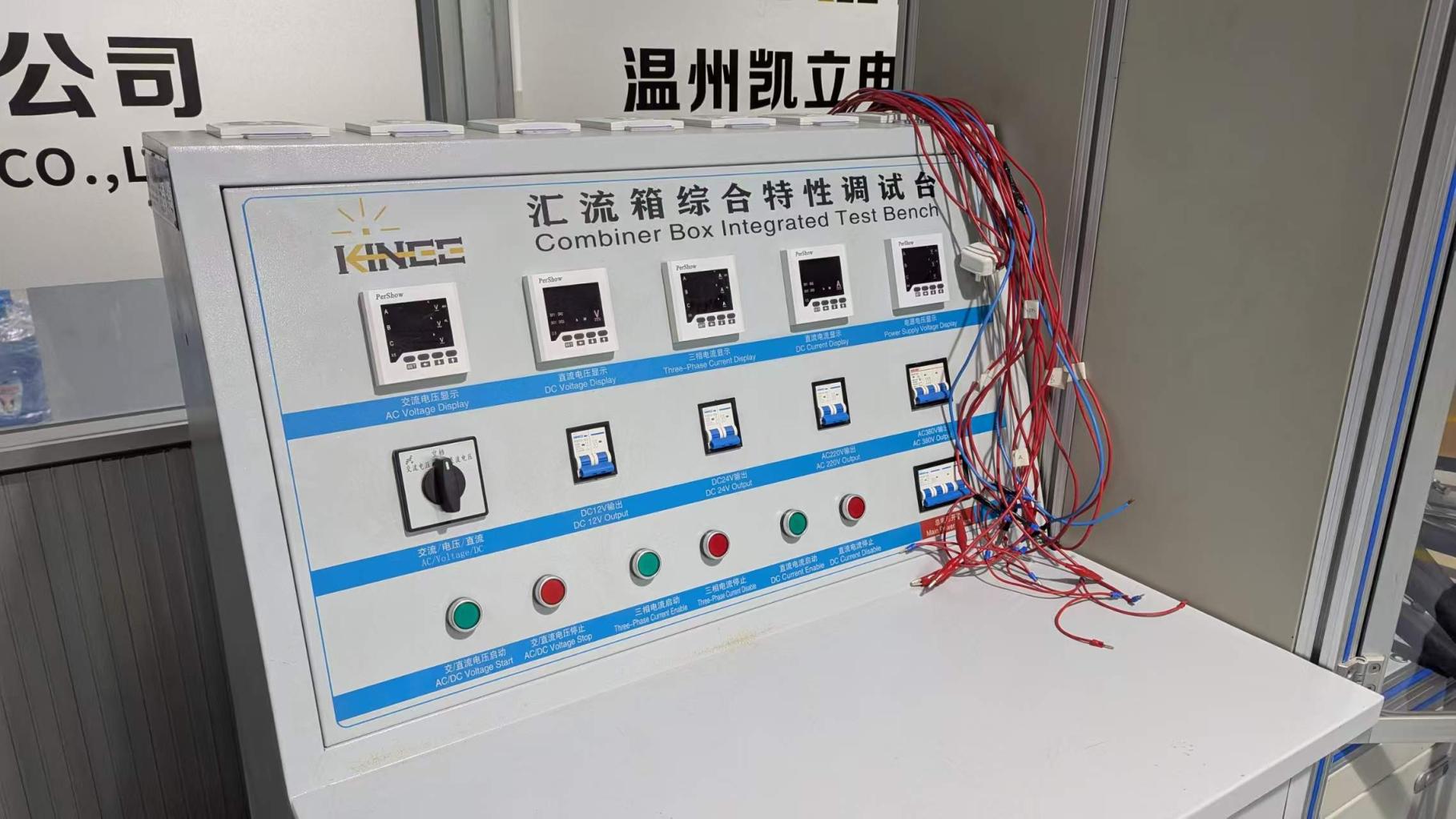
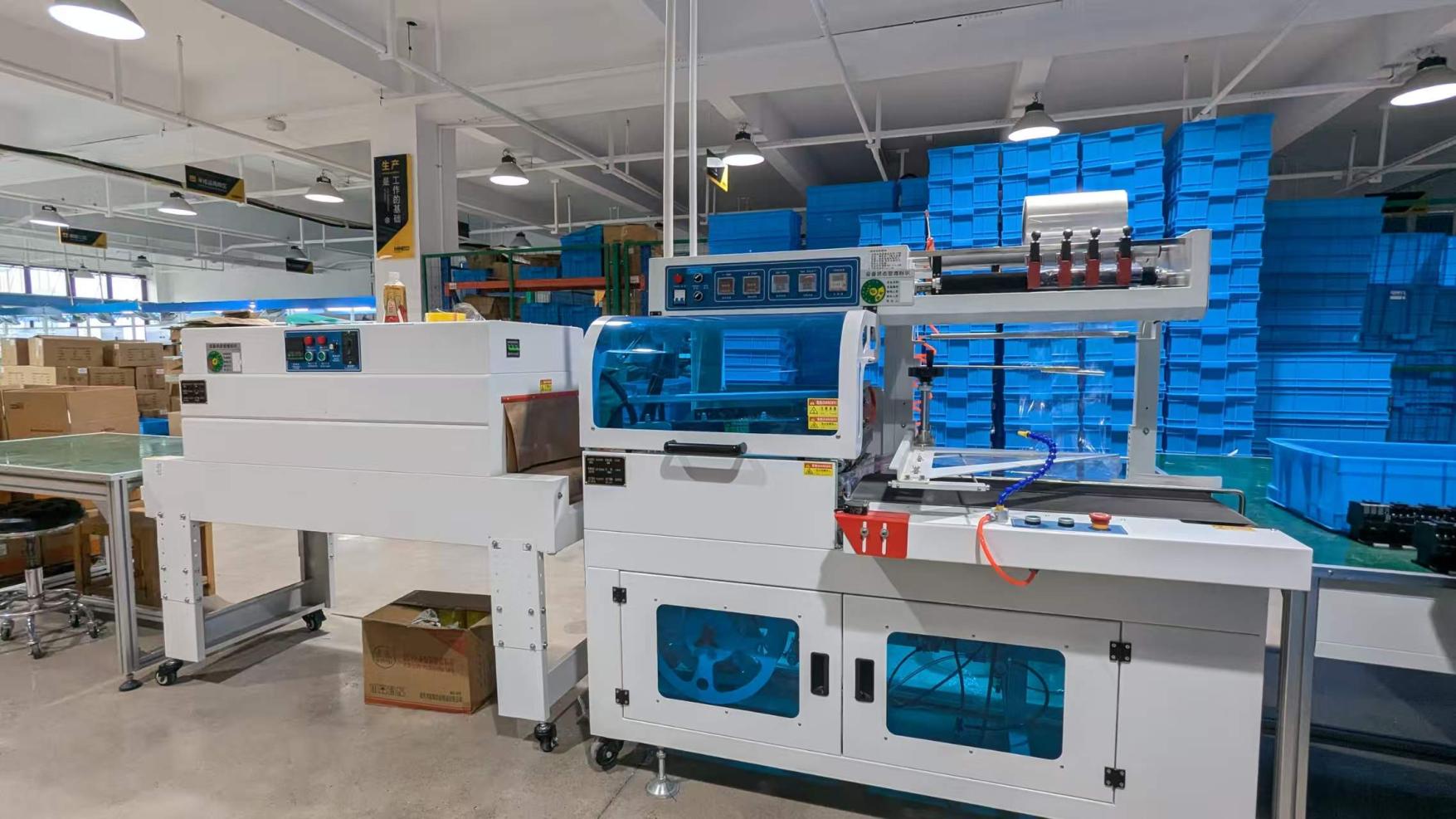
Take an inside look at the Bowser Electric automated factory floor. We integrate advanced robotics, precision tooling, and multi-stage testing rigs to ensure that every circuit component meets rigorous international standards.
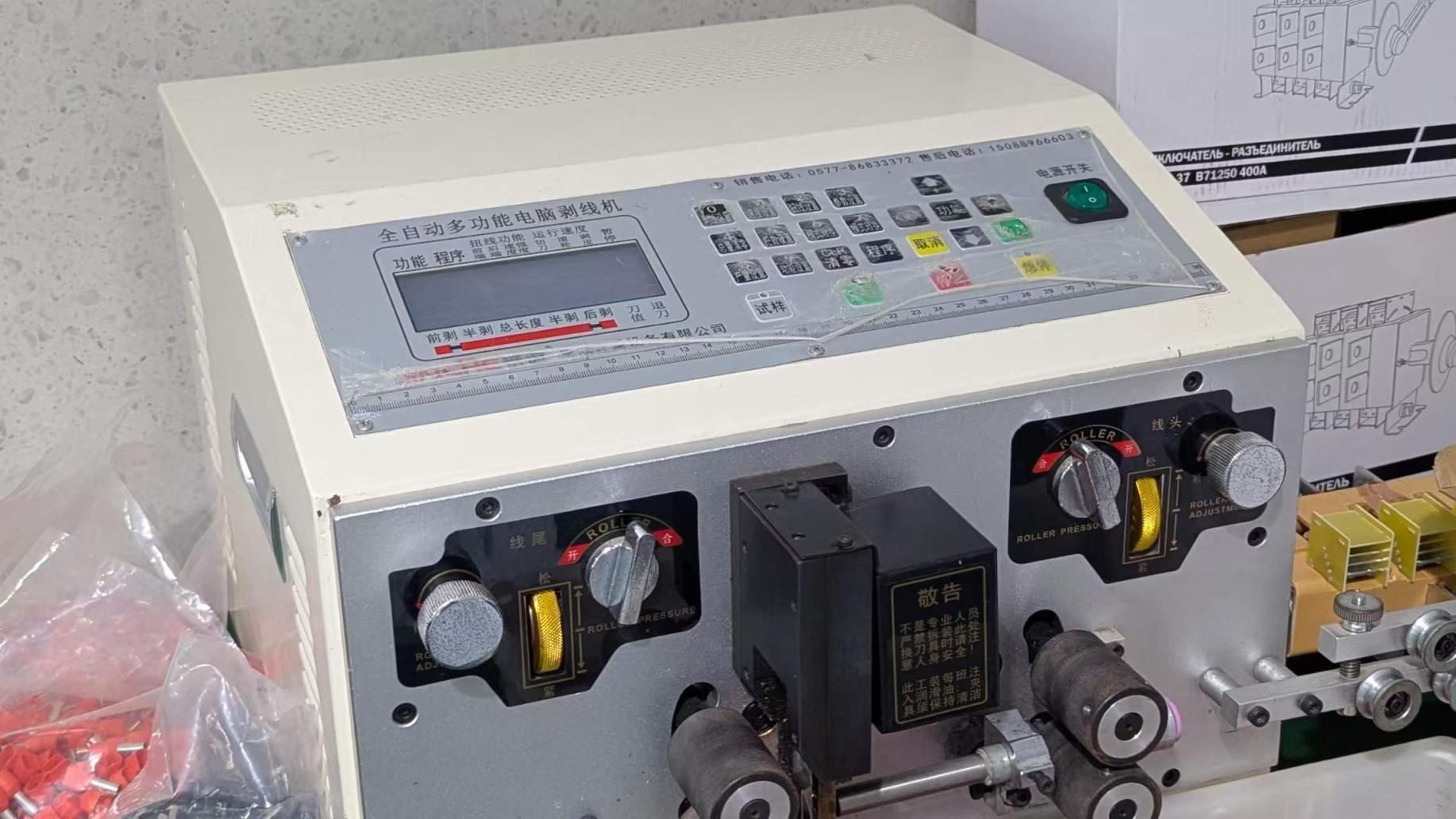
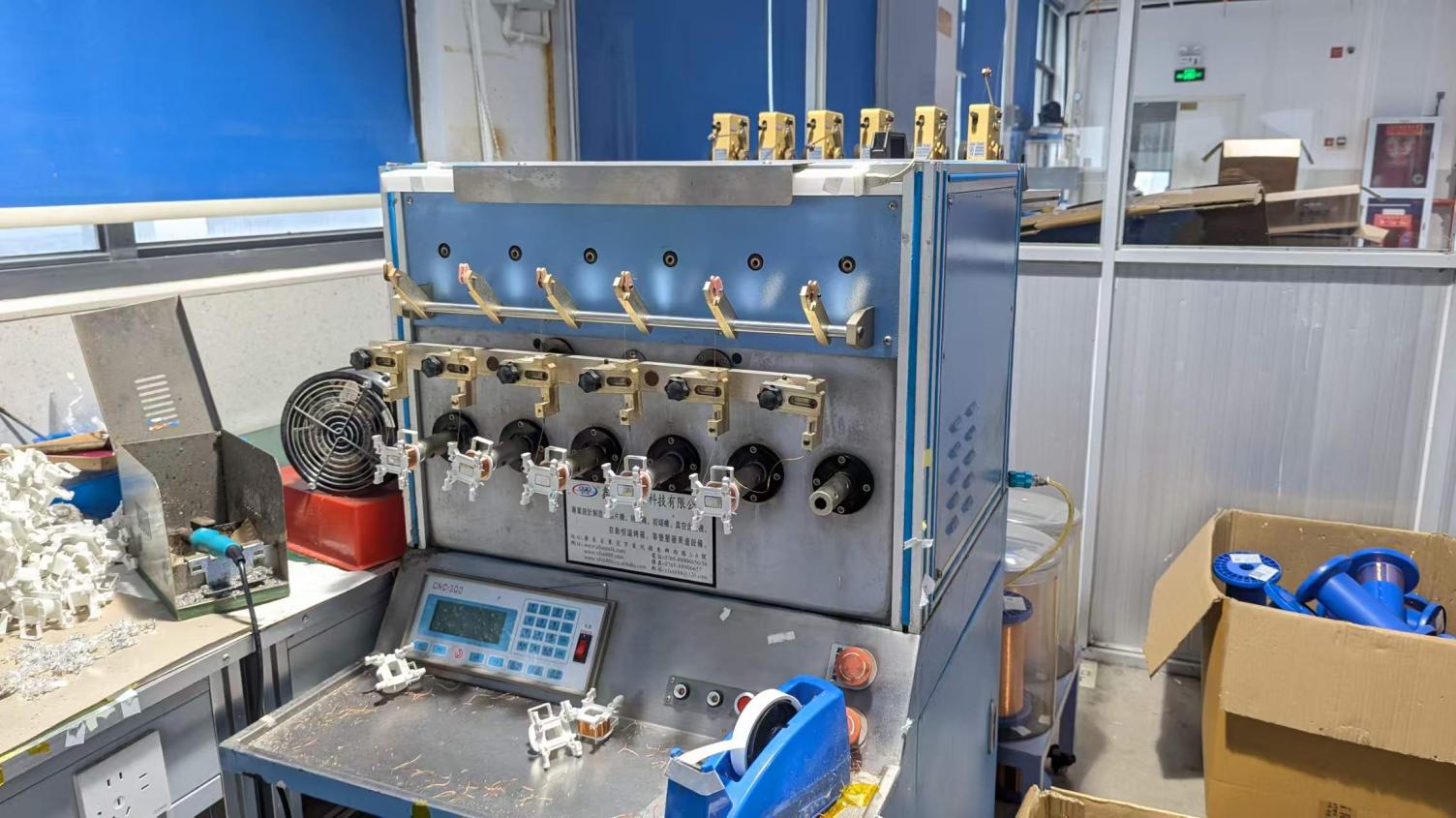
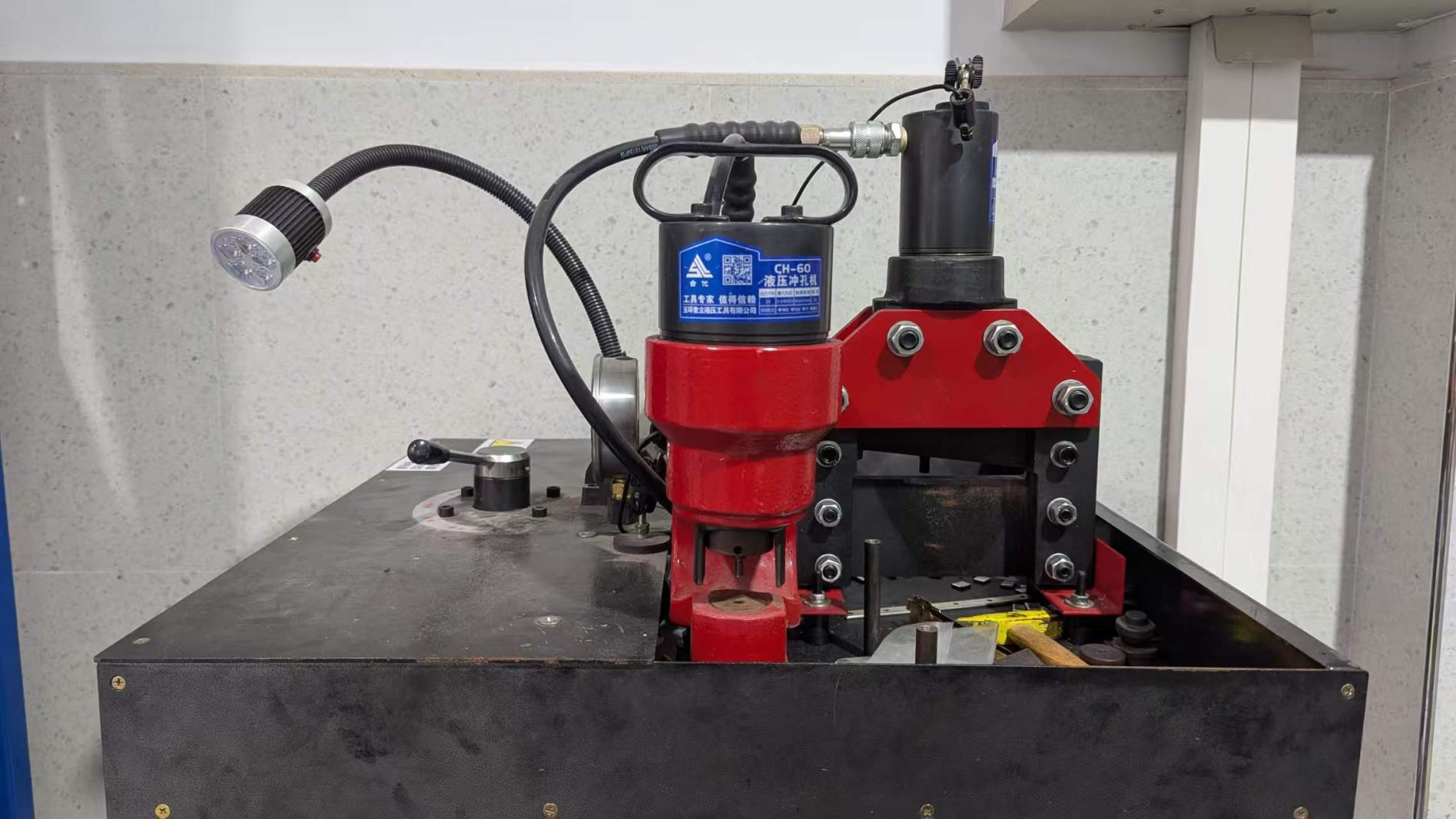
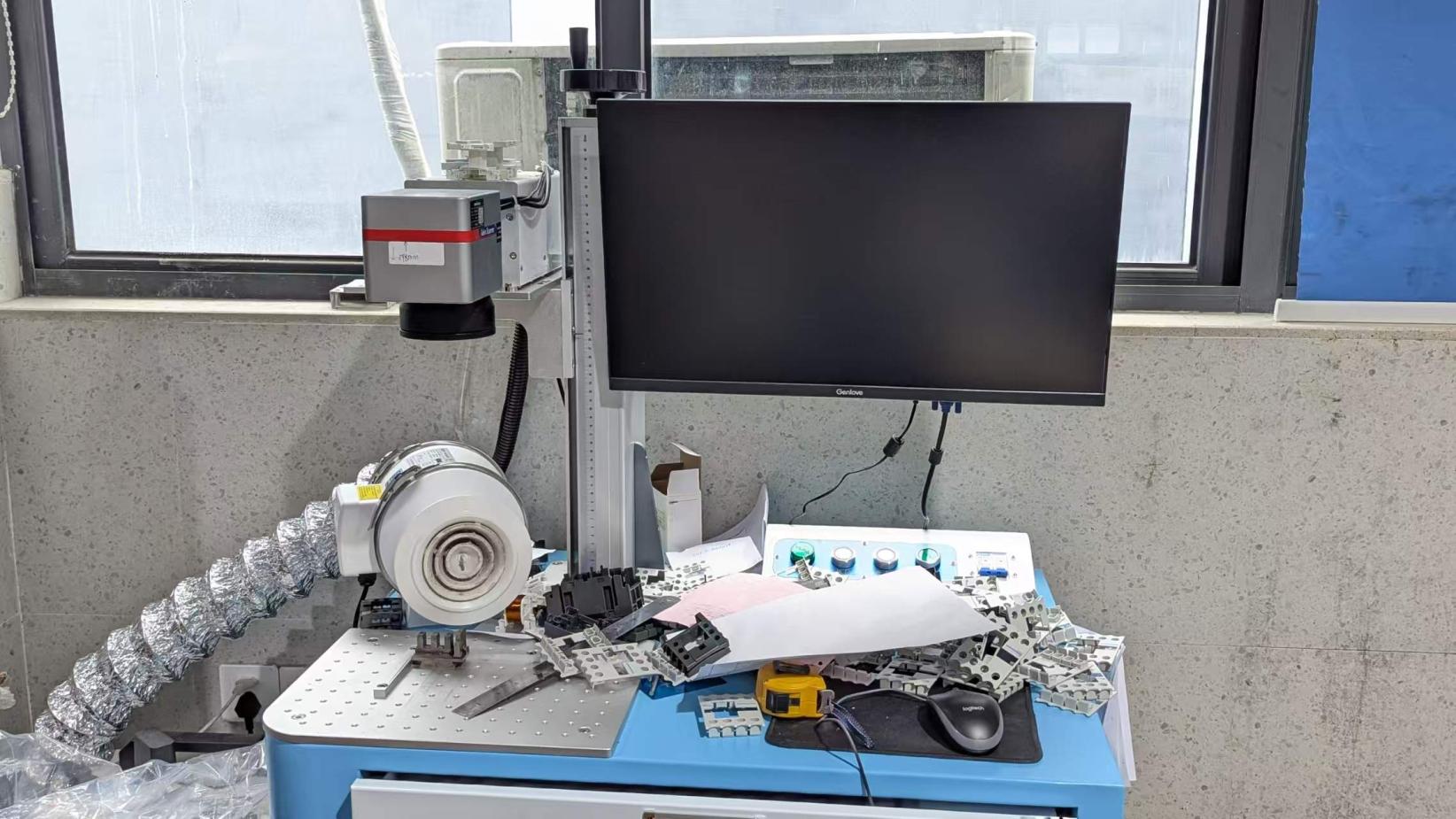
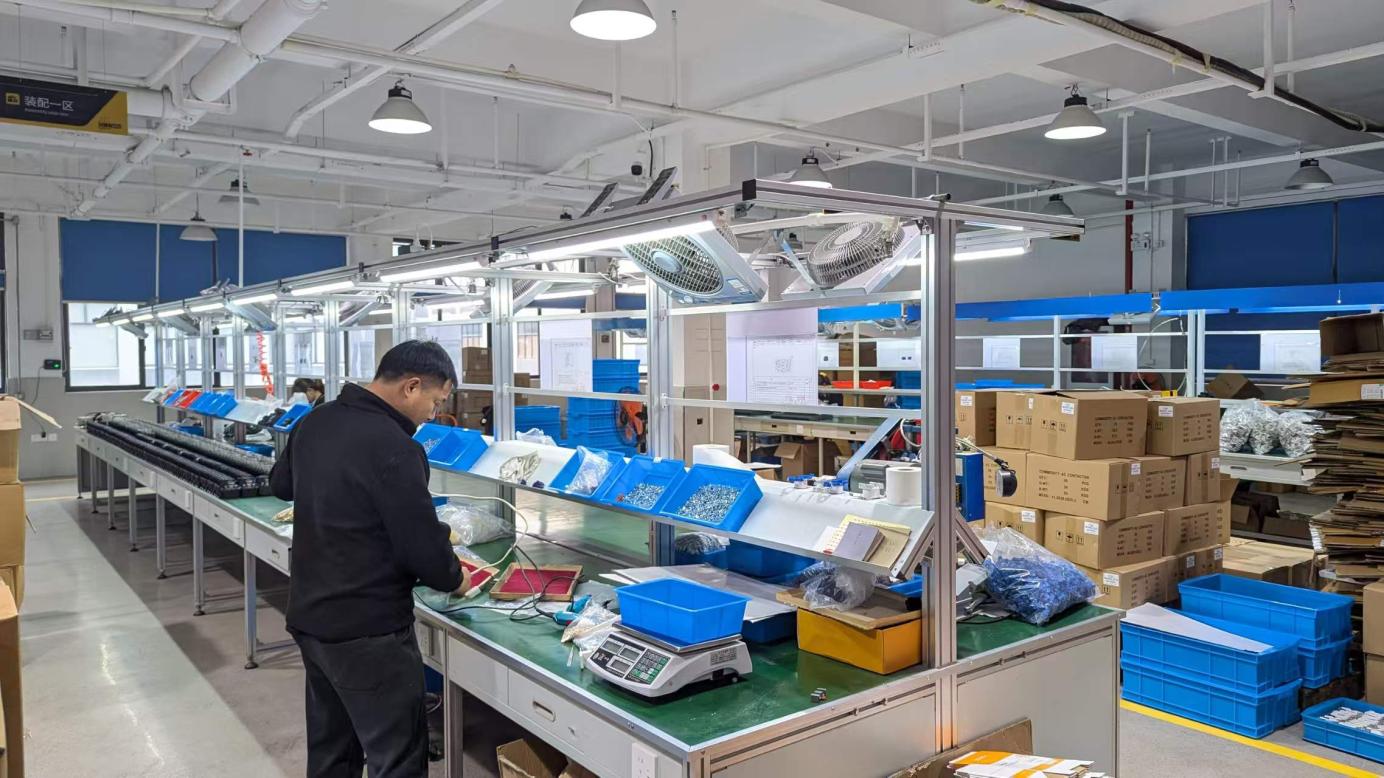
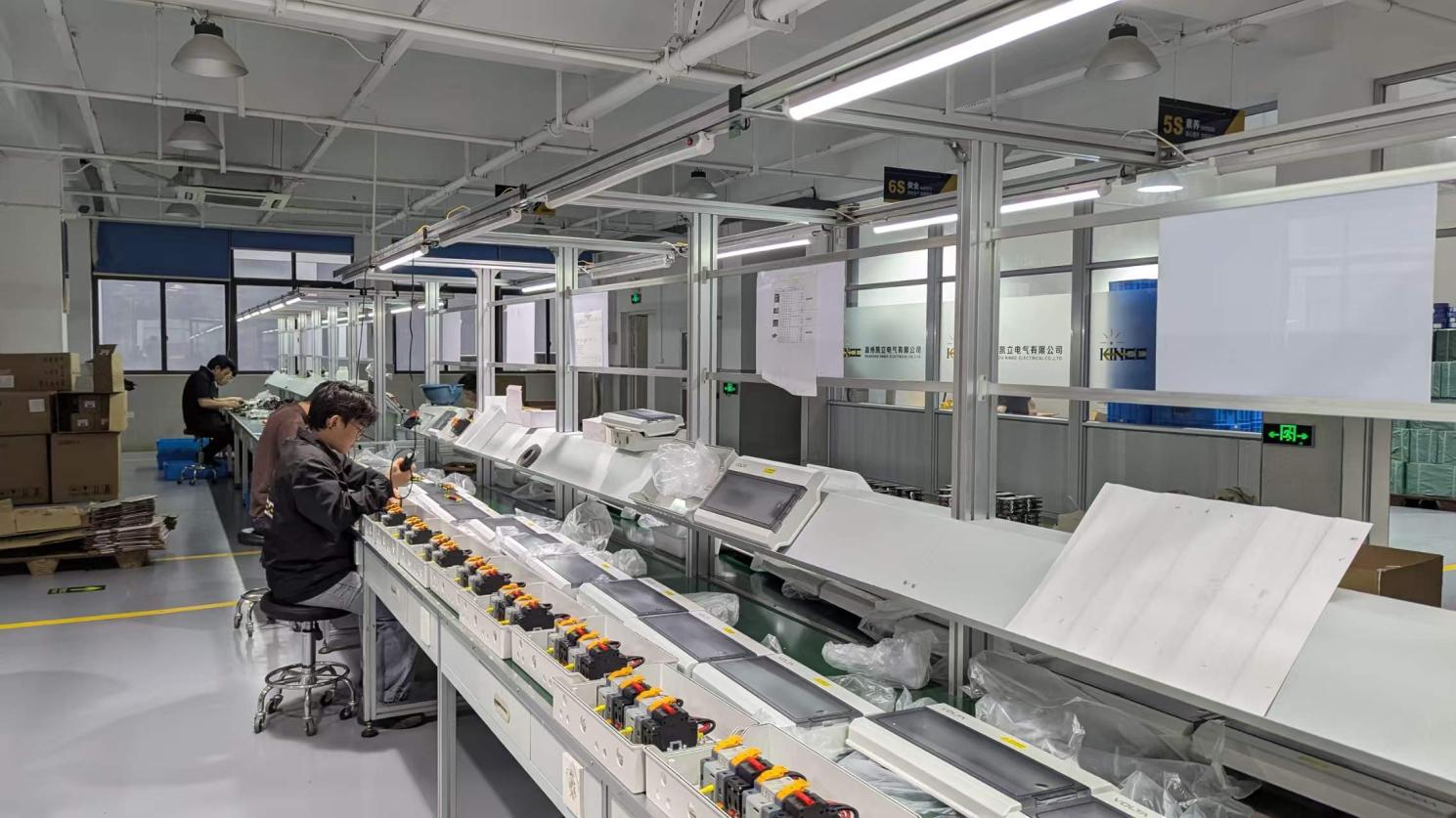
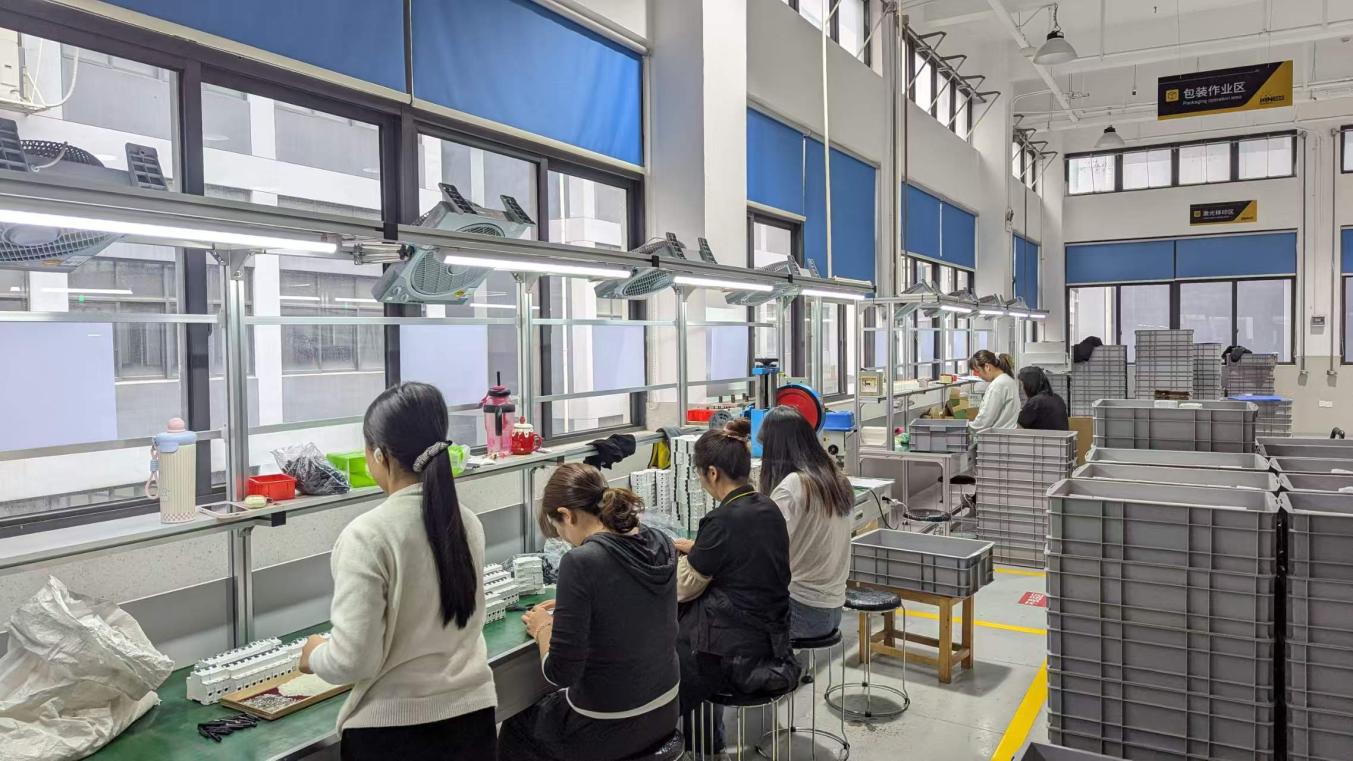
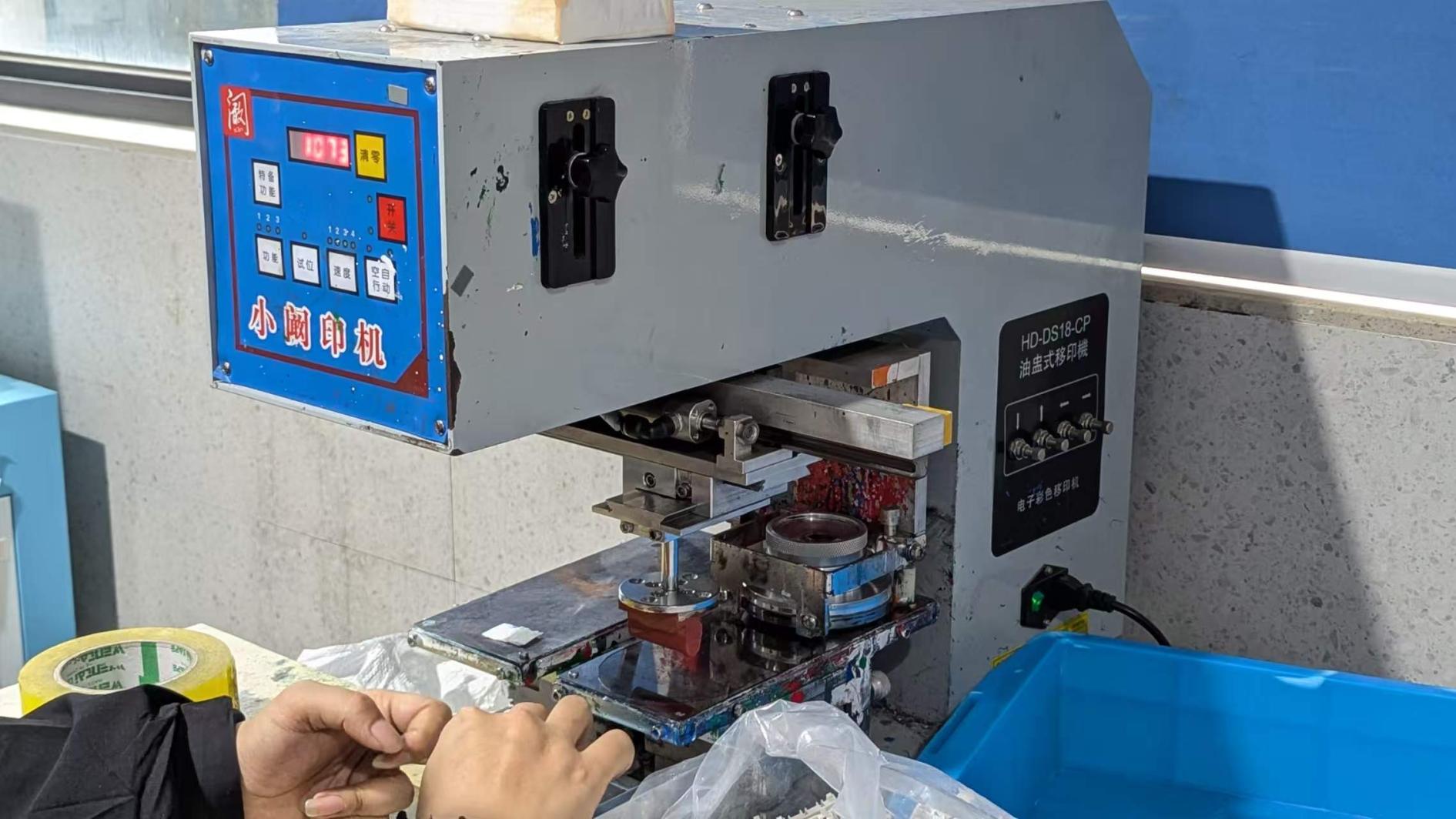
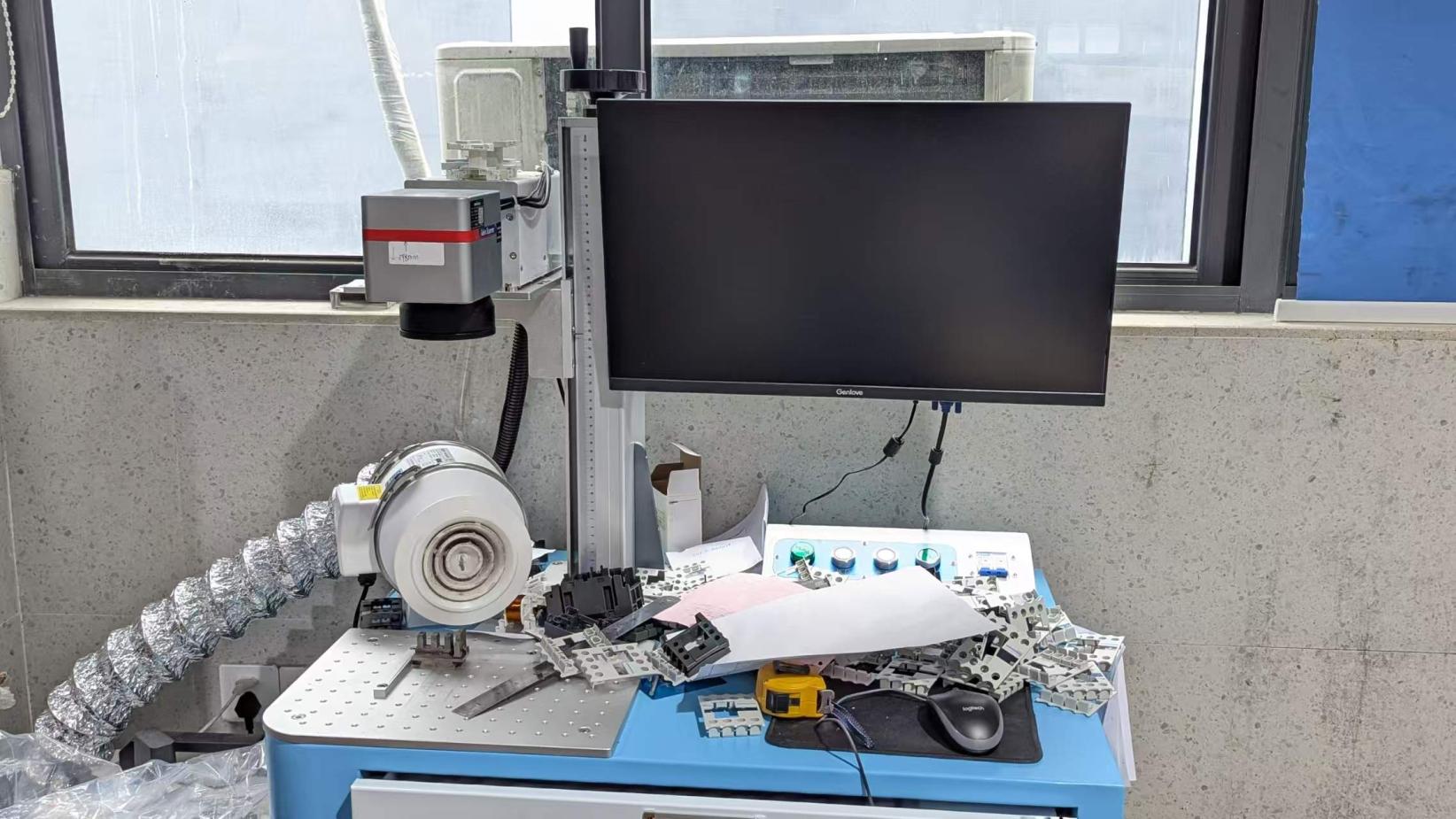
Global economic shifts have emphasized the need for supply chain diversification. China's electrical manufacturing sector, particularly in Wenzhou, remains a leading supplier of low-voltage electrical systems. This dominance is not based on cost alone, but on a highly specialized supply chain ecosystem that delivers superior speed and flexibility.
At Bowser Electric, our manufacturing processes leverage this domestic industrial base to source high-grade raw materials (such as raw electrolytic copper, specialized engineering resins, and high-performance electronics components) within a small geographic radius. This minimizes external shipping disruptions and optimizes standard component lead times. Our automated factory systems—ranging from high-speed winding and hydraulic punching to automated testing and laser etching—allow us to scale production up or down quickly without compromising precision.
Automatic Transfer Switches are deployed across diverse operating environments, requiring customized setups and configurations to ensure system reliability:
In harsh industrial settings, components are exposed to corrosive gases, airborne dust, and vibration. Meeting these conditions requires customizing ATS enclosures to NEMA 4X or IP66 standards, incorporating tropicalized motor coils, and using specialized anti-vibration isolation blocks to preserve system integrity.
Critical engineering answers for procurement managers and project designers looking to integrate robust power switching systems.
PC-class switches are designed solely to carry, withstand, and switch load currents under normal and fault conditions. They do not incorporate overcurrent protection trip units. Consequently, they feature much higher Short-Circuit Withstand Ratings (WCR) because they rely on upstream fuses or breakers to clear faults, and their contact structures are optimized for electrical durability.
CB-class switches, by contrast, are equipped with built-in thermal-magnetic or electronic trip units. They function both as transfer mechanisms and as protective circuit breakers. They are capable of interrupting fault currents independently. However, because they must trip under faults, their continuous withstand ratings are generally lower than those of PC-class switches, and they require careful coordination with other protection stages to prevent nuisance tripping.
The WCR must be equal to or greater than the maximum available fault current calculated at the point of installation in the distribution system. To calculate this, engineers perform a short-circuit study using the source transformer impedance, conductor length, and installation geometry. The ATS rating is then matched using three metrics: time-based ratings (e.g., 0.05 seconds), current-limiting breaker ratings, or specific fuse-coordination values as outlined in standard UL 1008 and IEC 60947-6-1 documentation.
When a running electric motor is disconnected from its power source, it does not stop instantly. Instead, it acts as a generator, producing a residual voltage that decays over time. If the transfer switch transitions to the alternate source while this residual voltage is out of phase with the new source, it can create high transient currents. This spike can trigger overcurrent protection devices, damage mechanical shafts, or destroy couplings.
An in-phase monitor tracks the phase angle difference between the active and alternate sources. It delays the transfer command until the phase angle falls within a safe window (typically less than 60 degrees), ensuring a smooth, damage-free transfer sequence.
We achieve our 99.9% defect-free rate through a combination of automated testing systems and strict ISO 9001 quality control protocols. Our manufacturing floor utilizes optical inspection technology and automated testing rigs to inspect components at every stage of assembly, from raw coil winding and terminal hydraulic punching to automated riveting and final enclosure testing. Every single unit undergoes a functional cycle test and dielectric testing before being vacuum-packaged and boxed for shipment.
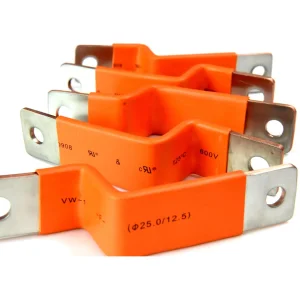
We provide comprehensive customization across multiple parameters: electrical performance (custom voltage ratings from 24V DC to 690V AC, and current capacities up to 3200A), physical configurations (custom mechanical interlocks, custom dimensions for distribution boxes, and specialized copper busbar shapes), and custom branding (custom laser marking, custom pad printing, and private label packaging). Our engineering team can develop and prototype custom low-voltage electrical systems based on your specifications.
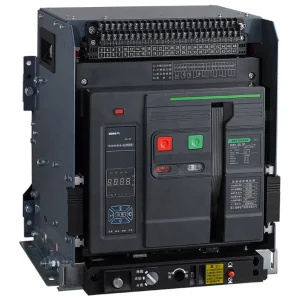
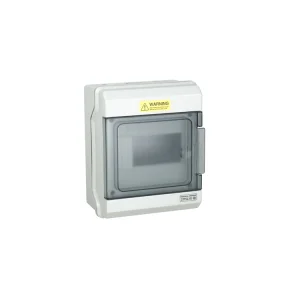
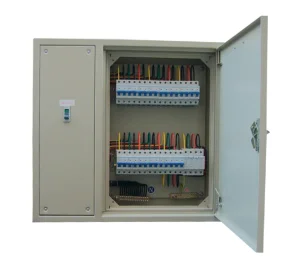
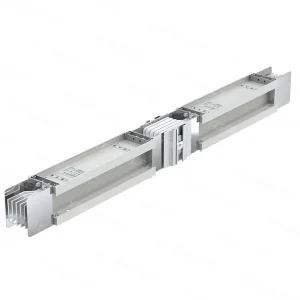
Explore our high-amperage breakers, distribution systems, and specialized switches designed for global industrial applications.