Bowser Electric
Bowser Electric
Bowser Electric
Premium-grade circuit control devices designed to safeguard critical industrial applications and smart distribution networks in the Berlin metropolitan area.
Analyzing the dynamics of the German Energiewende and its impact on low-voltage switchgear design.
As Germany shifts rapidly toward renewable energy sources under its national Energiewende framework, the Berlin-Brandenburg metropolitan region has emerged as a key focal point for advanced electrical infrastructure upgrades. The integration of decentralized solar farms, combined heat and power plants, and utility-scale battery energy storage systems (BESS) demands a highly adaptive and resilient electrical grid. For instance, fast-charging hubs for electric vehicles (EV) and digital infrastructure sites require robust low-voltage switchgear that can handle high-density load fluctuations without experiencing thermal fatigue.
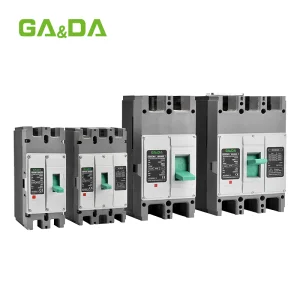
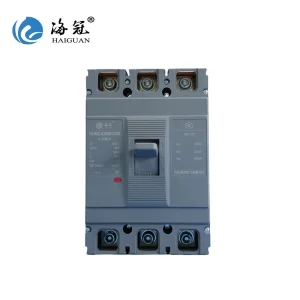
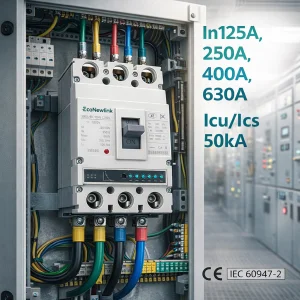
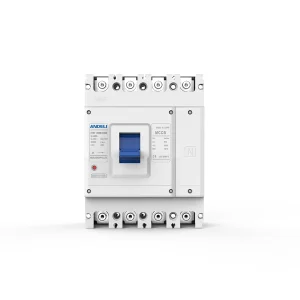
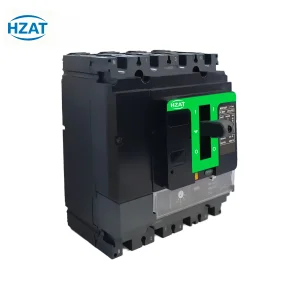
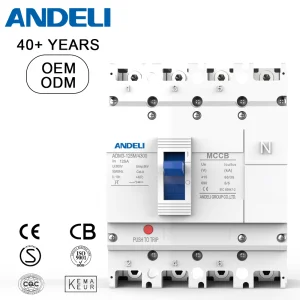
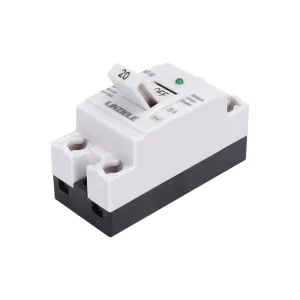
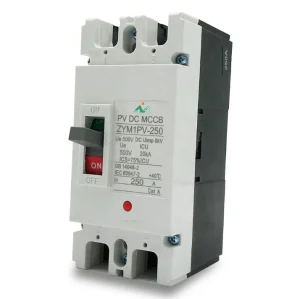
In Germany, electrical components must comply strictly with DIN EN 60947-2 (VDE 0660-101) standards, making high breaking capacity, selectivity, and smart diagnostics primary requirements for system integration. Our range of Moulded Case Circuit Breakers (MCCBs) is specifically engineered to meet these precise regulations, offering reliable protection against overloads and short circuits in highly critical commercial grids.
Globally, the demand for low-voltage switchgear is driven by two main currents: electrification and digitization. In typical industrial layouts, MCCBs are moving from analog thermal-magnetic units to digital, communicating electronic trip units (ETUs). This transition allows facility managers to monitor load profiles, track wear indicators, and execute preventative maintenance protocols remotely. Furthermore, with the growth of 1500V DC solar installations globally, circuit breaker architecture has adapted to handle severe arc-quenching requirements under high-voltage direct current settings, preventing equipment damage and ensuring high operational continuity.
Designed for decentralized energy grids, modern residential complexes, and automated manufacturing setups.
Empowering the Future of Global Electrical Distribution & Safety Infrastructure.
Welcome to Wenzhou Bowser Electric Co., Ltd., a leading force in the electrical industry renowned for innovation, reliability, and an unwavering commitment to excellence. As a specialized manufacturer and exporter, we focus on providing high-quality modular electric terminal devices, household electrical solutions, and industrial electrical components. With a strong emphasis on technology, safety, and customer satisfaction, Bowser Electric has established itself as a trusted partner for clients around the world.
At Wenzhou Bowser Electric, our 35+ member R&D team is dedicated to advancing electrical technology and delivering smart, efficient, and reliable solutions. Holding over 25 international patents, we continuously explore new innovations in circuit breaker design, energy management systems, and safety devices. Our research-driven approach ensures that our products consistently meet the highest global standards, keeping our clients ahead in an ever-evolving industry.
Quality and safety are the cornerstones of our operations. With a 99.9% defect-free rate, every product undergoes rigorous testing, from material inspection to final production. Our facilities are certified under ISO 9001, CE, and other international safety standards, ensuring compliance and reliability in every market we serve.
Bowser Electric proudly serves clients in over 120 countries, with a portfolio of more than 1,500 satisfied customers spanning residential, commercial, and industrial sectors. Our international experience allows us to deliver tailored solutions that meet the unique requirements of different regions and industries. We have built long-term partnerships with leading global brands, earning trust through our consistent product performance and dependable service.
Our extensive catalog includes 1,200+ products, covering circuit breakers, modular switches, sockets, and specialized electrical components. We excel in OEM and ODM projects, having successfully completed over 150 customized solutions in collaboration with renowned international companies. At Bowser Electric, we listen closely to client needs, ensuring every solution is precise, safe, and efficient.
Customer satisfaction is at the heart of our business. Our professional support team is available 24/7, providing technical assistance and guidance anytime. We back our products with a 5-year warranty, reflecting our confidence in quality and our commitment to long-term client success.
Bowser Electric is committed to sustainability and green energy solutions. We actively invest in energy-efficient products, eco-friendly materials, and production practices that reduce environmental impact. By combining innovation, safety, and sustainability, we strive to empower a brighter, cleaner future for our clients and the communities we serve.
How Wenzhou’s robust supply chain and advanced factory automation translate to high-gain procurement advantages for European distributors.
Wenzhou is historically recognized as the capital of low-voltage electrical apparatus. This concentrated industrial cluster allows Bowser Electric to access raw materials, high-purity copper conductive elements, silver alloy contacts, and custom thermal-magnetic sensing bimetal strips at unmatched speeds and highly competitive costs. By eliminating long-distance logistics inside the supply chain, we can invest heavily in advanced quality control technology and automation machinery.
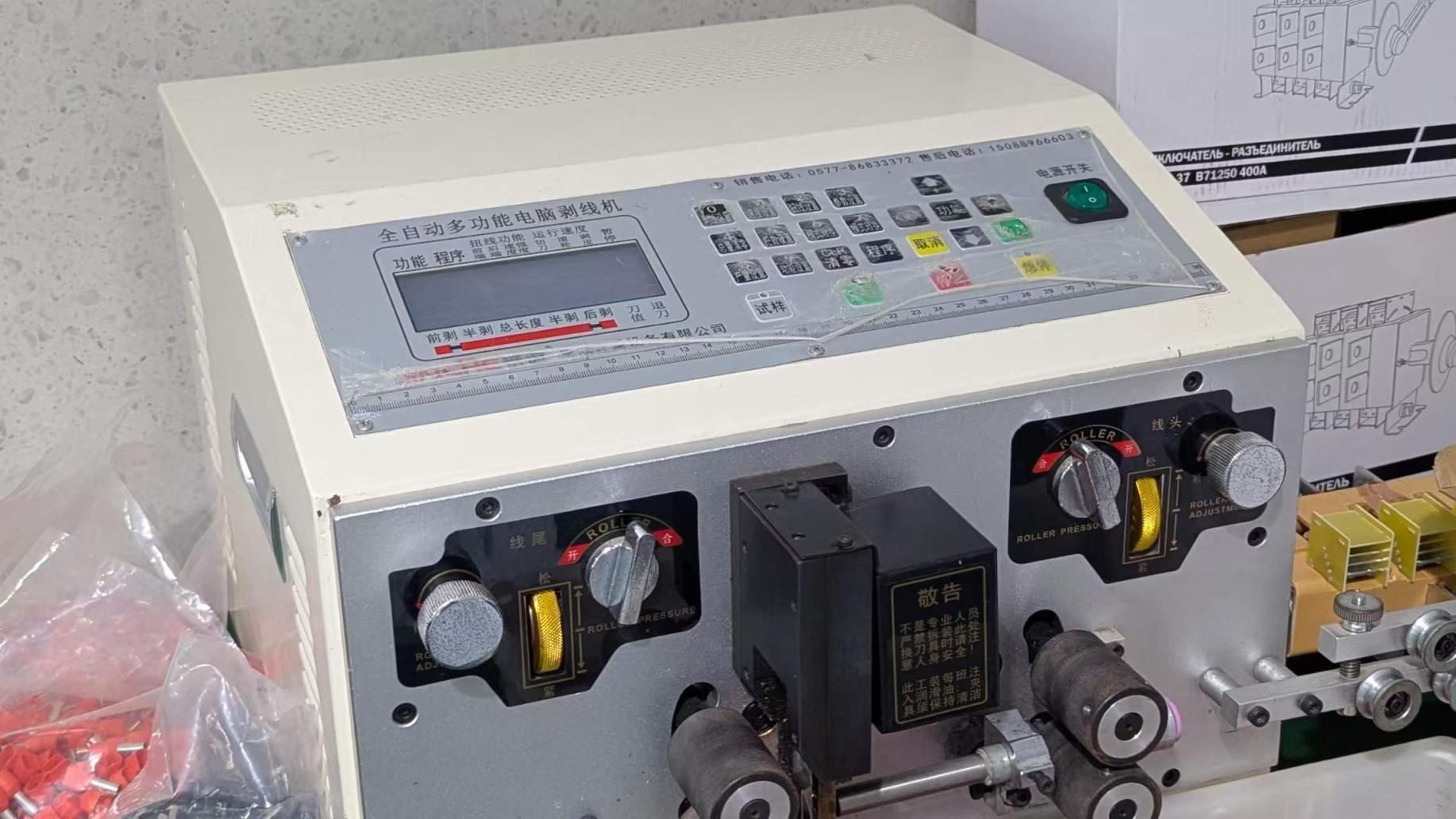
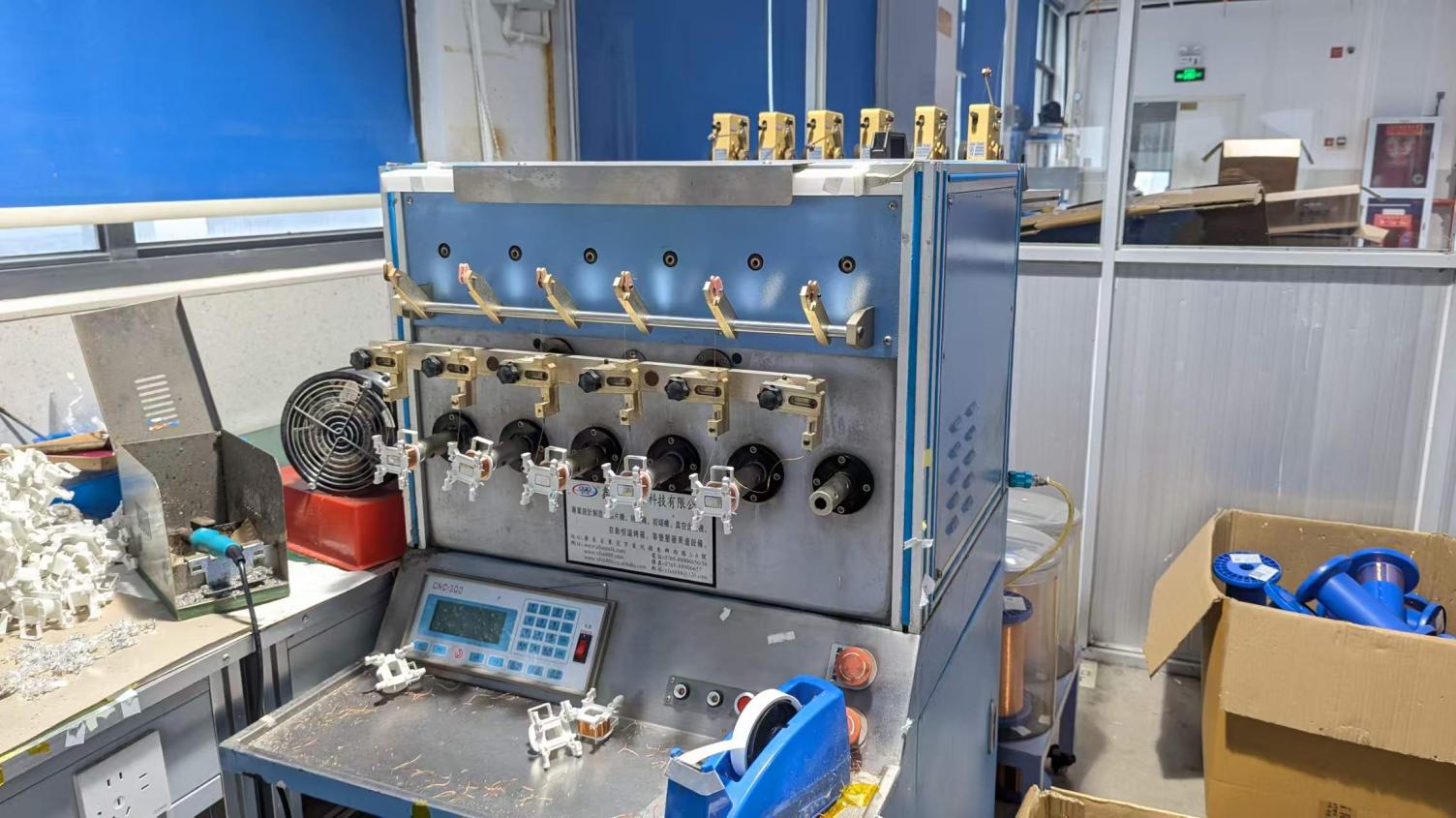
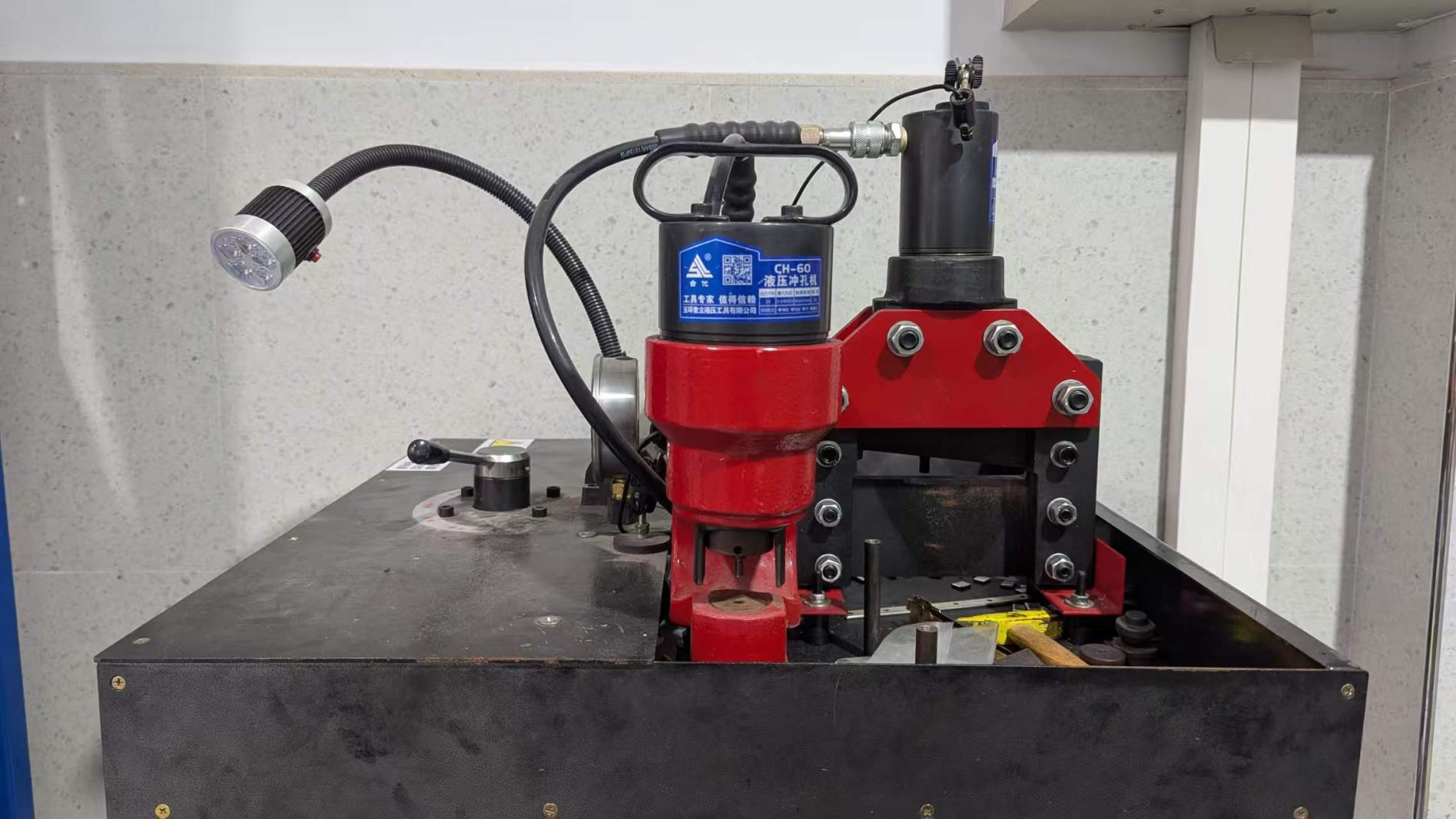
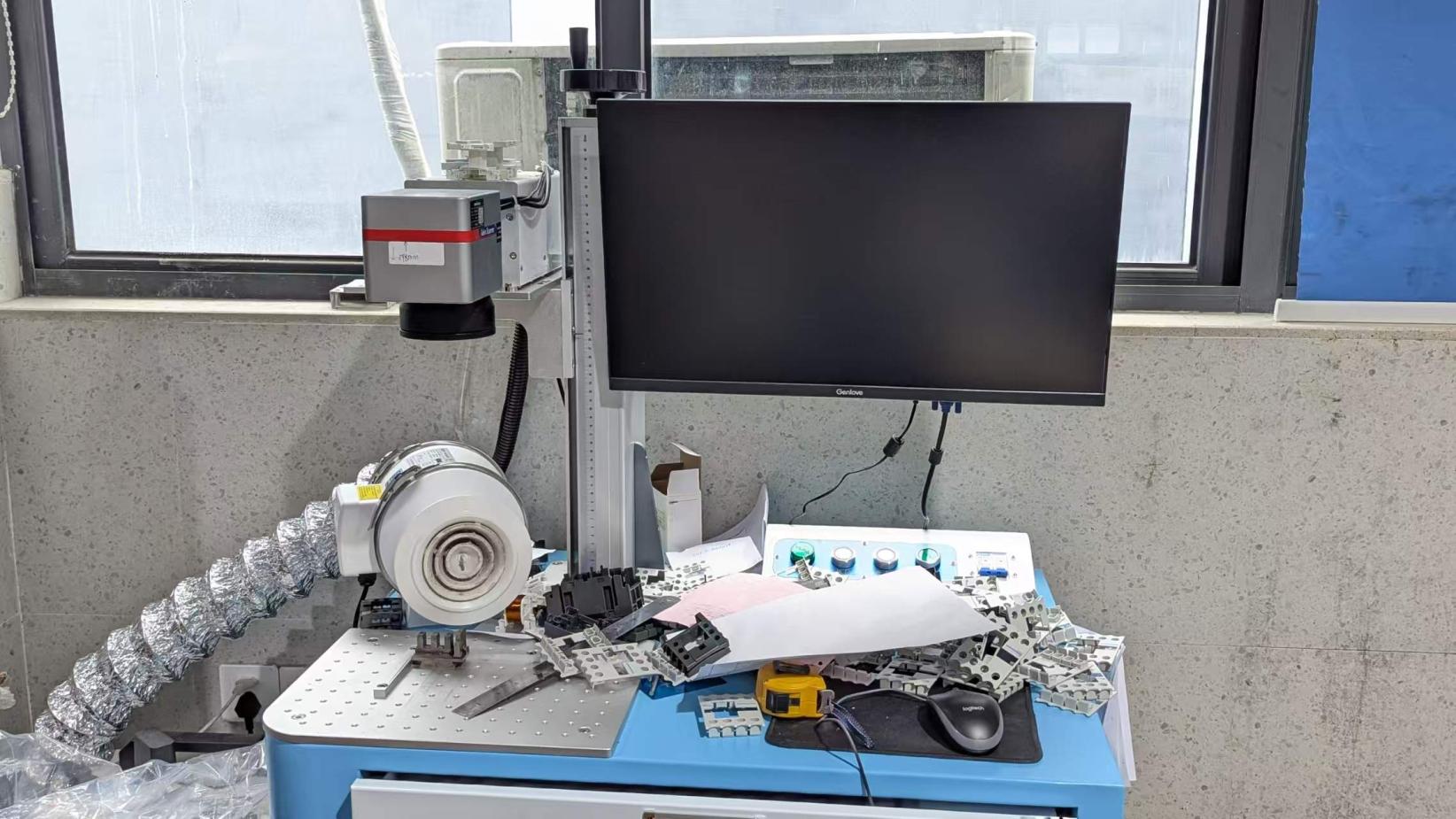
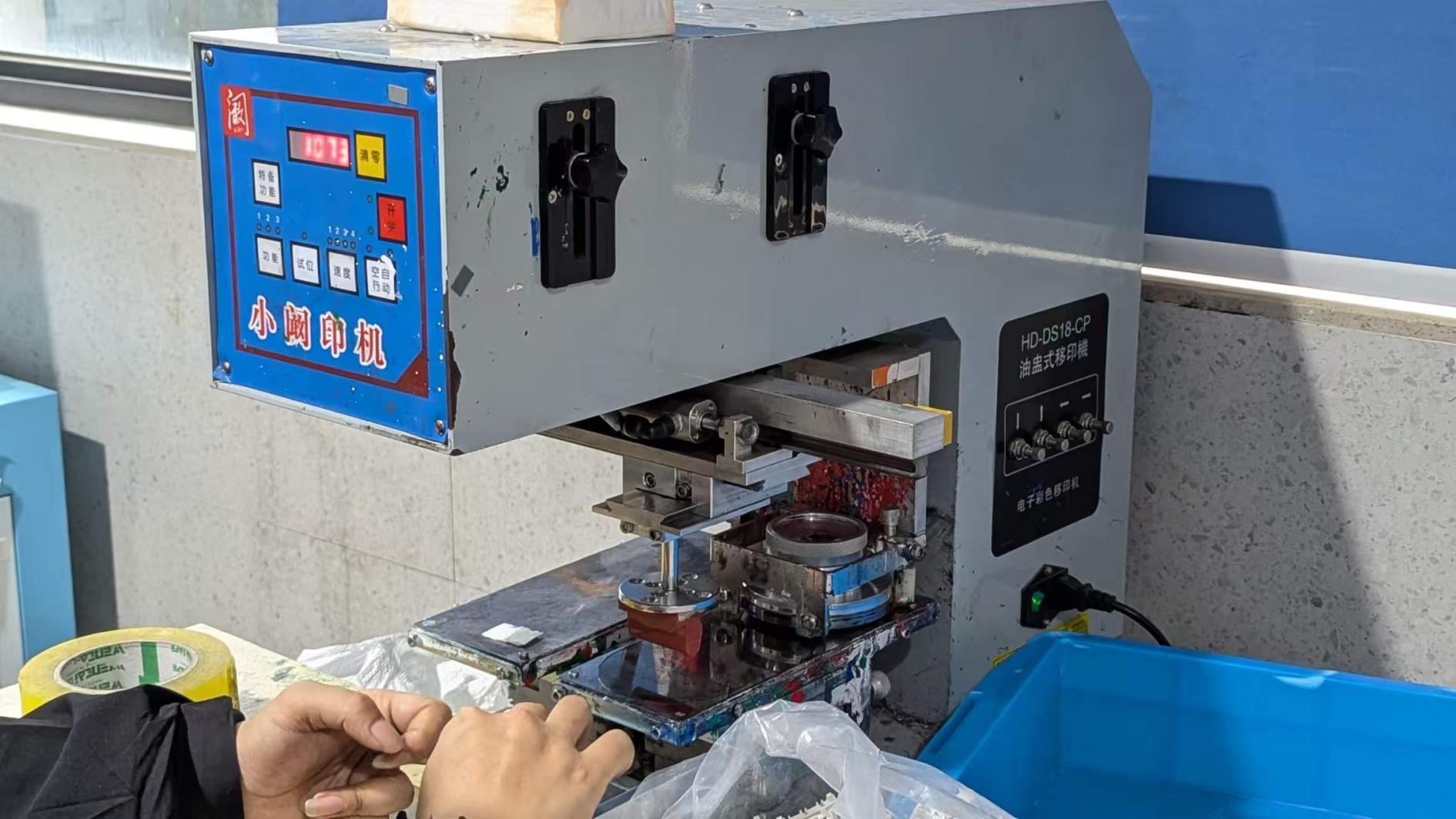
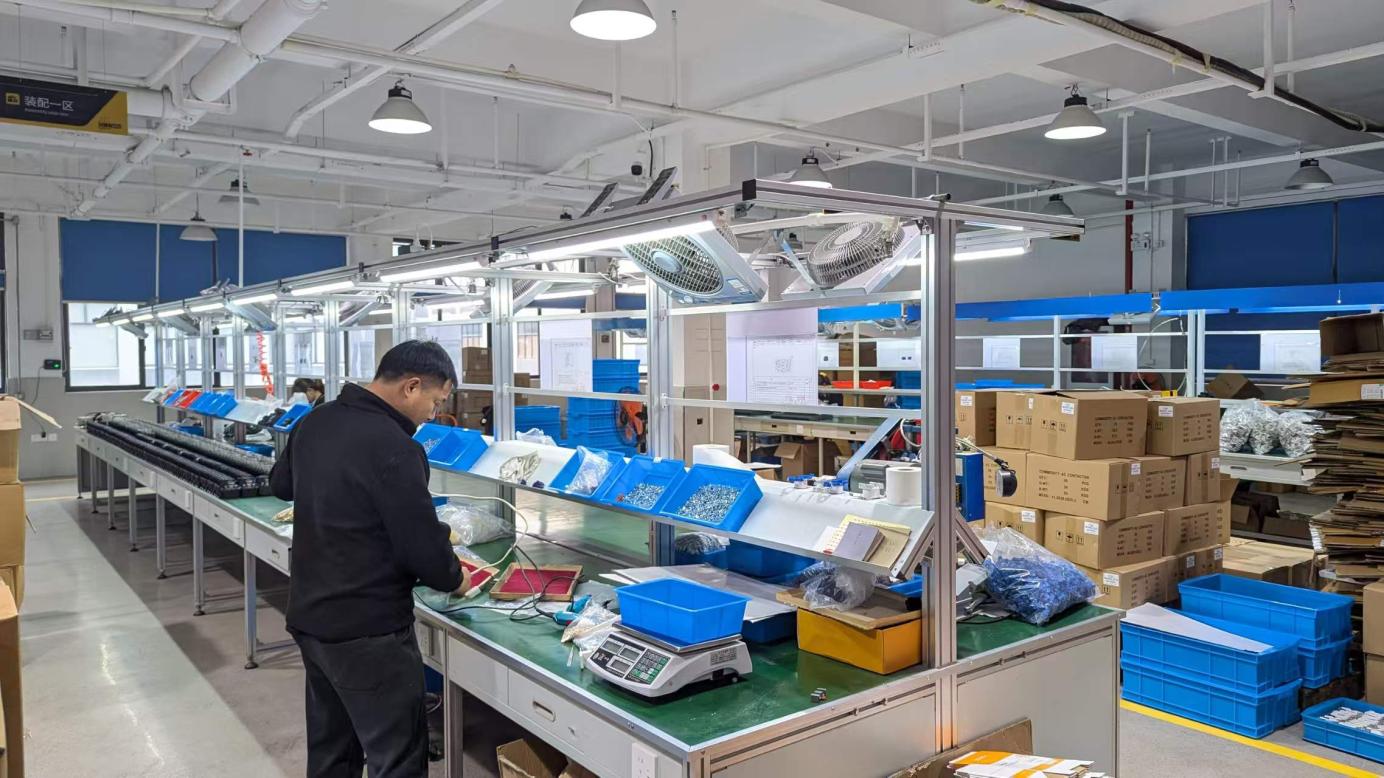
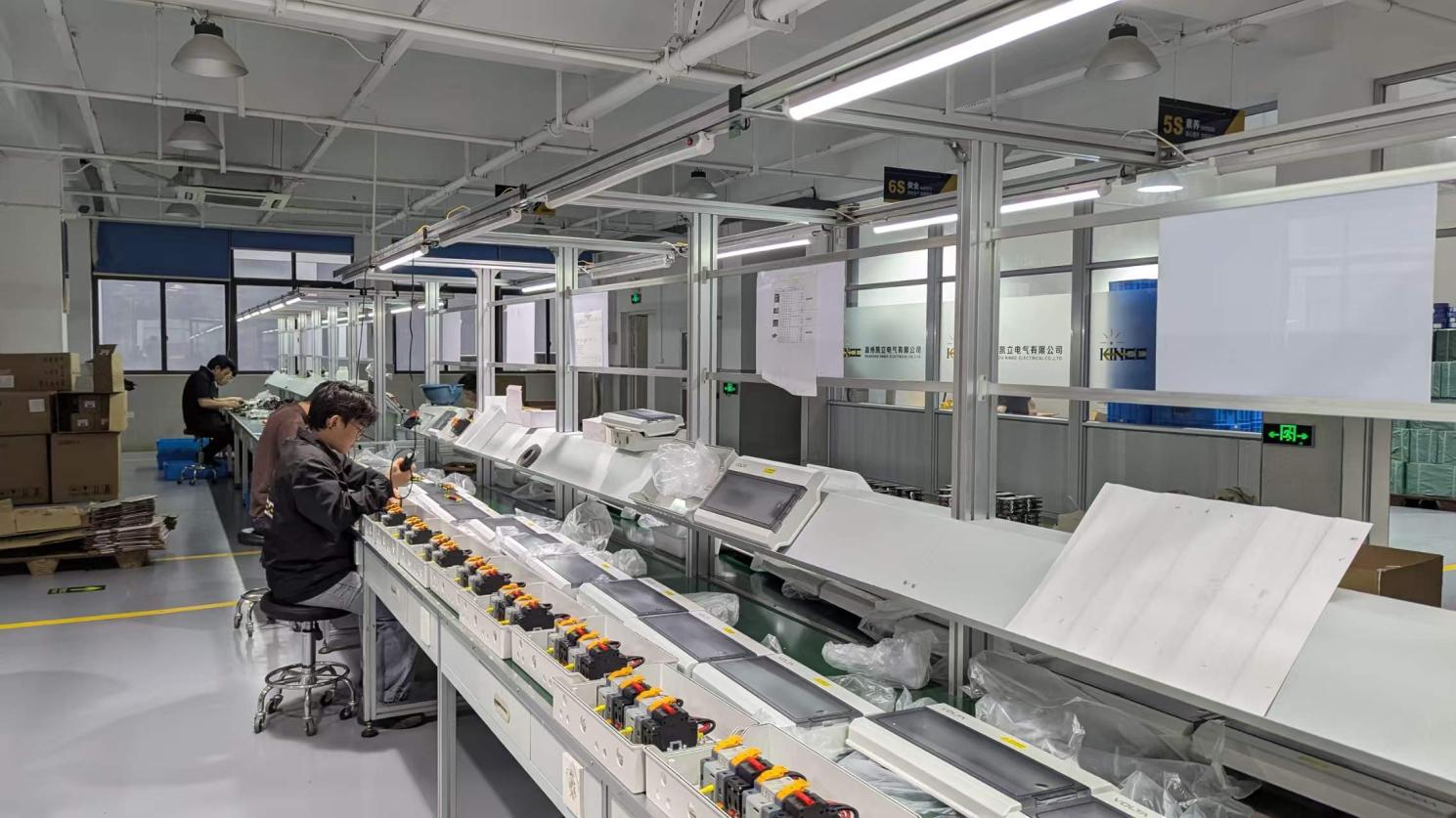
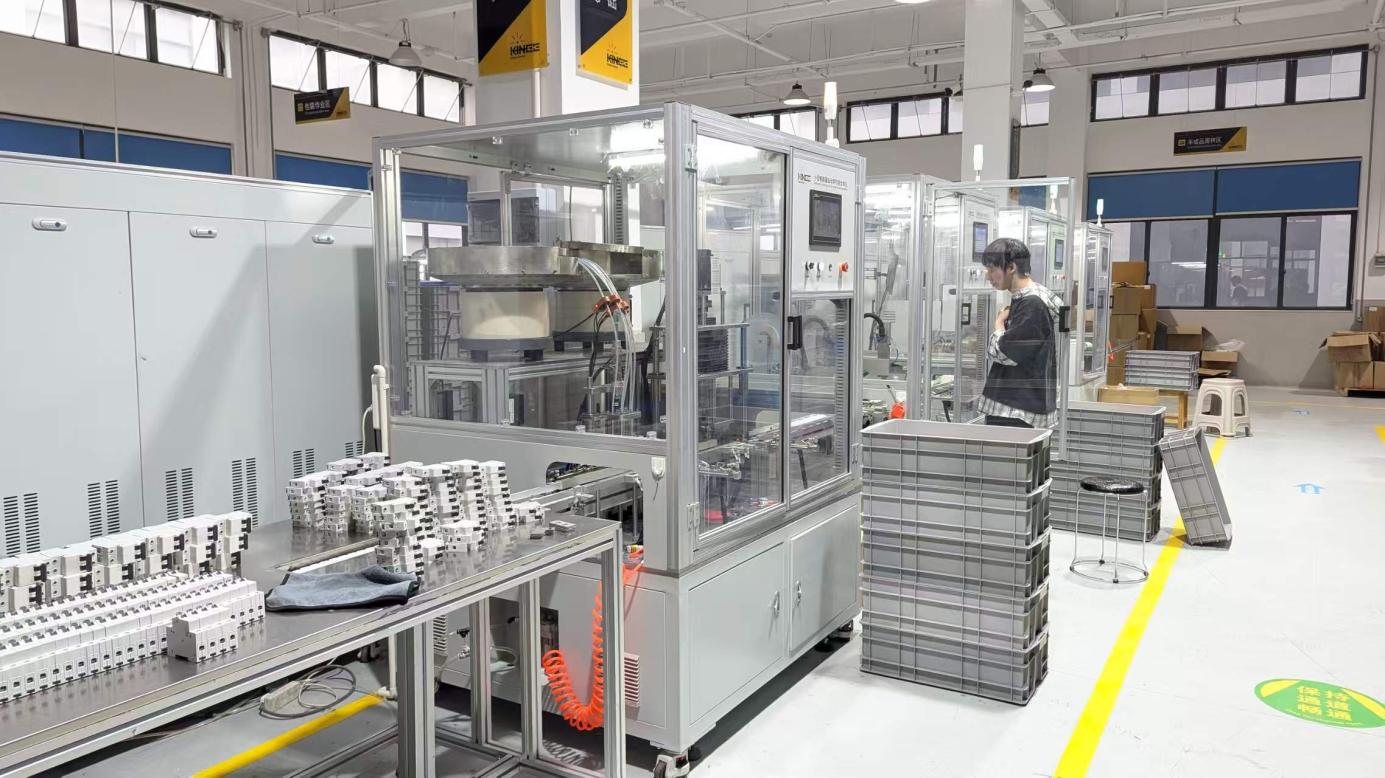
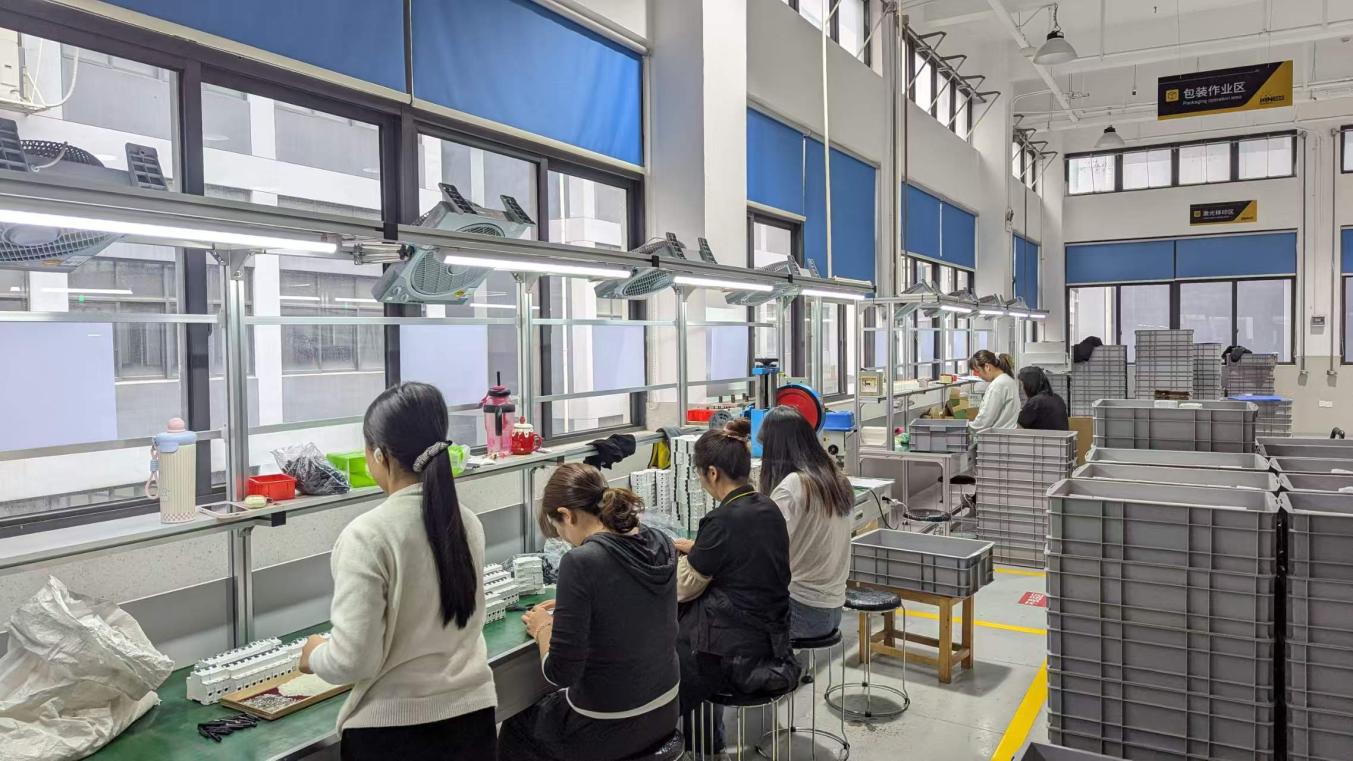
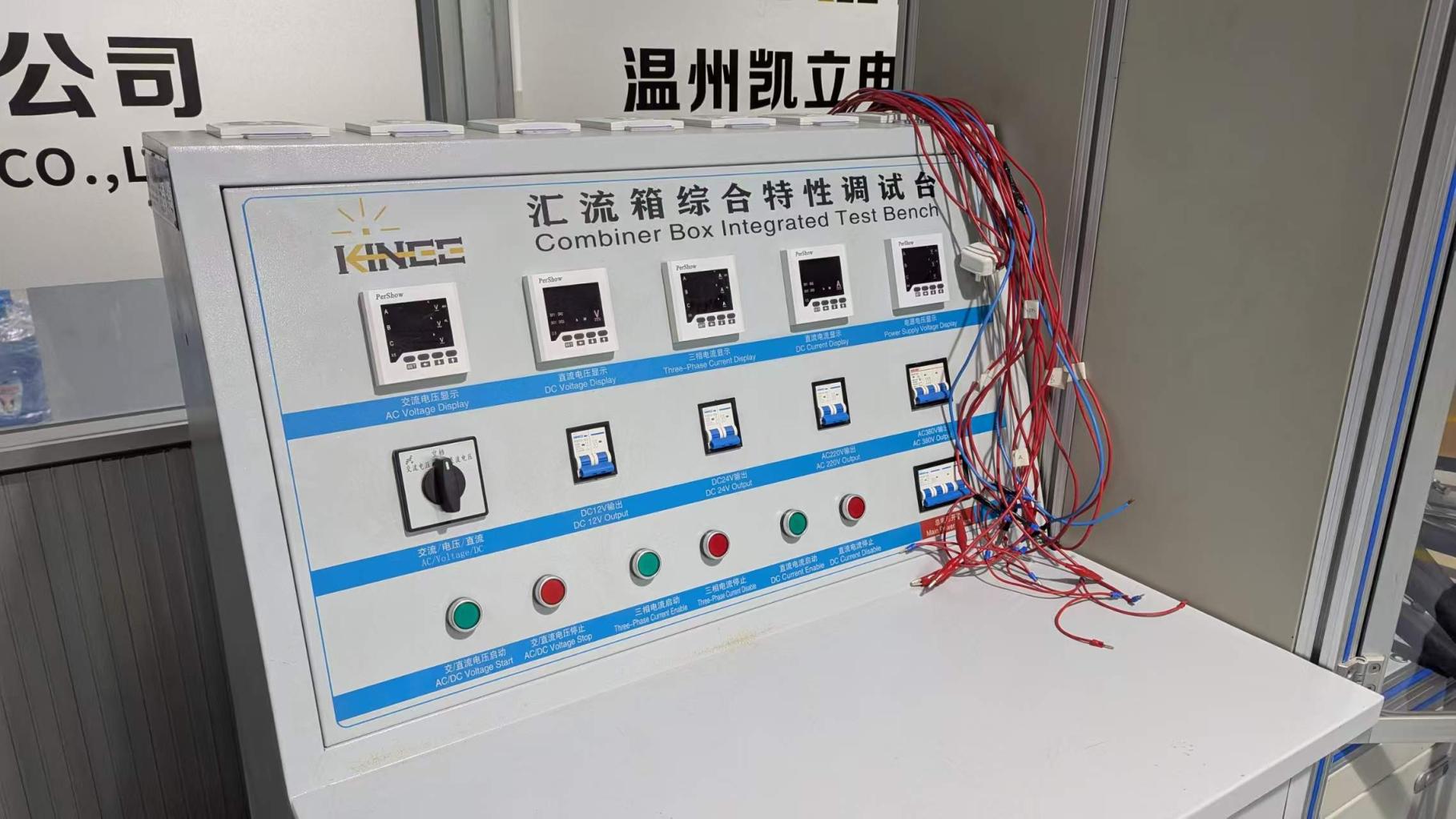
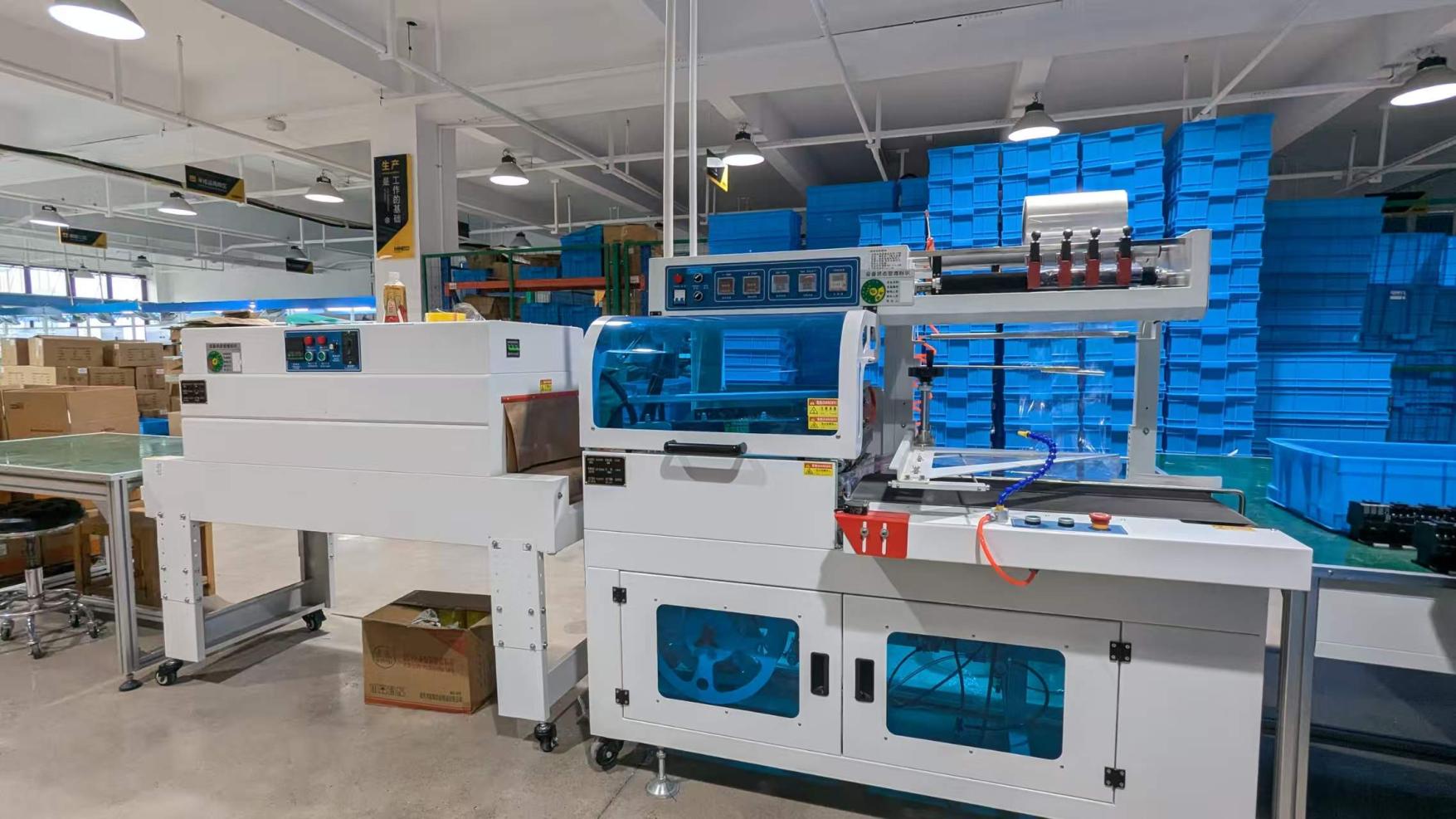
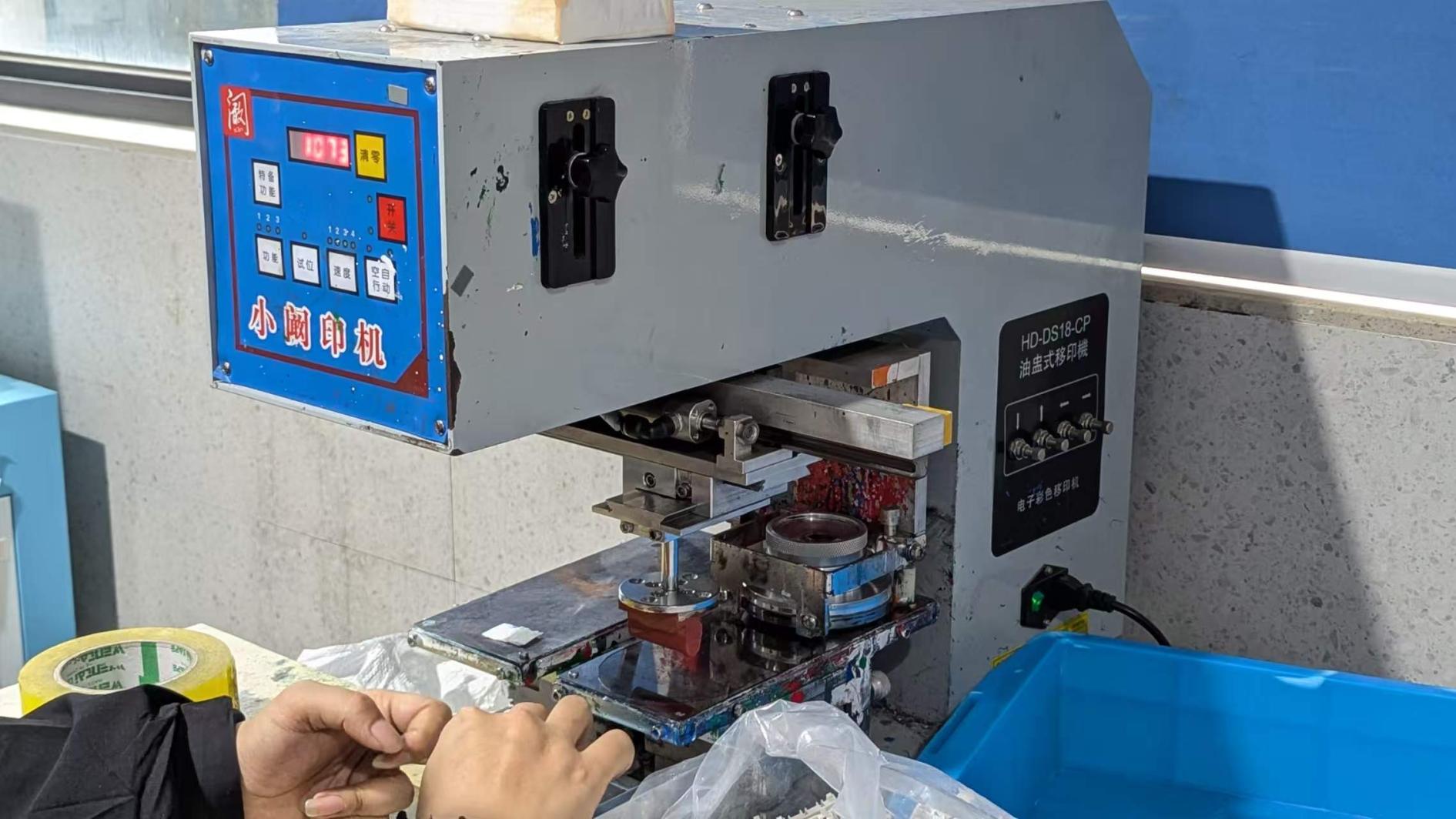
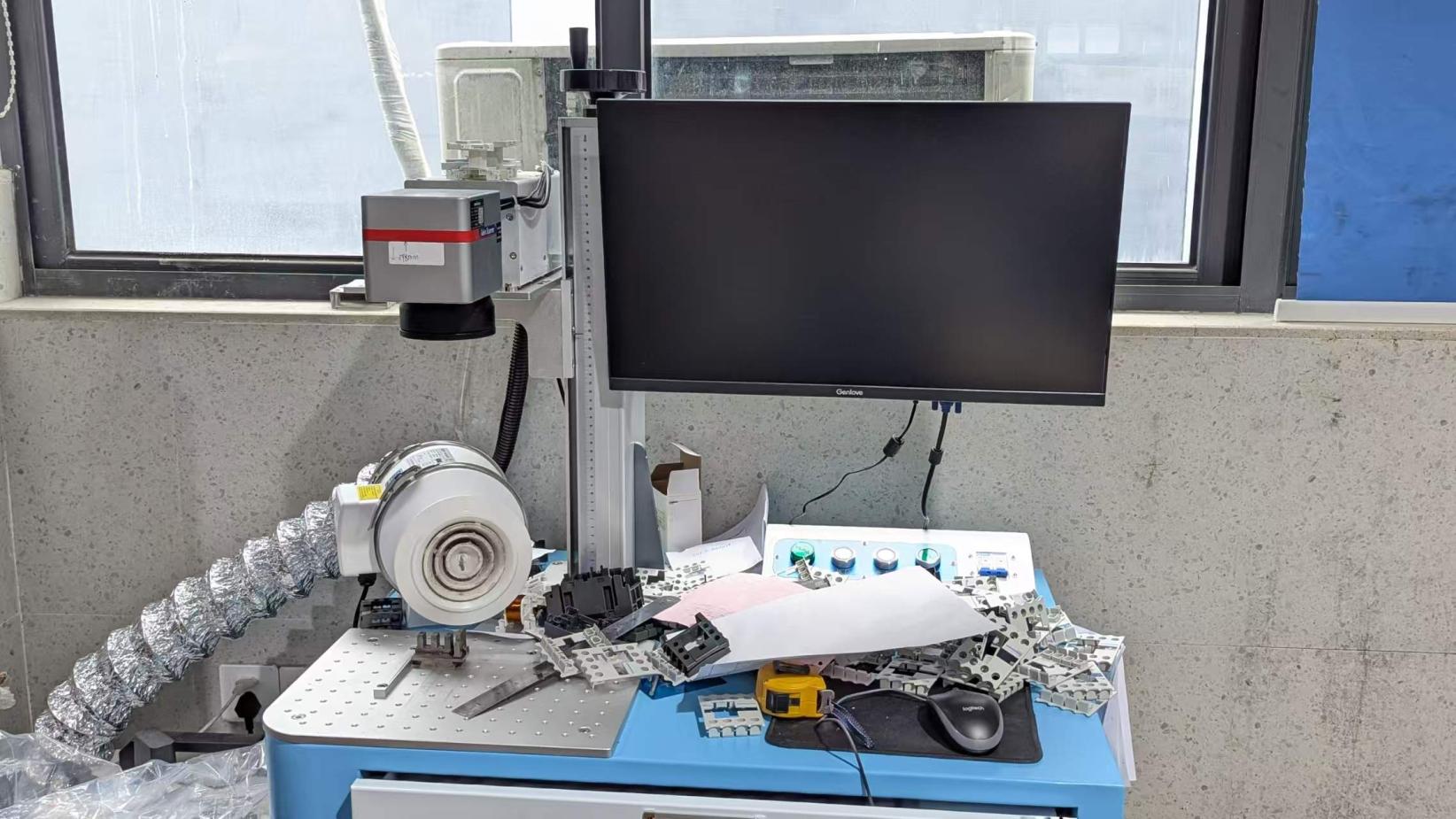
Our manufacturing facility leverages vertical integration, from computerized wire stripping and precise coil winding to fully automated riveting and computerized testing arrays. Each MCCB goes through mechanical endurance tests, dielectric verification, and dynamic thermal-magnetic calibration. By integrating robotics with expert craftsmanship, we ensure that our global partners benefit from precision-engineered circuit protection products that combine economic efficiency with uncompromising quality.
A sequential look inside our automated production floor, illustrating how precision components are assembled and validated.
Aligning circuit breaker specifications with exact European industrial environments and engineer expectations.
When purchasing managers, EPC contractors, and electrical distributors evaluate potential MCCB suppliers, safety compliance and documentation are top priorities. Suppliers must provide valid certificates (e.g., CE, CB, VDE) indicating that products are verified under the IEC 60947-2 framework. Beyond safety ratings, purchasing managers need reliable lead times, custom labeling (OEM/ODM support), and dependable long-term warranty coverage to mitigate system risks over a typical 10-to-20-year infrastructure lifecycle.
In-depth responses to critical engineering questions about MCCB selection, integration, and performance standardizations.
High-end protection devices engineered for modern commercial, industrial, and infrastructure grid requirements.