 Bowser Electric
Bowser Electric
Bowser Electric
Select, high-capacity molded case circuit breakers engineered to withstand severe Canadian climates and demanding operational conditions.
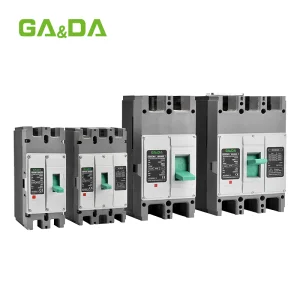
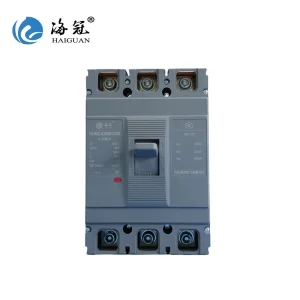
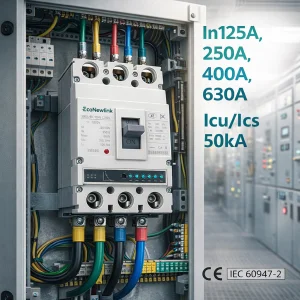
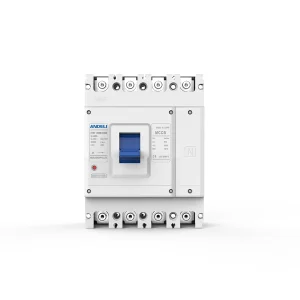
A Whitepaper Analysis of MCCB Integration, Regulatory Safety, and Cold Climate Resiliency.
Installing industrial switchgear and circuit protection devices in Canada is strictly regulated by the Canadian Electrical Code (CSA C22.1) and the CSA C22.2 No. 5 standard for Molded Case Circuit Breakers. For engineering procurement managers, ensuring that imported switchgear meets CSA specifications is paramount for site-wide commissioning and risk mitigation.
Bowser Electric customizes its MCCB production lines to align with the thermal-magnetic trip requirements and breaking capacity benchmarks dictated by North American standards. Our devices provide dependable overcurrent, short-circuit, and ground-fault protection across voltages commonly used in Canadian utility profiles, including 347/600V three-phase sub-stations.
By conducting design audits specifically targeting the demands of Canadian installers—such as wiring gutter dimensions, terminal lug compatibility for both copper and aluminum conductors, and mechanical interlock systems—we deliver products that transition smoothly from cargo ports to local sub-panels.
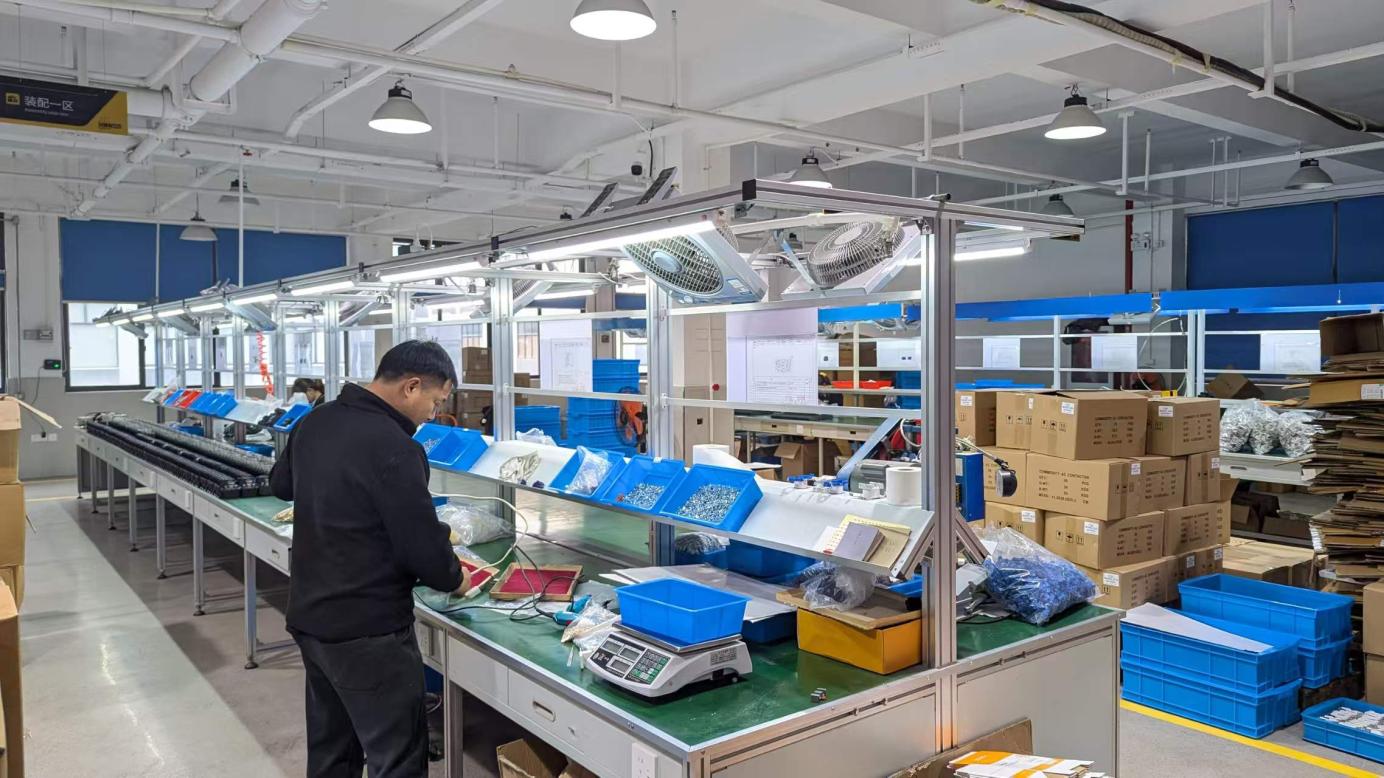
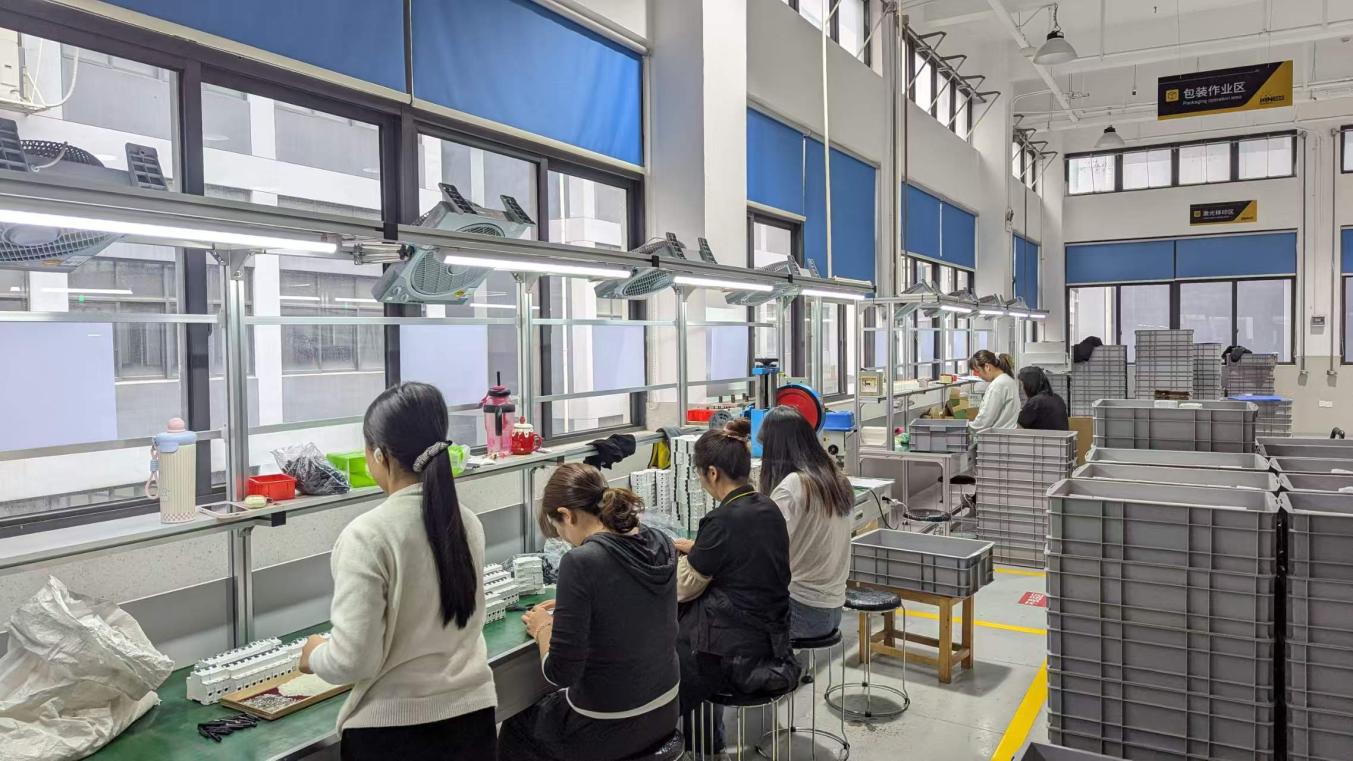
Our facility integrates vertical supply chain optimization. By manufacturing essential switchgear elements—such as precision bi-metal components, moving contact assemblies, and arc chutes—in-house, we eliminate the logistics bottlenecks that frequently delay Western OEMs.
For Canadian distributors, this equates to reduced lead times, direct customization control for private label requests, and highly competitive unit pricing without sacrificing raw material integrity.
Global demand for electrification and grid modernization has highlighted critical production bottlenecks in North America and Western Europe. Long lead times for industrial-grade MCCBs—often exceeding 24 to 36 weeks—can stall infrastructure, commercial HVAC installations, and renewable energy developments across Canada.
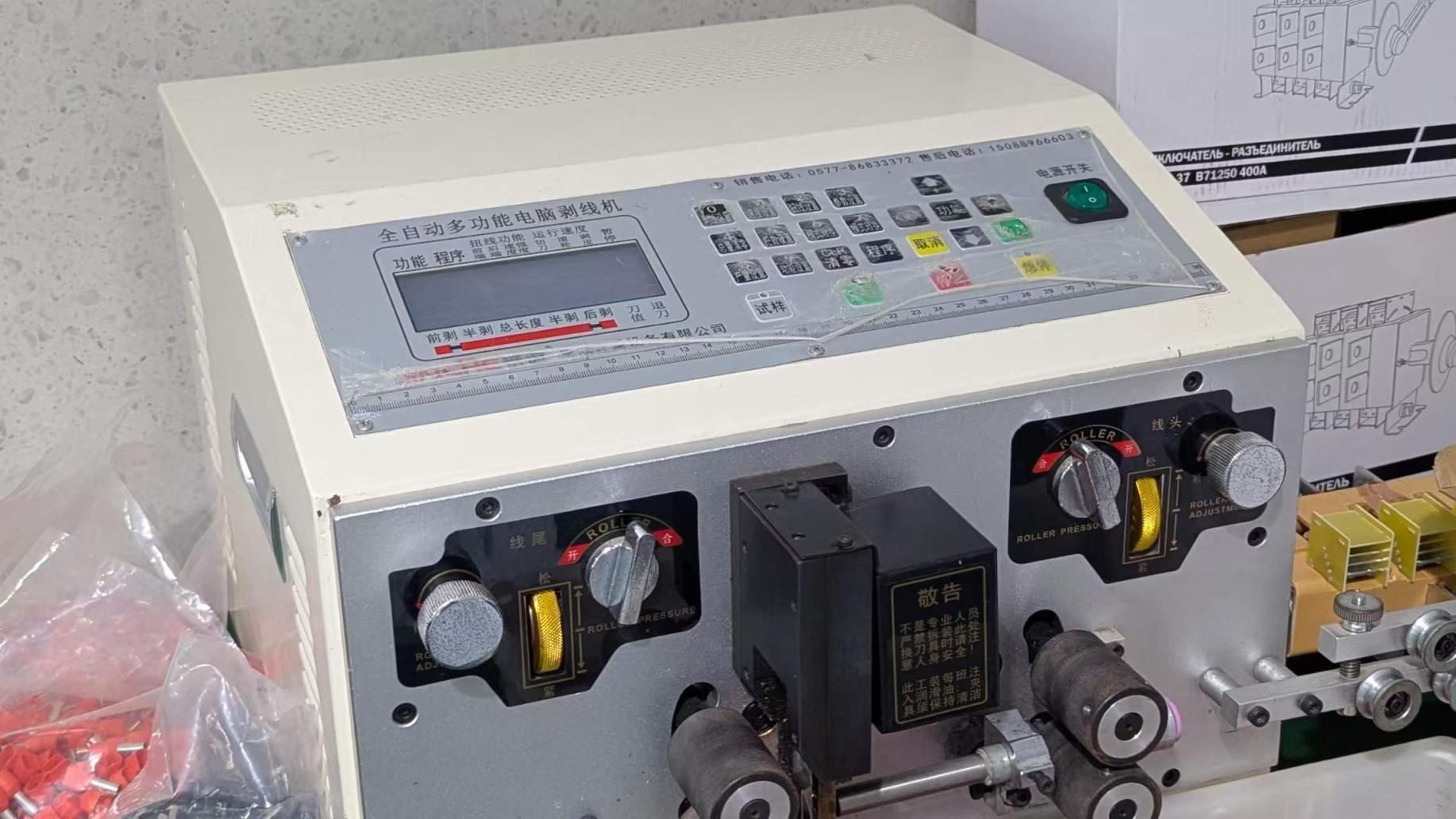
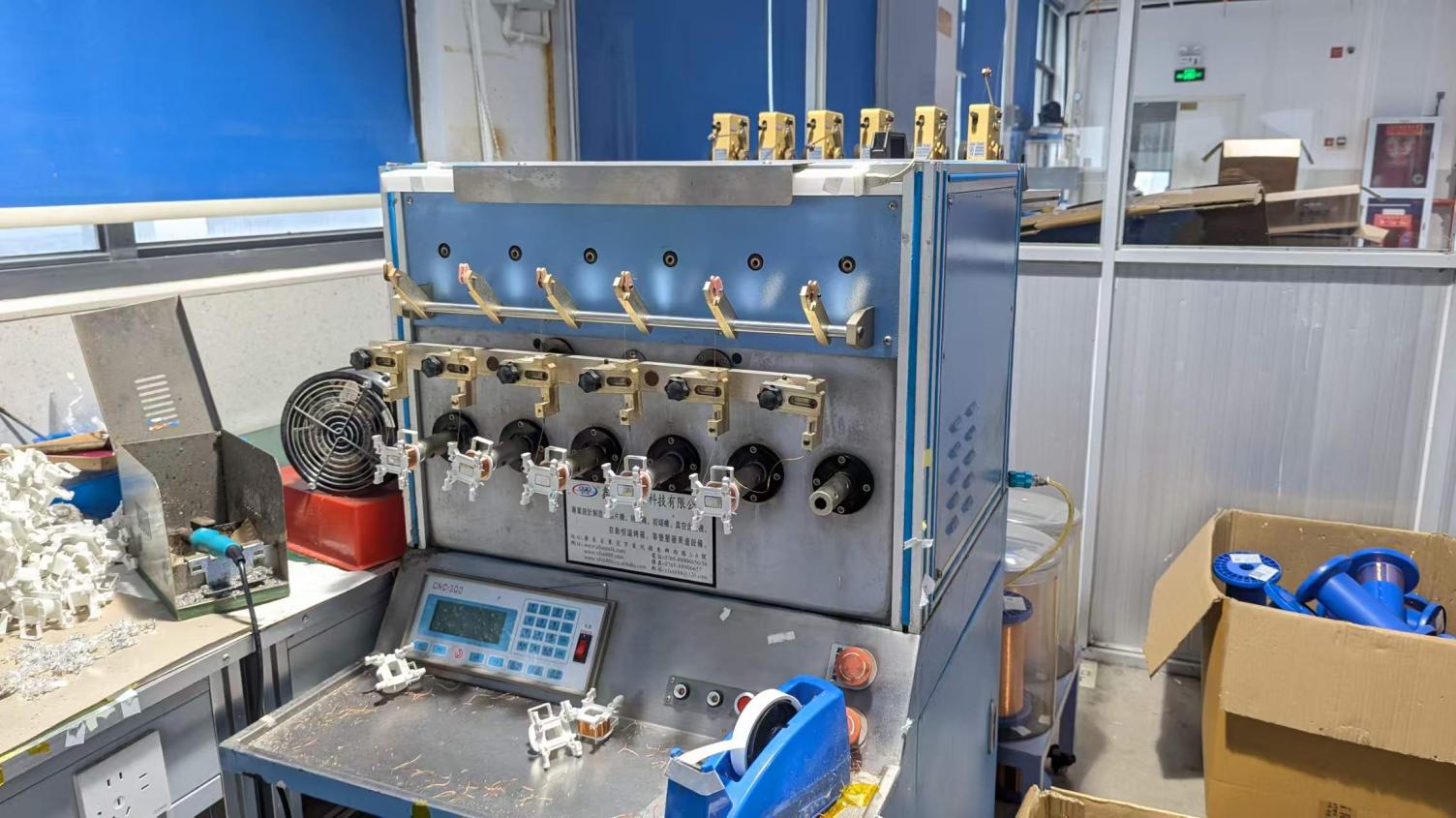
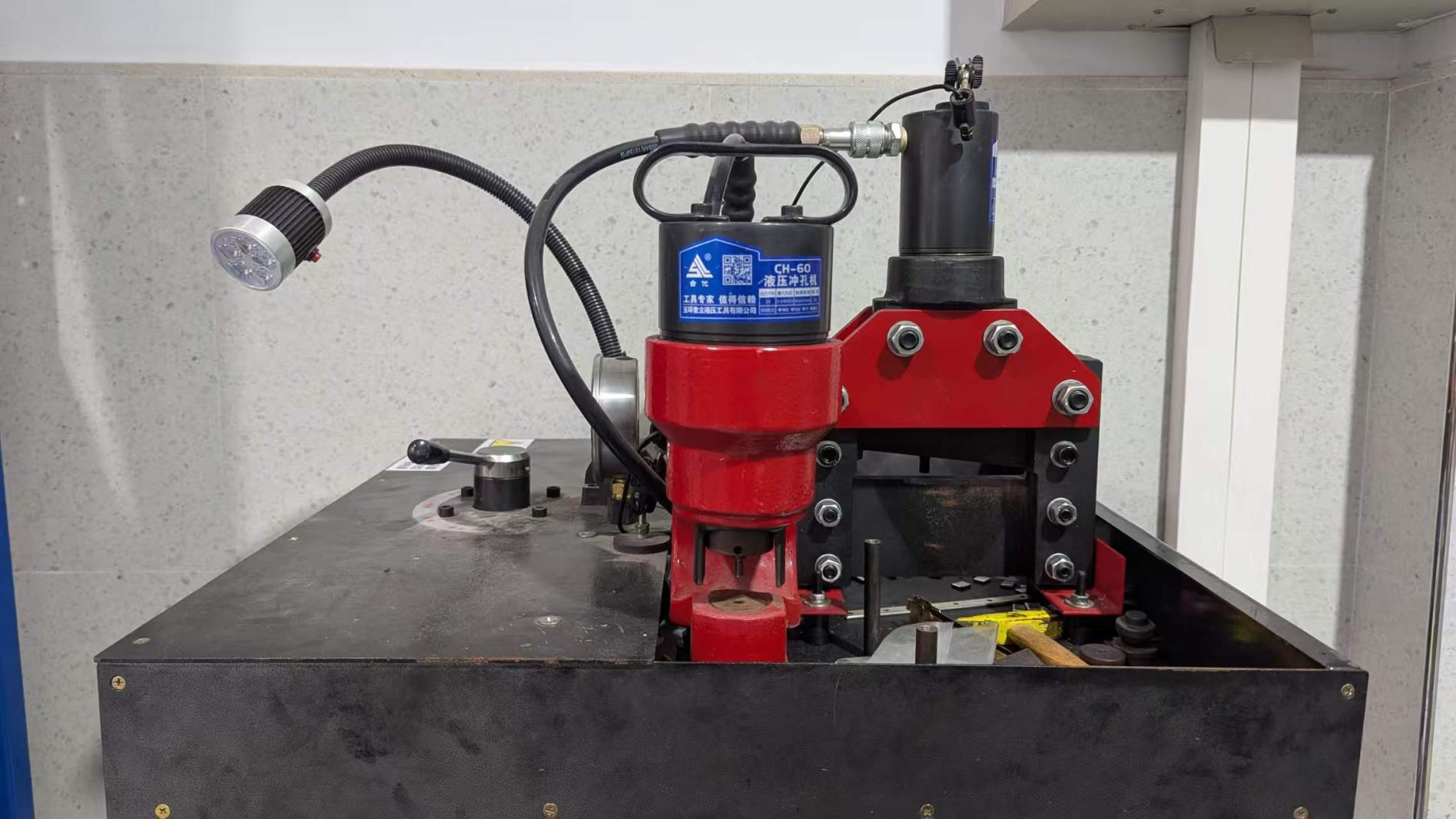
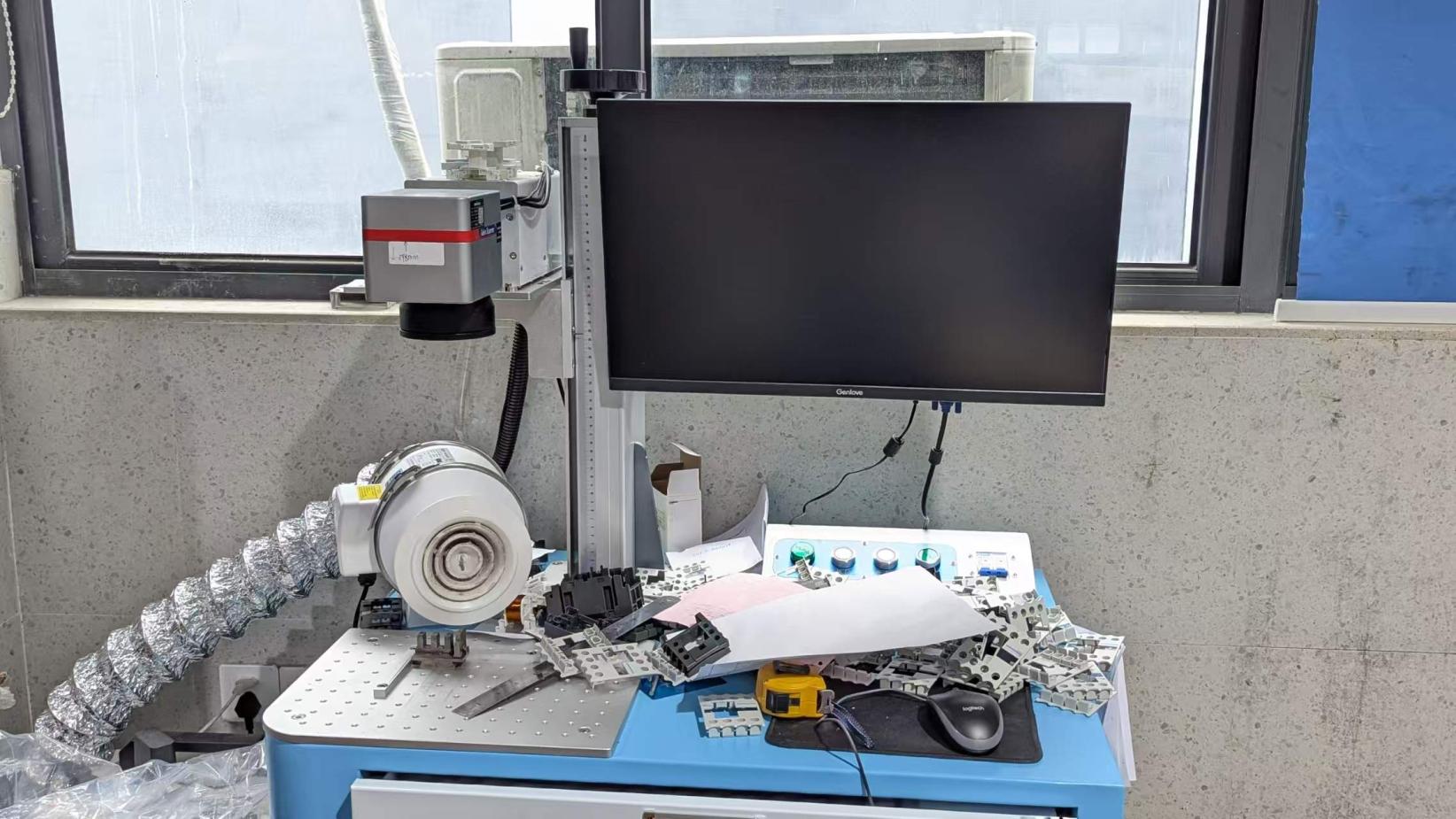
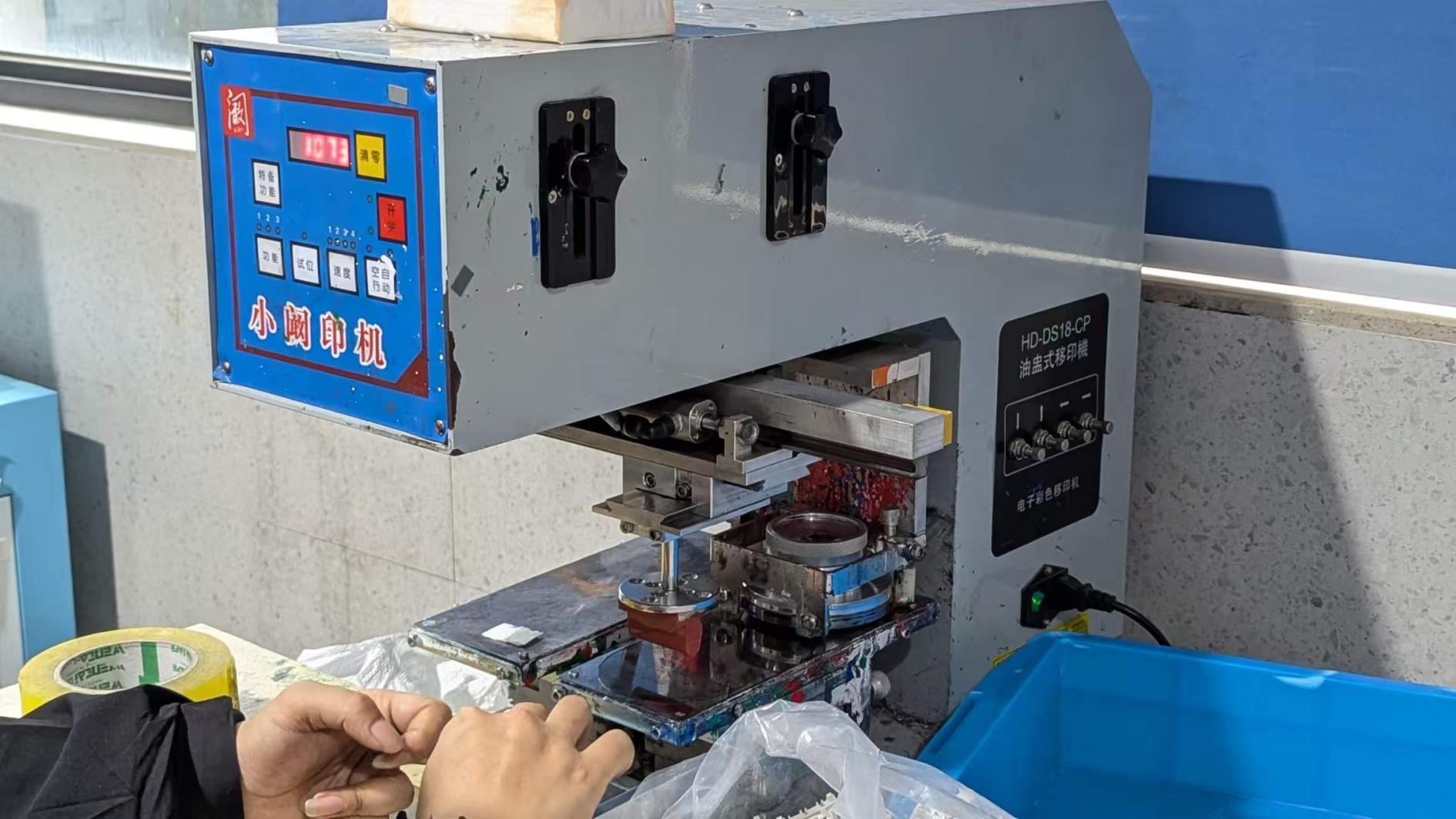
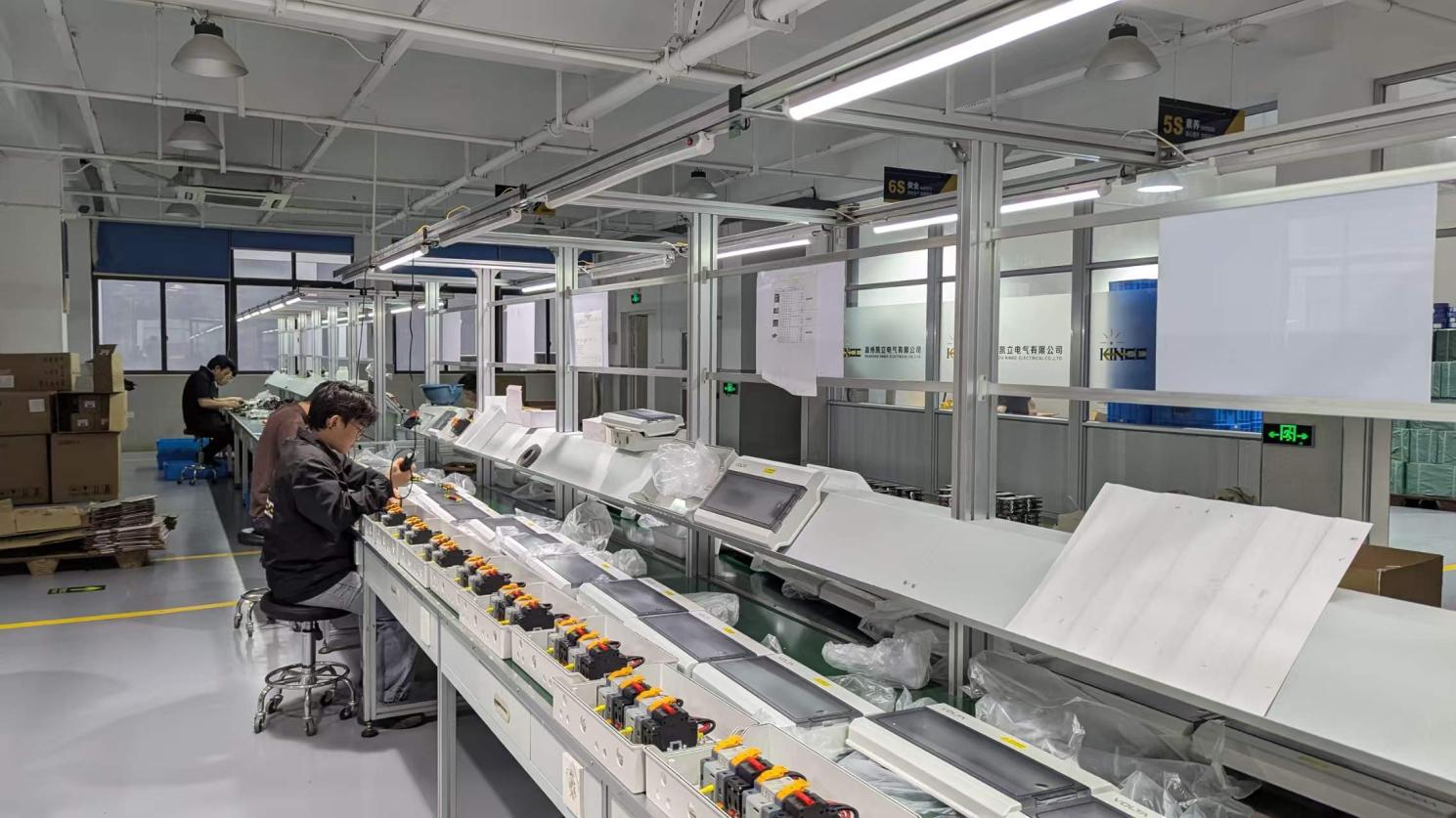
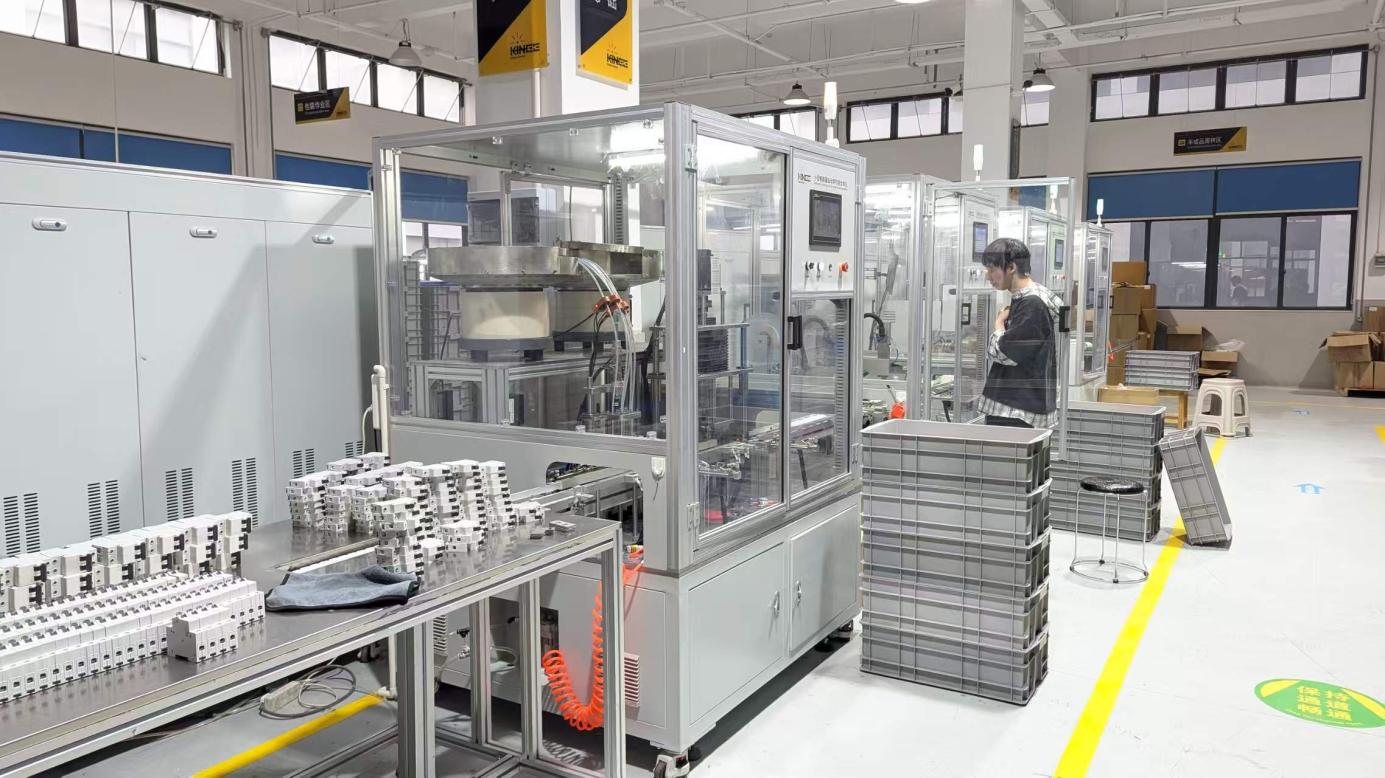
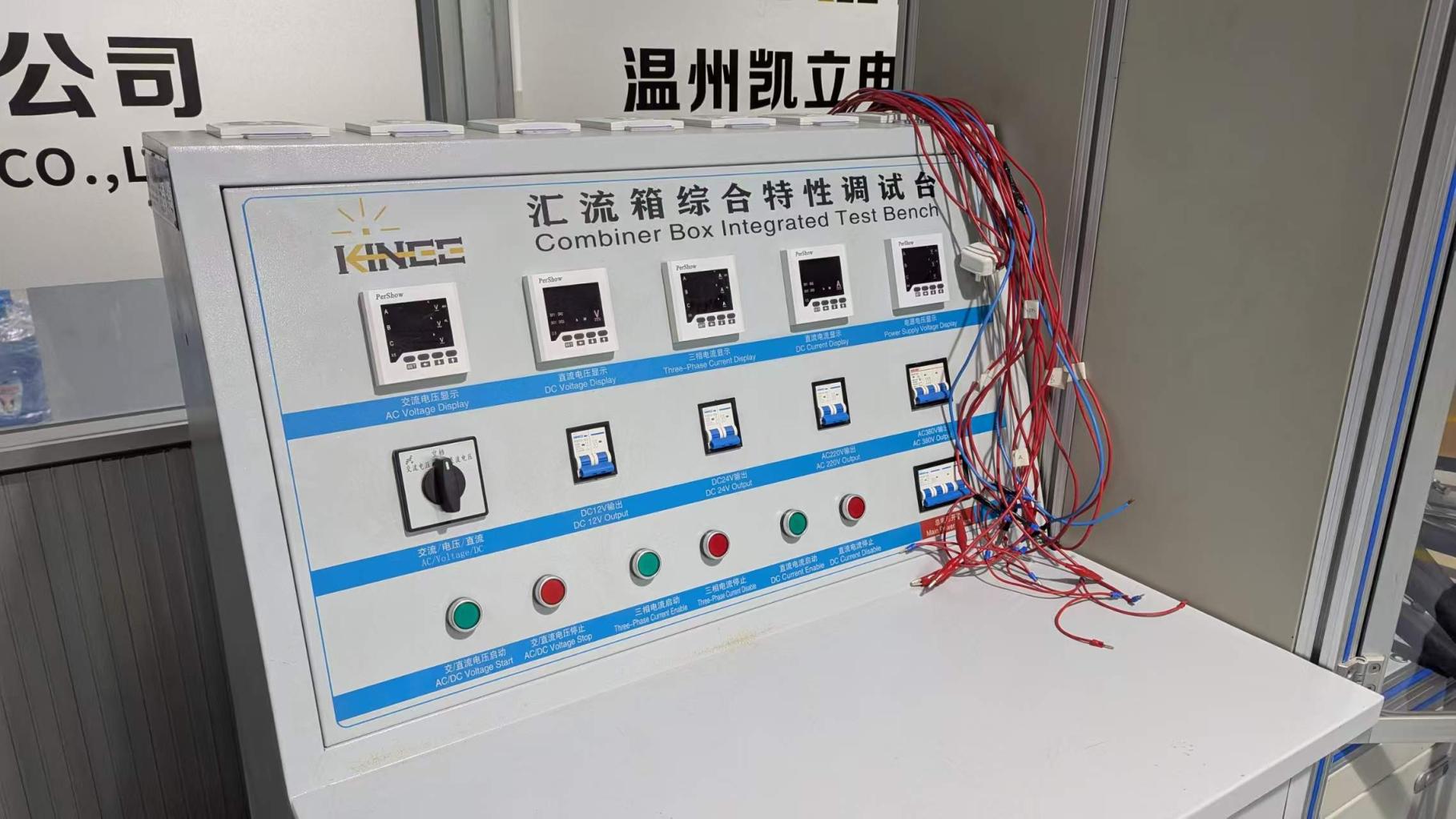
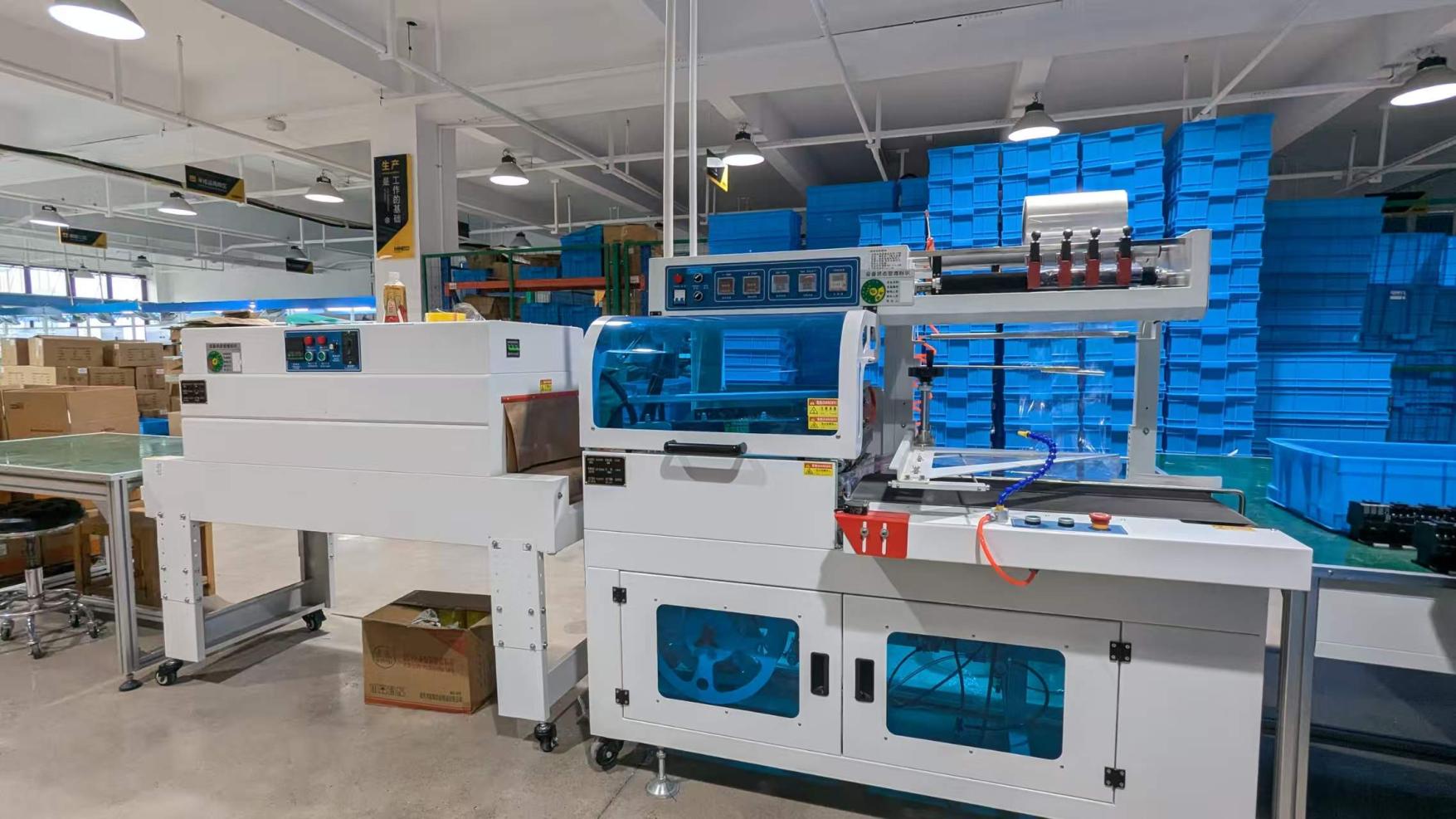
Wenzhou Bowser Electric Co., Ltd. addresses this gap by combining automated assembly lines, precision silver-contact welding, and computerized testing bays to reduce turnaround times to just 4 to 6 weeks. Our location in Wenzhou, China's premier electrical equipment manufacturing cluster, enables us to procure high-grade engineering plastics (such as flame-retardant polyamide and DMC matrix compounds) and premium copper stock with minimal overhead.
This localized supply ecosystem allows us to implement strict quality controls at every stage of production—from hydraulic stamping to laser marking—ensuring consistent, high-performance output for demanding international markets.
From remote mining sites in the Yukon to offshore oil platforms and solar grids, our breakers deliver consistent performance under demanding conditions.
With Canada accelerating its clean energy transition, large-scale PV solar farms in Alberta and Saskatchewan require high-voltage DC protection. Our 1500V DC Molded Case Circuit Breakers are specifically engineered to handle the unique arcing characteristics of high-voltage DC arrays, preventing thermal runaway and protecting critical inverter units.
Operating in Northern Ontario or British Columbia exposes switchgear to extreme dust, vibration, and low temperatures. Bowser Electric's heavy-duty MCCBs feature reinforced cases and robust vibration resistance. Our custom cold-temperature thermal calibration maintains trip accuracy down to -40°C, helping prevent nuisance trips in harsh conditions.
High-density data centers in Toronto and Montreal require continuous, reliable power. Our electronic trip unit MCCBs offer adjustable settings for overload and short-circuit protection, enabling selective coordination. This helps ensure that faults are isolated locally without affecting upstream distribution systems.
Understanding the mechanical and electrical parameters required to ensure long-term system stability, safety, and regulatory compliance.
Molded case circuit breakers employ two main methods of protection: thermal-magnetic trip units and electronic trip units. Understanding the differences between these technologies is key to achieving optimal selective coordination and equipment protection.
Thermal-Magnetic MCCBs utilize a bi-metal strip that deflects when heated by overcurrent conditions, providing an inverse-time delay for overloads. Short-circuit protection is provided by an electromagnetic coil that trips the breaker almost instantly. These units are reliable, cost-effective, and well-suited for general power distribution, heating, and motor circuits.
Electronic Trip (Microprocessor-controlled) MCCBs measure the current via internal current transformers (CTs). This technology allows for precise, adjustable settings (LSI - Long-time, Short-time, Instantaneous protection), making them ideal for complex industrial distribution networks where selective coordination is required to prevent upstream tripping.
When specifying MCCBs, engineers must evaluate both the Ultimate Short-Circuit Breaking Capacity (Icu) and the Service Short-Circuit Breaking Capacity (Ics).
| Parameter / Feature | Thermal-Magnetic MCCB | Electronic Trip MCCB | Typical Application Requirements |
|---|---|---|---|
| Trip Profile Tuning | Fixed or limited adjustment dials | Highly adjustable LSI parameters | Critical for selective coordination |
| Harmonic Distortion Tolerance | Subject to heating errors | True RMS sensing options available | Variable Frequency Drives (VFDs), UPS |
| Ambient Temperature Impact | Requires temperature derating | Minimal impact from external temps | Outdoor control boxes, cold climates |
| Overcurrent Protection Range | 15A to 800A typical | Up to 1600A and beyond | Main incoming switchgear feeds |
Expert technical insights to assist engineering departments, procurement agents, and electrical distributors.
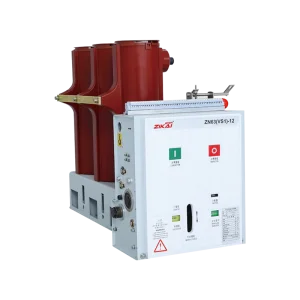
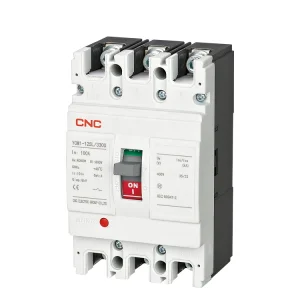
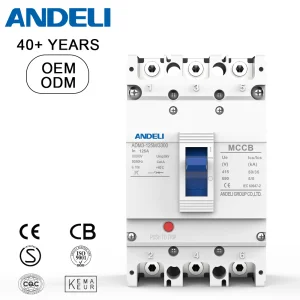
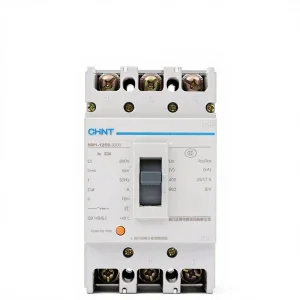
From modular residential micro-breakers to heavy-duty industrial vacuum circuit switchgear.
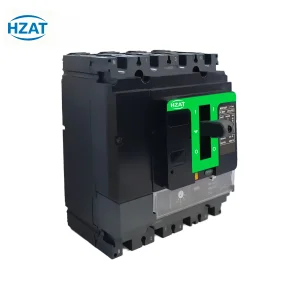
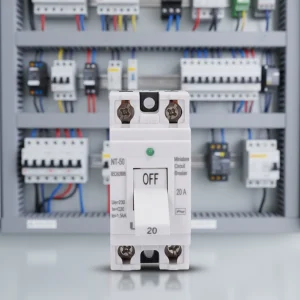
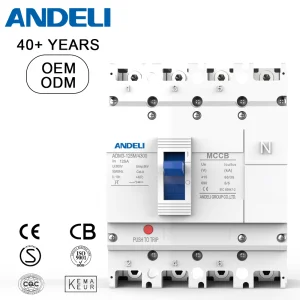
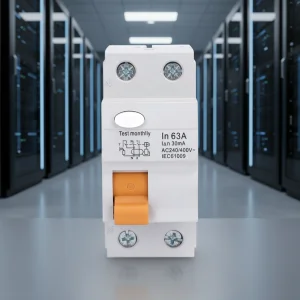
Get in touch with our applications engineering team to review electrical drawings, obtain compliance documents, or request custom quotes for Canadian projects.
Send Inquiry Now