Bowser Electric
Bowser Electric
Bowser Electric
Explore our premium catalog of heavy-duty air circuit breakers, customized busbars, distribution boxes, and safety isolator switches engineered to integrate with high-power voltage regulation grids.
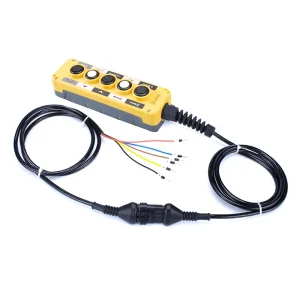
Welcome to Wenzhou Bowser Electric Co., Ltd., a leading force in the global electrical infrastructure industry. Renowned for engineering innovation, manufacturing reliability, and an unwavering commitment to operational excellence. As a highly specialized manufacturer and exporter, we focus on providing high-performance modular electric terminal devices, industrial power protection equipment, and customized low-voltage distribution systems.
With a strong core focus on technology, safety, and customer satisfaction, Bowser Electric has established itself as an indispensable partner for utility grids, manufacturing plants, EPC contractors, and international distributors. Our robust production methodologies combined with precision technology are tailored to resolve today's most demanding grid stability and power management problems.
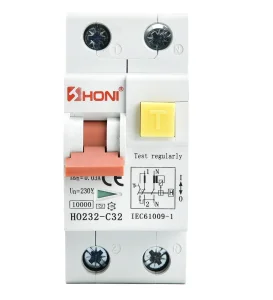
From modern residential complexes requiring reliable electrical switches and AFCI/RCBO breakers to heavy industries that run on mega-watt workloads requiring custom ACB frame circuit breakers, our solutions guarantee stability and security. As leading partners in the electrical cluster of China, we continue to scale our production to support the transition to smart grids and green energy infrastructure worldwide.
Our 35+ member core R&D team holds over 25 international design and utility patents, constantly driving improvements in arc fault protection and smart power monitoring.
Maintaining ISO 9001, CE, and SAA standards. Our rigorous testing labs ensure a 99.9% defect-free output across raw material checking, processing, and assembly.
Understanding the topologies, control feedback loops, and core architectures of modern Industrial Voltage Stabilizers.
In modern industrial systems, power quality disturbances such as voltage sags, surges, transients, and harmonics account for over 85% of unplanned automation downtime. Finding the right China Voltage Regulator Manufacturers involves analyzing the distinct technological topologies and understanding how they interact with specific load profiles. A voltage regulator (or voltage stabilizer) maintains a stable voltage level to protect sensitive electrical equipment from fluctuations that can cause hardware failure, system errors, or loss of calibration.
Voltage stabilizers manufactured in Chinese export clusters primarily fall under three technical topologies, each designed for distinct speed, precision, and capacity requirements:
| Regulator Topology | Correction Speed | Output Precision | Surge Tolerance | Maintenance Lifecycle | Best Applied Scenarios |
|---|---|---|---|---|---|
| Servo Motor Type | 20V - 40V / sec | ± 1% to ± 1.5% | Extremely High (3x load) | Medium (Carbon brush replacement) | Heavy Industry, CNC Machining, Centralized Power Input |
| Static (SCR/Thyristor) | < 20 milliseconds | ± 1% to ± 2% | High | Extremely Low (No mechanical wear) | Data Centers, Semiconductor Fab Labs, Medical Imaging |
| Relay-Based Tap Changer | 50 - 150 milliseconds | ± 5% to ± 8% | Moderate | Low (Relay contact degradation) | Residential ACs, Consumer Electronics, Office Terminals |
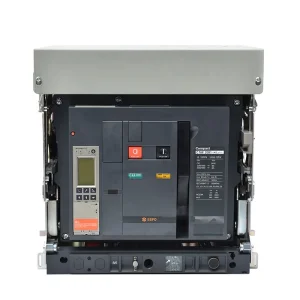
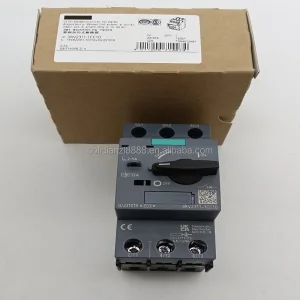
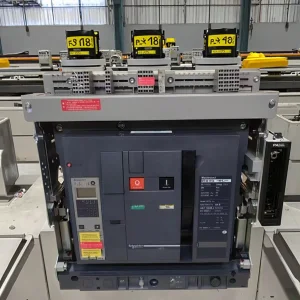
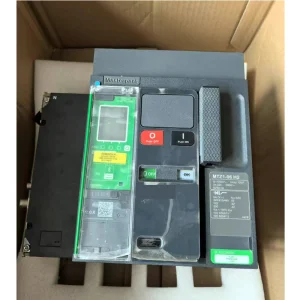
A voltage regulator cannot operate in isolation. In high-power distribution architectures, regulators must be paired with robust circuit protection components. This is where Wenzhou Bowser Electric Co., Ltd. bridges the gap. The integration of high-frame Air Circuit Breakers (ACB) like the Masterpact 2000A 3P Drawout ACB or the Schneider Masterpact NW08HA upstream is critical to protect the stabilizer's transformers and internal SCR switches from catastrophic short circuits and phase faults. Furthermore, downstream motor loads require dedicated circuit breakers, such as the 3RV2 Motor Protection Circuit Breaker, to isolate faults and prevent thermal overload in the stabilizer windings.
Examining how voltage regulation and power protection ecosystems operate across critical local industries.
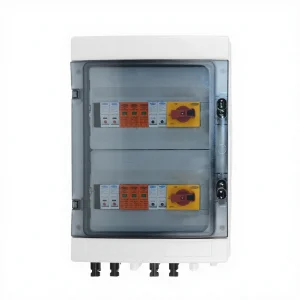
Grid-tied solar inverters often experience transient overvoltage spikes during rapid irradiance shifts. Using specialized combiner boxes, like our Solar PV Lightning Protection Box, alongside dynamic stabilizers prevents inverter shutdown and optimizes power feed-in safety.
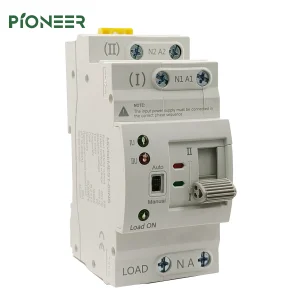
Server racks require tightly controlled voltage windows. Fast-switching SCR regulators are integrated with Dual Power Automatic Transfer Switches (DIN Rail ATS Switches) to guarantee uninterrupted, clean utility-to-generator switchover during main supply sags.
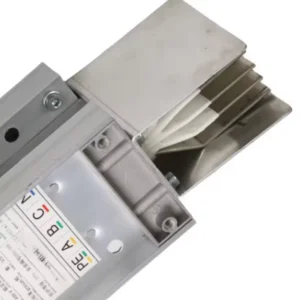
Motors draw high inrush currents upon startup, causing severe localized voltage drops. Heavy-duty servo stabilizers, coupled with high-conductivity power rails like our Low-voltage Electrical Busbar Frames, ensure voltage is stabilized instantly without tripping protection systems.
How geographic clustering, advanced metallurgy, and strict factory automation yield massive cost and performance benefits for global clients.
The global dominance of China-based electrical manufacturers, specifically in industrial hubs like Wenzhou, is built on a foundation of highly integrated industrial clusters and streamlined supply chains. When sourcing electrical control systems, industrial-grade voltage stabilizers, and critical power distribution elements, understanding this ecosystem helps buyers mitigate international procurement risks and optimize capital expenditure.
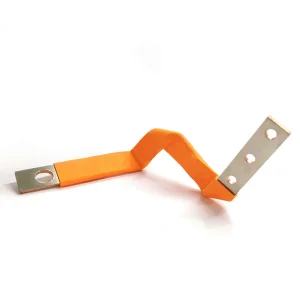
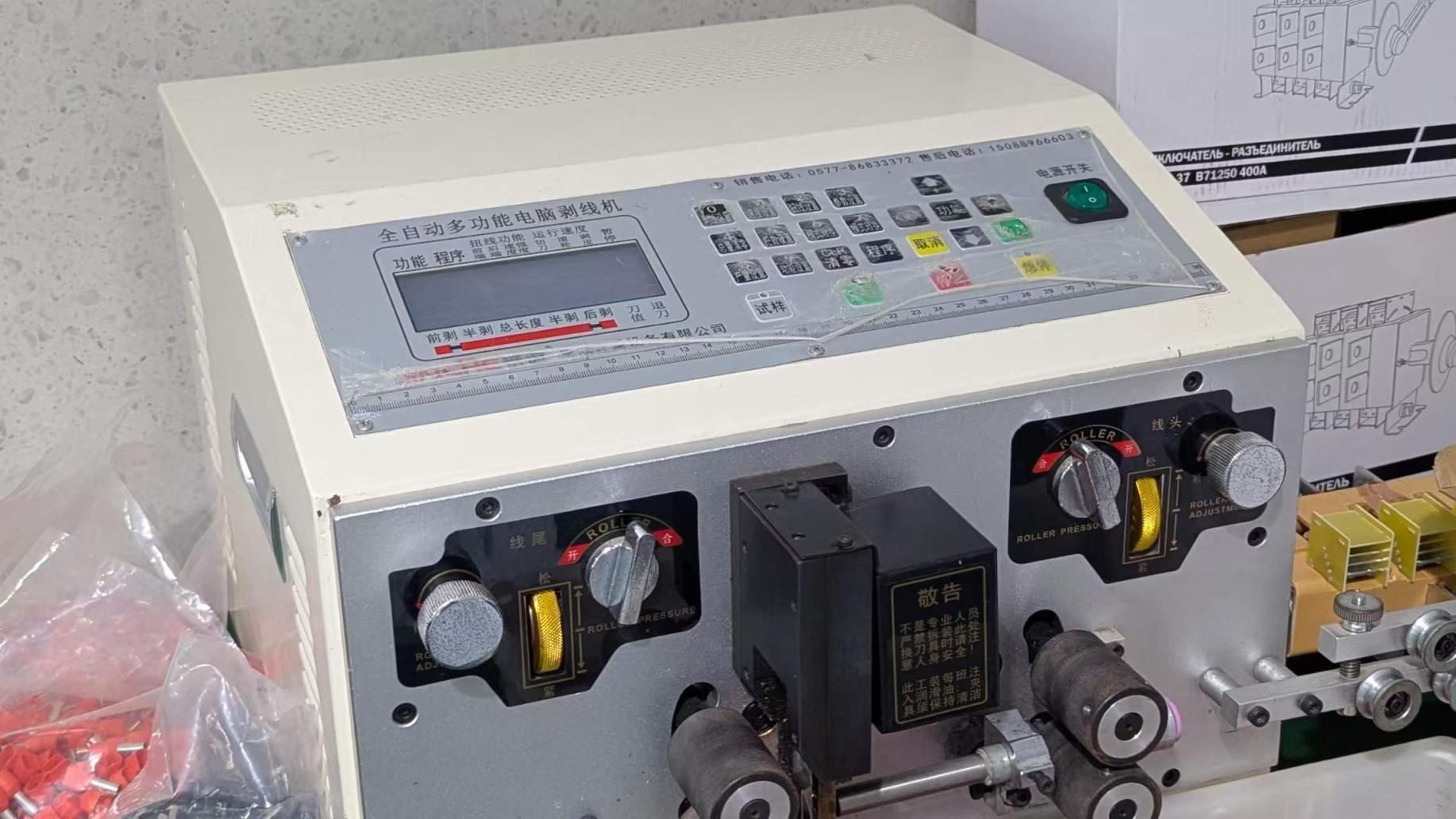
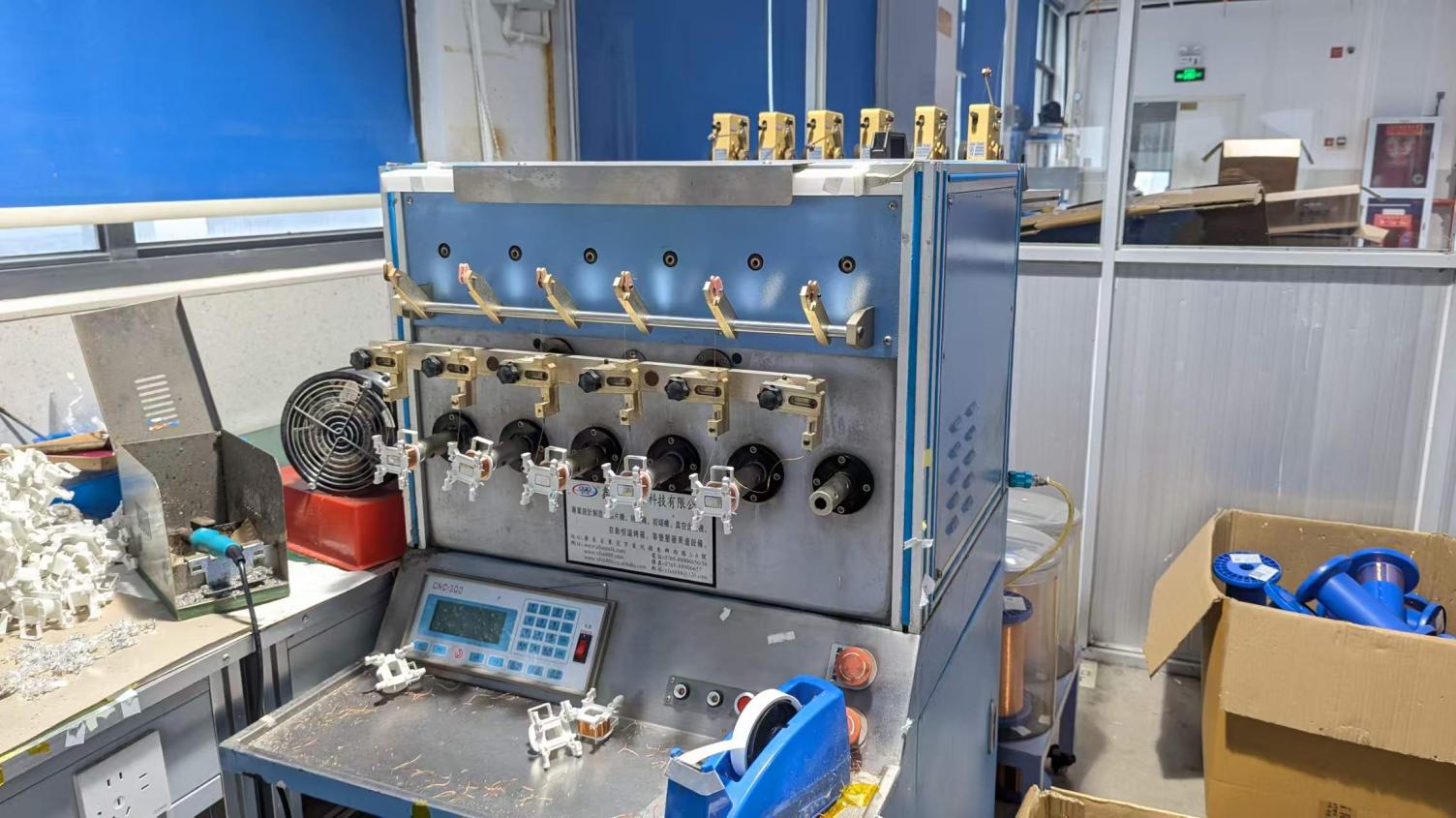
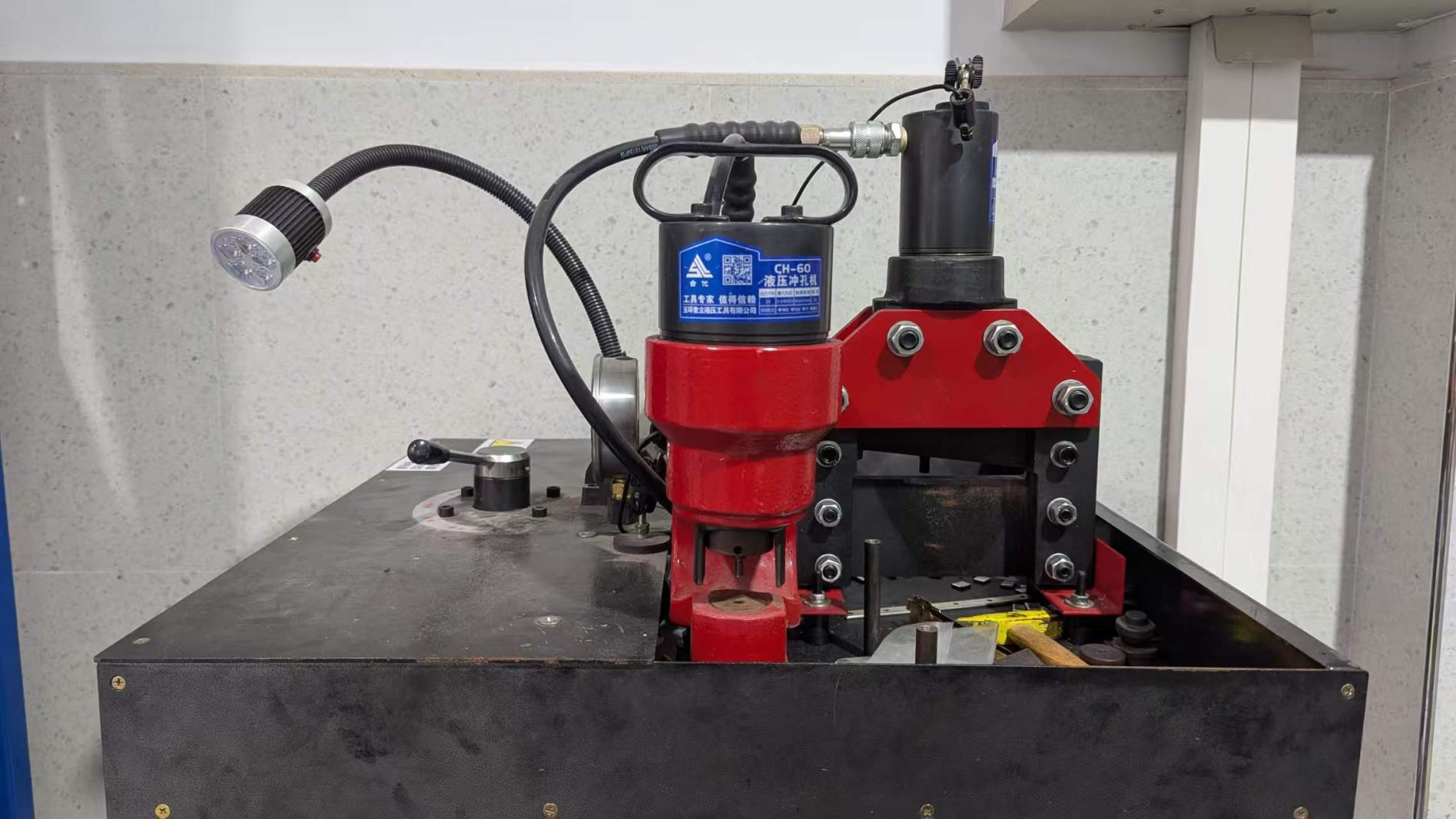
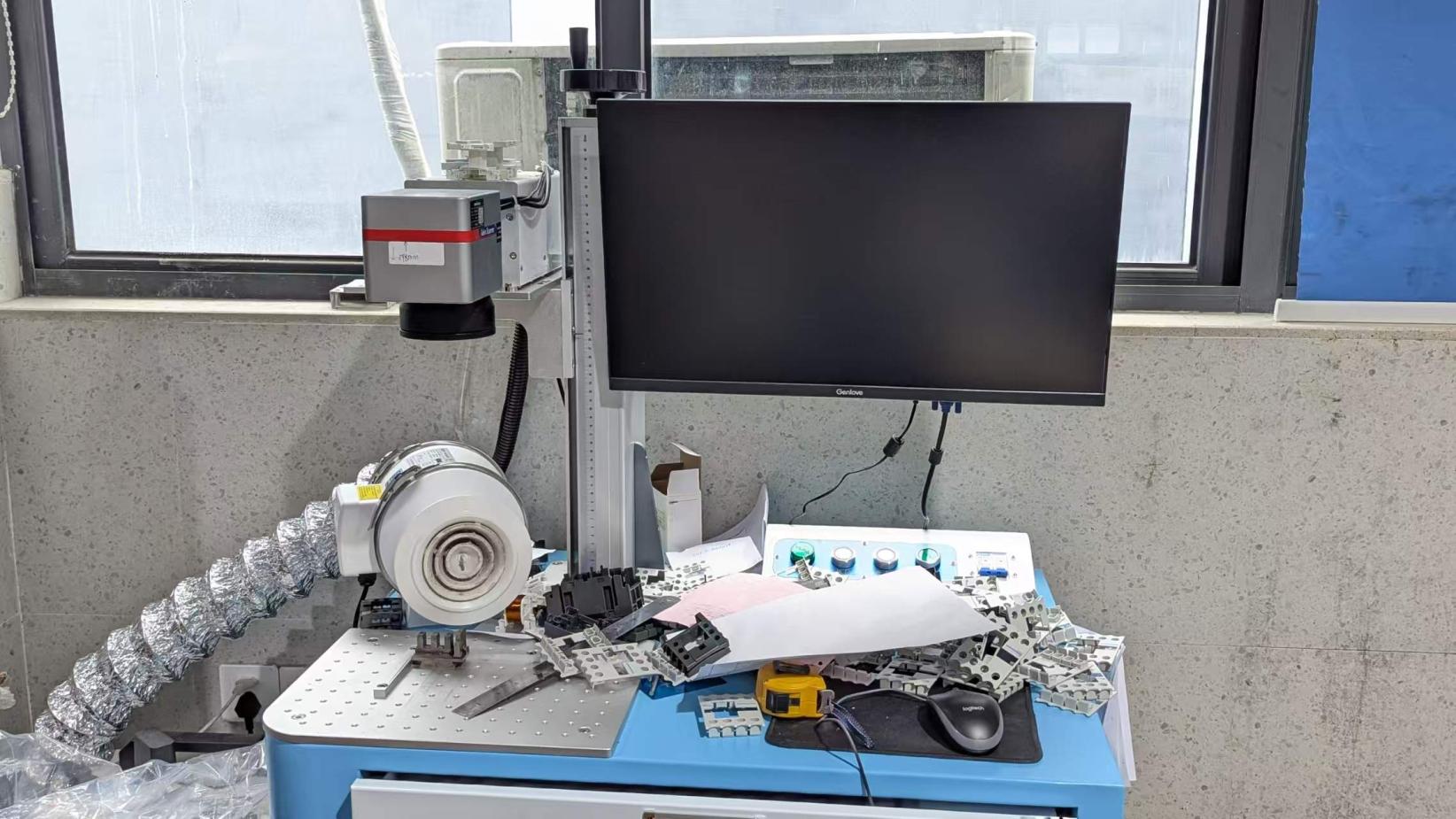
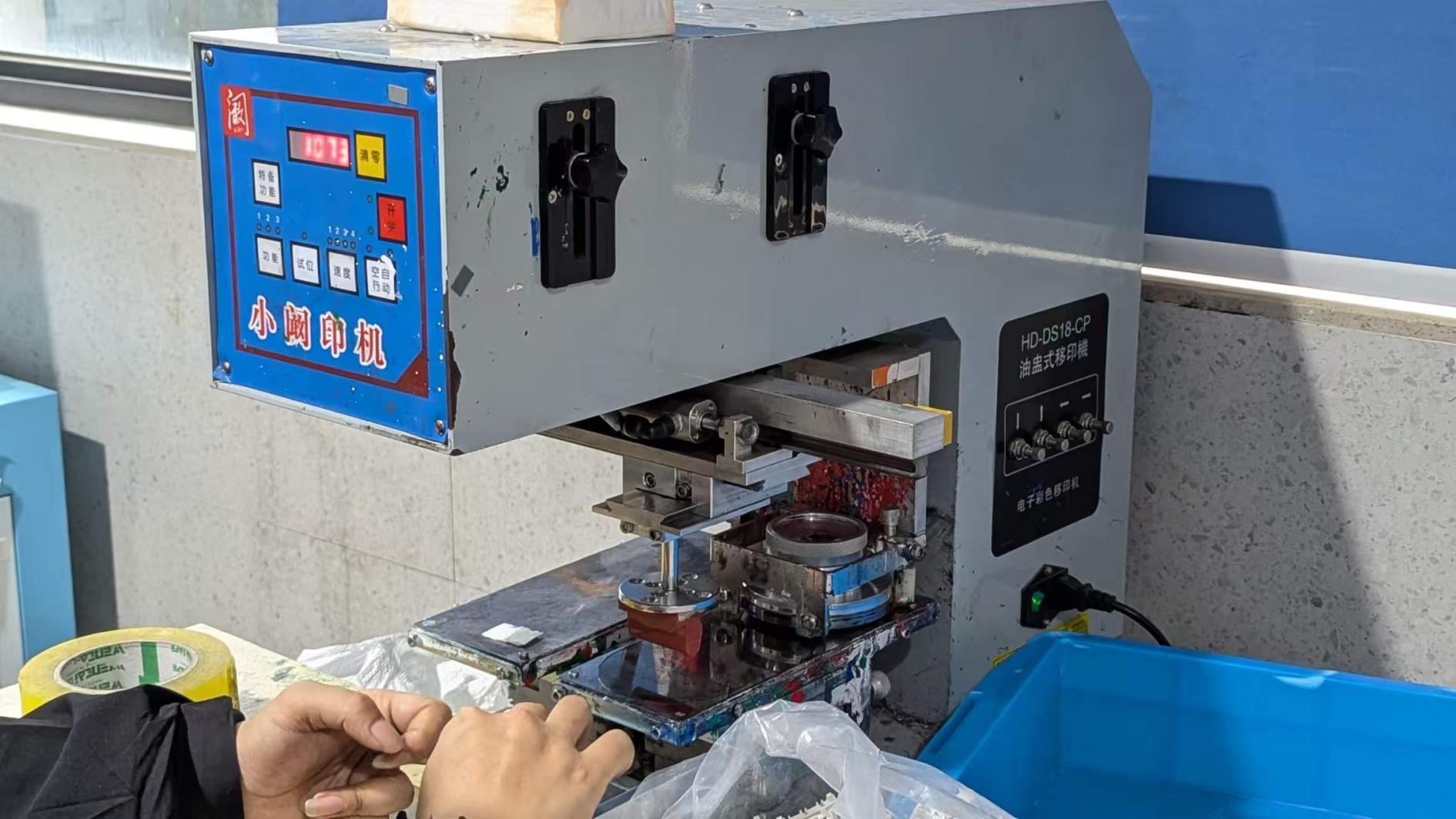
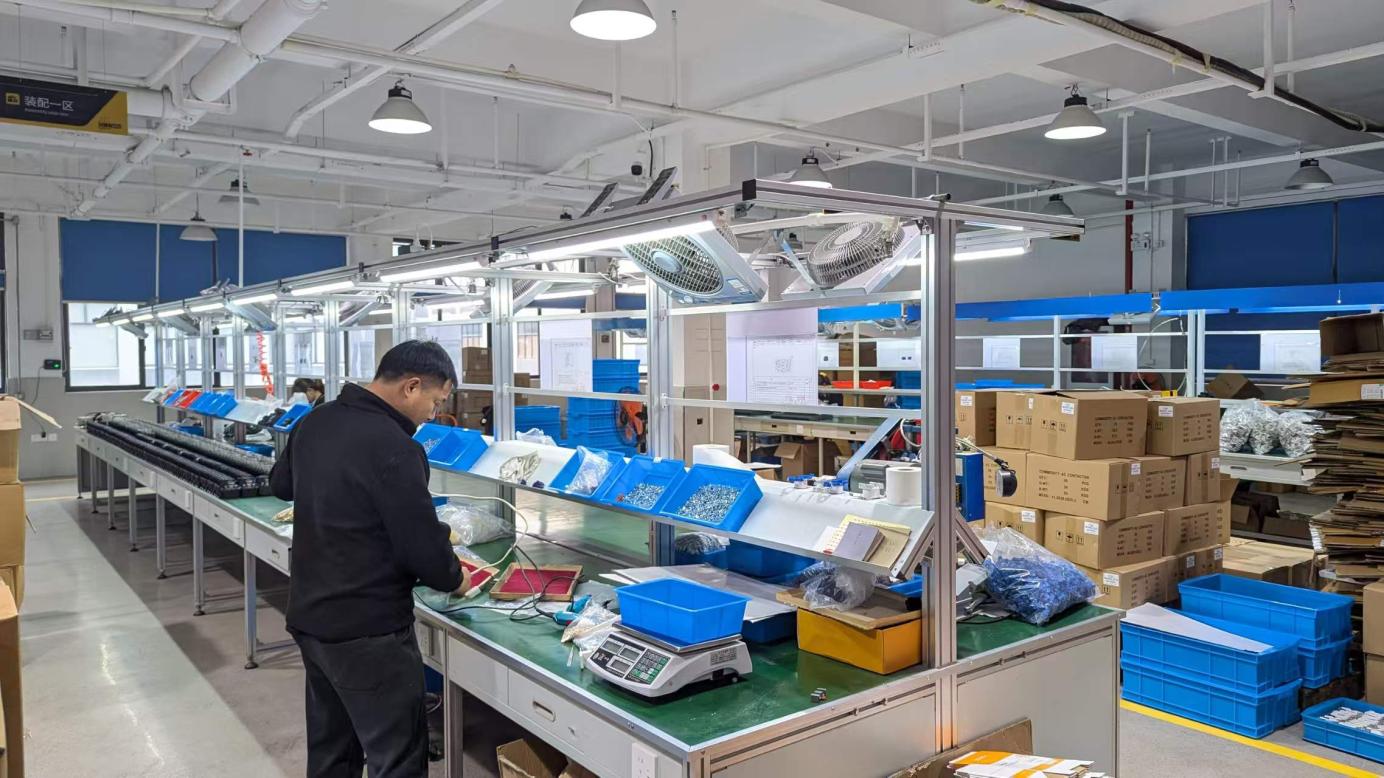
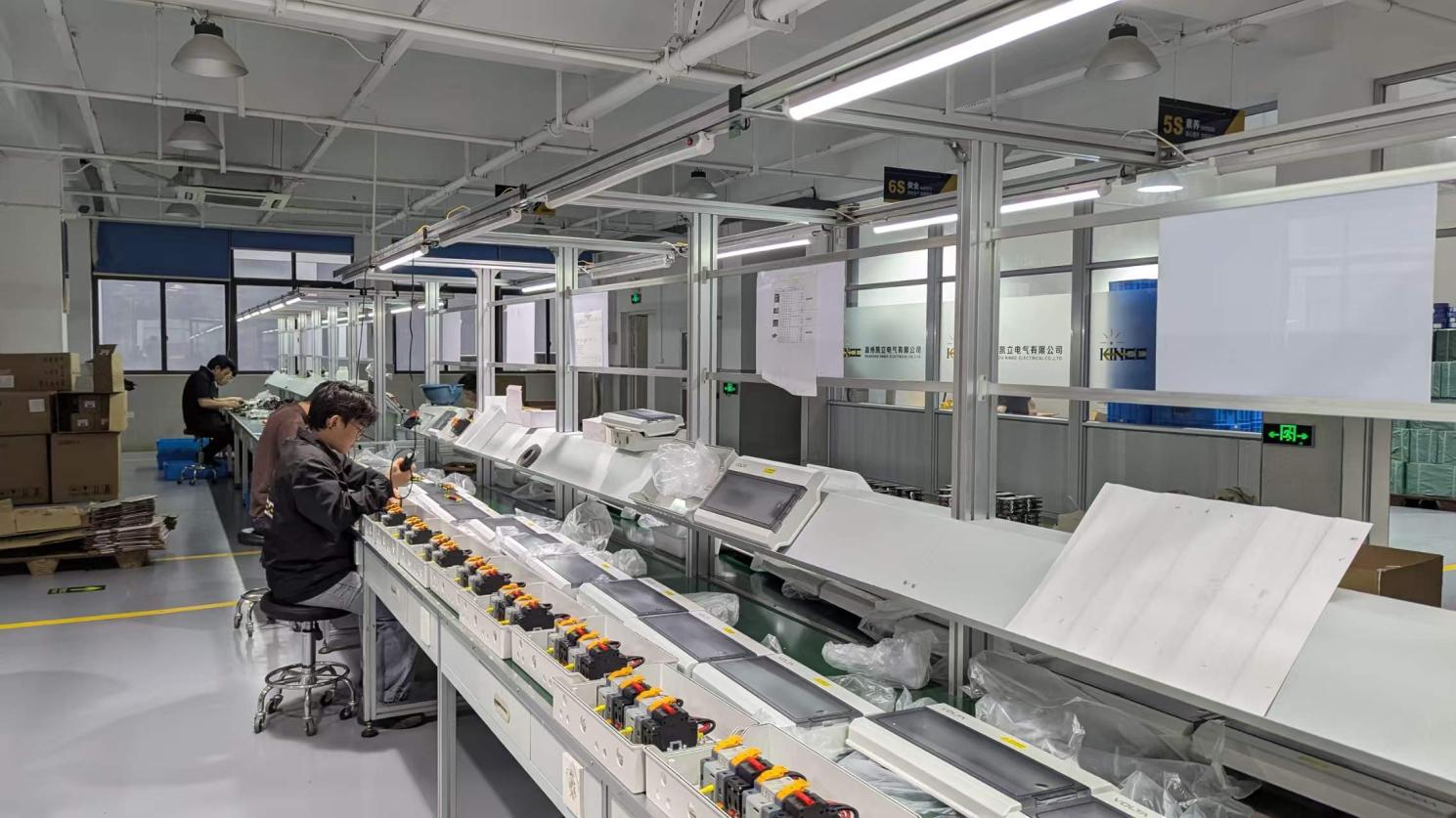
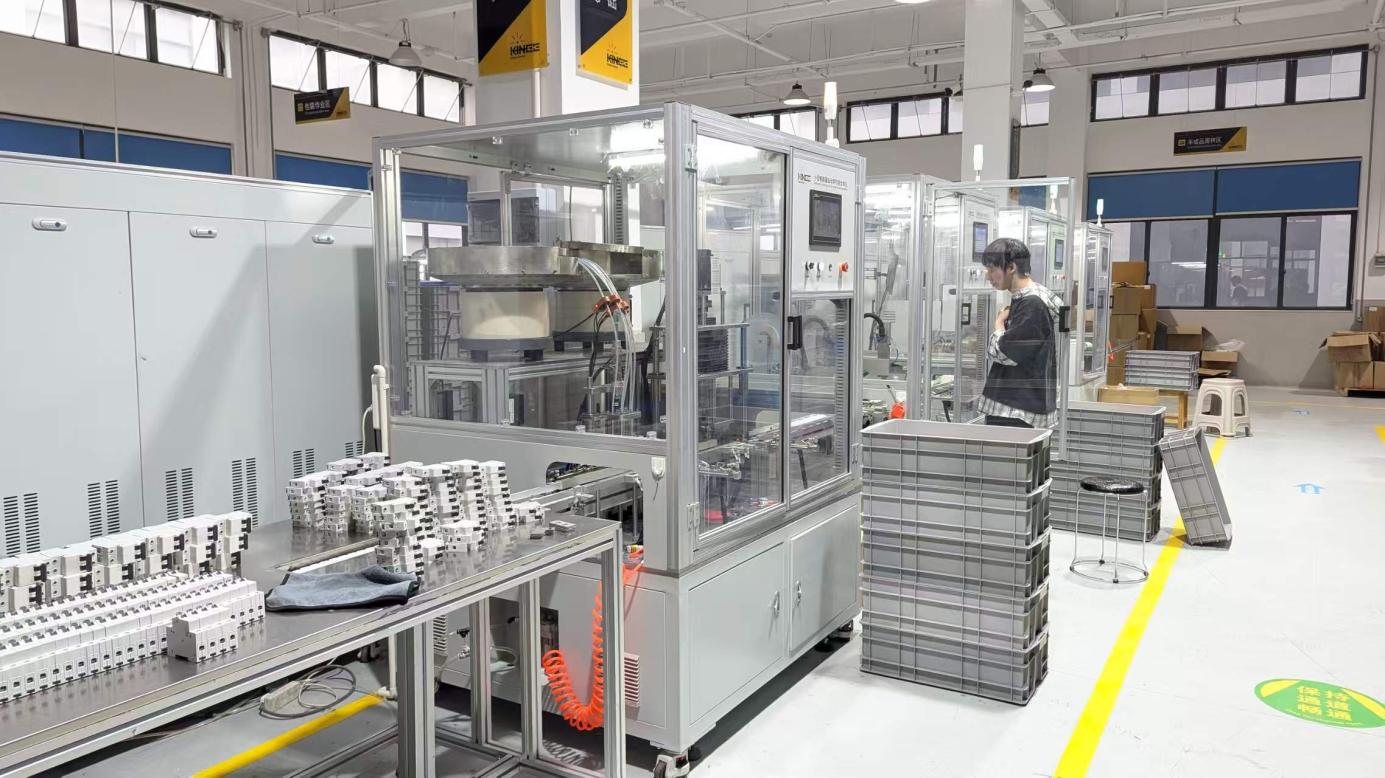
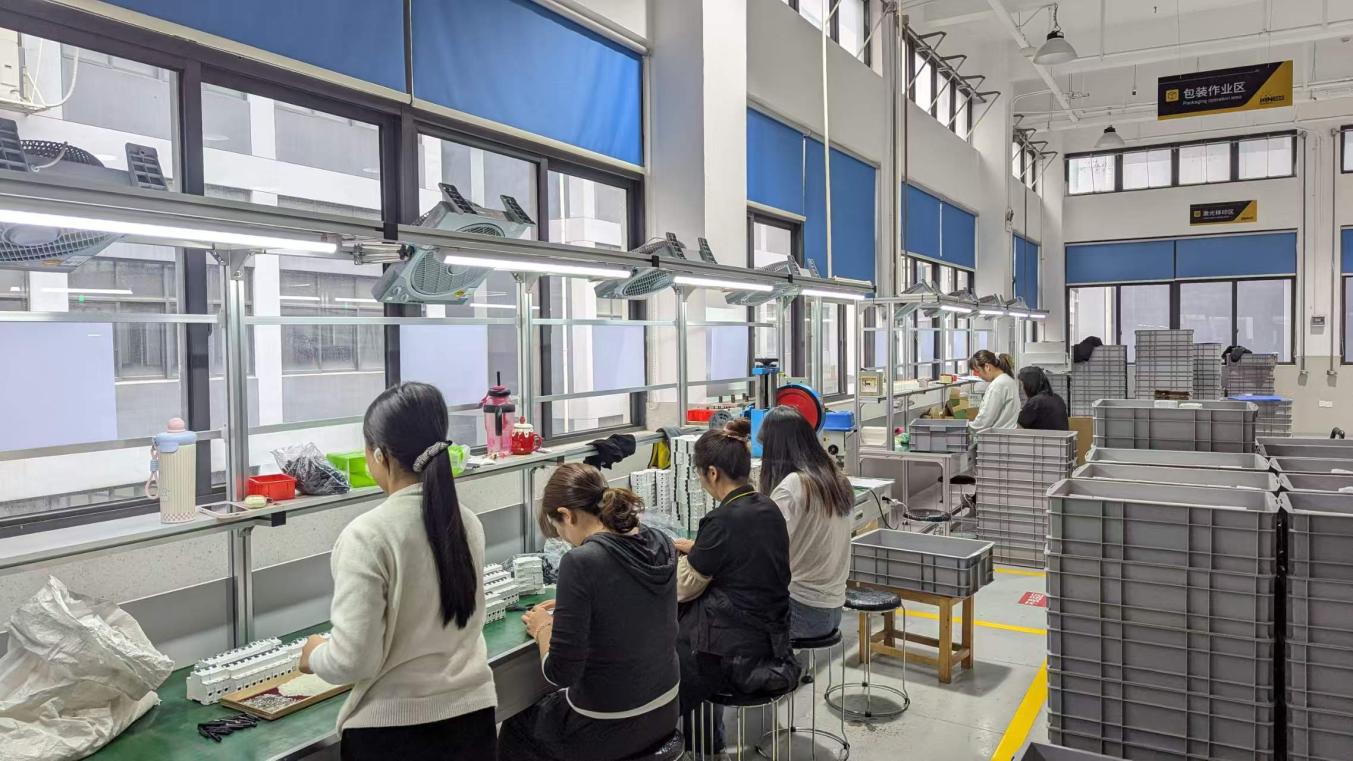
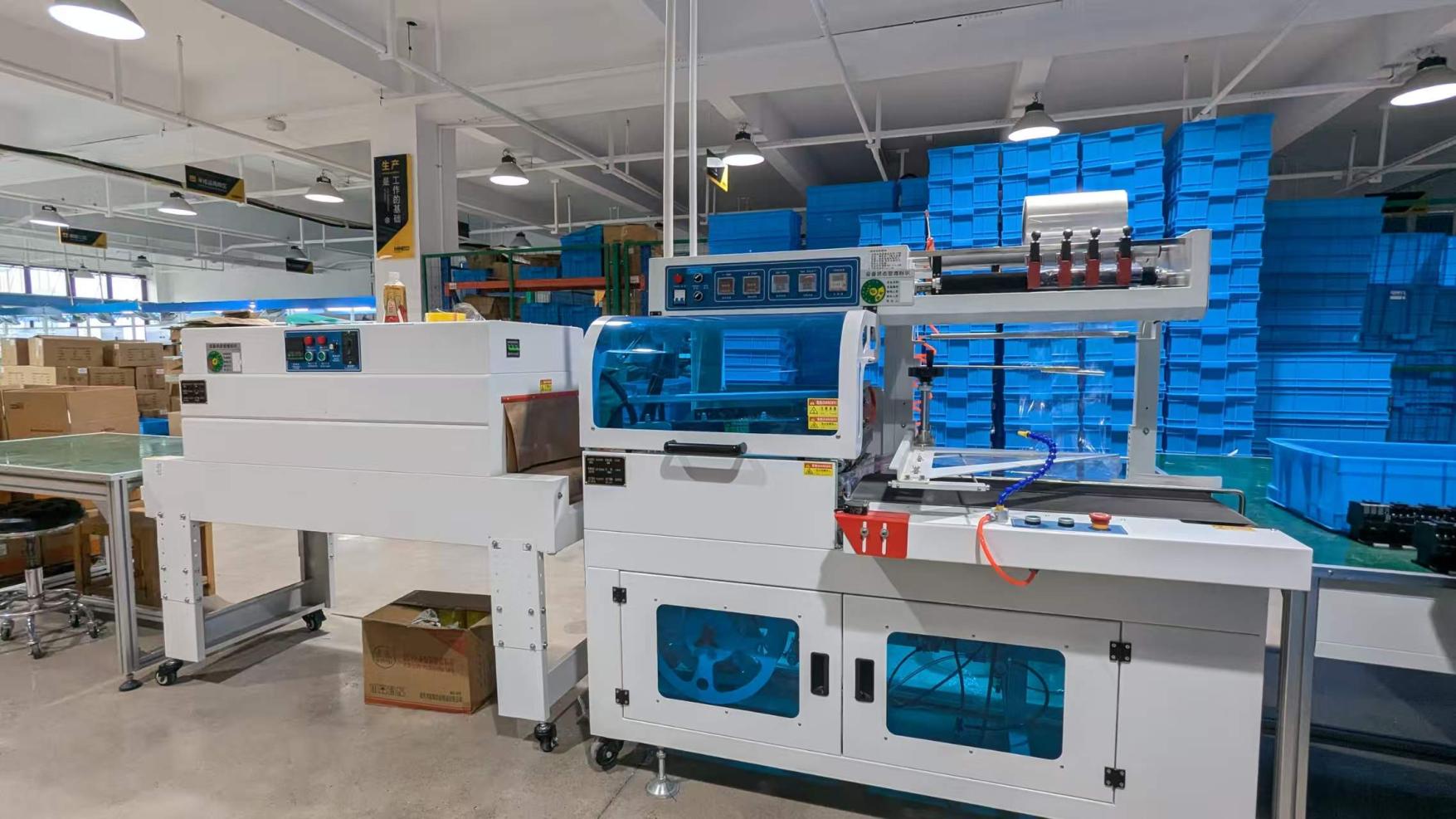
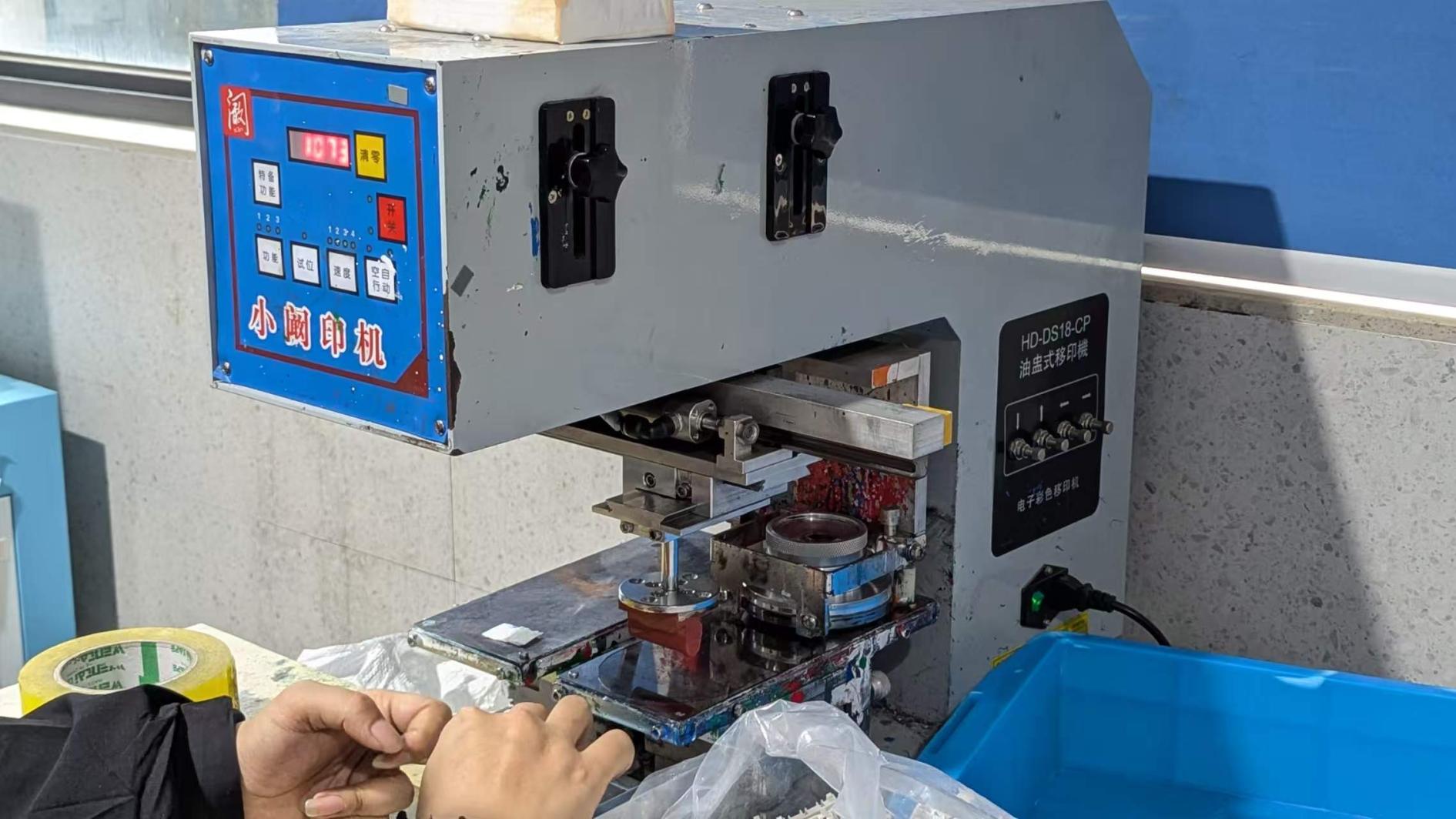
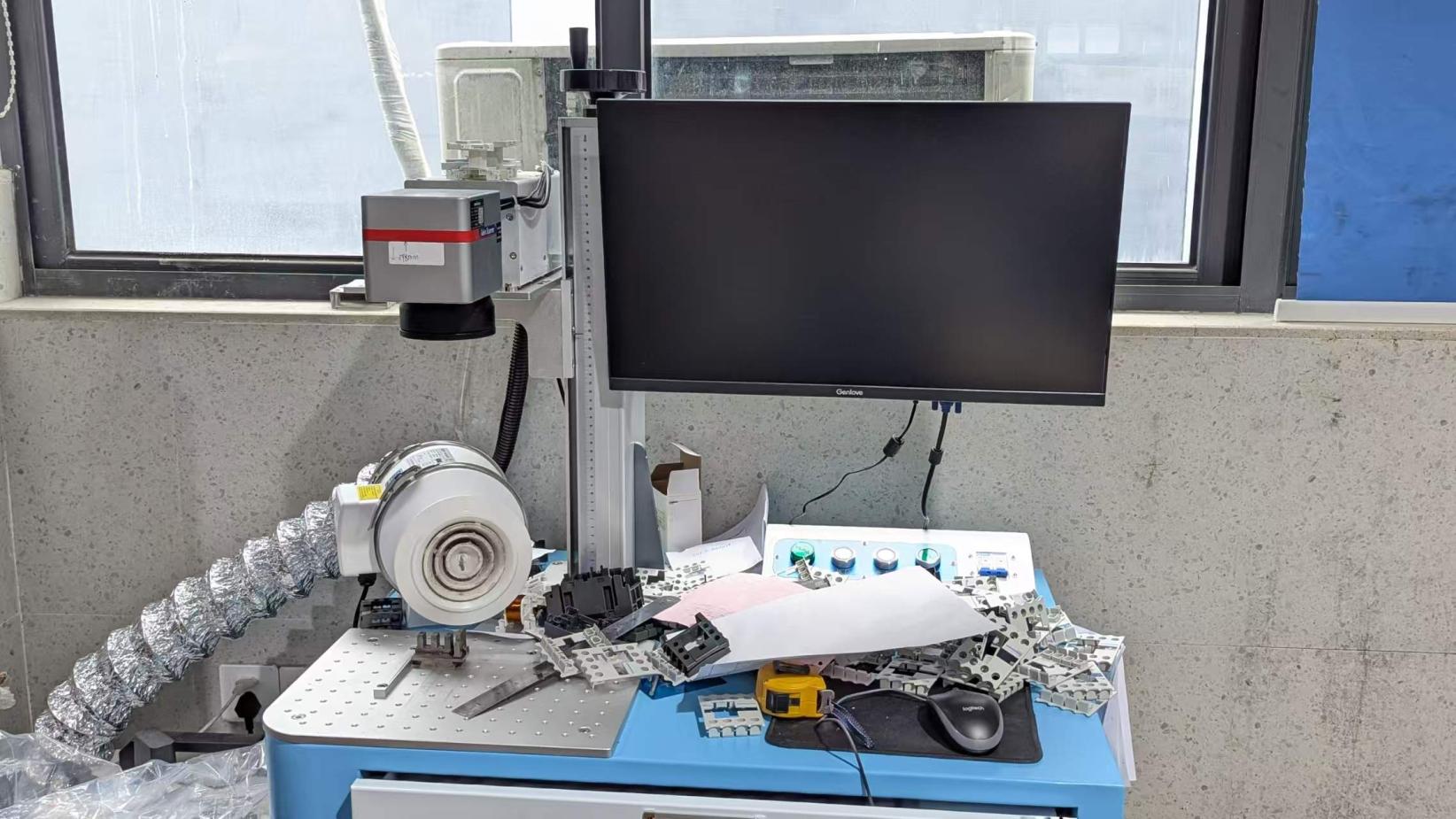
At Wenzhou Bowser Electric Co., Ltd., we utilize this localization to offer unmatched lead times and competitive pricing without compromising on materials. Our raw materials are sourced from local, vetted high-purity copper and aluminum refineries, allowing us to fabricate high-conductivity connection interfaces like the Customized Insulated Flexible Copper Busbar at fraction-of-the-cost parameters. Our vertical integration encompasses everything from design, metal stamping, and winding to secondary processes like laser marking and vacuum packaging under one centralized management system.
A forward-looking perspective on IoT integration, solid-state transformers, and next-generation power protection architectures.
As power grids transition toward localized microgrids and high-penetration renewable architectures, the demands on power regulation are changing rapidly. High-capacity voltage stabilizers are evolving from basic corrective devices into smart, data-gathering grid assets. Let's explore the key technological shifts expected to define the industry between 2025 and 2030:
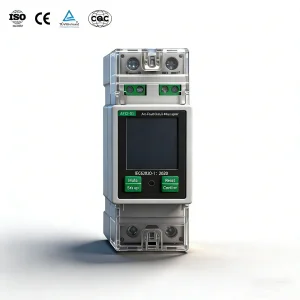
Future industrial voltage stabilizers are integrating edge processing units that run predictive health algorithms. In servo motor models, real-time vibration sensors and thermal monitoring systems track the degradation of carbon brushes and mechanical gears. This diagnostic data is fed back to centralized management networks via RS485 or Modbus communication modules, similar to the smart diagnostic protocols featured on our HANDELE 2P AFCI RS485 Interrupter. This allows facility engineers to schedule maintenance and replace components before a failure occurs, reducing downtime.
The line between high-power solid-state voltage regulators and solid-state transformers is beginning to blur. Emerging high-frequency switching technology utilizing Silicon Carbide (SiC) and Gallium Nitride (GaN) power electronics allows manufacturers to build lighter and significantly more compact voltage control circuits. These solid-state modules can handle extremely rapid changes in load demand, rendering traditional bulky magnetic cores obsolete for sub-megawatt power distribution lines.
In accordance with global decarbonization policies, leading factories in China are phasing out toxic chemical surface treatments and non-recyclable structural materials. Insulation systems are adopting vegetable-oil-based cooling fluids instead of mineral oils. Low-voltage current-carrying components, such as the Customizable Stacked Busbar Assembly, are moving toward lead-free plating methods and utilizing eco-friendly, halogen-free insulation wraps.
Bowser Electric's absolute guarantees regarding material testing, certification records, and international logistics support.
Navigating the importing process for heavy-duty electrical infrastructure requires absolute confidence in manufacturer compliance. Without the proper safety certifications, imported equipment can face customs delays, fail localized building code inspections, or create liability issues for distributors.
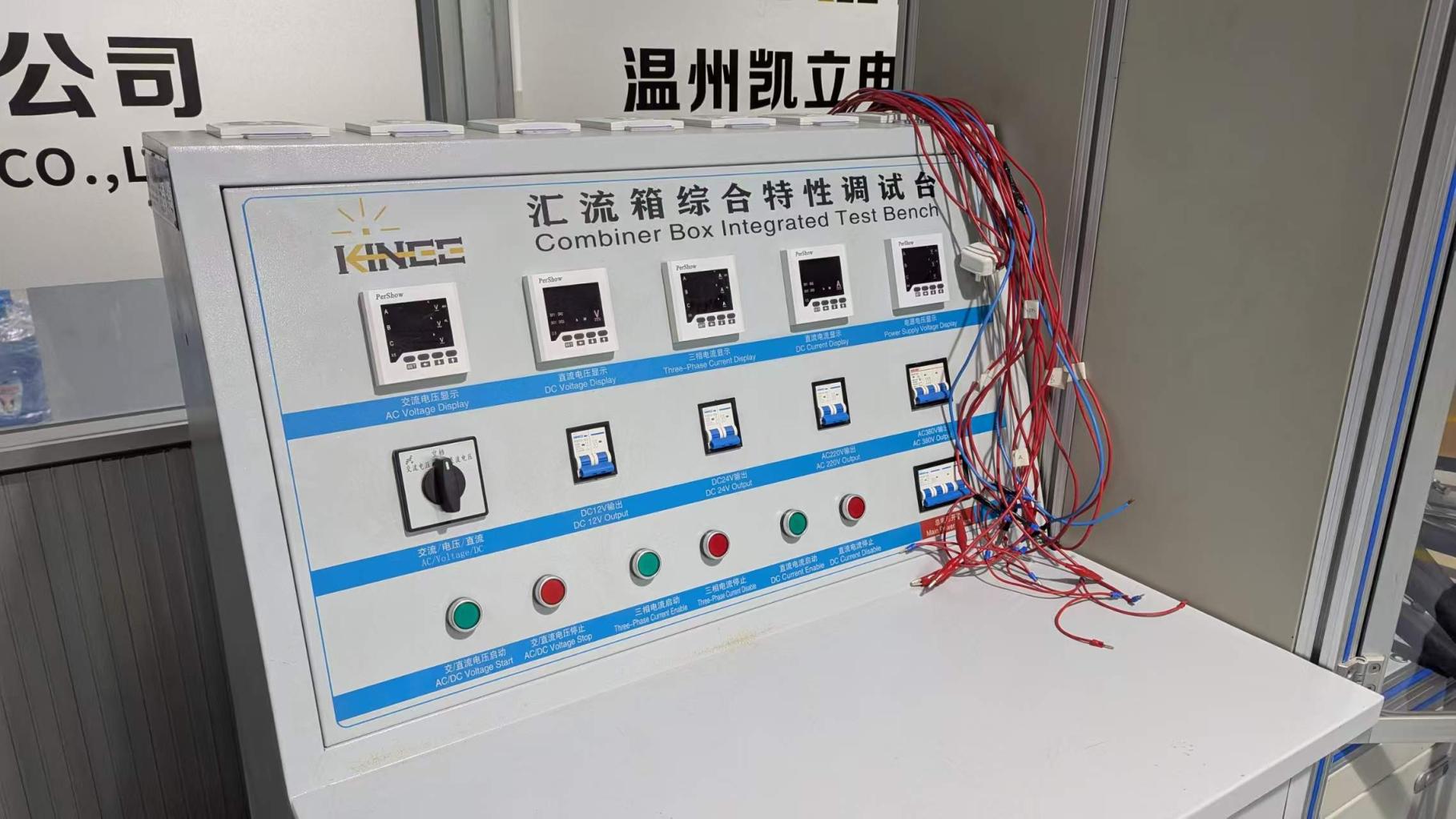
Wenzhou Bowser Electric ensures compliance through third-party product testing and factory audits. Our electrical components, including circuit breakers and distribution assemblies, carry CE, SAA, and RoHS certifications. We maintain a documented traceability system that tracks raw materials from initial foundry testing all the way to final functional testing.
To support overseas partners, we offer comprehensive post-sales service, including 24/7 technical support. Our products are backed by a 5-year warranty, which covers engineering issues and component performance. This warranty is made possible by our strict quality control, including automated optical inspections (AOI) and comprehensive electrical load testing before shipping.
Complete your power configuration system with high-amperage breakers, manual changeover switches, and advanced RCBO devices.
Clear, expert-level answers to the most common questions regarding the procurement, application, and technical limits of voltage regulators and industrial electrical hardware.