Bowser Electric
In modern electrical installations, understanding how to wire a 2 pole MCB in a consumer unit is vital for safety and efficiency. According to the National Fire Protection Association, electrical failures are a leading cause of residential fires, accounting for 51,000 incidents annually in the United States. Proper wiring practices can significantly reduce these risks.
A 2 pole miniature circuit breaker (MCB) protects against overloads and short circuits. This device serves two critical functions: maintaining good voltage stability and ensuring user safety. The UK's Institution of Engineering and Technology emphasizes that safe wiring requires adherence to local regulations and standards, ensuring that installations meet specific safety benchmarks.
Despite the importance of these practices, many DIY enthusiasts overlook crucial steps in the wiring process. One common mistake is neglecting to turn off the main power supply, which increases the chances of electrical shock. By following proper guidelines, individuals can enhance their understanding of how to wire a 2 pole MCB in a consumer unit safely and responsibly. This knowledge not only fosters greater confidence in electrical work but also contributes to a reduction in accidents and system failures.
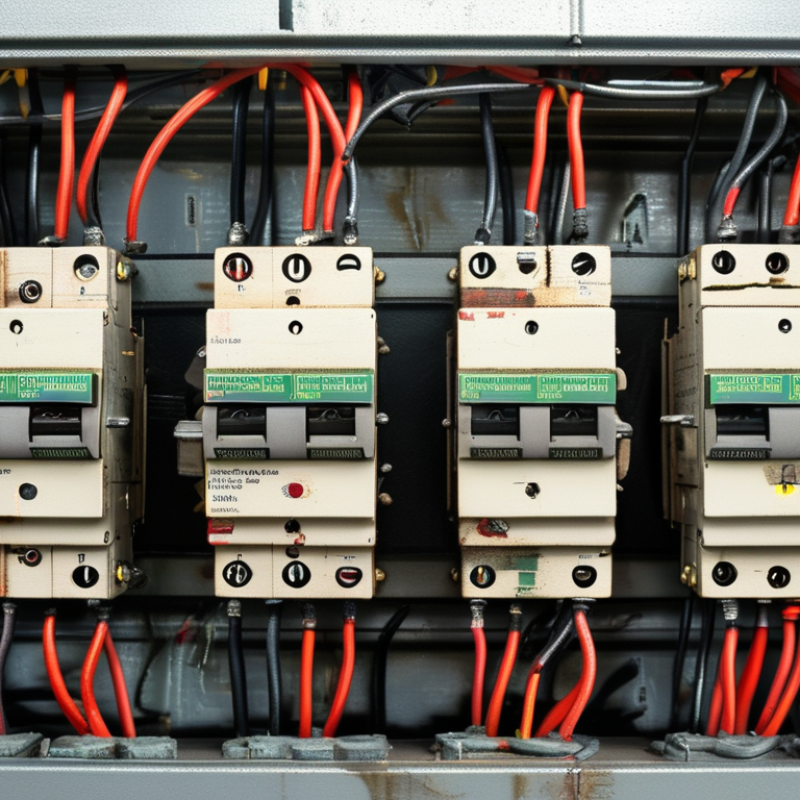
A 2 Pole Miniature Circuit Breaker (MCB) is crucial for residential electrical systems. It protects circuits from overloads and short circuits. The functionality lies in its ability to interrupt the electrical flow when a fault occurs. This action prevents potential fires and equipment damage.
According to studies, over 30% of electrical fires result from inadequate circuit protection. Thus, understanding how to wire a 2 Pole MCB is essential for safety.
When installing a 2 Pole MCB, always read the manufacturer's guidelines carefully. Although most systems follow similar wiring protocols, discrepancies can arise. Wire colors may differ based on your location. Typically, the live wires are brown and blue, but verification is vital. Incorrect connections can lead to malfunctions, making professional advice worthwhile.
Tips: Ensure the circuit is powered down before starting any work. Double-check connections for a secure fit. Regularly test the MCB using its test button, ensuring it functions properly. Many professionals recommend replacing outdated breakers every 10 years for optimal safety. Recognizing deterioration spots, like discoloration of connections, can prevent hazards. Take your time with the installation; rushing can lead to errors.
Wiring a 2 pole miniature circuit breaker (MCB) is straightforward, but requires careful attention to detail. To start, you will need some specific tools and materials. A flathead screwdriver and a Phillips screwdriver are essential. Wire strippers will help you prepare your electrical cables safely. Using a voltage tester ensures that the circuit is not live before starting work. A pair of insulated gloves is important for your safety.
Materials include the 2 pole MCB, suitable wiring, and terminal connectors. Make sure the wiring is of appropriate gauge for your installation. Picking quality connectors ensures a secure connection, minimizing the risk of overheating. You may also require electrical tape to secure any exposed wires.
It’s important to have a clear wiring diagram or instructions handy. This can prevent mistakes that could lead to malfunctioning or hazards. Take your time and double-check each connection. A small oversight can cause significant issues later on. Adhering to local electrical codes is also vital for safety and compliance. Always reflect on your work and assess if you've followed best practices.
Wiring a 2 Pole MCB in your consumer unit can enhance electrical safety in your home. Begin by gathering necessary tools: a screwdriver, wire stripper, and voltage tester. Safety is paramount, so ensure the main power supply is switched off. Use your voltage tester to double-check that there is no live current in the circuit.
Once you’ve ensured safety, it’s time to wire the MCB. Identify the line and neutral terminals on your MCB. Strip the ends of the wires to ensure a proper fit. Connect the line wire to the L terminal and the neutral wire to the N terminal. Tighten the screws firmly but avoid overtightening, which can damage the wires. Mistakes in wiring can lead to serious issues like tripped circuits or failure of the MCB. A visual inspection of your work is essential.
After making the connections, recheck your work for any loose wires or exposed ends. Once satisfied, you can switch the main power back on. Power flow should be consistent. If the MCB trips immediately, revisit your wiring. There is always a chance for human error. Take your time, and don’t hesitate to consult a qualified electrician if necessary.
This chart displays the number of installations and incidents reported during the installation of 2 Pole MCBs in consumer units over the past year. The data shows the frequency of successful installations versus issues encountered.
When installing a two-pole Miniature Circuit Breaker (MCB), safety must be the top priority.
Before starting, ensure you wear insulated gloves and goggles. Turn off the main power supply at the consumer unit. This small step can prevent unexpected shocks. Working with electricity requires caution, so have a non-contact voltage tester handy. Always verify that the power is truly off before touching any wires.
Proper tools are essential. Use a screwdriver and wire stripper designed for electrical work. When handling wires, identify the live and neutral wires clearly. Incorrect connections can lead to circuit failures or even fires. Additionally, keep flammable materials away from your workspace. If unsure about wire colors, consult standard electrical color codes.
After installation, double-check all connections. Loose wires can be a hidden hazard. Test the MCB with the power restored. Regular inspections can mitigate risks. Remember, skipping safety steps may lead to severe consequences. Personal safety and property protection should always come first in electrical tasks.
Testing an MCB installation is crucial for ensuring functionality and safety. A Miniature Circuit Breaker (MCB) protects electrical circuits from overloads and short circuits. After installation, it is essential to conduct a series of tests to confirm that it operates correctly under various conditions.
Begin by turning off the main power supply. Check the wiring connections, ensuring they are secure. Once satisfied, restore power and observe the MCB. If it trips immediately, there might be a wiring issue. A faulty connection can lead to unsafe conditions. Use a socket tester to verify correct wiring. This device can help identify problems before they escalate.
Next, simulate an overload condition safely to see if the MCB trips as it should. If it does not, reconsider the installation or consult an expert. It’s essential to ensure the MCB can reset after a fault. Proper functionality means it should return to the ON position once the issue is resolved. Regular testing can prevent potential dangers and ensure a safe electrical environment.
| Step Number | Task Description | Required Tools | Safety Precautions | Testing Method |
|---|---|---|---|---|
| 1 | Turn off the main power supply. | Screwdriver, Voltage Tester | Ensure power is completely off. | Check voltage at the main panel. |
| 2 | Identify the correct terminals on the MCB. | Labeling Tape | Verify correct wiring diagram. | Test connections after wiring. |
| 3 | Connect live and neutral wires to the MCB. | Wire Strippers, Screwdriver | Use insulated tools. | Visual inspection before proceeding. |
| 4 | Secure the MCB in the consumer unit. | Screwdriver | Ensure no loose wires are present. | Confirm that MCB is firmly attached. |
| 5 | Turn the power back on and test the MCB. | Voltage Tester | Keep body clear of wires. | Test MCB functionality by switching on. |
: You need a screwdriver, wire stripper, and voltage tester for wiring a 2 Pole MCB.
Always switch off the main power supply before starting any wiring. Double-check with a voltage tester.
Revisit your wiring connections. There might be a wiring issue that needs addressing.
Connect the line wire to the L terminal and the neutral wire to the N terminal securely.
Overtightening can damage the wires, which may lead to serious issues down the line.
Simulate an overload condition. If the MCB trips, it's functioning correctly. Otherwise, reassess the installation.
Yes, a visual inspection helps catch any loose wires or exposed ends before restoring power.
If you are unsure about your wiring or the MCB's functionality, seek professional advice. Safety is crucial.
Regular testing is essential to prevent potential dangers and ensure a safe electrical environment.
Reevaluate the installation. Consult an expert if the MCB doesn't return to the ON position.
In this article titled "How to Wire a 2 Pole MCB in Your Consumer Unit Guide," we explore the essentials of wiring a 2 pole Miniature Circuit Breaker (MCB) for your electrical system. The piece begins by outlining the fundamental concepts of 2 pole MCBs, including their roles in protecting electrical circuits. It then lists the necessary tools and materials for the installation process, ensuring readers are well-prepared.
The heart of the guide provides a step-by-step approach on how to wire a 2 pole mcb in a consumer unit, detailing each phase of the installation with clarity. Essential safety precautions are emphasized throughout the procedure to safeguard both the installer and the home. Finally, the article concludes with methods for testing the MCB installation to confirm both functionality and safety, equipping homeowners with the knowledge needed for a successful MCB setup.
