Bowser Electric
Rainy weather can lead to frustrating electrical issues. Homeowners may wonder, "why does my circuit breaker trip when it rains?" Understanding this problem is crucial. Often, excess moisture seeps into electrical systems, causing short circuits.
Water can enter faulty connections. This creates an environment for electric shock risks. It might seem surprising, but rain can directly impact your home's wiring. Wet conditions can increase the electrical load, prompting the breaker to trip. Circuit breakers are designed as safety measures, but they can be sensitive.
It’s essential to investigate the root cause. Damaged insulation or outdated breakers could be to blame. Regular maintenance is key in preventing issues. Make sure to check for leaks or wear and tear in your electrical components. Stay vigilant, as ignoring these problems may lead to bigger hazards. Focus on maintaining a safe home environment.
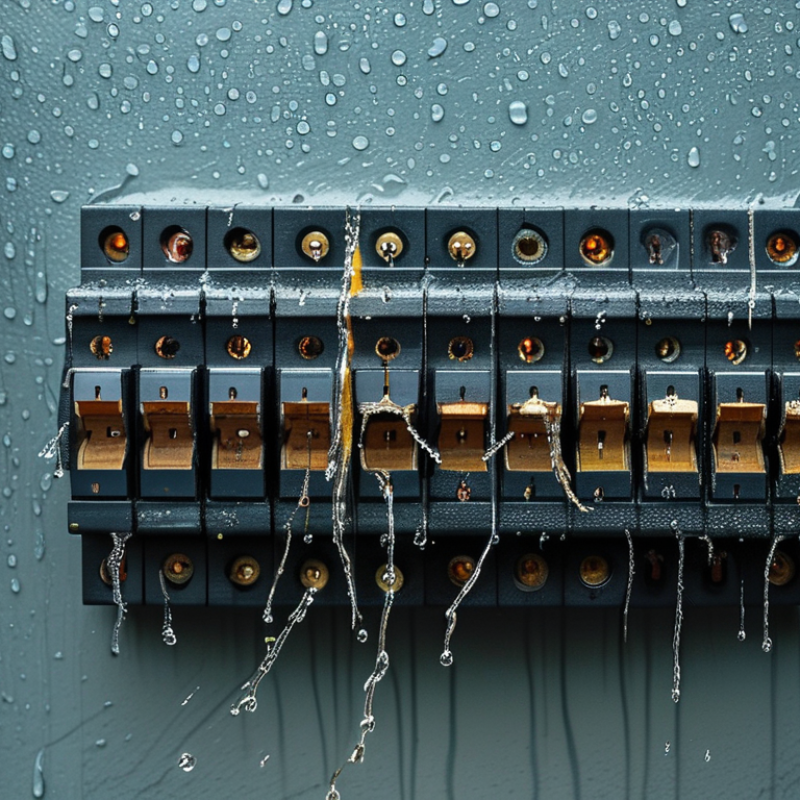
Circuit breakers play a crucial role in electrical safety. They prevent overloads and short circuits, protecting your home from electrical fires. When it rains, moisture can affect electrical systems. This can lead to increased resistance and unexpected tripping of the circuit breaker.
Sometimes, the tripping can be due to water entering outdoor outlets or damaged wiring. Water creates a pathway for electricity, causing shorts. If you notice frequent tripping during rain, it may be time to inspect your electrical system.
Tips: Check outdoor connections regularly. Ensure outlets are weatherproof. If wires are exposed or damaged, consider a professional inspection. This can save you trouble in the long run.
Remember, circuit breakers are designed to fail safely. They help keep your home secure. A tripped breaker signifies issues that need attention. Ignoring the signs could lead to costly repairs or hazardous situations. Take time to address electrical concerns promptly.
Rain can cause various electrical issues in your home, often leading to tripped circuit breakers. One common cause is water intrusion. When it rains, water can seep into electrical boxes or connections. This moisture creates a short circuit, causing the breaker to trip. Inspecting outdoor connections can help prevent this issue.
Another factor is increased humidity. High moisture levels can lead to condensation in electrical components. This moisture can create resistance where it shouldn't exist, resulting in tripped breakers. Homeowners might overlook this, thinking it’s just rain.
Lastly, faulty wiring can exacerbate these problems. Aging or damaged wires may not handle moisture well. As water infiltrates, the circuit's integrity is compromised. Regular inspections by a qualified electrician can catch these vulnerabilities early. Neglecting this can lead to dangerous situations in the future.
Rain can significantly affect electrical systems, often causing circuit breakers to trip. When moisture seeps into electrical components, it creates a path for electrical current, leading to short circuits. This is particularly common in outdoor equipment and exposed wiring. A sudden surge of electricity may trigger the breaker, shutting down power as a safety measure.
Tips: Check outdoor connections regularly. Ensure they are rated for wet conditions. Proper sealing can prevent moisture from entering vulnerable spots. Have a professional inspect any signs of water damage, especially after heavy rain.
Electrical systems require careful attention during stormy weather. Over time, wear and tear can increase vulnerability. If your breaker trips often, it may indicate wiring issues or outdated components. Address these problems promptly to avoid safety hazards. Remember, not all problems are obvious; invisible damage can lurk within walls or hidden areas.
Tips: Consider installing water-resistant covers for outdoor outlets. Regular maintenance checks can identify potential problems early. Keep an eye on any flickering lights during storms as they might signal underlying issues.
Rainy weather can expose vulnerabilities in your electrical system. Circuit breakers often trip during these conditions due to moisture entering electrical boxes or connections. Water can cause short circuits, prompting the breaker to shut off to prevent fires and damage. It’s essential to address these issues promptly.
Inspect outdoor electrical outlets and connections. Ensure they are weatherproof and shielded from the elements. Sealing any gaps can help reduce moisture intrusion. If you notice frequent trips, consider hiring a licensed electrician to evaluate your system thoroughly.
Tips: Always turn off power at the breaker before inspecting any wiring. Also, check if your breaker panel has moisture-resistant features. This can add a layer of protection against the elements. Keeping your home dry is crucial. Look for signs of water damage in basements and attics. These areas are notorious for moisture build-up. Finally, don’t ignore any unusual smells or sounds from your breaker panel; they may indicate a serious issue.
Heavy rain can cause electrical circuits to malfunction. When rainwater enters a circuit box, it can create short circuits, which often results in a tripped breaker. Knowing how to prevent these issues is essential for safety.
Regular maintenance of electrical systems can greatly reduce risks. A study by the National Electrical Manufacturers Association shows that over 30% of electrical failures occur due to water intrusion. Checking seals and gaskets around outdoor equipment is crucial. Ensure that your electrical connections are secure and that no water can seep in.
Installing ground fault circuit interrupters (GFCIs) is another effective measure. These devices can prevent electrical shocks by tripping the circuit when they detect imbalances in electricity flow. According to the U.S. Consumer Product Safety Commission, GFCIs can prevent 50% of electrocutions in homes. Proper installation and routine checks of these devices can significantly enhance safety.
: Moisture can seep into electrical boxes, causing short circuits that trip the breaker for safety.
High humidity leads to condensation, which can create resistance in components, causing breakers to trip unexpectedly.
Frequent breaker trips and visible wear on wires suggest aging or damage that may lead to safety hazards.
Regularly check outdoor outlets and ensure they are properly sealed and rated for wet conditions.
Consider having a licensed electrician inspect your system for underlying wiring issues and outdated components.
Always turn off power at the breaker first to ensure safety while inspecting any wiring.
Installing water-resistant covers for outdoor outlets adds a layer of protection against rain and humidity.
Regular checks can help identify potential problems early, especially after heavy rain or storms.
Look for unusual smells, flickering lights, and water spots in basements or attics as indicators of moisture issues.
Yes, hidden damage within walls or concealed areas can cause serious problems that may not be immediately obvious.
Circuit breakers are essential safety devices designed to protect electrical circuits from overloads and short circuits. However, homeowners often find themselves questioning, "why does my circuit breaker trip when it rains?" This phenomenon can be attributed to various factors, including moisture infiltration into electrical systems, increased load from heating systems, and faults in wiring caused by wet conditions.
To troubleshoot these issues during rainy weather, it’s important to inspect for leaks, ensure proper grounding, and assess the condition of wiring. Implementing preventative measures, such as installing weatherproof covers and maintaining clear drainage, can help mitigate the risks of circuit breaker trips. Understanding these aspects can aid in maintaining a safe and functional electrical system even during adverse weather conditions.
