Bowser Electric
When it comes to electrical installations, choosing the right circuit breaker is crucial. Many people wonder why use a 4 pole MCB instead of a 3 pole. Understanding the differences can help you make informed decisions.
A 4 pole MCB is designed to protect three-phase electrical systems, plus a neutral line. If your setup demands this capability, a 4 pole model is essential for safety. It provides better protection for complex circuits that require more than simple overload or short circuit functions.
Furthermore, a 4 pole MCB minimizes the risk of electrical shocks and system failures. It ensures an efficient shut-off of all lines in the event of a fault. However, not every situation needs this level of protection. One should evaluate their specific requirements before deciding. It’s a balance between safety and necessity that must be thoughtfully considered.
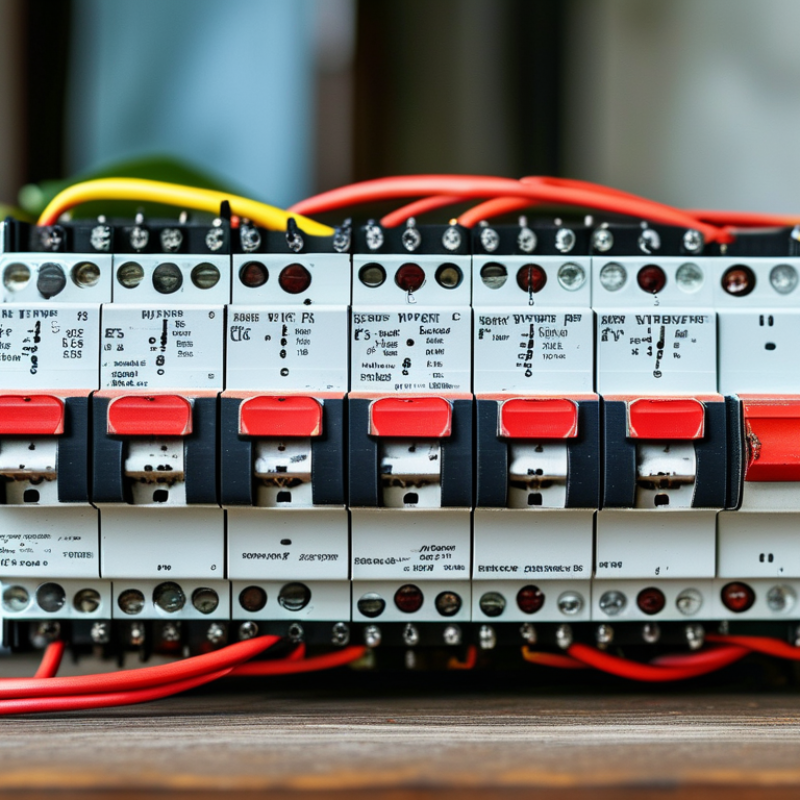
When it comes to circuit breakers, understanding the differences between 3 pole and 4 pole MCBs is crucial. A 3 pole MCB is designed for three-phase electrical systems. It can handle loads effectively in many industrial settings. In contrast, a 4 pole MCB includes a neutral pole alongside the three phases. This makes it ideal for applications requiring a neutral connection, such as power distribution panels.
Choosing between these options depends on the specific needs of your electrical system. For instance, a 4 pole MCB provides additional protection for neutral wires. It can also improve safety by ensuring all poles trip during a fault. However, if your setup does not require a neutral line, a 3 pole MCB might be sufficient.
It's essential to evaluate your electrical requirements carefully. Sometimes, electrical configurations may change or expand over time. Thus, opting for a 4 pole MCB might be a more versatile choice, even if not immediately necessary. This decision reflects a forward-thinking approach in system planning.
When considering circuit protection, the choice between a 3 pole and a 4 pole MCB is crucial. A 4 pole MCB is often recommended for three-phase systems that require neutral protection. According to industry reports, approximately 60% of electrical failures occur due to overheating, which highlights the need for effective safeguarding. The 4 pole MCB, designed for up to 400A, can handle higher loads, providing a safety net for sensitive equipment.
In contrast, the 3 pole MCB may suffice for certain applications, yet it leaves the neutral unprotected. For example, data shows that systems using 4 pole MCBs see a reduction in electrical faults by 30% compared to those with 3 poles. The additional pole ensures that all lines are protected, which is especially important in industrial settings. Furthermore, in instances where the phase and neutral may experience fault currents, the 4 pole variant maintains operational integrity by isolating the fault.
Nonetheless, it's worth noting that not every application requires a 4 pole MCB. Smaller installations might find 3 pole options adequate. Evaluating your specific electrical load and configuration is essential. Data reveals that around 40% of users may opt for less protection due to cost concerns, potentially exposing them to greater risks. Careful consideration is necessary for anyone looking to invest in MCB technology.
This chart illustrates the key performance metrics of 3 Pole MCBs compared to 4 Pole MCBs. It highlights differences in current rating, breaking capacity, tripping time, and phase protection, showcasing why a 4 Pole MCB may be more suitable for specific applications.
When it comes to choosing between a 4 pole and a 3 pole MCB, safety standards play a critical role. The 4 pole MCB provides enhanced protection, particularly in three-phase systems. According to the International Electrotechnical Commission (IEC) standards, these devices ensure compliance with critical safety measures, such as IEC 61009 and IEC 60947-2. They help reduce the risk of electrical faults and can detect imbalances more accurately.
Data from the National Fire Protection Association (NFPA) highlights that improper electrical circuits are a leading cause of electrical fires. A 4 pole MCB can disconnect four conductors simultaneously, minimizing the risk of phase failure and potential hazards. This feature is especially beneficial for industrial applications where machinery relies on balanced power. The advantages in maintaining safety levels are clear: using a 4 pole MCB can significantly lower the chances of accidents caused by electrical faults.
Installation complexity and costs are considerations. While a 4 pole MCB may be more expensive and require space for installation, the benefits often outweigh these factors. Enhanced safety should not be compromised for cost savings. Data from the Electrical Safety Foundation International suggests that preventive measures, including superior MCBs, can save companies significant amounts in the long run. Investing in a 4 pole MCB may lead to safer environments and lower operational risks.
When considering electrical safety in industrial settings, the choice between a 4 pole MCB and a 3 pole MCB can significantly impact operational reliability. A 4 pole MCB provides a method for disconnecting the neutral along with the three phases of power. This is especially relevant in systems where the neutral carries a considerable load. By doing so, it enhances the overall safety and reduces the risk of electrical faults.
In environments where three-phase systems operate with varying loads, the 4 pole MCB becomes essential. These systems often require balanced distribution of power. The 4 pole MCB helps to manage this effectively, reducing the chance of overloading a single phase. However, some might question their necessity, especially in simpler applications. Yet, for any industrial operation involving high power machinery, this choice ensures comprehensive protection and compliance with safety standards.
While the initial cost of a 4 pole MCB may be higher, the investment can prove worthwhile. The potential for preventing electrical hazards cannot be understated. Industrial settings must prioritize safety and efficiency. Reflecting on personal and industry experiences can guide better decision-making in electrical choices. Consider evaluating your specific applications to determine the best fit for your needs.
When choosing between a 4 pole MCB and a 3 pole MCB, it's essential to consider long-term savings. Investing in a 4 pole MCB can lead to reduced maintenance costs over time. This type of circuit breaker provides enhanced protection for three-phase systems, ensuring safety for all connected devices. A 4 pole MCB can handle both the phase and neutral lines effectively. This added capability helps prevent damage during electrical faults.
Moreover, the initial investment might seem higher, but the longevity and reliability of a 4 pole MCB offer significant cost benefits. This breaker minimizes risks and potential downtimes. In environments where power stability is crucial, a 4 pole MCB supports consistency. Regular failures in a 3 pole system may incur additional repair costs, pushing overall expenses higher in the long run.
Many might overlook the future costs associated with unreliable systems. By anticipating potential failures, operators can make informed decisions. A 4 pole MCB’s robust design and features ensure fewer interruptions. This choice reflects not just an immediate need but a strategic investment for reliable, long-term electrical performance.
| Features | 3 Pole MCB | 4 Pole MCB | Cost Difference (per unit) |
|---|---|---|---|
| Initial Purchase Cost | $10 | $15 | $5 |
| Long-Term Reliability | 5 years | 10 years | N/A |
| Protection Coverage | Limited | Full Phase Protection | N/A |
| Maintenance Cost (per year) | $2 | $1 | $1 Saving |
| Overall Lifetime Cost | $70 | $60 | $10 Saving |
: A 4 pole MCB is used for three-phase systems needing neutral protection.
It reduces electrical faults by 30% and protects all lines effectively.
Yes, smaller installations might adequately use a 3 pole MCB without critical risks.
4 pole MCBs must comply with IEC standards like IEC 61009 and IEC 60947-2.
They disconnect all four conductors simultaneously, minimizing phase failure risks.
4 pole MCBs may be more expensive, but they offer long-term safety benefits.
It helps balance power distribution, reducing overload risk on any single phase.
Yes, the potential to prevent electrical hazards outweighs higher initial costs.
Some users may undervalue the need for greater protection to save costs.
Assess specific electrical loads and configurations for informed decision-making.
When considering circuit breakers, a common question arises: "why use a 4 pole MCB instead of a 3 pole?" Understanding the basics of both types is crucial, as a 3 pole MCB is typically designed for three-phase systems, while a 4 pole MCB can handle both three-phase and neutral connections. This capability makes the 4 pole option beneficial in various industrial settings where neutral protection is essential for safety and compliance.
Key differences between the two include performance metrics, where 4 pole MCBs often demonstrate superior protection and compliance with safety standards. Additionally, using 4 pole MCBs can lead to long-term savings, despite potentially higher initial costs, as they provide enhanced safety features and adaptability for different applications. Ultimately, selecting a 4 pole MCB can significantly impact operational efficiency and equipment protection in complex electrical environments.
