 Bowser Electric
Bowser Electric
Bowser Electric
RCCBs, or Residual Current Circuit Breakers, play a crucial role in electrical safety. They protect against electrical shock and fire risks by detecting imbalances in electrical currents. Ensuring an RCCB is functioning properly is vital. This article focuses on *how to test if an RCCB is working properly*.
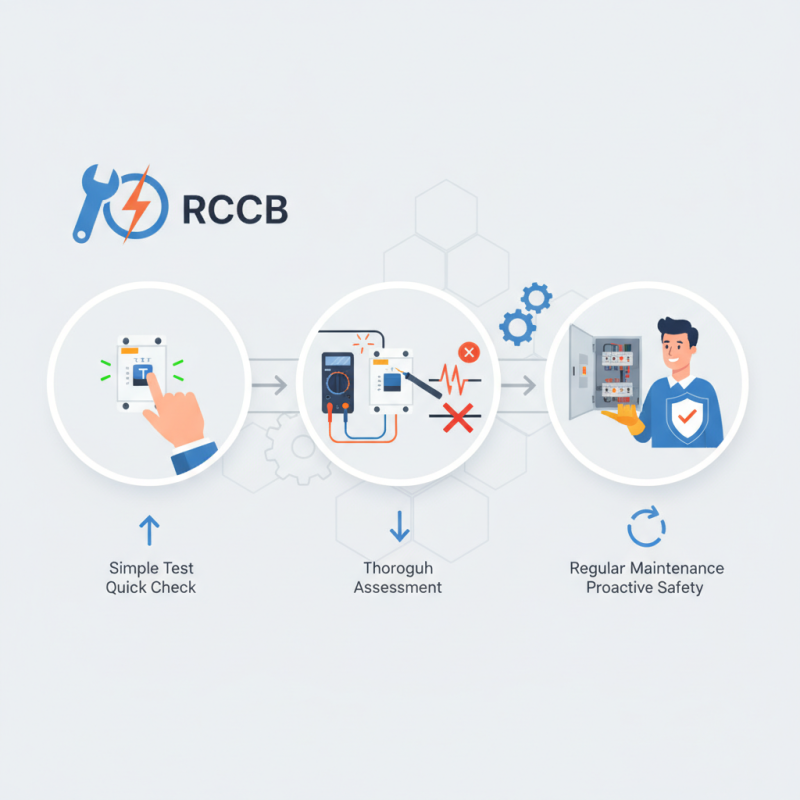
Regular testing of your RCCB can prevent accidents. Many users overlook the importance of these tests. A simple push of the test button can reveal fundamental issues. However, this test alone does not guarantee overall functionality. Other techniques should also be employed for a thorough assessment.
You may feel uncertain about these procedures. It’s normal to experience hesitation, especially with electrical equipment. Understanding how to approach these tests confidently is essential. This knowledge will empower you to maintain safety in your environment effectively. By learning how to check if an RCCB is operational, you take a proactive step toward ensuring protection for yourself and others.
An RCCB, or Residual Current Circuit Breaker, is a crucial safety device in electrical systems. It monitors the flow of electricity and detects any imbalances between live and neutral wires. This functionality helps prevent electrical shocks and fires. When an imbalance occurs, the RCCB disconnects the circuit quickly, protecting both appliances and users.
Understanding how an RCCB operates is important. It measures the current flowing in and out of a circuit. If the current flowing back to the source is less than what is coming in, the RCCB identifies a leakage. This could be due to faulty wiring or an appliance malfunction. Regular checks are essential for reliable performance, as aging devices may fail to trip when needed.
Testing an RCCB is straightforward. Most units have a test button. Pressing it simulates a fault, causing the RCCB to trip if functioning correctly. If it doesn’t trip, it may indicate a problem. This test should be done periodically. However, some users forget or misunderstand how to perform it properly, risking safety. Thus, regular maintenance and awareness are crucial for household electrical safety.
| Test Method | Description | Frequency | Outcome |
|---|---|---|---|
| Visual Inspection | Check for any physical damage or signs of wear on the RCCB. | Monthly | Ensure no external damage is visible. |
| Manual Test Button | Press the test button on the RCCB to mimic a fault condition. | Monthly | RCCB should trip, indicating proper functionality. |
| Current Measurement | Measure the current flowing through the device and ensure it is within specified limits. | Quarterly | Current readings should align with specifications. |
| Leakage Current Test | Utilize an earth leakage tester to determine if the RCCB can detect leakage currents accurately. | Annually | System should trip when leakage exceeds threshold. |
| Age and Replacement | Consider the age of the RCCB and knowledge of its operational history. | Every 5 years | Older units should be replaced regardless of test outcomes. |
: An RCCB is a safety device that monitors electricity flow in electrical systems.
It detects imbalances between live and neutral wires, disconnecting the circuit if a leakage is found.
Regular testing ensures it functions properly, preventing electrical shocks and fire hazards.
Press the test button on your RCCB. If it trips, it works; if not, it may be faulty.
It's important to test it periodically, but some users forget or misunderstand the process.
Look for discoloration, burn marks, or any unusual wear on the device.
An unreliable RCCB can lead to dangerous situations, increasing the risk of electrical accidents.
Yes, electrical systems can deteriorate over time, impacting the reliability of safety devices.
Inspect it, as it may need maintenance or replacement to ensure safety.
They help identify potential issues early, ensuring your electrical safety is not compromised.
To ensure the safety and functionality of electrical systems, it is crucial to understand how to test if an RCCB is working properly. An RCCB, or Residual Current Circuit Breaker, plays a vital role in preventing electrical shocks and protecting appliances from faults. Regular testing of an RCCB not only promotes safety but also helps identify potential issues before they escalate, ensuring the reliability of the electrical system.
The process of testing an RCCB involves a step-by-step procedure using a tester, alongside visual inspections for signs of wear and tear. Common indicators that suggest an RCCB may need repair or replacement include the inability to reset, tripping without a clear cause, or physical damage. By staying proactive with regular testing and inspections, users can maintain their RCCBs effectively, ensuring continued protection and functionality in their electrical systems.
