 Bowser Electric
Bowser Electric
Bowser Electric
Understanding why is my switch disconnector getting hot is crucial for electrical safety and equipment longevity. According to industry reports from the National Fire Protection Association, electrical malfunctions are a leading cause of fires. A hot switch disconnector may indicate excessive current flow or poor connection points. These issues not only reduce efficiency but also pose a significant safety risk.
Electrical equipment is designed to operate within specific limits. When a disconnector overheats, it may exceed these specifications. Data from the Institute of Electrical and Electronics Engineers reveals that nearly 30% of electrical failures stem from overheating components. Employers and facility managers must recognize this risk swiftly. Failing to address these concerns can result in operational downtime and costly repairs.
As we explore the reasons behind overheating disconnectors, it becomes clear that proactive measures are essential. Regular maintenance, proper load management, and quality components can mitigate risks. Understanding these factors will enhance safety and reliability. A heated disconnector is not just a minor inconvenience; it is a signal to act before more severe issues arise.
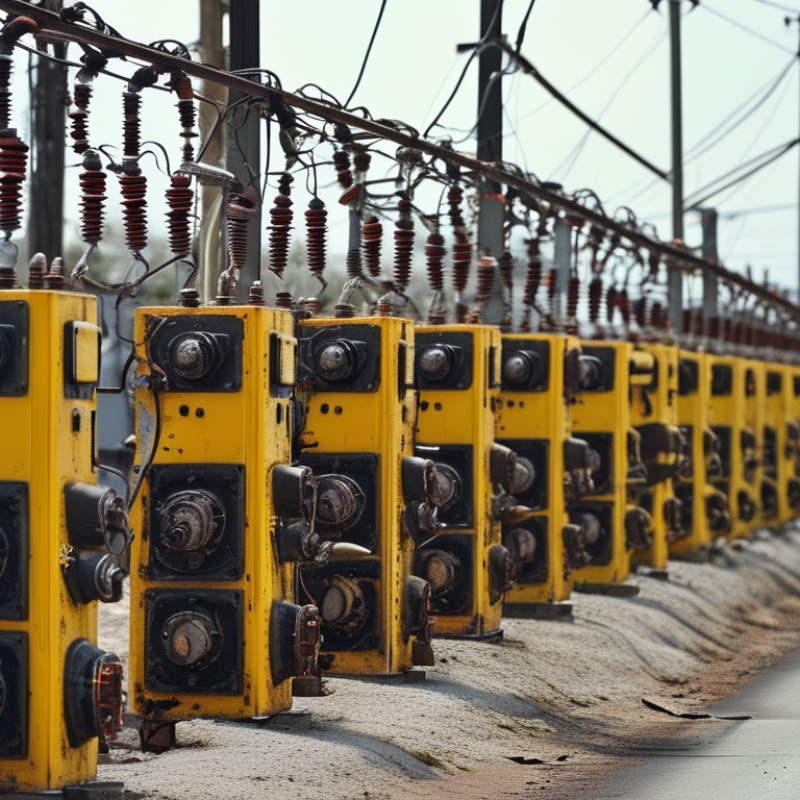
Switch disconnectors play a crucial role in electrical systems. They allow for safe disconnection of the power supply. This is essential during maintenance or emergencies. Understanding their functionality can help prevent overheating issues.
These devices typically consist of an actuator and contacts. When engaged, they cut off electrical flow to circuits. Over time, components can wear out, leading to inefficiency. Loose connections can also cause resistance, generating heat.
Regular inspections of the switch disconnector are vital. Look for signs of damage or wear in connections. Ensure proper installation, as incorrect positioning can lead to overheating. Pay attention to load capacity; exceeding it can create additional strain and generate heat. Awareness of these factors can enhance the safety and longevity of your electrical system.
: Common causes include inadequate ventilation, excessive current load, and loose connections.
Poor airflow can lead to heat buildup, increasing equipment damage risks by up to 40%.
Operating beyond the rated capacity can dramatically reduce the lifespan of the device.
Regularly inspect connections for tightness and corrosion to prevent hotspots.
Check for cracks or wear on the casing that may worsen overheating issues.
Upgrade if it consistently overheats, especially for critical applications requiring higher load ratings.
Dust and dirt can block airflow, trapping heat and causing overheating.
Clean often, tighten connections, inspect components, and log performance to identify issues.
Consult a professional if problems continue despite regular maintenance and monitoring.
Regularly dusting off the device can significantly improve airflow and prevent overheating.
If you're wondering "why is my switch disconnector getting hot," it's essential to understand both the basic functionality of switch disconnectors and the potential causes of overheating. Common issues leading to excessive heat include improper sizing for the electrical load and inadequate maintenance practices. Ensuring your switch disconnector is properly sized for the load it handles can prevent overheating and prolong its lifespan.
Regular maintenance is crucial to avoid overheating problems. This includes routine inspections and cleaning to ensure optimal operation. However, if you notice persistent heating despite taking these precautions, it might be a sign of more serious issues, and seeking professional help would be advisable. Addressing these concerns early can safeguard your electrical systems and enhance their efficiency.
