Bowser Electric
Understanding electrical safety is crucial in any setting. An RCCB, or Residual Current Circuit Breaker, plays a key role in preventing electric shocks and fires. But what happens when an RCCB fails to trip? This situation poses significant risks, including potential harm to individuals and damage to property.
The RCCB's main function is to detect electrical imbalances. When it fails, the consequences can be dire. For instance, it may allow continuous current flow even in unsafe conditions. In such cases, the risk of electrical shock increases, endangering anyone nearby. Additionally, prolonged exposure to faulty equipment can lead to electrical fires, which may devastate homes and businesses alike.
Recognizing these risks highlights the need for regular maintenance and testing of RCCBs. Understanding what happens when an RCCB fails to trip can lead to more informed safety practices. Awareness can help in taking preventive measures. Interventions such as routine checks are vital to ensure electrical systems are safe and reliable. Recognizing the potential for failure is the first step in mitigating risks.
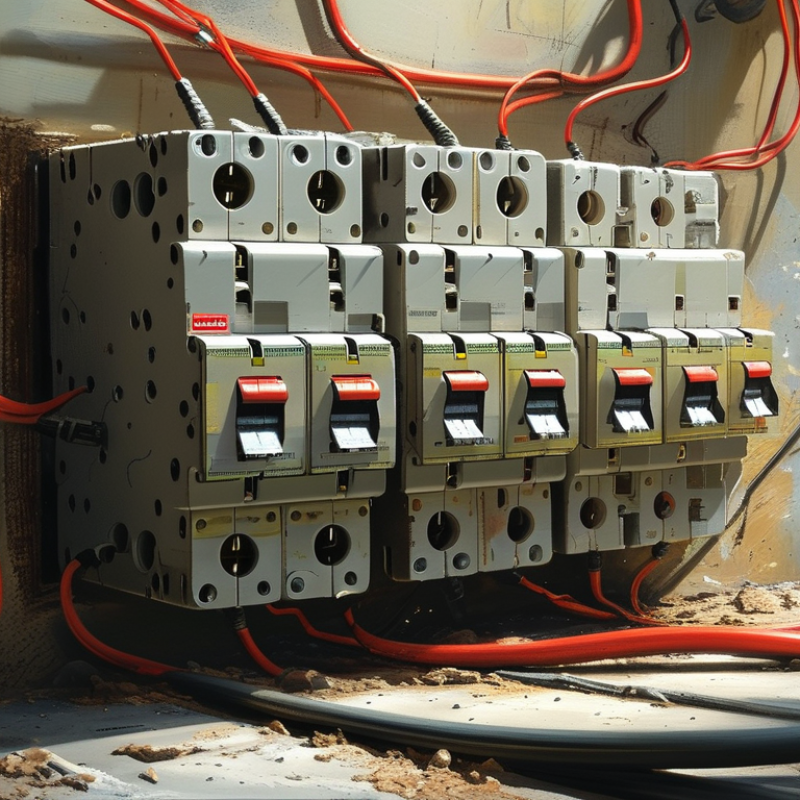
An RCCB, or Residual Current Circuit Breaker, plays a critical role in electrical safety. It monitors electrical currents and cuts off power if it detects an imbalance. This imbalance typically indicates a fault, such as a leakage current that could lead to electric shock or fire. By interrupting the circuit, an RCCB enhances protection against potential dangers.
When an RCCB fails to operate, it poses significant risks. Without this safety measure, faults can go undetected. Electric shocks may occur, endangering lives. Fires could start unnoticed, causing extensive damage. Regular testing of RCCBs is essential. Neglecting this practice can lead to failures when they are most needed.
Understanding the function of an RCCB is vital for maintaining safety in any electrical system. Users should seek professional advice on installation and maintenance. This knowledge empowers individuals to take proactive steps in safeguarding their environments. Maintaining electrical safety requires diligence and awareness. The stakes are high, as the consequences of inaction can be dire.
Residual Current Circuit Breakers (RCCBs) are vital for preventing electric shock and fire risks. However, there are instances when these devices fail to trip despite the presence of a fault. Understanding the common reasons behind this failure is crucial for maintaining safety in electrical systems.
One primary reason for RCCB failure is inadequate maintenance. A report from the Electrical Safety Foundation International indicates that improper testing can lead to undetected faults. Many users neglect regular testing, which should occur every six months. Additionally, environmental factors can play a role, such as moisture and dirt accumulation. These factors can compromise the performance of the RCCB, making it prone to failure.
Other contributing factors include electrical overloads and circuit complexities. In systems where multiple paths for current flow exist, the RCCB may not detect the imbalance needed to trip. Moreover, outdated technology can be a concern. The National Fire Protection Association notes that an overwhelming number of older devices do not perform as effectively as newer models. Users must reflect on their systems and ensure they stay updated to avoid these risks. Ignoring such details could lead to serious accidents, highlighting the importance of vigilance and proactive measures.
RCCBs, or Residual Current Circuit Breakers, play a crucial role in electrical safety. Their primary function is to detect imbalances in electrical currents. When they fail to trip, the risks can escalate quickly. An RCCB malfunction could lead to electrical shocks or even fires. People using faulty devices may not realize the danger until it’s too late.
A malfunctioning RCCB can leave individuals vulnerable. Without proper disconnection, human safety is compromised. For instance, a person working on an appliance may not feel the immediate threat if the RCCB bypasses a fault. Hidden dangers lurk behind every electrical connection. If the device does not trip, the odds of severe injury or property damage increase significantly.
Regular testing of RCCBs is essential for ensuring safety. Homeowners often overlook these devices, leading to complacency. Signs of malfunction may include unusual noises or inconsistent circuit performance. Carrying out self-checks can prevent unforeseen disasters. Ignoring these indicators can result in devastating consequences, reminding us that electrical safety requires ongoing attention.
| Risk Factor | Description | Potential Consequences | Mitigation Strategies |
|---|---|---|---|
| Electric Shock | Failure to trip can expose personnel to live electrical parts. | Severe injury or fatality from electric shock. | Regular testing and maintenance of RCCBs. |
| Fire Hazard | Electrical faults can lead to overheating and igniting surrounding materials. | Property damage and risk to life due to fire. | Install smoke detectors and fire alarm systems. |
| Equipment Damage | Continued operation despite faults can damage appliances. | Loss of equipment and increased repair costs. | Periodic inspection of electrical systems. |
| System Failure | Failure to trip can lead to total system outages. | Disruption of business operations. | Implement a backup power system. |
RCCBs, or Residual Current Circuit Breakers, are critical in preventing electrical shocks and fires. These devices detect imbalances in electrical current and disconnect power to protect users. However, a failure to trip poses significant risks. An RCCB may not trip due to insulation degradation, internal faults, or poor installation. This malfunction can lead to severe injuries or even fatalities in residential and industrial environments.
Statistical data reveals the alarming impact of RCCB failures. When RCCBs fail, the likelihood of electrical incidents rises dramatically. Reports indicate that nearly 30% of electrical accidents occur in settings where RCCBs are improperly maintained. The absence of proactive maintenance often results in tragic outcomes. Many users remain unaware of the need to regularly test their RCCBs. This negligence can be costly, both in terms of human lives and financial losses.
Inadequate education on RCCB functionality contributes to these failures. Users frequently underestimate the importance of regular inspections. While some may believe that devices work indefinitely, this assumption is dangerous. Investing in training and awareness can mitigate risks. Awareness of RCCB maintenance practices is essential for safety. Modern technology provides tools to monitor these devices remotely, reducing potential hazards.
Regular maintenance of Residual Current Circuit Breakers (RCCBs) is crucial for safety. These devices protect against electrical shocks and prevent fire hazards. When RCCBs fail to trip, the risk of electric shock increases. This can lead to severe injuries or even fatalities.
To prevent RCCB failures, periodic testing is essential. Users should conduct monthly tests using the test button on the device. If the RCCB does not trip, it's a clear warning sign. It’s important to check connections and look for signs of wear and tear. Proper installation by a qualified electrician can greatly reduce risks.
Keep an eye on the environment where the RCCB operates. High humidity or dust can interfere with its functionality. Ensure that the RCCB remains free from obstructions. Regular inspections can catch potential issues before they become serious problems. Even a small oversight can lead to significant safety hazards.
: An RCCB is a Residual Current Circuit Breaker that prevents electric shock and fire risks.
Failure can occur due to inadequate maintenance or improper testing done by users.
Regular testing should occur every six months to ensure proper functionality.
Moisture and dirt accumulation can compromise an RCCB's performance and lead to failure.
If it fails, risks like electrical shocks and fires increase significantly.
Yes, multiple current paths can prevent the RCCB from detecting necessary imbalances to trip.
Outdated technology may not be as effective, increasing safety risks in electrical systems.
Unusual noises or inconsistent circuit performance can indicate potential malfunctions.
Ignoring maintenance can lead to undetected faults, increasing the risk of accidents.
Users should carry out self-checks and seek professional help to avoid disasters.
An RCCB (Residual Current Circuit Breaker) plays a crucial role in electrical safety by disconnecting the circuit when it detects an imbalance in electrical current, thus preventing electric shocks and potential fires. However, understanding what happens when an RCCB fails to trip is vital for ensuring safety. Common reasons for RCCB failures include faults in wiring, mechanical wear and tear, or environmental factors that may hinder its operation. The potential risks associated with such malfunctions can lead to significant electrical incidents, including severe injuries or property damage.
Statistically, RCCB failures can greatly impact the frequency of electrical accidents, highlighting the importance of routine maintenance and testing. Best practices to prevent these failures include regular inspections, ensuring appropriate installation, and replacing aging devices. By adhering to these guidelines, individuals can enhance their electrical safety and mitigate the risks associated with RCCB malfunctions.
