Bowser Electric
When you find yourself asking, "why is my RCBO tripping randomly at night," it can be perplexing. This issue often arises without warning and may leave homeowners feeling frustrated. Understanding the underlying reasons is crucial for addressing these nighttime interruptions effectively.
Electrical systems can behave unpredictably. Nighttime tripping may be due to various factors, including increased usage of appliances or lighting. In some cases, the sudden demand on the circuit can cause the RCBO to trip. Moisture or humidity can also play a significant role, particularly in outdoor areas or basements. Identifying these patterns requires careful observation.
If your RCBO continues to trip, it might indicate wiring issues or faulty devices. A professional inspection can provide clarity. Keep in mind, a simple frayed wire or an overloaded circuit may lead to ongoing inconveniences. Assessing your electrical setup with a qualified electrician enhances safety and reliability. Don't ignore these disruptions; they may point to underlying problems that need attention.
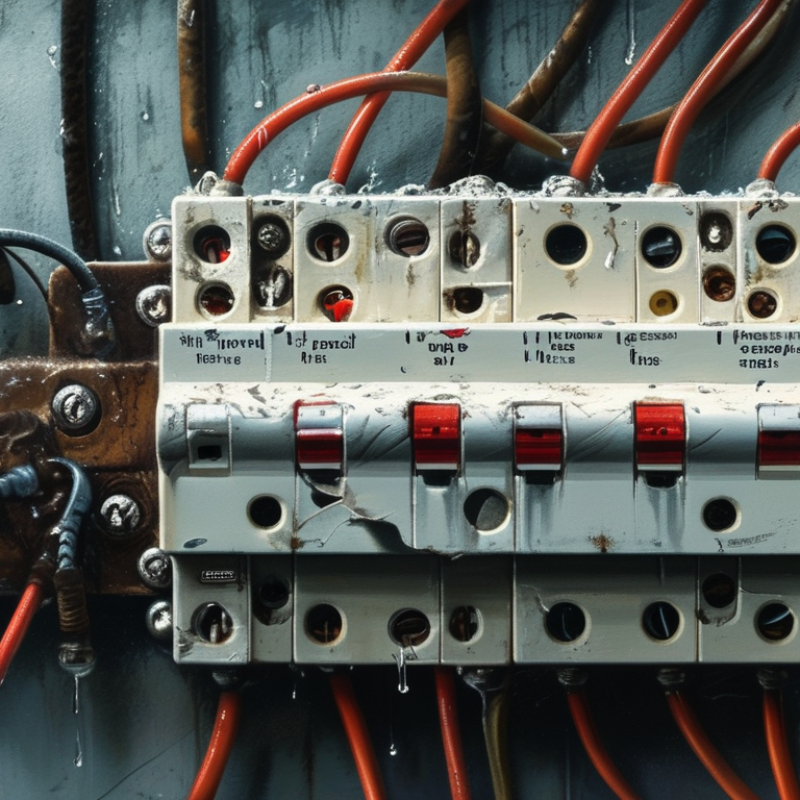
RCBOs, or Residual Current Breaker with Overload protection, are critical components in modern electrical systems. They play a vital role in ensuring circuit safety by detecting imbalances in electrical currents. When an imbalance occurs, whether due to a fault or an overload, the RCBO trips, cutting off the electrical supply. This mechanism prevents potential hazards like electrical shocks or fires, highlighting the RCBO’s importance in protecting both property and lives.
When an RCBO keeps tripping at night, it can be perplexing. Common reasons include moisture, temperature changes, or even minor faults in appliances. Nighttime use patterns may also mean more devices are active, pushing the circuit limit. Regular maintenance can reveal hidden issues. Check for old wiring or damaged appliances. Even small frays can create significant problems. Ensuring that your RCBO is appropriately rated for your home’s needs can also avoid unnecessary tripping.
A reliable electrician can help diagnose recurring issues. It’s essential to take these alerts seriously. Ignoring frequent trips might lead to more significant issues down the line. Understanding your RCBO’s function empowers you to maintain a safer electrical environment.
Nighttime tripping of your RCBO can be perplexing. Various factors might contribute to this issue. Common causes include moisture, temperature changes, and electrical surges. At night, environmental conditions can shift, affecting your circuits.
Moisture can accumulate in wiring or connectors. This is often unnoticed. High humidity or sudden temperature drops may lead to condensation. When moisture interacts with electrical components, it may cause a trip. Regular inspection of your electrical systems is crucial.
Look out for loose connections. Over time, wires may become loose or frayed. These issues can lead to arcing and increased resistance, triggering an RCBO trip. Ensure that all connections are tight.
Here are some tips to consider:
- Inspect your home for signs of dampness. Use a dehumidifier if necessary.
- Keep an eye on any outdoor lights or appliances that turn on at night.
- If problems persist, consult a qualified electrician for a thorough examination.
Understanding the underlying reasons can help you address this nighttime nuisance effectively.
RCBOs, or Residual Current Circuit Breakers with Overcurrent protection, are designed to enhance safety. They trip to prevent electric shocks and fires. If your RCBO trips at night, environmental factors might be at play. These factors could include changes in temperature and humidity that affect electrical components.
High humidity can lead to moisture accumulation. This moisture may cause short circuits or ground faults. Additionally, temperature fluctuations can impact the wiring and connections. Poor insulation can become more problematic in colder conditions, leading to unexpected tripping. Shadows from outdoor lights or equipment might also interfere with the circuit, causing it to trip during nighttime hours.
Tip: Regular inspections of electrical connections can help prevent these issues. Ensure that there is no visible wear on wires and connections. Consider investing in moisture barriers if your environment is naturally damp. Proper insulation may also mitigate some of the temperature-related issues that contribute to frequent tripping.
Electrical load variations can significantly impact Residual Current Circuit Breakers (RCBOs), often causing tripping issues during the night. At night, many households experience a shift in power consumption. Appliances like heaters or water pumps may interact with existing electrical loads, creating fluctuations. Reports suggest that improper load balancing can increase the risk of nuisance tripping, particularly when combined with unmonitored devices.
Overloading circuits can also lead to unexpected trips. For instance, in settings with shared circuits, additional nighttime usage can push the limits of devices, particularly when equipment draws more current than rated. A study by the National Fire Protection Association indicates that up to 23% of reported electrical issues stem from overload situations. This underlines the importance of monitoring electric load patterns.
Tip: Conduct routine checks on your electrical systems. Pay attention to which devices are in use at night. Consider using energy-efficient appliances to spread the load more evenly. Another useful tip is to establish a fixed schedule for high-consumption devices, reducing their use during peak hours to minimize risk.
When your Residual Current Breaker with Overload (RCBO) trips at night, it can be frustrating. Understanding the causes can help you troubleshoot effectively. One common reason is the moisture accumulation in circuits during cooler evening hours. Humidity can lead to unexpected tripping.
Tips: Inspect outdoor cables and junction boxes for signs of water ingress. Ensure that these areas are well-sealed.
Another reason may be overloaded circuits. Check if multiple heavy appliances are running simultaneously at night. This increased load can push your RCBO to its limits. Sometimes, wiring issues may also cause intermittent faults, leading to tripping.
Tips: Rotate the usage of appliances. Limit the number of high-power devices operating at the same time. Regularly check for any obvious signs of damage in your wiring, such as frayed insulation or burnt connectors.
Persistent issues with your RCBO require deeper inspection. It may indicate an underlying electrical problem. Consider consulting a qualified electrician for a thorough evaluation, especially if the tripping continues. Regular maintenance of your electrical systems is crucial for safety.
: Common causes include moisture, temperature changes, and electrical surges impacting your circuits.
Moisture accumulation in wiring can lead to unexpected tripping due to condensation interacting with electrical components.
Look for loose connections, frayed wires, and ensure all connections are tight to prevent arcing.
Nighttime power consumption increases, and overloaded circuits may lead to unexpected trips due to improper load balancing.
Conduct routine checks on your electrical systems. Use energy-efficient appliances to balance the load.
Yes, watch outdoor lights or appliances turning on at night, as they may contribute to tripping issues.
If tripping persists despite troubleshooting, consult an electrician for a thorough examination of your electrical systems.
High humidity can cause moisture to accumulate, creating conditions for circuits to trip unexpectedly.
Yes, additional nighttime usage on shared circuits can exceed device ratings without clear signs until tripping occurs.
Regular maintenance helps catch potential issues early, ensuring safety and efficient operation of electrical systems.
The article "Why Does My RCBO Keep Tripping at Night Unexplained Issues?" delves into the functionality and importance of Residual Current Circuit Breakers (RCBOs) in ensuring circuit safety. It addresses the question of "why is my rcbo tripping randomly at night" by identifying common causes that lead to nighttime tripping. Factors such as environmental conditions, temperature fluctuations, and increased dampness can significantly affect the performance of RCBOs.
Additionally, the piece analyzes how variations in electrical load during the night can contribute to unwanted tripping. By understanding these factors, the article provides practical troubleshooting steps to help users identify and prevent ongoing RCBO tripping issues. Ultimately, it aims to empower readers with knowledge to maintain their electrical systems safely and effectively.
