Bowser Electric Bowser Electric

Can I Use an RCBO Instead of an MCB for My Project?

Time:2026-06-27 Author:Henry
0%

When considering the question, "can I use an RCBO instead of an MCB?", it's essential to grasp the distinct roles these devices play in electrical protection. A recent report by the Electrical Safety Foundation highlights that improper use of circuit protection devices can lead to equipment failure and safety hazards. Bob Johnston, a renowned electrical engineer, emphasizes, “Choosing the right device is crucial for system reliability.”

RCBOs (Residual Current Circuit Breakers with Overload protection) combine functions of both residual current devices and miniature circuit breakers. In contrast, MCBs (Miniature Circuit Breakers) primarily safeguard against overcurrent. This means that while an RCBO can replace an MCB, it typically offers added protection against earth faults. Data from industry surveys show that around 30% of electrical failures arise due to inadequate protection, indicating the importance of making informed choices.

The decision to substitute an RCBO for an MCB isn't straightforward. Installation specifics, project requirements, and safety considerations all play pivotal roles. Many professionals advise taking a cautious approach. Some projects may benefit from the extra protection offered by RCBOs, while others might not require such reliability. Overall, understanding the nuances of each device is vital for achieving both efficiency and safety in electrical systems.
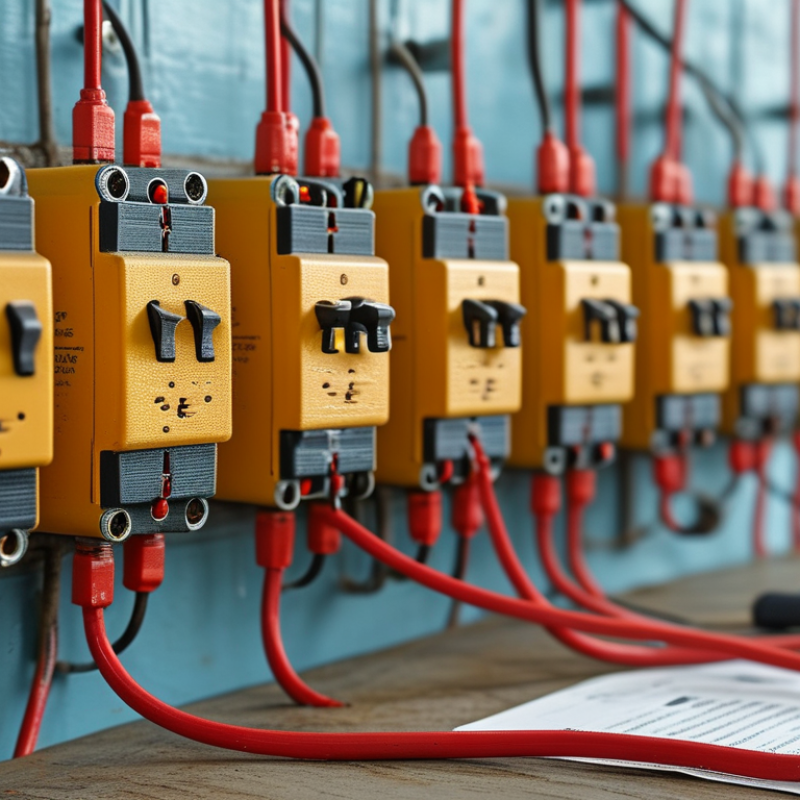
Can I Use an RCBO Instead of an MCB for My Project?

Understanding the Roles of RCBO and MCB in Electrical Systems

When working on electrical systems, understanding the roles of RCBOs and MCBs is crucial. An MCB, or Miniature Circuit Breaker, protects against overloads and short circuits. It automatically disconnects the circuit when there's excessive current. This helps prevent overheating and potential fires.

In contrast, an RCBO, or Residual Current Circuit Breaker with Overcurrent protection, combines the functions of an MCB and an RCD. It protects against both overcurrent and earth faults, which can reduce the risk of electric shocks. For projects where safety is paramount, opt for an RCBO. It adds an extra layer of protection.

Tip: Always consider the specific requirements of your project. Not every situation needs an RCBO. In low-risk areas, an MCB might suffice.

When selecting devices, reflect on the environment. Wet areas, like kitchens or bathrooms, can benefit from RCBOs. Regularly test your devices to ensure they function correctly.

Tip: Don't overlook the importance of installation. Properly installing these devices can make a significant difference in their performance and effectiveness.

Comparison of RCBO and MCB Performance in Electrical Systems

This chart compares the fault protection ratings and tripping times of RCBOs and MCBs, demonstrating their essential roles in electrical systems.

Key Differences Between RCBOs and MCBs

When considering electrical protection, understanding the differences between RCBOs (Residual Current Breaker with Overload protection) and MCBs (Miniature Circuit Breakers) is crucial. RCBOs combine both overcurrent protection and earth fault detection. This dual function can enhance safety in residential and commercial projects. According to the Electrical Safety Foundation International, electrical failures contribute to thousands of fires annually. An RCBO can help mitigate this risk more effectively than an MCB alone.

In contrast, MCBs provide solely overcurrent protection. While they are sufficient for many applications, they do not detect earth faults. As a result, using an MCB may leave systems vulnerable. The International Electrotechnical Commission reports that approximately 70% of electrical incidents could be avoided with proper safety devices. The choice between these devices often comes down to the level of safety required for the specific project.

Additionally, RCBOs tend to be more expensive than MCBs. However, the potential cost of electrical failures can outweigh initial savings. It is important for professionals to reflect on the safety requirements of their projects. With evolving standards and increasing electrical loads, relying solely on MCBs may not be the best approach in every scenario. Each device has its advantages and limitations, influencing the overall safety strategy of any electrical installation.

Benefits of Using an RCBO Over an MCB

When considering electrical safety, choosing between an RCBO (Residual Current Circuit Breaker with Overcurrent protection) and an MCB (Miniature Circuit Breaker) can be crucial. An RCBO combines two protective functions. It offers both current overload and earth fault protection. This dual function can prevent more serious electrical hazards, ensuring a safer environment for users and equipment.

The benefits of using an RCBO are clear. According to industry reports, electrical fires account for 23% of all reported fires. Most of these incidents arise from faulty wiring or overloads. By utilizing an RCBO, one can significantly reduce the risk of these hazards. Additionally, an RCBO provides individual circuit protection. This means if one circuit trips, other circuits remain unaffected. This feature is particularly valuable in complex installations where reliability is paramount.

In terms of cost, RCBOs may have a higher upfront investment compared to MCBs. However, their enhanced safety features can ultimately lead to cost savings. A study by the Electrical Safety Foundation International found that properties equipped with RCBOs experience 40% fewer electrical failure incidents. Investing in an RCBO could prove to be more economical long-term, despite initial perceptions.

Potential Downsides of Replacing MCBs with RCBOs

When considering whether to use an RCBO instead of an MCB, several potential downsides arise. RCBOs, or Residual Current Circuit Breakers with Overcurrent protection, combine two functions. They offer both overload protection and earth fault detection. However, this dual functionality serves as a double-edged sword.

RCBOs can be more complex to install and maintain. With additional components, the chance for malfunction or wiring issues increases. Incorrect wiring could lead to unexpected trips or even safety hazards. Additionally, their sensitivity can trigger nuisance trips more frequently than MCBs, especially in environments with high electrical noise. This may frustrate users, leading to unnecessary downtime.

Cost is another factor that shouldn't be overlooked. RCBOs are typically more expensive than MCBs. For large projects, these costs accumulate quickly. Budget constraints could push you back to MCBs. If your project allows for it, careful consideration of your electrical requirements is essential. Using RCBOs isn’t always the best choice; understanding their limitations can save headaches later.

Considerations for Choosing Between RCBO and MCB for Your Project

When choosing between an RCBO (Residual Current Circuit Breaker with Overcurrent Protection) and an MCB (Miniature Circuit Breaker), consider the project requirements carefully. An RCBO offers dual protection. It safeguards against overloads and earth faults. Meanwhile, an MCB only protects against overloads. This difference is crucial when safety is a priority.

Data from the Electrical Safety Council indicates that more than 60% of electrical fires arise from circuit overloads. An RCBO can mitigate this risk effectively, offering peace of mind in residential projects. Additionally, it reduces the risk of electric shocks. If your project involves sensitive electronics or outdoor installations, an RCBO may be the best choice.

Tips: Always evaluate the potential hazards of your project. Consider the environment and the devices used. An MCB might be adequate for low-risk areas. However, high-risk settings typically necessitate the additional protection an RCBO provides. Reflecting on the potential long-term safety implications can guide your decision. Don't overlook the importance of consulting a qualified electrician. Their expertise can further clarify your choice.

FAQS

: What is the main purpose of an MCB?

: An MCB protects against overloads and short circuits. It disconnects circuits when excessive current occurs.

How does an RCBO differ from an MCB?

An RCBO offers dual protection for both overcurrent and earth faults. An MCB only guards against overcurrent.

When should I choose an RCBO over an MCB?

Opt for an RCBO in high-risk areas. It ensures enhanced safety, especially with sensitive electronics or outdoor projects.

Are RCBOs more expensive than MCBs?

Yes, RCBOs typically cost more. However, their added protection could save you from potential electrical failures.

How often should I test my electrical devices?

Regular testing is crucial. It ensures your devices function correctly and prevents potential hazards.

Can an MCB leave my system vulnerable?

Yes, MCBs do not detect earth faults. Using only an MCB may expose systems to certain risks.

What should I reflect on when selecting protection devices?

Assess the environment and potential hazards. High-risk areas usually need the added safety of an RCBO.

Is proper installation important for electrical devices?

Absolutely, correct installation impacts device performance. Neglecting this can lead to safety risks.

What percentage of electrical fires arise from overloads?

Data suggests more than 60% of electrical fires are due to circuit overloads. This highlights the need for effective protection.

Should I consult an electrician when making my choice?

Yes, a qualified electrician can provide valuable insights. Their expertise can help clarify the best option for your situation.

Conclusion

When considering whether "can I use an RCBO instead of an MCB" for your electrical project, it is essential to understand the distinct roles that each device plays within a system. RCBOs (Residual Current Circuit Breakers with Overcurrent protection) provide enhanced safety by combining the functionalities of RCDs (Residual Current Devices) and MCBs (Miniature Circuit Breakers), protecting against both overloads and earth faults. This dual functionality can offer significant benefits, particularly in residential and commercial settings.

However, using an RCBO in place of an MCB comes with potential downsides, such as increased costs and the need for more space in distribution boards. Therefore, careful consideration of the specific requirements of your project, such as load types and safety requirements, must be taken into account before making a decision. Ultimately, the choice between an RCBO and an MCB should align with the overall safety and functionality needs of your electrical system.

Henry

Henry

Henry is a dedicated marketing professional with a profound expertise in the company's offerings. With years of experience in the industry, he possesses an impressive understanding of the market dynamics and consumer behaviors that drive success. Henry is committed to sharing his insights through......