Bowser Electric Bowser Electric

How to Properly Size an MCB for Your Air Conditioner?

Time:2026-07-03 Author:Ethan
0%

When it comes to how to size an MCB for an air conditioner, industry expert John Smith emphasizes, “Getting the right size is crucial for safety and efficiency.” Air conditioning units require specific circuit breakers to operate safely and effectively. Choosing the wrong size can lead to overheating or inadequate protection against short circuits.

Correctly sizing an MCB ensures that the air conditioner functions without interruptions or damages. An undersized breaker may trip frequently, causing discomfort in hot weather. On the other hand, an oversized MCB might not trip during faults, posing serious risks.

Understanding the appropriate amperage is essential. Factors such as the air conditioner's rated current and starting current must be considered. Each unit has unique specifications, and overlooking these details can lead to performance issues. Reflecting on the sizing process can help prevent costly mistakes in the long run.
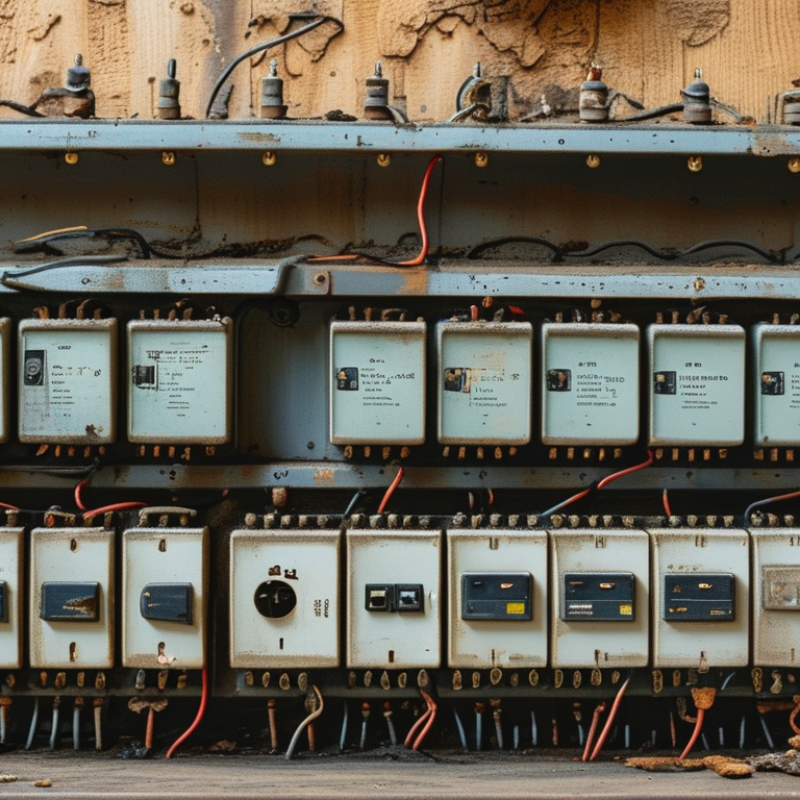
How to Properly Size an MCB for Your Air Conditioner?

Understanding the Role of MCBs in Air Conditioner Systems

Miniature Circuit Breakers (MCBs) play a crucial role in the safety and performance of air conditioning systems. These devices protect against overloads and short circuits. Properly sizing an MCB is essential to ensure that it can handle the air conditioner's electrical load without tripping unnecessarily. An undersized MCB may trip frequently, while an oversized one may fail to protect the system adequately.

When determining the right size for an MCB, consider the air conditioner's specifications. Its voltage and current ratings are fundamental. Look for the unit's Full Load Current (FLC) in the manual. The MCB should generally be rated above this FLC but within a safe limit. This might require some calculation and reference to tables. Consulting with a professional can lead to better outcomes. Many people overlook this step, resulting in inefficiencies.

Ignoring the environmental factors can lead to poor performance. High ambient temperatures might require larger MCB ratings. Installation location can also impact the MCB’s effectiveness. After installation, monitoring is necessary to ensure continued efficiency. Frequent trips could signal a mismatch in sizing or other underlying issues. Always seek advice from knowledgeable personnel when in doubt.

How to Properly Size an MCB for Your Air Conditioner?

Air Conditioner Type Cooling Capacity (BTU/h) Recommended MCB Rating (A) Voltage (V)
Window AC 12000 16 230
Split AC 18000 20 230
Central AC 24000 25 400
Portable AC 8000 10 115

Determining the Electrical Load Requirements for Your Air Conditioner

When sizing a Miniature Circuit Breaker (MCB) for your air conditioner, it's crucial to understand its electrical load requirements. An air conditioner's load is measured in amperes and is often listed on the unit itself. Multiply the voltage by the current to get the wattage. This calculation helps determine the proper MCB rating. For example, an AC rated at 1500W and 230V would draw approximately 6.5A. Thus, a 10A MCB would be suitable to handle this load.

Consider the starting current of the air conditioner. This can be significantly higher than the running current. Most units have a startup surge that may require an MCB with a higher rating. If you're unsure about these values, professional advice is recommended. Incorrect sizing can lead to frequent tripping or worse, a fire hazard. Reflecting on your knowledge of electrical loads is important. Always cross-check calculations. Potential miscalculations can result in either overloading or under-utilizing the circuit. Keeping safety a priority is essential when selecting your MCB.

Calculating the Appropriate MCB Rating for Safe Operation

When sizing an MCB for your air conditioner, the first step is understanding its power requirements. Calculate the device's wattage by checking the user manual or the label. Divide this number by the voltage supply to find the current in amperes. This simple calculation often guides you, but remember, it's not always exact. Variations in electrical supply can affect performance.

Next, consider the starting current. Air conditioners typically draw more current during startup than when running. This surge can last for a few seconds. As a result, the MCB's rating should accommodate this. Select a circuit breaker with a higher rating than your calculated running current, allowing for these variations. A 1.5 to 2 times multiplier is often recommended for startup current.

Finally, don’t overlook environmental factors like temperature or humidity. These can influence the MCB’s performance. Always err on the side of caution when choosing ratings. Sometimes, electrical factors can be unpredictable. Conduct regular checks and consult professionals if unsure. Trusting your calculations is important but remain aware of potential inconsistencies.

Choosing the Right Type of MCB for Your Air Conditioner

Choosing the right type of MCB for your air conditioner is crucial. Miniature Circuit Breakers (MCBs) protect electrical circuits from overloads and short circuits. They come in various types based on their characteristics, such as type B, C, and D. Each type serves different applications. For typical air conditioning units, a type C MCB is often recommended due to its moderate delay in trip time. This allows for brief surges of current with no disruption.

Understanding the load and amperage of your air conditioner is essential. It’s important to consider both starting and running currents. Many people underestimate the initial surge when the compressor starts. This surge can exceed the normal operating current. Therefore, a properly rated type C MCB can handle this surge effectively. Choosing an undersized MCB can lead to frequent tripping, causing inconvenience. However, an oversized MCB may not protect your unit from a fault condition.

Installing the correct MCB also requires professional insight. An expert can assess the installation to ensure safety and efficiency. Many homeowners overlook this step. They might choose an MCB based solely on price or availability. This can lead to expensive repairs down the line. Remember, proper sizing is not just a matter of choice. It’s an investment in the longevity of your air conditioning system.

MCB Sizing for Air Conditioners

This chart demonstrates the recommended MCB ratings for different air conditioner sizes. Properly sizing your MCB ensures safety and efficiency in your electric installation.

Installation Best Practices for MCBs in Air Conditioning Units

When installing Miniature Circuit Breakers (MCBs) for air conditioning units, proper practices are crucial. The MCB needs to match the air conditioner's amperage to prevent overload. This step is often overlooked, leading to potential failures. Consider the manufacturer's specifications to determine the right size. It may be tempting to choose a larger MCB for added safety, but this can reduce effectiveness.

Positioning the MCB is another vital aspect. Place it close to the air conditioning unit. This minimizes the length of wire needed and reduces energy loss. Ensure the installation area is dry and free of moisture. Also, keep it accessible for future maintenance. Incorrect positioning can lead to difficult troubleshooting and delays in service.

Lastly, consult a qualified electrician for installation. Professional insight can make a significant difference. While DIY solutions seem cost-effective, mistakes are common and can be costly. By ensuring correct sizing and installation, you enhance the unit's reliability and lifespan.

FAQS

: How do I calculate the current for my air conditioner?

: Check the wattage from the manual or label. Divide it by the voltage supply to find the current.

Why is the startup current important?

Air conditioners draw more power initially. This surge lasts for seconds and must be accounted for in MCB ratings.

What MCB rating should I choose?

Select a rating higher than the running current. A multiplier of 1.5 to 2 times is recommended for startups.

How do environmental factors affect MCB performance?

Temperature and humidity can influence operation. Always consider these factors when selecting an MCB.

What type of MCB is suitable for air conditioners?

A type C MCB is ideal. It has a moderate trip time for brief current surges without disruptions.

Why is it important to understand the load and amperage?

Initial surge currents can be underestimated. Proper understanding prevents frequent tripping and protects the unit.

How can I ensure safe installation of an MCB?

Consult a professional for installation. Many overlook this but it’s vital for safety and system efficiency.

What happens if I choose an undersized MCB?

An undersized MCB leads to frequent tripping, causing inconvenience and potential damage to your air conditioner.

Can an oversized MCB be harmful?

Yes, an oversized MCB may not provide adequate fault protection, risking damage to the system during malfunctions.

Why is proper sizing of an MCB an investment?

Correct sizing ensures the longevity of your air conditioner, preventing costly repairs from improper ratings or choices.

Conclusion

In understanding how to size an MCB for an air conditioner, it’s crucial to recognize the significance of MCBs in protecting the electrical circuits of HVAC systems. First, one must determine the electrical load requirements of the air conditioner, which involves assessing both the starting and running amps. Accurate calculations of the appropriate MCB rating ensure safe operation and prevent potential overloading.

Furthermore, selecting the right type of MCB is essential, as it should be compatible with the air conditioner's power specifications and installation environment. Adhering to best practices during the installation of MCBs enhances the reliability and efficiency of the air conditioning unit, ultimately ensuring a safer and more effective operation. By following these guidelines, individuals can effectively learn how to size an MCB for an air conditioner, promoting optimal performance and safety.

Ethan

Ethan

Ethan is a seasoned marketing professional with a deep expertise in our company's innovative product line. With a passion for sharing knowledge and insights, he takes the lead in regularly updating our corporate blog, where he explores industry trends, product features, and effective marketing......