Bowser Electric Bowser Electric

Why Do I Need an AFDD If I Have an RCBO?

Time:2026-07-27 Author:Oliver
0%

In the world of electrical safety, the question "why do I need an AFDD if I have an RCBO" often arises. Anthony Smith, an electrical safety expert, recently stated, “Understanding these devices can prevent serious incidents.” Both AFDDs (Arc Fault Detection Devices) and RCBOs (Residual Current Circuit Breakers with Overcurrent Protection) serve critical roles in preventing electrical hazards.

RCBOs protect against overloads and earth faults. They are essential for any modern electrical installation. However, they cannot detect arc faults, which are a leading cause of electrical fires. This is where AFDDs come into play. They provide an extra layer of protection, specifically targeting arc faults that RCBOs miss.

As homeowners prioritize safety, the interplay of these devices becomes crucial. Some might question the necessity of an AFDD. In truth, while an RCBO offers significant protection, the added security of an AFDD can make all the difference. Electrical safety isn’t just about compliance; it’s about safeguarding lives and property. Understanding both devices is vital for comprehensive protection against electrical hazards.
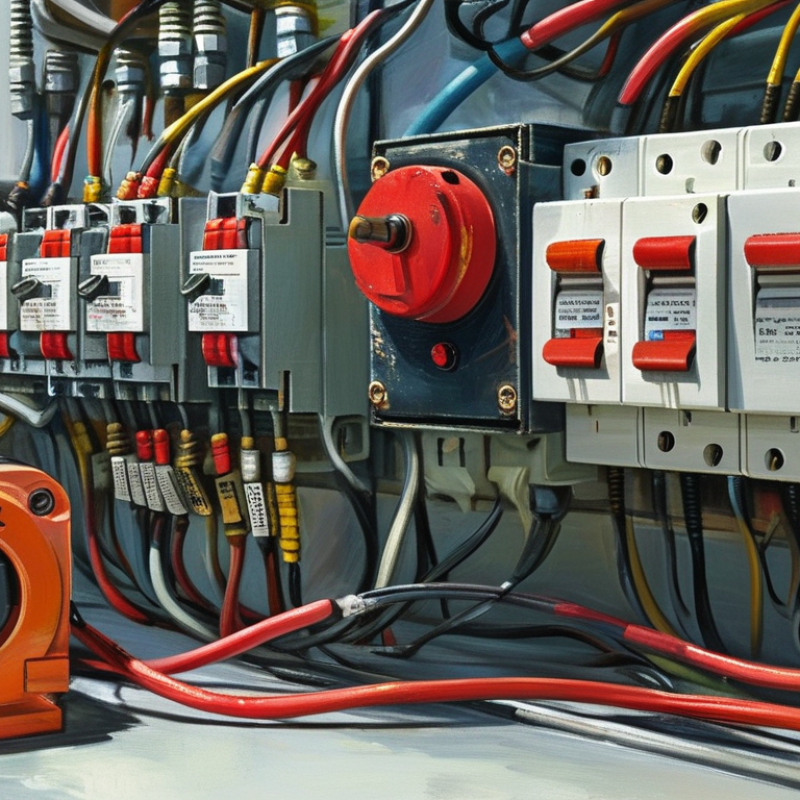
Why Do I Need an AFDD If I Have an RCBO?

Understanding AFDDs and RCBOs: Definitions and Functions

AFDDs, or Arc Fault Detection Devices, and RCBOs, or Residual Current Circuit Breakers, serve different roles in electrical safety. An AFDD detects arc faults that could lead to fires. These faults occur when there is a poor connection or damaged wiring. It actively monitors the electrical flow, offering protection beyond what traditional circuit breakers can provide.

On the other hand, RCBOs combine the functions of a circuit breaker and an RCD. They protect against overloads and short circuits while also sensing earth leakage. This makes them crucial for preventing electrical shocks. However, they won't specifically detect arc faults. This is a significant gap that AFDDs fill. Many people assume an RCBO is sufficient, but unexpected arc faults can still pose risks.

Many homes rely solely on RCBOs, thinking they cover all bases. This is a common oversight. In reality, without AFDDs, homes are left vulnerable to fire hazards. Ensuring comprehensive electrical safety can save lives and property. Therefore, while RCBOs are essential, integrating AFDDs into your electrical system enhances protection. It's worth reevaluating your current setup to include these crucial devices.

The Role of AFDDs in Fire Prevention and Safety Measures

AFDDs, or Arc Fault Detection Devices, play a crucial role in enhancing fire prevention and safety. While RCBOs offer protection against short circuits and overloads, they do not detect arc faults. Arc faults can result from damaged wiring or loose connections. Such faults may not trigger an RCBO, yet they can ignite fires, putting lives and properties at risk.

The functionality of AFDDs extends beyond simple circuit protection. They continuously monitor electrical circuits for signs of arc faults. When detected, they promptly disconnect the circuit to prevent ignition. This proactive safety measure is essential in environments where flammable materials are present. Regular electrical inspection is vital but may miss subtle issues that lead to an arc fault. Here, the AFDD's ability to detect and respond is invaluable.

Investing in an AFDD can significantly reduce fire hazards. Yet, it's essential to remember that no safety device is foolproof. Relying solely on an AFDD without regular maintenance can lead to failures. Moreover, understanding the limitations of each device is critical. Both AFDDs and RCBOs together create a layered approach to safety, addressing different risks associated with electrical systems.

Comparing Electrical Protection: AFDD vs. RCBO Features

When evaluating electrical protection, it's crucial to understand the differences between AFDD (Arc Fault Detection Device) and RCBO (Residual Current Circuit Breaker with Overcurrent Protection). Each device plays a unique role in safeguarding electrical systems. AFDDs primarily detect arc faults, which can occur due to damaged wiring or loose connections. According to the National Fire Protection Association, arc faults account for nearly 30% of residential electrical fires. This makes AFDDs invaluable for fire prevention.

On the other hand, RCBOs provide dual protection against earth faults and overloads. They combine the functions of an RCD and an MCB, stopping electrical fires due to overload or currents leaking to the ground. A report from the Electrical Safety Foundation International indicates that using RCBOs reduces the risk of electrical shock by up to 70%. While RCBOs are essential, they do not specifically address arc faults, highlighting the need for both devices in comprehensive electrical protection systems.

Tips: Regularly inspect your electrical system with a qualified electrician. Ensure that all devices function correctly. Consider installing both AFDDs and RCBOs for enhanced safety. A combined approach offers broader coverage against various electrical hazards, fostering a safer environment.

Situations Requiring Both AFDDs and RCBOs for Optimal Safety

When it comes to electrical safety, both AFDDs and RCBOs play crucial roles. An Arc Fault Detection Device (AFDD) detects arc faults, preventing potential fires. An RCBO, on the other hand, combines overcurrent and earth fault protection. While they may seem to do similar jobs, relying solely on one device can leave gaps in safety.

In situations such as older wiring systems or homes with complex electrical installations, using both devices offers enhanced protection. For instance, an aged home may experience multiple electrical issues. An AFDD identifies dangerous arcing, while an RCBO protects against overload and short circuits. Relying solely on one can increase risk, especially in environments with diverse electrical demands.

Additionally, certain appliances may generate arc faults due to wear and tear. Without an AFDD, these faults can lead to fires. In this case, the absence of a protective device could be a misstep. Incorporating both AFDDs and RCBOs ensures a multilayered defense against electrical hazards. It is essential to assess individual circumstances for optimal safety.

Regulatory Standards and Compliance for AFDD and RCBO Use

AFDD (Arc Fault Detection Device) and RCBO (Residual Current Circuit Breaker with Overcurrent Protection) each serve specific roles in electrical safety. Recent industry reports indicate that arc faults are responsible for nearly 30% of electrical fires. AFDDs can detect these faults, significantly reducing fire risks. According to the Electrical Safety Foundation International, the integration of AFDDs into residential settings has been a vital step towards enhancing safety standards.

Regulatory bodies, including the National Fire Protection Association, emphasize the necessity of AFDDs in new constructions. Compliance with these regulations is not just a best practice but a legal requirement in many areas. While RCBOs provide overload and earth fault protection, they do not address arc faults. This gap can leave buildings vulnerable, reflecting a critical oversight in electrical safety.

Compliance with local regulations often mandates the use of both devices for comprehensive protection. Fire safety standards continue to evolve, driven by ongoing studies into electrical hazards. It’s crucial for professionals in the field to stay informed about these developments. Ignoring such guidelines can expose properties to significant risks, highlighting the importance of integrating both AFDDs and RCBOs in modern electrical installations.

Comparison of AFDD and RCBO Effectiveness

The chart above compares the effectiveness of Arc Fault Detection Devices (AFDD) and Residual Current Circuit Breakers (RCBO) in preventing electrical fires. AFDDs are shown to be more effective at 90%, while RCBOs stand at 70%. This highlights the importance of using AFDDs alongside RCBOs for comprehensive electrical safety.

FAQS

: What are

FDDs and their main purpose?

How do RCBOs function?

RCBOs protect against overloads, short circuits, and detect earth leakage to prevent electrical shocks.

Can RCBOs alone ensure complete electrical safety?

No, RCBOs don’t detect arc faults, leaving gaps in protection against fire risks.

Why should homes consider using both AFDDs and RCBOs?

Using both devices provides multilayered protection, addressing various electrical hazards.

What situations might require both devices for safety?

Older homes or complex electrical installations may benefit from both AFDDs and RCBOs for enhanced protection.

What happens if an appliance generates arc faults?

Without an AFDD, the risk of fire increases due to undetected arc faults from worn appliances.

Are AFDDs legally required in new constructions?

Yes, compliance with regulations often mandates the use of AFDDs in many areas for safety.

What percentage of electrical fires are caused by arc faults?

Nearly 30% of electrical fires are caused by arc faults, according to industry reports.

How should homeowners evaluate their electrical safety?

Homeowners should reassess their systems to include both AFDDs and RCBOs for comprehensive protection.

What can happen if regulations are ignored?

Ignoring compliance can expose properties to significant electrical risks, leading to safety hazards.

Conclusion

Understanding the importance of both AFDDs (Arc Fault Detection Devices) and RCBOs (Residual Current Circuit Breakers) is crucial for effective electrical safety. The question "why do I need an AFDD if I have an RCBO" addresses a common confusion among users. While RCBOs provide protection against electrical shocks and overloads, AFDDs are specifically designed to detect arc faults that can lead to fires. This means that even with an RCBO in place, the risk of fire due to undetected arc faults still exists.

In many scenarios, having both devices enhances overall safety. While RCBOs are excellent for preventing electric shocks and short-circuiting, AFDDs add an additional layer of protection by identifying and mitigating fire risks from arcing faults. Furthermore, abiding by regulatory standards underscores the necessity of employing both AFDDs and RCBOs in electrical installations, ensuring comprehensive safety measures are in place.

Oliver

Oliver

Oliver is a seasoned marketing professional with a wealth of expertise in driving brand awareness and engagement. With a deep understanding of our company's product offerings, he consistently delivers high-quality content that enriches our professional blog. His insights not only shed light on......