When considering electrical safety solutions, understanding what is the difference between MCB and MCCB is crucial. Miniature Circuit Breakers (MCB) and Molded Case Circuit Breakers (MCCB) serve essential roles in protecting electrical systems. Both devices prevent overloads and short circuits, but they differ significantly in application and capacity.
MCBs are suited for low-voltage applications. They are often used in residential settings. Their compact design allows for easy installation and use. In contrast, MCCBs handle higher currents and are ideal for industrial and commercial use. They offer adjustable trip settings. This feature allows for tailored protection based on specific system requirements.
Global buyers need to understand these distinctions. Choosing the right device can prevent costly downtime and damage. It's common to see confusion around these two types of breakers. Understanding the specific needs of an electrical system is essential. Familiarizing oneself with these differences can lead to better decision-making and increased safety in electrical projects.
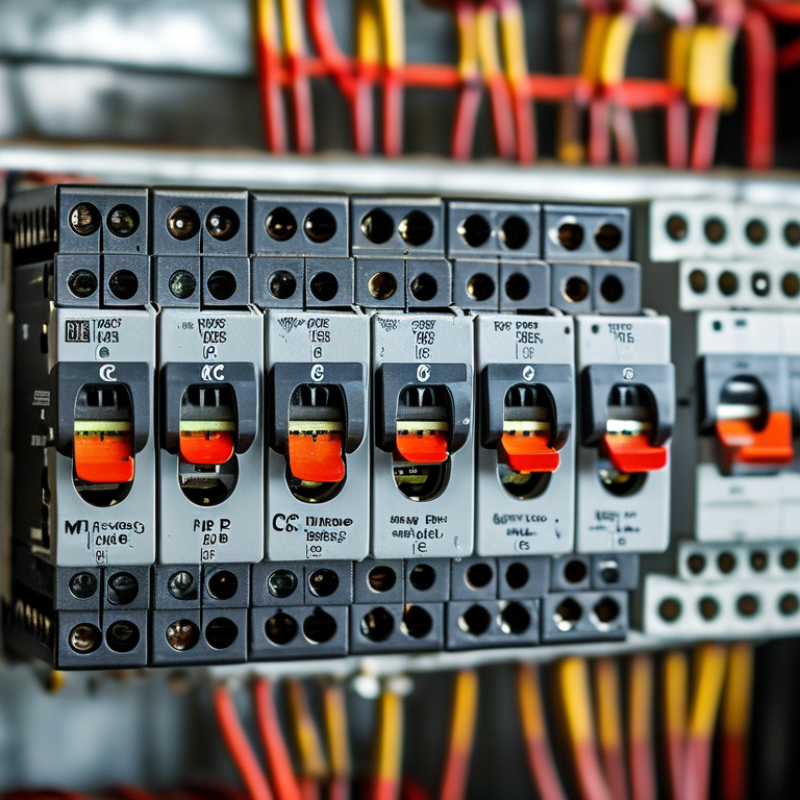
Understanding MCB and MCCB: Basic Definitions
Understanding MCB and MCCB: Basic Definitions
Miniature Circuit Breakers (MCBs) and Molded Case Circuit Breakers (MCCBs) are key electrical components.
MCBs protect against overloads and short circuits.
These devices are compact and suitable for residential use. They disconnect circuits automatically during faults, preventing potential damage.
Typically, MCBs have lower current ratings, often up to 100A.
MCCBs, on the other hand, are designed for larger applications.
They handle higher currents, usually ranging from 100A to 2,500A.
Their construction allows for more comprehensive protection against overloads, short circuits, and ground faults.
This added capability makes them suitable for industrial environments.
With adjustable trip settings, MCCBs offer flexibility for various applications.
Selecting the right device can be challenging.
The choice between MCBs and MCCBs often depends on the specific application.
For instance, MCBs may suffice for small offices, while MCCBs are better for manufacturing plants.
It’s crucial to evaluate the requirements carefully.
A well-informed decision can enhance safety and prevent costly failures.
Understanding these differences can aid global buyers significantly.
Key Functional Differences Between MCB and MCCB
In electrical distribution, understanding the differences between Miniature Circuit Breakers (MCB) and Molded Case Circuit Breakers (MCCB) is crucial for global buyers. MCBs are designed to protect low-voltage circuits up to 125A, ideal for residential and light commercial use. They trip quickly in overcurrent situations. Conversely, MCCBs can handle higher currents, typically exceeding 100A, and provide adjustable trip settings. This feature is essential for industrial environments, where load variations are common.
According to a 2022 market report, the global circuit breaker market is projected to reach $23 billion by 2028, with significant growth attributed to the increasing demand for energy-efficient systems. The superior technology in MCCBs allows better management of larger electrical loads, but they come with higher costs and complexity. Buyers must weigh these factors against the simpler, more cost-effective MCBs. This decision impacts safety, reliability, and operational efficiency.
While MCBs can offer quick responses to overload and short circuits, they may not suffice in applications requiring greater versatility. However, the integration of MCCB technology can introduce delays or issues in simpler setups, creating potential pitfalls if not properly implemented. Hence, choosing between MCB and MCCB requires careful consideration of both immediate needs and future scalability.
Differences Between MCB and MCCB
This chart illustrates the differences between MCB (Miniature Circuit Breaker) and MCCB (Molded Case Circuit Breaker) regarding their current rating and protection type. MCB typically supports lower current ratings (up to 32 Amps) and is used for overcurrent protection of small circuits. MCCB can handle higher current ratings (up to 250 Amps) and provides more extensive protection features.
Application Scenarios: When to Use MCB or MCCB
When deciding between MCB (Miniature Circuit Breaker) and MCCB (Molded Case Circuit Breaker), application scenarios play a crucial role.
MCBs are typically used in residential settings or small commercial buildings. They protect against overloads and short circuits, with a current rating up to 125A. Their quick trip features suit environments that require immediate disconnection.
In contrast, MCCBs serve larger industrial applications. They handle higher currents, ranging from 100A to 2500A. According to industry reports, MCCBs offer enhanced protection features, including adjustable trip settings. This adaptability is beneficial in scenarios with fluctuating load demands.
However, they can be more expensive and complex than MCBs, which may lead to challenges in smaller scale installations.
Choosing the right breaker involves understanding the specific needs of each scenario. Many engineers suggest that a proper assessment of load requirements is essential.
However, not all scenarios fit neatly into MCB or MCCB categories. Sometimes, reevaluating the application needs could uncover potential issues or alternatives that better serve your project,
like regular maintenance or adjustments in load management strategies.
Comparative Analysis of MCB and MCCB Specifications
When comparing MCB (Miniature Circuit Breaker) and MCCB (Molded Case Circuit Breaker), the specifications reveal key differences. MCBs are designed for lower current ratings, usually under 100A. They are ideal for residential and light commercial applications. On the other hand, MCCBs handle higher current ratings, often between 100A and 2500A, making them suitable for industrial settings.
In terms of protection, MCBs primarily protect against overloads and short circuits. They reset automatically after a fault is cleared. Conversely, MCCBs offer adjustable settings, allowing for greater customization of overload protection according to specific needs. This flexibility is crucial in environments with varying load conditions.
Tip: When selecting between MCB and MCCB, consider your current requirements and future expansion plans. A slight miscalculation can lead to inefficiencies or safety hazards.
Installation is another factor to ponder. MCBs generally have a straightforward installation process, while MCCBs demand a deeper understanding due to their complexity. Understanding the nuances of each can prevent potential operational issues later.
Tip: Always consult with a qualified electrician when making your choice. Their expertise can save you time and money in the long run. Don't overlook the importance of regular maintenance for both devices; this can significantly enhance safety and longevity in your electrical systems.
Cost Considerations for Global Buyers of MCB vs MCCB
When comparing MCB (Miniature Circuit Breaker) and MCCB (Molded Case Circuit Breaker), cost is a vital factor for global buyers. MCBs are typically less expensive, ranging from $2 to $15 per unit, making them suitable for residential and lighter commercial applications. Comparatively, MCCBs cost between $30 and $300, justified by their higher current ratings and advanced protection features. This price difference can impact budget decisions significantly.
Buyers should consider the long-term costs associated with both options. MCBs might require replacing or resetting frequently due to overloads, especially in high-demand settings. An industry report indicates that MCB malfunctions occur 10% more often than MCCBs under similar stress. This could lead to indirect costs due to downtime. Additionally, buyers must think about the installation costs; MCCBs are often more straightforward to install due to their robustness.
Tips:
- Always compare the total cost of ownership, not just the purchase price.
- Assess the performance history of circuit protectors before making a decision.
- Consider future expansion needs to avoid additional costs later on.
Understanding these nuances can lead to better purchasing decisions. Reliable data and performance history should be the cornerstone of your evaluation process.
FAQS
: MCBs protect low-voltage circuits up to 125A in residential and light commercial settings.
MCCBs can manage higher currents, typically exceeding 100A, making them suitable for industrial use.
They allow for better management of load variations, crucial in industrial environments.
MCBs range from $2 to $15 per unit, making them affordable for many applications.
MCCBs cost between $30 and $300, due to higher ratings and advanced features.
MCBs may require more frequent replacements or resets in high-demand situations.
MCB malfunctions happen 10% more often under similar stress conditions.
MCCBs are often easier to install, which can save on labor costs.
Reliable data helps make informed decisions about the circuit protectors' efficiency and reliability.
Proper planning can prevent additional expenses related to upgrades or replacements later.
Conclusion
In exploring "what is the difference between mcb and mccb," it is essential to understand the basic definitions of these protective devices. Miniature Circuit Breakers (MCB) are designed for low voltage applications and provide protection against overloads and short circuits, while Molded Case Circuit Breakers (MCCB) are suitable for higher voltage applications and can handle larger current ratings.
Key functional differences include the operational capacity and the specific use cases; MCBs are typically used in residential and light commercial applications, whereas MCCBs are employed in industrial settings where higher load capacities are necessary. Furthermore, when considering specifications, MCCBs often come with adjustable trip settings and additional features, making them more adaptable for complex applications. Cost is also a significant factor for global buyers, as MCBs generally offer a more economical choice for smaller installations, while MCCBs are more costly but crucial for high-demand environments. Understanding these distinctions will aid buyers in making informed decisions based on their specific needs.
 Bowser Electric
