In today's world, electrical safety is paramount. Appliances malfunctioning can pose serious risks to both users and the devices linked to the electric grid. One crucial element in home safety is the Residual Current Device (RCD). According to the National Fire Protection Association, electrical failures account for nearly 13% of home fires in the U.S. annually. This raises the question: can a faulty appliance damage a residual current device?
RCDs are designed to prevent electric shocks and reduce the risk of fire by detecting imbalances in electrical current. Yet, not all appliances are created equal. A report from Electrical Safety First indicates that older appliances are more prone to faults and can indeed lead to RCD failure. A damaged appliance may push the RCD beyond its threshold, potentially compromising its effectiveness.
Understanding the relationship between faulty appliances and RCDs is essential for safety-conscious households. Regular inspections and testing of both appliances and RCDs are recommended. The reality is that neglecting this important aspect can result in dire consequences—a reminder that safety is an ongoing commitment.
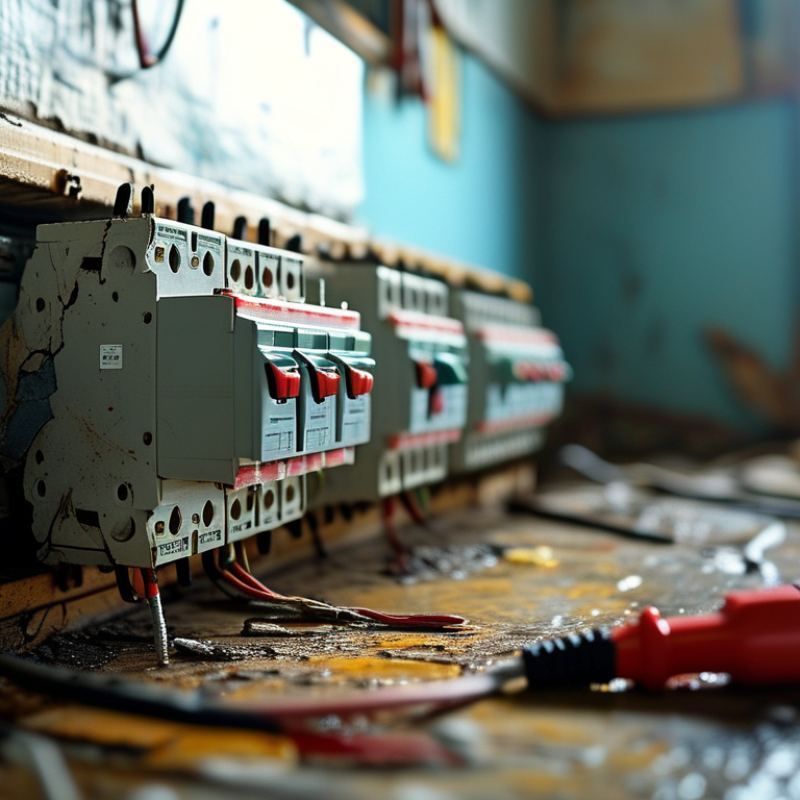
Understanding Residual Current Devices (RCDs)
Residual Current Devices (RCDs) are crucial for protecting against electric shock and electrical fires. They work by detecting ground faults and interrupting the electrical supply. With rising appliance complexities, understanding how faulty devices interact with RCDs is essential for safety.
When an appliance malfunctions, it can create unexpected electrical leakage. This condition may overload the RCD, causing it to trip frequently. Constant tripping can indicate a serious issue. It is vital to investigate repeated trips without dismissing them as mere inconvenience. Repairing or replacing the faulty appliance is necessary to ensure safety.
RCDs themselves can be compromised if frequently exposed to electrical surges from malfunctioning devices. Such exposure diminishes their protective capabilities over time. This situation emphasizes the importance of regular testing and maintenance of RCDs. Always check RCD functionality to ensure they provide the intended protection. Regular checks can prevent potential hazards that stem from faulty appliances.
Common Faults in Household Appliances
Household appliances can develop faults that may pose a significant risk to electrical systems. Understanding these common issues is vital for safety. A report by the Electrical Safety Foundation International indicates that over 50% of electrical fires in homes originate from faulty appliances. Malfunctions such as short circuits or ground faults can lead to dangerous situations, potentially overriding the protection offered by a Residual Current Device (RCD).
Common appliance faults include frayed cords, overheating, and water leaks. A frayed cord can expose live wires, increasing the risk of electric shock. Additionally, overheating often occurs in devices that are overworked or poorly maintained. The National Fire Protection Association states that over 15,000 home fires annually result from overheating appliances. Water leaks, too, can create a path for current, making RCDs less effective. While RCDs are designed to prevent electric shocks by cutting off the circuit, they may not always function correctly when faced with severe appliance malfunctions.
Regular maintenance is essential to prevent these issues. Many households neglect basic maintenance, which can compromise safety. Being proactive can significantly minimize the risks associated with appliance failures. Even with safety devices in place, a faulty appliance can present unforeseen dangers, underscoring the importance of vigilance and regular inspections.
How Faulty Appliances Can Affect RCD Functionality
Faulty appliances can pose significant risks to Residual Current Devices (RCDs). When an appliance malfunctions, it may draw more current than normal. This excess current can confuse the RCD, leading to improper tripping. If the RCD fails to operate correctly, the danger of electric shock increases.
Common issues with faulty appliances include frayed wires or damaged insulation. These problems can cause leakage currents, which may trip the RCD unnecessarily or fail to trip when needed. It's crucial to recognize the signs of appliance failure, such as burnt smells or flickering lights, which indicate potential dangers. Addressing these issues promptly can save lives and prevent property damage.
Regular maintenance of appliances is vital. However, many users neglect this aspect, leading to unexpected failures. Reflecting on appliance care often reveals overlooked details. Carrying out periodic inspections and replacing worn-out components can enhance safety. Understanding the relationship between faulty appliances and RCD performance is essential for any homeowner.
Signs of RCD Damage Due to Appliance Malfunctions
Experiencing electrical issues can be alarming, especially if you suspect your appliance is to blame. A faulty appliance might not only cause inconvenience but could also damage your residual current device (RCD). A clear sign of RCD damage is frequent tripping. If the device activates without an apparent reason, it may indicate an underlying fault in your appliance.
Another indication of potential RCD issues is unusual noises or flickering lights when using a specific appliance. These symptoms often suggest an electrical fault that could lead to further complications if not addressed promptly. Additionally, if you notice burning smells or scorch marks around the appliance, it might be time to investigate. Ignoring these warning signs could lead to more significant damage, not just to the RCD but also to your home's electrical system.
Paying attention to the behavior of your appliances can provide vital clues. Sometimes, it can be hard to pinpoint the exact problem. Observing changes over time may help in identifying patterns. If you suspect that an appliance is damaging your RCD, consulting with a qualified electrician can ensure safety and reliability in your electrical system.
Preventive Measures to Protect RCDs from Faulty Appliances
Faulty appliances can indeed pose a risk to Residual Current Devices (RCDs). These devices are designed to cut off electricity during a fault. However, a malfunctioning appliance can continuously trip the RCD, leading to unnecessary power interruptions or even damage to the RCD itself. Regular inspections can help identify potential issues in appliances before they escalate.
Preventive measures are vital in protecting RCDs. Start by routinely checking your appliances for visible damage or wear. Any frayed wires or unusual noises could indicate a malfunction. It’s also wise to unplug devices when not in use. This simple action can significantly reduce the risk of electrical faults. Additionally, consider using surge protectors, which can offer an extra layer of safety against power surges.
While RCDs are reliable, they are not infallible. Understanding their limitations is crucial. An RCD cannot prevent all electrical faults, especially those that do not create a ground fault. Awareness of appliance conditions and proactive maintenance can mitigate risks. Ignoring these precautions can lead to more significant issues, including appliance failure or electrical fires. Taking small steps today can help ensure safety tomorrow.
FAQS
: Frequent tripping of the RCD indicates potential damage. Unusual noises and flickering lights when using an appliance may also point to issues.
Pay attention to visible damage, like frayed wires. Burning smells or scorch marks around appliances signal problems that need attention.
Investigate the appliances connected. If it trips without clear reason, consult a qualified electrician for safety and reliability.
Perform regular inspections of appliances. Look for signs of wear, and unplug devices when not in use to minimize risks.
They help identify potential issues before they escalate. Proactive maintenance can prevent appliance failure and protect your electrical system.
No, RCDs have limitations. They cannot detect all faults, especially if no ground fault occurs. Awareness and maintenance are essential.
Regular inspections, ideally every few months, can catch issues early. Look for any signs of unusual wear or failure.
Surge protectors add an extra layer of safety against power surges. They can help protect both appliances and your RCD.
Ignoring signs, like tripping RCDs or burning smells, could lead to larger problems. This may include appliance failure or electrical fires.
While some issues are simple, many require professional help. If unsure, calling an electrician is always the safest option.
Conclusion
The article "Can a Faulty Appliance Damage a Residual Current Device?" explores the essential role of Residual Current Devices (RCDs) in protecting electrical systems from faults. It highlights common issues found in household appliances that can lead to malfunctions, potentially compromising the functionality of RCDs. As faulty appliances can disrupt the proper operation of RCDs, it is crucial to understand how such appliances can affect their efficiency and safety.
Moreover, the article discusses the signs indicating that RCDs may have been damaged due to these appliance malfunctions, emphasizing the importance of recognizing these symptoms early. To mitigate risks, preventive measures are suggested to protect RCDs from the adverse effects of faulty devices. This information aims to raise awareness about the potential dangers of faulty appliances and their impact on electrical safety systems, ultimately answering the question of whether a faulty appliance can damage a residual current device.
 Bowser Electric
