Bowser Electric
In the electrical engineering field, understanding equipment is crucial. A common question arises: "what is the difference between an isolator and a switch disconnector?" Experts like Dr. Emily Carter, an authority in power systems, state, “Knowing the distinctions helps in choosing the right device for safety and efficiency.”
Isolators are designed to ensure that electrical circuits are safely disconnected from power sources. They provide a visible break in the circuit. Switch disconnectors, however, are capable of switching under load, allowing them to interrupt power without damage. This capability enables operational flexibility.
Despite their differences, many professionals misinterpret these devices, leading to potential safety risks. A closer look at their functions reveals the importance of the right choice. Understanding both devices enhances reliability in electrical installations and boosts system performance. Being well-informed helps avoid mistakes that could endanger systems and lives.
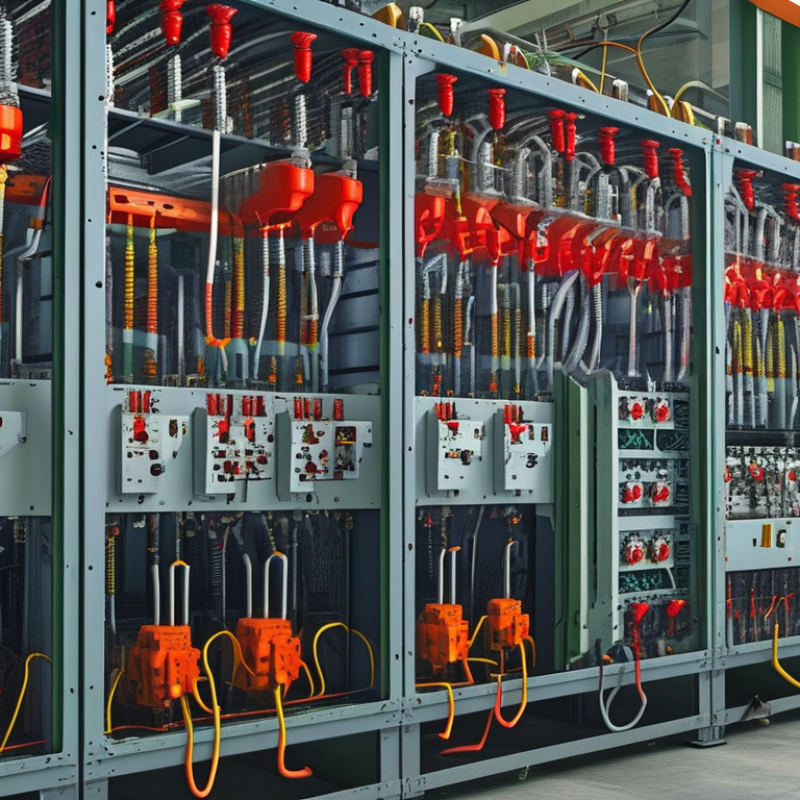
Isolators and switch disconnectors serve vital roles in electrical systems. An isolator is typically used to ensure complete disconnection of a part of the circuit for maintenance purposes. It offers a visual indication that the circuit is open and safe to work on. The isolator operates under no load conditions, limiting its use during normal operating circumstances.
On the other hand, a switch disconnector is designed to interrupt a circuit under load. Its construction often includes features that can handle arcing and load currents efficiently. According to the International Electrotechnical Commission (IEC), both devices typically operate at standard voltages, often referenced in systems ranging from 1kV to 36kV. This significant variation highlights their differing applications in electrical networks.
Industry reports suggest that the global market for isolation switches is expected to reach over $3 billion by 2025. This growth reflects the increasing need for safer electrical infrastructure. However, the challenge lies in ensuring that these devices meet industry standards. Regular testing and adherence to safety protocols are crucial for their reliability. Engineers must remain vigilant, as outdated equipment can lead to failures that compromise safety and efficiency.
Isolators play a crucial role in electrical systems, providing safety and maintenance assistance. They ensure that the circuit can be safely de-energized for repair or maintenance. This device visually indicates when the circuit is off. It thereby prevents accidental re-energization. Isolators operate under normal conditions. They are not intended for load switching, which is a common misconception.
The applications of isolators are vast. They are commonly found in substations and industrial setups. In these environments, safety is paramount. Proper use of isolators can help protect both equipment and personnel. It is essential to have a clear understanding of their limitations. They are not designed for frequent operations like switch disconnectors. Therefore, their use should be carefully considered in safety protocols.
Even experienced professionals sometimes overlook the importance of proper isolator installation. This can lead to unsafe situations. Regular training and awareness are vital. Being mindful of the distinctions between isolators and switch disconnectors can enhance overall electrical safety and efficiency in operations.
Switch disconnectors play a crucial role in electrical systems. They ensure safe isolation of electrical circuits for maintenance and repair. Unlike isolators, switch disconnectors can interrupt the current flow, providing an additional layer of safety. They are typically used in industrial applications where equipment needs to be de-energized.
These devices are essential in power distribution networks. They allow for quick disconnection from the supply during faults or maintenance. The construction varies, with options like manual and motorized operations. Each type serves specific needs, from low voltage to high voltage applications. Their reliability in emergency situations makes them indispensable in many settings.
Despite their importance, improper use can lead to failures. Regular maintenance checks are necessary to ensure functionality. Operators must be trained to handle them safely. Overlooking these aspects can compromise safety. Therefore, understanding their applications and limitations is essential for effective operation.
When comparing isolators and switch disconnectors, the operational mechanisms play a crucial role. An isolator is designed to ensure electrical isolation under no-load conditions. It effectively prevents accidental contact with live parts. These devices utilize a simple mechanism that usually involves levers or gears. They do not carry current during normal operation, which makes them ideal for maintenance scenarios.
On the other hand, a switch disconnector provides a more versatile functionality. It can connect, disconnect, and isolate circuits under both load and no-load conditions. This feature makes it essential in various industrial applications. The operational mechanism here is more complex. It often involves intricate spring mechanisms and switch contacts that ensure a safe and efficient disconnection. While both devices serve similar purposes, the choice between them hinges on specific application requirements.
In practice, the effectiveness of these devices can sometimes be challenged. Isolators may fail to provide adequate isolation due to wear and environmental factors. Similarly, switch disconnectors require regular maintenance to ensure reliable performance. It's vital to reflect on these aspects when selecting the right device. Proper training and expertise in the installation and maintenance phases can enhance reliability and safety in electrical systems.
When evaluating isolators and switch disconnectors, safety considerations are paramount. Isolators ensure that a circuit is fully de-energized for maintenance. They protect personnel from electrical hazards. Conversely, switch disconnectors provide a means to safely interrupt the circuit. According to industry standards, these devices must comply with IEC 60947-3. This defines their emergency functions and operational reliability.
Analysis from the International Electrotechnical Commission (IEC) reveals that poor maintenance increases failure rates by 30%. Regular inspections and adherence to standards are vital. Isolators should be tested for resistance and functionality. Switch disconnectors must be evaluated to ensure they can handle load interruptions.
Tips: Always involve a qualified technician when performing maintenance. Use lockout/tagout (LOTO) procedures to avoid accidental energization. This simple practice significantly enhances safety. Additionally, ensure the isolation points are well marked and accessible. Mislabeling increases the risk of operational errors and accidents.
: An isolator ensures complete disconnection of a circuit for maintenance. It provides a visual indication that the circuit is safe to work on.
An isolator operates under no load, while a switch disconnector can interrupt circuits under load. This affects their applications.
Isolators are often found in substations and industrial setups. They enhance safety during maintenance or repair work.
Improper installation can result in accidental re-energization. Awareness and proper training are crucial for safe usage.
Switch disconnectors safely isolate circuits for maintenance. They can interrupt current flow, making them essential for safety.
They vary in construction, including manual or motorized operations. This allows for use in both low and high voltage applications.
Regular checks ensure functionality and safety. Neglecting maintenance can lead to failures and compromise safety.
They allow quick disconnection from the power supply during faults. This quick response is critical in maintaining safety.
Operators must understand their applications and limitations. Improper use can lead to serious safety issues.
Understanding the differences enhances operational efficiency. It reduces the risk of accidents and promotes safety protocols.
In understanding what is the difference between an isolator and a switch disconnector, it's important to first define each device. An isolator is primarily used to ensure that electrical equipment is completely de-energized for maintenance or safety purposes, while a switch disconnector serves to safely disconnect power from a circuit. Both devices play crucial roles in electrical systems but are designed for different applications and operational contexts.
The key functions of isolators include providing a visible break in the circuit and ensuring safety during maintenance. Switch disconnectors, on the other hand, are used to interrupt current flow and can be operated under load conditions. When comparing their operational mechanisms, isolators typically feature manual control, whereas switch disconnectors may include both manual and automatic operations. Safety standards vary between the two, emphasizing the need for careful consideration in the selection and application of each device within the industry.
