Bowser Electric
Residual Current Circuit Breakers (RCCBs) are crucial for electrical safety. They detect leakage currents, mitigating the risk of electric shocks and fires. However, understanding what causes a residual current circuit breaker to trip is essential for effective maintenance and safety. Industry reports from the National Fire Protection Association show that electrical failures account for significant property damage each year.
Common triggers include ground faults, equipment malfunction, and circuit overloads. Faulty appliances or wiring can create unintended paths for current, leading to tripping. Shockingly, nearly 70% of electrical mishaps are linked to such failures. This statistic emphasizes the paramount importance of knowing what causes a residual current circuit breaker to trip.
Even seasoned electricians can overlook minor issues, resulting in costly repairs or unsafe conditions. Regular inspections and prompt repairs are vital to ensure RCCBs function correctly. Increased awareness helps in identifying potential hazards before they escalate. Understanding these causes can foster a safer environment for both residential and commercial installations.
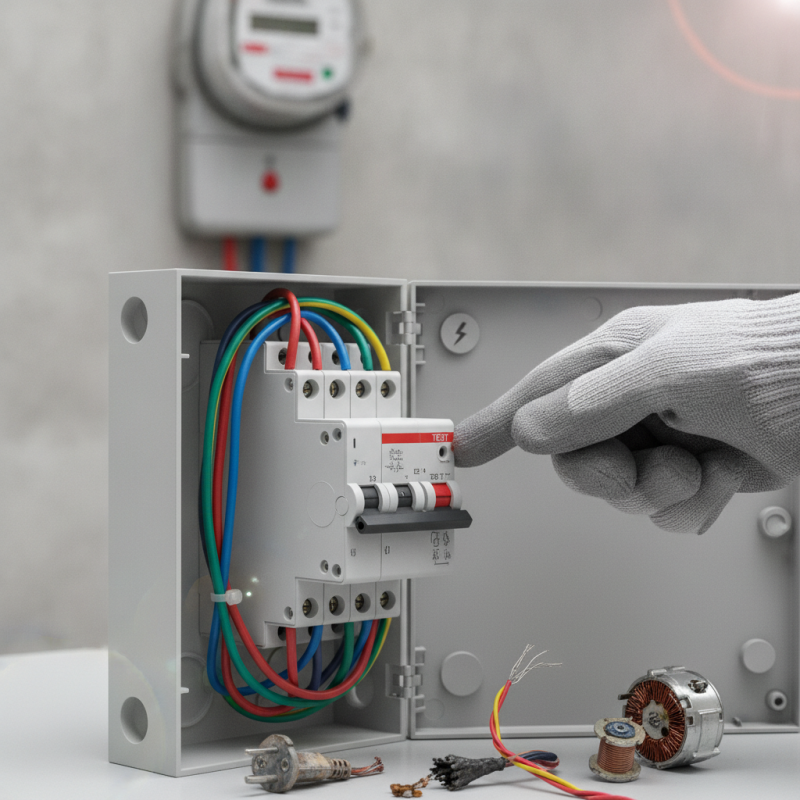
Residual Current Circuit Breakers (RCCBs) play a crucial role in electrical safety. They help prevent electrical shocks and fire hazards by detecting imbalance in electrical current.
An RCCB senses when electricity flows through different paths, such as when part of it leaks to the ground. If an imbalance occurs, the RCCB trips, disconnecting the power supply almost instantly.
Regular maintenance of RCCBs is vital. Ensure that these devices are tested frequently, at least every six months. This testing helps to confirm that they are functioning correctly. Also, inspect the wiring and devices connected to the circuit. Faulty appliances can create leaks, leading to frequent tripping.
Tips: Label all RCCBs in your electrical panel. Knowing which circuit to check can save time during an issue. Keep a record of testing dates for reference. If an RCCB trips repeatedly, this may indicate a more significant issue. Consult a qualified electrician for assistance and assessment. Remember, safety first; don't hesitate to seek help when needed.
Residual Current Circuit Breakers (RCCBs) play a vital role in maintaining electrical safety. They trip when they detect an imbalance in electrical current. Common causes of tripping events include ground faults, overloading, and faulty appliances. According to industry reports, ground faults account for a significant portion of RCCB trips, often due to water ingress or damaged insulation.
Overloading circuits can also lead to RCCB activation. When too many devices draw current, the RCCB can trip to prevent overheating. Interestingly, regular testing of RCCBs is essential. Many reports indicate that up to 30% of households have RCCBs that are overdue for a test.
Tip: Regularly test your RCCB to ensure it's functioning correctly. A simple push of the test button can identify issues before they become dangerous.
Faulty appliances are another major culprit. Devices that malfunction can cause leakage currents, triggering an RCCB trip. It’s crucial to inspect appliances for wear and damage periodically. A startling 20% of electrical failures stem from faulty equipment.
Tip: Replace worn-out plugs and cables immediately to avoid potential tripping scenarios. Small maintenance tasks can significantly enhance safety.
Being aware of these causes can help in preventing unexpected disruptions. Regular maintenance and testing can ensure your RCCB operates effectively.
Residual Current Circuit Breakers (RCCBs) play a crucial role in electrical safety by detecting faults. When an imbalance occurs in the electrical current, the RCCB trips, cutting off power. Electrical faults can arise from faulty wiring, insulation breakdown, or water ingress, leading to a significant risk of shock or fire. According to research, over 30% of electrical accidents are linked to inadequate protection systems.
One key factor in RCCB performance is the sensitivity rating. Most RCCBs trip at 30 mA, suitable for general use. However, for specific applications like medical equipment, 10 mA RCCBs may be needed. This highlights the importance of choosing the right device for the application. Regular testing is essential. A periodic check can help identify potential issues before they cause serious problems.
Tip: Always engage a qualified electrician for installation and testing. This practice ensures compliance with local regulations and enhances safety.
Detection of earth faults is critical. Even minor leakage currents can indicate significant issues. An RCCB may trip even with minor deviations, emphasizing their sensitivity. Users should be aware that nuisance tripping can occur, often due to fluctuations during storms or malfunctioning appliances. Understanding these patterns can lead to better management of electrical systems.
Residual Current Circuit Breakers (RCCBs) play a crucial role in electrical safety. However, various environmental factors can lead to their activation. Humidity is a significant contributor. High moisture levels can cause electrical insulations to deteriorate, leading to faults. According to the International Electrotechnical Commission, nearly 30% of RCCB tripping incidents are attributed to moisture exposure.
Additionally, temperature fluctuations can affect the performance of electrical devices. Extreme heat or cold might cause materials to expand or contract, resulting in connections loosening or insulation cracking. A study by the Electrical Safety Foundation International found that around 25% of trips occur during seasonal transitions, when temperatures are unstable.
Dust accumulation is another often-overlooked factor. Dust can act as a conductor when wet. This increases the risk of short circuits or leakage currents. An analysis of residential electrical failure incidents revealed that approximately 15% were due to dirty environments impacting RCCB functionality. Addressing these environmental challenges requires vigilance and regular maintenance. It's essential to consider how diverse external conditions can compromise safety systems like RCCBs.
Residual Current Circuit Breakers (RCCBs) are essential for electrical safety. Regular maintenance is crucial to prevent unwanted tripping. One common cause is moisture accumulation. Keep all electrical components dry. Insulate wiring properly to minimize the risk.
Another factor that can lead to trips is dust and dirt. These can create a path for leakage currents. Routinely clean your RCCB and surrounding area to ensure optimal performance. Pay special attention to connections and terminals. They should be free from corrosion and debris.
Test your RCCB often. A regular check helps identify issues before they escalate. Ensure that the test button works as expected. Slight irregularities might indicate potential problems. Remember, a functioning RCCB is vital for safety. Making these small maintenance efforts could save you from larger issues.
This bar chart displays the major causes of Residual Current Circuit Breaker (RCCB) tripping, with overload being the primary cause. Understanding these factors can aid in maintenance and prevention strategies.
: RCCBs trip due to ground faults, overloading, or faulty appliances. These issues disrupt the electrical current balance.
High humidity can deteriorate insulation. This deterioration may lead to ground faults, causing the RCCB to trip.
You should test your RCCB regularly. Many households neglect this, risking safety with overdue testing.
Dust accumulation can create conductive paths when wet. This increases the risk of leakage currents and tripping.
Limit the number of devices on a circuit. Ensure that the total current draw stays within safe limits.
Look for wear or damage in plugs and cables. Malfunctioning devices can cause leakage currents and trigger trips.
Regular maintenance helps identify issues early. Proper care ensures RCCBs function effectively and avoid unexpected tripping.
Yes. Extreme temperatures can cause materials to expand or contract, loosening connections or cracking insulation.
Understanding what causes a residual current circuit breaker to trip is essential for ensuring electrical safety in residential and commercial settings. The RCCB functions by detecting imbalances between the live and neutral wires, which indicates potential electrical faults. Common causes of tripping events include ground faults, overloading, and equipment failures. Environmental factors, such as moisture and temperature fluctuations, can also trigger RCCB activation.
To maintain optimal RCCB performance and prevent unwanted tripping, regular maintenance is crucial. This includes routine inspections and testing of the circuit breaker functionality. By understanding the underlying causes and implementing preventive measures, users can enhance the reliability of their electrical systems and minimize disruptions.
