Bowser Electric Bowser Electric

What Causes Arc Faults in Residential Wiring and How to Prevent Them?

Time:2026-09-05 Author:Ethan
0%

Arc faults in residential wiring pose significant risks. Understanding "what causes arc faults in residential wiring" is essential for safety. Expert electrical engineer Dr. Emily Carter states, “Improper connections and aging wires are common culprits.”

In homes, small electrical issues can escalate. Loose connections in outlets often spark. This can produce heat, leading to fires if unchecked. Dr. Carter emphasizes the role of regular inspections. Homeowners should be proactive to minimize risk.

Preventive measures count. Installing arc-fault circuit interrupters (AFCIs) adds protection. These devices cut off power during arcing events. Awareness of wiring conditions helps prevent disasters. Many overlook older wiring systems. Regular checks and updates are vital for safety.
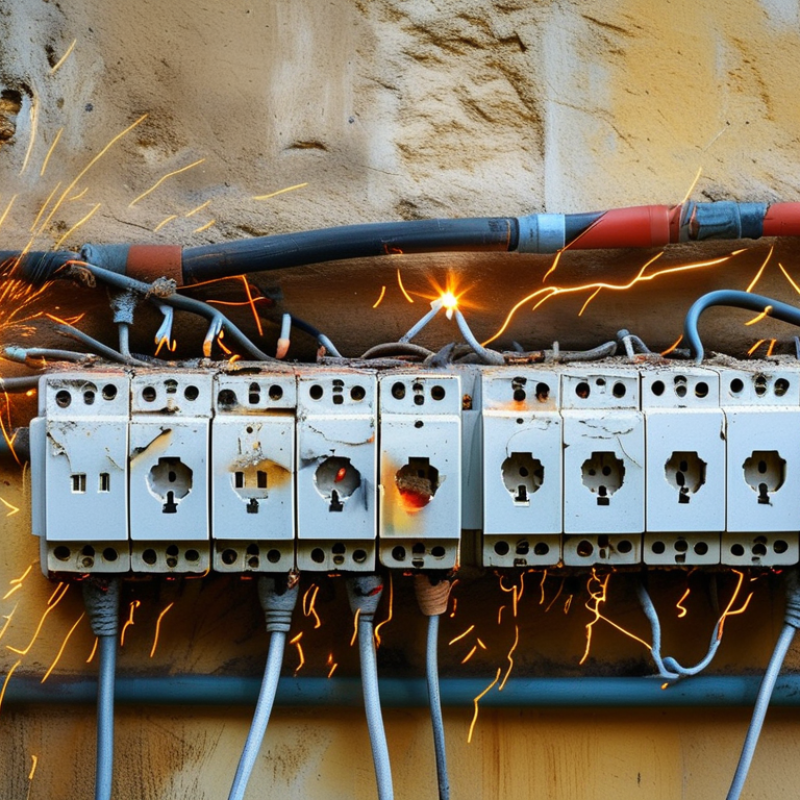
What Causes Arc Faults in Residential Wiring and How to Prevent Them?

Understanding Arc Faults: Definition and Characteristics

Arc faults in residential wiring pose significant fire risks. These faults occur when electricity travels through unintended paths, often due to damaged wires or connections. According to the National Fire Protection Association, arc faults are responsible for nearly 28,000 residential fires annually. The unpredictable nature of arc faults makes them particularly dangerous, as they can ignite surrounding materials without much warning. Common characteristics include flickering lights, buzzing sounds, and unusual heat around outlets or switches.

To enhance home safety, consider using arc-fault circuit interrupters (AFCIs). These devices can detect the unique signature of an arc fault and cut off power. Regularly inspect your electrical wiring for signs of wear, including fraying or exposed insulation. Address any suspicious outlets or switches immediately; even small issues can escalate into larger problems.

Keeping your home safe requires vigilance. Understand that older wiring systems may not meet today’s safety standards. Outdated materials can increase the risk of arc faults. Ensuring proper grounding and addressing any overloaded circuits can drastically reduce your fire risk. Regular inspections by a professional can highlight hidden hazards, keeping your home safer.

Common Causes of Arc Faults in Residential Wiring

Arc faults in residential wiring are a significant concern for homeowners. These faults occur when there is an unintentional electrical discharge, which can lead to fires. Common causes include damaged wires, loose connections, and faulty appliances. Insulation that deteriorates over time can also create conditions for arc faults. For instance, frayed wires might expose conductors, leading to dangerous sparks.

In older homes, the risk increases with outdated wiring materials. Poor installation practices can further contribute to the problem. Homeowners may not recognize the signs of an impending arc fault. Flickering lights, frequent tripping of circuit breakers, or a burning smell could all indicate issues. If any of these are noticed, immediate investigation is crucial. It is important to be vigilant and proactive.

Preventing arc faults is essential for safety. Installing arc-fault circuit interrupters (AFCIs) is a recommended measure. Regular electrical inspections can identify wear and tear. Homeowners should also practice good housekeeping around electrical outlets and cords. Keeping cords untangled reduces the chances of damage. It’s beneficial to educate everyone in your home about electrical safety and maintenance. This knowledge can empower families to address potential risks effectively.

The Impact of Aging Wiring and Poor Connections on Arc Faults

Aging wiring is a significant factor contributing to arc faults in residential properties. Over time, wire insulation becomes brittle and can crack, exposing the conductive wire inside. According to the National Fire Protection Association (NFPA), nearly 30% of electrical fires in homes are attributed to faulty wiring and poor connections. This highlights the need for regular inspections and maintenance of residential electrical systems.

Poor connections also play a crucial role in the formation of arc faults. Loose or corroded connections can generate heat, leading to potential arcing. The Consumer Product Safety Commission (CPSC) reports that homes with older wiring systems are often at a higher risk. Moreover, junction boxes that are not properly sealed can allow dust and moisture to enter, promoting corrosion.

Addressing these issues is vital for ensuring electrical safety. Homeowners should prioritize regular evaluations of their wiring systems. Investing in arc fault circuit interrupters (AFCIs) can also help detect and prevent arc faults. Awareness of the risks associated with aging wiring and poor connections is crucial in safeguarding homes and lives. Regular checks can prevent small problems from escalating into dangerous situations.

What Causes Arc Faults in Residential Wiring and How to Prevent Them?

Causes of Arc Faults Impact of Aging Wiring Impact of Poor Connections Preventive Measures
Frayed insulation Reduced effectiveness of insulation leading to short circuits Increased resistance that may generate heat Regular inspections and timely replacements
Loose connections Corrosion may develop causing more sparks Poor current flow leading to overrated load on sections of wire Use of quality connectors and periodic maintenance
Damaged or outdated devices Increased risk due to technology obsolescence Increased likelihood of electrical failure Replacement of old devices with newer models
Overloaded circuits Old wiring may not handle modern loads More stress on already weakened connections Load balancing and circuit upgrades

Preventive Measures for Reducing Arc Fault Risks in Homes

Arc faults pose significant risks in residential wiring. These faults typically occur when the electrical current deviates from its intended path, often due to damaged wires or loose connections. A report from the National Fire Protection Association indicates that arc faults are responsible for around 28,000 home fires each year in the United States, resulting in numerous injuries and fatalities.

To mitigate these risks, homeowners must adopt several proactive measures. Installing arc-fault circuit interrupters (AFCIs) can greatly enhance safety by detecting arc faults and cutting off the power supply. Regular inspections of electrical systems help identify damaged wires early. Keeping cords and plugs in good condition also reduces the likelihood of arcing.

Practice good electrical habits. Avoid overloading outlets, as this increases the risk of overheating and arcing. It's vital to keep an eye on any flickering lights or tripped breakers, as these can be early signs of a more significant issue. Educating family members about electrical safety is also crucial in preventing accidents. Regularly testing smoke alarms is essential to ensure they work when needed.

What Causes Arc Faults in Residential Wiring

Importance of Arc Fault Circuit Interrupters (AFCIs) in Safety

Arc faults are a significant risk in residential wiring, often caused by damaged wires, loose connections, or excessive wear. These faults can lead to electrical fires if left unchecked. It's essential to understand how these issues arise to ensure safety at home.

Arc Fault Circuit Interrupters (AFCIs) play a crucial role in protecting your home from these dangers. They detect dangerous electrical arcing and disconnect the circuit before a fire can start. AFCIs are especially important in areas like bedrooms and living rooms, where electrical fires can be devastating. Their installation can prevent unseen hazards that conventional circuit breakers might miss.

Inadequate knowledge about electrical systems can lead to oversights. Homeowners may not realize the need for AFCIs until it's too late. Regular maintenance and inspections can help identify wiring issues early, reducing potential risks. Prioritizing safety in your home should not be taken lightly. Investing in AFCI technology is a proactive step toward a safer living environment.

FAQS

: What are arc faults?

: Arc faults occur when electricity travels through unintended paths due to damaged wiring.

Why are arc faults dangerous?

They can ignite materials unexpectedly, causing significant fire risks in homes.

How common are arc faults?

Arc faults are responsible for about 28,000 residential fires annually in the U.S.

What can homeowners do to reduce risks?

Installing arc-fault circuit interrupters (AFCIs) can help detect and prevent arc faults.

How can I check my wiring for issues?

Inspect wiring for fraying, exposed insulation, or unusual heat around outlets regularly.

Why is older wiring a concern?

Older systems might not meet current safety standards, increasing the risk of failures.

What should I do if I notice flickering lights?

Flickering lights may indicate underlying issues; address them immediately to prevent larger problems.

Are there safe electrical habits to practice?

Avoid overloading outlets and keep cords in good condition to minimize arcing risks.

How can I educate my family on electrical safety?

Discuss the signs of electrical issues and how to respond, like tripped breakers or buzzing sounds.

How often should I test smoke alarms?

Regularly test smoke alarms to ensure they function effectively when needed.

Conclusion

Arc faults in residential wiring are dangerous electrical discharges that occur when electrical current jumps across a gap between conductive materials. Understanding what causes arc faults in residential wiring is essential for ensuring safety in homes. Common causes include aging wiring, poor connections, and defective devices, which can lead to overheating and electrical fires.

Preventive measures such as regular inspections and maintaining proper connections can significantly reduce the risks associated with arc faults. Additionally, the installation of Arc Fault Circuit Interrupters (AFCIs) plays a crucial role in enhancing safety by detecting these faults and interrupting the circuit before any damage occurs. By being aware of these factors and implementing safety measures, homeowners can protect their residences from the hazards posed by arc faults.

Ethan

Ethan

Ethan is a seasoned marketing professional with a deep expertise in our company's innovative product line. With a passion for sharing knowledge and insights, he takes the lead in regularly updating our corporate blog, where he explores industry trends, product features, and effective marketing......